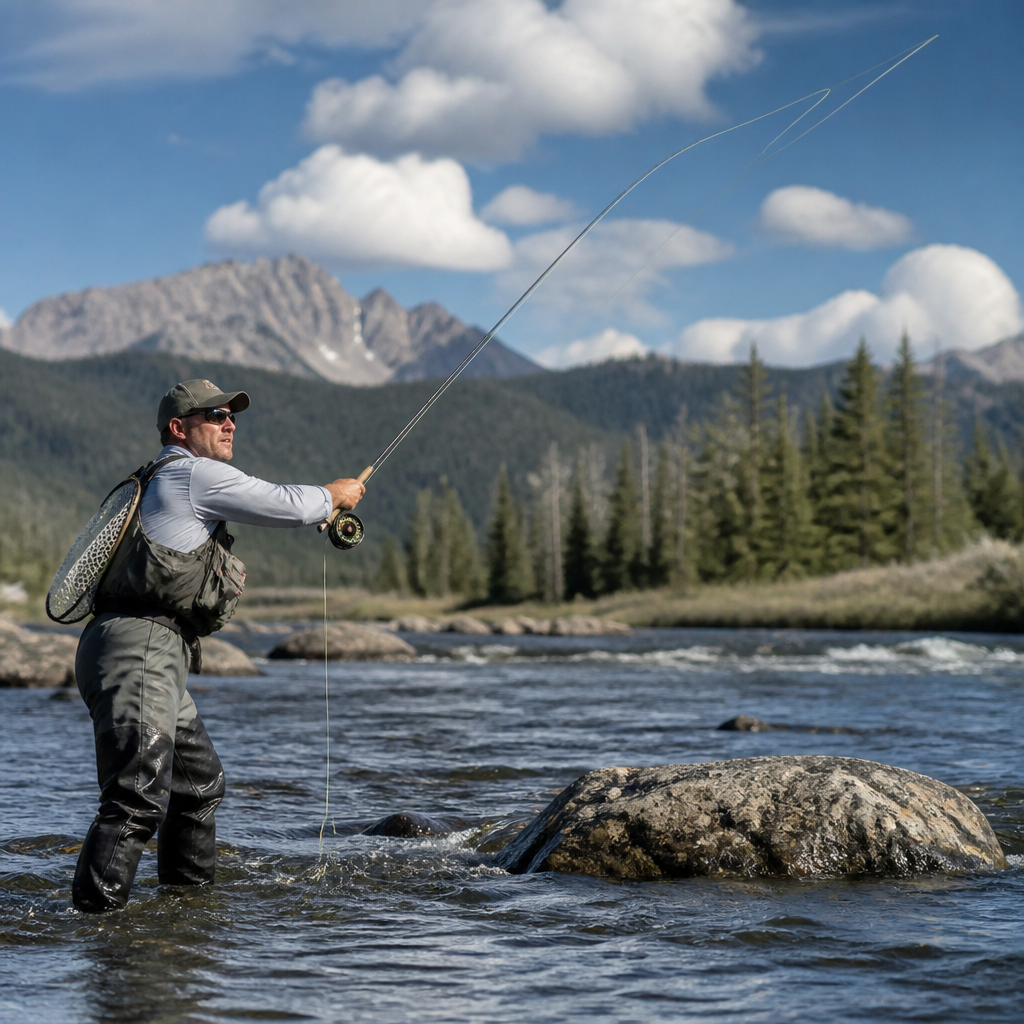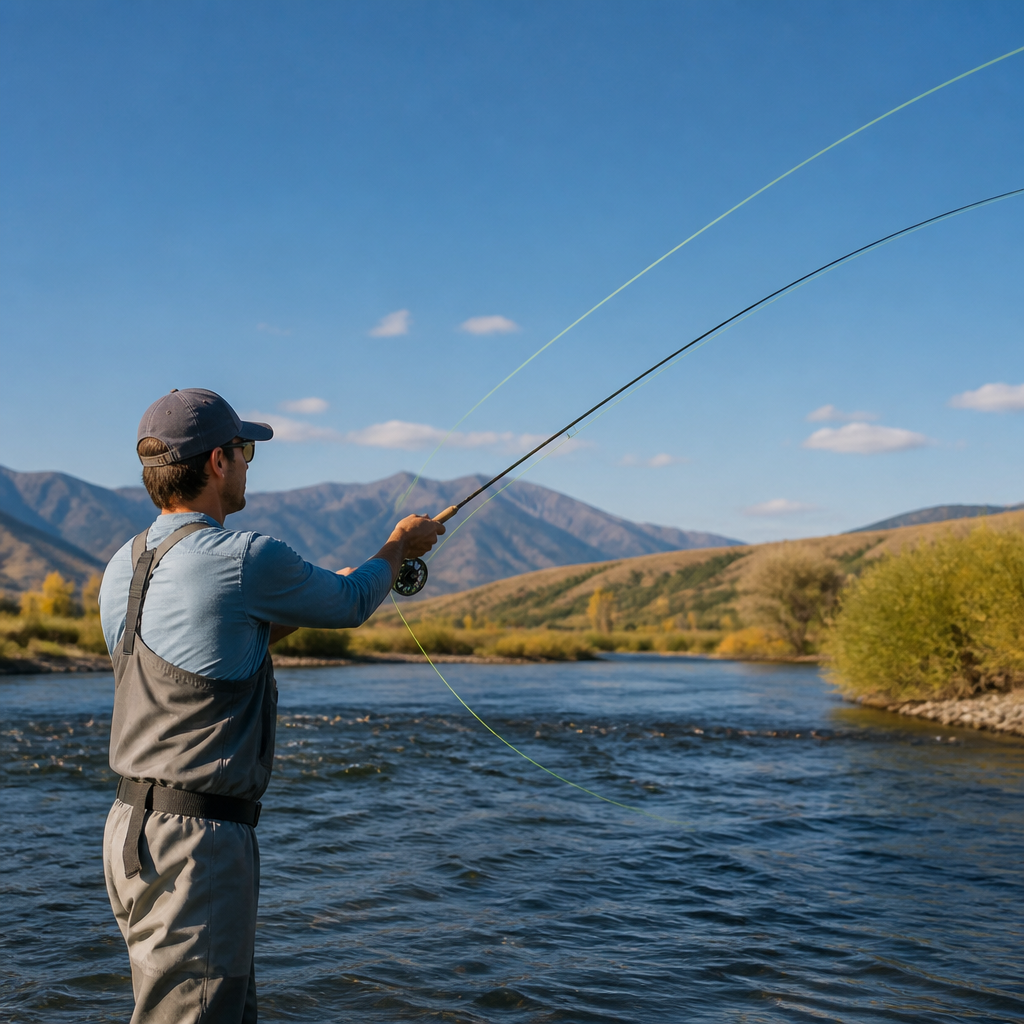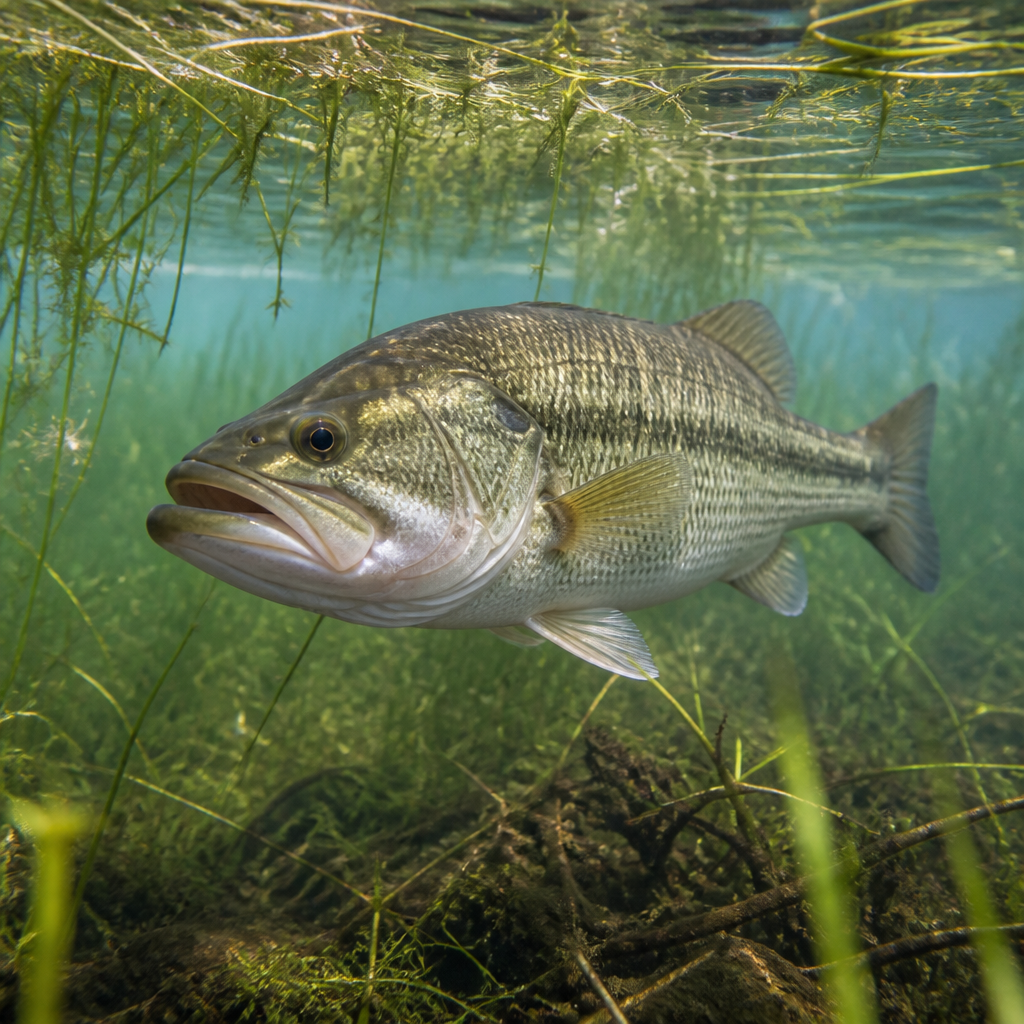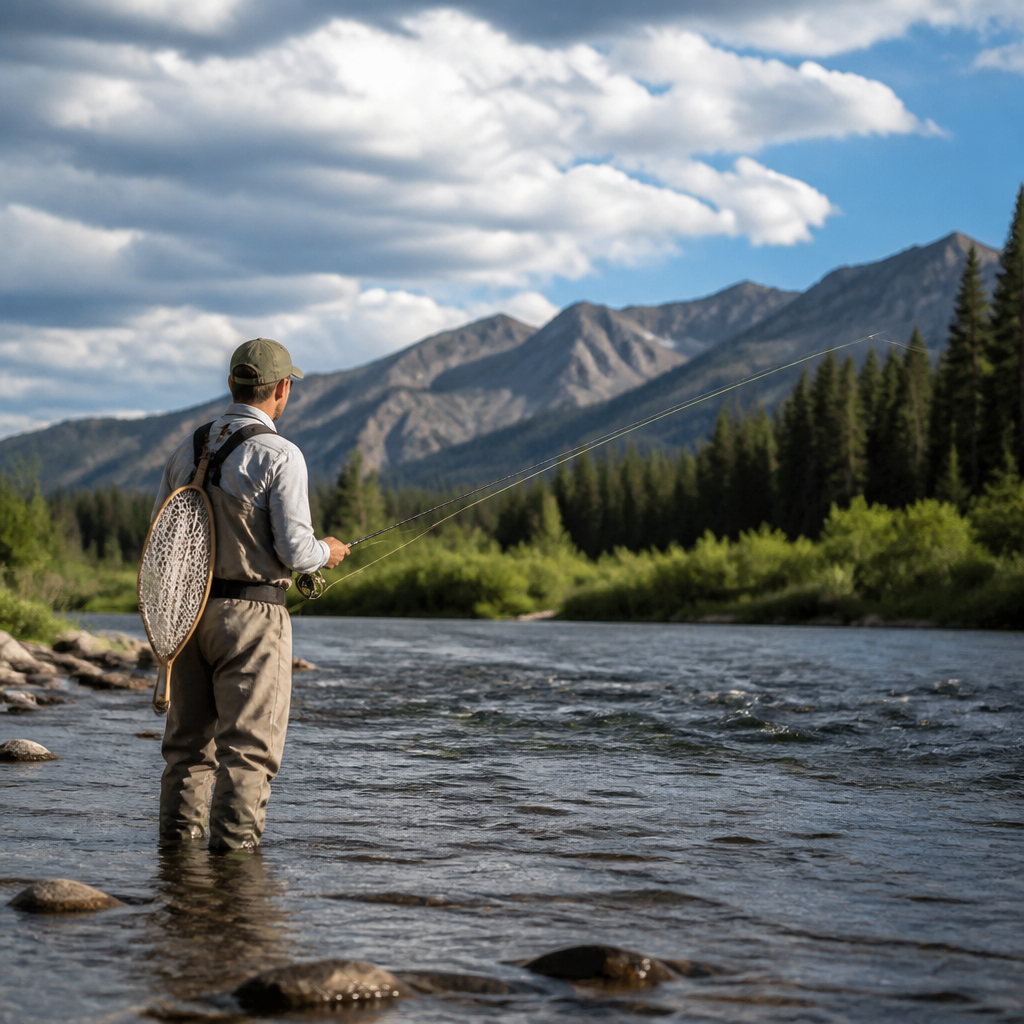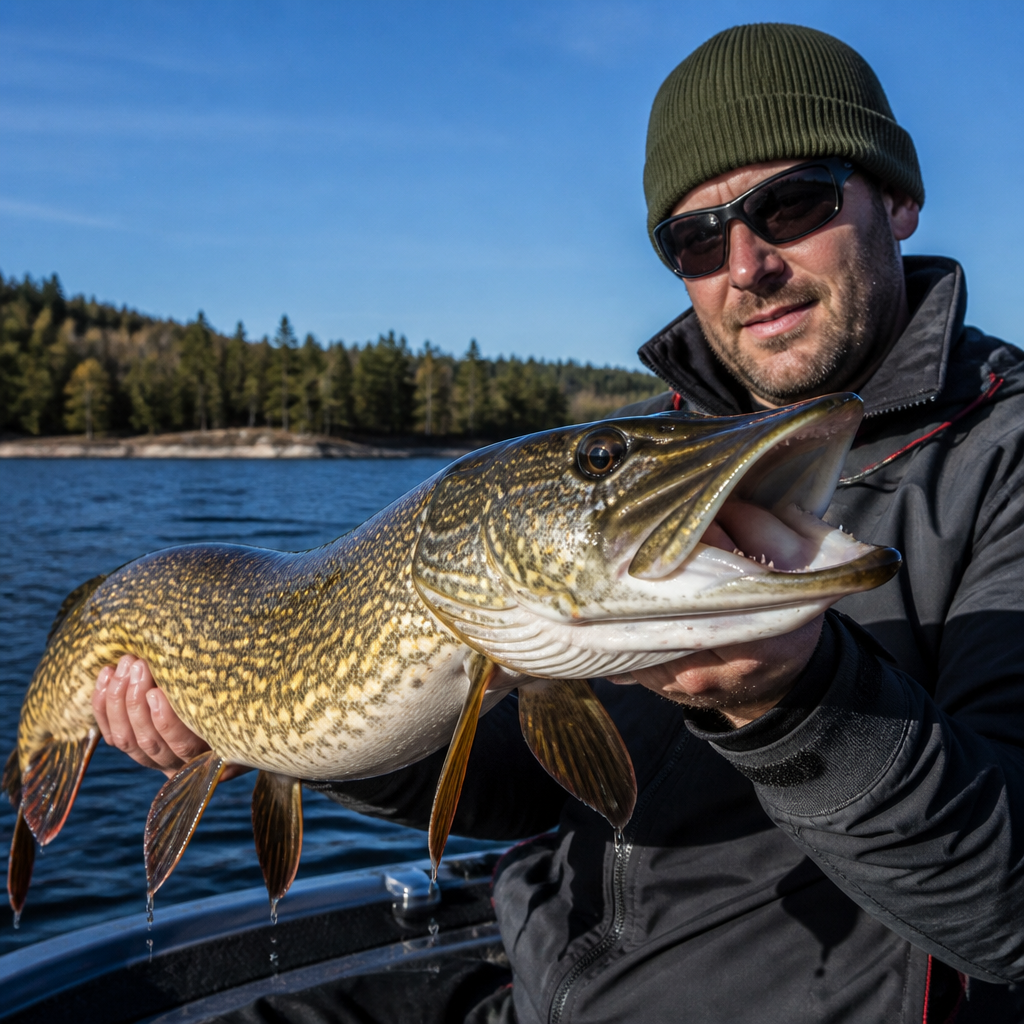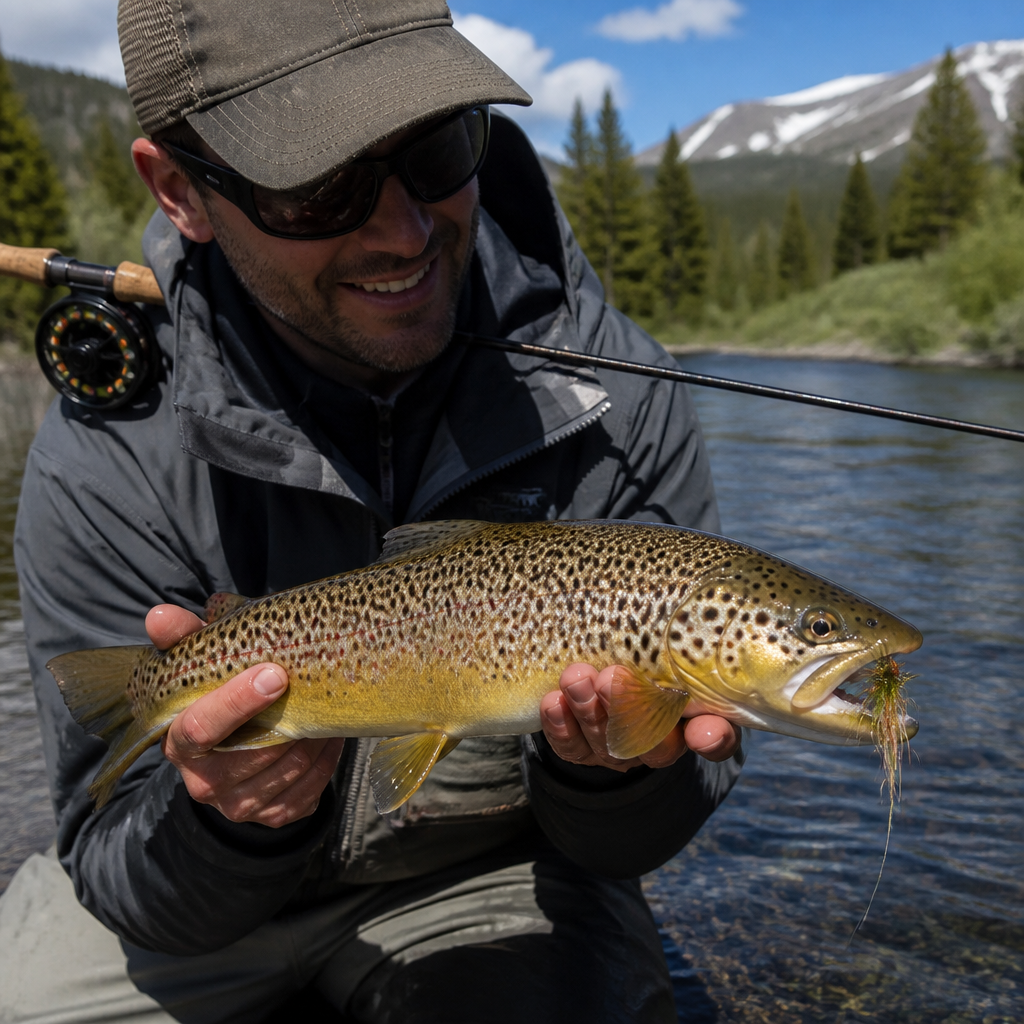
Streamer fishing for trout is one of the most dynamic and productive methods in fly fishing, especially when trout are feeding on baitfish, sculpins, leeches, crayfish, or large aquatic insects rather than sipping mayflies from the surface. A streamer is an artificial fly designed to suggest moving prey, and unlike dry flies or small nymphs, it is usually fished with deliberate motion, changing angles, and active retrieves that trigger pursuit and aggression. In practical terms, streamer fishing asks a simple question: if a trout wants a substantial meal, where will it hunt, what prey will it chase, and how can your fly look vulnerable enough to eat?
I have relied on streamer fishing on freestone rivers, tailwaters, stillwaters, and small wooded creeks when hatches were sparse, water was off-color, or I needed to locate larger fish quickly. Again and again, the method has produced trout that ignored dead-drift presentations. That matters because larger trout often conserve energy and feed selectively on high-calorie prey. A four-inch sculpin imitation may represent the energy of dozens of midges. For anglers focused on trophy fish, cold-front conditions, high water, or shoulder seasons, streamer fishing is not a side tactic. It is a primary system with its own gear, water-reading rules, fly design logic, and retrieve strategies.
This hub article covers streamer fishing comprehensively so you can understand when to use it, how to rig for it, where to cast, how to retrieve, and how to adapt across seasons and water types. It also clarifies common terms. Swinging means casting across current and letting the fly arc under tension. Stripping means retrieving line by hand to make the fly dart or pulse. Jigging means lifting and dropping the fly, often on sinking lines. Depth control refers to managing sink rate, fly weight, line density, and mend timing so the fly tracks through the zone where trout can intercept it. Success with streamers comes from combining these elements with observation rather than fishing harder without purpose.
When streamer fishing works best
Streamer fishing works best when trout are keyed on larger prey, when visibility is reduced, or when fish are holding in places that reward a horizontal moving presentation. High or stained water is a classic example because trout have less time to inspect a fly and often shift toward banks, seams, and softer edges where a streamer can pass close. Low-light periods are equally important. Early morning, evening, overcast days, and the first hour before a storm often bring predatory movement from larger fish that stay hidden during bright conditions. In fall, brown trout become territorial and will chase intruders aggressively. In winter, the method still works, but the rule changes: fish slower, deeper, and closer to structure.
A common mistake is assuming streamer fishing is only for big rivers. In reality, it is effective anywhere trout eat mobile prey. On a meadow spring creek, a sparse olive bugger can imitate a damselfly nymph or leech. On a rocky freestone, a conehead sculpin pattern bounced along boulders often outperforms dead-drift nymphs. In lakes, trout cruising drop-offs and weed edges readily take baitfish streamers on intermediate lines. On tailwaters, especially those with sculpin populations, weighted patterns fished near gravel shelves and undercut banks can move heavy fish year-round. The central principle is not river size; it is prey availability and trout positioning.
Search behavior also favors streamers. If you are covering unfamiliar water, a streamer helps locate active fish faster than tiny flies under an indicator. You can probe banks, current transitions, logjams, plunge pools, and pocket water with broad strokes, then slow down if a fish follows or bumps the fly. That makes the method valuable for anglers building a pattern for the day. Often the first streamer eats reveal not only that fish are willing to chase, but also the preferred color, depth, and speed. Once that information is clear, every subsequent cast becomes more deliberate and efficient.
Essential gear, lines, and leader choices
Most trout streamer anglers are best served by a 6-weight rod between 9 and 10 feet, though 5-weights can handle smaller flies and 7-weights become useful for large articulated patterns, sink tips, and windy conditions. The ideal rod loads quickly, turns over weighted flies without collapse, and has enough backbone to drive hooks into fish that often strike on a tight line. Reels matter less for drag than for balance and line management, but a large-arbor model helps when switching between floating, intermediate, and sinking spools. A smooth drag becomes important on stillwaters and big rivers where strong trout can take line quickly after the eat.
Lines control streamer depth more than any other component. A weight-forward floating line is versatile for unweighted or lightly weighted flies, especially when fishing shallow banks, wood, and riffle edges. An intermediate line sinks slowly and is a top choice for lakes or rivers where you want a level, controlled track just below the surface chop. Sink-tip lines combine a floating running line with a denser front section, making them ideal for getting flies down in current while preserving easier mending. Full sinking lines excel in deep pools, reservoirs, and broad tailouts where consistent depth matters more than line pickup speed. Matching grain weight to rod design is critical; overloaded setups feel sluggish and underloaded setups fail to turn over.
Leader formulas for streamer fishing are shorter and stronger than standard trout leaders. In many river situations, 3 to 5 feet of 0X to 3X fluorocarbon is enough, especially with sink tips. The short leader keeps the fly connected to the sinking portion of the system and improves turnover. For floating lines and smaller patterns, 6 to 9 feet may be appropriate, but there is rarely a benefit to long tapered leaders when stripping streamers. Fluorocarbon sinks faster and resists abrasion around rock and wood, while nylon can be useful with neutrally buoyant patterns you want to suspend slightly higher. Knots should be simple and dependable: loop knots give streamers more freedom, while non-slip mono loops are particularly effective with baitfish flies.
Choosing the right streamer pattern
Good streamer selection starts with forage, silhouette, and movement rather than brand loyalty. Woolly Buggers remain effective because they suggest many food forms at once: leeches, small baitfish, dragonfly nymphs, and juvenile trout. Sculpin patterns with broad heads and barred materials shine on rocky rivers because they match bottom-oriented prey that big trout regularly ambush. Minnow patterns such as Clouser-style streamers, Muddler variations, and modern synthetic baitfish flies excel where trout chase dace, shiners, or stocked fingerlings. Articulated streamers create a wide swimming profile and strong pulse, making them excellent for dirty water and aggressive fish.
Color should reflect both visibility and local prey. Olive, black, white, and natural brown cover most situations. Olive is a universal producer because it overlaps with sculpins, leeches, and many baitfish tones. Black creates a strong silhouette in low light and stained water. White stands out in clear lakes and resembles many baitfish species. Brown and tan dominate on streams with crayfish or mottled sculpins. Flash has value, but too much can reduce realism in clear water. I usually begin with a moderate-profile fly in olive or white, then adjust based on follows, misses, and light levels. If fish track but refuse, downsizing or reducing flash often solves the problem.
Weight and profile determine sink behavior and action. A conehead or dumbbell-eyed pattern drops fast and jigs sharply, ideal for steep banks, plunge pools, and winter lies. Unweighted or lightly weighted streamers swim more naturally on intermediate lines and are often better for shallow flats or slow strips over weeds. Bulky flies push water and help trout locate the fly by feel, but they also create casting fatigue. Slim flies cast easier and match smaller forage. The right choice depends on current speed, depth, and the prey you are imitating, not on a single “best” pattern.
| Condition | Best starting fly | Why it works |
|---|---|---|
| Stained river after rain | Black or olive articulated streamer | Large silhouette and strong movement improve visibility |
| Clear rocky freestone | Olive sculpin pattern | Matches common bottom prey near boulders |
| Lake weed edge | White baitfish streamer on intermediate line | Tracks level and resembles cruising forage fish |
| Winter deep run | Weighted black bugger | Gets down quickly and fishes slowly with minimal strip speed |
Presentation: casting angles, depth, and retrieve
Presentation is the heart of streamer fishing because the same fly can look alive or useless depending on angle and speed. Across-and-down presentations are classic because current animates the fly during the swing, then a few strips at the hang-down often trigger eats from following fish. Across-and-slightly-upstream casts allow more sink time before the fly enters the target lane. Quartering downstream casts are useful when you want the fly moving broadside like fleeing bait. Straight downstream retrieves can work in pools, but they often pull the fly away from trout too quickly in rivers. In close quarters, short accurate casts tight to banks, root wads, cutbanks, and pocket seams regularly outperform hero casts to midstream.
Depth matters more than constant fly changes. Trout usually will not move far vertically in cold water, so if your streamer is tracking above them, excellent action still produces nothing. Count down on stillwaters. Mend early on sink tips to let the head drop. Use rod position to alter angle: a low rod tip keeps the fly deeper; a raised tip lifts it over snags. Retrieve style should fit fish mood. Fast, erratic strips provoke reaction strikes during warm periods and in fall. Slow strips with pauses, hand-twist retrieves, and gentle jigging excel in winter or heavily pressured water. Many strikes happen on the pause because the fly looks wounded and easy to catch.
Hooking fish on streamers requires discipline. Trout often slash, bump, or pin the fly before turning. If you trout-set with an upward lift, you frequently pull the fly away. A firm strip-set drives the hook while maintaining contact, and only after that should you raise the rod. Barbless hooks penetrate well and release fish cleanly, but they demand steady tension. Watch for visual cues: flashes behind the fly, a boil near the bank, sudden line hesitation, or a heavy stop during the swing. Every one of these can be a take. Assume contact means fish until proven otherwise.
Reading water for streamer trout
The best streamer water is rarely random. Trout use structure that helps them ambush prey while minimizing effort. On rivers, start with undercut banks, current seams, submerged wood, boulder gardens, tributary mouths, ledges, and tailouts below riffles. These locations create feeding lanes where prey is disoriented. Large trout especially favor soft water beside fast water because they can hold in security and attack across the seam. On high water days, many fish slide toward the bank, where only a precise cast within inches of grass, roots, or flooded brush will get noticed. On bright low water, deeper slots and shade lines become more important.
Reading water changes by season. Spring runoff often pushes fish to slower edges and inside bends. Summer adds oxygen and temperature considerations; trout may chase streamers at dawn near riffles but retreat to deeper, cooler slots by afternoon. Fall increases aggression, particularly among brown trout guarding space near structure. Winter narrows the window: focus on deep, slow runs where fish can take a short step to intercept a streamer. On lakes, look for windblown shorelines, points, shoal drop-offs, weed beds, and inlets. Wind concentrates bait and food, and trout follow it. If you can identify where prey gathers, you have identified where streamers belong.
One habit that consistently improves results is making multiple presentations to high-value water. A prime cutbank or boulder cluster deserves several casts from different angles and depths. The first pass may show the fly, the second may enter the lane correctly, and the third may trigger the fish after irritation builds. Cover water, but do not confuse movement with efficiency. Streamer fishing is active, yet the most successful anglers pause longest where the habitat clearly supports predation.
Seasonal strategies and common mistakes
Each season rewards a different approach. In spring, rising flows and discolored water favor larger profiles, darker colors, and bank-oriented casts. In summer, smaller streamers and cleaner presentations often beat oversized flies, especially in clear water. During fall, fish boldly: articulated flies, aggressive strips, and structure-focused swings can draw territorial strikes from mature browns. In winter, slow everything down. Use sink tips or weighted flies, shorten the casting range, and fish likely lies thoroughly. Water temperature shapes trout metabolism, so retrieve speed must reflect biology, not angler impatience.
The most common mistake is fishing streamers too fast and too shallow. Anglers often strip with confidence through water that holds trout six inches lower than the fly. Another mistake is changing flies before changing angle, sink time, or leader length. Poor line control also costs fish; slack during the swing masks subtle takes and delays strip-sets. Many anglers overlook fly size relative to forage. Big flies are not always better. On streams with young-of-year baitfish two inches long, a modest pattern often outfishes a six-inch articulated fly. Finally, some anglers abandon streamer fishing after one unproductive hour. The method shines when approached as a system of depth, structure, and behavior rather than a novelty cast between hatch periods.
Streamer fishing for trout succeeds because it aligns with how trout actually feed when they want a substantial meal. It lets you target larger, less visible fish, cover water efficiently, and fish confidently through conditions that make dry-fly tactics inconsistent. The essentials are straightforward: choose gear that turns over weighted flies, use lines that place the streamer at the correct depth, match pattern style to local forage, and present the fly through structure with purpose. Then refine speed, pause length, and casting angle until trout tell you what they prefer.
As a hub within techniques and strategies, this topic connects naturally to deeper discussions on sink-tip line selection, articulated fly design, seasonal brown trout behavior, stillwater retrieves, streamer leaders, and reading structure. Those subtopics matter, but they all rest on the same foundation: trout respond to streamers when the fly appears vulnerable, occupies the right lane, and moves at a believable speed. If you remember only one principle, make it depth before color. A properly placed average streamer almost always outfishes an excellent pattern swimming above the fish.
Take this framework to the water on your next trip. Start with one confidence pattern, fish high-percentage structure from multiple angles, vary retrieve tempo deliberately, and pay close attention to follows and missed strikes. Streamer fishing rewards observation, adjustment, and persistence. Learn that rhythm, and it will become one of the most reliable ways to catch better trout in more conditions.
Frequently Asked Questions
What is streamer fishing for trout, and when is it most effective?
Streamer fishing for trout is a fly-fishing method built around imitating larger, mobile food sources such as baitfish, sculpins, leeches, crayfish, and sizable aquatic insects. Instead of presenting a tiny fly to a trout that is delicately feeding near the surface, you are showing fish something worth chasing, ambushing, or attacking out of instinct. That makes streamer fishing feel more active and aggressive than many traditional trout tactics. Anglers typically cast across or slightly downstream, let the fly sink to a productive depth, and then retrieve it with strips, swings, pauses, or changes in speed that suggest fleeing prey.
This approach is often most effective when trout are focused on protein-rich meals and are willing to move for a bigger target. It shines during low-light periods such as early morning, evening, overcast weather, and before or during storms. It can also be excellent in high or slightly off-color water, during the fall when brown trout become territorial and aggressive, in spring runoff conditions, and whenever rivers are pushing baitfish or dislodging larger forage. Streamers are also a smart choice when trout are not rising and when standard dry-fly or nymph patterns are producing smaller fish or fewer takes.
Another reason streamer fishing is so effective is that it often targets larger trout. Bigger fish generally prefer meals that offer more calories for less effort, so a well-presented streamer can attract the kind of trout that may ignore smaller offerings. Even when fish are not actively feeding, the movement of a streamer can trigger reaction strikes rooted in territorial behavior or predatory instinct. In short, streamer fishing is one of the best methods to cover water, locate aggressive trout, and tempt fish that are feeding subsurface on larger prey.
What kind of gear is best for streamer fishing for trout?
Streamer fishing usually calls for slightly more powerful gear than a standard dry-fly setup because the flies are larger, heavier, and more wind resistant. A 5-weight can handle smaller streamers in many trout situations, but a 6-weight is often considered the sweet spot for versatility. It gives you enough backbone to cast weighted flies, manage sink-tip lines, and steer larger trout without feeling overly heavy for average river fishing. If you frequently fish big rivers, throw articulated patterns, or target large browns, a 7-weight can be an excellent dedicated streamer rod.
Rod action matters too. A medium-fast to fast-action rod helps turn over bulky flies and maintain control during aggressive retrieves. Pair that rod with a quality reel that has a smooth drag, especially if you fish larger rivers where strong trout may run hard. While streamer fishing is often done with the rod tucked under the arm and line managed by hand, a dependable reel still matters for fighting bigger fish efficiently.
Fly line selection is one of the most important parts of streamer success. A weight-forward floating line works well for shallow runs, banks, and unweighted or lightly weighted streamers. However, many anglers improve dramatically when they add sink-tip lines to their arsenal. A sink tip helps the fly get down quickly and stay in the strike zone longer, which is critical when trout are holding deep. In very deep or fast water, full-sink lines can be useful, though they are more specialized. Leaders are typically shorter and stronger than those used for dry flies. A leader in the 4- to 7.5-foot range with 0X to 3X tippet is common because turnover and abrasion resistance matter more than delicate presentation. Since trout attacking streamers are generally less leader shy, there is little advantage in using overly fine tippet.
As for flies, it pays to carry a mix of baitfish patterns, sculpin imitations, woolly buggers, leech patterns, crayfish imitations, and articulated streamers in a range of sizes and colors. Olive, black, white, brown, and combinations with flash are proven choices. The exact fly matters, but depth, angle, and retrieve usually matter more. Good streamer anglers focus on presenting a fly where trout can see it and giving it believable movement.
How should I retrieve a streamer to catch more trout?
The best retrieve is the one that matches the mood of the trout, the type of prey you are imitating, and the speed and depth of the water. That is why successful streamer anglers rarely use one retrieve all day. Instead, they experiment. A fast, erratic strip can imitate a panicked baitfish and trigger violent reaction strikes. A slower, steady pull may better represent a leech or sculpin moving near the bottom. A strip-strip-pause cadence is especially effective because many trout eat on the pause, when the fly appears vulnerable or wounded.
Depth is just as important as retrieve speed. If your streamer is too high in the water column, trout may never notice it, especially if they are hugging the bottom. Before changing flies repeatedly, adjust sink time, line choice, casting angle, or fly weight so the presentation reaches the fish. In many rivers, the most productive retrieve starts with a cast across current, a short sink, and then a series of strips that keep the fly moving broadside through likely holding water. In slower pools, a longer pause can be deadly. In faster runs, shorter and more aggressive strips may be needed to maintain tension and impart action.
It also helps to think in terms of triggering behavior rather than simply dragging a fly back. Trout often respond when a streamer changes direction, accelerates, or stalls. That means mending line, swinging the fly at the end of the drift, and varying your cadence can all create strikes. Many follows happen close to the bank or at the end of the retrieve, so never pick up too early. Figure-eight motions, a final burst of speed, or one last pause near structure can convert curious fish into committed eaters.
If trout are following but not eating, that is valuable information. It usually means your location and fly profile are at least partly right, but something about speed, size, depth, or color is off. Try downsizing, changing to a more natural color, adding a pause, or making the retrieve more erratic. Streamer fishing rewards observation and adjustment. The anglers who catch the most trout are usually the ones who keep changing the presentation until the fish tell them yes.
Where should I cast streamers when targeting trout in rivers and streams?
Streamer fishing is largely a game of identifying ambush water. Trout that eat larger prey often position themselves where they can conserve energy and attack passing food efficiently. That means your best targets are usually structure, depth changes, current seams, undercut banks, logjams, rock ledges, drop-offs, and the softer edges beside faster current. Large trout especially like places that provide cover and a short path to a meal. If you are prospecting unfamiliar water, start with the spots that look capable of holding the biggest fish, not just the most fish.
In rivers, bank structure is often prime territory. Many aggressive trout patrol undercut banks, grassy edges, root wads, and shadow lines looking for minnows or sculpins. Casting tight to the bank and retrieving the fly parallel to the edge is a classic and highly effective tactic. Midstream boulders, deep buckets below riffles, tailouts with drop-offs, and current seams where fast and slow water meet are also excellent. In pocket water, fish may hold in surprisingly small soft spots and dart out to crush a streamer if it passes close enough.
Presentation angle matters as much as location. Casting directly upstream often makes it hard to keep the fly down and moving naturally. Casting straight downstream can work, but it may reduce control in some situations. A cross-current or slightly downstream presentation usually offers a strong combination of sink, swing, and retrieve control. It keeps the fly visible to fish for a longer period and lets you animate it naturally through the holding zone. In deeper runs, quartering downstream with a sink-tip line can be especially effective because it allows the streamer to travel broadside through the water column where trout can intercept it.
Do not overlook transitional water. The head of a pool, the inside bend, the tailout, and the softer water beside heavy current can all produce. Trout move to feed, and streamers often catch fish that are not locked into one exact lie. Cover water methodically, fish likely spots from multiple angles, and make repeated casts to high-percentage structure if it looks particularly good. One of the biggest mistakes anglers make is giving premium water only one quick cast when a second or third presentation at a different angle might provoke a strike.
What are the biggest mistakes anglers make when streamer fishing for trout?
One of the most common mistakes is fishing too quickly without truly covering the water. Because streamer fishing feels active, many anglers rush from spot to spot and make only a few casts before moving on. That can leave fish untouched, especially larger trout that need to see the fly from the right angle or at the right depth before committing. Good streamer fishing is active, but it is not careless. You want purposeful casts, controlled drifts, and enough repetition around prime structure to give fish a real chance to respond.
Another major mistake is failing to get the fly deep enough. Trout often hold close to the bottom, especially in cold