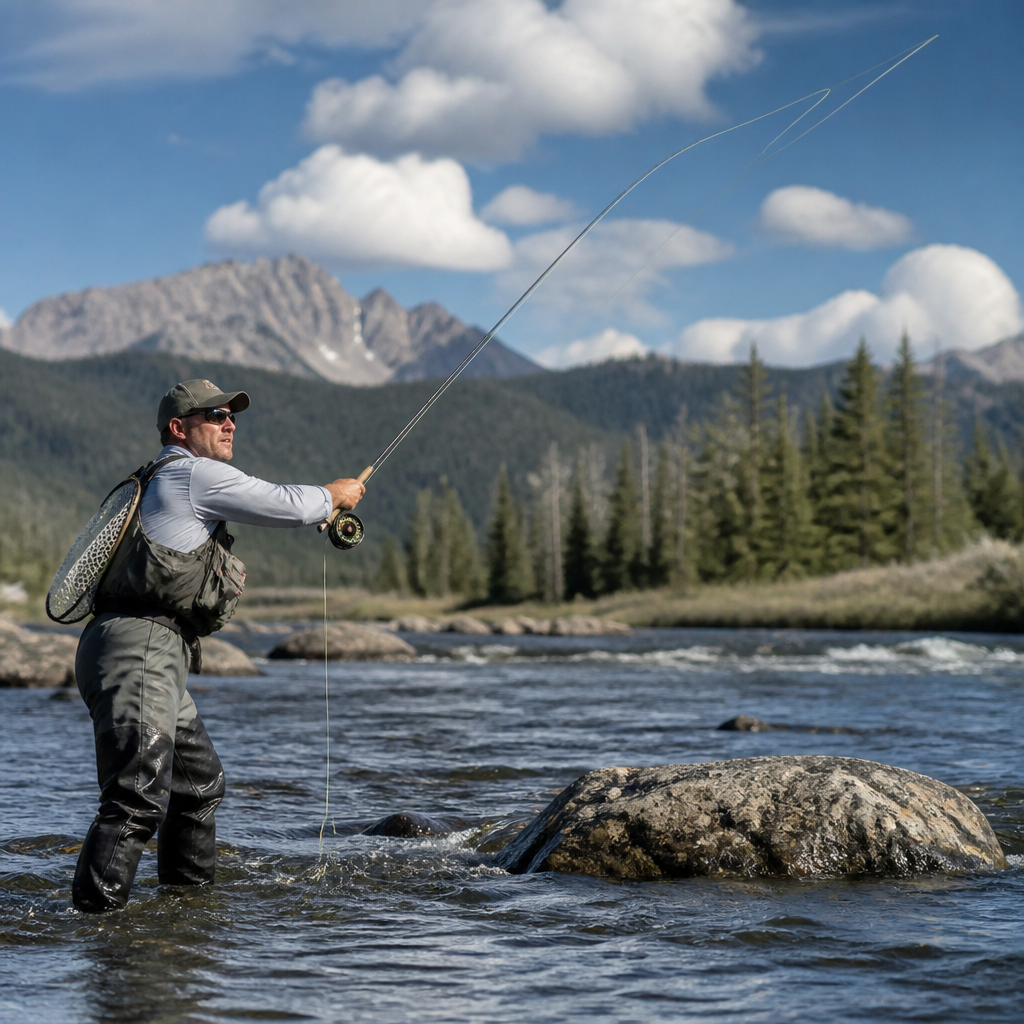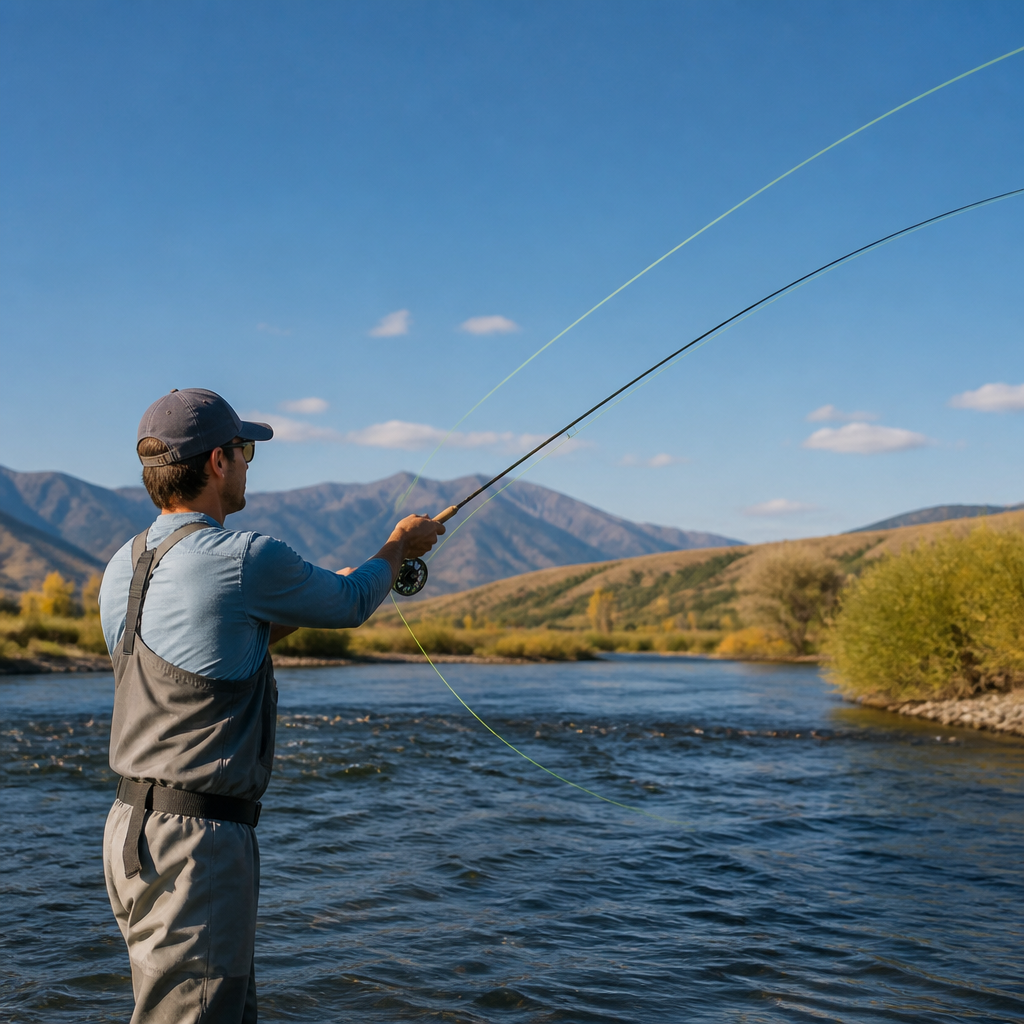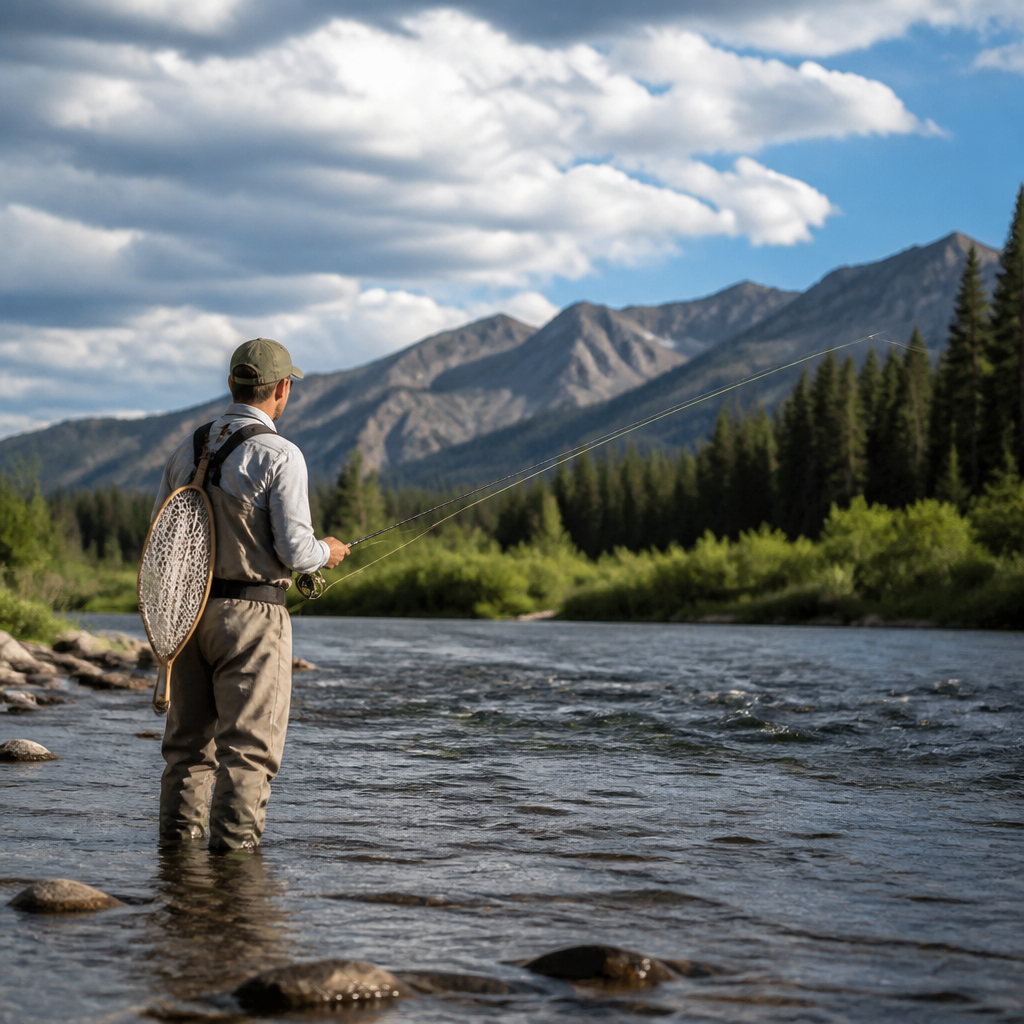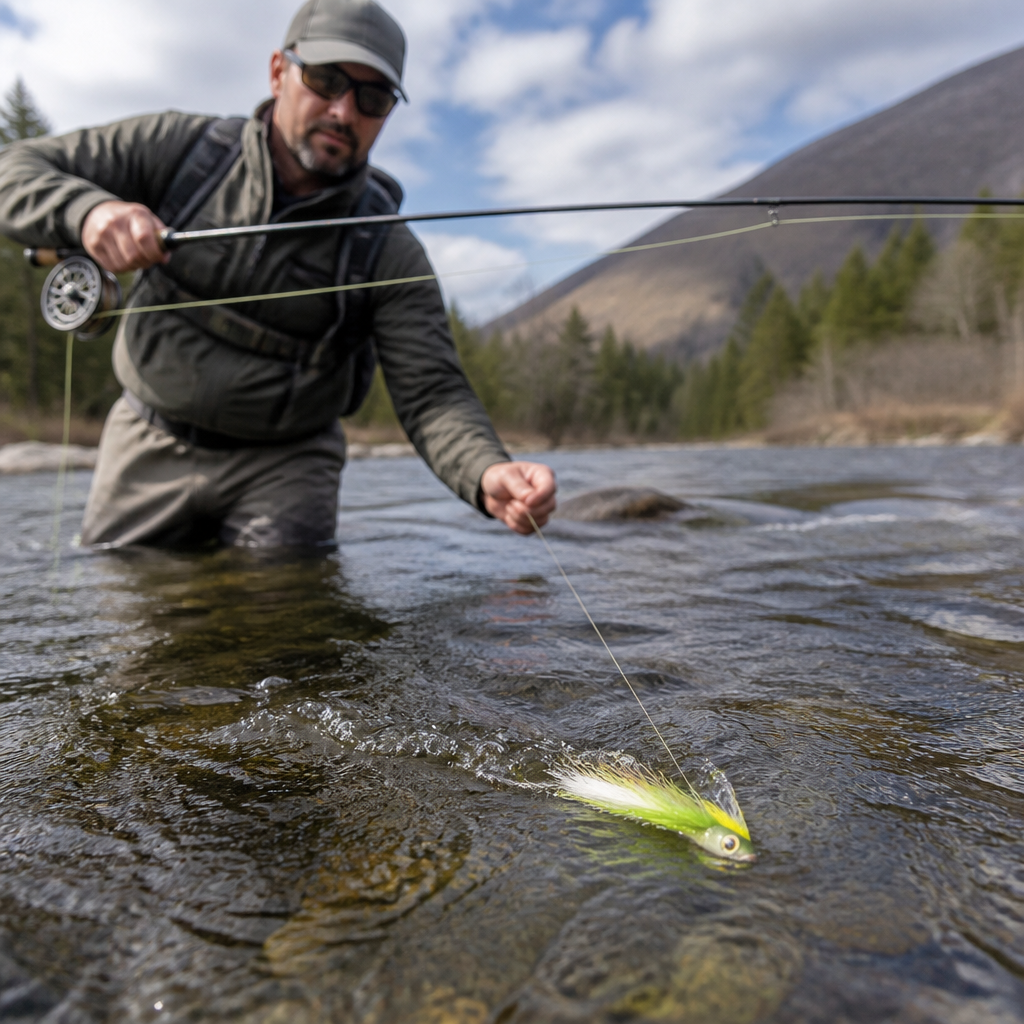
Streamer fishing is the branch of fly fishing built around imitation and trigger rather than exact matching. Instead of presenting a dry fly as a single drifting insect, the angler throws a larger pattern meant to suggest baitfish, leeches, sculpins, crayfish, or wounded prey, then imparts life with the retrieve. Retrieval techniques for streamer fishing are the sequence, speed, pause, angle, and depth changes applied after the cast, and they determine whether a fish sees an easy meal, a fleeing target, or nothing worth chasing. In practical terms, retrieve is the control system for the entire method.
I learned quickly that streamer success rarely comes from the pattern alone. Two anglers can fish the same articulated minnow on the same bank, and the one who controls sink time, strip cadence, and rod angle will outfish the other by a wide margin. That matters because streamers consistently produce larger trout, aggressive bass, pike, and migratory species when fish are feeding on bigger forage or reacting territorially. They also solve common problems such as stained water, high flows, low light, and post-hatch periods when fish stop keying on single insects.
As a hub under techniques and strategies, this guide covers the core mechanics of streamer retrieval, when each style works, how to match cadence to fish behavior, and how to choose tackle that supports clean line control. It also connects the larger subject of streamer fishing: reading structure, understanding current seams, selecting sink rates, and adjusting presentations by season. If you want a reliable framework for retrieving streamers, begin with one principle: fish respond to prey behavior at a specific depth. Every good retrieve is a way of putting a believable target in that strike window and keeping it there long enough to trigger a take.
What retrieval really controls in streamer fishing
Retrieve influences five variables at once: depth, speed, direction, profile, and vulnerability. Depth comes from line density, fly weight, current speed, and the pause between strips. Speed is not only hand speed; it is also how much current grabs the line and how much slack remains after the mend. Direction includes broadside swings, straight pulls, quartering strips, and sudden changes that make a baitfish look panicked. Profile changes because many modern streamers breathe on the pause, then slim down under tension. Vulnerability appears when a fly hesitates, stalls, or rises as if injured.
In trout rivers, the retrieve usually begins before the first strip. I often cast across and slightly downstream, mend immediately, and count the fly down to the depth I want. That count-down is part of the retrieve because it determines the first impression. A heavily weighted sculpin stripped too soon rides above feeding fish; a neutrally weighted baitfish given three extra seconds may land directly in front of them. In lakes and reservoirs, the same idea applies, but the count is easier to standardize, which is why stillwater anglers often track productive sequences such as ten-count, strip-strip-pause.
Fish physiology explains why these details matter. Predators conserve energy and attack when the return is favorable. In cold water, trout often prefer slower movements with longer hangs because muscle efficiency and reaction windows are reduced. In warm water, bass and pike can run down faster prey, so a brisk strip with directional change becomes more effective. The retrieve is therefore not decoration added to the cast. It is the presentation itself.
Core retrieval styles and when to use them
The dead drift is the simplest streamer retrieve and often the most overlooked. Cast upstream or across, mend for a natural drift, and allow the fly to tumble near structure with minimal input. This works when high water dislodges sculpins or crayfish, or when trout are holding tight to banks and undercuts. Add one or two short strips at the end of the drift to imitate an escaping prey item. Many large brown trout eat at that transition from passive drift to sudden movement.
The slow strip is the foundation retrieve for cold water and pressured fish. Use short pulls of two to four inches, maintain contact, and insert pauses of one to three seconds. This keeps the fly in the zone and lets marabou, rabbit, and articulated tails pulse naturally. On tailwaters in winter, I have seen fish ignore a fast retrieve and then eat the same fly on a crawl with a long pause. The reason is simple: the slower presentation looks catchable.
The medium strip with occasional acceleration is the best starting point when you are searching. Make even strips of four to eight inches, then add a sharper pull every few beats. That acceleration mimics a baitfish realizing danger. It is highly effective for river smallmouth, reservoir trout, and fall brown trout that are willing to chase but still need a trigger. The key is consistency. If every strip is random, you lose the repeating signal that helps fish track the fly.
The jerk-strip combines rod hand movement with the line hand. Point the rod low, pull six to twelve inches with the rod tip, then recover slack with the line hand. This creates an erratic darting action and is especially useful with slender baitfish patterns, Clouser-style flies, and synthetic streamers that shed water. It excels in clear water when fish can inspect the fly and need to see direction change rather than steady travel.
The swing-and-hang is deadly for trout, steelhead, and predatory fish stationed on current edges. Cast across or slightly down, allow the line to come tight, then let the fly sweep broadside until it hangs below you. Hold it there, then add tiny strips. That final hang often produces jolting takes because the fly appears trapped and exposed. Anglers who strip in too early skip one of the highest-percentage moments in streamer fishing.
| Retrieve style | Best conditions | Typical cadence | Main trigger |
|---|---|---|---|
| Dead drift | High water, tight structure, cold fish | Minimal input, late twitch | Natural tumble, sudden escape |
| Slow strip | Winter, clear water, pressured trout | 2 to 4 inch pulls, long pauses | Easy target, breathing materials |
| Medium strip | Searching new water, mixed activity | 4 to 8 inch pulls, steady rhythm | Trackable movement |
| Jerk-strip | Clear water, baitfish patterns | Sharp dart, slack recovery | Erratic fleeing action |
| Swing-and-hang | Current seams, drop-offs, migratory fish | Broadside swing, pause below | Broad profile, end-of-swing stall |
Depth, line systems, and retrieve angles
Most streamer mistakes are depth mistakes disguised as retrieve mistakes. If fish are holding four feet down and your fly tracks at eighteen inches, changing from short strips to long strips will not fix much. Start with line systems that match the water. Floating lines with weighted flies are ideal for shallow banks, wood, and pocket water because they lift quickly and snag less. Sink-tip lines help maintain depth in moving water while preserving mending control. Full sinking lines are strongest in lakes, deep runs, and broad rivers where a level track matters more than mendability.
Angle changes the speed of the fly without changing your hands. An upstream cast slows the presentation because current bows the line before the fly. A straight-across cast often gives the most neutral track. A down-and-across cast increases tension and speed during the swing. I use upstream angles for lethargic trout, across for probing mid-column, and down-and-across when fish are aggressive or pinned to current edges. This is one of the cleanest ways to tune retrieval techniques for streamer fishing without changing lines or flies.
Rod position matters too. A high rod lifts the fly and softens strips. A low rod keeps a direct connection, drives hooks better, and helps maintain depth. In fast rivers, stack mends buy sink time; in stillwater, line counting and consistent stripping lengths create repeatability. If you want to improve quickly, track how long the fly sinks before the first strip and what angle the cast used. Those two notes reveal more than fly color in most sessions.
Matching cadence to species, season, and water type
Trout are not small bass, and retrieval techniques should reflect that. River trout often hold in lanes where they ambush prey crossing current seams, so broadside movement and pauses are productive. Brown trout, especially in autumn, respond well to territorial triggers: a medium strip, abrupt stall, then short escape burst near cover. Rainbow trout in tailwaters often prefer cleaner, more linear movement, particularly on stocked forage such as shad or juvenile trout. Brook trout can be startlingly aggressive in small waters, but they still eat best when the fly enters their limited strike zone quickly.
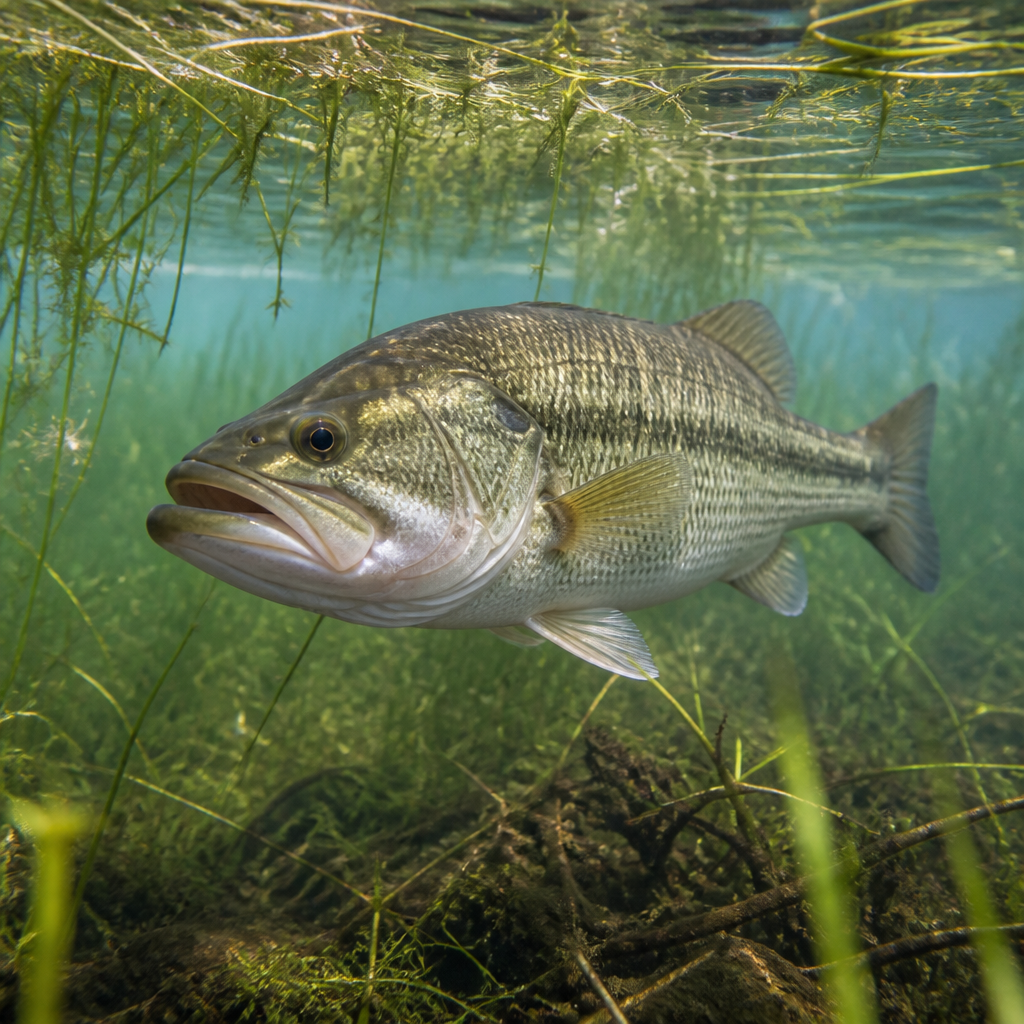
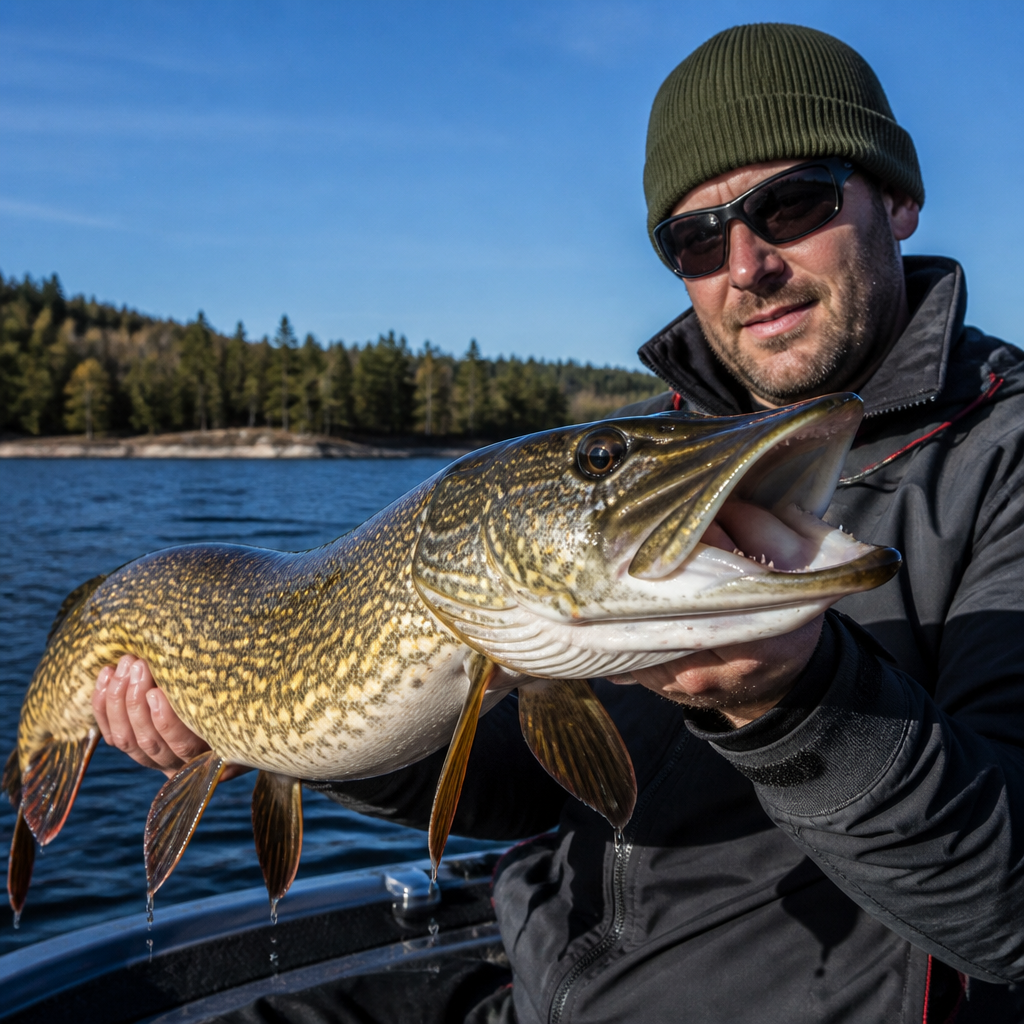
Smallmouth bass usually reward contact and cadence over delicacy. In warmer months, a strip-strip-pause over rock transitions, weed edges, or current breaks is a high-percentage retrieve. Crayfish and sculpin patterns benefit from bottom contact, so let the fly sink, then hop it with short strips. Largemouth in stillwater often prefer slower movement around vegetation, docks, and laydowns. Pike and musky are different again: they follow frequently, so speed changes, wide turns near the rod tip, and a disciplined figure-eight finish convert inspection into strikes.
Seasonally, water temperature drives retrieve decisions. Below about 45 degrees Fahrenheit, most trout feed in shorter bursts and conserve energy, making slower strips and longer pauses more effective. Between roughly 45 and 58 degrees, streamer fishing often peaks because fish can chase efficiently without extreme metabolic cost. In summer, low clear flows can make trout wary, so fish low light and use subtler retrieves, while warmwater predators may demand speed. In reservoirs during baitfish migrations, a faster, more horizontal retrieve often matches pelagic forage better than bottom-oriented tactics.
Hooking, line management, and common retrieval errors
Many missed fish come from poor tension management, not bad luck. Streamer takes range from bone-jarring impacts to a heavy stop or sudden slack when a fish runs toward you. The solution is disciplined contact. Strip with your line hand while the rod points near the fly, then make a firm strip set before lifting. Trout anglers who default to a quick overhead hook set pull the fly away or create slack. Bass anglers can get away with more rod movement, but the line-hand set still drives hooks more efficiently, especially with large articulated flies.
Slack control starts at your feet. Use a stripping basket in surf or boat fishing, and in rivers keep loose coils clear of boots, branches, and anchor rope. If fishing from a drift boat, coordinate with the rower so your retrieve matches the boat speed; stripping too slowly while the boat advances can accidentally accelerate the fly, while too much line out downstream reduces hook-setting power. When fish follow, do not rip the fly away at the first sighting. Maintain speed, add one directional change, and finish with a short hang or boatside turn.
Common errors are predictable. Anglers often strip too fast in cold water, start stripping before the fly reaches depth, retrieve with no pauses, or fish one cadence all day because it worked once. Another mistake is ignoring the end of the swing and the first few feet of the retrieve, which are prime strike windows. A final error is changing flies too soon. In many cases, adjusting count-down, angle, or pause length unlocks the fish faster than swapping patterns.
Building a repeatable streamer strategy
A practical streamer system starts with observation, then narrows variables one at a time. Note water clarity, temperature, current speed, forage present, and where fish are likely to hold relative to structure. Begin with a search retrieve such as a medium strip at a neutral angle. If there are follows but no eats, slow down and add pauses. If there is no interest, change depth before changing fly. If fish bump the fly without hooking up, shorten the pause, reduce fly size, or sharpen the direction change to force commitment.
This hub article should anchor your broader streamer fishing progression. From here, build deeper skills around streamer selection, seasonal streamer tactics, sink-tip setup, reading banks and wood, fishing articulated flies, and handling follows from large predatory trout. Keep a simple log of retrieve, depth, angle, and result. After enough days on the water, patterns emerge quickly. Retrieval techniques for streamer fishing are not random tricks; they are controlled responses to fish position and prey behavior. Master that relationship, and streamer fishing becomes far more consistent, whether you are probing a small trout stream, stripping over a rocky shoal for bass, or covering a windy reservoir shoreline. The next time you tie on a streamer, choose the retrieve as carefully as the fly and fish it with intent.
Frequently Asked Questions
What is the most effective basic retrieve for streamer fishing?
The most effective basic retrieve for streamer fishing is usually a controlled strip-pause retrieve because it combines movement, vulnerability, and decision-making cues that predatory fish respond to instinctively. In practical terms, that means making a cast, allowing the fly to sink to the intended depth, then retrieving it with a series of short or medium strips followed by deliberate pauses. Those pauses are often just as important as the strips themselves. A streamer that darts and then hesitates can look exactly like a wounded baitfish, a disoriented sculpin, or prey that has lost its rhythm. Many strikes happen on the pause, not during the pull, because the fish sees an easy opportunity instead of having to chase a target at full speed.
If you are starting out, a strong baseline is two to four strips of varying length, then a short pause, then repeat. Keep your rod tip low, maintain enough contact to feel subtle takes, and avoid retrieving so quickly that the fly rises unnaturally unless that is the intended effect. Water temperature, current speed, fish species, and fly design all influence what “best” looks like, but the strip-pause method gives you a versatile foundation that works in rivers, lakes, and stillwaters. From there, you can make smart adjustments: speed up to imitate fleeing bait, lengthen pauses when fish are hesitant, or use more erratic strips when you want to trigger a reaction strike rather than suggest an easy meal.
How do I choose the right retrieve speed when streamer fishing?
Choosing the right retrieve speed is about matching fish mood, water temperature, fly profile, and the type of prey you are trying to suggest. In cold water, fish often conserve energy, so slower retrieves with longer pauses are typically more effective. A streamer moved too fast in these conditions may look unnatural or simply demand more effort from the fish than it is willing to give. In warmer water, especially when predators are actively feeding on baitfish, a faster, more aggressive retrieve can be exactly what triggers pursuit. The key is understanding that retrieve speed is not just about how quickly you strip line. It also affects depth, profile, and the emotional signal the fly sends, whether that is vulnerable, evasive, panicked, or neutral.
A practical way to dial in speed is to fish methodically through a range of tempos instead of guessing. Start with a moderate retrieve, then test slower and faster versions while keeping other variables consistent. Watch for clues. If fish follow but do not commit, the retrieve may be too fast, too steady, or lacking a convincing pause. If you never get attention, the fly may be moving too slowly to stand out. Also consider your line and current. In moving water, a “slow” strip can still create substantial action if the current is already pushing against the fly. In stillwater, every bit of movement comes from you, so speed control becomes even more precise. Skilled streamer anglers think of speed as a sliding scale, not a fixed rule, and they let fish feedback determine where on that scale they should fish.
Why are pauses so important in streamer retrieves?
Pauses are critical because they create contrast, and contrast is one of the strongest triggers in predator-prey behavior. A fly that moves continuously can certainly catch fish, but a fly that surges, stalls, drops, or suspends often appears far more lifelike. Injured prey rarely moves in a perfect, uninterrupted line. It darts, loses balance, drifts, and tries to recover. When you pause a streamer, you give the fish a moment to close distance and commit. You also allow the materials in the fly to breathe, collapse, flutter, or sink, all of which can make the pattern look alive without any added stripping. This is especially true with articulated streamers, marabou, rabbit strips, and other mobile materials that continue to move after the line stops.
Pauses also change depth and presentation angle. Depending on your line setup and fly weighting, the pause may allow the streamer to drop into the strike zone, hover in front of structure, or swing broadside in current. That often turns a curious follow into an eat. Many anglers make the mistake of retrieving too mechanically because they are focused on staying active, but inactivity is often where the magic happens. Not all pauses should be identical, either. A one-second hesitation can suggest a startled baitfish, while a longer pause can imitate a dying or exhausted prey item. Varying pause length is one of the simplest and most powerful ways to make a retrieve more convincing and to learn exactly what kind of behavior fish want on a given day.
How do depth and retrieve angle affect streamer fishing success?
Depth and retrieve angle are fundamental because even the best-looking retrieve will underperform if the fly is not traveling where fish can intercept it comfortably. Streamer fish often position themselves according to current seams, cover, light levels, and forage location, so putting the fly at the proper depth is every bit as important as how you strip it. If your streamer is too high in the water column, fish hugging structure or deeper slots may never react. If it is too deep, it may snag excessively or move below the fish’s primary field of vision. Sink time, line type, fly weight, and retrieve speed all interact here. A fast retrieve tends to lift the fly, while pauses and slack moments often allow it to drop.
Retrieve angle matters because prey rarely approaches a predator in the same way from every direction. Casting across and slightly downstream in current can create a broad, swinging presentation that shows the fly’s profile to fish holding in softer water. Casting upstream and retrieving back can keep the fly in front of fish longer and allow for more deliberate depth control. Casting quartering downstream and stripping across current can produce sudden directional changes that look evasive and trigger reaction strikes. In lakes or stillwaters, angle influences how the fly travels along weed edges, drop-offs, points, or suspended bait zones. Experienced streamer anglers do not just vary speed and pause; they change angle, sink count, and line tension to make the fly pass through the fish’s world in the most convincing way possible.
What are the biggest mistakes anglers make with streamer retrieves, and how can they fix them?
One of the biggest mistakes is fishing a single retrieve all day without adapting to fish response. Many anglers find one cadence they like and repeat it regardless of water type, forage, temperature, or fish behavior. Streamer fishing is much more dynamic than that. If you are not getting interest, or if fish are following but refusing, the answer is often to change speed, strip length, pause duration, depth, or retrieve angle. Another common mistake is retrieving too quickly by default. Fast strips can be excellent, but they are not always the answer. Over-speeding the fly can pull it out of the strike zone, make it look unnatural, or cause fish to inspect without committing. Just as often, anglers fish too shallow and never let the streamer reach the level where fish are holding.
There are also technical errors that reduce effectiveness. Poor line management can make it hard to stay connected during the pause, which is where many strikes happen. An excessively high rod tip can create slack and reduce feel, while stripping with a rigid, repetitive rhythm can make the fly look mechanical. Some anglers also fail to think about what the fly is supposed to imitate. A sculpin-style pattern usually should not be retrieved like a fleeing minnow near the surface, and a baitfish imitation may need more directional urgency than a leech pattern. The fix is to fish with intention. Ask what prey the streamer suggests, where that prey would be, how it would move, and how active the fish are likely to be. Then build your retrieve around those answers. That shift from simply “stripping the fly in” to deliberately animating a prey item is what separates average streamer fishing from consistently effective streamer fishing.