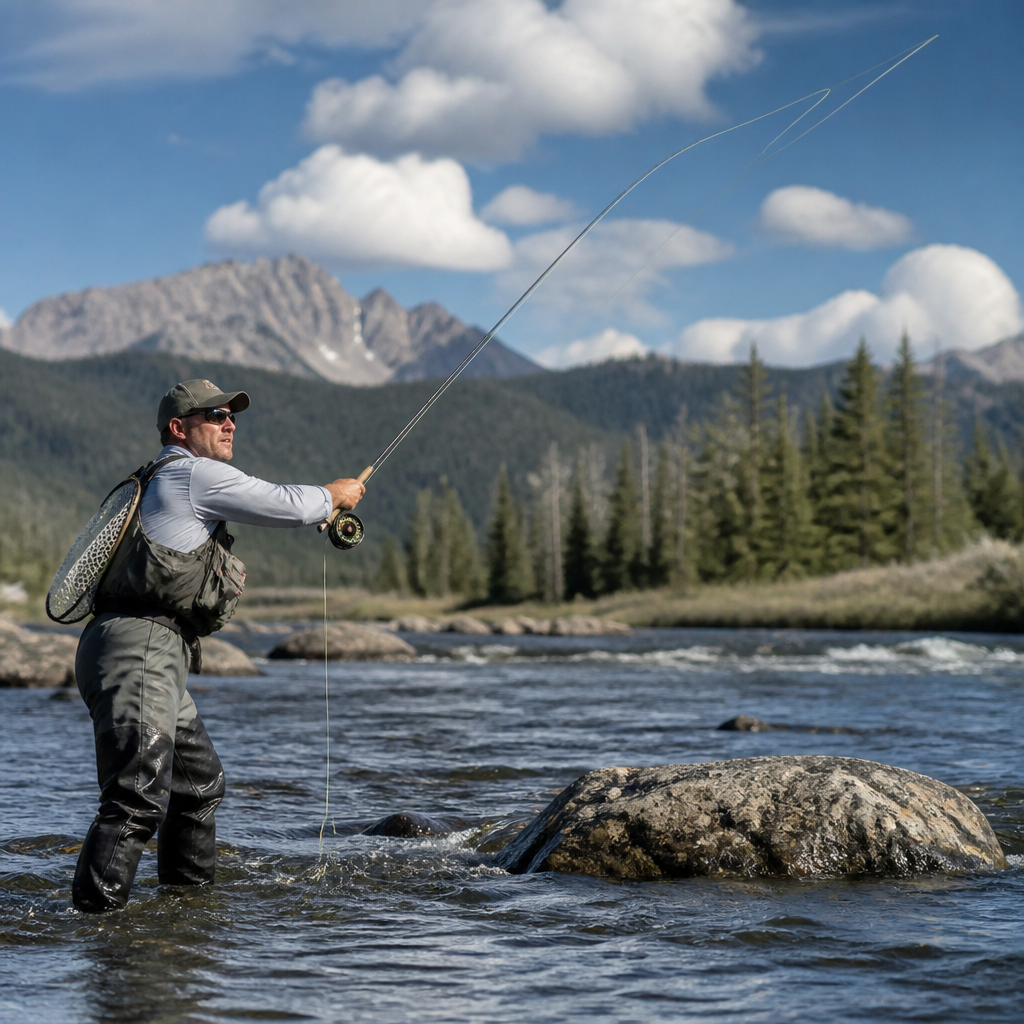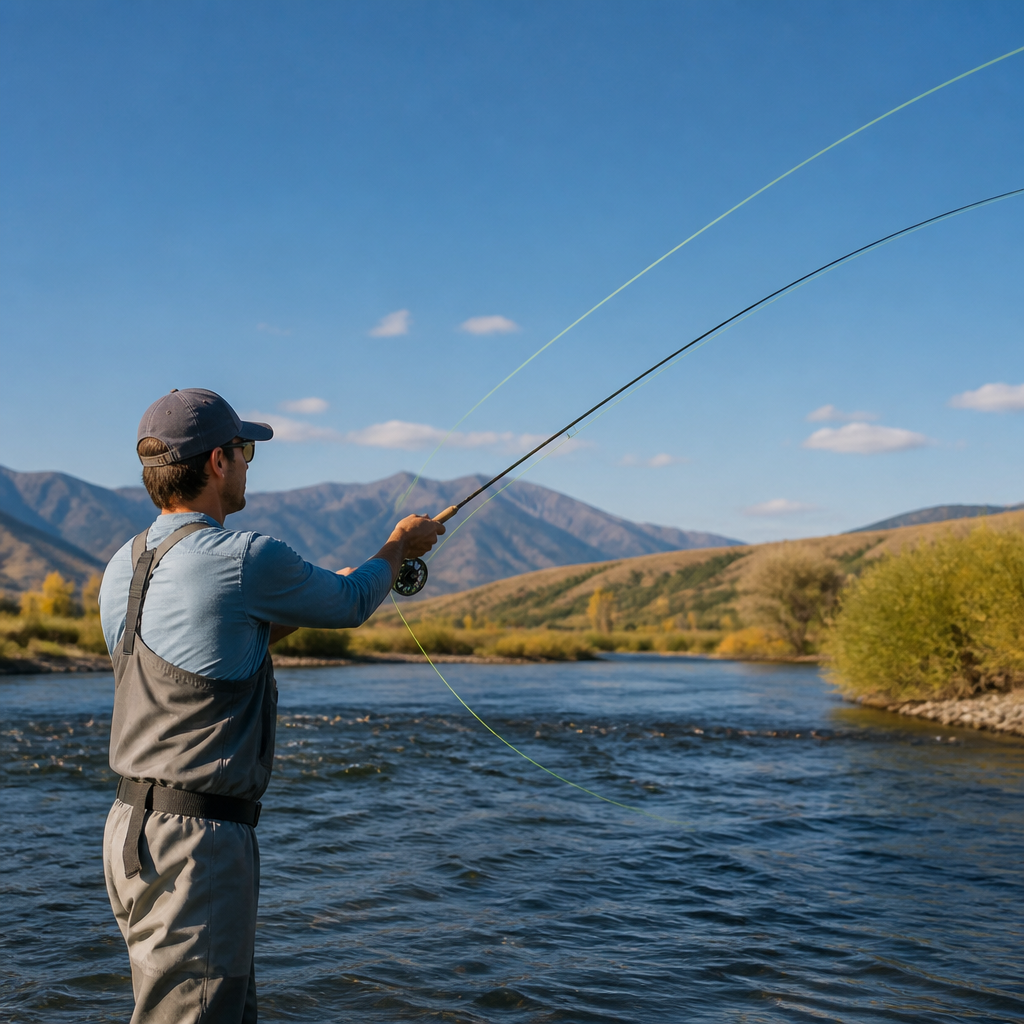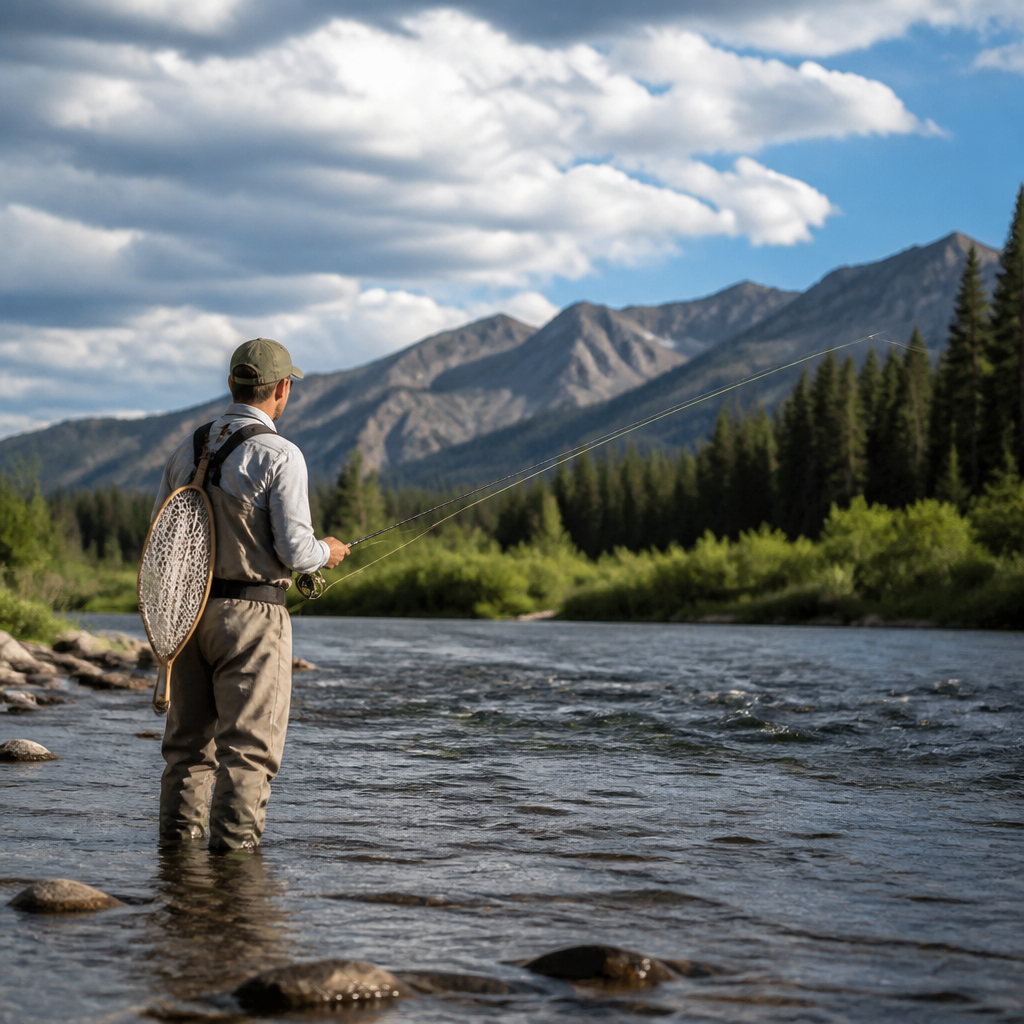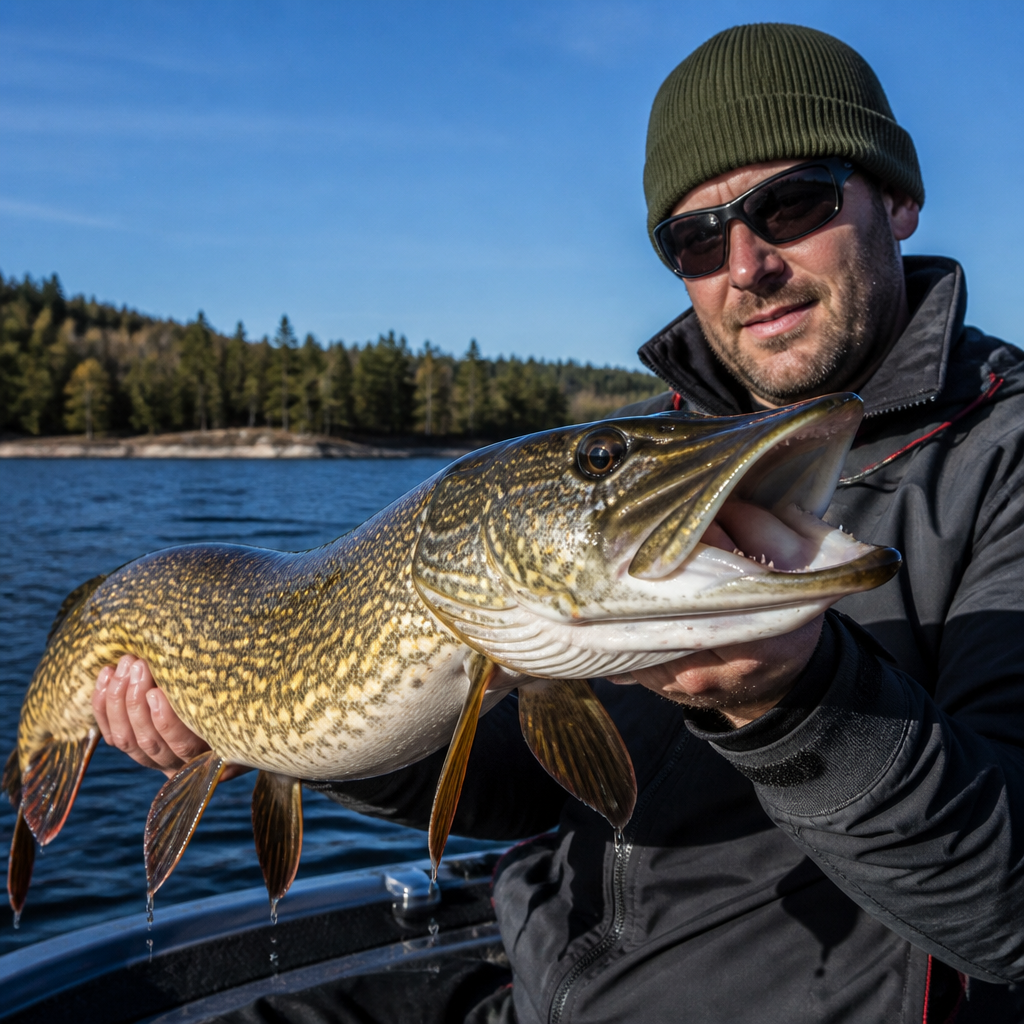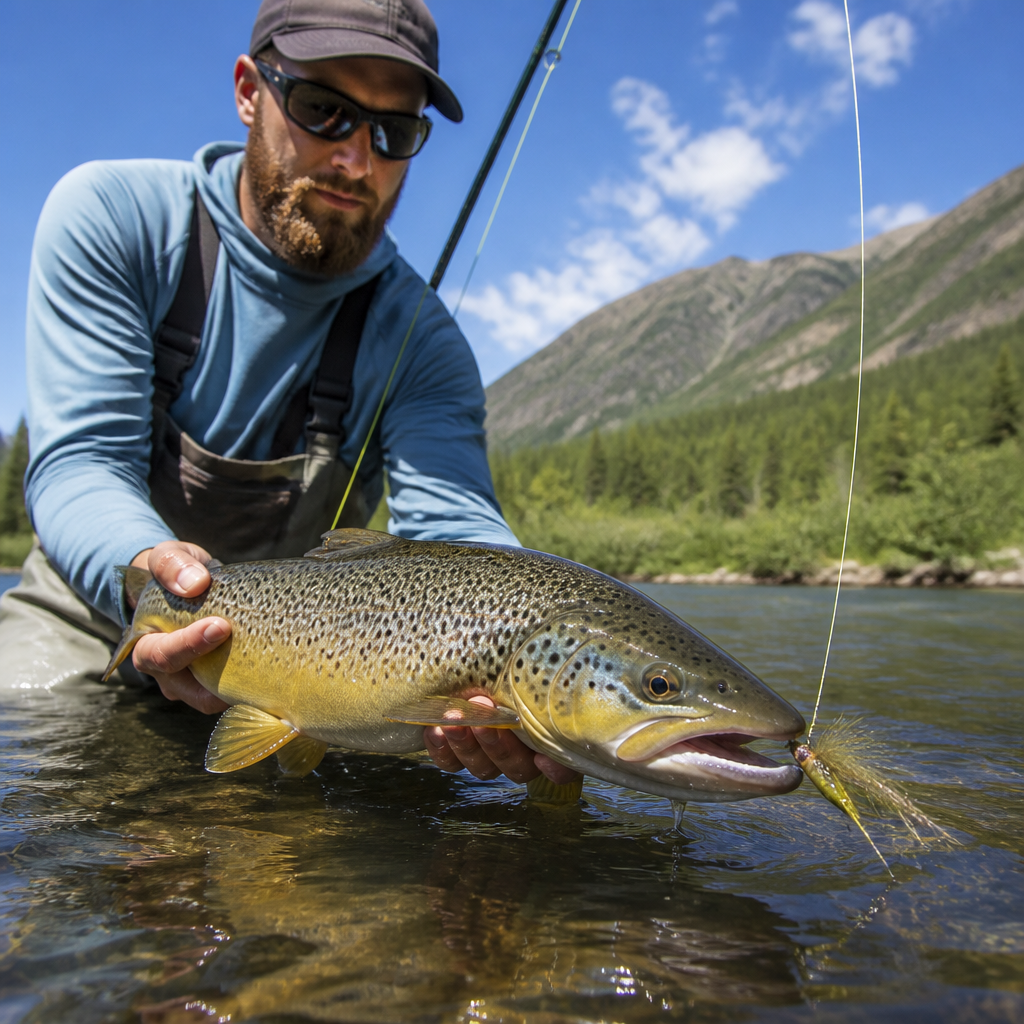
Streamer fishing is one of the most effective and exciting ways to target big fish, because it imitates the larger prey that predatory species actively hunt. In fly fishing, a streamer is a fly designed to represent baitfish, leeches, sculpins, crayfish, or other swimming food sources, and streamer fishing refers to the methods used to present those flies with movement, depth, and direction that trigger aggressive strikes. I have used streamer tactics on trout rivers, smallmouth bass creeks, stillwater lakes, and pike marshes, and the pattern is consistent: when fish want a substantial meal, streamers outperform small dries and nymphs. That matters for anglers who want larger average fish, who need a search tactic for covering water, or who fish during seasons when predators key on minnows.
At its core, streamer fishing combines imitation with provocation. Some strikes happen because the fly looks exactly like a natural forage fish. Others happen because the retrieve, flash, pulse, and angle of movement trip a fish’s instinct to chase. This dual role makes streamer fishing versatile. You can use it to match juvenile trout in a tailwater, to imitate sculpins tucked against a rocky bank, or to force a territorial reaction from a brown trout during the fall spawn. It also bridges freshwater species more easily than many anglers realize. A weighted baitfish pattern stripped through a drop-off may tempt a lake trout, a largemouth bass, or a reservoir striper depending on location and tackle.
For a sub-pillar strategy page, the goal is to understand the full system: when to fish streamers, what tackle supports good presentations, how fly design changes action, which retrieves solve specific problems, and how to adapt the approach for trout, bass, pike, and other predators. Good streamer fishing is not random casting with a big fly. It is controlled depth management, line selection, angle control, and deliberate retrieve planning. Once those pieces are understood, the method becomes repeatable rather than hit-or-miss, and that is why streamer fishing deserves a central place in any techniques and strategies library.
Why Streamer Fishing Produces Big Fish
Big fish prefer efficiency. A twenty-inch brown trout can eat many midges, but it gains more energy by ambushing one three-inch baitfish. That energy equation explains why streamer fishing consistently produces larger fish than methods centered on tiny food forms. Predatory fish are built for this feeding style: forward-facing eyes improve depth perception, broad tails deliver burst speed, and larger mouths let them inhale bulky prey. In rivers, undercut banks, woody cover, depth transitions, and current seams act as feeding lanes where fish can hide and attack with minimal effort.
In practical terms, streamer fishing excels during low-light periods, rising water, windy weather, and cold seasons when fish often abandon surface feeding and focus on vulnerable forage. Fall is famous for trophy brown trout because they become territorial and protein-focused. Winter streamer fishing can also be excellent when presentations are slowed and kept near the bottom. In summer, dawn and dusk often bring baitfish movement along weed edges and shaded banks. On lakes, streamers shine around points, shoals, and drop-offs where ciscoes, perch fry, or shiners concentrate. When anglers ask, “Do streamers catch more fish or bigger fish?” the direct answer is bigger fish more often, though usually with fewer total strikes than nymphs.
Core Tackle: Rods, Reels, Lines, Leaders, and Knots
The ideal streamer setup depends on species and fly size, but some standards hold. For trout, a 6-weight is the most versatile dedicated streamer rod, with a 7-weight better for heavy sink tips, articulated flies, and windy days. Smallmouth anglers often prefer a 6- or 7-weight. Pike and musky demand stout 8- to 10-weight tackle because flies are large, leaders are abrasion resistant, and fish fight violently. A fast-action rod helps pick up sinking lines, throw weighted flies, and drive hooks home with minimal slack. Reels matter less for drag in trout fishing than for line capacity and balance, but for bass, pike, and salt-adjacent species, a smooth drag becomes more important.
Fly line selection is the single biggest technical lever in streamer fishing. A floating line works for shallow banks, unweighted streamers, and swinging flies in moderate water. A sink-tip line is often the best all-around choice for river streamer fishing because it sinks the fly while preserving easier mending and pickup than a full-sinking line. Full intermediate lines dominate in lakes because they maintain a level path on a steady retrieve. Faster full-sinking lines are useful in deep reservoirs, winter pools, and strong current. I generally match sink rate to water speed and target depth rather than defaulting to heavier lines. Too much sink causes snagging, poor action, and exhausting casts.
Leaders for streamer fishing are shorter and stouter than dry-fly leaders. For trout, 4 to 7.5 feet is common, often tapered simply to 0X, 1X, or 2X fluorocarbon. Bass setups may use 10- to 16-pound material. Pike leaders usually include a bite section of wire or heavy knotable titanium. Knots should be simple and strong: a non-slip loop knot gives streamers more freedom to swim, while a clinch or improved clinch works well when a tighter connection is desired. If one upgrade immediately improves most anglers’ streamer success, it is using the correct line before changing flies.
How Streamer Design Changes Action and Depth
Not all streamers fish the same. Materials, weighting, articulation, profile, and head design all affect movement. Bucktail patterns shed water and cast more easily than saturated rabbit-strip flies, making them ideal for long sessions. Rabbit has unmatched pulse and movement at slow speed, which is why leech and sculpin patterns tied with zonker strips are so effective in cold water. Articulated streamers create a longer silhouette without requiring an overly large hook gap, and they often provoke fish that follow but will not commit to smaller patterns. Coneheads, dumbbell eyes, and jig hooks change the sink angle and help a fly ride hook point up around structure.
Color choice should follow forage, water clarity, and light conditions. Olive, white, black, tan, and natural baitfish mixes catch fish almost everywhere because they represent common prey. Black creates a strong silhouette at dawn, dusk, and in stained water. White excels when fish are feeding on shad, smelt, or other bright forage. Olive-and-white is a standard for minnows and juvenile trout. Flash matters, but too much can reduce realism in clear water. Size is equally important. Many anglers fish streamers that are too large for average conditions. A three-inch sculpin often outproduces a six-inch pattern unless targeting pike or giant brown trout specifically.
| Condition | Best Streamer Traits | Why It Works |
|---|---|---|
| Clear, low water | Natural colors, slimmer profile, lighter weight | Reduces spooking and matches cautious feeding behavior |
| High or stained water | Dark colors, larger profile, added flash or vibration | Improves visibility and helps fish track the fly |
| Cold water | Rabbit, marabou, moderate size, slow-sinking design | Maintains action during slow retrieves near the strike zone |
| Warm aggressive periods | Articulated baitfish, brighter accents, faster-swimming heads | Triggers chase responses from active predators |
Presentation Fundamentals: Depth, Angle, Speed, and Pause
The four variables that control streamer success are depth, casting angle, retrieve speed, and pause timing. Depth comes first because fish rarely move far vertically to eat unless they are already hunting. Count the fly down, mend to help a sink-tip settle, and choose presentations that keep the streamer in the strike zone for the longest part of the drift or retrieve. In rivers, quartering downstream often allows a fly to swim broadside across likely holding water, which is deadly for trout and steelhead. Across-and-down swings are classic, but they should not be treated as the only method. Upstream casts with short strips can dead-drift a sculpin under a bank, and straight-across presentations can dissect current seams methodically.
Retrieve speed should match fish mood and forage behavior. A fast, erratic strip suggests a fleeing baitfish and can trigger reaction strikes from bass, pike, and aggressive trout. A slow hand-twist or short strip-pause rhythm often wins in winter or after a cold front. The pause is frequently the strike trigger because the fly stalls, dips, or changes direction like wounded prey. I have watched following brown trout eat only when the streamer stopped beside a rock or accelerated after a brief hang. If fish follow but refuse, change one variable at a time: speed first, then pause length, then angle, then fly size or color.
Line control separates competent streamer anglers from inconsistent ones. Keep slack to a minimum without dragging the fly unnaturally. Strip set instead of trout-setting with the rod tip, especially on sinking lines and short leaders. A strip set drives the hook while preserving pressure; a sudden vertical lift often pulls the fly away. When fishing from a boat, maintain awareness of line at your feet and keep the rod low during the fight to prevent fish from using current or jumps to throw the hook.
River Tactics for Trout and Smallmouth
River streamer fishing starts with reading structure. Trout often sit near depth changes, boulders, logjams, undercut banks, tailout shelves, and soft water beside heavy current. Smallmouth favor current breaks, ledges, boulder gardens, and woody cover. The best approach is to break the river into lanes and cover them efficiently. Cast tight to the bank first, because large fish frequently pin bait against shore. Then work the inside seam, the main current edge, and finally the deeper center slot. In float fishing, anglers who make one cast to a great bank and move on leave fish behind; changing angle and sink time can reveal a fish that ignored the first presentation.
Seasonal adjustments matter. In spring, high flows push fish to softer water and warm edges, so streamers should be presented slower and closer to shelter. Summer fish may slide under shade, bridge pilings, and cutbanks during bright hours, then hunt riffle tails and flats at low light. Fall brings some of the best streamer fishing for brown trout, especially on overcast days with moderate flow. Winter demands patience: fish deeper, use compact patterns, and strip just enough to animate the materials. On smallmouth rivers, crayfish-leaning streamers and baitfish patterns both work, but the best retrieve usually stays near bottom with occasional bursts.
Stillwater and Warmwater Applications
On lakes, ponds, and reservoirs, streamer fishing becomes a game of levels and routes. Predators cruise weed edges, suspend over points, trap bait against shorelines, or corral schools over basins. An intermediate line is often the starting point because it keeps a streamer moving horizontally through the depth where fish are feeding. Countdowns are essential. If bass eat after a five-count and trout after a twelve-count, you have learned the feeding level for that window. Wind helps by concentrating plankton, then baitfish, then predators. Some of my best stillwater streamer days have come on windy banks where wave action disoriented minnows and gave fish cover.
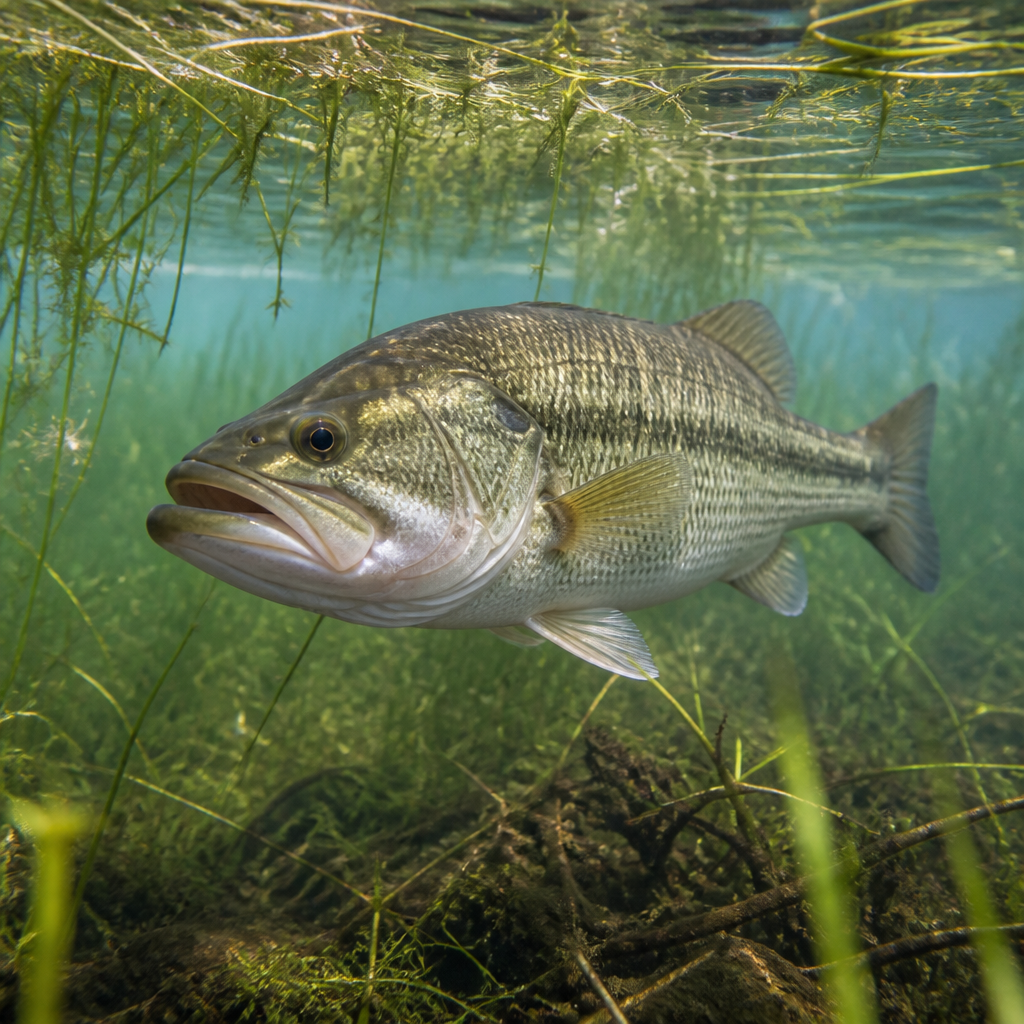
Warmwater species reward aggressive presentations. Largemouth bass often respond to pauses beside weed pockets, docks, and timber, while smallmouth frequently crush a streamer ripped over rock transitions. Pike prefer large profiles, visible motion, and leaders that survive teeth. Carp are less common streamer targets but can eat small baitfish patterns in canals and lakes when they are actively hunting fry. In reservoirs, watch electronics or visible bait activity and fish streamers where forage is actually present. Big fish are not randomly distributed; they are tied to oxygen, temperature, and food. Streamer fishing works best when those three factors overlap.
Common Mistakes and the Fastest Ways to Improve
The most common streamer fishing mistakes are fishing too fast all day, fishing too shallow, changing flies before changing presentation, and failing to cast near structure. Another major error is using a floating line when conditions require a sink-tip or intermediate line. Anglers also strike incorrectly. If you miss fish repeatedly, keep stripping until you feel solid weight, then clear line and fight from the reel if necessary. Sharpen hooks often, especially after hitting rocks. Large streamers dull quickly, and poor hook points cost trophy fish.
Improvement comes from tracking variables instead of guessing. Note water temperature, clarity, sink rate, fly size, retrieve cadence, and where strikes happen in the swing or strip. Over time, patterns emerge. You may find that twenty-inch trout on your home river prefer olive articulated streamers stripped twice and paused beside wood in water between 48 and 55 degrees. That is actionable knowledge, not luck. The main benefit of mastering streamer fishing is simple: it gives anglers a reliable, deliberate way to hunt quality fish rather than waiting passively for whatever happens to rise. Start with one balanced setup, fish proven structure carefully, and let the fish teach you the final refinements.
Frequently Asked Questions
What makes streamer fishing so effective for targeting big fish?
Streamer fishing is effective for big fish because it appeals directly to the way predatory species feed. Larger trout, bass, and other game fish often prefer meals that give them the most calories for the least effort, so instead of sipping tiny insects all day, they frequently key in on baitfish, sculpins, crayfish, leeches, and other substantial prey. A streamer imitates exactly those food sources. When presented correctly, it does more than just look like food—it moves like vulnerable food, which is often what triggers the strike.
Another major advantage is that streamers help you target fish that may not be actively rising or feeding delicately on the surface. Big fish are often territorial, opportunistic, and aggressive, especially around structure, drop-offs, undercut banks, logjams, and deeper runs. A well-swung, stripped, or jigged streamer can invade that strike zone and provoke an instinctive reaction. In many cases, the fish is not carefully inspecting the fly the way it might inspect a dry fly or nymph. Instead, it is reacting to motion, profile, depth, and speed.
Streamer fishing also allows you to cover water efficiently. Rather than focusing on one seam or one visible rise, you can probe entire runs, banks, pools, and current transitions. That matters when you are hunting larger fish that often hold in specific, high-value lies. If you put a convincing streamer at the right depth and move it with intent, you can reach fish that might ignore other presentations. For anglers looking for fewer but better fish, streamer fishing is one of the most consistent and exciting approaches available.
What type of gear works best for streamer fishing for big trout, bass, and other predatory fish?
Streamer fishing usually calls for slightly heavier and more powerful gear than standard dry-fly fishing because the flies are larger, the takes are more aggressive, and the fish you are targeting are often stronger. For trout, a 6-weight rod is a versatile starting point and is widely considered one of the best all-around streamer rods. If you are throwing very large patterns, fishing sinking lines, or dealing with wind and bigger water, a 7-weight can make life much easier. For smallmouth bass, a 6- or 7-weight is also a strong choice because it handles bulky flies, turns over stronger leaders, and gives you the control needed around structure.
A reel with a smooth drag is helpful, especially when you connect with larger fish in current, but the fly line is often the more important piece of the system. Many anglers succeed with weight-forward floating lines when fishing shallow water or unweighted streamers, but streamer fishing often shines with sink-tip or full-sinking lines. These lines help get the fly down into the strike zone quickly and maintain depth through the retrieve. If fish are holding deep, a floating line may simply not keep the streamer where it needs to be long enough. Matching line density to water depth and current speed is a major part of success.
Leader setup matters too. Streamer leaders are generally shorter and stouter than dry-fly leaders. A typical setup might be 4 to 7 feet, depending on fly size, water clarity, and line type. Heavier tippet helps turn over larger flies and provides abrasion resistance around rocks, wood, and aggressive fish. For trout, anglers often use 0X to 3X; for bass, similar or heavier material is common. The goal is not finesse for its own sake—the goal is control, strong hooksets, and a clean connection between you and a moving fly. When you build your streamer outfit around power, depth control, and efficient turnover, everything becomes easier and more effective.
How should I retrieve a streamer to make it look natural and trigger more strikes?
The best retrieve depends on the species, water temperature, current speed, and the prey you are trying to imitate, but one principle always holds true: the fly needs to look alive, vulnerable, or worth chasing. That does not always mean stripping as fast as possible. Sometimes a big fish wants a fleeing baitfish, and a fast, erratic retrieve triggers explosive eats. Other times, especially in colder water, a slower, more deliberate presentation works better because fish are less willing to burn energy. Learning to vary retrieve speed, strip length, pauses, and angle is one of the most important skills in streamer fishing.
A very effective starting approach is a series of medium strips with occasional pauses. Those pauses are critical because many strikes happen the instant the streamer changes direction, stalls, rises, or drops. That sudden vulnerability often looks like an injured baitfish or disoriented prey. In rivers, you can also use the current to animate the fly. Cast across or slightly downstream, let the line come tight, and allow the streamer to swing broadside through the current before adding strips. That combination of swing and strip can be deadly for trout holding near structure or current seams.
It is also smart to experiment methodically. Try fast strips near the bank, then a deeper, slower retrieve through the middle of the run. Fish the same fly with long pulls, then with short twitches. Add a sharp strip to imitate panic, or let the fly dead-drift briefly before moving it again. Big fish often reveal a preference on a given day, and once you find that rhythm, your results can improve quickly. The key is to fish the streamer with intention rather than just mindlessly pulling it back. Every cast should answer a question about depth, speed, angle, or action.
Where should I fish streamers if I want to find larger fish consistently?
If your goal is larger fish, focus on places that offer security, food, and an efficient ambush position. Big trout and bass rarely hold randomly. They favor structure and water that let them conserve energy while staying close to passing prey. In rivers and streams, prime streamer water includes undercut banks, logjams, boulders, depth changes, current seams, soft water beside faster current, tailouts, pool heads, and shadow lines. These areas give predatory fish cover and a tactical advantage. A streamer worked through those zones often gets noticed quickly.
Depth is another major factor. Large fish commonly hold deeper than smaller fish, especially during bright conditions, high pressure, or cold water periods. That means your streamer needs to get down near the fish, not just pass over them. Deep runs, plunge pools, cutbanks, and slower troughs can be especially productive. On smallmouth water, rocky banks, current breaks, ledges, and transitions from riffle to pool are all worth repeated attention. In lakes or stillwaters, points, weed edges, drop-offs, creek mouths, and bait-rich shorelines often hold larger predators.
Timing and angles matter as much as location. Many big fish feed more confidently in low light, stained water, rising flows, or windy conditions because those situations reduce visibility and increase their advantage. Casting from multiple angles can make a huge difference as well. A fish tucked under a bank may ignore a fly dragged unnaturally past its face but crush the same streamer when it approaches from upstream and swings naturally across its lane. To fish streamers well, do not just cast at good-looking water—break each spot down by depth, current speed, available cover, and the most natural path a fleeing prey item would take through it.
What are the most common mistakes anglers make with streamer fishing, and how can they avoid them?
One of the most common mistakes is not fishing the fly deep enough. Anglers often make a good cast, start stripping too soon, and pull the streamer above the fish. Big predators usually will not move far upward unless they are in an especially aggressive mood. Using the right line, adding weight when needed, and giving the fly enough time to sink before beginning the retrieve can dramatically increase your chances. If you are not occasionally ticking rocks, hanging up lightly, or clearly feeling the fly work near structure in deeper water, you may be fishing too high.
Another frequent mistake is retrieving at only one speed all day. Streamer fishing is dynamic, and fish preferences change with water temperature, light level, and mood. Some anglers get locked into one strip cadence and never adapt. A better approach is to treat each section of water like a test. Adjust speed, strip length, pauses, and presentation angle until the fish tell you what they want. Similarly, many anglers move the fly too uniformly. Real prey often darts, stalls, turns, and hesitates. A little variation usually creates a more convincing and more triggering presentation.
Anglers also often overlook the importance of covering water thoroughly but intelligently. Streamers are search tools, but that does not mean making endless random casts. Focus first on the highest-percentage lies, make multiple presentations from different angles, and then move on. Another mistake is poor line control after the strike. Big fish often hit streamers violently and then run straight at you or into structure. Staying connected, stripping firmly to set the hook, and then transitioning smoothly to rod pressure are essential skills. Finally, many people quit streamer fishing too quickly because it can be feast-or-famine compared to nymphing or dry-fly fishing. The rewards often come in fewer bites but much better fish. Patience, confidence, and a willingness to experiment are what turn streamer fishing