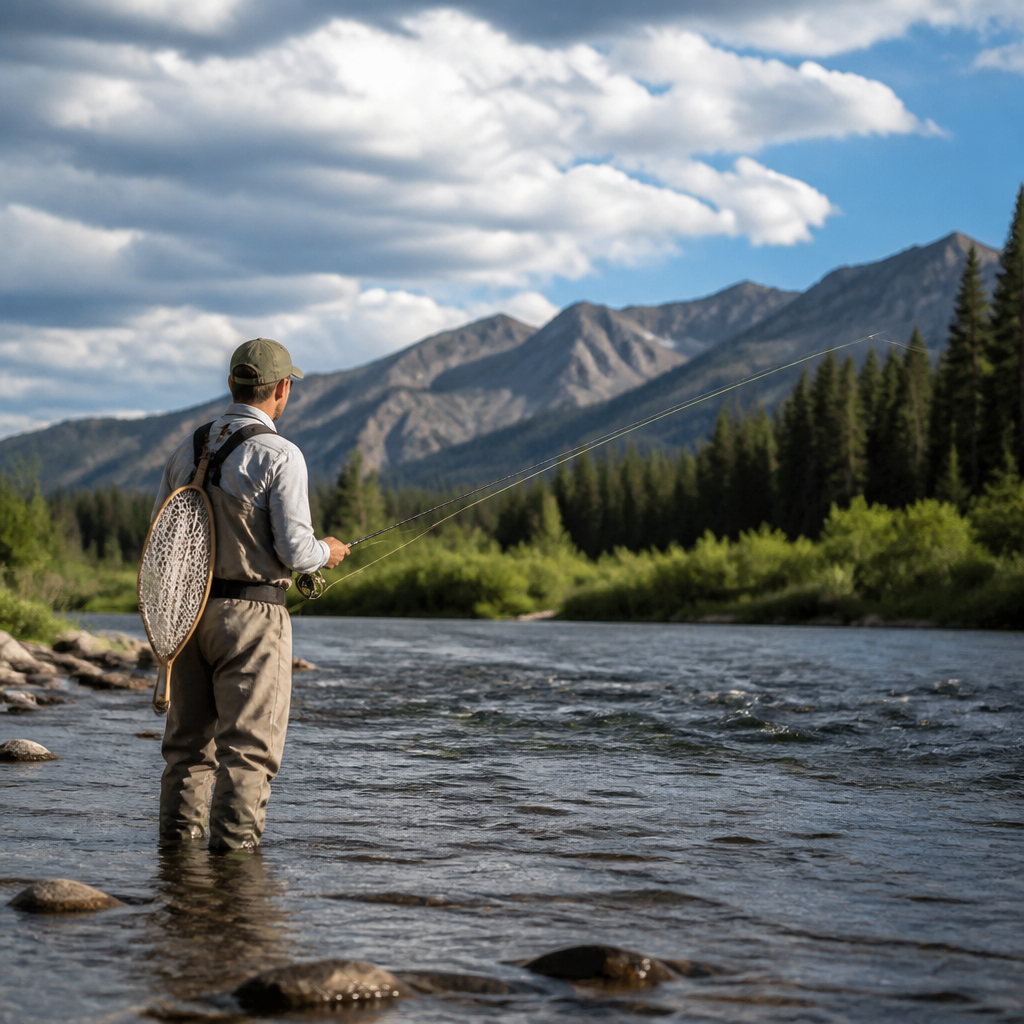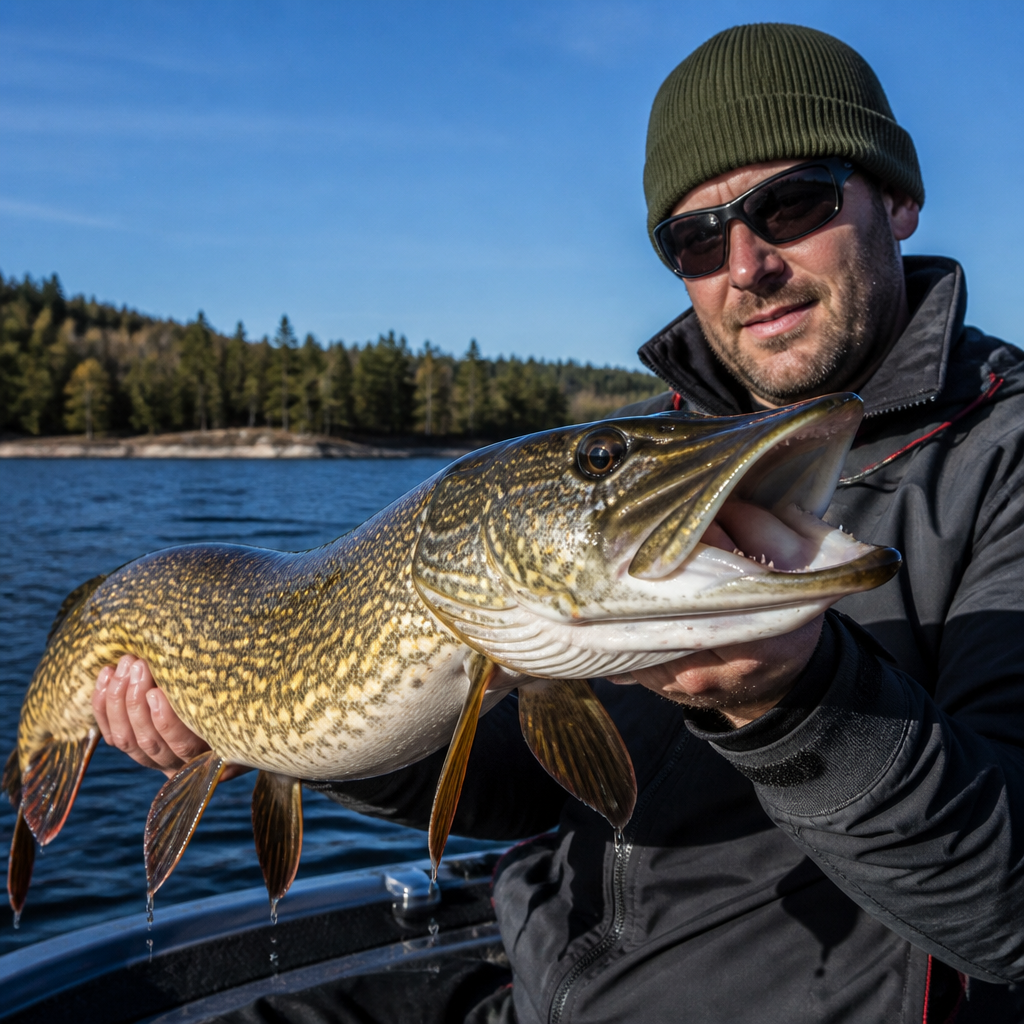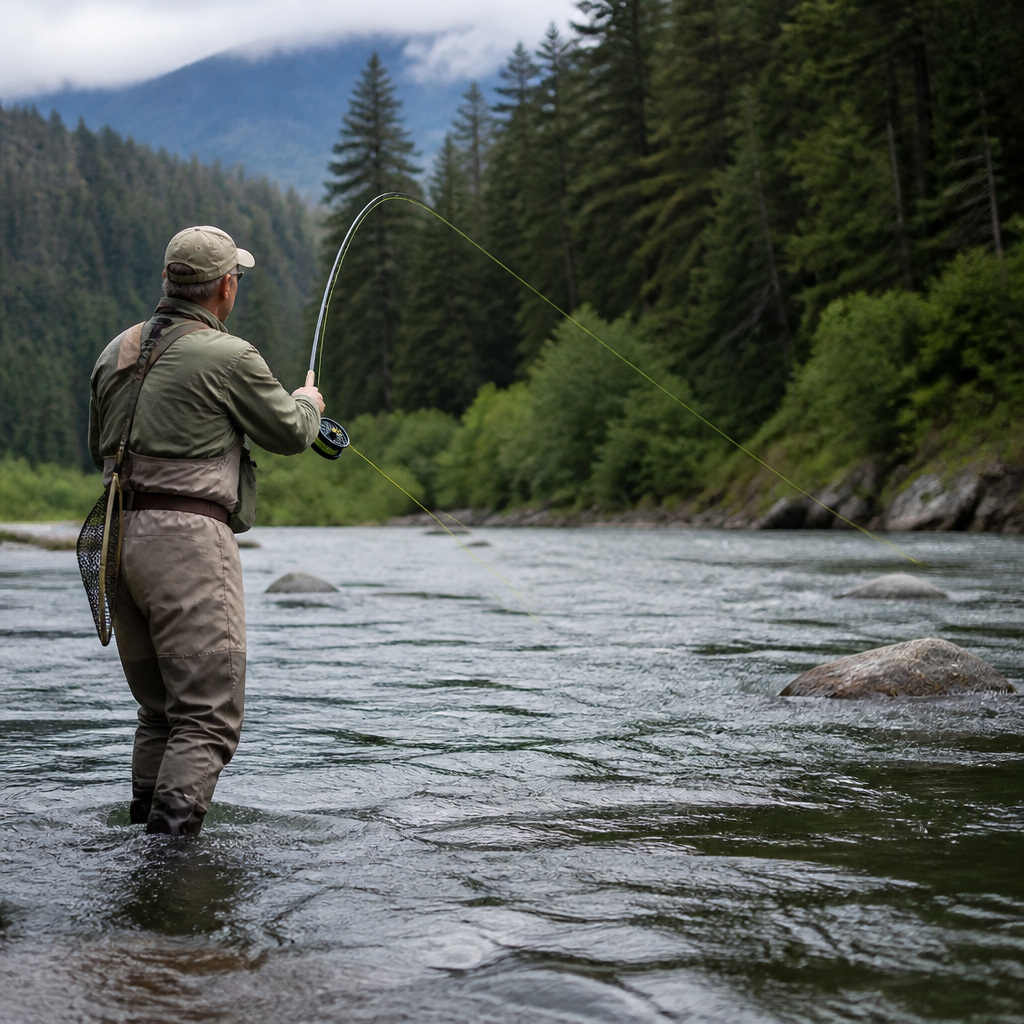
Streamer fishing in rivers is one of the most effective ways to target predatory trout, bass, pike, and other gamefish because it imitates the larger food sources those fish chase when they want a substantial meal. A streamer is an artificial fly designed to suggest baitfish, leeches, sculpins, crayfish, juvenile trout, or other swimming prey rather than insects floating on the surface. In river systems, streamer fishing matters because it helps anglers cover water efficiently, trigger aggressive strikes, and catch larger fish that may ignore dry flies and small nymphs. I have relied on streamers on freestone trout rivers, tailwaters, and warmwater flows when insect hatches were sparse, water was stained, or I specifically wanted the biggest fish in a run. The core idea is simple: present a moving meal where predatory fish expect vulnerable prey. The execution, however, depends on current speed, water temperature, depth, visibility, casting angle, line choice, and retrieve style. Understanding those variables turns random casting into a repeatable system.
River streamer fishing differs from stillwater fishing because current creates structure, feeding lanes, ambush points, and changing retrieve speeds throughout the swing. A streamer moving across a river can accelerate in fast seams, stall in soft water, and rise or drop depending on line density and tension. That means successful anglers think in terms of presentation control, not just fly selection. Key terms are worth defining early. A sink-tip line has a floating rear section with a sinking front section, helping the fly reach depth while remaining easier to mend than a full sinking line. A swing is the arc a streamer makes under current after the cast. Stripping means retrieving line by hand to animate the fly. Structure includes boulders, cutbanks, woody debris, undercut edges, ledges, and confluences that concentrate fish and prey. Once these fundamentals are clear, streamer fishing becomes a strategic discipline rather than a brute-force tactic for lucky big fish.
Why Streamers Work So Well in Rivers
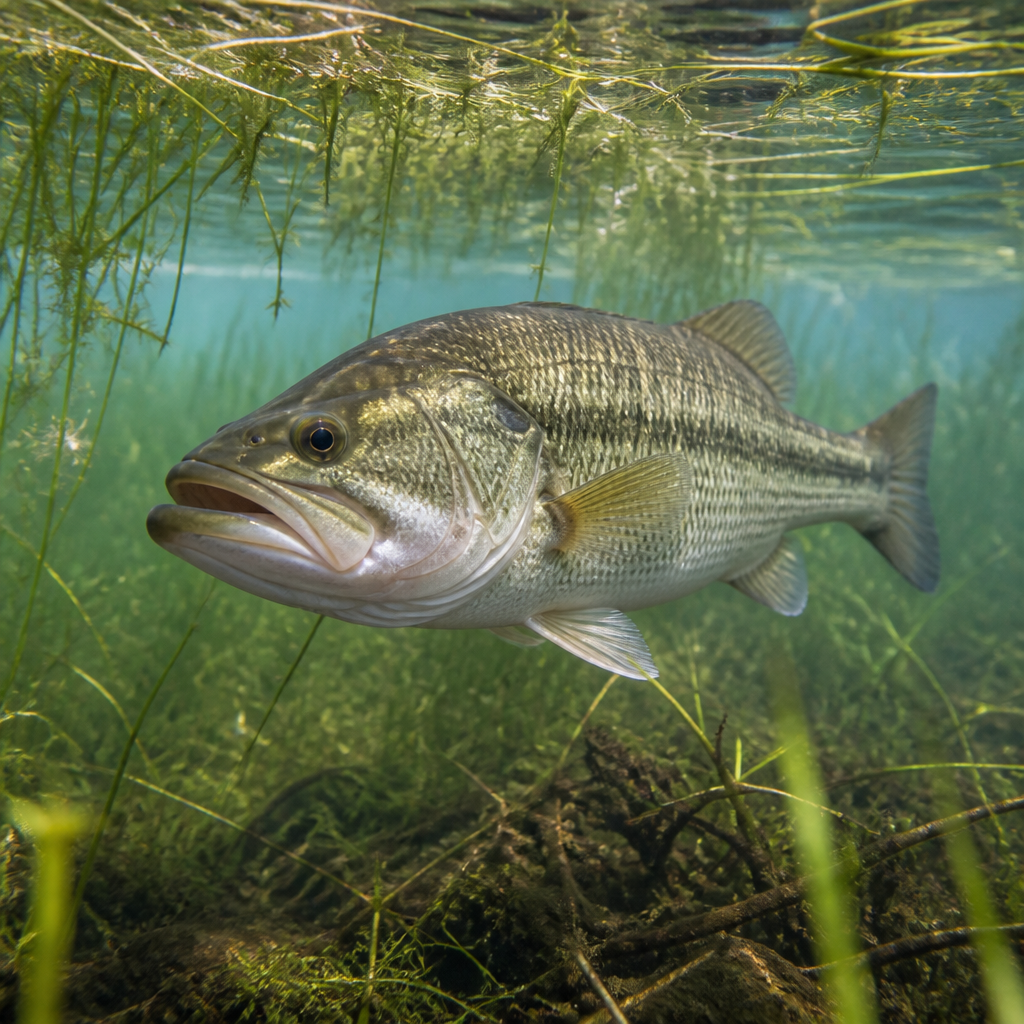
Streamers work because river predators are energy economists. A fourteen-inch trout can eat mayflies all day, but a single three-inch sculpin provides far more calories. Larger fish often shift toward bigger prey because that trade favors survival, especially in cold water when movement is deliberate or during post-spawn recovery when calories matter. Studies of brown trout diets in many tailwaters and freestones repeatedly show fish, crayfish, and sculpins appearing more frequently as trout size increases. The same pattern holds with smallmouth bass in current, which routinely pin minnows against rocks and current seams.
In practice, streamer fishing excels during low-light periods, rising flows, off-color water, shoulder seasons, and whenever fish are territorial. Pre-spawn brown trout in autumn are famously responsive to large articulated streamers because aggression stacks on top of feeding instinct. In spring runoff edges, trout slide toward softer water and attack baitfish patterns swept past them. Summer smallmouth along grass lines and ledges chase streamers stripped fast across current. Even winter can be productive if the presentation slows down and stays deep. The common thread is not one magic fly. It is that streamers present a clear, substantial target fish can locate and commit to quickly.
Essential Gear for River Streamer Fishing
The ideal rod for trout streamer fishing in rivers is usually a 6-weight or 7-weight, nine feet long, with enough backbone to cast weighted flies, sink tips, and larger indicators of wind resistance. For smallmouth, that same range works well; for pike or very large articulated patterns, an 8-weight becomes more practical. I prefer fast-action rods because they lift sinking lines cleanly and turn over bulky flies with less false casting. Reels matter less for drag performance in most trout situations, but a large-arbor reel balances the rod and retrieves line quickly during close-range eats.
Fly lines determine depth and control more than any other gear choice. A weight-forward floating line covers shallow banks and enables unweighted or lightly weighted streamers, but a sink-tip is the standard workhorse for rivers. Common sink-tip densities range from 3 to 7 inches per second, and tip lengths from 7.5 to 15 feet. Short, aggressive heads such as scientific-style integrated sink tips are useful when casting from tight banks or boats because they load quickly. Full sinking lines have a place in deep, uniform runs, yet they are harder to mend in complex current. Leaders are much shorter than dry-fly leaders. For trout, 3 to 6 feet of 0X to 3X is common; for bass and pike, heavier fluorocarbon or wire may be necessary. Knots must be strong and simple, with non-slip loop knots often improving streamer movement.
Best River Conditions, Seasons, and Locations
The best river conditions for streamer fishing are not always the prettiest. Slightly stained water often outperforms crystal-clear water because fish feel secure moving farther to eat. A visibility range of roughly one to three feet can be excellent, though local rivers vary. Flow changes also matter. On many tailwaters, generation schedules reposition baitfish and push trout toward banks, shelves, and eddies. On freestones, dropping water after rain frequently creates a feeding window as fish move out from heavy cover. Bright sun can suppress surface feeding but improve streamer fishing by pushing fish into undercut shade where ambush behavior increases.
Location within the river is specific. Cast to structure that creates a soft lie beside fast current: the downstream side of boulders, the inside edge of a cutbank, the seam below a riffle, the tongue entering a plunge pool, and the slack beside root wads. Large trout often hold where current delivers food without requiring constant movement. Smallmouth commonly station on rocky ledges, current breaks, and transitions from gravel to chunk rock. If I am unfamiliar with a river, I first fish the places where prey is likely to be disoriented: confluences, shallow shelves dropping into depth, side channels rejoining the main flow, and banks with woody cover. Streamer fishing rewards observation more than mileage.
Choosing the Right Streamer Pattern
Streamer selection should begin with prey type, profile, and sink behavior, not color alone. Sculpin patterns are broad-headed and bottom oriented, ideal for bouncing through rocky trout water. Minnow and baitfish patterns have slimmer silhouettes and often shine in tailwaters, larger rivers, and smallmouth fisheries. Leech patterns excel in softer edges, slower pools, and cold conditions where a subtle undulating profile matters more than darting action. Articulated streamers create a longer body with increased movement and can trigger large fish, but they cast harder and may require heavier rods.
Color follows water clarity and available forage. In clear water, olive, black, white, natural tan, and silver are reliable staples. In stained water, black often creates the strongest silhouette, while combinations such as white-and-chartreuse or yellow-and-olive improve visibility. Weighting also changes the fly’s role. Coneheads, dumbbell eyes, and jig hooks all alter the angle of descent and snag resistance. I often carry the same basic pattern in multiple weights because depth control is more important than tiny color adjustments. Proven river streamers include the Woolly Bugger, Muddler Minnow, Sculpzilla, Clouser Minnow, Zoo Cougar, Dungeon, and Sparkle Minnow. None are universal, but each matches a recurring river feeding scenario.
Presentation: The Cast, Swing, and Retrieve
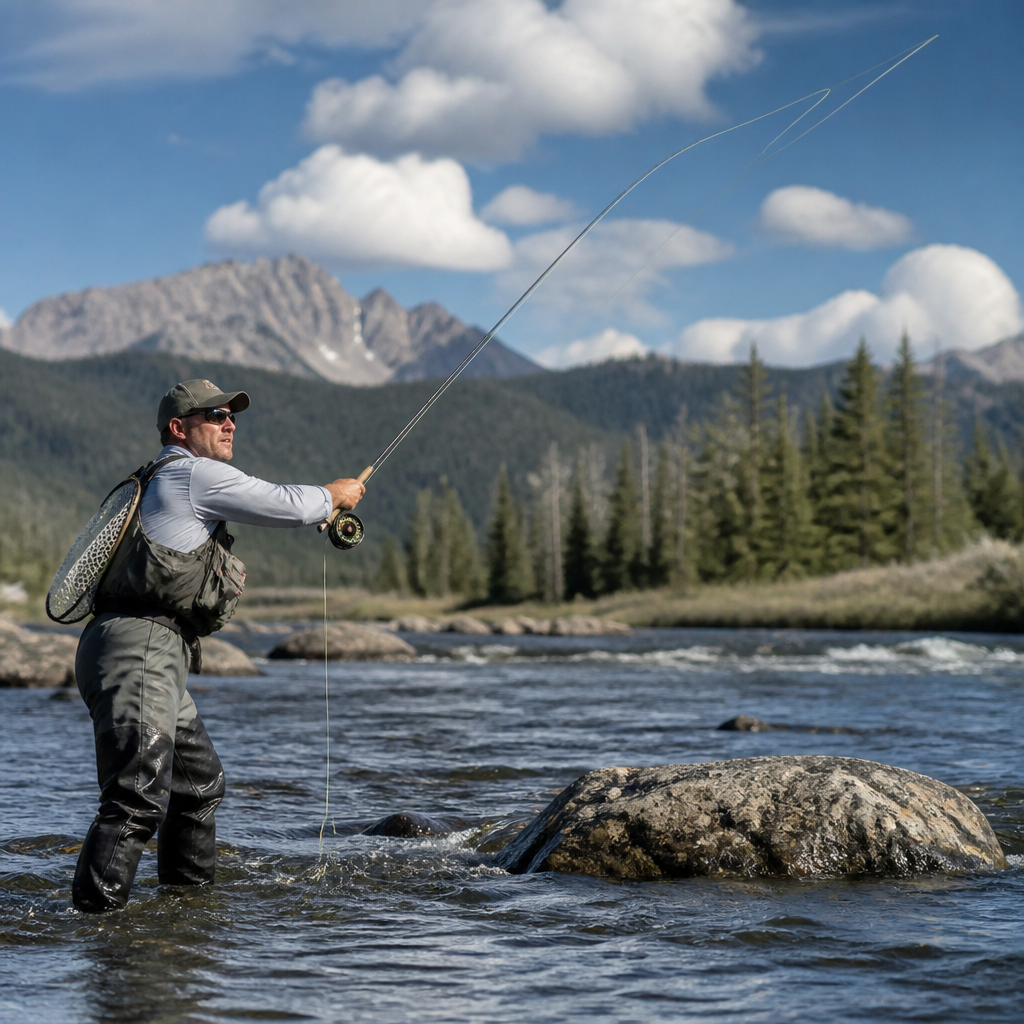
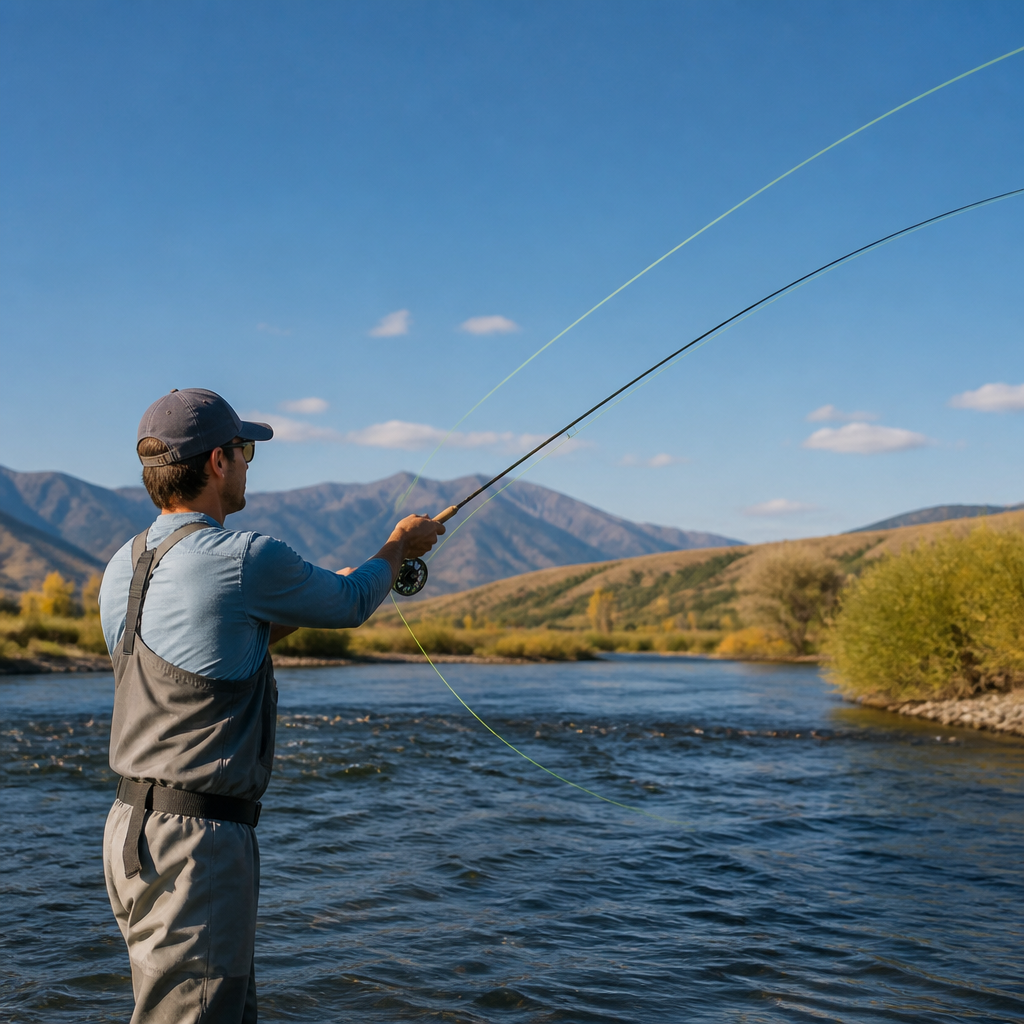
Presentation is the heart of river streamer fishing. Most anglers improve fastest when they stop casting straight across every time and instead vary angle and depth with purpose. An upstream cast gives the fly time to sink before entering the target zone. A quartering-across cast balances depth with control and is often the most versatile choice. A downstream presentation can make the streamer appear to flee, which is deadly when fish are already following. Mending changes sink rate and path. An upstream mend slows the swing and helps the fly drop. A downstream mend speeds tension and can make the fly dart broadside.
Retrieves should match fish mood and water temperature. In cold water, short strips with pauses, or even a near-dead drift punctuated by occasional twitches, frequently outproduce fast hand-over-hand retrieves. In moderate temperatures, a strip-strip-pause rhythm is a dependable starting point because many strikes happen on the pause as the fly stalls and drops. In warmwater rivers for smallmouth, longer aggressive strips often trigger reaction takes. Keep the rod tip low and pointed near the fly line to maximize contact, then finish every cast with a hang-down directly below you because fish often eat at the end of the swing.
| Condition | Recommended line and fly | Best presentation |
|---|---|---|
| Cold, clear water | Moderate sink-tip with smaller sculpin or leech | Upstream or quartering cast, slow strips, long pauses |
| Stained, rising water | Heavier sink-tip with dark articulated streamer | Cast tight to banks, mend upstream, deep swing with short sharp strips |
| Summer smallmouth flows | Floating or light sink-tip with baitfish pattern | Across-current cast, faster strips over ledges and seams |
| Deep winter runs | Dense sink-tip with weighted compact fly | Short casts, controlled dead drift, minimal movement near bottom |
Depth, Speed, and Strike Detection
If streamer fishing has a single rule, it is this: get the fly to the fish’s level without sacrificing movement. Anglers often fish too fast and too shallow. The adjustment can be mechanical rather than intuitive. Use a denser tip, shorten the cast to improve sink time in the target lane, mend earlier, choose a more compact weighted fly, or reposition to cast from a better angle. River current magnifies small mistakes. A long cast with immediate tension may swing the fly above fish before it reaches them. A shorter cast placed well beside cover usually fishes longer in the productive zone.
Strike detection with streamers is different from dry-fly visual takes. Some strikes are violent jolts, but many are just heaviness, a stop, or a brief ticking change that feels unlike bottom contact. I tell newer anglers to strip-set rather than trout-set. Keep the rod low, pull firmly with the line hand, and only raise the rod after the fish is connected. This prevents ripping the fly out during side pressure. Barbless hooks penetrate quickly, but they demand constant tension. Good streamer anglers expect an eat at every transition: when the fly starts to swing, when it hangs below, when it clears a rock, and especially when it hesitates.
Reading Fish Behavior and Avoiding Common Mistakes
Following fish provide valuable information. If trout or bass trail the fly but do not strike, the problem is usually speed, size, or tracking angle rather than total pattern failure. A fish that follows repeatedly in clear water may want a smaller profile, a pause, or a directional change near the bank. In some rivers, adding a second, smaller trailing fly is legal and effective, though regulations vary and tangles increase. If fish flash at the fly and turn away, color contrast or depth may be off by only a small margin.
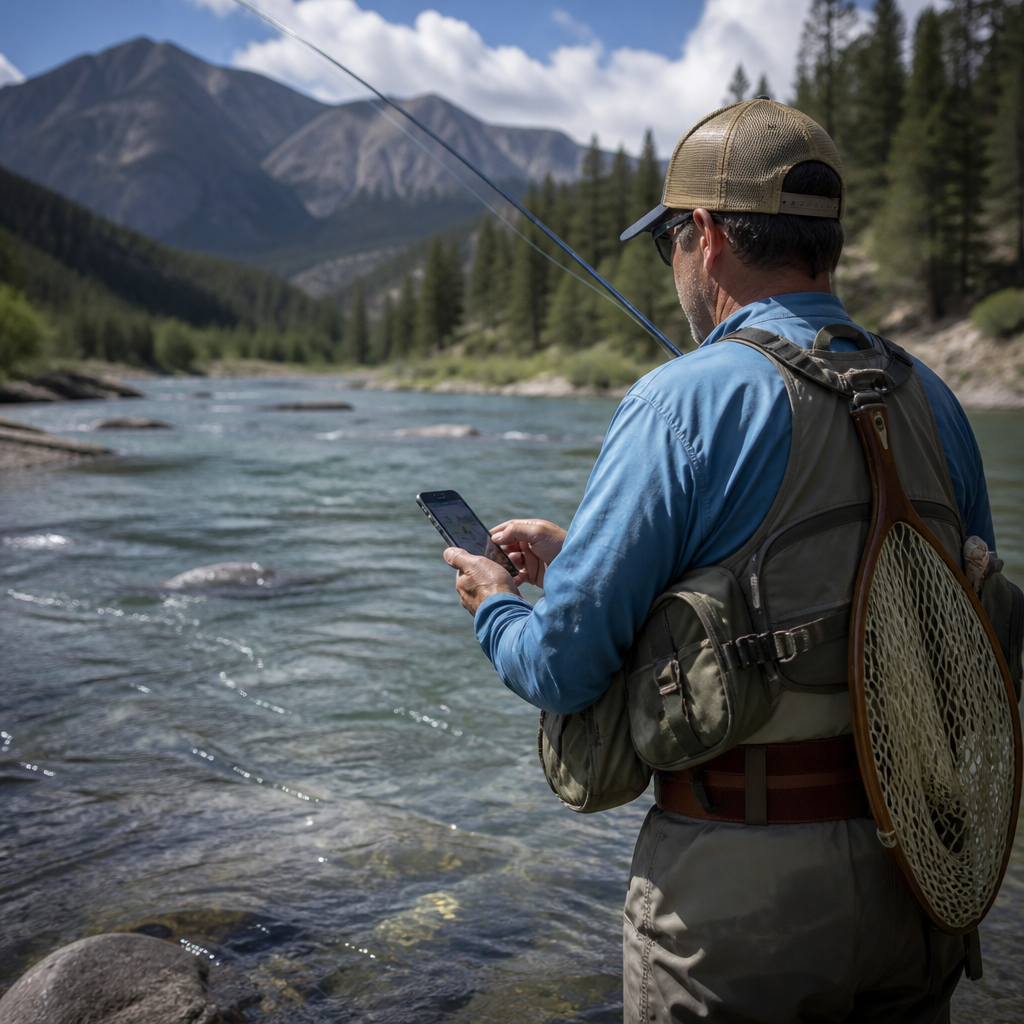
The most common mistakes are pounding unproductive water, using leaders that are too long for sinking systems, and refusing to change cadence. Another error is wading too quickly into prime bank water. Large fish often sit alarmingly close to shore, especially in stained water or under cutbanks. Fish the near edge first. Finally, avoid oversized streamers when the river cannot support that forage base. Big flies can catch big fish, but in smaller rivers with abundant juvenile minnows and sculpins under two inches, modest patterns often produce more consistent results. Keep a notebook or digital log with flow level, water temperature, clarity, fly weight, and successful retrieve. Patterns emerge quickly.
Building a River Streamer System That Produces Consistently
Consistency comes from building a repeatable system. Start each session by identifying water clarity, temperature, current speed, and likely forage. Choose one line and two complementary streamers, usually a natural pattern and a high-contrast option. Fish high-percentage structure methodically from shallow to deep, near to far. Change only one variable at a time: first depth, then retrieve, then fly profile, then color. This sequence prevents random decisions and reveals what fish actually prefer. On guided days and personal scouting trips alike, this disciplined process has outfished constant fly swapping almost every time.
Streamer fishing in rivers rewards anglers who combine observation with controlled experimentation. The main benefit is not only bigger fish, though that is often the draw. It is the ability to solve difficult conditions when fish are not rising and standard presentations fail. Learn how current changes the fly, carry lines that cover depth, present to structure deliberately, and vary speed with intent. If you want to improve quickly, dedicate several outings to streamers alone and record the results. That focused practice will turn streamer fishing from an occasional gamble into one of your most dependable river techniques.
Frequently Asked Questions
What is streamer fishing in rivers, and why is it so effective for predatory fish?
Streamer fishing in rivers is a fly-fishing approach that uses larger subsurface flies to imitate the kinds of prey gamefish actively hunt, such as baitfish, sculpins, leeches, crayfish, and juvenile trout. Unlike dry flies or nymphs that imitate insects, streamers are designed to represent a substantial meal. That makes them especially effective for predatory species like trout, smallmouth bass, largemouth bass, pike, and other aggressive river fish that are willing to move for a high-protein target.
The reason streamer fishing works so well in moving water is that rivers naturally concentrate food and create ambush points. Current seams, undercut banks, boulders, logjams, deep runs, tailouts, and eddies all give predatory fish places to hold while waiting for prey to drift or swim past. A well-presented streamer moves through these lanes in a way that suggests vulnerability, triggering either a feeding response or a territorial reaction. Even fish that ignore smaller presentations may attack a streamer out of instinct, aggression, or opportunity.
Another major advantage is efficiency. Streamers allow anglers to cover water quickly and target fish that may not be keyed in on a hatch. That is especially valuable in stained water, cold conditions, high flows, low-light periods, or whenever fish are focused on larger forage. In many river systems, some of the biggest fish are accustomed to eating fewer but larger meals, and streamer fishing matches that behavior better than many other methods. For anglers seeking larger, more aggressive fish, it is one of the most consistent and exciting techniques available.
What types of river water should I target when streamer fishing?
The best river water for streamer fishing is usually any area that gives predatory fish both security and feeding opportunity. Focus first on structure and current transitions. Fish often hold along seam lines where fast and slow water meet, because these lanes allow them to conserve energy while staying close to food. Streamers fished across or just inside these seams can draw strikes from fish that are stationed in the softer water and watching the current for prey.
Depth is also important. Deeper pools, runs with a defined drop-off, ledges, and troughs often hold larger fish, particularly during bright conditions or when water temperatures are extreme. In these spots, streamer anglers should think about getting the fly down into the fish’s level rather than simply casting and stripping across the surface layers. Deep banks, cutbanks, submerged wood, large rocks, and root wads are especially high-percentage targets because they provide cover and natural ambush points.
Do not overlook transitional water. The head of a pool, the softer water behind boulders, tailouts, pocket water, and side channels can all hold fish willing to chase. In low light or off-color water, fish may move shallower and tighter to banks, making edge water surprisingly productive. In clearer or brighter conditions, they may slide deeper or position tighter to structure. A smart river streamer angler reads each section of water based on current speed, depth, visibility, and available cover, then works through it methodically rather than casting at random.
Seasonal conditions matter too. During higher water, fish often shift toward softer edges, flooded banks, and slower holding areas where they can avoid the strongest current. In lower summer flows, they may concentrate in deeper slots, shaded banks, and oxygen-rich runs. The common theme is simple: look for places where a predator can hide, conserve energy, and ambush a larger meal.
How should I present and retrieve a streamer in a river for the best results?
Presentation is everything in river streamer fishing. In most situations, success comes from combining the right angle, the right depth, and the right retrieve speed. A common and highly effective approach is to cast across or slightly downstream, allow the streamer time to sink, and then retrieve it with controlled strips as it swings through the current. This gives the fly a natural swimming path while keeping it in the strike zone. Many strikes happen as the fly changes direction, speeds up, or appears to flee across the current.
Retrieve style should match both the prey you are imitating and the mood of the fish. Short, sharp strips can suggest a darting baitfish. Longer, slower pulls may better imitate a leech or sculpin. Pauses are often critical, because they make the fly look wounded or vulnerable. In colder water, fish may respond better to slower, deeper presentations with occasional twitches. In warmer conditions or when fish are clearly aggressive, a faster and more erratic retrieve can trigger reaction strikes.
Mending and line control are also essential. If the current grabs too much line, the fly may skate unnaturally or rise out of the feeding zone. By managing slack and making upstream or downstream mends when needed, you can help the streamer track at a more realistic depth and speed. In many cases, the goal is not just to strip the fly back, but to guide it through specific holding water so it enters a fish’s field of view in a convincing way.
It is also wise to vary your approach until fish show a preference. Change your casting angle, sink time, retrieve cadence, and stripping speed before assuming fish are not present. Sometimes one adjustment, such as letting the fly sink two seconds longer or adding a pause near structure, is all it takes to convert follows into hard strikes. River fish often react to movement, but they do not always want the same movement every day, so adaptability is a major part of streamer success.
What gear, line, and streamer patterns work best for river streamer fishing?
The ideal setup depends on target species, river size, and the size of the flies being used, but a balanced outfit generally includes a rod powerful enough to cast weighted streamers, mend line effectively, and control strong fish in current. For trout in many river systems, a 5- to 7-weight rod is common, while anglers targeting larger bass, pike, or heavy flies often move into 7- to 9-weight setups. A rod with enough backbone makes casting easier, improves hook-setting power, and gives better control when fish eat close to structure.
Fly line choice is one of the most important decisions. Floating lines can work very well when fishing shallow water, unweighted streamers, or swinging flies through moderate runs. However, sink-tip and full-sinking lines are often superior when fish are holding deep or the current is strong, because they help the fly reach the strike zone faster and stay there longer. In rivers, depth control is often the difference between seeing fish and actually getting eaten.
Leader length is usually shorter and sturdier than in delicate dry-fly fishing. Many streamer anglers prefer compact leaders that turn over large flies efficiently and maintain better contact with the fly. Tippet size should reflect both the fly size and the fish being targeted. Stronger tippet is often an advantage because streamer strikes tend to be aggressive and fish frequently attack near wood, rock, or heavy current. For toothy species like pike, a bite-resistant section may also be necessary.
As for patterns, river anglers consistently rely on baitfish imitations, sculpin patterns, leeches, crayfish flies, and articulated streamers that create movement. Color selection should match water clarity and forage base. Natural colors like olive, brown, black, white, and combinations of those are dependable almost everywhere. In stained water, darker silhouettes or brighter accents can help fish locate the fly. Weighting also matters. Coneheads, dumbbell eyes, and weighted bodies help a fly get down, while unweighted or lightly weighted patterns can be excellent in shallow water or when fish are feeding higher in the water column. The best pattern is often the one that matches the river’s prey, reaches the right depth, and moves convincingly in current.
When is the best time to fish streamers in rivers, and what common mistakes should anglers avoid?
Streamer fishing can produce all year, but it often shines when predatory fish are actively hunting larger prey or when they are less interested in small, selective feeding. Low-light periods such as early morning, evening, overcast days, and pre-storm conditions are especially productive because many gamefish feel more secure moving and chasing under subdued light. Higher or slightly stained water can also improve streamer fishing by reducing fish wariness and allowing anglers to present larger flies more aggressively.
Seasonally, streamer fishing is often excellent in spring and fall. In spring, rising flows and increased fish activity can create strong feeding windows, especially when baitfish, sculpins, or other forage become more available. In fall, many predatory fish become more territorial and feed heavily, making them more likely to attack larger flies. Winter can still be productive, but presentations usually need to be slower and deeper. Summer streamer fishing can be outstanding as well, particularly at dawn, dusk, during cloudy weather, or in rivers where bass and larger trout are keyed in on baitfish.
One of the most common mistakes anglers make is fishing too fast or too shallow. If the fly never gets down near the fish, even a perfect-looking retrieve may go ignored. Another frequent mistake is failing to cover water strategically. Streamer fishing is rarely about making repeated blind casts to the same un