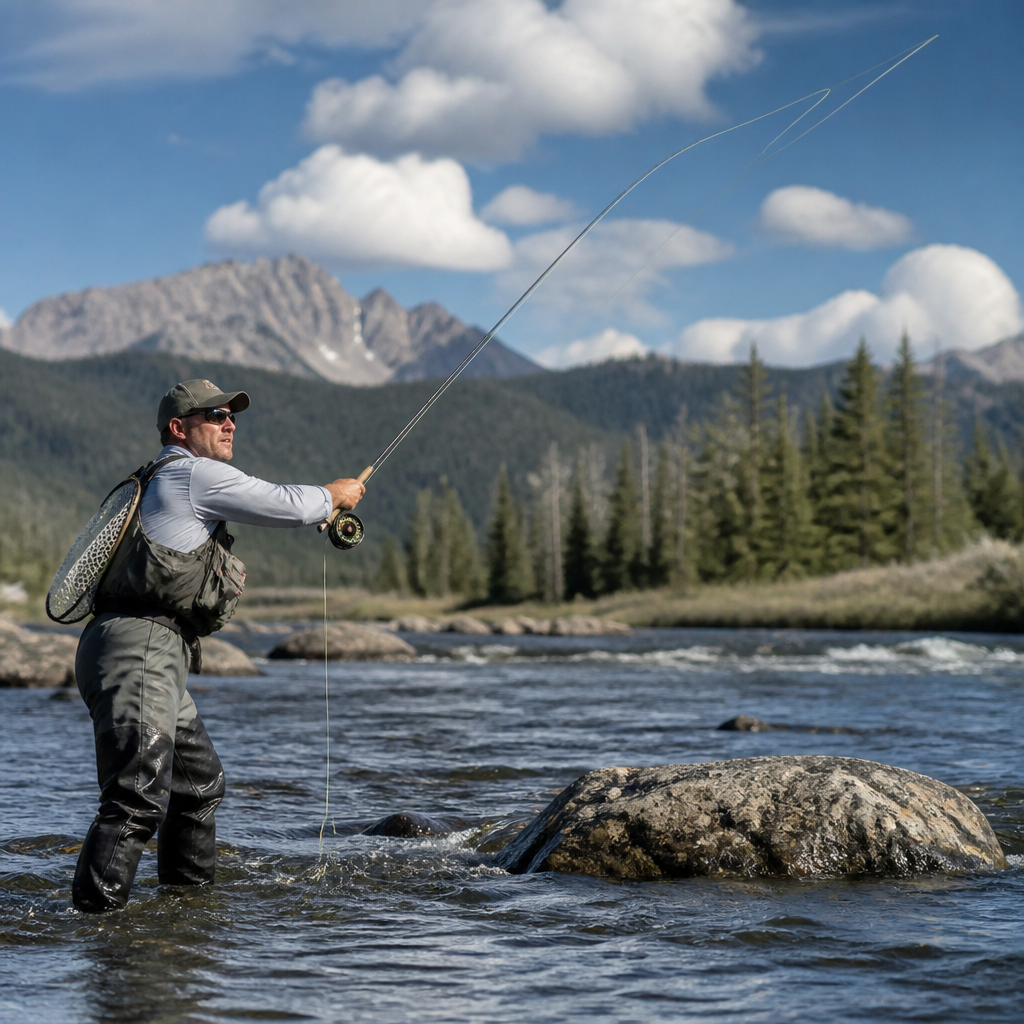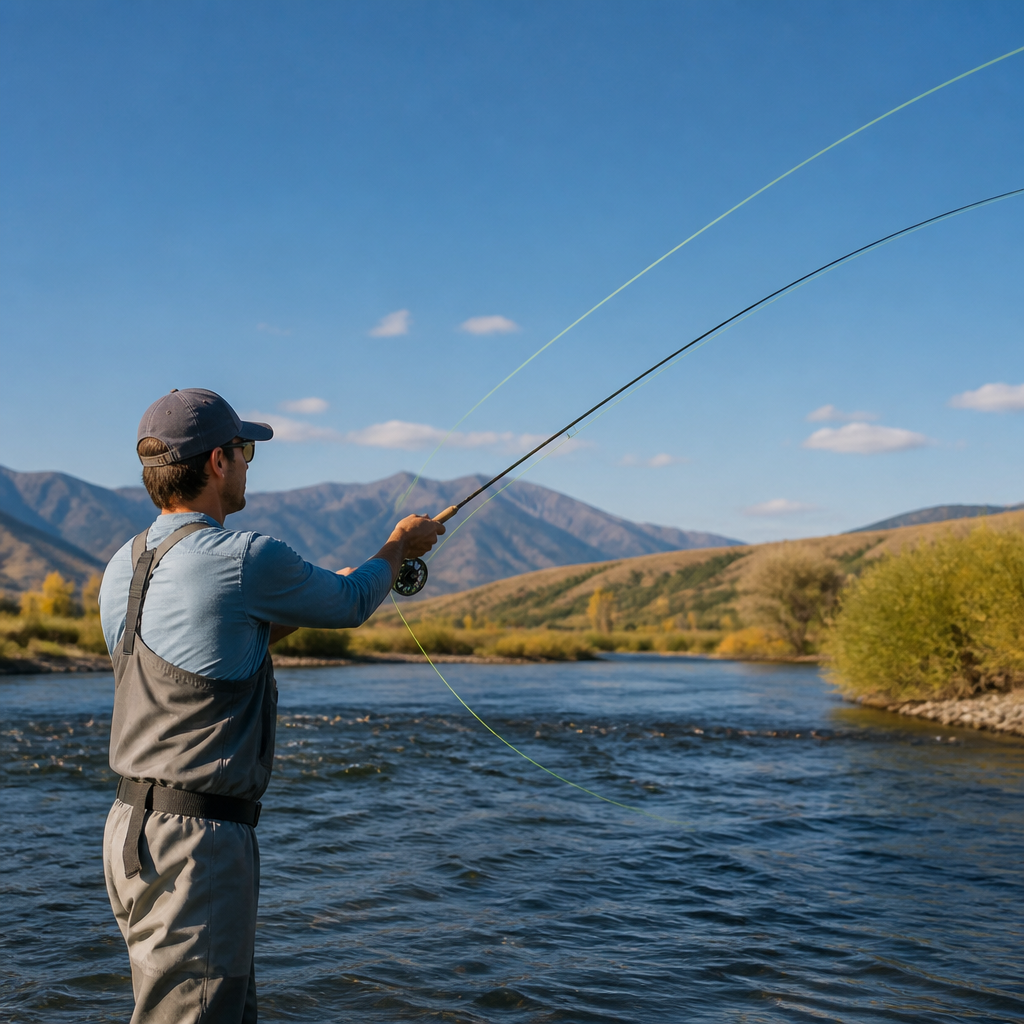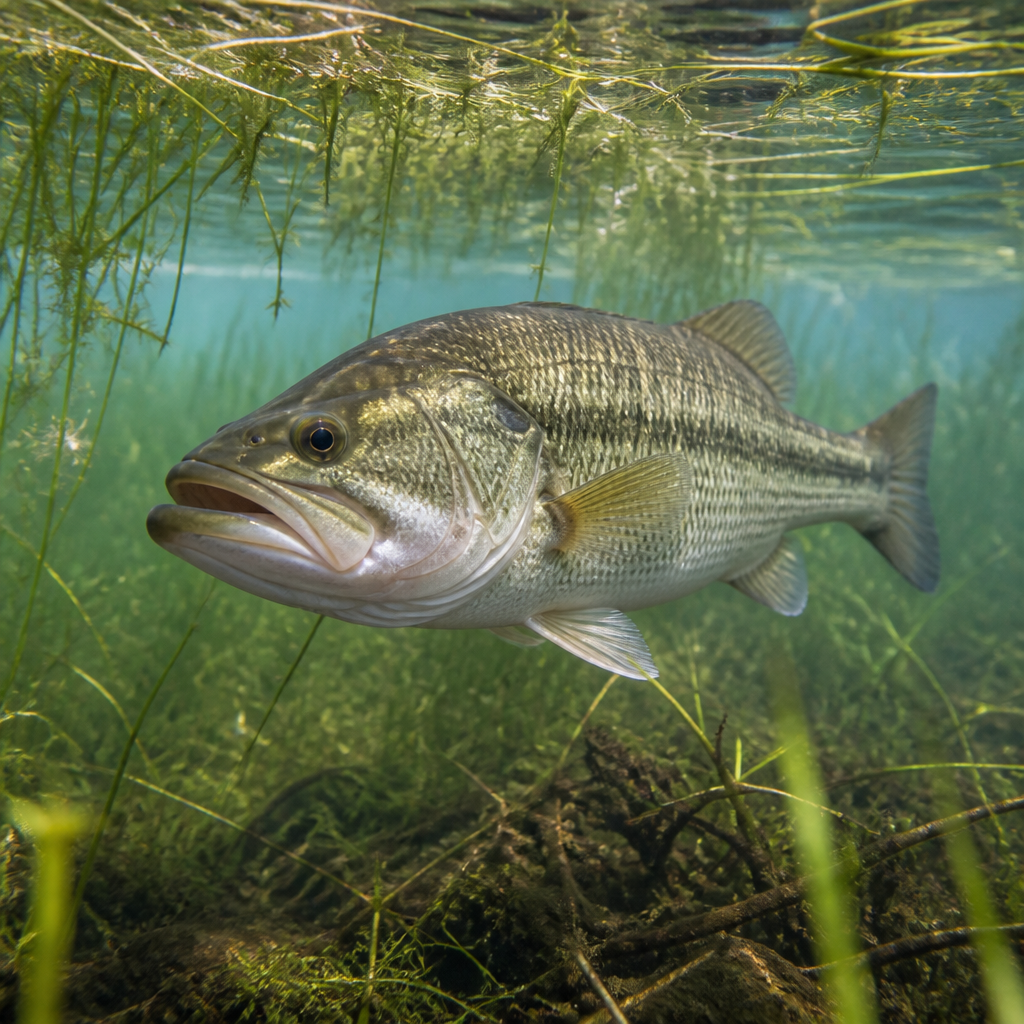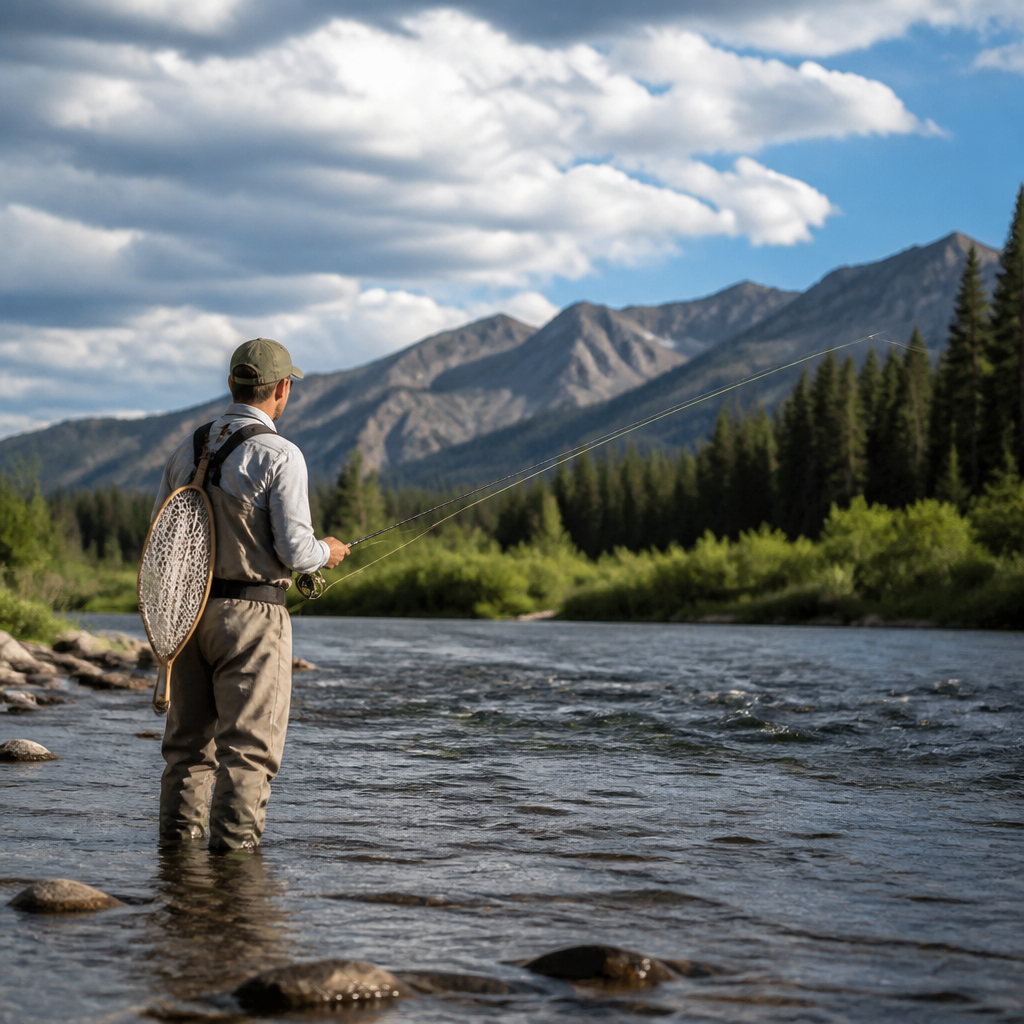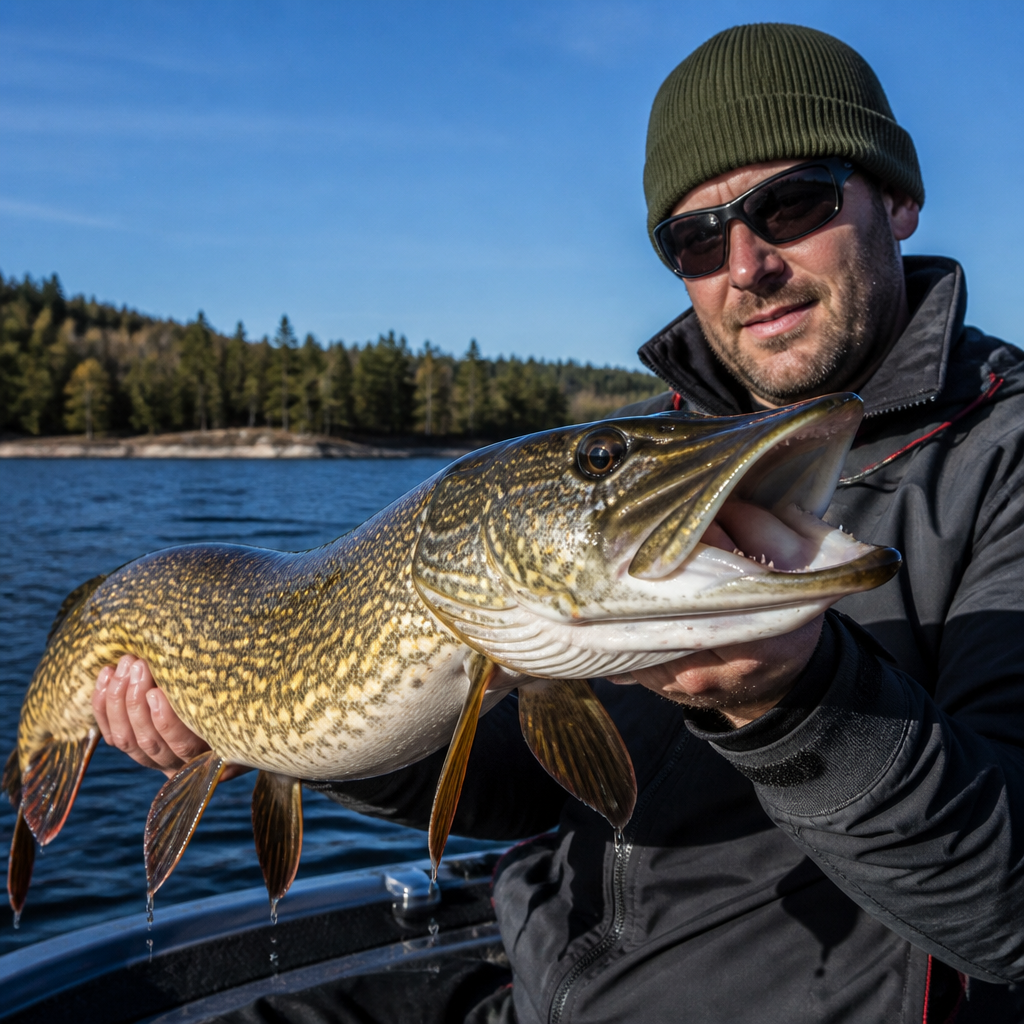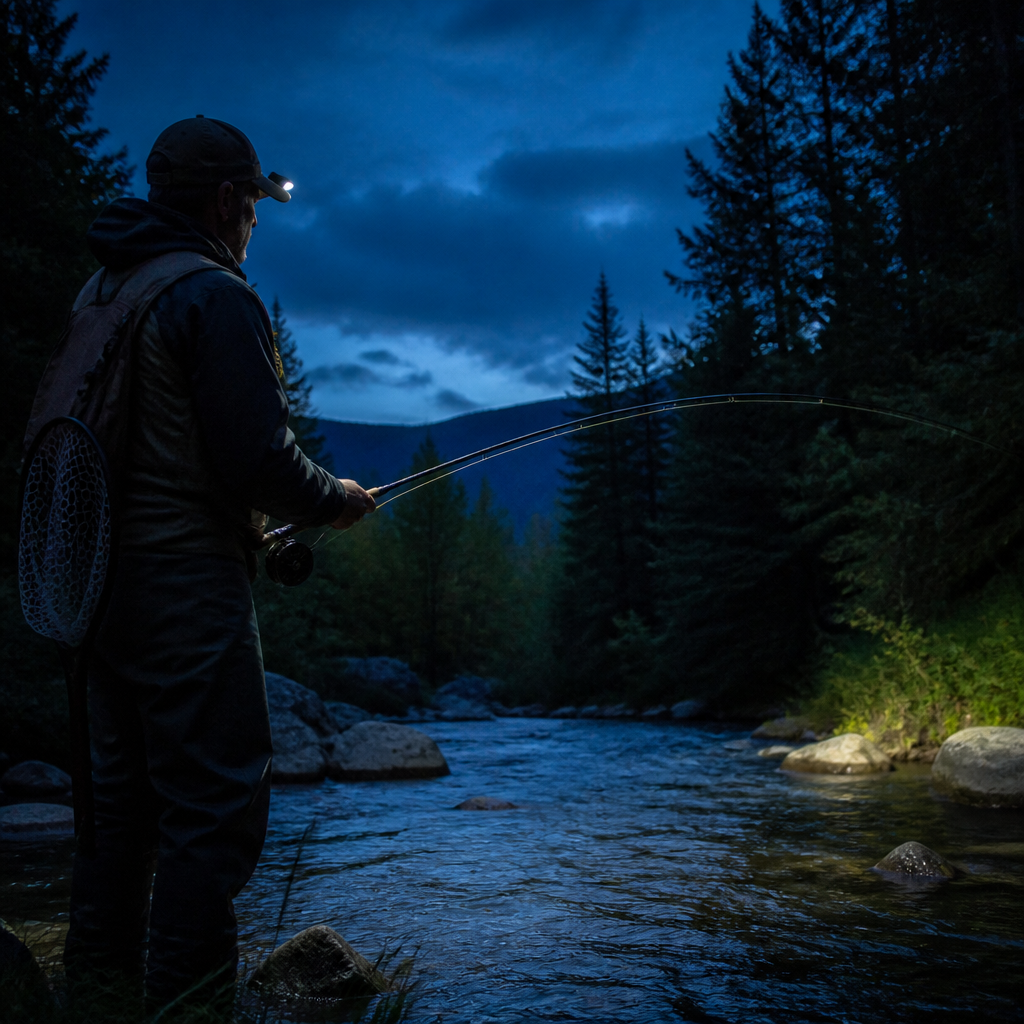
Night streamer fishing is one of the most effective ways to target large trout, bass, and predatory fish when light levels drop and baitfish become vulnerable. In simple terms, streamer fishing means casting and retrieving a fly designed to imitate minnows, sculpins, leeches, or other swimming prey. At night, that approach changes: fish rely less on precise vision and more on silhouette, vibration, lateral-line detection, and opportunistic feeding behavior. That shift rewards anglers who understand presentation, depth control, current seams, and fish positioning far more than those who simply tie on a bigger pattern and cast harder.
I have found that many anglers approach after-dark streamer fishing as daytime fishing in low light, and that is usually why results disappoint. Night fishing is its own system. Fish move shallower, hold tighter to banks, and often feed in short but intense windows. A river that seems barren at noon can become active after sunset, especially during stable flows, warm summer nights, or pre-spawn and post-spawn periods when large fish seek calorie-dense meals. On stillwaters, baitfish gather around structure, weed edges, drop-offs, and inflows, creating predictable ambush lanes for predators.
This matters because night streamer fishing consistently produces size, not just numbers. Larger fish are naturally cautious in daylight, especially on pressured water. Darkness reduces their exposure to birds, boats, and anglers, allowing them to hunt more aggressively. For trout anglers, that can mean the best chance of contacting brown trout over twenty inches. For warmwater anglers, it often means bigger smallmouth and largemouth pushing shallow. The hub below covers the core tactics of streamer fishing at night, from fly design and tackle choices to retrieves, reading water, safety, and seasonal adjustments, so you can build a complete approach rather than rely on guesswork.
Why streamer fishing excels after dark
Predatory fish feed efficiently at night because darkness compresses the distance between hunter and prey. Minnows lose visual awareness, juvenile fish drift closer to cover, and frogs, leeches, and mice become active near shorelines. Trout, bass, and pike use current breaks, undercut banks, woody cover, boulder shadows, and weed lines as staging points. In moving water, a big fish often needs only to slide a few feet from cover to intercept a swimming fly. In lakes and ponds, the same principle applies along edges where hard bottom meets weeds or shallow flats fall into deeper water.
Water temperature and moonlight shape activity, but they do not control it as much as many anglers assume. Warm, stable nights usually improve metabolism and movement, especially for bass and post-sunset trout in summer. Brown trout often feed confidently on dark nights because they can approach prey unseen. Bright moonlight can still be productive, but it tends to sharpen feeding lanes around shade, current seams, and structure rather than spread fish across broad flats. Cloud cover, light rain, and slight stain can all help by increasing concealment while preserving enough orientation for fish to track a streamer.
The biggest misconception is that night fish always want speed. In practice, they want something they can find and catch. That usually means a broad silhouette, a defined pulse, and a retrieve that keeps the fly in the strike zone for a long time. Some nights a slow, steady swing works best. Other nights a strip-pause retrieve triggers hard follows and violent eats. The key is that every presentation must answer three questions: can the fish detect the fly, can it intercept the fly, and does the movement suggest vulnerable prey rather than a healthy baitfish that will outrun pursuit?
Best tackle, fly lines, and leader setups
A dedicated night streamer setup should be simple, durable, and easy to manage in darkness. For trout, a 6- or 7-weight rod is the practical center point because it throws weighted flies, turns over stout leaders, and protects tippets during close-range strikes. For bass, many anglers prefer a 7- or 8-weight. A medium-fast to fast-action rod helps pick up line quickly and drive larger hooks, but excessive stiffness can make short, accurate night casts harder. Large-arbor reels matter less for drag performance in rivers than for efficient line management, though a smooth drag is important for stillwater bass and larger fish that run in open water.
Fly line choice depends on depth and current, but integrated sink-tip lines are the workhorse option. In rivers, a sink tip in the 150- to 250-grain range covers most night trout applications because it gets the fly below surface chop while preserving control during mends and swings. Full-sinking lines shine on lakes, deep pools, and broad tailouts where a consistent running depth matters. Floating lines still have a place for unweighted deer-hair patterns, mouse flies, and shallow bank work, but they are not the universal answer many anglers want them to be. Depth control catches fish, and sink rate determines depth control.
Leaders should be short and purposeful. I usually fish leaders between three and six feet for sink-tip work, built from strong monofilament or fluorocarbon in the 0X to 2X range for trout and heavier material for bass, pike, or cover. Long tapered leaders designed for dry flies are counterproductive because they separate the fly from the line and weaken turnover. At night, turnover, feel, and direct contact matter more than delicacy. Knots should be tested before fishing because retieing a failed connection in complete darkness wastes time and can end the best feeding window.
Choosing night streamer patterns and colors
The best night streamers are easy for fish to track. That means they push water, show a strong profile, and maintain motion at slow speeds. Sculpin patterns, woolly buggers, zonker-style baitfish, articulated streamers, rabbit-strip leeches, and bulkier synthetic baitfish all belong in a serious night box. Materials matter. Rabbit fur breathes at a crawl, marabou pulses with minimal tension, and composite loops can create wide shoulders that displace water without making the fly impossible to cast. Large dumbbell eyes add jigging action, while coneheads and sculpin helmets help the fly swim hook point up over rocks and wood.
Color is simpler than marketing suggests. Black is a leading night color because it creates the strongest silhouette against any available sky glow. Olive, dark brown, purple, and combinations with subtle flash are also reliable. White can work in moonlight or clear stillwater where baitfish are pale, but it is not automatically best after dark. The guiding rule is contrast first, detail second. Fish are not inspecting barred saddles and realistic eyes in the dark. They are reacting to shape, displacement, and movement. A plain black streamer with the right profile usually outfishes an intricate fly that disappears in the water column.
| Situation | Best Fly Traits | Typical Colors | Why It Works |
|---|---|---|---|
| Shallow trout banks at night | Articulated, moderate weight, broad silhouette | Black, olive-black, brown | Tracks slowly beside cover and stays visible as a silhouette |
| Deep pools and tailouts | Heavier head, slim body, strong sink rate | Black, purple, dark olive | Reaches depth quickly and holds a defined swimming path |
| Stillwater weed edges | Unweighted or lightly weighted, flowing materials | Black, white, olive | Hovers over weeds and imitates injured baitfish |
| Bass around wood or docks | Hook-point-up, bulky head, pulsing tail | Black, chartreuse-black, blue-black | Pushes water and remains snag-resistant near cover |
Where fish hold and how to read water at night
At night, fish generally move where feeding becomes easier and safer. In rivers, start with undercut banks, inside bends with wood, tailouts below pools, soft edges beside fast current, midstream boulders, and the shallow shelves that connect deep daytime lies to shoreline structure. Big browns often patrol these transition lanes rather than sit in the exact heavy cover where they hide by day. If you can identify a travel corridor from depth to a feeding shelf, you have identified a prime night streamer run. Position yourself to cover that lane thoroughly from several angles before moving on.
Reading water after dark requires daytime scouting. Walk the run before sunset. Note rocks, logs, drop-offs, and wading hazards. Mark entry and exit routes mentally. Then, once darkness settles, simplify the water into edges, seams, and ambush points. Cast along banks rather than always across them. Many of the best fish are within a rod length of shore, especially where current undercuts sod, roots, or clay banks. On lakes, focus on points, marinas, riprap, inflowing creeks, and weed edges where baitfish get pinned against structure. Electronics help from boats, but shoreline geometry still reveals likely feeding routes.
Current speed influences fish position more than darkness alone. During high or pushy flows, fish often shift to softer margins where they can intercept prey without burning energy. During lower flows, they may use deeper slots by day and slide onto adjacent flats after sunset. That is why broad, featureless water usually underperforms compared with places that compress movement. A single boulder, bridge piling, or submerged tree creates a predictable kill zone. Night streamer fishing improves when you stop covering miles of water and start dissecting a small number of high-percentage lies with discipline.
Presentation, retrieve speed, and hook-setting
The most productive night presentation is usually slower and more controlled than anglers expect. Quartering downstream with a sink tip allows the fly to swing across likely holding water while maintaining contact. Short strips during the swing can make the pattern pulse without dragging it unnaturally fast. Across-and-down presentations excel in classic trout runs, while casts parallel to the bank are deadly in shallow edge water. Upstream presentations can also shine when you need the fly to sink quickly into a slot and then crawl back under tension. There is no universal retrieve, only the one that keeps the fly detectable and interceptable.
Three retrieves consistently produce. First, the slow hand-twist or short-strip crawl keeps rabbit and marabou moving with almost no forward speed. This is excellent in cold water or on dark nights when fish track by feel. Second, a strip-pause retrieve imitates an injured minnow and often triggers strikes just after the pause, especially in stillwater. Third, a broad swing with occasional line tension changes covers current seams efficiently and lets fish commit from behind. If fish are bumping the fly without eating, reduce speed, shorten strips, or change the angle so the streamer crosses their lane instead of outrunning it.
Hook-setting at night should be firm but measured. Trout often eat from behind and turn, creating heavy tension rather than the sharp tap common in daytime nymph fishing. Strip-set first, then raise the rod only after pressure builds. That keeps you connected and prevents pulling the fly out of the fish’s mouth. Barbless hooks penetrate well and release fish faster, but they demand steady tension throughout the fight. Because visibility is low, clear line at your feet and maintain a simple stripping system. Many lost night fish come from stepping on loose line or lifting too soon, not from poor hook sharpness.
Seasonal adjustments, safety, and a reliable system
Season dictates both fish location and fly behavior. In spring, higher flows and cold water usually call for moderate sink rates, slower retrieves, and attention to soft banks and pre-spawn staging areas. Summer nights expand the shallow window; terrestrial fallout, juvenile baitfish, and warm water push predators toward banks, bridges, and structure after sunset. Fall is prime for trophy brown trout because aggressive territorial behavior overlaps with heavy feeding. Winter can still produce, but only in places where fish can move a short distance for a meal, so presentations must be slow, deep, and exact rather than broad and exploratory.
Safety deserves the same planning as tackle. Always scout in daylight, carry a headlamp with a red-light mode, and keep a brighter backup light in your pack. Use a wading staff in unfamiliar rivers. Tell someone where you will fish and when you expect to leave. Avoid aggressive wading at night; many successful anglers fish from the bank or only from known gravel bars. Organize tools in fixed pockets so forceps, tippet, and nippers can be found by touch. In boats, maintain navigation lights and keep decks clear. Big fish are never worth a preventable fall, hook injury, or navigational mistake.
A reliable night streamer system is built on repeatable decisions. Start with one line, one leader formula, and three confidence flies. Fish proven water near cover. Cover banks first, then seams, then depth transitions. Vary retrieve speed only after you confirm depth and angle. Keep notes on moon phase, cloud cover, water temperature, and the exact time of each strike. Patterns emerge quickly when records are specific. Night streamer fishing rewards discipline because it reduces variables: fish are either using a lane or they are not. When you understand that, you stop chasing random casts and start hunting windows with intent.
Night streamer fishing rewards anglers who think like predators. Success comes from matching fly profile to fish detection, putting the streamer on ambush routes, and controlling speed so the fly stays vulnerable instead of frantic. The essentials are straightforward: use tackle that turns over larger flies, choose dark high-contrast patterns with movement, focus on banks, seams, structure, and depth transitions, and fish slower than instinct often suggests. Most important, scout by day and simplify after dark. A few precise casts to the right lane usually beat constant blind casting.
As a hub within techniques and strategies, this page gives you the foundation for every major streamer fishing decision. From here, you can build specialized approaches for trout rivers, bass lakes, sink-tip line selection, articulated fly design, seasonal streamer tactics, and bank-specific retrieves. The core principle remains constant across all of them: big fish feed where prey is easiest to trap, and darkness makes those locations more predictable. Learn the lanes, trust the silhouette, and maintain contact.
If you want better results on your next outing, rig one proven setup, pick one stretch of high-percentage water, and fish it methodically for a full night. Keep notes, refine one variable at a time, and let the pattern reveal itself. That is how night streamer fishing turns from mystery into a repeatable strategy.
Frequently Asked Questions
What makes night streamer fishing so effective for large trout, bass, and other predatory fish?
Night streamer fishing works so well because it lines up perfectly with how predatory fish feed after dark. As light levels fall, bigger trout, bass, and similar species often become more confident, move into shallower water, and hunt more aggressively. During daylight, large fish may stay hidden, feed selectively, or avoid exposed water because they are vulnerable to predators and angling pressure. At night, that caution drops. They can ambush baitfish, sculpins, leeches, and other prey with less risk, which creates a prime window for streamer anglers.
Another key factor is how fish detect food in the dark. They are not relying only on sharp visual inspection the way they often do during the day. Instead, they respond to silhouette, displacement, vibration, and the movement of something alive in the water. That is exactly where streamers shine. A well-presented fly suggests an easy meal, and at night, fish are often willing to commit to a larger profile because they are feeding opportunistically rather than analyzing every detail.
Night also tends to concentrate feeding activity in predictable areas. Current seams, undercut banks, shallow flats near deeper water, structure edges, tailouts, and soft water beside faster flow all become high-value zones. Baitfish and other forage often drift, roam, or lose some of their daytime protection in darkness, making them easier targets. For anglers, this means fewer random casts and more strategic presentations to places where big fish are likely to patrol or set up ambush points.
In practical terms, night streamer fishing is effective because it reduces the importance of perfect imitation and increases the importance of presence, movement, and placement. If your fly is easy for a fish to detect, presented in the right lane, and moved at a pace that feels vulnerable, you can trigger some of the most aggressive strikes of the day. That is why many experienced anglers consider after-dark streamer fishing one of the best ways to connect with truly large fish.
What kind of streamer patterns and colors work best at night?
The best night streamer patterns are usually the ones fish can find easily, not necessarily the ones with the most visual detail. In darkness, strong silhouettes, substantial profiles, and materials that push water often outproduce delicate, highly realistic flies. Patterns that imitate baitfish, sculpins, leeches, and larger aquatic prey are all reliable choices. Think broad-headed sculpin flies, rabbit-strip streamers, articulated baitfish patterns, woolly-style leech patterns, and bulky profiles that create a clear target in low light.
Color selection at night can seem confusing, but in most cases, contrast matters more than brightness. Black is one of the top colors for night fishing because it forms a distinct silhouette against any available surface glow, moonlight, or lighter water background. Dark olive, purple, and deep brown can also be excellent. In some conditions, white or light-colored streamers work very well too, especially when fish are feeding on pale baitfish or when there is enough ambient light for a brighter fly to stand out. The important point is not that one color always wins, but that the fly should create a recognizable shape and presence in the water.
Size matters as well. Many anglers do well with larger flies at night because fish are hunting by feel and outline, and a larger fly is easier to detect. Bigger streamers also appeal to the opportunistic feeding behavior common after dark. That said, “bigger” does not mean absurdly oversized in every situation. Match your fly to the forage base and water size. In small streams, a modest sculpin or leech pattern may be ideal, while on bigger rivers or lakes, larger articulated baitfish patterns can be deadly.
Materials can make a major difference. Rabbit strips, marabou, schlappen, and other soft, mobile materials continue to pulse and breathe even at slow retrieve speeds, which is valuable at night when fish may key in on subtle movement and vibration. Weighted heads, cones, and dumbbell eyes can help a fly track at the right depth, but balance is important. You want enough weight to stay in the strike zone without making the fly too difficult to cast safely in darkness.
If you want a simple starting lineup, carry a few dark articulated streamers, a black or olive sculpin pattern, a larger leech imitation, and one or two white baitfish flies. Fish them confidently, pay attention to where and how fish respond, and adjust from there. At night, confidence in profile, movement, and location usually matters more than endlessly changing flies.
How should I present and retrieve streamers differently at night?
At night, presentation usually becomes more important than fancy retrieve sequences. Because fish are using vibration, silhouette, and proximity to locate prey, your goal is to put the fly where they can detect it and keep it there long enough to trigger a response. That often means slowing down compared with daytime streamer fishing. A fast, erratic retrieve can still work, especially for aggressive bass or actively feeding trout, but many nighttime strikes come on a steady swing, a slow strip, or a gentle pulsing retrieve that lets the fly stay in the zone.
One of the most productive approaches is to cast slightly across or quartering downstream and let the streamer swing under tension. This allows the fly to move broadside through likely holding water, creating a strong silhouette and consistent vibration. A slow swing is especially effective around banks, structure, cutouts, tailouts, and current transitions where predatory fish may be lying in wait. As the fly comes under tension, add occasional short strips or pauses to suggest an injured baitfish. Many strikes come at the end of the swing or just as the fly begins to rise.
Another strong method is a deliberate strip-pause retrieve. Short, controlled strips followed by a brief pause can make the fly feel vulnerable, which often triggers fish that are tracking it. At night, do not assume you need a lot of speed to create action. In fact, too much speed can pull the fly out of the fish’s detection window. Let the materials work. Soft streamers with natural movement are especially effective when fished slower.
Depth control is critical. Fish may slide surprisingly shallow after dark, but they still want access to cover, current protection, or a quick drop into deeper water. If your fly is running too high, fish may never notice it. If it is too deep, you may lose contact or snag constantly. Use sink-tip lines, weighted flies, or unweighted patterns based on current speed, water depth, and the type of structure you are probing. Cover water methodically and make repeat casts to prime lies, because a fish may need more than one pass to commit.
Perhaps the biggest adjustment is mental: expect subtler strikes. Not every eat will feel like a violent grab. Some fish simply stop the fly, add weight, or create a slight tick. Strip-set when something feels different, because hesitation costs fish. At night, successful streamer fishing is often about rhythm, contact, and fishing likely water thoroughly rather than trying to see or force every part of the retrieve.
Where should I focus my casts when streamer fishing at night?
The best nighttime targets are places where predators can corner prey efficiently while staying close to security. Start with bankside structure, undercut edges, logjams, rock walls, submerged timber, weed lines, and current seams. These features create natural ambush lanes. Large trout and bass often use darkness to move into water they might avoid during daylight, especially shallow margins next to deeper holding areas. A bank that looks unremarkable in the afternoon can become a major feeding lane after sunset.
Transitions are especially important. Focus on places where fast water meets slow water, where gravel drops into a trough, where a flat ends at a channel edge, or where a riffle softens into a tailout. Predators like edges because they can hold in lower-effort water and dart into feeding lanes when prey drifts or wanders by. In rivers, this often means the soft cushion behind structure, the seam along a cut bank, or the inside edge of a deeper run. In lakes and ponds, look to points, drop-offs, weed edges, docks, and shoreline contours that funnel bait.
Shallow water deserves more attention than many anglers give it. Big fish frequently move shallow at night because they feel secure enough to hunt there. It is not unusual to find quality trout cruising knee-deep water or larger bass pushing bait near shore. Areas with nearby depth are ideal because fish can move up to feed and slide back out quickly. If there is current, cover, and forage nearby, that shallow zone can be excellent.
Fish also tend to become more location-specific when forage is concentrated. Watch for signs such as subtle surface dimples, nervous bait, audible slashes, or repeated activity in the same stretch. Even if you cannot see much, you can learn a lot by listening and by noting where the current pushes food. If a certain bank, seam, or tailout produces one follow or strike, work it carefully from multiple angles before moving on.
A smart approach is to pre-scout in daylight and build a milk run of high-percentage spots. Night is not the time to wander blindly into unfamiliar water