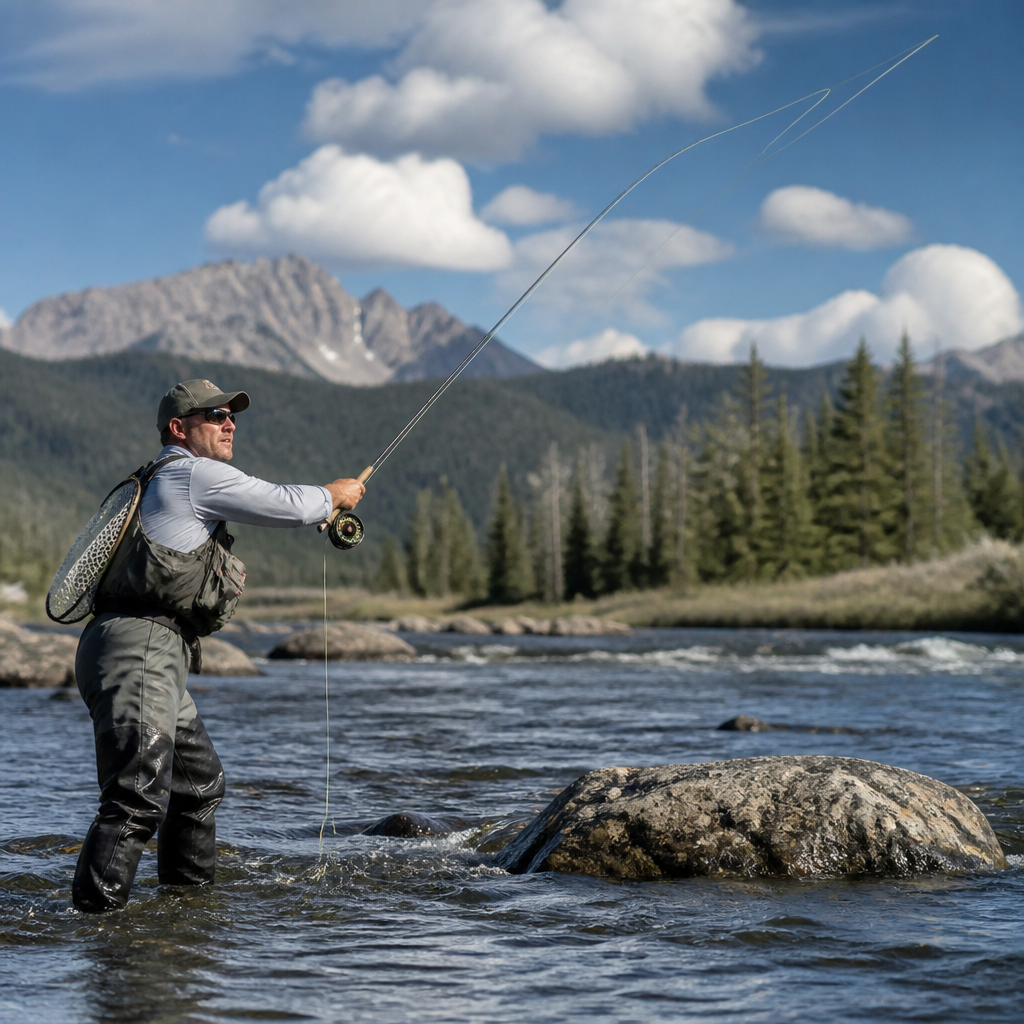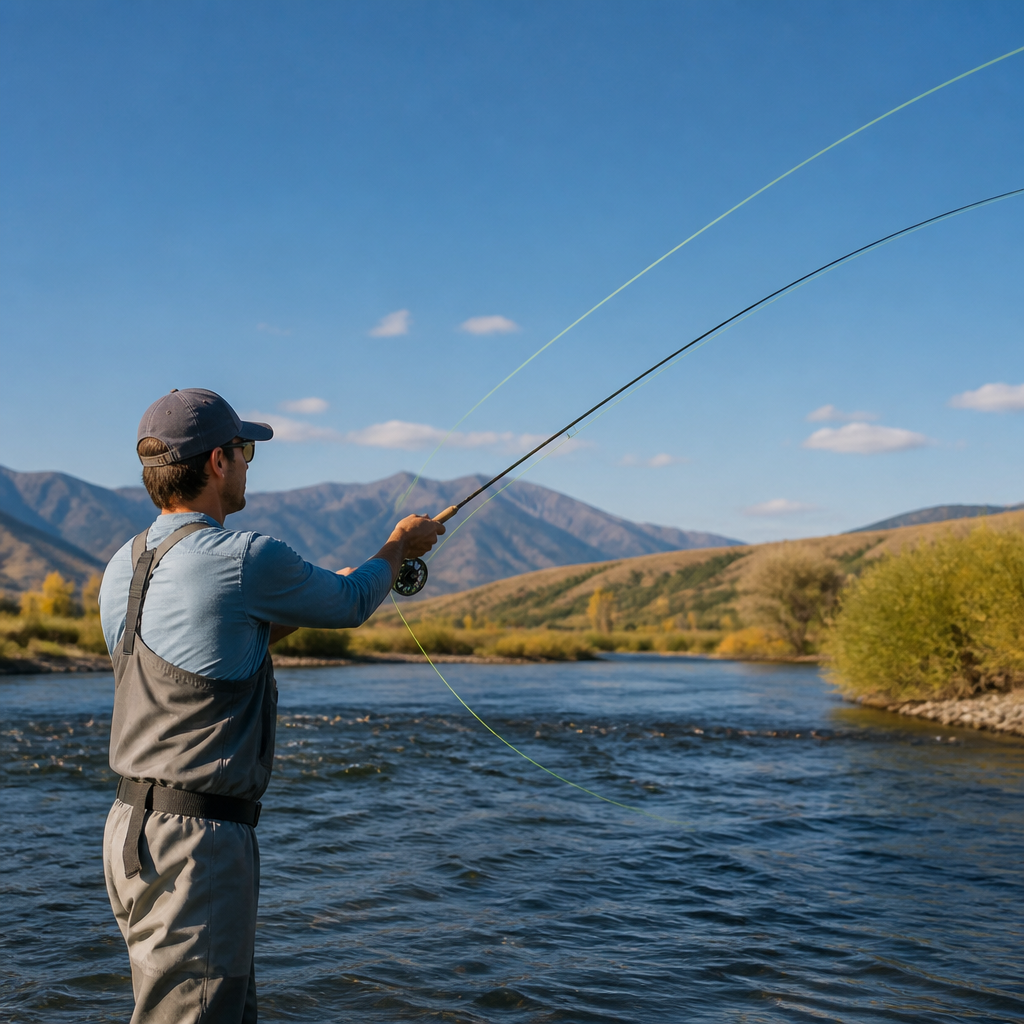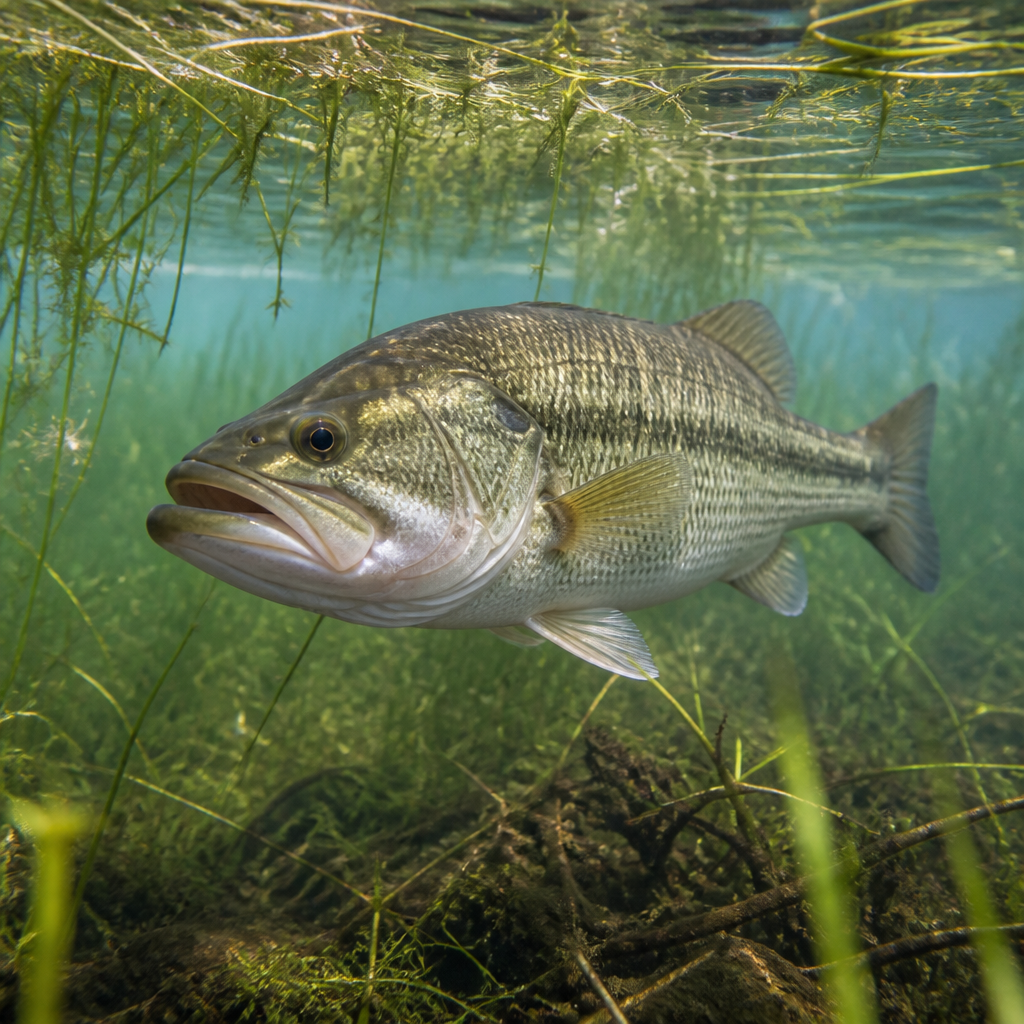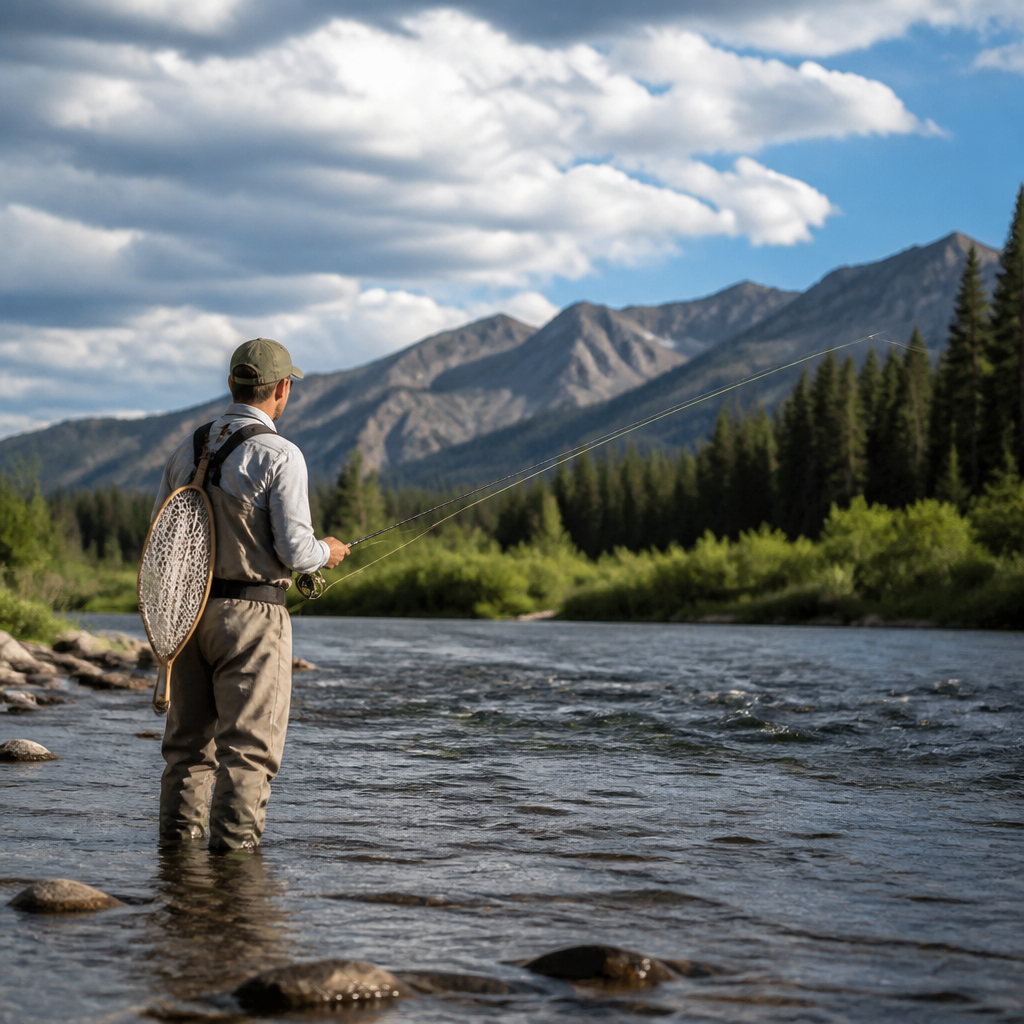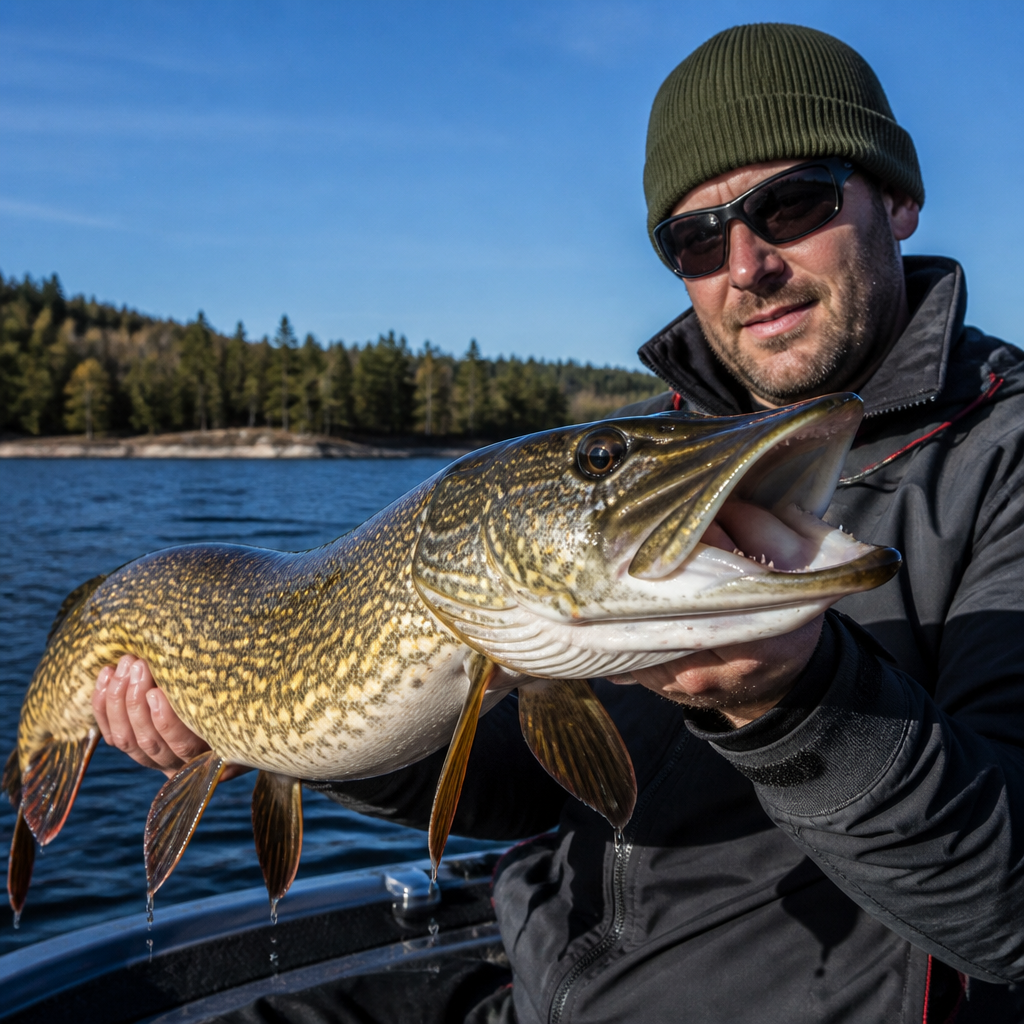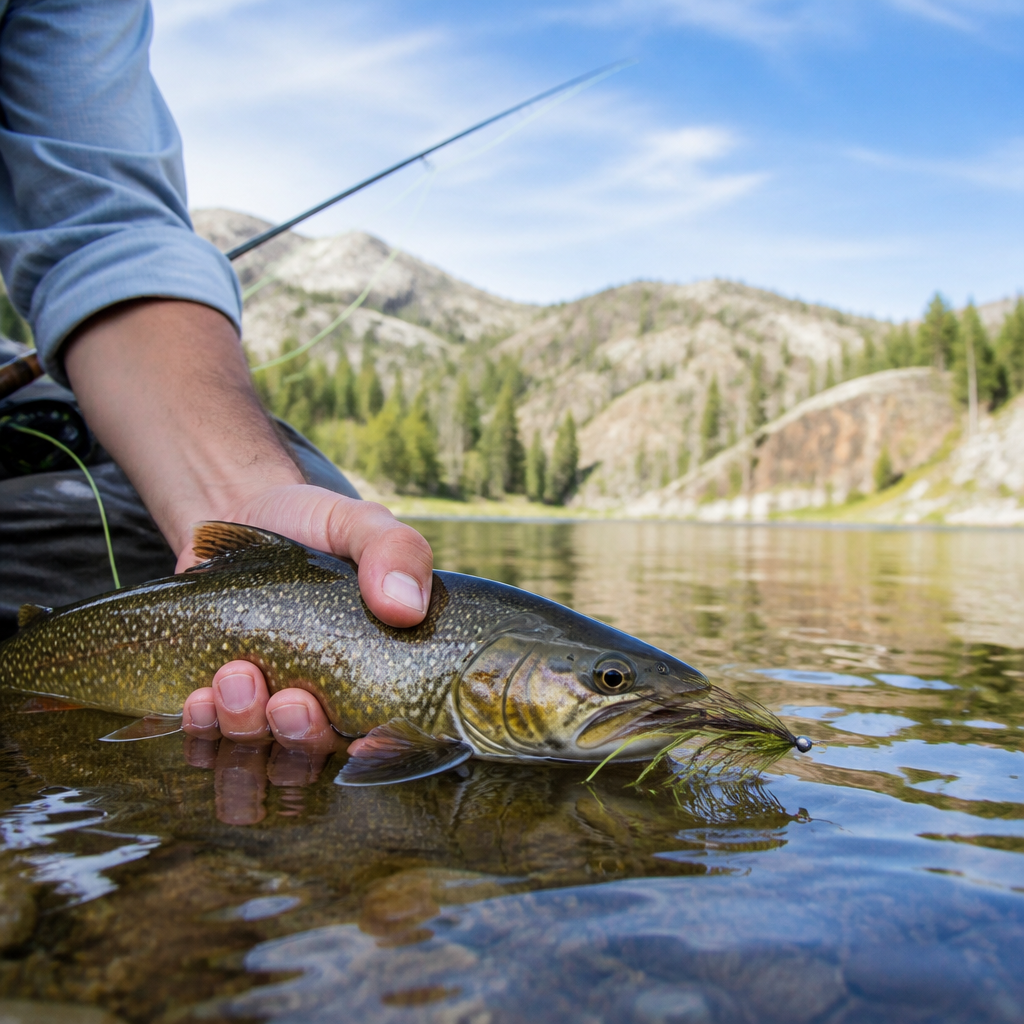
Streamer fishing in lakes is one of the fastest ways to target predatory trout, bass, pike, and landlocked salmon because it imitates the baitfish, leeches, and large aquatic prey those fish actively hunt. In practical terms, a streamer is a long, mobile fly tied from hair, feathers, flash, or synthetic fibers and designed to suggest movement rather than match one exact insect. Lake streamer fishing differs from river streamer fishing in several important ways: fish roam wider basins, forage often suspends at changing depths, wind creates current-like structure, and retrieve speed matters as much as fly choice. After years of guiding and fishing stillwaters from shore, float tube, and boat, I have found that consistent results come from understanding the food chain first, then matching depth, retrieve, and silhouette. That is why streamer fishing in lakes matters. It lets anglers cover water efficiently, find aggressive fish, and trigger strikes even when surface activity is limited. For anglers building a complete stillwater system, streamer fishing is not a specialty tactic; it is a core skill that connects gear selection, fish behavior, seasonal timing, and presentation strategy into one highly effective approach.
The central idea is simple: predators in lakes rarely feed randomly. They key on vulnerable prey such as perch fry, shiners, sculpins, tui chub, sticklebacks, juvenile trout, damsel nymphs, crayfish, and leeches. A streamer does not need to be anatomically perfect, but it must appear believable in size, depth, and movement. Successful lake anglers therefore think in terms of zones. The upper few feet may hold cruising fish at dawn, shoals and drop-offs may concentrate bait by midmorning, and deeper shelves can produce in bright conditions when temperatures rise. Gear, lines, and retrieves are chosen to control those zones. This hub article covers the fundamentals comprehensively: how to read a lake, how to choose streamer gear, which patterns earn permanent box space, when to fish them, and how to adjust tactics for species and conditions. If you want one reliable framework for lake streamer fishing, start here and use each section as a decision guide on the water.
How Lake Predators Feed and Where Streamers Fit
Lake fish use edges, depth transitions, and wind lanes the way river fish use seams. In clear natural lakes, trout often patrol shoals, marl flats, weed edges, and points where baitfish lose cover. In reservoirs, fish relate to flooded timber, rock banks, creek channels, and submerged humps. In fertile stillwaters, rainbows and browns may hunt leeches over weed beds during low light, then switch to minnows along drop-offs. Understanding that shift is the foundation of streamer fishing in lakes. Streamers excel when fish are looking for a calorie-dense meal, when forage is concentrated by wind, or when cold fronts suppress insect feeding but predators still react to movement. I have seen this repeatedly on western trout lakes: chironomids produce numbers during stable hatches, but the largest fish of the day often comes on a slowly stripped olive baitfish pattern along a 10-to-15-foot weed edge.
Depth control determines whether a good fly becomes a productive fly. In lakes, fish can feed at one foot, six feet, or twenty feet over the same piece of structure depending on light, oxygen, temperature, and prey distribution. Wind is especially important. A sustained breeze pushes plankton, then bait, then predators onto the windward shore or along a crosswind point. That is why a nondescript bank can fish brilliantly when waves build. Retrieve angle matters too. A fly stripped uphill from deep water to shallow often rises and accelerates like escaping prey, which triggers following fish. Conversely, parallel retrieves along a weed line keep the fly in the strike zone longer. Whenever you ask where to start with streamer fishing in lakes, the best answer is to identify forage, depth, and structure before you ever choose a pattern.
Essential Streamer Fishing Gear for Lakes
A balanced lake streamer outfit prioritizes casting efficiency, depth management, and fish-fighting control. For trout, the most versatile rod is a 6-weight or 7-weight, typically 9 to 10 feet long, with a fast but not broomstick-stiff action. A 6-weight handles unweighted woolly buggers, leeches, and small baitfish well, while a 7-weight gives better turnover with sink lines, articulated streamers, and windy conditions. For smallmouth bass, a 7-weight is ideal; for pike, many anglers step to an 8-weight or 9-weight. Reels matter less for drag power than for line storage and smooth pickup, but large-arbor designs are helpful because sinking lines are bulky and fish often change direction quickly near the boat. Backing capacity matters most when targeting large trout in open water, landlocked salmon, or pike that make sudden runs.
Fly lines are the true engine of lake streamer fishing. Floating lines cover shallow shoals, reeds, and dawn cruisers. Intermediate lines are often the single best all-around choice because they sink slowly, cut surface chop, and maintain a direct connection during the retrieve. Type III, V, and VI full-sinking lines reach deeper shelves, channels, and summer holding water. Many serious stillwater anglers carry at least three spools or reels: floating, clear intermediate, and a faster-sinking full line. Leaders are shorter than many river anglers expect. With sinking lines, I commonly fish leaders from 4 to 9 feet to preserve depth and turnover. Fluorocarbon in 0X to 3X for trout streamers is common, depending on fly size and cover. For pike, wire or heavy bite tippet is mandatory. Polarized glasses, a stripping basket for shore fishing, forceps, and a quality net complete the system and remove avoidable inefficiencies.
| Situation | Recommended Line | Typical Leader | Best Use |
|---|---|---|---|
| Shallow flats under 6 feet | Floating or hover line | 7 to 9 feet | Weed edges, early morning cruisers, unweighted flies |
| General searching in 4 to 12 feet | Intermediate | 5 to 7 feet | Most trout lake streamer fishing, steady contact in chop |
| Drop-offs and shelves in 10 to 20 feet | Type III or Type V full sink | 4 to 6 feet | Counting down to suspended or deeper fish |
| Summer depth over 20 feet | Type VI or density compensated sink line | 4 to 5 feet | Coldwater trout holding deep in bright conditions |
Best Streamer Patterns and How to Match Forage
The best lake streamer patterns are durable, castable, and tied in colors that match common forage under local light conditions. The woolly bugger remains a standard because it can imitate a leech, dragonfly nymph, baitfish, or general swimming prey depending on size, color, and retrieve. Olive, black, brown, and white cover most situations. A balanced leech hangs horizontally and is excellent under an indicator, but stripped on an intermediate line it also shines when fish want a subtler profile. Baitfish patterns such as Clouser Minnows, Zonkers, Mickey Finn variants, Deceivers, and modern synthetic minnows excel when trout or bass are actively chasing fry. In lakes with sculpins or bottom-oriented forage, conehead streamers in olive and tan are highly effective, especially along rocky transitions.
Color selection should follow visibility and forage, not superstition. In clear water with natural prey, olive, gray, white, tan, and brown usually outproduce bright attractor tones. In stained water or low light, black creates a stronger silhouette than many anglers realize, which is why black woolly buggers fish so well at dawn, dusk, and during wind-blown overcast periods. White is a classic when trout are eating shiners or stocked rainbows. Flash can help, but too much can reduce realism in heavily pressured lakes with clear water. Size also matters. A two-inch fly may outfish a four-inch fly when fish are keyed on young-of-year perch, while larger articulated streamers become better when browns are targeting juvenile trout in autumn. If you are uncertain, begin with an olive size 6 or 8 bugger or baitfish pattern, then adjust after observing follows, strikes, and local forage in the shallows.
Retrieve Techniques That Trigger Strikes
Retrieve is the most underappreciated part of streamer fishing in lakes. Anglers often change flies too quickly when the better adjustment is cadence. A lake streamer should not be stripped at one speed all day. Instead, use deliberate variations that imitate vulnerable prey. The basic sequence I teach starts with a cast beyond the target zone, a controlled sink or countdown, then strips tailored to what the fly represents. For leeches, use slow hand-twist retrieves, short steady pulls, and occasional pauses. For baitfish, use two to four sharper strips followed by a stall. For sculpin-style streamers near bottom, crawl the fly with brief hops so it rises and settles naturally. Most follows become eats when the fly changes speed or direction, which mimics a prey fish realizing danger too late.
Contact is crucial. Keep slack out during the sink, point the rod tip near the water, and strip with enough discipline that you can feel the fly working. Many lake strikes register as weight rather than a jolt, especially on intermediate lines. A strip set is superior to a trout-style overhead hook set because it drives the hook home without moving the fly away from the fish. Wind can improve streamer action, but it also bows line, so repositioning the boat or changing casting angle often matters more than swapping patterns. In cold water, fish usually prefer slower movement and longer pauses. In warm conditions, especially for bass and pike, aggressive strips can provoke reaction strikes. If fish follow but do not commit, speed up briefly, then stop. That fleeing-then-stalling motion is one of the most reliable triggers in stillwater streamer fishing.
Seasonal Strategy for Trout, Bass, and Pike in Lakes
Season changes everything because forage location and water temperature shift predator behavior. In spring, lake trout, rainbows, and browns often patrol shallow margins after ice-out or as water begins warming. Baitfish and leeches become accessible in littoral zones, making floating or intermediate lines especially productive. This is one of the best times to cover banks, inlets, and newly active weed growth. During mayfly or chironomid periods, streamers still produce larger fish by targeting cruisers between hatch windows. In summer, many trout move deeper during bright hours, especially in lower-elevation lakes where the upper layer warms and oxygen declines near weed decay. Early and late remain good shallow windows, but midday often calls for counting down a full-sinking line over shoals, channels, or suspended marks on sonar.
Autumn is prime streamer season for large trout and highly mobile predators. Brown trout become more territorial and more willing to chase larger profiles. Baitfish schools tighten, and wind-driven shorelines can be exceptional. Landlocked salmon often crush white streamers in fall when smelt or shiners are present. Bass generally stay shallow longer in warm climates and feed hard around remaining green weeds, rock transitions, and bait schools. Pike are classic autumn streamer targets because cooling water increases their activity, and large flies fished over cabbage edges can produce explosive follows and eats. Winter opportunities depend on region. In milder climates, slow presentations on intermediate lines remain productive, while in severe climates the season may close or shift to ice fishing regulations. Matching your lake streamer strategy to the seasonal food web is far more reliable than simply fishing favorite patterns year-round.
Boat, Float Tube, and Shore Tactics
Platform changes presentation options. From shore, the main limitation is casting angle, so choose spots that let you work drop-offs, points, and windward banks effectively. A stripping basket prevents line tangles in grass and rocks and noticeably increases efficiency. Fan-casting is essential: cover close water first, then medium range, then maximum distance before moving. From a float tube or pontoon, you gain stealth and parallel access to weed lines, which is ideal for intermediate-line streamer fishing. Slow fin kicks create subtle movement that can actually improve action, but too much motion ruins depth control. Boats offer the broadest coverage. Drifting with the wind across a shoal, then anchoring on a productive edge, lets you dial in exact depth and retrieve.
Electronics can be useful, especially on larger lakes, but they should confirm a pattern rather than replace observation. Sonar helps identify suspended fish, bait concentrations, and the depth of weed tops. However, visible clues often tell the more immediate story: minnows flicking near reeds, gulls dipping on bait, mud lines from wave action, or cruising fish on a marl flat. One of the most productive methods from a boat is setting up a long drift across a contour and making repeated casts at forty-five degrees so the fly tracks across, not straight up, the break. That keeps it in the zone longer. Whatever platform you use, efficient landing and fish handling matter. Keep fish wet, unhook quickly, and release them without prolonged air exposure, especially during warm weather when stillwater fish stress easily.
Common Mistakes and How to Fix Them
Most streamer fishing failures in lakes come from five fixable mistakes: fishing too shallow, retrieving at one unchanging speed, using leaders that are too long with sinking lines, abandoning productive water too quickly, and ignoring forage size. Depth is the biggest issue. Anglers often cast, count down for a few seconds, and retrieve above fish holding ten feet lower. A disciplined countdown system solves this. If your line sinks roughly three inches per second, a twenty-second count reaches about five feet before retrieve angle lifts it. The second mistake is cadence monotony. Predators respond to change, so build in pauses, accelerations, and directional shifts. Third, very long leaders reduce sink efficiency and make heavy flies harder to turn over. In most lake streamer situations, shorter leaders improve control and hookup rates.
The fourth mistake is leaving before the pattern develops. Lake fish move, and a dead-looking point can become active as wind builds or bait shifts. Give high-percentage structure several angles and retrieves before moving. Fifth, many anglers fish streamers that are simply too large or too bright for the available prey. Matching common bait length is often more important than exact color. Another overlooked error is poor strip-set discipline. Trout that nip from behind are often missed when anglers lift the rod immediately. Strip until the line comes tight, then raise the rod smoothly. Finally, do not neglect hook sharpness. Streamers contact weeds, wood, and rock regularly, and even slight dulling costs fish. Checking points every few casts sounds obsessive, but on lakes where strikes may be sparse and high quality, it is one of the simplest ways to improve results.
Streamer fishing in lakes rewards anglers who think like hunters rather than drifters. The method is powerful because it combines searching efficiency with the ability to tempt the largest, most aggressive fish in the system. The essentials are straightforward: identify the forage, fish the right depth, choose a line that keeps the fly there, and vary your retrieve until fish tell you what they want. A 6- or 7-weight rod, a small lineup of floating, intermediate, and sinking lines, and a compact box of proven leeches and baitfish patterns can cover most trout lakes effectively. Add seasonal awareness, wind-based positioning, and disciplined strip sets, and streamer fishing becomes far less mysterious.
As a hub for streamer fishing within techniques and strategies, this topic connects naturally to deeper discussions on line selection, retrieves, lake structure, and species-specific stillwater tactics. But the core advantage remains simple: streamers let you cover water and provoke decisive strikes when other methods stall. Start with one confidence pattern, one clear depth plan, and one retrieve adjustment at a time. Keep notes on water temperature, wind direction, depth, and forage sightings after each outing. That record will shorten your learning curve dramatically. The next time you reach a lake with uncertain surface activity, tie on a streamer, fish it with purpose, and let the predators show you where the real action is.
Frequently Asked Questions
What makes streamer fishing in lakes so effective compared with other fly fishing methods?
Streamer fishing in lakes is so effective because it targets the predatory instinct of fish rather than relying only on hatch-matching behavior. Trout, bass, pike, and landlocked salmon spend a great deal of time hunting baitfish, leeches, minnows, young perch, sculpins, and other larger food sources that offer a high calorie return. A streamer imitates that kind of prey, so it appeals to fish that are actively feeding, cruising, or willing to react aggressively. In lakes, that matters even more because fish often roam broad areas instead of holding in a single current seam or pocket as they do in rivers.
Another reason streamer fishing works well in lakes is that it helps you cover water efficiently. Stillwater fish may patrol drop-offs, weed lines, shoals, creek mouths, rocky points, and open-water bait zones. Because they are constantly moving, an angler who retrieves a streamer through likely travel lanes can intercept fish much faster than someone fishing a static pattern in one small area. Streamers also remain productive across a wide range of conditions, including low light, windy weather, stained water, and periods when insect activity is limited. In short, streamer fishing in lakes is effective because it combines imitation, triggering action, and search efficiency in one method.
What are the best techniques for retrieving streamers in lakes?
The best retrieve depends on water temperature, species, forage, and the mood of the fish, but a few core techniques consistently produce. One of the most reliable is the strip-pause retrieve. You make a cast, allow the fly to sink to the desired depth, then retrieve with a series of short or medium strips followed by brief pauses. Those pauses are critical because they let the fly stall, dip, or flutter like an injured baitfish, and many strikes happen right then. This retrieve is especially effective for trout and landlocked salmon that are following but need a vulnerable cue to commit.
A second productive approach is a steady hand-twist or slow strip retrieve, especially in colder water. When fish are less willing to chase, a smooth, controlled presentation can keep the fly in the strike zone longer and imitate a leech or slow-swimming baitfish. In warmer conditions, or when bass and pike are active, more aggressive retrieves often shine. Long strips, sudden speed changes, and directional bursts can trigger reaction strikes from fish that are territorial or feeding aggressively. It is often a mistake to retrieve every cast the same way. Good lake streamer anglers experiment constantly with speed, pause length, sink time, and strip cadence until the fish show a preference.
Boat position, casting angle, and depth control also matter as much as retrieve style. Casting parallel to weed edges, across drop-offs, or over shoals into deeper water can dramatically improve results because the fly travels through likely ambush lanes. Count your fly down after the cast so you can repeat the depth that gets follows or strikes. If you contact fish at a six-count on an intermediate line with a medium strip, repeat that exact combination. Successful streamer fishing in lakes is often about building a pattern from details rather than simply casting and stripping at random.
What gear should I use for streamer fishing in lakes?
A practical lake streamer setup starts with a rod capable of casting larger flies and handling sinking lines. For most trout and landlocked salmon situations, a 5-weight or 6-weight rod can work, but many anglers prefer a 6-weight or 7-weight because it offers better line control, easier turnover of weighted patterns, and more authority in wind. If bass and pike are primary targets, stepping up to a 7-weight, 8-weight, or even heavier outfit is often the better choice. The goal is not just fighting power, but the ability to cast bulky streamers comfortably for long periods.
Fly line selection is one of the most important gear decisions in lake streamer fishing. Floating lines can be useful for fishing shallow flats, over weeds, or with unweighted streamers near the surface, especially during low-light feeding periods. However, intermediate lines are often the true workhorses for lakes because they help maintain a direct connection to the fly, keep it below surface chop, and fish effectively over a range of moderate depths. Full sinking lines or sink-tip systems become essential when fish are holding deeper along drop-offs, suspended over basins, or relating to colder water layers. Many experienced lake anglers carry multiple spools or reels to adapt quickly.
Leaders for streamer fishing are usually shorter and stronger than those used for dry flies or chironomid presentations. A simple 4- to 7-foot leader is common, with tippet strength matched to species and fly size. For trout, fluorocarbon in a moderate breaking strength is popular because it sinks well and resists abrasion. For pike, a bite-resistant section or wire leader may be necessary. As for flies, carry a range of baitfish, leech, and attractor streamers in different sizes, colors, and sink rates. White, olive, black, and natural perch or smelt tones are proven starting points. Add flies with flash for stained water and lower light, and more subtle patterns for clear lakes and pressured fish.
Where should I look for fish when streamer fishing in a lake?
Location is everything in lake streamer fishing because even the best fly and retrieve will struggle if fish are not nearby. Start by identifying areas that concentrate bait and create travel routes for predators. Weed lines are classic holding zones because they provide cover, oxygen, and forage. Drop-offs are equally important because they allow fish to move between shallow feeding areas and deeper resting water. Points, shoals, creek inlets, narrows, submerged timber, and rocky shorelines can all serve as ambush structure, especially during low-light periods when predators push bait toward edges.
Seasonal movement plays a major role in where fish position themselves. In spring and fall, many species feed more aggressively in shallower water because temperatures are favorable and baitfish often gather there. During summer, fish may shift deeper or hold around the thermocline, especially in clear lakes. That means you may need an intermediate or sinking line to reach them effectively. Early morning, evening, overcast weather, and wind-blown shorelines often improve streamer action because they increase predator confidence and move food. Wind in particular can be an ally, since it pushes plankton, then baitfish, then gamefish into specific banks and coves.
It also helps to think less like an insect angler and more like a hunter of moving fish. Instead of focusing only on visible rises, look for signs of bait activity, cruising fish, nervous water, diving birds, or abrupt depth changes. If one area looks lifeless after a reasonable effort, move. Lake streamer fishing rewards anglers who search strategically and adjust to what the water is showing them. Covering water intelligently is often the key difference between random casting and consistently finding fish.
How do I choose the right streamer pattern, size, and color for lake fishing?
The most effective way to choose a streamer for lake fishing is to match the general forage profile rather than obsess over exact imitation. Think first about what fish are eating: minnows, smelt, sticklebacks, perch fry, sculpins, leeches, or even juvenile trout in some systems. If baitfish are the dominant forage, longer patterns with slim, flowing profiles are strong choices. If leeches are common, darker, undulating flies retrieved with a slower rhythm can be deadly. In many lakes, a fly that suggests life and movement is more important than one that copies every detail perfectly.
Size is often dictated by species and season. Smaller streamers can excel when trout are keyed in on young-of-year baitfish or when fishing pressure has made fish selective. Larger patterns become more useful when targeting bigger trout, bass, pike, or landlocked salmon, especially when fish are feeding on substantial prey and want a bigger meal. Water clarity also matters. In clear lakes, natural olive, white, gray, tan, and muted baitfish colors are dependable. In darker or stained water, black, chartreuse, and patterns with flash help fish find the fly more easily. Black is especially underrated because it creates a strong silhouette in low light.
Confidence comes from narrowing the choices intelligently. Carry a small but versatile selection that covers three basic categories: natural baitfish patterns, dark leech-style streamers, and brighter attractor or search flies. Then vary one factor at a time. If fish follow but do not eat, try downsizing, slowing the retrieve, or switching from a flashy pattern to a subtler one. If you are not getting noticed at all, go larger, brighter, or more animated. Over time, you will see that successful fly choice is rarely random. It is a process of reading the lake, understanding forage, and refining the presentation until the pattern clicks.