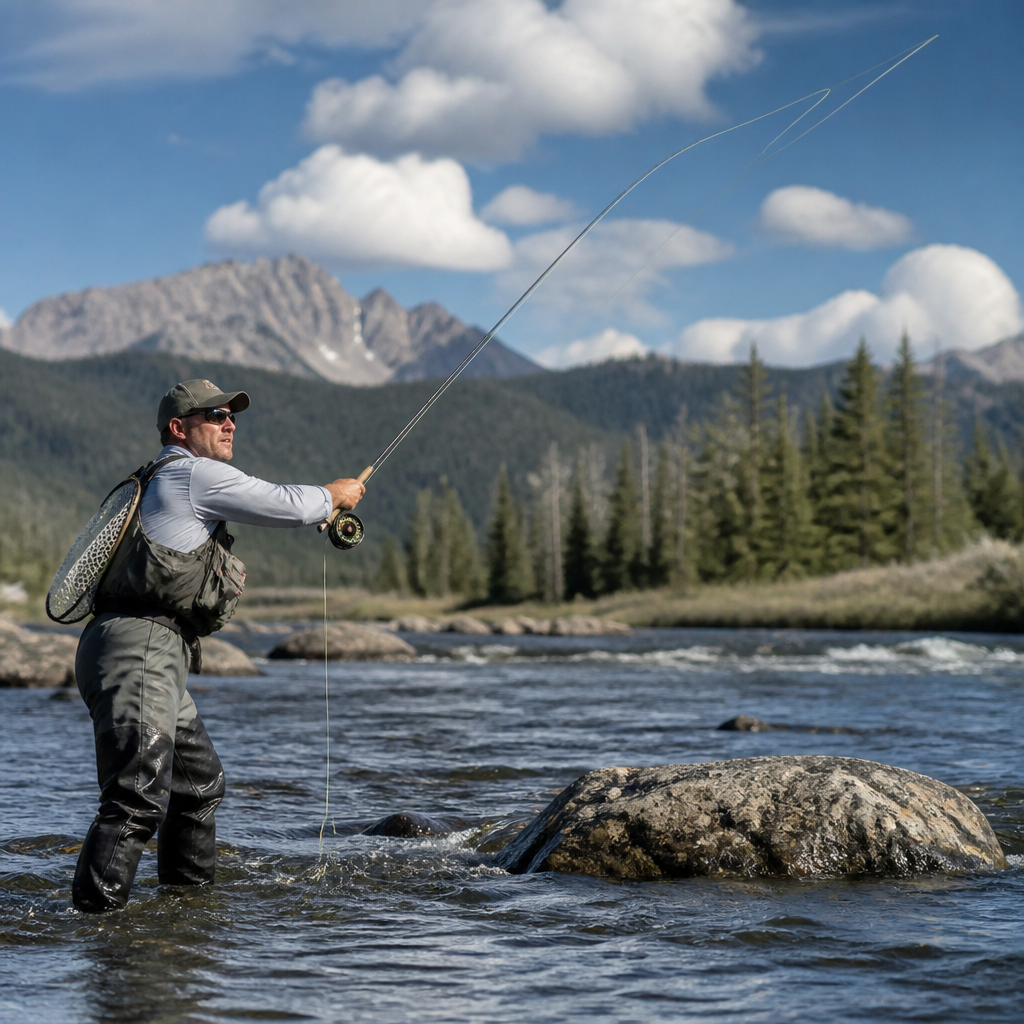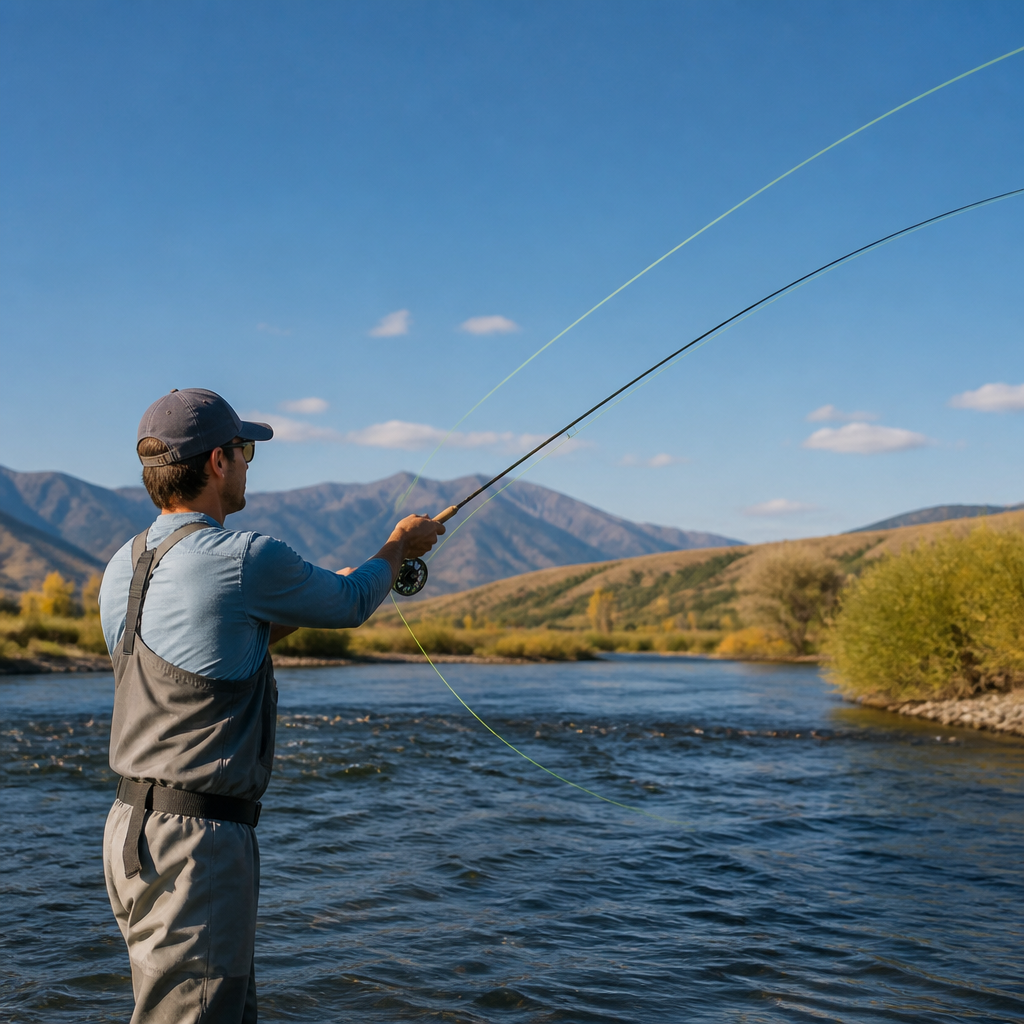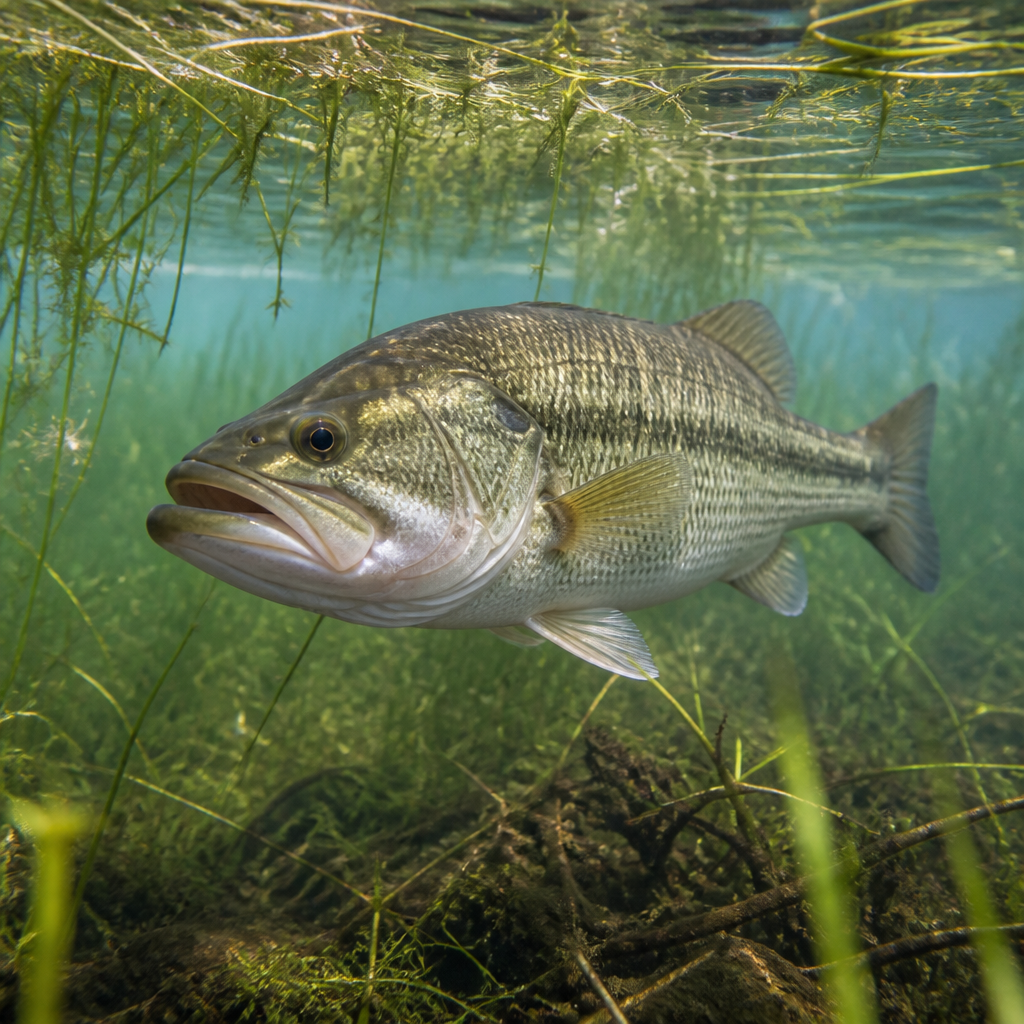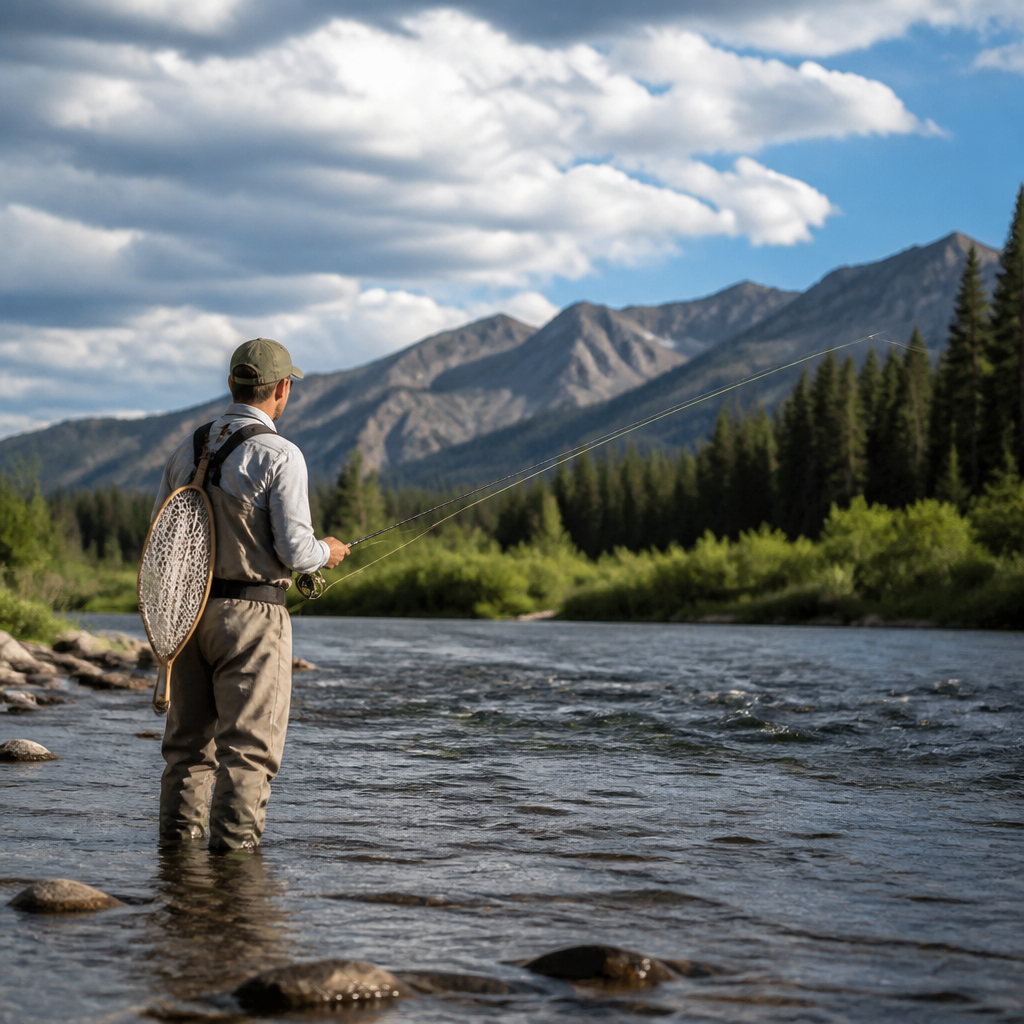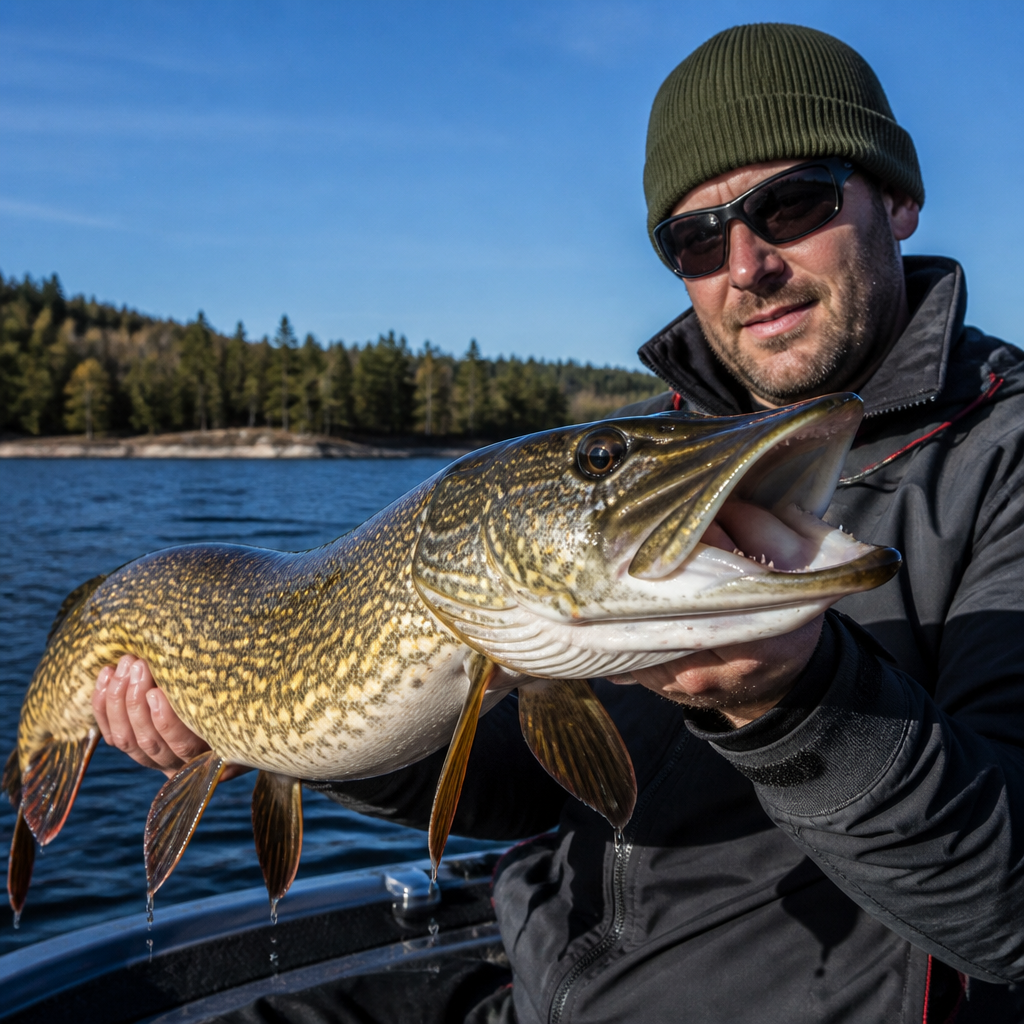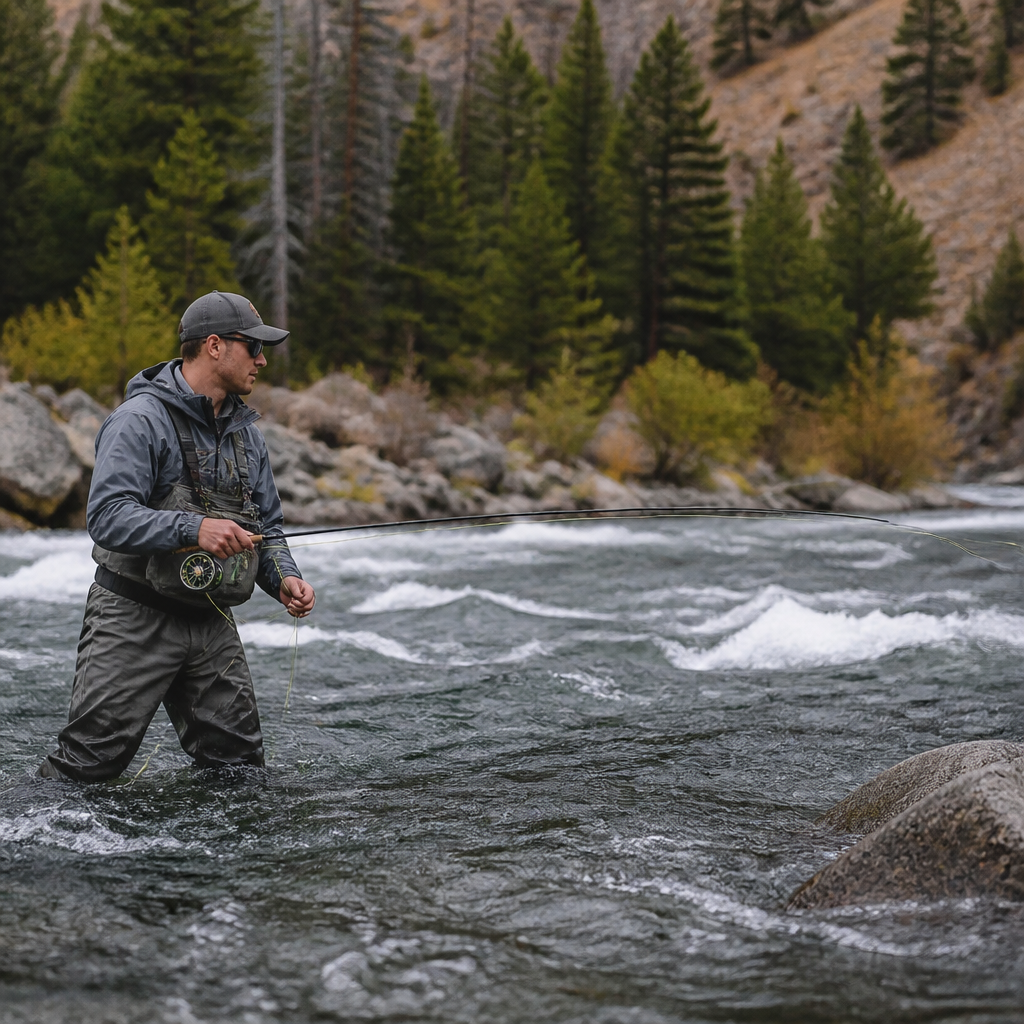
Streamer fishing in fast water is one of the most effective ways to trigger aggressive trout, bass, and other predatory fish because current compresses feeding lanes, reduces reaction time, and makes larger prey patterns stand out. In simple terms, streamer fishing means presenting an artificial fly that imitates baitfish, leeches, sculpins, crayfish, or juvenile trout, then moving it in a way that convinces a fish to chase and eat. Fast water includes pocket water, riffles, runs, canyon rivers, tailouts, and heavy seams where current speed changes quickly across short distances. I have spent enough days guiding and fishing these flows to know that success rarely comes from random casting. It comes from controlling angle, depth, speed, and swing so the fly enters the strike zone briefly but convincingly. This matters because fast water can hold surprisingly large fish, yet it also hides mistakes. Anglers often fish too shallow, strip too fast, or stand too close, and they miss the best lanes. A sound system for streamer fishing turns chaotic current into readable structure and consistent opportunities.
As a hub topic, streamer fishing also connects to several related decisions: fly selection, sink rate, line choice, leader design, retrieve style, wading position, and fish handling. The central idea is straightforward. In faster current, the fish has less time to inspect a fly, so your presentation can be bolder, but it must still pass at the right depth and angle. Large trout often sit beside boulders, under cutbanks, near submerged wood, or on inside seams where they can ambush prey with minimal effort. Smallmouth bass use current breaks and ledges in similar ways. Understanding those holding positions is the foundation for every tactic that follows. The best streamer anglers are not simply casting farther; they are solving a moving geometry problem with every drift and swing. When you learn how current speed, water depth, and fly density interact, streamer fishing in fast water stops feeling like guesswork and starts producing deliberate, repeatable eats from fish that many anglers never move.
How Fast Water Changes Fish Behavior
Fast current forces fish to balance calories gained against energy spent. Predators do not sit in the heaviest flow unless food is concentrated there. Instead, they station on the edge of speed: soft pockets behind rocks, troughs beside gravel bars, slots under overhanging banks, and transition lines between foamy chop and smoother water. In my experience, the best trout in fast rivers are usually one short burst away from the conveyor belt, not parked inside it. That positioning explains why streamers work so well. A streamer entering a seam appears to be a disoriented baitfish pushed by current, and the fish has a split second to commit. The faster the water, the more important your angle becomes. A broadside presentation often creates a larger silhouette than a fly stripped straight back upstream, so fish notice it sooner.
Light levels and water temperature also influence aggression. During bright midday periods, fish in clear fast water often hold tighter to depth, shade, or cover. In stained water, after rain, or at dawn and dusk, they roam farther into the lane and chase more openly. Brown trout are especially known for territorial or predatory responses to larger streamers in shoulder seasons, while rainbow trout frequently react well to speed changes and direction shifts. Smallmouth bass in rivers tend to pin bait against current breaks and can be remarkably responsive when the fly sweeps across a rocky ledge. These patterns are not random observations. They reflect predatory behavior shaped by hydraulics, visibility, and oxygen-rich current.
Reading Water for High-Percentage Streamer Lanes
The highest percentage water in a fast river is usually where current concentrates prey and gives a predator cover. Start with obvious structure: boulders, logjams, bridge pilings, ledge drops, side channels, plunge pools, and cutbanks. Then look for subtler clues such as bubble lines, V wakes, foam tongues, and slick patches behind rough surface texture. Those signals reveal speed changes below the surface. A streamer should cross those transitions rather than stay in one uniform band all the way back. When I approach a run, I break it into lanes no wider than a casting strip basket. Near bank, inside seam, mid-river trough, far seam, tailout lip. Each lane gets a few purposeful presentations before I change angle or depth.
One common mistake is ignoring shallow fast water because it looks too turbulent. In fact, knee-deep pocket water can hold excellent fish if the bottom is irregular and the current oxygenates the lane. Another mistake is concentrating only on textbook pools. Larger fish often use the head of a run, the cushion in front of a boulder, or the dark slot beside a drop because food arrives there first. If the river is high and colored, the soft edges near shore become especially important. Rising water pushes bait and worms into margins, and predators slide out of the main torrent to intercept easy meals. Reading water well means asking one question repeatedly: where can a fish rest while watching food move past at catching speed?
Core Presentations That Work in Fast Current
There is no single best retrieve for streamer fishing in fast water. The effective presentation depends on the river angle, current speed, and forage you are imitating. Three methods consistently produce: the downstream swing, the quartering-across strip, and the tuck-and-strip dead drift. On a downstream swing, cast across or slightly downstream, mend to control sink, then let the fly arc under tension. This excels when fish are holding along seams or when a broad profile triggers reaction strikes. On a quartering-across strip, cast slightly upstream or across, let the line settle, then strip just fast enough to keep the fly tracking level through the target lane. This is ideal for baitfish patterns in medium-fast runs. On a tuck-and-strip drift, cast upstream into a pocket or slot, drive the fly down quickly with a tuck, then animate it with short strips as it exits cover. That move often pulls fish from tight lies behind rocks.
The key is matching motion to current rather than fighting current with excessive stripping. In heavy flow, the water already provides speed. Your strips should create vulnerability, not chaos. Short pauses are often more important than fast hands because a momentary stall lets the fly drop and flare. Many eats happen right after that hesitation. Hook sets should be firm strips with the rod low, not immediate overhead lifts, especially with sinking lines and larger flies. Fast water creates slack in odd places, so staying connected matters more than dramatic movement. If you feel weight, keep stripping until the line comes tight and then raise smoothly.
| Situation | Best Presentation | Why It Works |
|---|---|---|
| Deep seam beside fast main flow | Across-and-down swing with upstream mend | Gives the fly time to sink, then shows a broad profile crossing the lie |
| Shallow pocket water behind boulders | Upstream tuck-and-strip | Drops the fly quickly into the cushion where fish have little reaction time |
| Long riffle feeding a run | Quartering cast with short strips | Keeps the fly tracking naturally through multiple feeding lanes |
| High off-color water near banks | Short cast parallel to shore | Targets displaced predators hunting easier water along the edge |
| Tailout with nervous baitfish | Faster strip with brief pause | Imitates fleeing prey, then a sudden weakness that triggers the eat |
Choosing the Right Gear for Streamer Fishing
Gear for streamer fishing in fast water must cast weighted flies, control depth, and protect against violent strikes at short range. For most trout rivers, a 6-weight or 7-weight fast-action rod is the practical center point. A 5-weight can work for smaller patterns, but once split shot, sink tips, or articulated streamers enter the system, the heavier rod is more efficient and safer to cast. For larger rivers, trophy browns, or smallmouth bass, a 7-weight often becomes the all-around choice. Reels matter less for drag than for balance and line retrieval, but a large arbor helps recover slack quickly during downstream swings and close eats.
Line selection is the biggest gear variable. Floating lines with weighted flies work in moderate pocket water and when you need mending control. Sink-tip lines are the standard for fast water because they sink the fly while retaining manageable turnover. Tips in the 5 to 10 foot range handle many trout situations; heavier integrated systems excel when flows are deep and pushy. Full sinking lines have their place in broad, uniform runs, but they are less forgiving around complex near-bank structure. Leaders should usually be shorter than dry-fly leaders. A 3 to 6 foot leader of 0X to 3X is common for trout, while bass often allow even stouter material. Fluorocarbon sinks and resists abrasion, but nylon can be preferable with neutrally weighted flies you want to swim higher. The terminal setup should serve the presentation, not tradition.
Fly Design, Weight, and Color Selection
Not all streamers fish the same, even when they look similar in the fly box. Material choice changes sink rate, silhouette, and water push. Sculpin patterns built from dense heads, zonker strips, or spun deer hair often track with a jigging motion that suits rocky bottoms. Slim baitfish patterns in bucktail, marabou, or synthetic blends cut current better and hold a straighter profile on faster strips. Articulated streamers create a longer swimming shape and can trigger larger fish, but they are heavier, air resistant, and sometimes too much in very shallow pockets. In fast water, I prefer flies that reach fishing depth quickly without spinning. That usually means balanced weight, a sharp hook, and materials that pulse instead of collapsing.
Color should follow water clarity and local forage. Olive, black, white, and natural tan cover most situations. Olive and tan suggest sculpins and juvenile trout in clear rivers. White excels for baitfish and low light. Black creates a strong silhouette at dawn, dusk, and in stained flows. Flash has value, but too much can make a pattern look unnatural in clear fast water where fish see only a brief side view. Size is equally situational. Many anglers default to oversized streamers, yet a three-inch pattern often outfishes six-inch flies in pressured rivers because it matches yearling bait and drifts more naturally through broken current. Match the fly to the fish’s opportunity, not just its appetite.
Adapting to Seasons, Conditions, and Common Mistakes
Seasonal adjustment separates occasional streamer success from dependable results. In spring runoff or after storms, target soft edges, flooded banks, and tributary mouths with darker or brighter flies that displace water. In summer, first and last light are prime, and oxygen-rich pocket water can fish all day if temperatures remain safe for trout. In autumn, predatory behavior often peaks, especially for brown trout defending territory or feeding before winter. Winter streamer fishing slows down but does not disappear; fish generally prefer deeper lanes, slower strips, and flies held in front of them longer. Water temperature should guide tempo. Colder water usually rewards patience, while warmer conditions can support more aggressive retrieves.
The most common mistakes are predictable. Anglers fish over good water by making one cast per spot instead of changing angles. They retrieve too quickly in already fast current. They use leaders that are too long for sink tips. They fail to sharpen hooks after banging rocks. They wade into the lane they should be fishing from shore. They stop the fly at the bank, even though many strikes come boatside or at the hang-down. Another issue is poor line management. Slack line in fast water destroys depth control and delays the hook set. Strip line into a clear basket from a boat or onto a clean bank seam when wading. Finally, keep safety in view. Weighted streamers and fast current are unforgiving, so eye protection, controlled casting arcs, and conservative wading are nonnegotiable.
Streamer fishing in fast water rewards anglers who think like predators and rig like technicians. The method is not simply casting a big fly and hoping for a chase. It is a deliberate process of reading current, finding the travel lane, choosing the right sink rate, and moving the fly so it looks vulnerable at exactly the moment a fish can intercept it. The practical lessons are consistent across trout and bass rivers: target seams and current breaks, get the fly down quickly, control speed with angle more than with frantic stripping, and adjust size and color to water clarity and forage. Most importantly, cover water with intention. A few thoughtful casts from the right position outperform dozens of blind presentations.
As the hub for streamer fishing within techniques and strategies, this article should give you the framework to explore every related topic with purpose, from sink-tip systems and articulated flies to seasonal trout behavior and smallmouth retrieves. If you want better fish on moving water, start by refining one variable at a time: lane selection, line density, fly profile, or retrieve pause. Keep notes on what changed and what produced. Streamer fishing becomes far less mysterious when you treat each outing as a controlled test. Pick a fast run on your next trip, fish it methodically from the bank out, and let the current show you where the predators live.
Frequently Asked Questions
What makes streamer fishing in fast water so effective for trout, bass, and other predatory fish?
Streamer fishing excels in fast water because current changes how fish feed and how they make decisions. In pocket water, riffles, runs, canyon rivers, and other high-energy environments, fish have less time to inspect a meal. Instead of studying a fly closely, they often react on instinct. That compressed reaction window is a major advantage for streamers, especially larger patterns that imitate baitfish, sculpins, leeches, crayfish, or juvenile trout. In fast water, those food items can appear to be swept downstream, stunned, disoriented, or trying to escape, which makes a moving streamer look especially convincing.
Another reason streamer fishing works so well is that current concentrates fish into predictable lanes and holding water. Predators sit near seams, behind rocks, along ledges, in softer pockets beside heavy flow, and at transitions where they can ambush prey without burning too much energy. A well-presented streamer swung, stripped, or dead-drifted through those lanes covers water efficiently and appeals to fish that may ignore smaller flies. This is particularly important when targeting aggressive trout, river smallmouth, and other species that are willing to move for a substantial meal.
Fast water also helps disguise minor imperfections in presentation. While drag-free drifts are critical with dry flies and nymphs, streamers often benefit from movement, tension, and directional change. The current itself animates the fly, pulses materials, and creates speed changes that mimic real prey. When combined with a strategic cast angle and retrieve, that motion can trigger pure predatory behavior. In short, streamer fishing in fast water is effective because it taps into urgency, visibility, territorial aggression, and the natural feeding mechanics of current-oriented fish.
What types of water should I target when fishing streamers in fast current?
The best fast-water streamer spots are places that combine current, structure, and a nearby resting zone. Fish rarely sit in the heaviest, most chaotic flow all the time. Instead, they position where they can conserve energy and dart into feeding lanes. Start with current seams, where fast and slow water meet. These edges are classic ambush zones because bait gets funneled along the seam while predators hold just off the main push. Cast across or slightly upstream of the seam and let the fly enter the transition naturally before adding movement.
Pocket water is another high-percentage target. In rocky rivers, each boulder can create a cushion of softer water in front, a turbulent feeding lane beside it, and a protected slot behind it. Big fish often hold in surprisingly small pieces of shelter if food is consistently delivered. Streamers can be deadly here because they move through the pocket quickly and look like a substantial reward. Short, accurate casts are usually more effective than bombing long casts across the river. Fish the near pockets first, then work upstream or across methodically.
Riffle-to-run transitions, depth changes, undercut banks, submerged wood, canyon walls, and the heads and tails of deeper pools are also prime. Anywhere prey can be dislodged, trapped, or swept into a pinch point deserves attention. In high-gradient rivers, look for micro-soft spots within fast current rather than only the obvious slow water. In larger runs, focus on ledges, shelves, drop-offs, and side channels where fish can slide in and out of feeding lanes. The key is to think like a predator: where can a fish hold comfortably, stay hidden, and intercept a larger meal with minimal effort? Those are the places where streamers shine.
How should I present and retrieve a streamer in fast water?
Presentation in fast water depends on depth, current speed, fish mood, and the type of structure you are fishing, but the core goal is always the same: get the fly into the strike zone quickly and move it in a way that looks vulnerable or evasive. One of the most productive methods is the downstream or down-and-across swing. Cast slightly across current, mend as needed to control sink rate, and let the streamer sweep broadside through the holding water. As the fly tightens at the end of the swing, many strikes come when it accelerates or changes direction. This presentation is excellent for covering runs, tailouts, and seam edges.
An upstream or up-and-across presentation is often better in pocket water or when you need the fly to sink immediately near a rock, ledge, or slot. By leading the fly into the target and keeping controlled slack off the water, you can allow it to drop before beginning short strips. This helps imitate prey being swept downstream but still trying to swim. In very broken current, many skilled anglers use a combination of dead drift and action: let the streamer tumble naturally for a moment, then add sharp strips, twitches, or a quick lift. That sudden change often triggers a chase.
Retrieve speed matters. In cold water or under heavy pressure, slower strips, brief pauses, and a more deliberate swing can outperform aggressive movement. In warmer conditions or when fish are actively hunting, faster strips and erratic bursts can be outstanding. Vary your cadence until fish tell you what they want. Also pay attention to rod angle and line control. Keeping the rod low and slightly to the side often improves direct contact and hook-setting power. In fast current, too much slack causes missed strikes, but too much tension can pull the fly unnaturally out of the zone. The best streamer anglers constantly adjust mends, strip length, and casting angle so the fly tracks naturally through each piece of water rather than fishing every spot the same way.
What gear works best for streamer fishing in fast water?
Fast-water streamer fishing usually calls for more powerful, specialized gear than standard dry-fly fishing. For trout, a 5-weight can handle smaller streamers in moderate current, but many anglers prefer a 6-weight or 7-weight because it casts weighted flies more comfortably, turns over sink tips more effectively, and gives better control over larger fish in heavy flow. For bass and bigger river predators, a 7-weight or 8-weight is often ideal. A fast-action rod is especially useful because it helps punch casts into wind, lift line off turbulent water, and drive hooks home at distance.
Line choice is critical. In fast water, a floating line is fine for shallow runs and unweighted or lightly weighted streamers, but a sink-tip line is often the most versatile option because it gets the fly down while keeping the running line manageable for mending and stripping. In deeper or extremely pushy water, a full sinking line may be the better tool, especially when you need the fly to stay low through the entire swing. Matching sink rate to water depth and current speed is more important than many anglers realize. If your fly never gets near the fish, retrieve style and fly pattern will not matter much.
Leaders are generally shorter and stouter than those used for dry flies. A 3- to 7-foot leader, depending on line type and water clarity, helps turn over bulky flies and maintain contact. Fluorocarbon tippet is popular for abrasion resistance and sink rate, particularly around rocks and wood. Fly selection should include patterns that push water, remain visible, and match common forage: sculpins, baitfish, leeches, crayfish, and articulated streamers are all strong choices. Weighted eyes, cones, and dense materials can help reach depth quickly. Polarized glasses, solid wading boots, and in many cases a wading staff are also part of the real gear equation in fast current. Efficient streamer fishing is not just about the rod and reel; it is about using a complete setup that helps you cast accurately, maintain footing safely, and keep the fly where predatory fish can actually eat it.
What are the biggest mistakes anglers make when streamer fishing in fast water?
One of the most common mistakes is fishing too fast in the wrong sense. Anglers often move quickly through the river but fail to thoroughly dissect the best holding water. Fast water contains many small, overlooked feeding lanes, and the biggest fish frequently hold in compact spots beside rocks, banks, shelves, or foam lines. A single cast through the middle of a run is rarely enough. Good streamer anglers cover water efficiently, but they also make deliberate casts to each likely ambush point before stepping on.
Another major mistake is not getting the fly deep enough. In heavy current, an unweighted streamer on the wrong line can spend the entire drift above the fish. Many missed opportunities come down to poor depth control rather than poor fly choice. Changing to a heavier pattern, shorter leader, or sink-tip line often fixes the problem immediately. Closely related is the mistake of using only one retrieve. Fish in fast water can respond very differently depending on water temperature, light, and pressure. If a hard strip is not working, try a slower swing, a dead-drift start, or shorter, erratic pulses. Let the fish dictate the tempo.
Anglers also lose fish by reacting poorly to the strike. Streamer takes in fast current can be savage, but they can also feel like a sudden heaviness or a brief stop. Trout and bass often grab a moving fly and turn with it. Instead of making a big trout-set straight up, it is usually better to maintain tension and use a firm strip-set or low side sweep