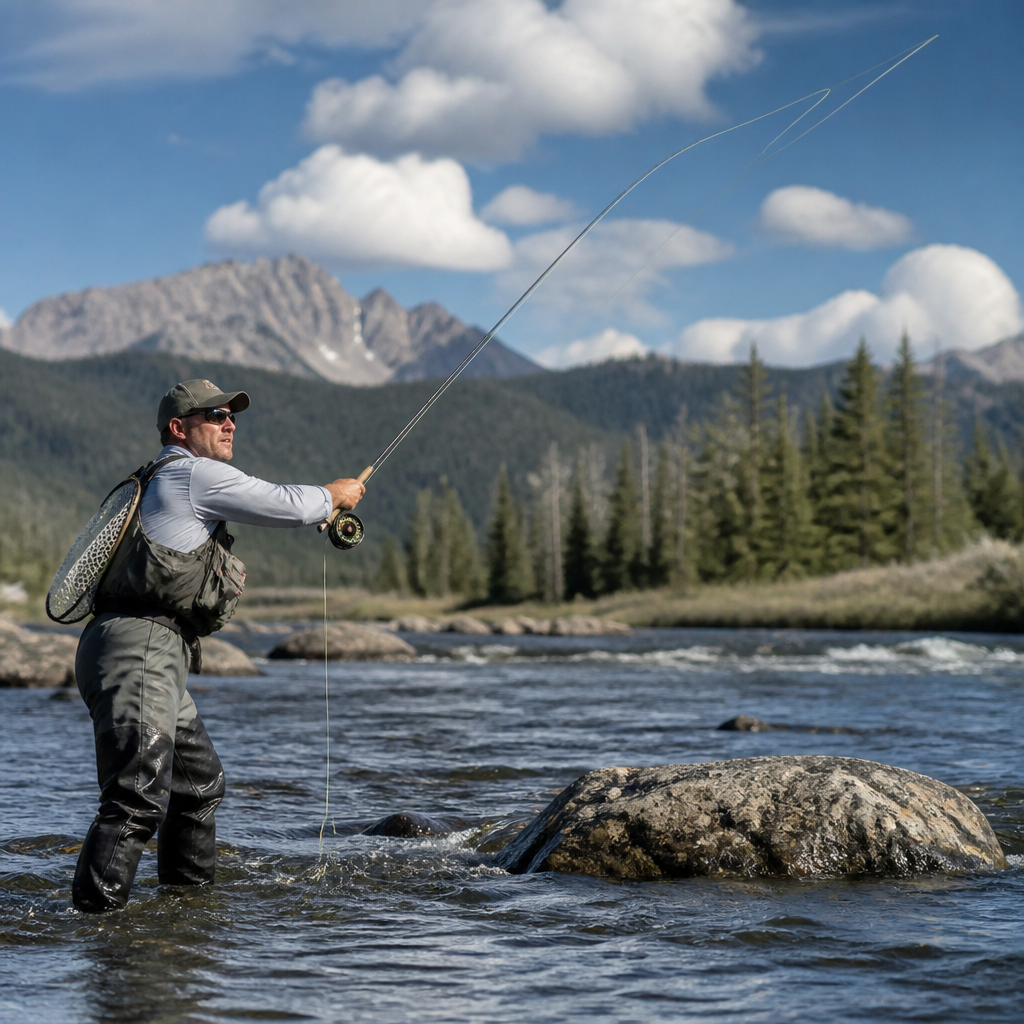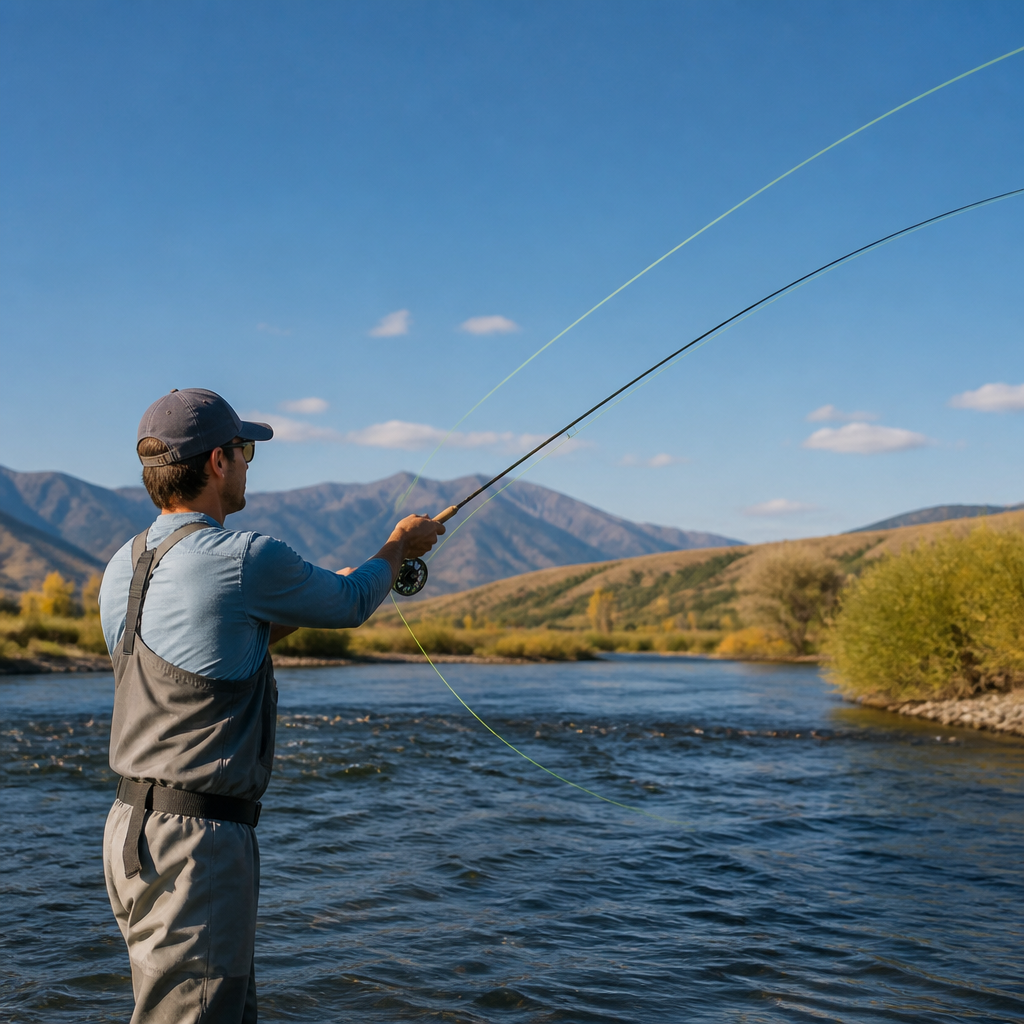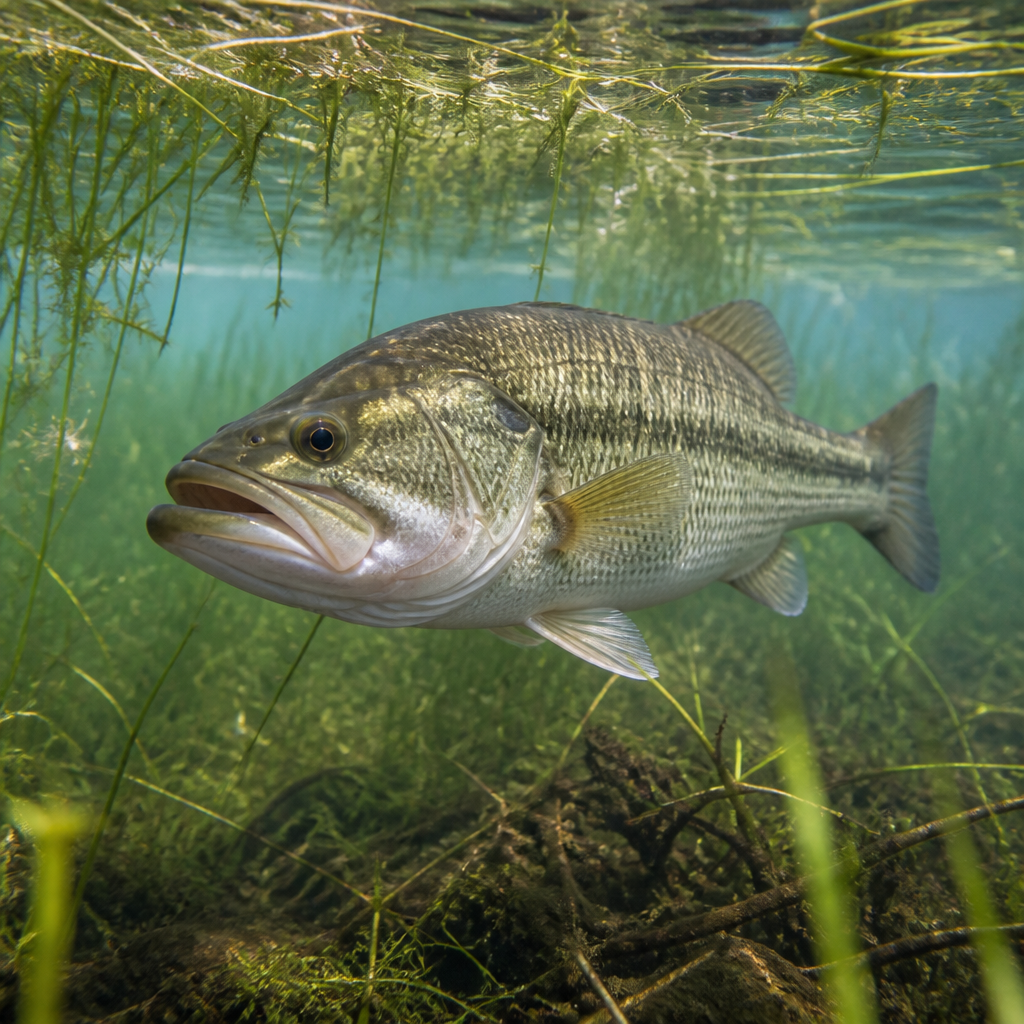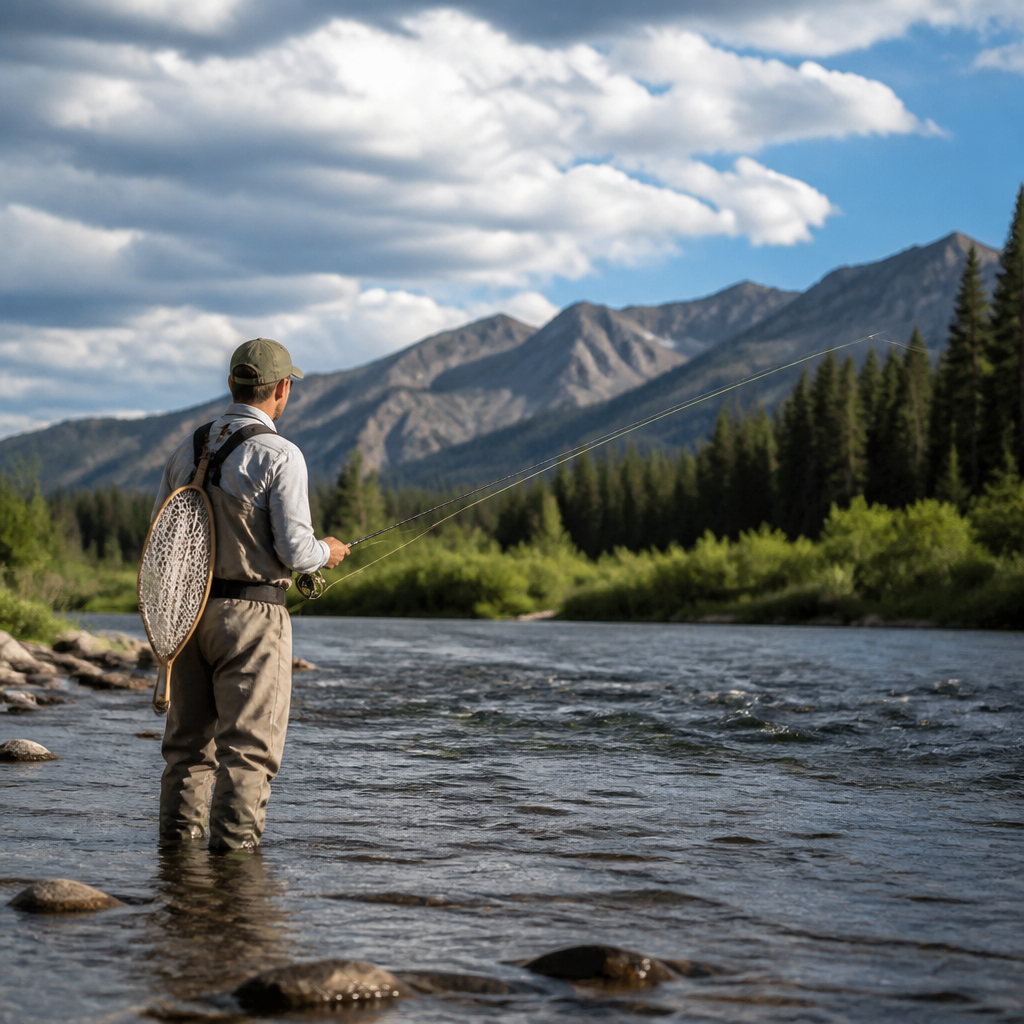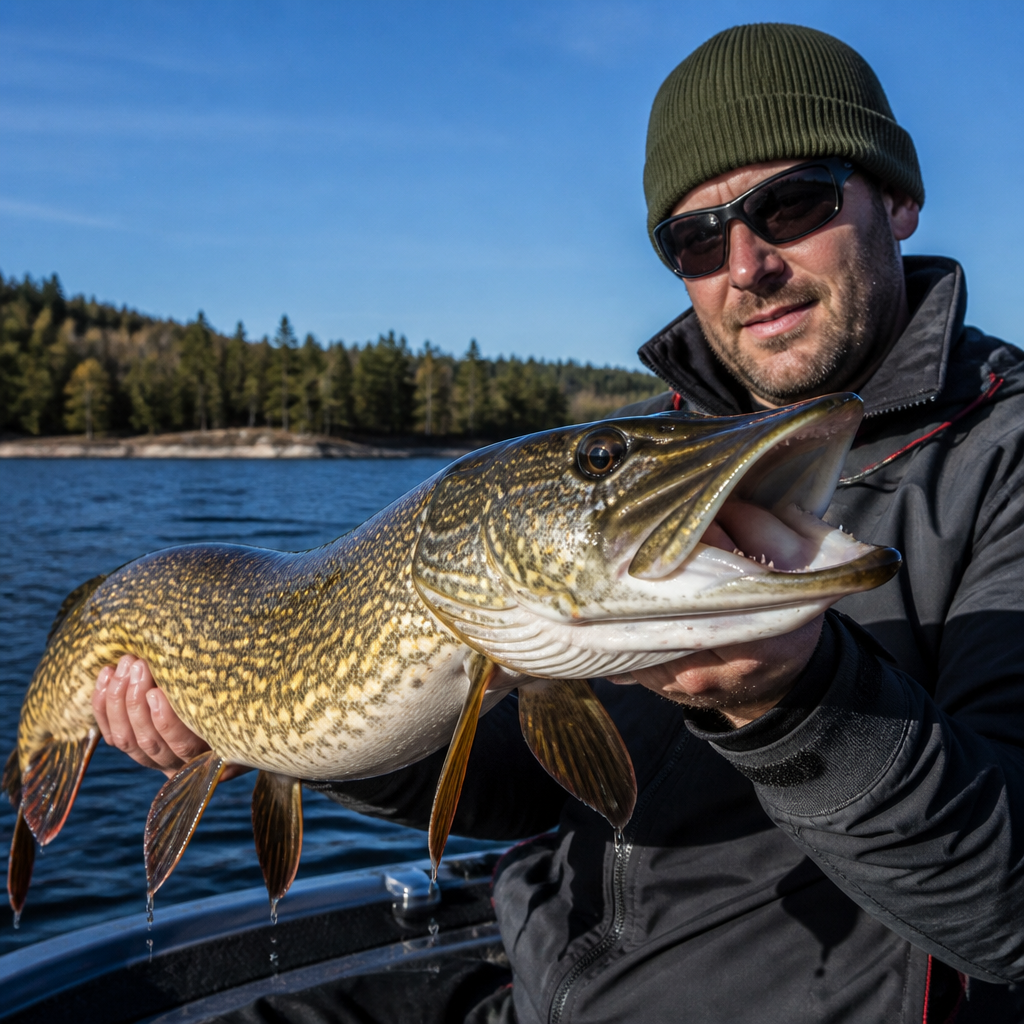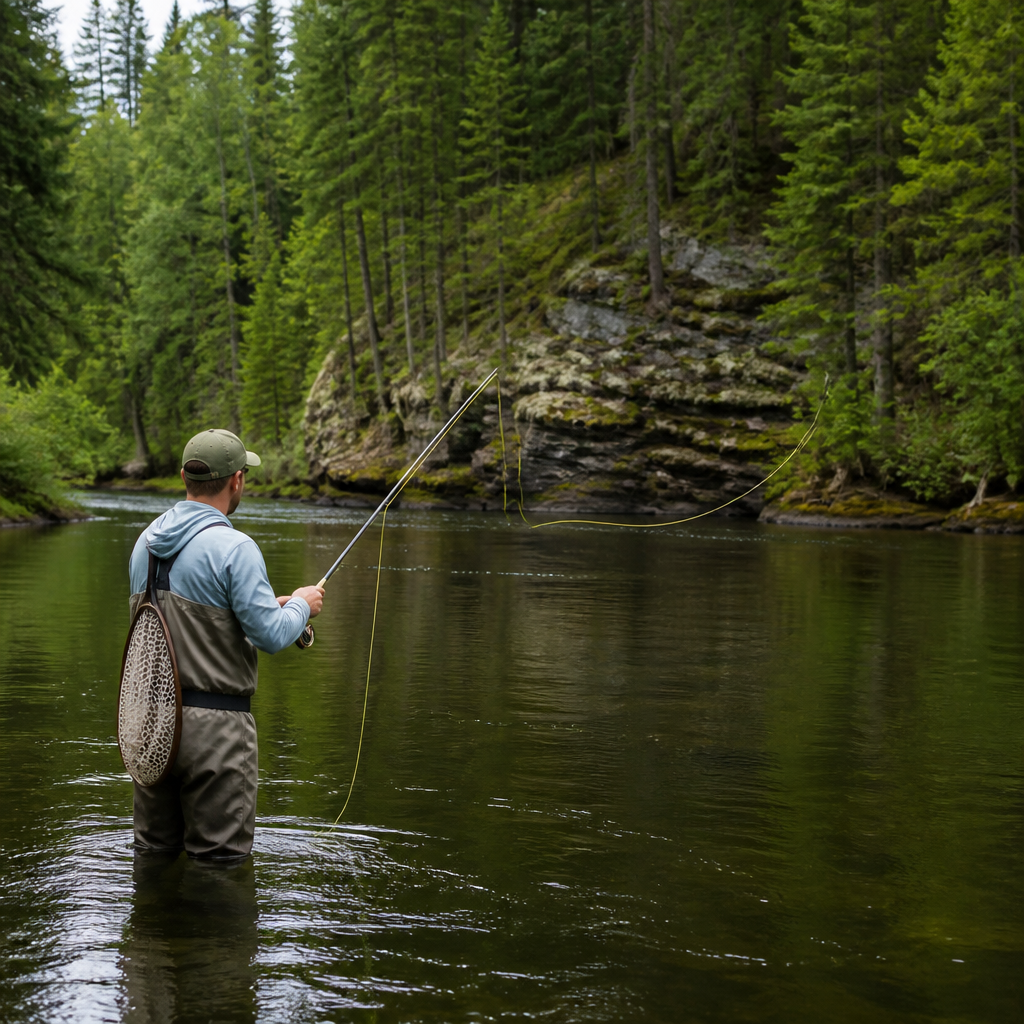
Streamer fishing in slow water rewards anglers who understand how current, forage, and presentation change when trout or bass are not forced to react instantly. A streamer is an artificial fly designed to imitate baitfish, leeches, crayfish, sculpins, or other swimming prey, and slow water includes pools, tailouts, eddies, spring creeks, back channels, and impoundment edges where the current is modest enough that predators can inspect a fly before committing. I have spent many days guiding and testing patterns in these conditions, and the lesson is consistent: success comes less from raw speed and more from control, profile, depth, and timing. This makes streamer fishing in slow water a distinct discipline rather than simply a slower version of fast-water stripping.
Understanding this topic matters because slow water often holds the largest, most energy-efficient fish in a system. A brown trout in a glassy tailout, a smallmouth under a cutbank on a gentle river bend, or a reservoir trout cruising a weed edge all feed differently than fish pinned behind boulders in heavy current. They have more time to evaluate shape, movement, and color. That means anglers must think about sink rate, leader design, fly silhouette, retrieve cadence, and light conditions with unusual precision. Done well, streamer fishing in slow water can produce larger fish, more intentional takes, and a better understanding of how predators hunt.
This hub article covers the core decisions that shape consistent results: where fish position, how to choose lines and leaders, which retrieves trigger takes, what streamer patterns belong in a practical box, and how seasonal changes affect the bite. It also serves as a foundation for deeper articles on sink-tip systems, articulated patterns, trout streamer retrieves, bass adaptations, night fishing, and water-specific tactics. If you want a clear starting point for streamer fishing that goes beyond “cast and strip,” this is it.
How Fish Use Slow Water
Fish hold in slow water for three main reasons: energy savings, feeding lanes, and cover. In a pool or soft seam, a predator can suspend with minimal effort and watch food drift or swim by. Large trout commonly sit near transitions rather than featureless flats: the drop at the head of a pool, the shadow beside undercut banks, the inside edge of weed beds, the crease where a side channel rejoins the main flow, or the tongue of slightly faster water entering a tailout. Smallmouth use many of the same places but relate even more strongly to wood, rock shelves, and ambush lanes beside current tongues.
In these environments, fish usually have a wider field of view and more time to inspect prey. That is why flashy, high-speed retrieves that work during aggressive windows in broken water can fail in calm glides. Predators still attack, but they often track first. I regularly see trout follow a fly ten feet in clear spring creek water before eating only when the pattern pauses, turns, or rises. That behavior tells you two things. First, presentation must stay in the fish’s window long enough to be noticed. Second, the fly must look vulnerable, not merely present.
Light and depth shape positioning as much as current. In bright conditions, fish slide tighter to shade, depth, and structure. During overcast weather, low light, or the last hour before dark, they move farther into open lanes. Water temperature matters too. Cold trout in winter or early spring often favor the deepest, slowest portions of pools and respond to deliberate retrieves. Summer fish in oxygen-rich tailouts may slide shallower at dawn and dusk. Always read slow water vertically as well as horizontally.
Tackle, Lines, and Leader Systems
The best tackle for streamer fishing in slow water balances turnover, depth control, and direct contact. For trout, a 5- to 7-weight rod handles most work, with a 6-weight being the most versatile. For smallmouth, many anglers prefer a 6- or 7-weight because deer-hair and weighted baitfish patterns cast wind-resistant. In clear, technical water, a rod with a responsive tip protects tippet and helps animate smaller streamers; in larger rivers, a more powerful butt section helps mend sink tips and steer fish away from wood.
Line selection is the biggest performance variable. A floating line with a long leader excels when fish are shallow, the fly is lightly weighted, and you need subtle landings. A clear intermediate line is outstanding on ponds, lakes, and slow river flats because it cuts surface tension, maintains a straight connection, and keeps small streamers tracking below the chop. Sink-tip lines shine when you need to cross current, get down quickly, and keep the fly level during the retrieve. Full sinking lines are specialized but deadly in deep pools and reservoirs where consistent depth matters more than mending.
Leaders should match both water clarity and line type. With floating lines, nine-foot leaders tapering to 0X, 1X, or 2X are common for trout streamers, though in especially clear slow water I often extend to ten or twelve feet and drop fly size. With sink tips or full sinks, a shorter leader of three to five feet keeps the fly connected and prevents hinging. Fluorocarbon sinks slightly faster and resists abrasion; nylon is more supple and can help small flies move naturally. Neither material is universally superior, but leader stiffness should always complement fly size and casting load.
| Situation | Recommended Line | Leader Length | Best Use |
|---|---|---|---|
| Shallow clear tailout | Floating | 10–12 feet | Subtle presentations with lightly weighted baitfish |
| Slow river pool, 3–6 feet deep | Sink tip | 3–5 feet | Keeping streamers level through prime holding depth |
| Lake edge or backwater flat | Intermediate | 7–9 feet | Straight contact and smooth horizontal retrieves |
| Deep pool or reservoir drop-off | Full sinking | 3–4 feet | Precise depth control with countdown presentations |
Presentation and Retrieve Techniques
The essential rule in slow water is to make the streamer easy to find and believable to eat. Cast angles should vary with structure and current speed. Across-and-down presentations are useful when you want the fly to swing gently into a soft seam. Quartering upstream helps achieve depth without excessive weight because the line and fly sink before the retrieve begins. Parallel casts along weed lines, banks, or submerged timber are often the highest-percentage option because they keep the fly in the strike zone longer.
Retrieves should be built from three ingredients: strip length, pause duration, and rod movement. Short strips of two to four inches imitate injured prey and are especially effective in cold water or on pressured fish. Longer strips of six to twelve inches suggest fleeing baitfish and can trigger territorial responses from bass and predatory trout. Pauses are not dead time; they are often the trigger. Materials such as marabou, rabbit, and craft fur breathe when still, and weighted heads cause the fly to drop nose-first like a wounded minnow. Many follows become eats at that instant.
Rod angle changes add life without adding speed. A low rod tip keeps the fly running truer and deeper. Small downward pops can make a sculpin dart and settle. Slow figure-eight hand retrieves, common in stillwater fly fishing, are excellent with unweighted streamers because they maintain continuous tension and natural movement. I rely on this in calm backwaters where trout reject jerky strips. If fish are following but not eating, change one variable at a time: shorten the pause, lighten the fly, alter the strip cadence, or finish with a directional change beside the rod tip.
Hooking fish in slow water requires discipline. Because many takes feel like added weight rather than a jolt, use a strip set instead of lifting the rod immediately. Keep the rod low, pull firmly with the line hand, and then raise only after the hook is buried. This matters with modern articulated streamers and short-shank hooks, where trout often eat from the side. A trout that tracked the fly for several feet usually turns with it before you feel pressure, so staying connected is crucial.
Streamer Patterns That Consistently Produce
A practical slow-water streamer box does not need dozens of random patterns. It needs coverage across profile, sink rate, and forage type. Start with baitfish imitations in white, olive, black, and natural gray. Woolly Buggers remain indispensable because they suggest everything from leeches to juvenile fish, especially in olive and black with a touch of flash. Sculpin patterns such as the Muddler Minnow, Zoo Cougar, and conehead sculpin variants excel near bottom transitions. For larger trout, articulated streamers like the Sex Dungeon, Drunk & Disorderly, or Double Deceiver create motion and a broad silhouette at low retrieve speeds.
Material choice is not cosmetic; it determines how the fly behaves during pauses. Marabou pulses with minimal movement and shines in winter or clear water. Rabbit strips undulate dramatically and displace water, making them excellent in stained conditions or low light, though they can cast heavily when wet. Bucktail maintains shape and tracks cleanly, which is why Deceiver-style streamers remain standards for stillwater and river margins. Synthetic fibers such as EP and craft fur shed water better, allowing larger profiles without excessive casting load.
Color selection should follow light, water clarity, and prey base. In clear water under bright skies, natural olive, tan, gray, and white usually outperform loud combinations. In tea-stained water or at dusk, black creates a strong silhouette and is often the top choice. White remains universal because many baitfish flash pale from below. Chartreuse has a place, especially for smallmouth and stocked trout, but in technical slow water it can overstate the presentation. Match confidence patterns to the forage you actually observe: dace, shiners, juvenile trout, perch, or leeches.
Seasonal Strategy and Real-World Adjustments
Season dictates both fish behavior and the speed at which streamer fishing in slow water should happen. In winter, metabolism drops, and trout commonly hold deep with short feeding windows. Use smaller streamers, slower strips, and longer pauses. A size 6 olive bugger on an intermediate or light sink tip can outfish a giant articulated fly simply because it stays in front of cold fish longer. Early spring adds pre-spawn aggression for some species and increased runoff on many rivers; focus on soft edges, flooded banks, and places where murk meets clarity.
Summer brings two opposing realities. In fertile rivers and tailwaters, dawn and dusk can produce outstanding streamer fishing as trout hunt minnows in shallower lanes. But warm water and bright light make midday fish selective and structure-oriented. In those hours, target shade lines, undercut banks, and oxygenated inflows. For smallmouth, summer is prime streamer season; crayfish and baitfish patterns worked beside grass and wood can be exceptional. In autumn, brown trout become more territorial, and larger streamers gain importance, especially near undercut banks and migration routes.
Slow water also magnifies environmental details many anglers ignore. Wind can stack food against a shoreline on lakes or push warm surface water into a back bay. Barometric shifts often change follow-versus-eat behavior more than location. In clear systems, one extra foot of visibility can make fish demand slimmer flies and longer leaders. I often start with a moderately sized natural streamer, then scale up only after confirming fish are willing to move. Let the fish tell you whether the day requires subtle persuasion or a larger trigger profile.
Common Mistakes and How to Fix Them
The most common mistake is retrieving too fast. In slow water, speed often pulls the fly out of the fish’s inspection zone before it looks vulnerable. The fix is simple: count the fly down, make fewer strips, and extend pauses. Another mistake is using too much weight, which causes the streamer to dredge unnaturally or hang bottom on every cast. Choose the lightest system that reaches the desired depth, and use line density before adding oversized cones or dumbbell eyes whenever possible.
Poor angle control is another frequent problem. Many anglers cast straight across every lie, when a quartering cast or bank-parallel presentation would keep the fly in productive water much longer. Ignoring follows is costly too. A follow is not failure; it is information. If fish track but refuse, they are telling you the pattern, depth, or cadence is close. Change one element instead of abandoning the area. Finally, many anglers fish streamers without a plan for structure. Before the cast, identify the exact lane, shelf, shadow, or seam you want the fly to traverse.
Streamer fishing in slow water is most effective when you combine observation with deliberate presentation. Read the water for depth changes and cover, choose a line that controls the fly rather than simply sinks it, and select patterns that match both forage and fish mood. Use pauses, directional changes, and subtle movement to make the streamer look vulnerable. When conditions shift, adjust cadence, profile, and angle before changing everything at once. That methodical approach turns follows into eats and random casts into repeatable strategy.
As the hub for streamer fishing under techniques and strategies, this guide gives you the framework needed to explore every related tactic with purpose. Build from these fundamentals, test one variable at a time, and keep notes on season, water clarity, and retrieve style. If you want more fish on streamers in pools, tailouts, lakes, and backwaters, start applying these slow-water principles on your next outing.
Frequently Asked Questions
What makes streamer fishing in slow water different from fishing streamers in faster current?
Streamer fishing in slow water is fundamentally a game of realism, control, and patience. In fast current, trout and bass often have less time to study a fly, so speed, profile, and triggering a reaction strike can carry a lot of the workload. In slow water, fish usually get a much longer look. That means your fly choice, retrieve cadence, sink rate, angle of presentation, and even the way the fly tracks through the water all matter more. Predators in pools, tailouts, eddies, spring creeks, back channels, and impoundment edges are not forced to make split-second decisions. They can slide over, inspect, follow, flare, and refuse if something looks off.
Because of that, the best slow-water streamer anglers focus less on “ripping” flies and more on showing fish something believable. That often means using subtler retrieves, allowing pauses, and selecting patterns that breathe and move naturally at low speeds. It also means paying close attention to where fish position themselves. In slower water, trout and bass commonly hold near weed edges, depth transitions, undercut banks, wood, current seams, and softer ambush lanes where they can watch forage move past without expending much energy.
Another major difference is line and depth control. In heavy current, the river often helps animate and sink a streamer. In slow water, you usually have to create both the action and the depth intentionally. A floating line with a weighted fly, an intermediate line, or a sink-tip can all work, but the key is matching your setup to the depth and speed of the water so the fly spends maximum time in the strike zone. In short, slow-water streamer fishing rewards anglers who think like hunters: locate the fish, understand the available forage, and present a fly that looks vulnerable rather than frantic.
What are the best streamer patterns for slow water, and how should I choose between them?
The best streamer patterns for slow water are usually those that maintain shape, motion, and appeal without needing a lot of current or an aggressive strip to come alive. Baitfish imitations are often top producers, especially in waters where trout or bass feed on minnows, dace, shiners, juvenile trout, or sculpins. Slim baitfish patterns, articulated streamers, and soft synthetic or marabou flies are excellent because they continue to pulse and breathe during pauses. That matters in slow water, where the pause frequently triggers the eat.
Leech patterns are another standout choice, especially in spring creeks, ponds, backwaters, and slower tailouts. Leeches move naturally in still or modest flow, and they do not require a lot of speed to look alive. A black, olive, burgundy, or brown leech can be deadly when fished with short strips and long hangs. Sculpin patterns also deserve a place in the box, particularly around undercut banks, gravel edges, and woody cover. Their broad-headed, bottom-oriented silhouette is ideal when fish are feeding low and ambushing prey near structure.
Crayfish streamers are especially valuable for bass and larger trout in slower habitats with rock, mud, or weed growth. If fish are feeding near the bottom and seem unwilling to rise or chase, a crayfish imitation crawled or hopped along the substrate can outfish more traditional baitfish patterns. Color matters too, but usually in a practical way rather than a flashy one. In clear slow water, natural olives, tans, browns, whites, and blacks tend to produce consistently. In stained water, darker flies or patterns with a bit of contrast can help fish locate the offering.
When choosing between patterns, begin with the actual forage in the water. If you are seeing minnows flicker in the shallows, start with a baitfish profile. If the fish are hugging the bottom and the water has plenty of stone, mud, or weeds, think crayfish or sculpin. If the fish are following but not committing, switch to a smaller, softer, more understated pattern. In slow water, downsizing is often a smart adjustment because the fish have time to inspect details. The most effective streamer is not always the biggest or flashiest one; it is the one that best matches what the fish expect to see and how they expect it to move.
How should I retrieve a streamer in slow water to get more strikes from trout or bass?
The most productive retrieve in slow water is usually slower, more varied, and more intentional than many anglers expect. A common mistake is fishing a streamer too fast simply because the fly is called a streamer. In moderate to slow current, fish often prefer a presentation that suggests an easy meal rather than prey that is racing away. Start with short strips, controlled pauses, and enough tension to stay in touch with the fly without dragging it unnaturally. Many strikes happen on the pause, right after a strip, or as the fly begins to move again.
For trout, a very effective baseline retrieve is a strip-strip-pause rhythm, with pauses long enough to let the fly hover, swing slightly, or drop. This gives marabou, rabbit, and articulated materials time to breathe. If fish follow without eating, try lengthening the pause or reducing strip speed. Often a slow-water trout is interested but unconvinced, and a more vulnerable-looking movement closes the deal. In especially clear or technical water, hand-twist retrieves and tiny strips can be excellent because they maintain lifelike motion without overcommitting the presentation.
For bass, you can still use pauses, but they often respond well to a little more animation, especially around cover or during warmer conditions. A streamer stripped in short bursts near weedlines, laydowns, and drop-offs can imitate a wounded baitfish effectively. If bass are relating to bottom structure, slow the retrieve dramatically and let the fly tick or hover close to the substrate. With crayfish patterns, think crawl, hop, stop rather than steady swimming.
The most important lesson is to adjust based on feedback. If fish are slashing and missing, the fly may be moving too fast or sitting too high. If they are following lazily, your retrieve may lack a convincing stall or directional change. If you are not seeing fish at all, the issue may be depth rather than cadence. In slow water, retrieve style, depth, and angle work together. A modest retrieve at the right level will usually beat a perfect retrieve above or below the fish.
How do I control depth and presentation when fishing streamers in pools, tailouts, eddies, and other slow-water areas?
Depth control is one of the biggest keys to success in slow water because fish are often very specific about where they are feeding in the water column. Unlike faster runs, where current can carry and sink a fly for you, slow water often requires more deliberate rigging and casting angles. The goal is simple: get the streamer to the fish’s level and keep it there long enough to matter. That may mean changing lines, altering fly weight, lengthening your countdown, or repositioning your cast so the fly enters the zone earlier in the retrieve.
In shallow slow water, a floating line and lightly weighted streamer are often ideal. This setup lands softly, is easier to control, and allows the fly to swim naturally without constantly snagging bottom or dropping too steeply. In medium-depth pools or back channels, an intermediate line can be excellent because it keeps the fly tracking just under the surface film, where many baitfish naturally travel. In deeper pools, eddies, or impoundment edges, a sink-tip or full sinking line may be the best option, especially when fish are holding low during bright light, cold temperatures, or heavy pressure.
Angle matters as much as line choice. Casting across and slightly down can be effective when you want the fly to swim broadside through a lane and remain visible to fish for a longer period. Casting upstream in very slow water can help the fly sink before it reaches the target area, but you need to manage slack carefully so you can still detect takes. In tailouts and transition zones, many anglers do well by casting quartering downstream and working the streamer slowly across the soft seam where active fish often slide out to feed.
It is also important to fish the entire drift or retrieve, not just the first few strips. In slow water, fish may follow for several feet before eating near the bank, under the rod tip, or at the moment the fly changes direction. Always finish each cast with purpose. Add a hang, a final pause, or a gentle lift before recasting. Those little finishing moves routinely trigger fish that have tracked the streamer a long distance. Good slow-water presentation is rarely about one flashy movement; it is about sustained, believable control from splashdown to pickup.
What mistakes do anglers make most often when streamer fishing slow water, and how can they fix them?
The most common mistake is fishing too fast. Many anglers bring a fast-water, reaction-strike mindset into slow water and end up pulling the fly away from fish that are willing to eat if given the right look. The fix is to slow down both mentally and physically. Use pauses, reduce strip length, and let the fly work. Remember that in slow water, trout and bass often respond to vulnerability more than speed. A streamer that looks wounded