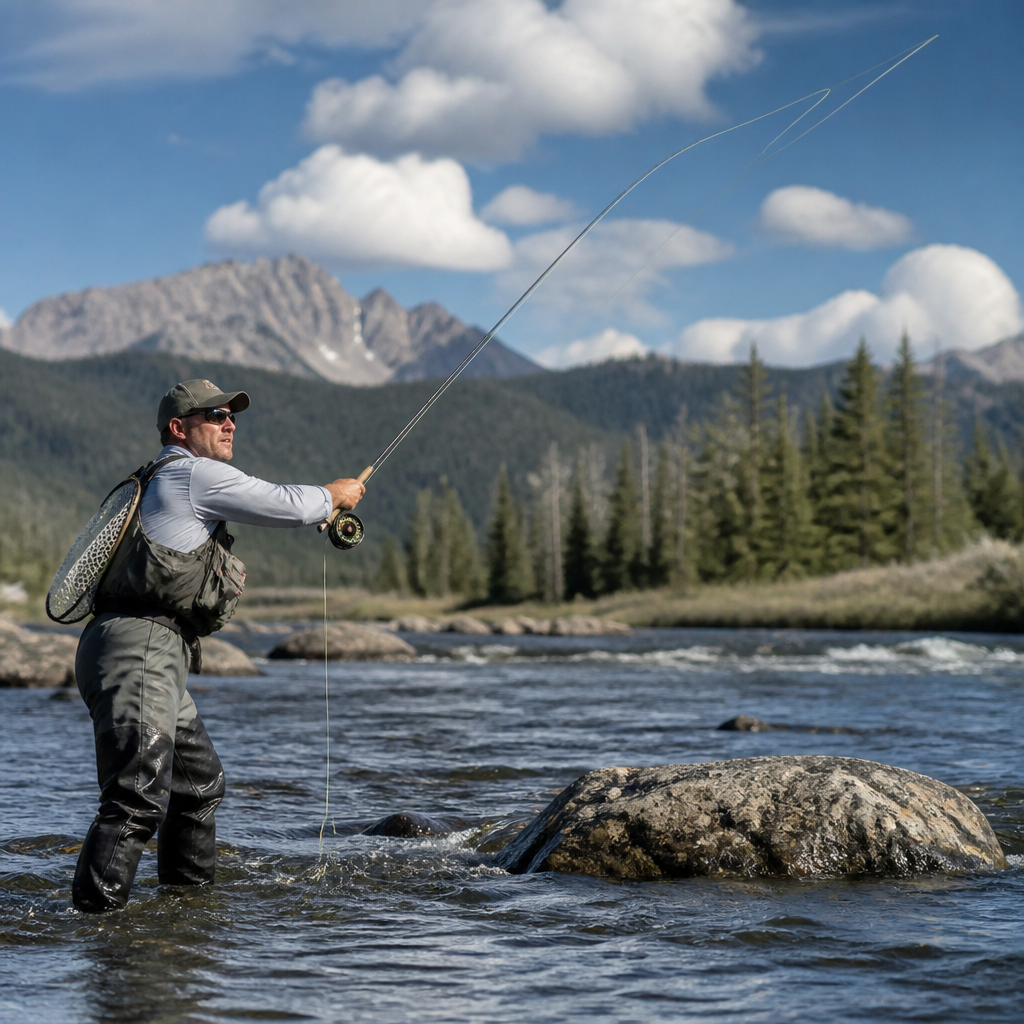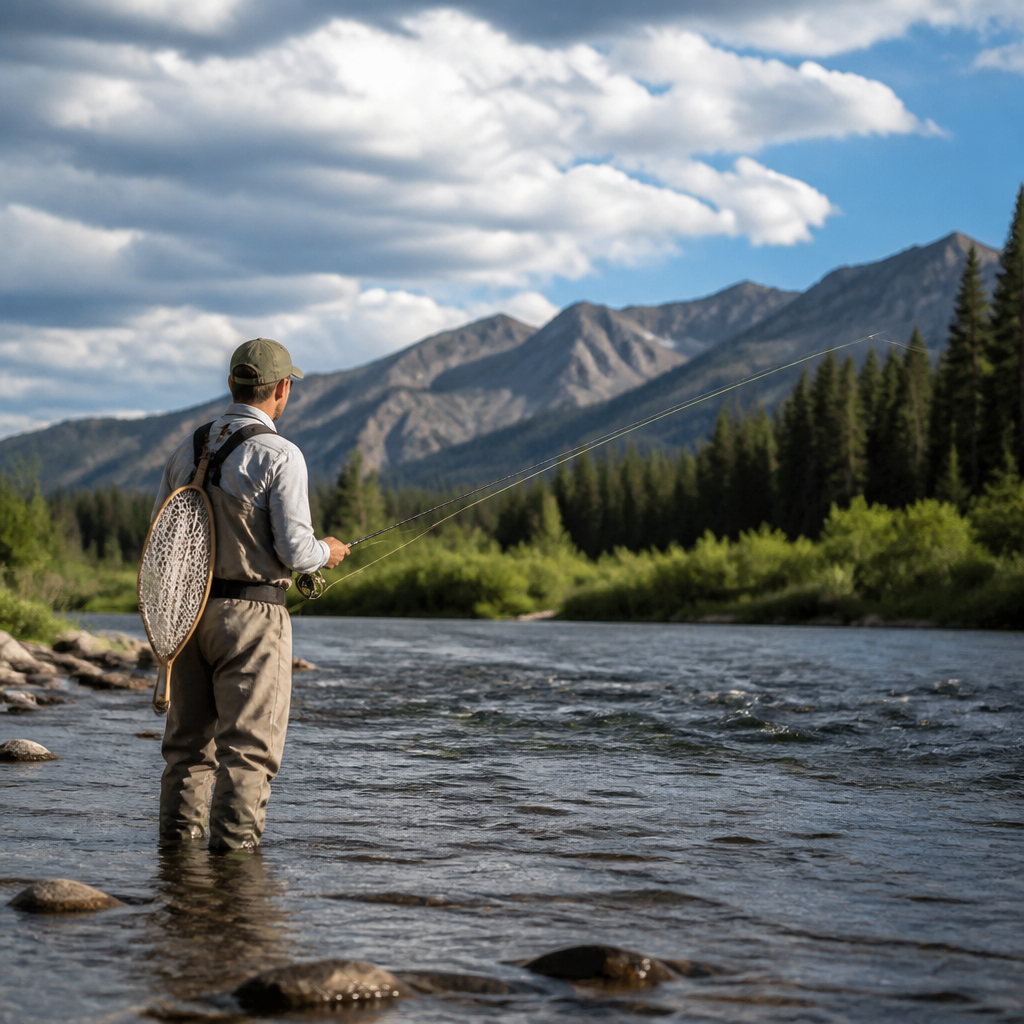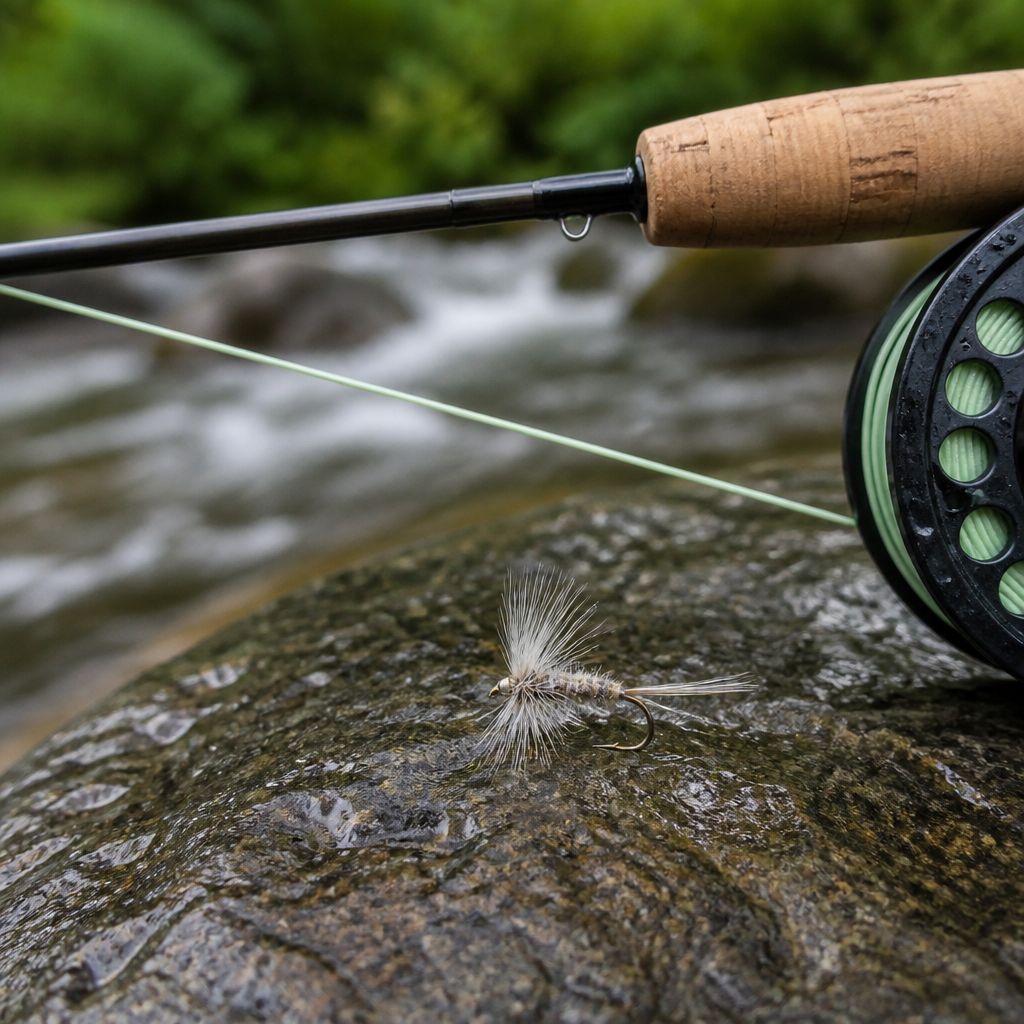
Dry fly fishing with emerger patterns sits at the most technical and rewarding edge of trout fishing because it targets the brief moment when an aquatic insect rises from the water and becomes vulnerable. In practical terms, dry fly fishing means presenting a floating artificial fly to a fish feeding at or near the surface. An emerger pattern imitates an insect during transition, usually as it struggles in the surface film before fully hatching. That distinction matters. Trout often ignore fully formed duns while keying hard on half-emerged mayflies, caddis pupae trapped in the film, or midges suspended just under the meniscus. If you understand that feeding window, your catch rate on selective fish rises sharply.
I learned this the hard way on heavily pressured spring creeks where textbook dry flies drew refusals. The fish were rising, the hatch was obvious, and yet standard parachutes and high-floating hackled patterns failed. Only after switching to low-riding emergers with sparse shucks and CDC wings did those fish commit. That experience mirrors what many experienced anglers eventually discover: surface feeding is not always about visible adult insects. More often, it is about vulnerability. Emergers are easy prey because they cannot escape quickly, and trout know it.
As a hub topic within dry fly fishing, emerger strategy connects hatch matching, presentation, leader design, rise-form interpretation, and fly selection. It also bridges classic dry fly methods with nymphing logic, because emergers can be fished in, on, or just beneath the surface film. Key terms help frame the subject. The surface film is the tension layer at the water-air boundary. A cripple is an insect that failed to hatch cleanly and remains stuck. CDC, short for cul de canard, is a buoyant feather commonly used for lifelike emerger wings. Understanding these fundamentals gives structure to every decision you make on the water.
This matters because dry fly fishing is often presented too simply: find rising fish, match the hatch, cast upstream. That advice works sometimes, but selective trout demand finer reading. You need to identify whether fish are eating adults, cripples, emergers, or spent insects; position the fly at the right depth; and control drag over short feeding lanes. Emerger patterns are central to that puzzle. They offer a realistic profile, suggest motionless vulnerability, and solve the common problem of trout refusing fully floating dries. If you want a complete foundation in dry fly fishing, understanding emergers is not a side topic. It is the core skill that explains why surface-feeding trout eat when they do.
Why Trout Prefer Emergers During a Hatch
Trout prefer emergers because they provide the highest calorie return for the least effort. During emergence, insects accumulate in feeding lanes, drift slowly, and struggle in the film. A mayfly dun on the surface can take off quickly after its wings dry, but an emerger is trapped in transition. Caddis are similar. An ascending pupa may be intercepted before it skates away. Midges can gather in enormous numbers, and fish often sip them just below the surface rather than slash at adults. This is why a river can appear covered in adult insects while trout continue feeding subsurface or in the film.
Rise forms offer direct clues. A clean nose-and-tail rise often suggests a fish taking emergers or cripples in the film. A splashy rise can indicate caddis adults or more aggressive feeding, though not always. Bulging just under the surface usually points to ascending insects. In my own fishing, I treat rise forms as evidence, not certainty. I watch several feeding cycles before tying on a fly. If the fish barely dimples and leaves no obvious snout, I start with a low-riding emerger. If noses are clearly poking through and naturals are drifting intact, I may move toward an adult pattern. Observation saves hours of guesswork.
Water type also shapes trout preference. On spring creeks and tailwaters, fish see thousands of flies and become highly selective, making emergers essential. On freestone rivers, faster water may reduce inspection time, yet emergers still excel in slick seams, eddies, and foam lines where insects gather. Lakes and stillwaters add another layer, especially during chironomid and callibaetis hatches, when fish cruise just under the surface. Across all these environments, the common denominator is simple: trout feed most confidently on insects that are concentrated, exposed, and unable to escape.
Choosing the Right Emerger Pattern for the Hatch
The best emerger pattern matches three things before it matches exact color: stage, silhouette, and behavior. Stage means where the natural insect is in its transformation. Silhouette means the outline visible from below. Behavior means whether the insect drifts, wiggles, hangs, or skates. For mayflies, proven emerger families include Sparkle Duns, RS2s, Comparaduns tied low, Klinkhamers, Loop Wing Emergers, and CDC Transitional Duns. Sparkle Duns are especially effective because the trailing shuck signals an insect still escaping its nymphal case. RS2s cover tiny blue-winged olives and midges with unusual consistency, especially on technical tailwaters.
Caddis emergers require a different mindset. An Elk Hair Caddis is an adult imitation, but during the emergence window fish often respond better to soft-hackle emergers, CDC caddis pupae, or a Klinkhamer-style pattern with the abdomen hanging below the film. For midge hatches, Griffith’s Gnats catch fish, yet cluster and emerger patterns often outfish them when trout are sipping spent or trapped insects. On rivers with sulphurs, PMDs, baetis, tricos, or pale evening duns, carrying the same hatch in adult, emerger, cripple, and spinner forms is standard practice, not over-preparation.
Size matters more than many anglers admit. On pressured water, being one hook size too large can cause repeated refusals. Body color also matters, but subtle shades usually beat bright approximations. Olive, gray, cream, tan, rusty brown, and black cover most real situations. Materials affect performance. CDC gives movement and flotation in the film. Zelon and Antron create realistic shucks. Sparse dubbing avoids the bulky look that often turns fish off. In difficult conditions, I favor patterns that sit low enough to suggest vulnerability but still remain visible enough for me to track. If I cannot follow the fly, I cannot manage drift or detect the tiny hesitation that signals a take.
Presentation, Drift, and Leader Setup
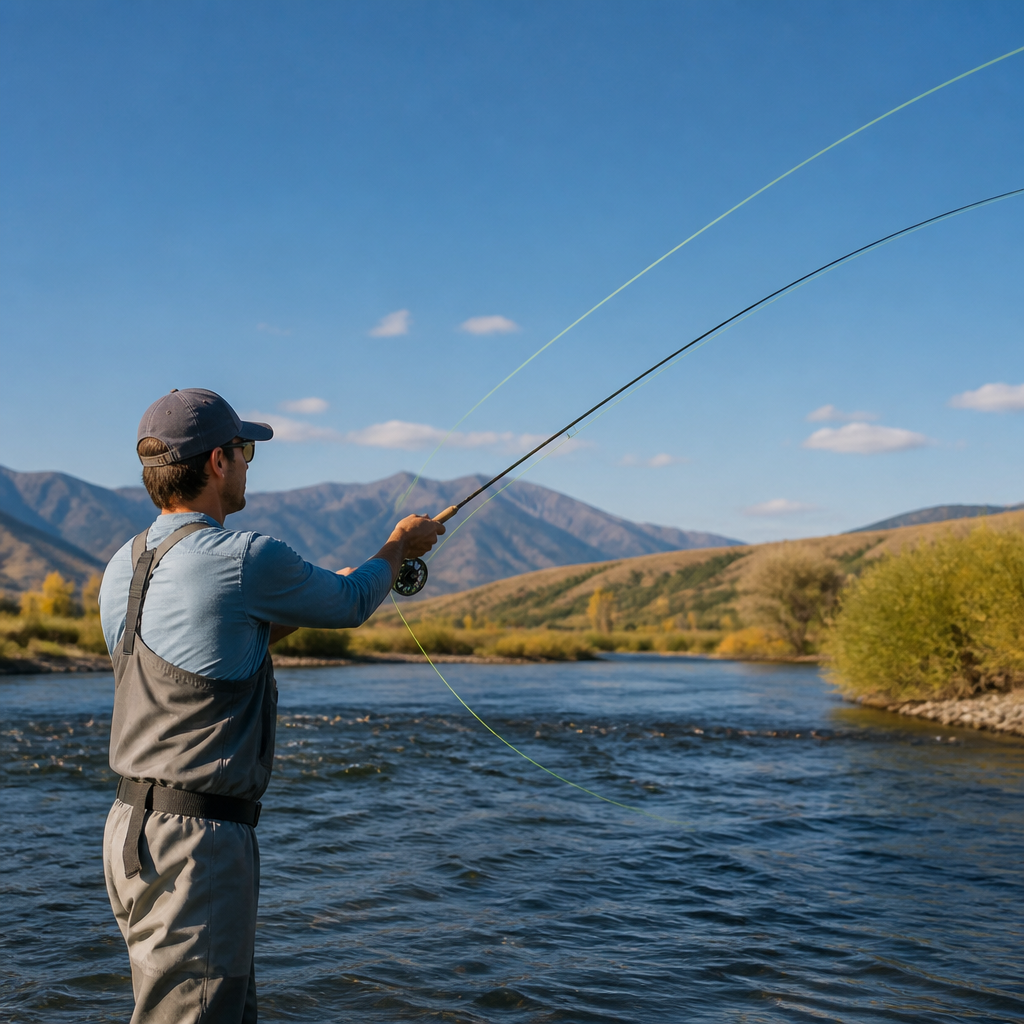
Presentation decides whether a perfect emerger pattern looks alive or fake. The first rule is simple: the fly must drift at the speed of the current carrying the naturals. Any cross-current tension creates drag, and selective trout reject dragged emerger patterns immediately. Upstream or up-and-across casts are the standard starting point because they buy drift time before the line overtakes the fly. Reach casts, parachute casts, pile casts, and slack-line deliveries are not advanced decoration; they are practical tools for placing slack where currents differ.
Leader design supports that drift. For most river dry fly fishing, I use leaders from 9 to 14 feet depending on water clarity, fish pressure, and fly size. Long, fine tippets improve natural presentation, especially with small emergers in slick water. Common tippet sizes range from 3X for larger caddis to 6X or 7X for tiny baetis and tricos. Fluorocarbon sinks and can work for film or just-under-the-film presentations, but nylon usually suits true dry fly work because it floats better and lands lighter. Greasing only the butt and midsections while leaving the final tippet ungreased can help an emerger ride correctly.
Position matters as much as tackle. Whenever possible, approach from downstream and stay low. Trout looking up through the surface window detect movement easily, particularly in flat water. Casting distance should be only as long as necessary. Many anglers stand too far away, add false casts, and lose control. I would rather make a 25-foot accurate cast with a controlled drift than a 45-foot heroic one with instant drag.
| Situation | Recommended setup | Why it works |
|---|---|---|
| Spring creek, tiny baetis | 12-14 ft leader, 6X-7X, RS2 or CDC emerger | Long leader and fine tippet reduce drag and visible disturbance |
| Freestone riffle, PMD hatch | 9-12 ft leader, 5X-6X, Sparkle Dun | Enough delicacy for the film with better turnover in broken water |
| Evening caddis hatch | 9 ft leader, 4X-5X, caddis pupa emerger or Klinkhamer | Stronger tippet helps with aggressive takes and bigger flies |
| Flat tailwater, trico spinner fall | 12-15 ft leader, 6X-7X, cripple or spinner emerger | Maximum stealth for educated fish feeding in narrow lanes |
Mending should be minimal and early. The best mend is often the one built into the cast. Once the fly is near a feeding trout, line movement can spook fish or pull the emerger unnaturally. Watch the fish, not only the fly. Many takes on emergers are subtle. The rise simply stops where the fly should be. Set with a controlled lift, not a hard strike, especially on fine tippet.
Reading Hatches, Water, and Fish Behavior
Successful dry fly fishing depends on reading the whole system, not just matching an insect. Start with the hatch clock. Many blue-winged olive emergences occur during cool, cloudy, low-pressure conditions. PMDs often build through late morning into afternoon. Sulphurs can create narrow feeding windows that repeat at similar times over several days. Caddis often intensify in evening, and spinner falls can happen just before dark or at first light depending on species. When you know the likely timing, you arrive prepared instead of reacting late.
Then read where insects and trout intersect. Seams, foam lines, tailouts, spring creek bends, and the soft edges below riffles are classic emerger lanes because drifting insects collect there. Back eddies can trap cripples and spent insects. Slick tailouts are difficult but productive because fish have clear feeding lanes. In rough water, trout can be less selective, yet they still choose spots where food funnels predictably. A broad riffle may hold fish everywhere, but the best rises usually appear where current speed changes create concentration.
Entomology helps keep decisions grounded. Mayflies emerge through the surface and often pause while their wings expand, making them ideal emerger targets. Caddis pupae swim actively upward, so a slight twitch can sometimes help, especially late in the drift. Midges are tiny but abundant, which is why fish can become maddeningly selective to size and profile. Terrestrials matter too; on windy days fish may ignore a weak hatch and switch to ants or beetles. The skilled angler keeps one eye on the hatch and another on what trout are actually taking.
Common Mistakes and How to Fix Them
The most common mistake is fishing too high in the water column. Anglers see rises and assume adult dry fly, when the fish are actually intercepting emergers an inch under the film. A simple fix is to rotate through a floating adult, a film-riding emerger, and a slightly submerged pattern before changing locations. Another frequent error is over-false-casting. It creates flash, micro-drag, and poor timing. Build the cast, deliver once, and let the leader work.
Poor fly maintenance also costs fish. CDC patterns should not be drowned in paste floatant. Use desiccant powder or specialized CDC products, then dry the fly thoroughly. Hackled dry flies can take gel floatant, but too much on an emerger destroys the half-in, half-out posture that makes it convincing. Refusal management is another overlooked skill. If a trout inspects and turns away, change one variable at a time: first size, then silhouette, then stage. Randomly changing color, tippet, and pattern all at once teaches you nothing.
Finally, many anglers stay with a surface pattern after the hatch shifts. Trout behavior changes fast. The strongest rise can fade into spinner feeding or subsurface takes within minutes. Good dry fly fishing is adaptive. Keep notes on timing, weather, water temperature, insect size, and successful patterns. Over a season, those records become more useful than any generic advice because they reflect your home water and your own observation.
Dry fly fishing with emerger patterns is the hub skill that makes the rest of surface fishing more consistent. It explains why trout refuse perfect-looking adults, why some rises seem impossible to match, and why small changes in depth, posture, or drift produce sudden success. When you understand emergence, you stop seeing the hatch as a single event and start seeing multiple feeding opportunities: ascending insects, trapped emergers, cripples, duns, and spinners. That broader view leads to better fly selection and smarter presentation.
The main benefit is precision. Instead of guessing, you can read rise forms, inspect naturals, choose a stage-specific pattern, and deliver it with leader and slack matched to the water. On spring creeks, freestones, tailwaters, and lakes, the principles hold: vulnerable insects draw confident eats, drag ruins good drifts, and observation beats habit. If you are building a complete foundation in dry fly fishing, emergers deserve as much attention as classic adult patterns.
Use this article as your starting hub for dry fly fishing strategy, then apply it on the water with deliberate practice. Carry a focused box of mayfly, caddis, and midge emergers, watch the first twenty rises before you cast, and adjust one variable at a time. The next time trout are feeding all around you but ignoring standard dries, tie on an emerger and fish the film with intent.
Frequently Asked Questions
What is dry fly fishing with emerger patterns, and why is it so effective for trout?
Dry fly fishing with emerger patterns is the practice of presenting a floating or partially suspended artificial fly that imitates an aquatic insect in the brief stage between rising from the water and fully hatching. This is one of the most important feeding windows in trout fishing because insects are extremely vulnerable in the surface film. They are not yet airborne, they often cannot escape quickly, and they are easy for trout to intercept with very little effort. That combination makes emergers a high-value food source.
What separates emerger fishing from standard dry fly fishing is the level at which the imitation rides. A classic dry fly generally suggests a fully emerged adult sitting neatly on top of the surface. An emerger, by contrast, often sits lower, with part of the fly in or just under the film and part of it visible above. That profile matches what trout frequently see during a hatch: insects trapped, struggling, or only partly free of their shucks. In many situations, trout will refuse high-floating adult patterns while confidently taking emergers because the latter look more natural and easier to capture.
It is especially effective during selective feeding. When trout are rising steadily but not explosively, or when you see subtle sips rather than splashy takes, they are often keyed on emergers. The fish may be feeding just beneath the surface, inspecting individual insects, and rejecting anything that sits too high or drifts unnaturally. An emerger pattern solves that problem by offering a more realistic silhouette, a vulnerable posture, and a quieter footprint on the water. For many anglers, learning to fish emerger patterns well is the step that turns confusing hatch situations into consistent success.
How can I tell when trout are feeding on emergers instead of fully hatched dry flies?
The best clue is the character of the rise form. Trout eating fully emerged adults often break the surface more confidently, sometimes showing the head or even taking with an audible sip. Trout feeding on emergers tend to rise more subtly. You may see only a small dimple, a bulge under the surface, a nose barely touching the film, or a soft swirl with very little disturbance. Those understated rises usually indicate fish feeding in or just below the surface rather than on insects floating high and dry.
Another important sign is the insect activity itself. If you can see duns lifting off but trout are ignoring your standard dry flies, look closer at the water. You may notice insects trapped in the film, partially emerged bodies, trailing shucks, or nymphs ascending just below the surface. During a hatch, not every insect pops free instantly. Many struggle, pause, or fail altogether, and trout learn to focus on that stage because it is easier and more reliable than chasing adults that can fly away at any moment.
Refusals also tell a story. If trout inspect and reject your dry fly repeatedly, especially during a strong hatch, your pattern may be riding too high, drifting unnaturally, or suggesting the wrong life stage. Switching to an emerger often fixes that. Watch for fish holding just beneath the film, steady feeding lanes, and rises that look controlled rather than aggressive. In technical spring creeks, tailwaters, and slow pools, these details matter a great deal. The more carefully you observe rise forms, insect behavior, and refusals, the faster you will recognize when an emerger is the right answer.
What are the most important features of a good emerger pattern?
A good emerger pattern captures vulnerability more than perfection. It should suggest an insect caught in transition, not a crisp, fully formed adult. One of the most important features is how the fly rides in the water. Effective emergers usually sit low, with the abdomen or body in the film and a visible wing, post, thorax, or tuft that helps both realism and angler visibility. That half-in, half-out profile is often what triggers takes, because it closely matches the real insect’s position during emergence.
Material choice matters as well. Soft hackle, CDC, sparse dubbing, antron shucks, and fine synthetic or natural wing materials all help create movement and translucency. Emergers should not look overly bulky or stiff. Real insects at this stage often appear delicate, slim, and somewhat messy. A trailing shuck can be especially effective because it suggests an insect that has not fully escaped, and trout frequently key on that exact cue. In flat water, sparse patterns are often better than heavily dressed flies because selective trout inspect details.
Match also matters, though not always in the way anglers assume. Size and silhouette are usually more important than exact color. If the naturals are size 18 pale mayflies, a size 14 dark emerger will likely fail no matter how well it is presented. But if your fly matches the insect family, approximate color tone, and especially the stage of emergence, you are in good shape. Patterns such as CDC emergers, comparaduns fished low, RS2-style emergers, Klinkhåmer variants, and sparkle dun styles all have a place depending on current speed and trout behavior. The right emerger is one that matches the hatch, lands softly, rides naturally, and looks trapped rather than triumphant.
How should I present emerger patterns for the most natural drift?
Presentation is everything with emerger fishing. Because trout often inspect these flies closely, drag-free drift is critical. Start by positioning yourself for the cleanest possible drift through the trout’s feeding lane. That usually means casting from slightly upstream or across-and-up, depending on current seams and visibility. The goal is to let the fly arrive before the leader and line create disturbance. Long, fine leaders and appropriate tippet help the pattern land softly and behave naturally in the film.
Mending and slack management are especially important. In mixed currents, a dead drift that looks perfect at the start can become unnatural after only a few feet. Reach casts, parachute casts, and subtle aerial mends can buy precious seconds of clean drift. Since emergers often ride low, even slight drag can make them skate or wake in a way that trout instantly reject. In smooth water, this is unforgiving. In broken water, you may get away with more, but the principle remains the same: the fly should drift as if it is at the mercy of the current.
There are also times when a touch of movement helps. During some caddis emergences, for example, a slight lift at the end of the drift or a very gentle swing can imitate an ascending insect and trigger takes. But this should be intentional and species-specific, not accidental drag. Hook sets should be measured rather than violent, since fish often sip emergers delicately. Raise the rod smoothly when the rise occurs or when the fly disappears. Overall, the best emerger presentation combines soft delivery, low-drag drift, accurate placement, and an understanding of how the natural insect behaves in that specific hatch.
When should I choose an emerger over a standard dry fly, and what common mistakes should I avoid?
You should reach for an emerger whenever trout appear focused but your standard dry fly is being ignored, during the early and middle phases of a hatch, or anytime rise forms suggest fish are feeding in the film rather than on top. Emergers are often the better choice in difficult conditions: slow slicks, spring creeks, pressured tailwaters, cool overcast days with prolonged hatches, and situations where insects are struggling to escape. They are also a strong option before you actually see adults on the water, since trout frequently begin feeding on ascending nymphs and emergers before the hatch becomes obvious to the angler.
One of the most common mistakes is fishing too high-riding a pattern when trout want something lower and subtler. Another is using emergers that are too large, too dense, or too visible from the angler’s perspective rather than the fish’s. Visibility matters, but not at the expense of realism. Anglers also often strike too hard on delicate takes, pulling the fly away from fish that are sipping quietly. In technical water, overworking the drift with unnecessary mends can be just as damaging as no mending at all.
A final mistake is failing to observe before changing flies repeatedly. If you take a moment to study rise forms, inspect naturals, and notice where in the water column trout are feeding, your fly choice becomes much more logical. Choose an emerger when trout are feeding selectively, when adults are present but not being taken confidently, or when the hatch seems active yet your surface pattern gets refusals. Fish it with patience and precision. In many of the hardest trout situations, the difference between being refused all afternoon and hooking fish consistently comes down to understanding that trout often prefer the unfinished insect to the finished one.