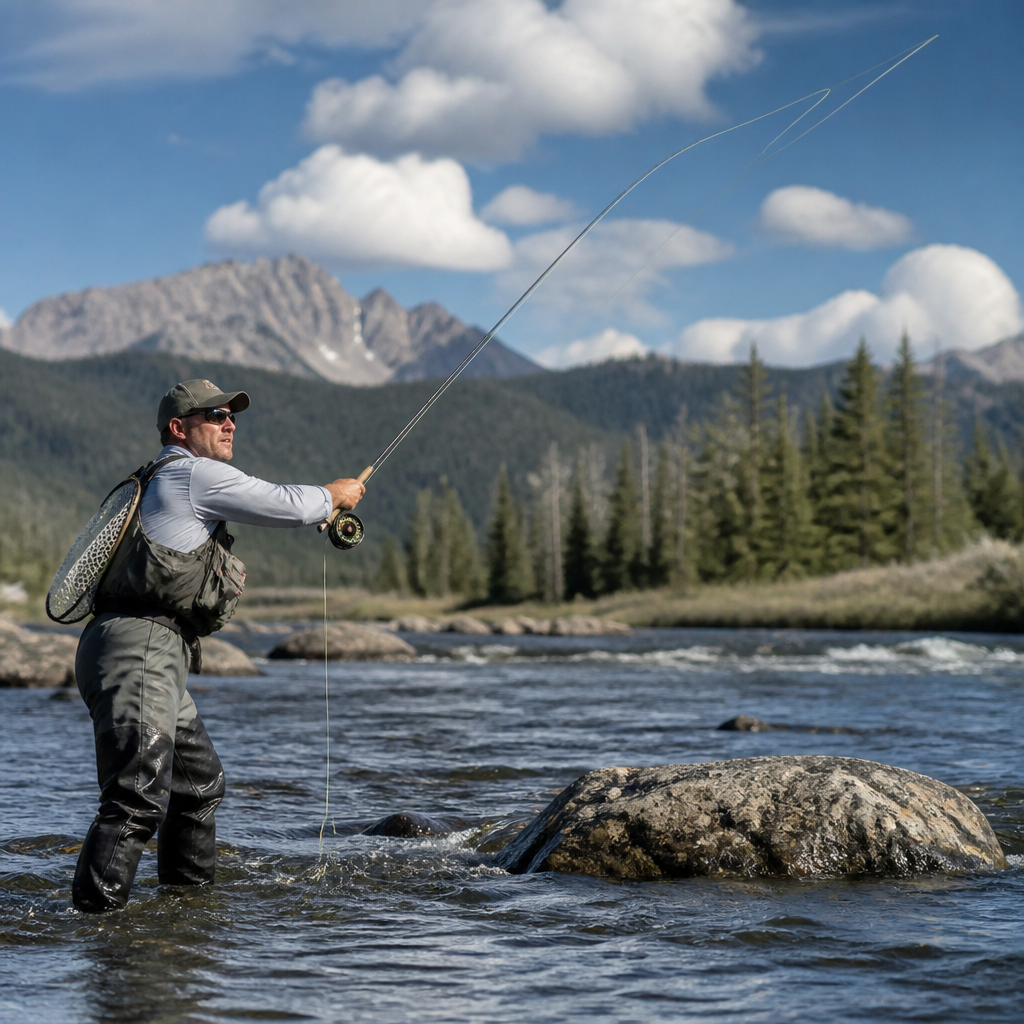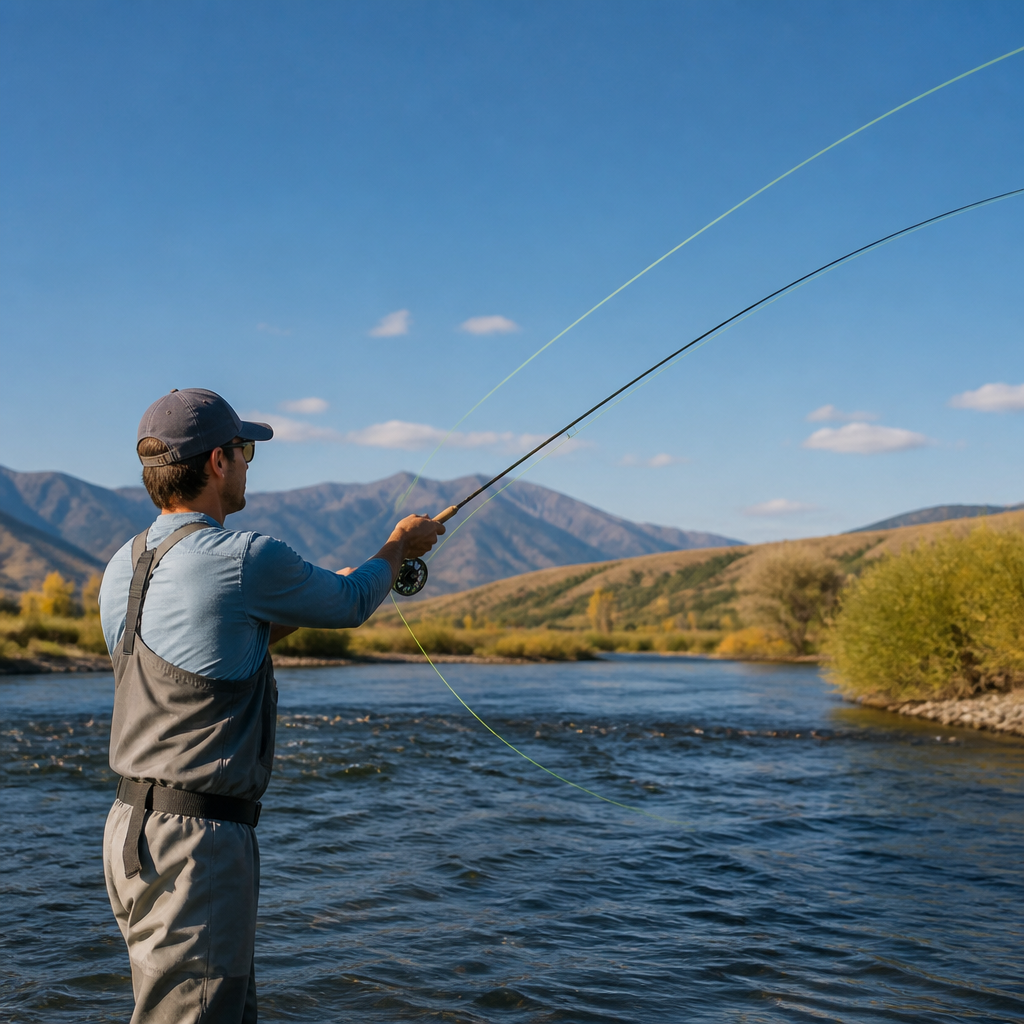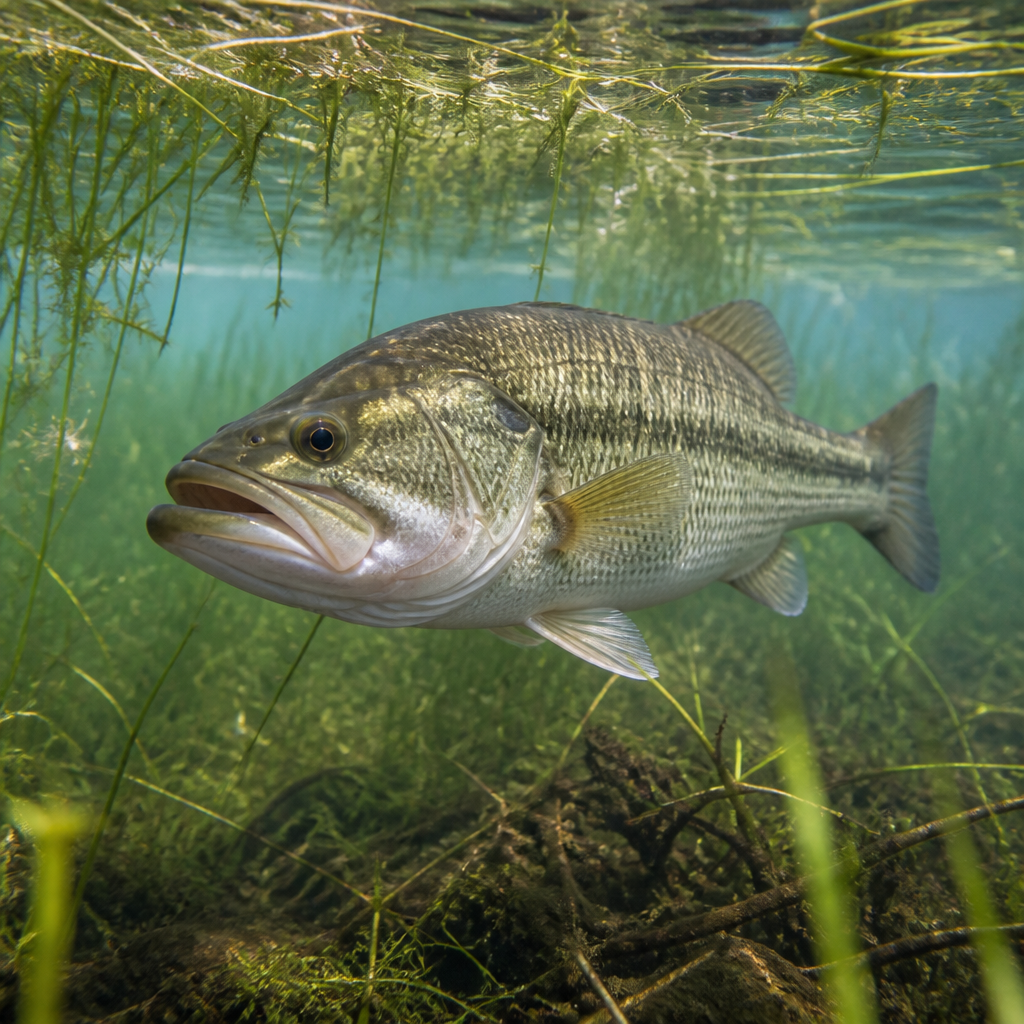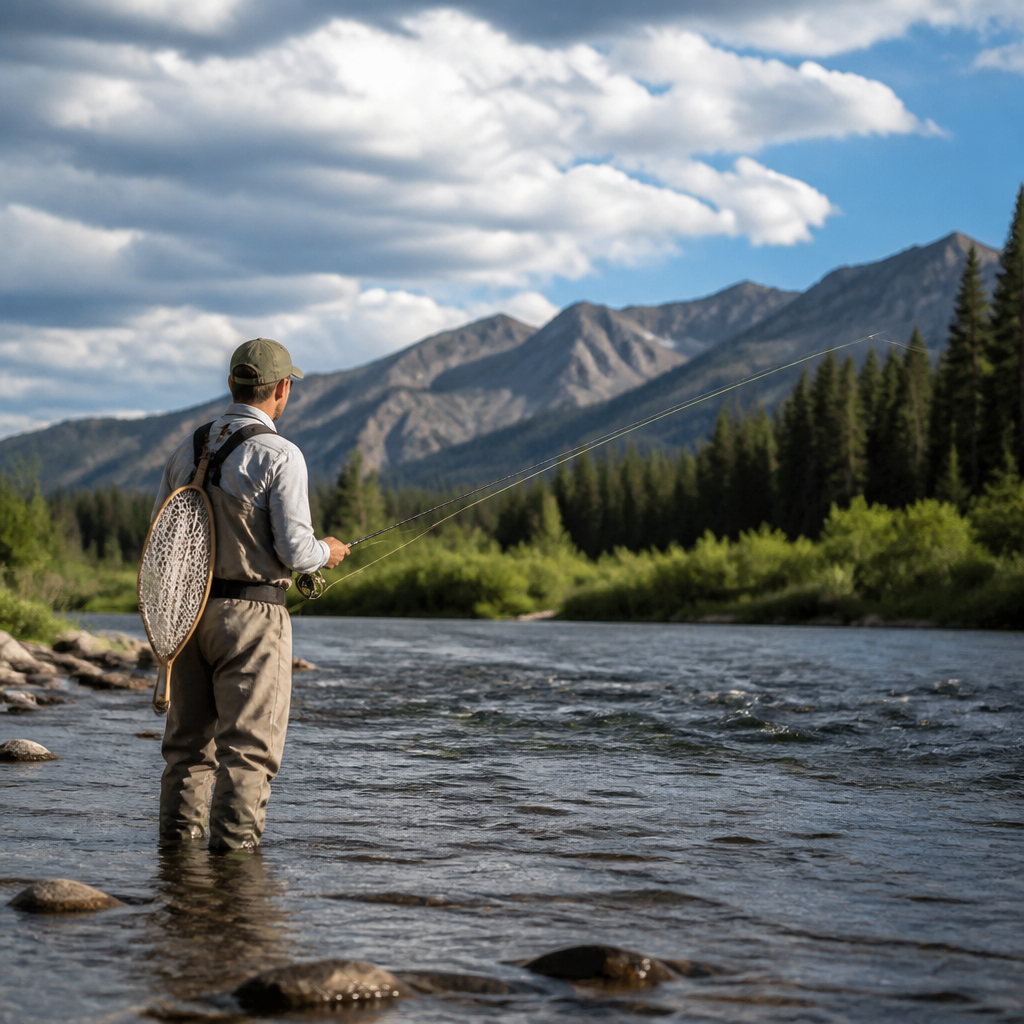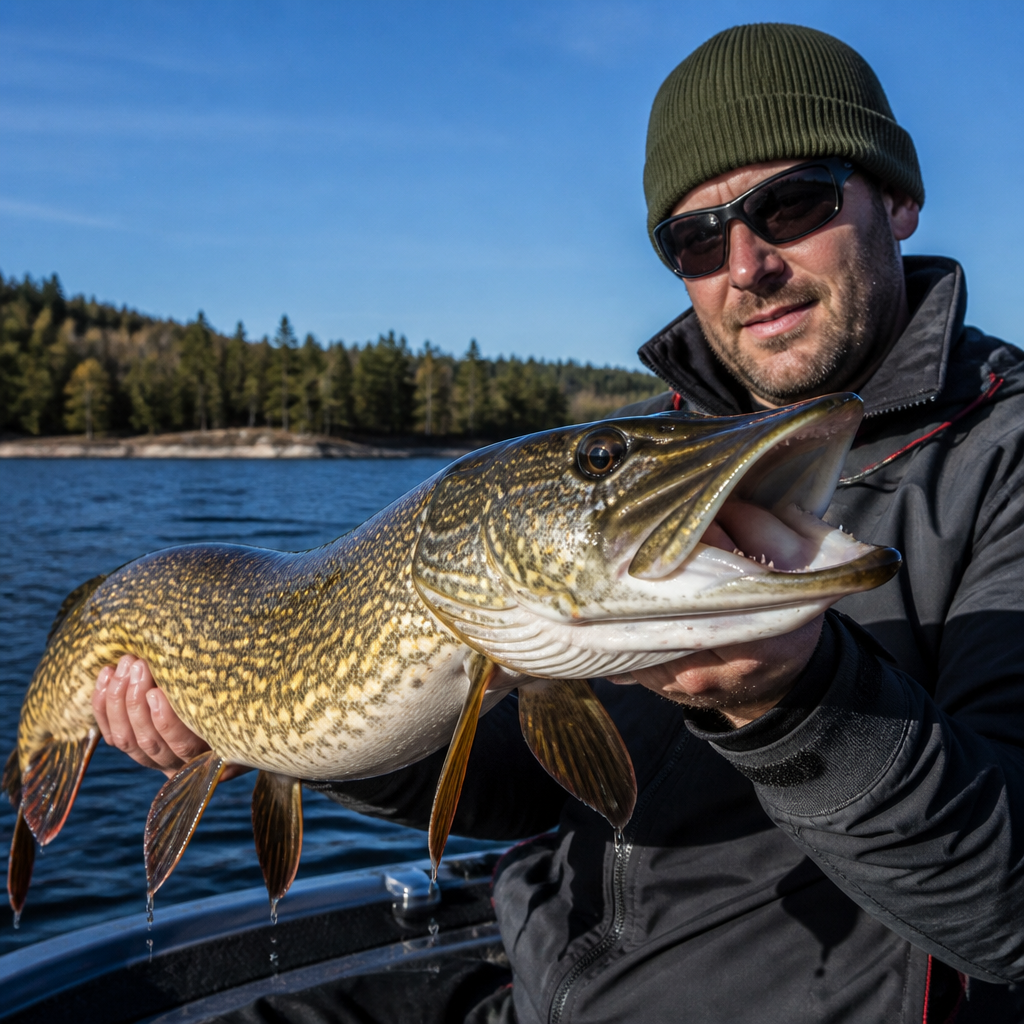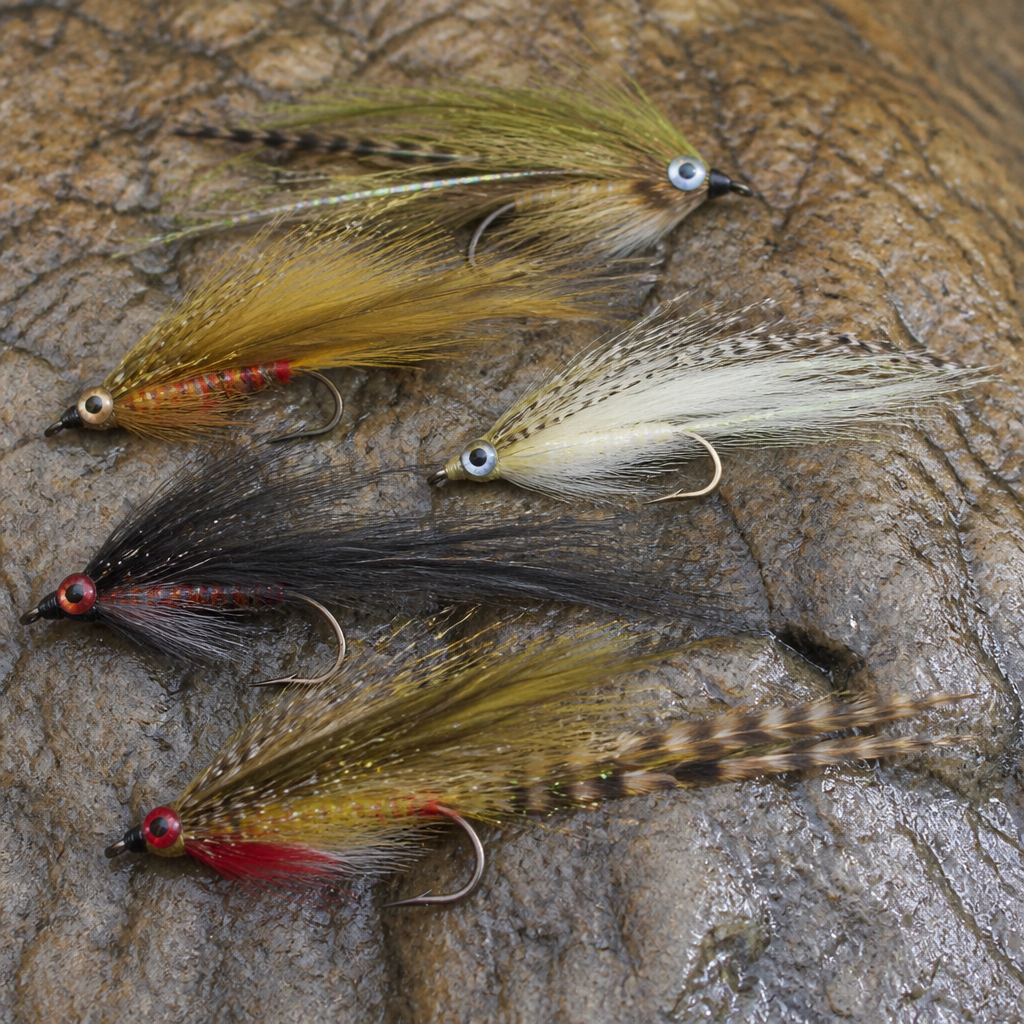
Streamer patterns are the workhorses of predatory fly fishing, built to imitate baitfish, leeches, sculpins, crayfish, and other substantial prey that trigger aggressive strikes from trout, bass, pike, and many warmwater species. In practical terms, streamer fishing means presenting larger flies with motion, depth, and silhouette in ways that suggest a fleeing or vulnerable meal. That makes pattern choice more than a matter of color preference. Size, profile, sink rate, material movement, and hook design all influence whether a fish notices the fly, follows it, or commits. As a hub topic within techniques and strategies, essential streamer patterns deserve a complete look because they connect fly design, fish behavior, tackle setup, retrieve style, and seasonal water conditions better than almost any other category in fly fishing.
I rely on streamers whenever fish are keyed on protein rather than insects, when water is off-color, when I need to cover water quickly, or when I am targeting larger fish that will not move far for tiny dries or nymphs. Streamers also solve a common problem many anglers face: they create opportunities when no hatch is visible. Instead of waiting for rising fish, you can actively search banks, ledges, current seams, weed lines, and drop-offs. Understanding the foundational patterns matters because most modern streamer boxes are variations on a few proven families. Once you know what each family imitates and how it behaves in the water, you can choose intelligently rather than buying random flies. That is the difference between carrying a box full of feathers and carrying a system.
What Makes a Streamer Pattern Essential
An essential streamer pattern earns that label because it is versatile, durable, and effective across multiple waters. It should represent a prey type fish routinely eat, cast without excessive frustration, and perform under several retrieve styles. In my experience, the best patterns also create a strong underwater silhouette. Fish often identify prey by shape and movement before they detect fine detail. That is why sparse bucktail baitfish, marabou leeches, and compact sculpin heads continue to outfish more ornate designs in many conditions.
There are five traits I look for when evaluating a core streamer. First is profile: slim baitfish and bulky sculpins do not push water the same way. Second is sink behavior: weighted coneheads, dumbbell eyes, jig hooks, and unweighted ties all put the fly in different parts of the water column. Third is motion: marabou breathes at rest, rabbit strips undulate on the strip, and bucktail holds a cleaner shape in current. Fourth is visibility: contrast often beats exact color matching, especially in stained water. Fifth is hook quality, because streamer eats are usually forceful and often come from larger fish around wood, rock, or weeds.
Core Streamer Families Every Angler Should Know
The easiest way to understand streamer fishing is to group patterns by what they imitate and how they fish. Baitfish streamers include classics like the Clouser Minnow, Deceiver, Lefty’s Hollow Fleye, and Zonker minnow variants. These patterns excel wherever trout, striped bass, smallmouth, largemouth, or saltwater predators feed on minnows, shad, smelt, alewives, anchovies, or juvenile trout. They usually feature elongated profiles and are retrieved with strips, pauses, and directional changes that suggest an injured fish.
Leech and worm-adjacent streamers such as the Woolly Bugger, Balanced Leech, and rabbit leech patterns are foundational because they work in rivers, lakes, and reservoirs. A black or olive Woolly Bugger may be the single most universal streamer ever tied. It can suggest a leech, dragonfly nymph, baitfish, crayfish, or nothing specific at all, which is often an advantage. Sculpin and bottom-hugging patterns, including the Muddler Minnow, Sculpzilla, NearNuff Sculpin, and conehead sculpin designs, matter because many larger trout feed near structure on broad-headed forage that stays close to the substrate.
Crayfish streamers become especially important for smallmouth bass, carp in some systems, and trout that live around rocky banks. Patterns with barred rubber legs, claws, and lead or tungsten eyes ride hook point up and crawl along bottom effectively. Articulated streamers, from modern trout patterns to pike flies, form another major family. By using two hooks or a trailing shank, they create a longer profile with a fluid swimming action. These are often larger, push more water, and provoke territorial or predatory responses from bigger fish. They can be incredibly effective, though they demand stout leaders and more deliberate casting.
Five Essential Patterns and When to Fish Them
For a practical hub, start with five patterns that cover most streamer situations. The Clouser Minnow is indispensable because its dumbbell eyes invert the hook and provide a jigging action. Fish it over grass, along riprap, through estuary channels, and across trout runs where snag resistance matters. White over chartreuse is famous, but olive and white, tan and white, and all black are equally useful. The Deceiver remains a benchmark baitfish fly because its long saddle hackles create a lifelike tail with very little bulk. It shines in rivers with larger forage and in stillwater when fish are chasing smelt or shiners.
The Woolly Bugger belongs in every streamer conversation because it adapts to nearly any species. In sizes 4 through 10 for trout and larger versions for bass, it can be stripped, swung, dead-drifted, or crawled. The Muddler Minnow is essential for two reasons: it can imitate a sculpin on a sink-tip or a waking baitfish on the surface when greased. Finally, an articulated sculpin or baitfish pattern gives you a larger meal profile for hunting trophy trout and aggressive warmwater fish. When I guide newer anglers into streamer fishing, these five patterns consistently teach the core lessons of depth control, silhouette, and retrieve rhythm.
| Pattern | Primary Imitation | Best Water Type | Typical Colors | Key Advantage |
|---|---|---|---|---|
| Clouser Minnow | Minnow or shad | Rivers, lakes, flats | White/chartreuse, olive/white | Hook rides up, strong jigging action |
| Deceiver | Baitfish | Stillwater, rivers, saltwater | White, olive, blue/white | Long natural swimming profile |
| Woolly Bugger | Leech, baitfish, general prey | Everywhere | Black, olive, brown | Extreme versatility |
| Muddler Minnow | Sculpin or fleeing minnow | Freestone rivers | Natural, olive, black | Fishes high or deep depending on setup |
| Articulated Sculpin | Sculpin, large forage fish | Big rivers, lakes | Olive, tan, white | Large profile and lifelike motion |
How Materials Change Performance
Streamer materials are not cosmetic details; they define action and fishability. Bucktail is still one of the most efficient streamer materials ever used because it sheds water, casts well, and keeps a tapered baitfish shape. That matters on windy rivers and long days when heavy synthetic patterns can exhaust an angler. Marabou is almost the opposite. It traps water and pulses dramatically, which makes it outstanding in slower retrieves and cold conditions when fish want more movement with less speed. Rabbit strips provide another signature action, especially in zonker-style flies, but they can twist leaders if tied too long or fished too fast on light tackle.
Synthetic fibers such as Flashabou, EP fibers, SF Blend, and craft-fur variants changed modern streamer design by allowing tiers to build larger profiles with less weight. They are especially useful for articulated baitfish because they maintain shape and translucency. Flash should be controlled rather than excessive. In clear water, a few strands can suggest scales. Too much flash can make a fly look unnatural, particularly on pressured trout streams. Heads and weighting also deserve attention. Coneheads add moderate depth and a swimming centerline. Dumbbell eyes produce a more abrupt jig. Tungsten beads increase sink rate sharply, while spun deer hair heads can push water and stabilize a sculpin profile. Choosing materials deliberately gives each pattern a job.
Matching Patterns to Water Conditions and Fish Behavior
The right streamer pattern depends on what fish can see, where they are holding, and how much energy they are willing to spend. In clear, low water, slimmer and sparser flies usually outperform oversized patterns. Natural olive, white, tan, and grey tend to look convincing without spooking fish. In stained or high water, darker silhouettes such as black, purple, and black-and-olive become easier for fish to track. This is one of the most reliable streamer principles I know: fish do not need perfect color fidelity, but they do need contrast and location.
Season changes matter as well. In winter, slower retrieves with marabou or rabbit patterns often work best because cold fish rarely chase far. During spring runoff, heavy streamers that get down quickly near banks, soft edges, and flooded structure are more productive. In summer, dawn, dusk, shade lines, and undercut banks become prime targets, especially with baitfish patterns. In fall, many predatory fish become notably aggressive. Brown trout, for example, can respond violently to larger articulated streamers during pre-spawn territorial periods. That does not mean every day calls for giant flies. Often a size 6 sculpin presented well beats a six-inch pattern cast poorly.
Presentation, Retrieve, and Line Choice
Streamer patterns only reach their potential when paired with the correct presentation. Depth control is the first priority. If fish are feeding near bottom and your fly tracks two feet too high, the pattern itself hardly matters. Floating lines with weighted streamers work for shallow banks, grass edges, and swinging presentations. Sink-tip lines are the all-around standard for river streamer fishing because they help the fly reach depth while leaving enough floating running line for mending and control. Full sinking lines dominate in lakes, reservoirs, and deep river runs where a consistent depth is crucial.
Retrieve style should match prey behavior. Short erratic strips imitate panicked minnows. Long steady pulls can suggest a cruising baitfish. Pause-heavy retrieves are deadly because many fish eat on the stall. With sculpin patterns, I often use strip-strip-pause or a short crawl near bottom. With leech patterns, a hand-twist retrieve in stillwater can be outstanding. Swinging streamers across current is another essential method, especially with unweighted or lightly weighted flies that broadside naturally. Rod angles, line tension, and strip speed all influence action. A common mistake is retrieving too quickly in cold water or failing to pause after a directional change, when strikes frequently occur.
Building a Streamer Box That Covers Real Situations
A functional streamer box does not need dozens of trendy patterns. It needs range. I recommend carrying baitfish, leech, and sculpin categories in three sizes, at least three visibility levels, and multiple sink behaviors. For trout, that often means sizes 2 through 10. For bass and pike, scale upward as forage dictates. In color, start with white, olive, black, and tan. Add one high-visibility option such as chartreuse or a pattern with a hot spot for dirty water. Then make sure you have unweighted, lightly weighted, and heavily weighted versions.
Durability also matters because streamer fishing is hard on flies. Fish teeth, rocks, and repeated false casts break down heads, collars, and articulated connections. Strong hooks from reputable makers such as Gamakatsu, Ahrex, Tiemco, Mustad, and Firehole are worth the cost. So are well-built shanks, wire connectors, and UV-cured heads on articulated patterns. Keep hooks sharp and retire flies that keel badly or foul repeatedly. If you are organizing a larger system, use this hub as your framework: build sub-boxes for trout streamers, bass streamers, stillwater leeches, and big articulated predators, then refine from local forage and seasonality.
Common Mistakes and Better Decisions
The biggest mistake in streamer fishing is focusing on pattern selection while ignoring depth, angle, and speed. A mediocre pattern presented correctly usually beats a perfect pattern fished in the wrong lane. Another common error is carrying only one streamer style, usually oversized articulated flies. Big flies catch memorable fish, but many days call for moderate patterns that cast easier and stay in the strike zone longer. Color confusion is another trap. Anglers often overcomplicate it when a simple dark, light, and natural progression would solve most situations.
There are also practical tackle mistakes. Leaders that are too long can separate the fly from a sink-tip’s effective depth. Hooks that are too light can open on strong fish. Rods that are underpowered make casting large, wind-resistant flies unnecessarily difficult. In most trout streamer work, six- and seven-weight outfits are efficient tools, not overkill. Finally, do not ignore fish feedback. Short follows, missed strikes, and bumped flies are useful information. Change one variable at a time: size, sink rate, retrieve pause, or angle. Streamer fishing rewards disciplined adjustments more than constant random switching.
Essential streamer patterns give fly anglers a reliable framework for covering water, imitating substantial prey, and targeting larger or more aggressive fish with intent. The key is not memorizing every famous fly ever tied. It is understanding the few major pattern families that solve real problems on the water: baitfish for active predators, leeches for versatile subsurface feeding, sculpins for bottom-oriented fish, crayfish for rocky systems, and articulated patterns for big-profile situations. Once you recognize those roles, selecting flies becomes a tactical decision based on forage, clarity, depth, structure, and season rather than habit or marketing.
If you are building your streamer approach, start with proven standards like the Clouser Minnow, Deceiver, Woolly Bugger, Muddler Minnow, and one articulated sculpin or baitfish. Fish them on appropriate lines, vary retrieve pace deliberately, and pay close attention to where in the water column the fly actually travels. Those habits will improve results faster than filling boxes with untested variations. Use this page as your hub for streamer fishing, then expand into specialized articles on trout streamers, bass streamers, sink-tip tactics, and seasonal retrieves. Tie a few essentials, fish them with purpose, and let the fish tell you what to refine next.
Frequently Asked Questions
What makes a streamer pattern “essential” for fly fishing?
An essential streamer pattern is one that consistently covers the most common predatory feeding situations you will encounter on the water. In practice, that means the fly does more than simply look attractive in a fly box. It should imitate a major food source such as baitfish, leeches, sculpins, crayfish, or juvenile fish, and it should do so with the right combination of profile, movement, and sink behavior. Predatory fish often react to a streamer because it suggests a substantial meal worth chasing, so the most useful patterns are the ones that create a clear silhouette, move naturally when stripped or swung, and remain effective across a range of water types and light conditions.
Patterns become truly essential when they solve practical problems. Some need to get down quickly in deep runs, while others should hover or pulse in slower water. Some excel in clear rivers where a slim, realistic shape matters most, while others are better in stained water where bulk, vibration, and contrast help fish locate the fly. A well-rounded streamer selection usually includes a few broad categories rather than one magic pattern: a baitfish imitation, a sculpin-style bottom-oriented fly, a leech pattern with strong material movement, and often a crayfish imitation for bass and larger trout. The “essential” label comes from reliability, versatility, and the ability to trigger aggressive responses from fish that are looking for protein-rich prey.
Which streamer patterns should every angler carry for trout, bass, and other predatory fish?
A strong core lineup usually starts with a few proven styles rather than dozens of minor variations. For trout, a Woolly Bugger remains one of the most dependable streamer patterns ever designed because it can imitate leeches, baitfish, stonefly nymphs, and general aquatic life depending on color and retrieve. A baitfish-style pattern such as a Clouser Minnow is also indispensable, especially when fish are feeding on minnows or fry and you need a fly that cuts through current and reaches depth quickly. For rivers with sculpins, a broad-headed sculpin imitation is highly effective because it matches one of the most important prey items for larger trout. If you fish for bass, pike, or warmwater species, larger baitfish streamers, deer-hair divers, and crayfish patterns deserve a regular place in your box.
The goal is to carry patterns that vary in profile, weight, and action. Slim streamers excel when fish are keyed in on small forage, while fuller flies push more water and draw attention in low visibility. Weighted flies help in deep pools and fast runs; lightly weighted or unweighted flies often shine in shallow banks, weed edges, and near-surface ambush zones. Color matters, but usually after shape and presentation. White, olive, black, brown, and natural baitfish tones cover most situations well. If you build your selection around a Bugger, a Clouser-type minnow, a sculpin pattern, and a crayfish or leech variation, you will be equipped for a wide range of species and conditions without overcomplicating your streamer box.
How do size, profile, and sink rate affect streamer pattern selection?
These three factors often matter more than the exact pattern name. Size influences both the type of fish you attract and the level of commitment they show. Larger streamers suggest a calorie-rich meal and can trigger aggressive strikes from bigger trout, bass, and pike, but they may also reduce interest when fish are feeding selectively on smaller forage. Smaller streamers are often more versatile in pressured water, colder conditions, or whenever fish seem unwilling to chase a large offering. Choosing size is really about matching the dominant prey and the fish’s willingness to expend energy.
Profile determines how the fly appears in the water and how visible it is from a distance. A slim baitfish pattern suggests minnows or juvenile fish and often works well in clear water where realism matters. A bulky, broad-headed streamer creates a stronger silhouette and can resemble sculpins or larger prey that hug the bottom. Materials also influence profile in motion. Some streamers collapse when stripped and flare when paused, which makes them appear alive. Others maintain a stable shape that tracks cleanly through current. Sink rate is equally important because even the perfect imitation will fail if it does not reach the fish. A heavily weighted streamer helps probe deep runs, steep banks, and fast current seams. A slow-sinking or neutrally buoyant pattern can be better over grass, wood, and shallow flats where too much weight causes constant snagging. The best streamer anglers think in terms of where fish are holding, what prey they expect, and how the fly needs to move through that exact layer of water.
What colors work best for streamer patterns, and how important is color compared with action?
Color matters, but in most cases it comes after depth, profile, and retrieve. Predatory fish are often responding first to the impression of a fleeing or vulnerable meal, so getting the fly into the right zone and moving it convincingly usually has a greater effect than selecting the “perfect” shade. That said, certain colors repeatedly produce because they align with visibility and forage patterns. White is a classic baitfish color and performs especially well in clearer water or whenever fish are feeding on shad, minnows, or other light-bodied prey. Olive is one of the most versatile natural tones because it suggests many baitfish species, sculpins, and juvenile forage. Black creates a strong silhouette and is excellent in low light, stained water, or whenever you want the fly to stand out clearly. Brown, rust, and tan are reliable choices for sculpins, crayfish, and leech-like presentations.
A smart way to think about streamer color is by contrast and confidence. In bright, clear conditions, more natural and subdued tones often look convincing. In dirty water, darker or brighter flies can help fish find the fly faster. Some anglers also carry a few attractor colors such as yellow, chartreuse, or combinations with flash for situations where aggression matters more than exact imitation. Still, action frequently seals the deal. A streamer that pulses, darts, or rises and falls naturally on the strip often outperforms a better-colored fly with poor movement. If you are deciding where to focus your attention, prioritize matching prey size, controlling depth, and varying retrieve speed before obsessing over fine color differences.
How should you fish essential streamer patterns to get more strikes?
The most effective streamer fishing begins with understanding that presentation is inseparable from pattern choice. Even a proven fly will underperform if it is fished at the wrong depth or with the wrong cadence. Start by identifying where predatory fish are likely to ambush prey: under cut banks, along current seams, beside submerged wood, near boulders, over weed beds, or at the tail of pools where bait gets funneled. Then choose a streamer that matches both the forage and the water column. A weighted sculpin pattern can be crawled or hopped near the bottom, while a baitfish imitation may perform best with sharp strips and pauses that mimic a panicked minnow. A leech-style pattern often shines with a slower, more even retrieve that lets the materials breathe and pulse.
Vary retrieve speed and rhythm until fish show a preference. Some days they want fast, erratic strips that trigger a reaction strike. Other times a slower hand-twist, short strips, or a swing across current will keep the fly in the strike zone longer and produce more follows and eats. Depth control is critical, so adjust line type, leader length, fly weight, and casting angle rather than assuming a missed response means the pattern is wrong. Many streamer eats happen on the pause, the drop, or the change in direction, so stay connected and ready to strip-set firmly instead of lifting the rod too soon. Finally, cover water with intention. Streamer fishing is often a search game, and confidence grows when you rotate through likely lies, experiment with angles and retrieves, and let the pattern’s design work the way it was meant to in moving water.