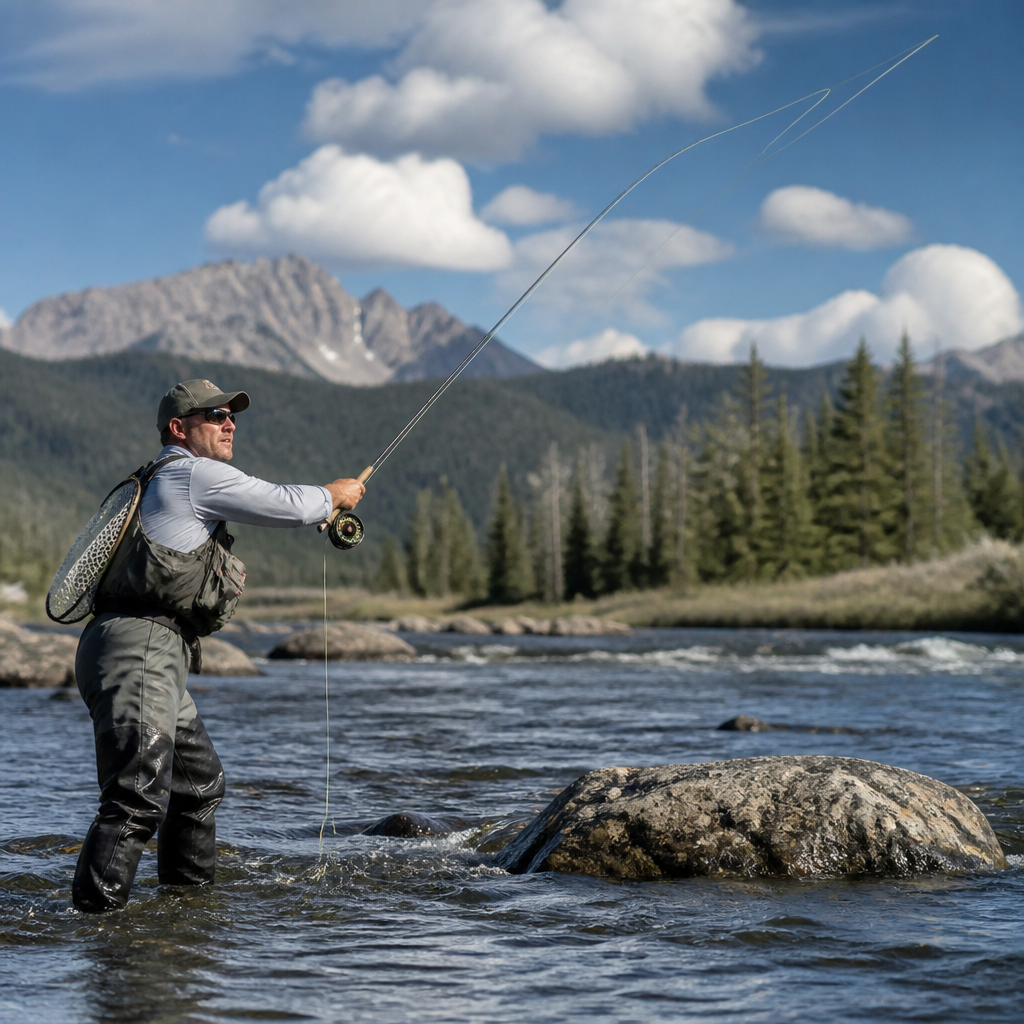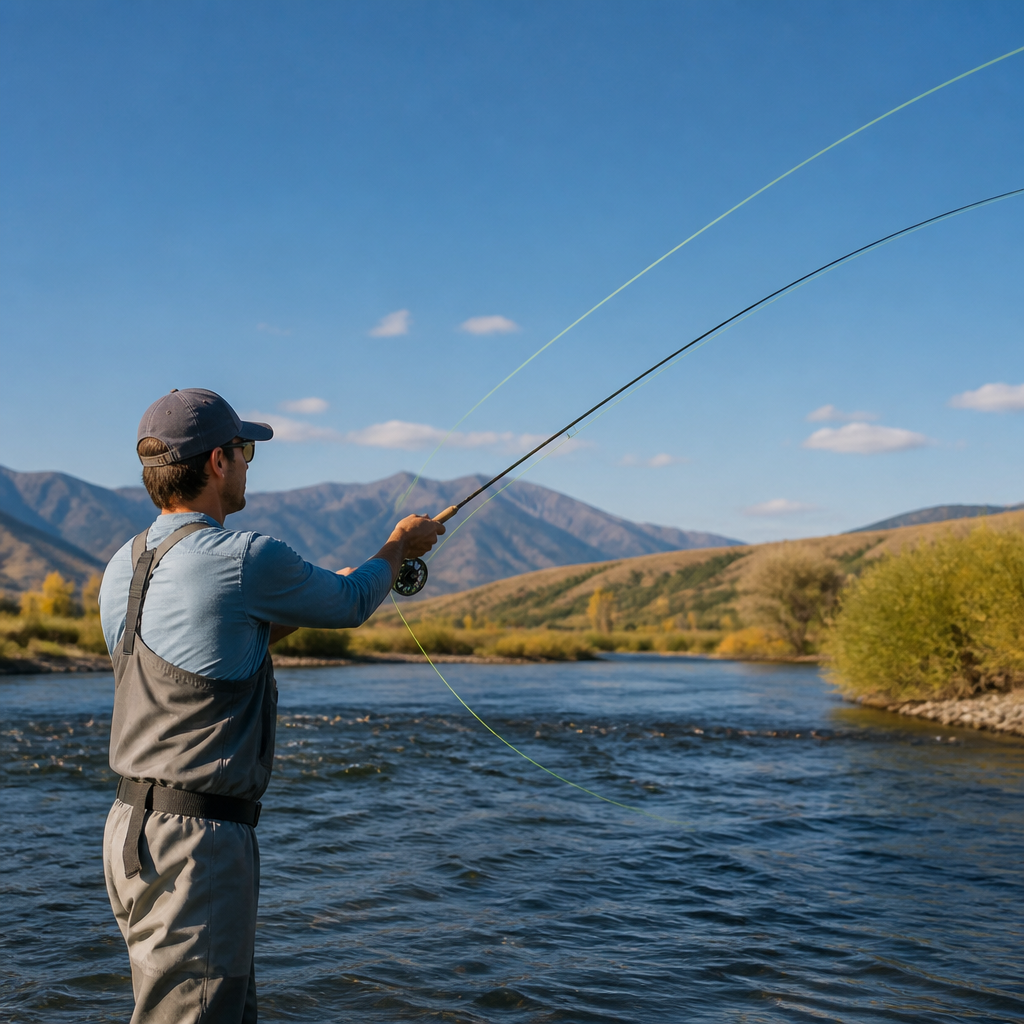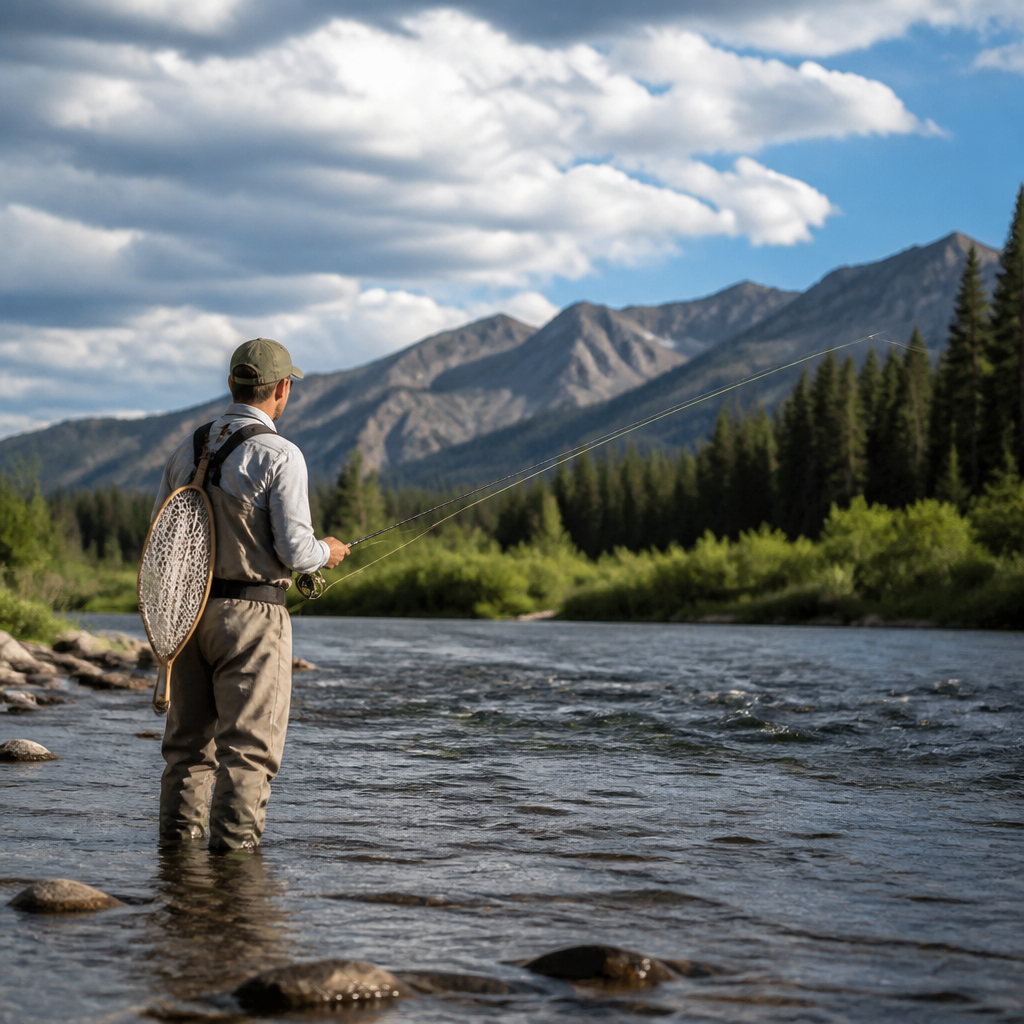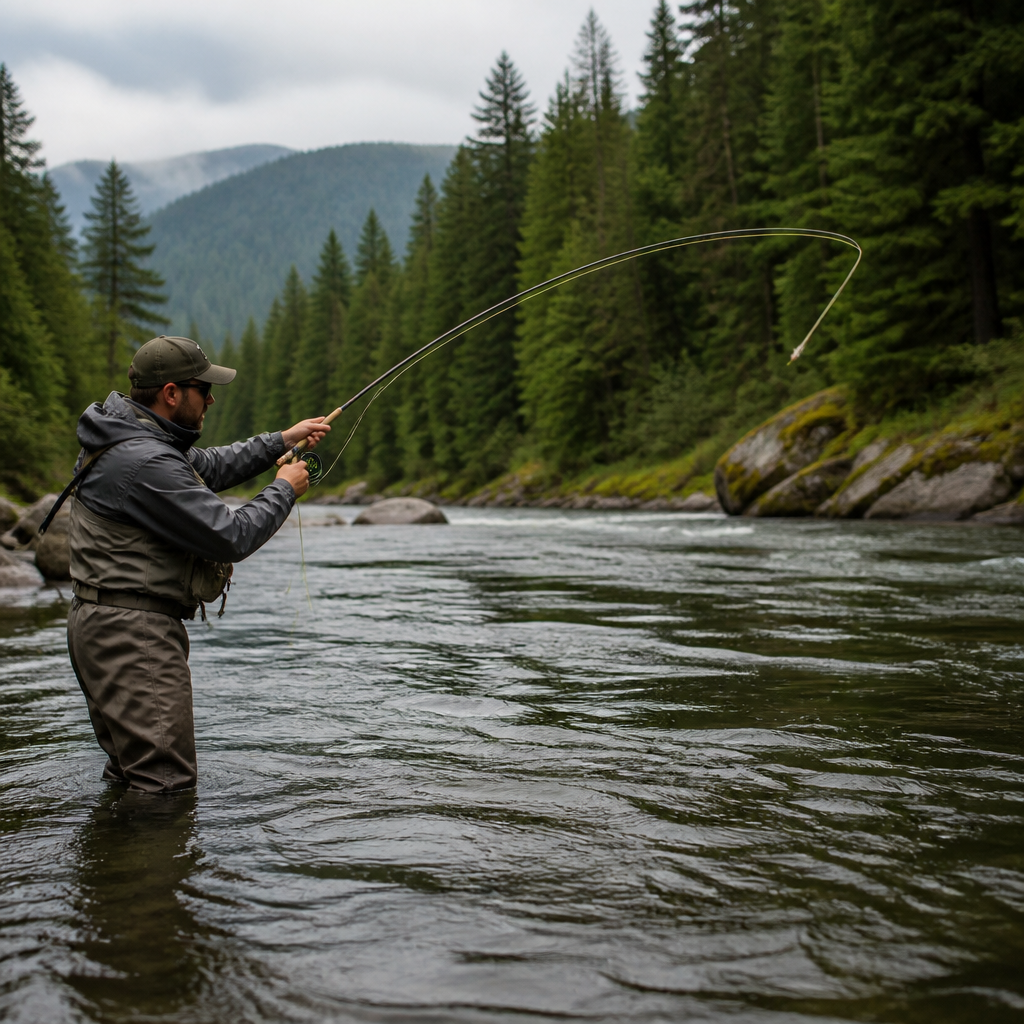
Streamer fishing is one of the most dynamic ways to catch predatory fish on a fly rod, combining deliberate presentation, water reading, and an understanding of how baitfish, leeches, and other larger prey move through current. In simple terms, a streamer is an imitation designed to suggest substantial food rather than tiny aquatic insects, and streamer fishing is the method of casting, swinging, stripping, or dead drifting those flies to trigger aggressive or opportunistic strikes. I have used streamer patterns for trout in freestone rivers, smallmouth bass in warmwater creeks, and migratory fish in tailwaters, and the same lesson repeats everywhere: fish that ignore perfect dry flies will often move several feet to crush a well-presented streamer.
That matters because streamer fishing solves a practical problem many anglers face. Fish do not feed on mayflies all day, water clarity changes by the hour, and larger fish often prefer fewer but more calorie-dense meals. A streamer offers that larger profile. It can imitate a sculpin hugging the bottom, a stunned shad in a reservoir, a juvenile trout washed from a side channel, or a leech pulsing across a weed edge. For anglers who want to cover water, locate active fish, and target above-average size, learning streamer fishing basics opens water that can feel impossible with nymphs or dry flies alone.
The core terms are straightforward. Profile refers to the fly’s shape and silhouette in the water. Action describes how materials move during strips, pauses, or current swings. Sink rate is how quickly the line, leader, and fly system gets down to the strike zone. The strike zone is the depth and location where fish are actually willing to intercept prey. Retrieval means how you move the fly after the cast, whether with short strips, long pulls, a broad downstream swing, or almost no motion at all. Once those terms make sense, streamer fishing becomes less mysterious and far more repeatable.
This hub article covers the fundamentals every angler needs before going deeper into specialized presentations, seasonal strategy, and gear selection. If you are building a foundation in streamer fishing, start here and treat each concept as part of one system: fly choice, line setup, casting angle, depth control, and retrieve all work together. When one part is wrong, the whole presentation weakens. When they align, streamer fishing becomes one of the most efficient and exciting techniques in fly fishing.
What Streamer Fishing Is and When to Use It
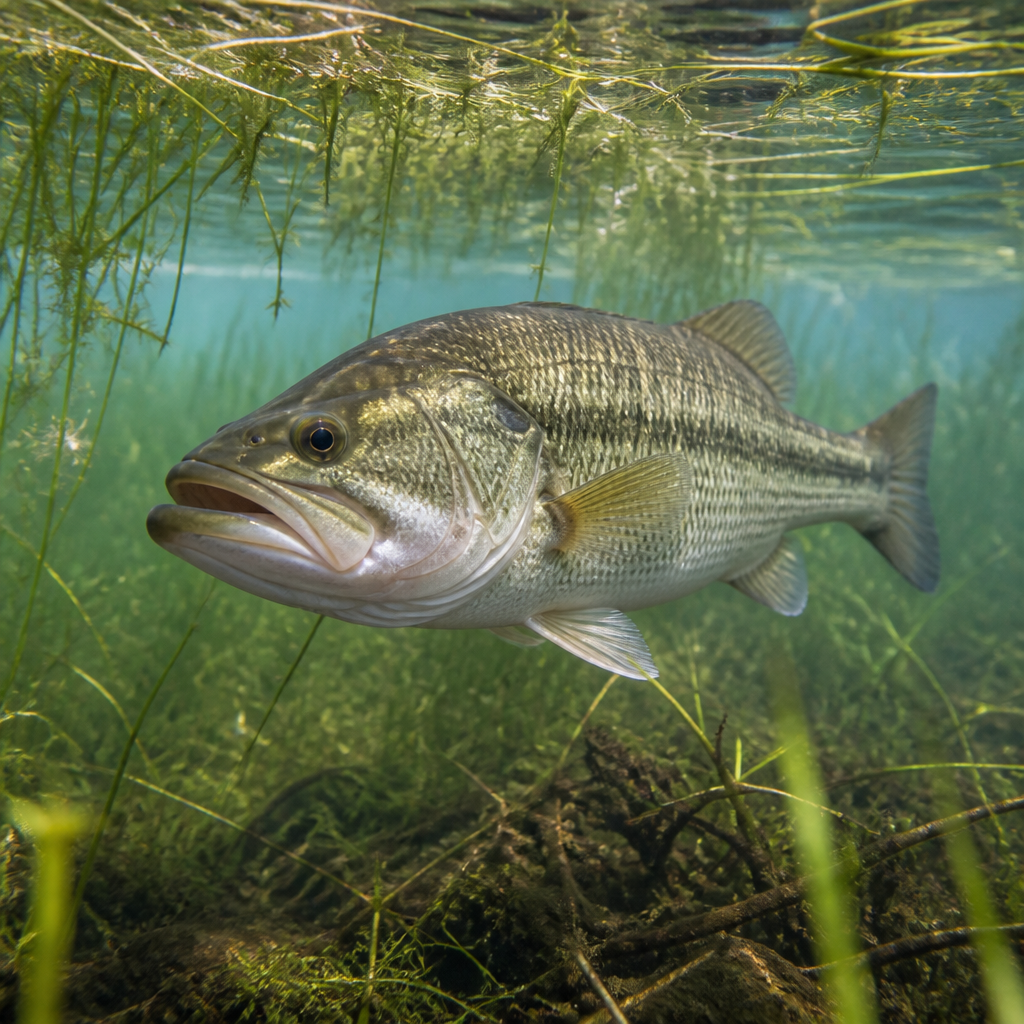
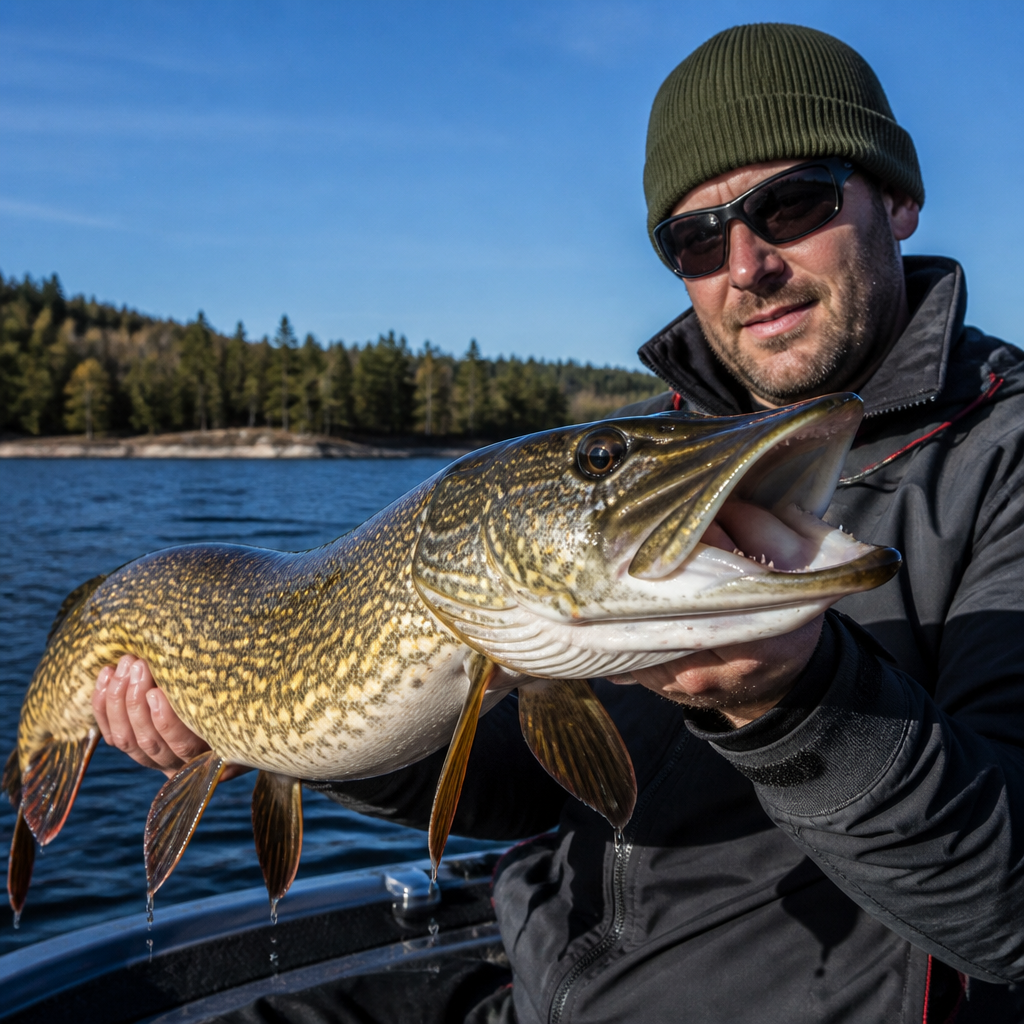
Streamer fishing is the practice of presenting larger flies that imitate mobile prey, usually with the goal of provoking fish that are feeding aggressively, defending territory, or reacting instinctively to movement. Unlike dry fly fishing, where the fly often drifts naturally on the surface, streamer fishing usually asks the angler to create life through angle, speed, and depth. The approach is common in trout fishing, but it is equally effective for bass, pike, panfish, and many saltwater species. The common thread is predation. If a fish chases minnows, sculpins, crayfish, or leeches, a streamer belongs in your box.
The best times to use streamers are broader than many beginners assume. High water often pushes baitfish and juvenile fish from cover, making larger prey easier for trout to ambush. Low light periods such as dawn, dusk, and overcast afternoons frequently improve results because predatory fish move with more confidence. Cold water can still favor streamers when fish prefer slow, deep presentations that place a substantial meal directly in front of them. In fall, brown trout become especially responsive as territorial behavior increases. In summer, smallmouth bass often hammer streamers along ledges, current seams, and shade lines.
Streamer fishing is also the right choice when you need information fast. A nymph can probe one lane with precision, but a streamer can search multiple depths and cover broad banks, drop-offs, and structure efficiently. On unfamiliar water, I often fish a streamer first to identify active holding zones. If fish slash at the fly but miss, that tells me they are engaged, and I can adjust speed, size, or color. If follows occur without commitment, depth is often wrong. Streamers are not just lures for reaction strikes; they are diagnostic tools that reveal how fish are positioned and what mood they are in.
Essential Gear for Streamer Fishing
The ideal streamer setup balances casting power, line control, and fish-fighting ability. For trout, a 6-weight rod is a common all-around choice because it handles weighted flies and sink tips better than lighter rods while still protecting moderate tippets. A 7-weight becomes useful when fishing large articulated patterns, heavy current, or windy conditions. Warmwater anglers targeting bass often prefer 6- to 8-weight rods, while pike and larger predators may require 8- to 10-weight outfits. Fast-action rods dominate this category because they pick up sinking lines more efficiently and move bulkier flies with less effort.
Lines matter as much as rods. A floating line works for shallow banks, unweighted streamers, and swing presentations in moderate current. A sink-tip line is the standard recommendation for beginners because it combines easier mending and pickup with enough front-end density to reach useful depth. Full sinking lines excel in lakes, deep runs, and broad river buckets where maintaining a consistent level is critical. In practice, many experienced anglers carry multiple spools or reels because changing fly size without changing line density often produces mediocre results. Depth control is usually more important than exact color selection.
Leaders for streamer fishing are shorter and stouter than traditional dry fly leaders. A typical trout setup might use 4 to 7 feet of 0X to 3X material, depending on fly size and fish behavior. The goal is turnover and direct contact, not delicate presentation. Fluorocarbon helps when abrasion resistance and sink rate matter, especially around rocks, timber, and deep shelves. Reels need reliable drag mostly when streamer fishing for strong fish in current or larger warmwater species, but balanced capacity and durability are more important than premium complexity for most freshwater anglers.
| Fishing Situation | Recommended Rod | Best Line Type | Typical Leader |
|---|---|---|---|
| Small trout stream, shallow banks | 5- or 6-weight | Floating line | 6 feet, 2X or 3X |
| Medium river, mixed depths | 6- or 7-weight | Sink-tip line | 4 to 6 feet, 1X or 2X |
| Deep run or lake edge | 6- or 7-weight | Full sinking line | 4 to 5 feet, 0X to 2X |
| Smallmouth bass river | 7-weight | Floating or sink-tip | 4 to 6 feet, 0X or 1X |
How to Choose the Right Streamer
Choosing a streamer starts with matching function before appearance. Size, weight, profile, and movement determine whether the fly reaches fish and suggests believable prey. Woolly Buggers remain universal because they can imitate leeches, baitfish, and general movement food. Sculpin patterns such as the Muddler Minnow or more modern deer-hair and conehead variations are excellent near bottom structure. Articulated streamers create a longer profile and more swim, which often helps when targeting larger trout in colored water. Clouser Minnows are staples for bass and multi-species anglers because dumbbell eyes create jigging motion and dependable depth.
Color selection should follow visibility and forage, not superstition. In clear water, olive, black, white, brown, and natural baitfish combinations consistently outperform random bright choices. In stained water, black remains highly visible because it creates strong contrast, while white and chartreuse can stand out when fish are feeding by sight in limited clarity. If the river holds sculpins, broad-headed olive or tan flies make sense. If the system has shad, slim white patterns often excel. If leeches are common, black or maroon can be deadly. The principle is simple: imitate the dominant prey family, then adjust contrast for conditions.
Weight is equally important. Tungsten cones, lead or lead-free wraps, and dumbbell eyes help flies reach depth quickly, but too much weight can make casting difficult and cause constant snagging in shallow runs. Unweighted or lightly weighted streamers shine when fish are suspended, holding over grass, or tracking prey high in the water column. A beginner should carry a few core patterns in multiple sizes and weights rather than dozens of unrelated flies. That creates a more useful system: one baitfish profile, one bugger-style pattern, and one bottom-oriented sculpin imitation can cover an impressive range of streamer fishing situations.
Presentation Basics: Casting Angle, Depth, and Retrieve
Successful streamer fishing depends less on heroic casting distance and more on putting the fly at the right depth with the right movement. Casting angle controls both. An upstream cast gives the fly more time to sink before it reaches the target lane. A straight-across cast is ideal for swings and broadside presentations. A downstream cast can speed the fly and trigger chases near the hang-down, the point where the line straightens below you. Each angle changes tension and therefore action. New anglers often cast randomly; effective anglers choose an angle based on current speed, holding water, and intended retrieve.
Depth control comes first because fish rarely move far vertically to eat, especially in cold water or heavy current. Count the fly down when using sinking lines, add mends to slow the drift, and change line density before constantly changing patterns. If the fly never ticks rock or passes near visible structure, it may be too high. If it snags every cast, it is too deep or moving too slowly through debris. The best presentations frequently ride just above the bottom or alongside cover. In my experience, one extra second of sink time can matter more than switching between three similar flies.
Retrieve style should imitate prey behavior or trigger a reaction. Short, fast strips suggest darting minnows. Long pulls create smoother swimming action in articulated flies. Pause-heavy retrieves imitate injured baitfish and often produce strikes right after movement stops. On rivers, the swing is a classic method: cast across, allow the current to tighten the line, then let the fly sweep through the run before adding strips at the end. Strip strikes are essential. Instead of lifting the rod immediately, pull firmly with the line hand when a fish eats. That keeps direct pressure and prevents many missed fish.
Reading Water and Locating Fish
Streamer fish are usually found where prey collects, where current creates ambush opportunities, or where larger fish can hold with minimal energy cost. In rivers, start with banks under cut sod, submerged timber, boulders, midstream shelves, tailout drop-offs, and the soft edges beside heavy current. Trout often sit where fast water delivers food but soft water lets them strike efficiently. A streamer passing parallel to a cutbank or across the front edge of a logjam is often more effective than repeated casts down the middle of featureless current.
Current seams are especially important because baitfish and disoriented juvenile trout drift there naturally. Deep pools can hold large fish, but the productive area is often not the deepest spot; it is the transition where depth, cover, and current intersect. In lakes and reservoirs, points, weed lines, inflows, and abrupt contour changes concentrate predators. Smallmouth bass often stage on current breaks beside rock and move a short distance to intercept prey. Brown trout in tailwaters commonly set up on gravel-to-silt transitions near ledges, where sculpins and small fish are easy targets.
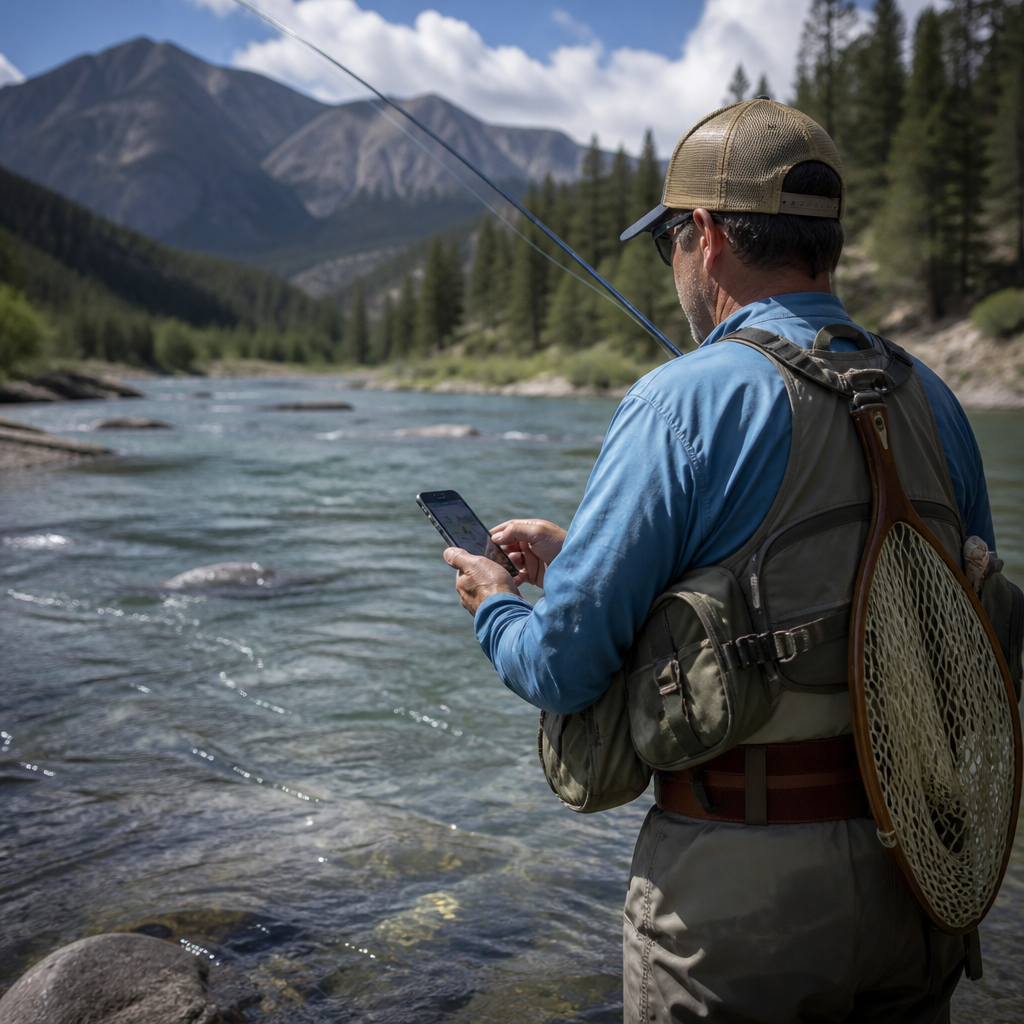
Watch fish behavior and environmental clues. If you see bait spraying, birds working a shoreline, or occasional flashes near structure, a streamer should be in your hand. Polarized glasses help identify submerged wood, lanes of slower current, and shadow lines. Water temperature matters too. In colder periods, fish may hold tighter to depth and structure, demanding slower retrieves. In warmer but oxygen-rich flows, they may chase farther. Reading water in streamer fishing is not guesswork; it is a repeatable process of identifying where predators can ambush larger prey most efficiently.
Mistakes Beginners Make and How to Improve Quickly
The most common beginner mistake is fishing too fast and too shallow. Excitement leads many anglers to strip immediately after the fly lands, never allowing it to enter the strike zone. Slow down, count the fly down, and imagine exactly where the fish is holding. The second major mistake is changing flies before changing presentation. If fish follow but do not eat, try a pause, a directional change, or a deeper pass before opening the fly box. Another frequent problem is poor line management. Loose coils at your feet and slack during the swing reduce contact and cost strikes.
Improvement comes from testing one variable at a time. Change angle, then depth, then retrieve cadence. Keep notes after trips, especially on water clarity, temperature, successful fly size, and where strikes occurred. Many of my best streamer days were not random; they repeated patterns I had written down from previous seasons. Practice casting weighted flies on grass before fishing moving water, and wear eye protection every trip because larger flies carry more momentum. Use barbless hooks where regulations allow for easier releases and safer unhooking.
Streamer fishing rewards patience and observation more than constant motion. Learn a few reliable patterns, fish them confidently, and focus on where and how they travel through the water. As you build skill, this technique becomes a complete system for finding active fish, targeting larger specimens, and understanding predator behavior. Start with one river, one line setup, and three dependable flies, then refine your approach over time. That simple plan is the fastest way to build real streamer fishing competence and turn follows into solid eats.
Frequently Asked Questions
What is streamer fishing, and how is it different from other types of fly fishing?
Streamer fishing is a fly fishing approach built around presenting larger flies that imitate substantial prey such as baitfish, leeches, sculpins, crayfish, or juvenile trout. Unlike dry fly fishing, which focuses on insects floating on the surface, or traditional nymphing, which imitates subsurface aquatic insects drifting naturally in the current, streamer fishing is usually more active and movement-oriented. The goal is often to trigger a predatory response rather than simply match a hatch. In practice, that means the angler may cast across current, let the fly swing, strip it back in short or long pulls, dead drift it deep, or combine several of those methods in a single presentation.
What makes streamer fishing especially exciting is that it appeals to the territorial and opportunistic instincts of fish. Trout, bass, pike, and other predators will often chase a streamer because it looks like a fleeing meal worth the effort. This can produce aggressive takes that feel very different from the subtle eats common in other fly fishing styles. It also allows anglers to cover water efficiently and target larger fish that may ignore smaller insect imitations. For beginners, the key idea is simple: streamer fishing is less about tiny details of insect imitation and more about presenting a convincing, moving target in the right place, at the right depth, with the right speed.
What gear do I need to get started with streamer fishing?
A solid beginner streamer setup starts with a rod that has enough power to cast larger, heavier flies and manage sinking lines or split shot when needed. For trout, a 5-weight can handle smaller streamers, but many anglers prefer a 6-weight or 7-weight because those rods turn over bigger patterns more comfortably and help control fish in heavier current. For warmwater or larger predatory species, stepping into a 7-weight, 8-weight, or heavier rod often makes sense. A matching reel with a reliable drag is useful, especially if you are targeting strong fish or fishing bigger water where a hard-running fish can quickly put pressure on your system.
Fly line choice matters as much as the rod. A weight-forward floating line can work very well for shallow water, unweighted flies, and presentations where you want to mend, swing, or dead drift the streamer. However, many streamer anglers also rely on sink-tip or full-sinking lines to get the fly down into the strike zone faster and keep it there longer. Leaders are typically shorter and stouter than those used for dry flies. In many situations, a leader in the 4- to 7-foot range with stronger tippet helps turn over the fly and improves control. As for flies, start with a small selection of proven patterns in natural colors like olive, black, white, and brown. Choose a mix of baitfish profiles, leech-style streamers, and perhaps a few weighted patterns so you can experiment with depth and action. Polarized glasses, a good net, and line management habits are also important, because streamer fishing often involves quick visual decisions and fast strikes.
How do I fish a streamer effectively if I am a complete beginner?
The best way to begin is to focus on three controllable variables: where the fly is, how deep it is, and how it is moving. Start by identifying likely holding water for predatory fish. Look for cut banks, seams, drop-offs, boulders, undercut structure, woody cover, and areas where current concentrates or disorients baitfish. Make your cast slightly across or downstream in moving water, or parallel to structure in stillwater, and think about how the fly will travel through the zone where fish are likely to ambush prey. If your fly is not getting near fish, the retrieve style matters much less than most beginners assume.
Once the fly is in the water, keep your retrieve simple. Try short strips, long steady strips, a strip-pause cadence, or even a dead drift followed by movement at the end of the drift. Fish often strike when the fly changes direction, speeds up, hesitates, or begins to rise in the water column. Vary one element at a time so you can learn what the fish want. In rivers, a very effective beginner method is to cast across current, allow the streamer to sink briefly, then retrieve with controlled strips as the fly swings below you. In lakes or ponds, count the fly down after the cast to estimate depth, then retrieve at a pace that keeps it where fish are feeding.
Another major beginner lesson is to stay connected to the fly. Too much slack means missed strikes. Keep light tension during the drift or retrieve, and when you feel a bump, weight, or sudden stop, strip set by pulling the line firmly with your line hand rather than immediately lifting the rod into a trout-style hook set. A strip set drives the hook more effectively on moving fish and larger flies. Most importantly, cover water methodically. Streamer fishing rewards anglers who experiment with angle, depth, and speed until they find the combination that triggers a response.
When and where is streamer fishing most productive?
Streamer fishing can work year-round, but it often shines when fish are feeding aggressively, looking for larger meals, or reacting to changing conditions. Low-light periods such as early morning, late evening, overcast days, and before storms can be especially productive because predatory fish feel more secure moving into feeding lanes. High or slightly stained water is another classic streamer condition. Reduced visibility often makes fish less selective and more willing to attack a bigger silhouette. That said, clear water can also be excellent if you adjust your approach by using more natural colors, longer pauses, or subtler retrieves.
Seasonally, streamer fishing is often particularly effective in fall, when many fish feed heavily before winter and baitfish become a major part of the diet, and in spring, when flows, water temperatures, and fish behavior encourage predatory feeding. Summer can still be productive, especially during low-light windows or in deeper, cooler runs. Winter streamer fishing usually calls for slower presentations and better depth control, since fish are less likely to chase far in cold water. As for location, concentrate on spots that naturally gather food or provide ambush cover. In rivers, that includes banks with depth, current seams, tailouts, pools, and structure breaks. In lakes and ponds, points, weed edges, drop-offs, creek mouths, and submerged timber are all high-value areas. The most productive water is usually where prey is vulnerable and predators can hold with minimal effort.
What are the most common mistakes beginners make with streamer fishing?
The most common mistake is fishing the streamer too shallow. Many new anglers make a few casts, strip the fly back quickly, and assume the method is not working, when in reality the fly never entered the strike zone. Predatory fish often hold close to the bottom, near structure, or in slower water adjacent to current. If the fly is passing well above them, they may never react. That is why line choice, fly weight, sink time, and casting angle are so important. Beginners also tend to retrieve at only one speed. In streamer fishing, speed is not fixed. Some days fish want a fast, erratic chase, while on others they respond only to a slow crawl, a pause, or a dead drift.
Another frequent mistake is poor line control. Slack line reduces feel, delays hook sets, and causes anglers to miss the subtle takes that happen before a violent strike ever comes. Many fish simply pin the streamer or inhale it on a pause. If you are not connected, you will never know they touched it. Casting only to obvious spots is another issue. Good streamer anglers cover water intentionally and probe multiple lanes, depths, and angles. They do not assume fish are only in the prettiest run or the deepest hole. Finally, many beginners trout-set instead of strip-setting. Lifting the rod too soon often pulls the fly away from the fish or fails to bury the hook properly. A firm strip set, followed by raising the rod once the fish is connected, is far more effective. If you avoid those mistakes and stay willing to experiment, streamer fishing becomes much less mysterious and much more productive.