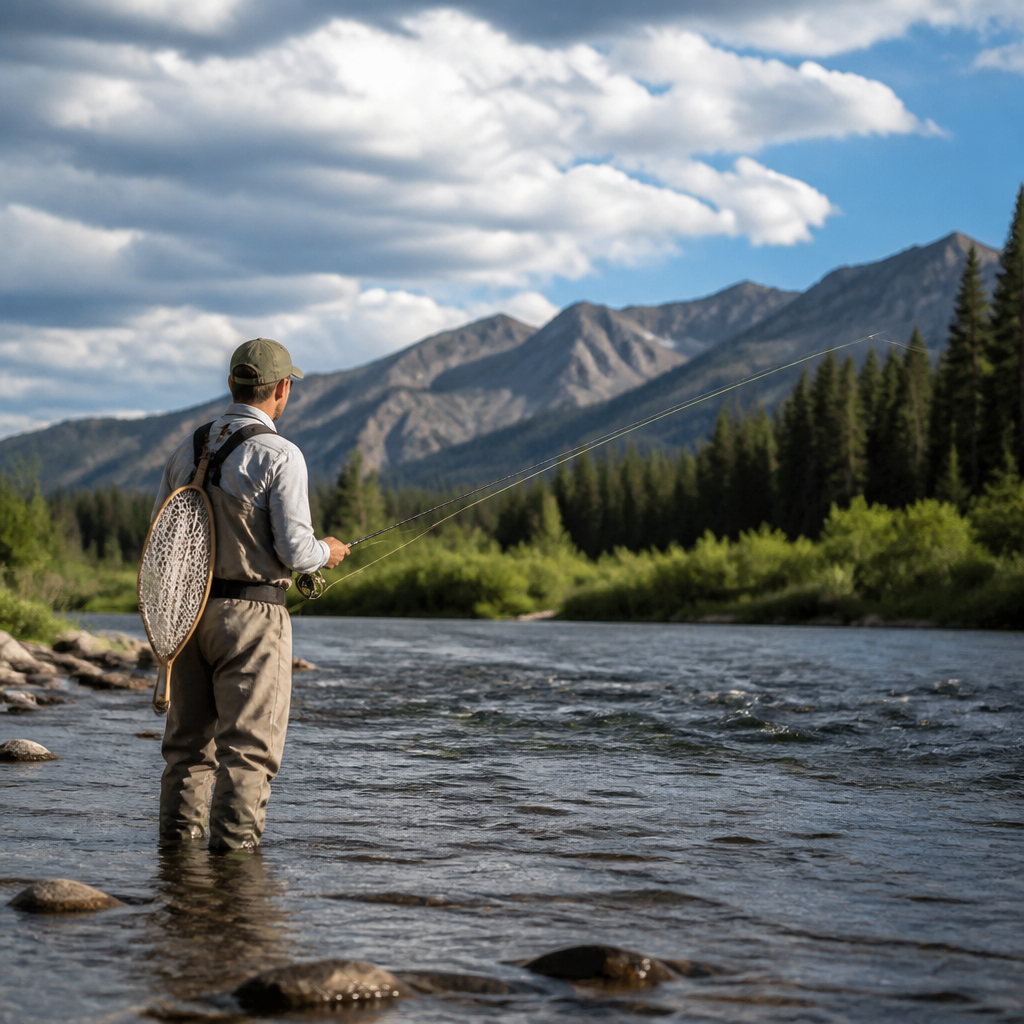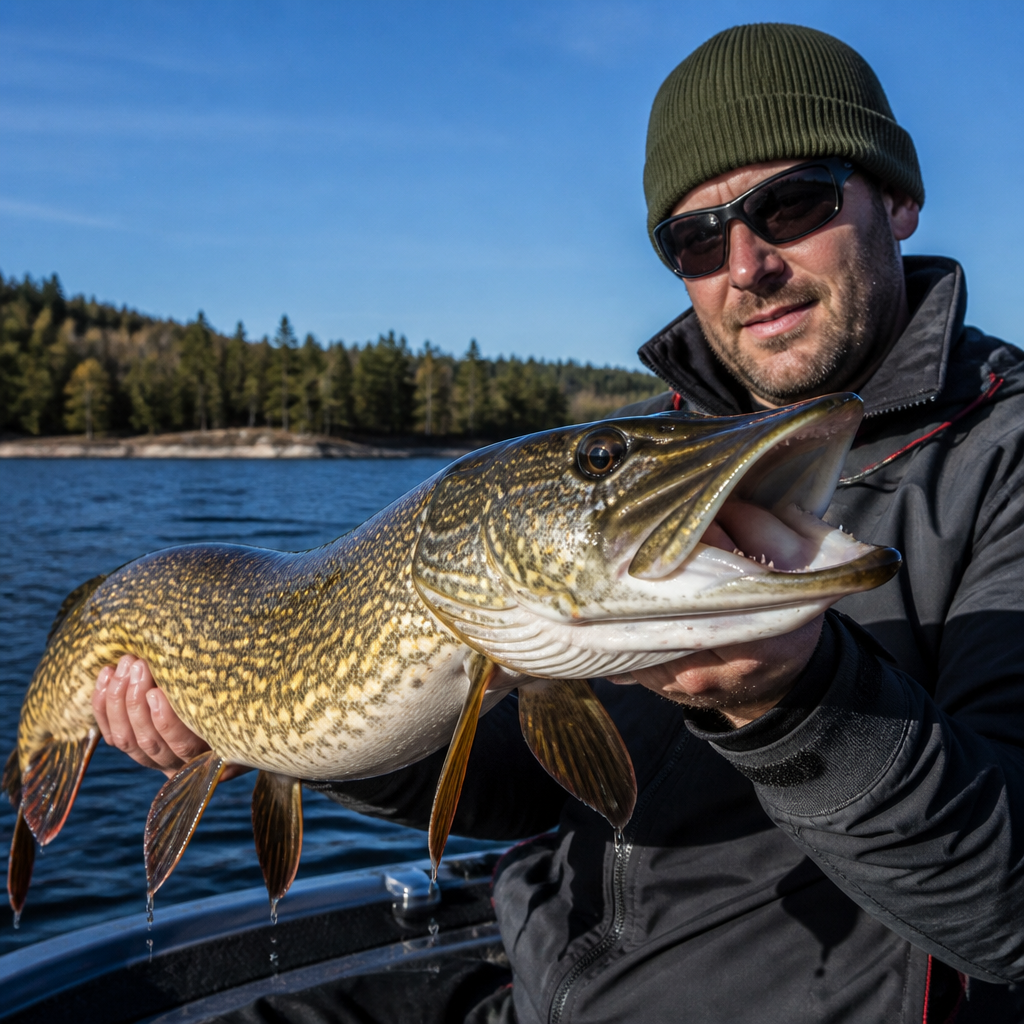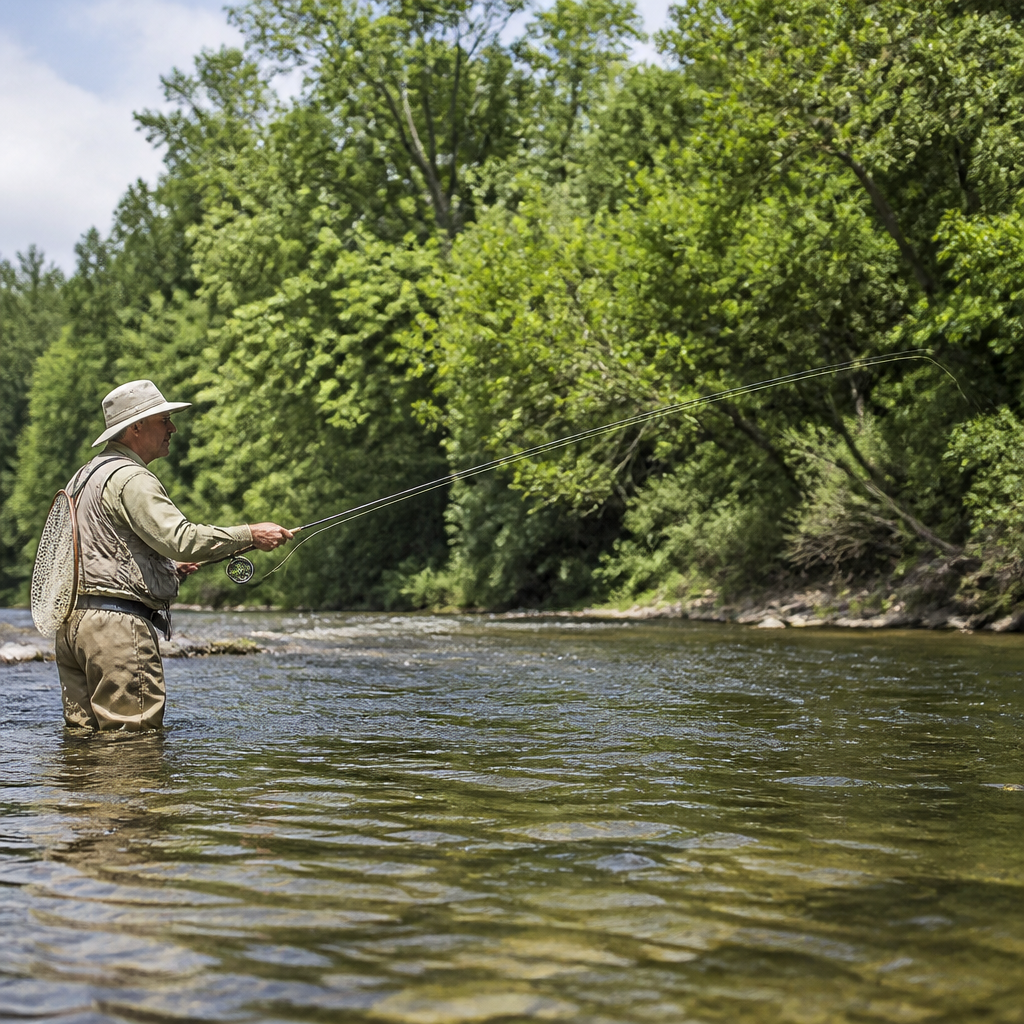
Dry fly fishing in lowland rivers is one of the most visual, technical, and rewarding forms of angling because it asks you to match food, current, fish behavior, and presentation with almost no margin for error. A dry fly is any artificial fly designed to float on the surface film, imitating adult insects, terrestrials, or emerging insects trapped high in the water. Lowland rivers, by contrast, are generally slower, warmer, wider, and more fertile than upland streams, with softer gradients, richer weed growth, and more complex current seams. When these two elements meet, anglers face a distinct set of opportunities and constraints that demand a dedicated approach rather than borrowed tactics from mountain freestones.
I have spent many seasons fishing chalkstreams, meadow rivers, and slow mixed coarse-game systems where trout, grayling, chub, and even opportunistic stillwater escapees will rise confidently on the right day and ignore almost everything on the wrong one. The biggest lesson from those sessions is simple: lowland river dry fly fishing is less about romantic casting and more about precise observation. Fish in these rivers often have longer feeding windows, more time to inspect a fly, and access to diverse food sources including olives, sedges, gnats, spent spinners, beetles, ants, and aphids blown from bankside vegetation. That means success depends on reading the surface, understanding insect timing, and building drag-free presentations over fish that are usually positioned with intention.
This matters because many anglers underestimate lowland rivers. They assume dry fly fishing belongs mainly to broken pocket water where current hides mistakes. In reality, lowland rivers often offer the clearest lessons in presentation, fly choice, and streamcraft. They also produce some of the most consistent surface feeding in the season, especially during evening spinner falls, overcast olive hatches, and warm summer terrestrial periods. As the hub for dry fly fishing within techniques and strategies, this guide explains how to approach lowland rivers from first principles: where fish hold, what they eat, how to choose flies, how to present them, and when to switch tactics. If you want more deliberate dry fly fishing with repeatable results, lowland water is the ideal classroom.
What Makes Lowland Rivers Different for Dry Fly Fishing
Lowland rivers are defined less by altitude alone than by character. They usually have gentler gradients, smoother glides, deeper pools, more consistent weed beds, and stronger seasonal insect biomass than steep upland streams. Water chemistry is often more alkaline, especially in chalk and limestone systems, which supports rich invertebrate life. That fertility is good news for dry fly anglers, but it also means trout and grayling can be selective because food is abundant. A fish in a slow glide may inspect your fly for several feet before deciding, so shape, footprint, and drift matter more than simply placing any floating pattern near a rise.
The current structure is also subtler. Instead of obvious plunge pools and pocket water, lowland rivers create feeding lanes through crease lines, ranunculus beds, undercut banks, shallow tails, and foam tracks. Fish frequently hold beside weed tongues where a steady conveyor belt of naturals passes with minimal energy cost. Chub often rise under overhanging trees for beetles and spent sedges, while trout may station in ankle-deep gravel tails during evening spinner falls. Grayling, especially in autumn and winter during mild spells, can sip tiny surface insects in surprisingly flat water. Recognizing these micro-positions is central to river reading.
Weather affects these systems differently too. Bright overhead sun can improve visibility for the angler but increase fish caution in clear, slow water. A light upstream breeze can bring terrestrial food and cover surface disturbances, while a hard downstream wind makes drag control difficult. Summer weed growth narrows channels and creates excellent structure, yet it can complicate landing fish and retrieving drifts. In practical terms, lowland dry fly fishing rewards anglers who adapt to subtle change rather than chasing dramatic water features.
How Fish Feed on the Surface in Slow Water
Surface feeding in lowland rivers follows recognizable patterns. The first is confident interception, where fish move laterally or upward with purpose to take duns, sedges, or terrestrials. The second is rhythmic sipping, common during midge or olive events, where a fish rises in a narrow lane and barely dimples the film. The third is selective refusal behavior: the fish rises near your fly, inspects, then turns away. In my experience, refusals in lowland rivers are usually caused by drag, profile mismatch, or a fly sitting too high or too low in the film, not simply by using the wrong color.
Learning to classify rises helps you choose tactics. Splashy takes near reed margins often signal sedges, caddis, or terrestrials. Gentle nose-only sips in flat glides suggest small olives, midges, or spent spinners. Bulging just beneath the film can indicate emergers rather than true dry-fly feeding, which may call for a pattern tied low, such as a shuttlecock-style emerger or CDC comparadun. Anglers who watch rises for two or three minutes before casting usually hook more fish than those who cast immediately. That pause tells you the fish’s lane, rhythm, direction, and confidence level.
Hooking fish in slow water also depends on restraint. Because the take is visible, many anglers strike too fast. On lowland rivers, especially when trout sip delicately, wait until the head turns down or the ring opens before lifting. A short, controlled lift with the rod is enough. Overstriking with a long line often rips the fly away. Dry fly fishing is a surface game, but effective anglers think one layer deeper: what posture is the fish using under the film, and what does that say about the food source?
Matching Hatches, Terrestrials, and Seasonal Food Sources
In lowland rivers, successful fly choice starts with food form, not fly box loyalty. Through spring and early summer, blue-winged olives, large dark olives, and various upwinged species often dominate. During warm evenings, spinner falls can be more important than the hatch itself because spent adults collect in slicks and trout feed with confidence. Summer adds sedges, pale wateries on some rivers, clouds of gnats, and a growing terrestrial component including beetles, winged ants, hoppers, and drowned aphids. In autumn, late olives and midge activity can still bring fish up, especially on mild, overcast days.
The key principle is to match size, silhouette, and attitude in the film. A fish feeding on upright duns usually accepts a different profile than one taking spent spinners flush in the surface. CDC is valuable because it traps air, lands softly, and can suggest vulnerable insects without excessive hackle. Deer hair excels for buoyancy and visibility in rougher glides or during sedge activity. Sparse dressings usually outperform overdressed patterns in lowland rivers because natural insects are slim and the surface is calm enough for fish to inspect detail.
| Situation | Likely Natural Food | Useful Dry Fly Style | Why It Works |
|---|---|---|---|
| Overcast spring afternoon | Olive duns | CDC olive dun or parachute emerger | Matches small upright mayflies and sits naturally in slow glides |
| Warm evening slick | Spent spinners | Spent spinner pattern with split tails | Lies flush in the film where trout inspect trapped adults |
| Summer under trees | Beetles and ants | Foam beetle or flying ant | Imitates common terrestrial falls close to cover |
| Dusk over weed beds | Sedges | Elk hair or CDC caddis | Skates lightly or drifts high where active fish hunt |
| Flat midday glide | Midges or tiny olives | Small F-fly or Griffiths-style cluster | Offers sparse footprint for cautious feeders |
One practical rule improves fly selection immediately: if fish are refusing a high-floating dry, switch to a lower-riding pattern before changing color. Many lowland fish take vulnerable emergers and cripples more readily than perfect duns. Another useful adjustment is size. Dropping one size often matters more than changing pattern names. On pressured rivers I carry proven standards rather than dozens of variations: CDC olives, parachute Adams-style flies, spent spinners, F-flies, shuttlecock emergers, sedge patterns, beetles, and ants. That compact selection covers most genuine surface situations when presentation is correct.
Tackle, Leaders, and Presentation That Reduce Drag
The ideal setup for dry fly fishing in lowland rivers balances delicacy with control. A 9-foot 4-weight or 5-weight handles most trout and grayling work, while a softer 3-weight can be excellent on intimate meadow streams if wind is limited. For chub near cover, a more powerful 5-weight protects against sudden lunges into roots and weeds. Floating lines should have a front taper capable of accurate short-to-medium casts rather than distance bias. In most lowland fishing, clean line management and placement matter more than carrying forty feet of line in the air.
Leader design is often overlooked, yet it is the main tool for drag reduction. I use longer leaders on flatter water, commonly 12 to 15 feet, tapering to fine tippet where fish are selective. Fluorocarbon sinks and is generally less useful for true dry flies; supple nylon or specialized copolymer tippet usually gives better float and drift. Degreasing the final inches can help when you want a fly to sit lower, but a fully sunken tippet may pull small patterns under in glassy water. The answer is balance: enough finesse to land naturally, enough turnover to place the fly accurately.
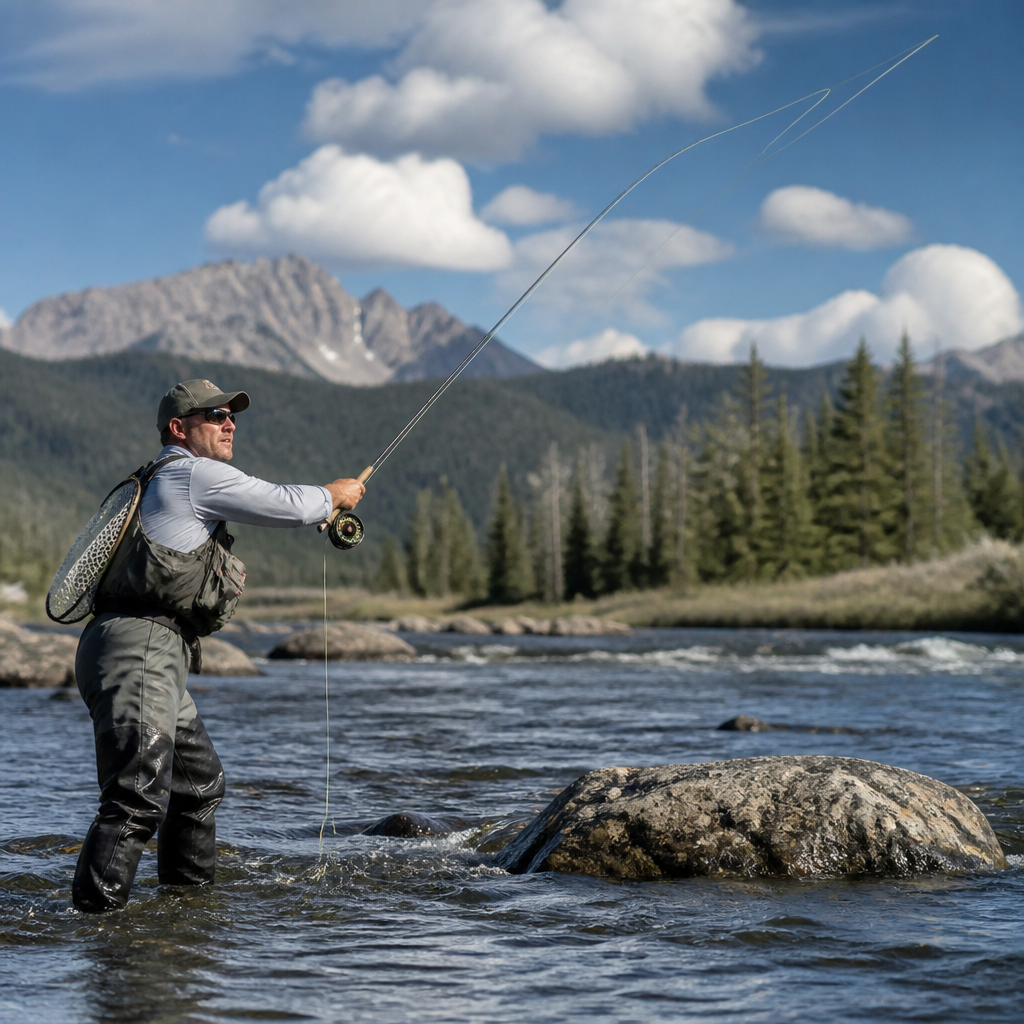
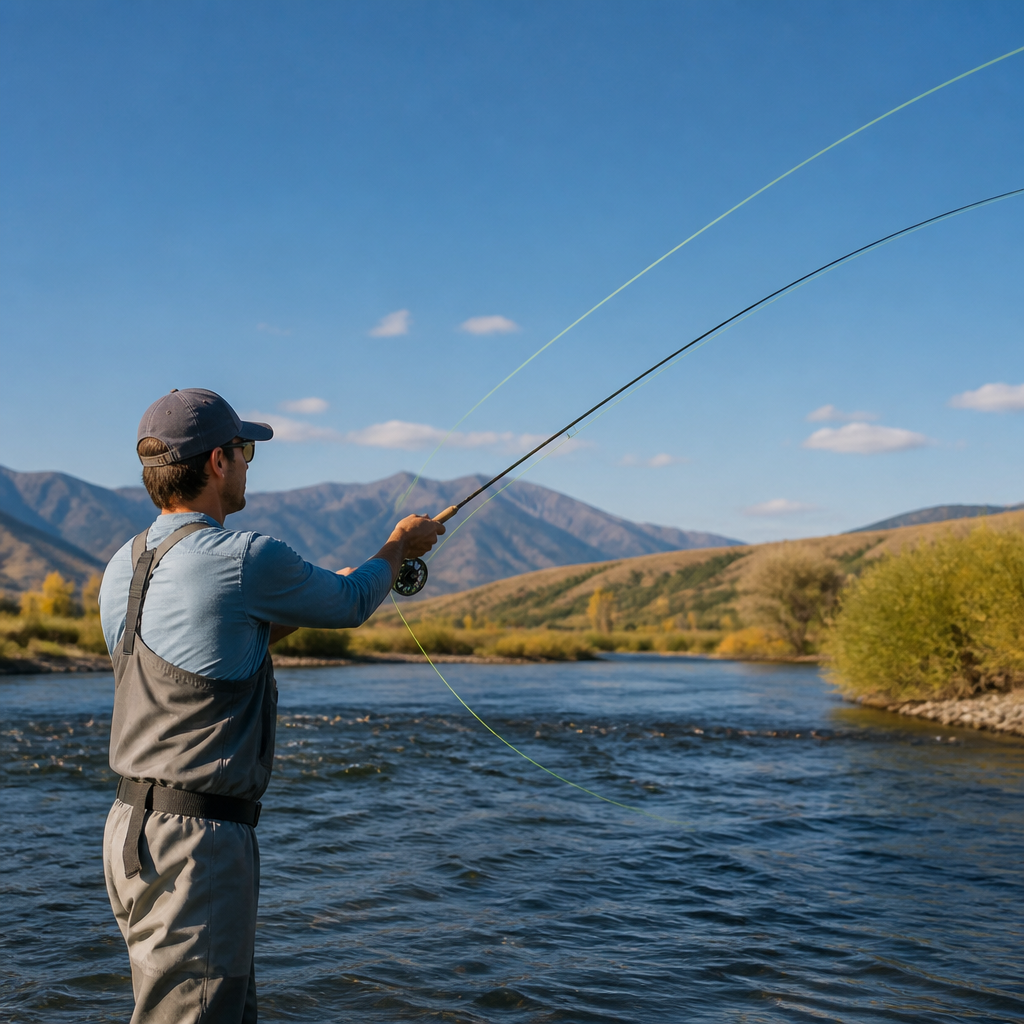
Presentation begins before the cast. Position yourself downstream and slightly across whenever possible so the first thing fish see is the fly, not the leader. Reach casts, aerial mends, and controlled slack such as a wiggle cast create micro-curves that buy a longer drag-free drift. On lowland rivers, short drag is still drag. If the fly accelerates, stalls unnaturally, or cuts sideways across a seam, fish notice. Casting farther rarely solves that problem; better angle and line layout do. I have had more success moving two steps to change the seam than changing flies five times.
Reading Water, Stalking Fish, and Solving Common Problems
Reading lowland water starts with likely feeding lies. Focus on the tails of pools, the edges of weed beds, slicks below bridges, shadow lines under trees, and gentle creases where faster water slides beside a slow cushion. Polarized glasses are essential because many opportunities come from spotting the fish before the rise rather than after it. Once a fish is identified, stalking becomes critical. Slow bankside movement, low posture, and avoiding skyline exposure matter more in flat water than on broken streams. Vibrations from heavy steps can also move fish, particularly in shallow gravel tails.
Refusals are diagnostic information. If a fish rises short, your size may be wrong. If it follows and turns away, suspect drag or profile. If multiple fish stop rising after one cast, the leader may have lined them or the fly may have landed too hard. A common mistake is casting repeatedly to the exact rise form without considering the feeding lane. In slow water, a fish may drift six inches left or right between rises while staying in the same general patch. Cast to the lane the naturals occupy, not the center of the previous ring.
Another recurring challenge is conflicting currents. Lowland rivers often have a slow near-bank layer, a faster central tongue, and reverse surface drift around weed beds. In these spots, high sticking is impossible and conventional straight-line casting creates instant drag. The fix may be a steeper angle, a downstream presentation to a known lie, or waiting until the fish shifts station. Sometimes the correct strategy is not to cast at all until light changes or the hatch strengthens. Patience is an active tactic in dry fly fishing, not lost time.
When to Fish, When to Change, and How to Build Consistency
The best times for dry fly fishing in lowland rivers depend on season, insect life, and river type. Spring often peaks from late morning into afternoon as water warms and olives hatch. Summer can produce short midday terrestrial chances, but evening is frequently best, especially where spinner falls collect over glides and pool tails. Mild, humid conditions often favor sedges after dusk. Autumn windows are usually shorter yet can be excellent during overcast weather with light wind. Water clarity matters year-round: slightly colored water can give fish confidence, while extreme low clear conditions demand longer leaders and finer tippets.
Knowing when to change tactics is part of fishing dry flies well. If fish are bulging just under the surface and repeatedly ignore dries, an emerger or lightly greased nymph may be the honest solution. If downstream wind destroys your drift, target sheltered reaches, undercut banks, or terrestrials near cover instead of forcing a poor presentation in open water. If weed growth makes landing fish risky, use side strain immediately and guide hooked fish into clear channels. The best lowland anglers are flexible without becoming random; each change is tied to observed behavior.
Consistency comes from record keeping. Note hatch timing, temperature trends, river height, successful fly profiles, and where fish fed during specific light conditions. Over time, patterns repeat. You learn that one bend turns on with black gnats in May cloud cover, that the pool tail fishes best on spinner falls in June, or that chub under far-bank willows eat beetles during hot afternoons. Those details build a reliable system. To improve your own dry fly fishing in lowland rivers, pick one river, watch more than you cast, refine your leader and drift, and let the fish teach you exactly what the surface is saying.
Frequently Asked Questions
What makes dry fly fishing in lowland rivers different from fishing dry flies on upland streams?
Dry fly fishing in lowland rivers is shaped by a very different environment than the fast, broken water of upland streams. Lowland rivers are usually broader, slower, deeper, and more fertile, which affects everything from insect life to fish behavior. In these systems, trout and other surface-feeding fish often have more time to inspect a fly because the current is gentler and the surface is smoother. That means your imitation, drift, and approach must be far more precise. In broken upland water, fish frequently make quicker decisions because they have less time to study food drifting overhead. In lowland rivers, they may slide under a fly, inspect it carefully, and refuse it at the last second if anything looks unnatural.
Another major difference is the type of feeding opportunities available. Lowland rivers commonly support rich hatches of mayflies, caddis, and midges, along with a steady supply of terrestrials such as beetles, ants, and grasshoppers. Because these rivers are fertile, fish may feed selectively when one food source is abundant. Instead of simply presenting any buoyant pattern, successful anglers often need to match the size, silhouette, and behavior of what is actually on the water. Watercraft also becomes more important. Fish in slower pools, glides, and weed-lined runs can be highly alert, so stealth, positioning, and long, drag-free drifts are essential. In short, lowland dry fly fishing is less about covering water quickly and more about observation, control, and refined presentation.
What insects and food sources should I try to imitate when fishing dry flies on lowland rivers?
The best place to start is with the insects and surface food that lowland river fish see most consistently. Adult mayflies are often central to dry fly success, especially during seasonal hatches when trout begin feeding confidently in lanes, seams, and slow glides. Patterns that imitate duns, spinners, and cripples can all be important because fish do not always take the most obvious stage. In many lowland systems, a fish may ignore a clean, upright adult but confidently take an emerger or spent spinner sitting low in the film. Caddis can also be extremely important, especially when adults are skittering, fluttering, or laying eggs. Midges matter as well, particularly on calm days when the surface looks quiet but fish are making subtle sipping rises.
Terrestrials are another major food source in lowland rivers and are often underestimated. Beetles, ants, hoppers, and other land-based insects regularly fall from bankside vegetation, especially in warm weather, windy conditions, or where overhanging grasses and shrubs meet the water. In fertile, slower rivers, fish patrol under these edges and can become highly tuned to opportunistic surface food. That is why a simple foam beetle, ant pattern, or hopper can sometimes outperform more technical hatch-matching flies. It also pays to think beyond perfect adult imitations. Fish frequently target vulnerable insects trapped in the surface film, so flies that sit low, suggest movement, or imitate an imperfect emergence can be deadly. The smartest approach is to observe first: look at rise forms, inspect the water surface, check streamside vegetation, and if possible identify the natural insects before choosing a fly.
How do I present a dry fly naturally in slow, smooth lowland river currents?
Natural presentation is the single biggest challenge in lowland river dry fly fishing. On slow, smooth water, the fish have time to notice even slight drag, micro-skating, or an unnatural leader line crossing the current. A good dry fly is not enough by itself; it has to drift exactly as a real insect would. That starts with positioning. Whenever possible, approach from downstream or slightly off-angle so the fish sees the fly before it sees the leader and line. Keep a low profile, move slowly, and avoid creating vibrations or sudden shadows. In clear lowland water, fish can be surprisingly wary, especially in flat glides and near-bank lies.
Casting and line control are what turn a good setup into a convincing drift. Reach casts, parachute casts, and gentle slack-line presentations help create a buffer between the fly and the line, reducing immediate drag. In many lowland situations, a longer leader is useful because it allows the fly to land lightly and drift independently for longer. You also need to think about current layers. Even when the surface appears uniform, tiny differences in flow speed can pull line and leader off course. Watch the fly carefully after it lands and be ready to mend subtly if needed, though in very technical situations the best mend is often the one built into the cast before the fly touches down. Above all, target feeding lanes rather than random water, and try to give the fish the first clean drift. In lowland rivers, the first presentation is often the best chance you will get.
What tackle setup works best for dry fly fishing in lowland rivers?
A balanced dry fly setup for lowland rivers usually emphasizes delicacy, control, and the ability to protect fine tippets. A floating line is the standard choice, paired with a rod that can present small to medium flies accurately without slapping the surface. For many anglers, a 4-weight or 5-weight rod in the 8’6" to 9’6" range is an excellent all-around tool, though exact preferences depend on river size, wind exposure, and target species. Longer rods can help with line control, mending, and keeping line off conflicting currents, all of which matter in broader lowland flows. The reel is less critical than the rod and line for dry fly work, but a smooth drag and proper balance are still useful.
Leader and tippet choice are especially important because lowland fish often inspect flies closely. Longer leaders, often in the 10- to 14-foot range, can improve presentation in clear and calm conditions. Tippet diameter should match the fly size and the level of fish selectivity. Finer tippets usually allow better drift and less visible presentation, but they also reduce margin for error in the hook set and fight. Fly floatant, desiccant, and regular fly maintenance are part of the setup too, not just accessories. A dry fly that rides correctly in the film is often far more effective than one that is waterlogged or twisted on the tippet. Polarized glasses, careful clothing choices, and a landing net suited to fish-friendly handling also matter. In practical terms, the best tackle is not the heaviest or most expensive setup, but the one that helps you land softly, drift naturally, and respond quickly when a fish rises.
When is the best time to fish dry flies on lowland rivers, and how do I know when fish are likely to feed on top?
The best time for dry fly fishing on lowland rivers depends on water temperature, insect activity, weather stability, and light conditions rather than a single universal schedule. In many rivers, spring through early autumn offers the most consistent surface action because that is when aquatic insect hatches and terrestrial activity overlap most strongly. Mild, overcast days can be excellent because fish feel secure and insects often hatch steadily. Early mornings and evenings can also be productive, especially during warm periods when fish avoid bright midday conditions. That said, some of the best lowland dry fly fishing happens in the middle of the day during a defined hatch, so it is important not to rely on general rules alone.
The clearest sign that fish are likely to feed on top is visible rise activity, but reading rises correctly matters. Confident head-and-tail rises often suggest fish taking adult insects from the surface, while subtle sips may indicate tiny insects or emergers in the film. Splashy takes can point to caddis or opportunistic feeding, though not always. You should also watch for swallows and other birds feeding low over the water, clouds of duns or spinners, insects stuck in the margins, and fish stationed predictably in seams or beneath overhanging vegetation. Warm, fertile lowland rivers can switch on quickly when conditions align. If you see even occasional rises in a consistent lane, slow down and study what is happening before casting. Success often comes from recognizing a feeding pattern early, choosing the right imitation, and waiting for the moment when a fish becomes rhythmically committed to the surface.