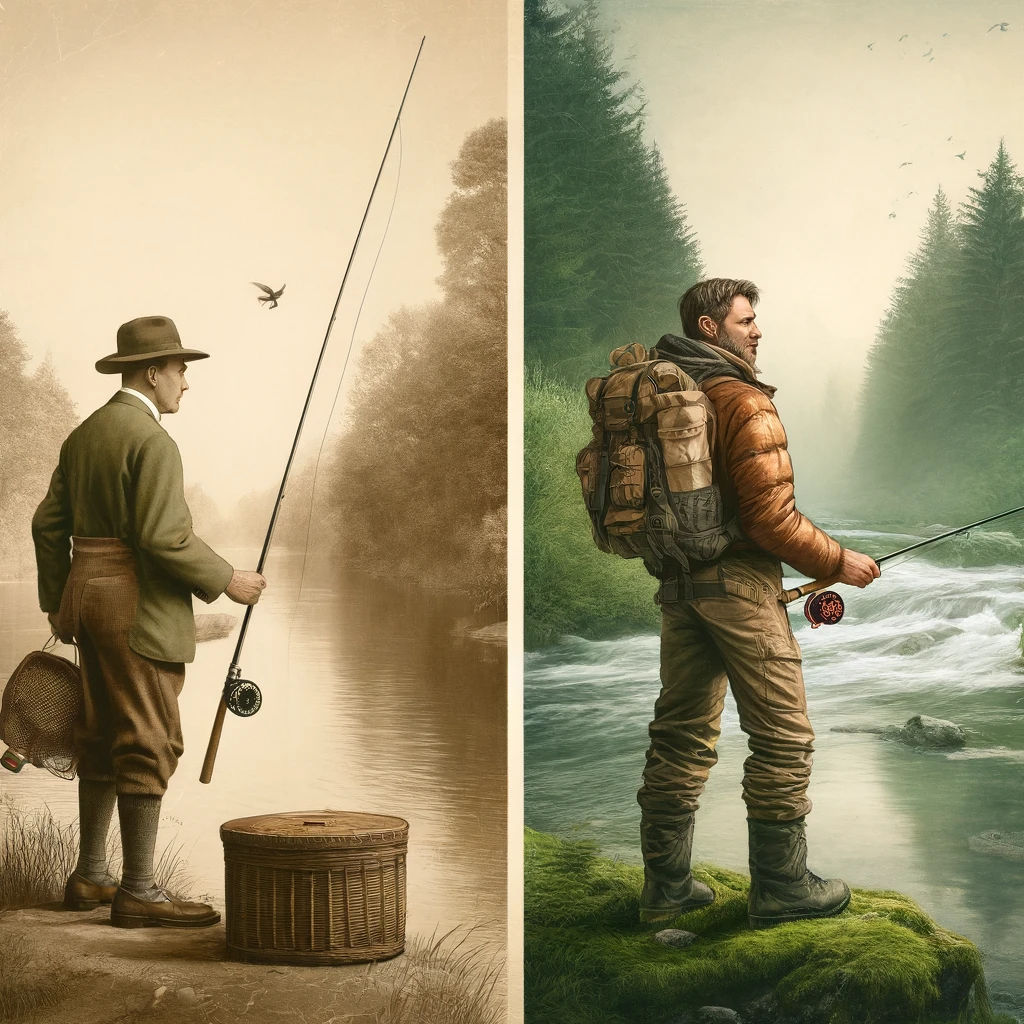
Fly fishing can be one of the most rewarding experiences a person can undertake. It connects you with nature, challenges your skills, and can even provide a sense of tranquility and mindfulness. However, to truly enjoy fly fishing, having a reliable and accurate cast is essential. Regardless of whether you’re a seasoned angler or a beginner, improving your fly casting can lead to more successful and enjoyable fishing trips.
The foundation of proficient fly fishing is mastering the cast. While it might seem straightforward, achieving a perfect cast requires a blend of technique, timing, and a lot of practice. This article aims to guide you through various drills that will help you hone your casting skills. These practice drills can be executed in your backyard, a local park, or even on the water. Through dedication and consistency, you’ll see marked improvements in your casting efficiency and accuracy.
We’ll explore drills focusing on different aspects of casting, from the basic overhead cast to the more advanced roll cast, and even tips for improving your accuracy and distance. Each section will break down the technique, offer practical drills, and provide advice on common mistakes to avoid. So, let’s gear up and get started on the path to becoming a more proficient fly caster.
Basic Overhead Cast
The basic overhead cast is fundamental to fly fishing. Mastering this technique will form a solid foundation for advancing to more complex casts. The primary goal of the overhead cast is to present the fly in a controlled and precise manner.
Technique: Start with a proper grip on your rod. Hold it in your dominant hand with your thumb on top of the handle for better control. Begin with a smooth back cast where you lift the rod tip high with a swift, but not harsh, motion. Pause briefly to let the line unfold behind you, then push forward with a controlled and graceful stroke. Aim to stop the rod abruptly at the ten o’clock position.
Drill: Use a piece of bright-colored yarn or a practice fly, and cast towards a target in your backyard or park. Focus on the smoothness of your back cast and the timing of your pause. Repeat 10-15 times, making minor adjustments to improve your control and distance.
Common Mistakes: A common mistake beginners make is applying too much power. Remember, it’s about finesse and timing, not strength. If your line drops or tangles, revisit your timing and ensure you’re pausing long enough for the line to straighten.
Roll Cast
The roll cast is an essential technique, especially when you’re fishing in tight spots with little room for a back cast. It’s ideal for presenting your fly delicately on the water.
Technique: To perform a roll cast, start with the rod tip close to the water and your fishing line slightly slack. Swiftly lift the rod to the one o’clock position, forming a loop with the line. Push the rod forward and downward, letting the line roll out across the water.
Drill: Practice with a marked target on the water or lawn. Repeatedly perform the roll cast, each time trying to achieve a smooth roll of the line and accurate placement of the fly. Aim for 10-20 repetitions.
Common Mistakes: Ensure you don’t flick the rod tip too aggressively, which can cause the line to pile up. It’s also essential to maintain a smooth motion throughout the cast.

Sidearm Cast
The sidearm cast is particularly useful when wind conditions are challenging or when you need to cast under obstacles such as low-hanging branches.
Technique: Begin with the rod held sideways rather than overhead. Follow a similar motion to the overhead cast, keeping the rod parallel to the water surface. Cast back and forth, ensuring your line remains low and straight.
Drill: Set up targets at different heights and practice the sidearm cast aiming for each one. This will not only help with your accuracy but also your adaptability in different casting situations. Repeat this drill 10-15 times.
Common Mistakes: Avoid raising the rod tip during the cast, which can cause the line to loop upward and lose its effectiveness. Focus on maintaining a consistent horizontal path.
Accuracy Drills
Accuracy can be the difference between a successful catch and a missed opportunity. Developing pinpoint accuracy takes practice and patience.
Technique: Work on focusing your energy and control towards a target. This involves not just your casting technique but also your body alignment and timing.
Drill: Place several targets, such as hula hoops or marked spots, at various distances and directions from your casting position. Practice casting to each target, focusing on hitting the center. This drill can be made progressively harder by decreasing the size of the targets or increasing the distance.
Common Mistakes: Don’t rush your cast. Take time to aim and position yourself correctly. Overcompensating with force can lead to poor accuracy, so keep your motions smooth and controlled.
Distance Casting
While accuracy is key for hooking fish, being able to cast a longer distance can help you reach more fish and cover a larger area, especially in expansive waters.
Technique: Distance casting requires a strong and controlled stroke, proper utilization of your rod’s power, and an efficient double haul technique. The double haul involves pulling on the fly line with your non-dominant hand to increase line speed.
Drill: Measure out distances in increments (20, 30, 40 feet, etc.), and practice casting to each distance marker. Incorporate the double haul technique to extend your casts. Repeat this drill until you can consistently reach your desired distances.
Common Mistakes: Don’t sacrifice form for distance. Maintain your proper casting techniques while working on gaining distance. Pay attention to your line speed and ensure smooth hauls.
Conclusion
Improving your fly casting is a journey that requires dedication, practice, and patience. Through consistent work on the fundamental and advanced techniques described in this article, you’ll gradually see improvements in your overall casting performance and fishing success.
Remember, the key to mastering any skill is to practice mindfully and with purpose. Don’t rush through your drills. Take the time to understand what each movement feels like and how slight adjustments can make a significant difference. Each of the drills we’ve discussed can be easily integrated into your regular fishing practice sessions, whether in your backyard, a local park, or on the water.
Lastly, don’t get discouraged by setbacks or mistakes. Even experienced anglers learn new techniques and refine their casting over time. Keep your focus on steady, incremental improvement, and soon enough, you’ll see notable strides in your casting ability.
So grab your rod, hit the practice field, and start working on these drills today. With commitment and perseverance, you’ll become a more confident and effective fly fisher, ready to tackle any angling challenge that comes your way.