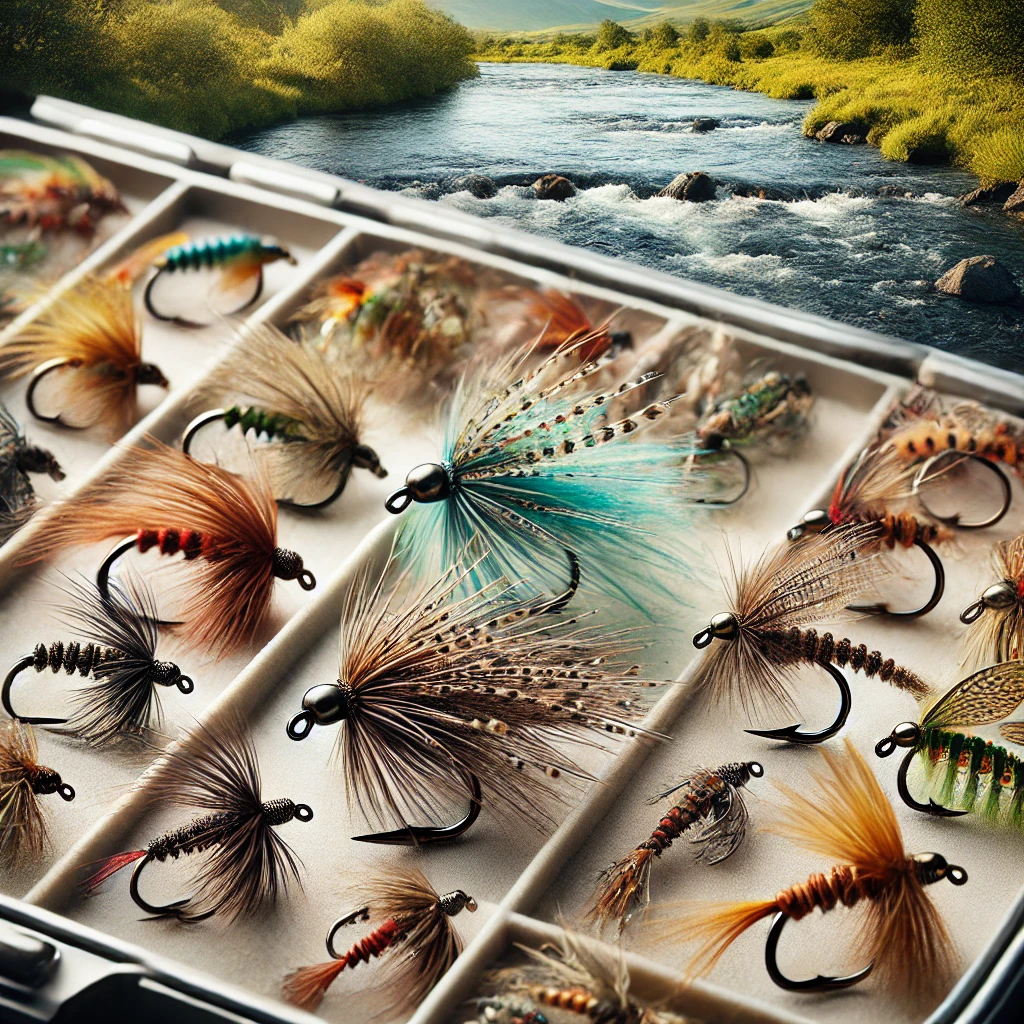
For any passionate fly angler, understanding and mastering the intricacies of fly patterns and tying is fundamental. Among the diverse array of flies, midges hold a unique charm. Despite their miniature size, they can bring colossal results. Let’s delve into the world of midges and see how these tiny flies can transform your fly fishing experience.
Introduction
Fly fishing is an art that spans centuries, evolving with each generation. Whether you’re a novice just starting out or a seasoned angler looking to refine your skills, the importance of the right fly pattern cannot be overstated. Midges, typically small in size but mighty in their ability to attract fish, are an essential component in any fly angler’s collection.
Midges include tiny insects often found in freshwater bodies like rivers, streams, and lakes. These small flies, usually no larger than a pinhead, are abundant and a primary food source for many fish species. Their diminutive size makes them a staple in a fish’s diet, especially during the colder months when other insects may be less active.
Understanding midges’ behavior, lifecycle, and how to mimic them effectively can significantly increase your odds of success on the water. This article will provide a comprehensive look into various midge fly patterns, methods for tying them, and tips for using them efficiently. By the end, you’ll have a firmer grasp on how these tiny flies can yield big results, transforming your fly fishing experience.
Types of Midge Patterns
Midges come in various patterns, each designed to imitate different stages of their lifecycle. Here are a few classic patterns you should have in your fly box:
Zebra Midge
The Zebra Midge is an incredibly effective and straightforward pattern often used by anglers. It’s characterized by its silver or gold bead head and ribbed body, making it a perfect mimic of a midge larva or pupa. The simplicity of the pattern makes it an excellent choice for both novice and experienced tiers.
Griffith’s Gnat
Griffith’s Gnat is a staple in fly fishing. It imitates a cluster of midges and is particularly effective when fish are feeding on the surface. The pattern includes peacock herl and grizzly hackle, creating a realistic and attractive bait.
RS2
The RS2 (Rim’s Semblance) is a versatile pattern that can be taken for a midge or mayfly emerger. Its slender profile and emerging wings make it an adaptable fly that performs well in various conditions.
Rojo Midge
The Rojo Midge is another highly effective pattern, particularly in tailwaters and spring creeks. Its red coloration and bead head make it a standout fly that attracts many fish species.
WD-40
Despite its simple design, the WD-40 is a highly productive midge pattern. The name might sound industrial, but this pattern is renowned for its effectiveness, especially in slow-moving water.
Disco Midge
The Disco Midge is known for its bright, flashy appearance. This pattern is excellent in situations where fish are particularly finicky or when fishing in low-light conditions.
Tying Techniques for Midges
Tying midge patterns requires precision due to their small size. Here are some key tips and techniques to get you started:
Materials
The materials for tying midges are usually minimal, consisting of hooks (sizes 18-24), fine wire, synthetic or natural dubbing, hackle, and beads. Given their tiny nature, working with these materials can be challenging.
Tools
A good quality vice, fine-tipped scissors, hackle pliers, and a bobbin holder are essential tools. These tools help in managing small materials and achieving precise finishes.
Step-by-Step Process
Begin by securing your hook in the vice. Apply a thin layer of thread to the hook shank, then add your chosen materials in the style of your selected pattern. Be mindful of proportions, as even minor discrepancies can render a midge less effective. After securing the materials and achieving the desired shape, finish with a whip finish and a dab of head cement for durability.

Fishing Strategies with Midges
Successfully fishing with midges requires understanding fish behavior and water conditions. Here are some strategies to help you make the most of your midge patterns:
Nymping
When fish feed below the surface, a nymph rig can be highly effective. Use an indicator to detect subtle strikes and ensure your midge pattern drifts naturally with the current.
Dry Fly Fishing
During a midge hatch, surface-feeding fish can be enticed with dry patterns like Griffith’s Gnat. Present your fly delicately to avoid spooking the fish.
Emerger Patterns
Fish often target midges in their emerging state. Using emerger patterns like the RS2 can be especially effective during hatch transitions.
Micro-sizing
Midging often involves using extremely small flies. Don’t be afraid to downsize your tippet and fly size (e.g., size 22 or 24) if the fish are exceptionally selective.
Matching the Hatch
Observing the water and recognizing what stage of life the midges are in can guide your fly selection. Matching the prevailing midge hatch can increase your chances of success significantly.
Essential Gear for Midge Fishing
Apart from skill and knowledge, having the right gear can make or break your midge fishing experience:
Rod and Reel
A light rod (3-4 weight) paired with a matching reel can provide the sensitivity needed for detecting subtle bites. A smooth drag system is essential for handling these delicate situations.
Line and Leader
A floating line is generally suitable for midge fishing, along with a long, fine leader (9-12 feet) to maintain a natural presentation.
Tippet
Given the small size of midge patterns, using a fine tippet (5X to 7X) is crucial. This allows for a stealthy presentation and reduces the chances of spooking wary fish.
Accessories
Having a good pair of polarized sunglasses can help you spot fish and observe their feeding habits. Additionally, a high-quality net with a sensitive mesh protects the fish while landing them.
Common Challenges and Solutions
Midge fishing isn’t without its challenges. Here are some common issues and tips to overcome them:
Small Fly Handling
One of the major challenges is handling and tying small flies. Investing in quality tools and practicing fine motor skills can help improve your efficiency.
Selective Fish
Fish can become highly selective, especially in pressured waters. Experimenting with different patterns and sizes can help crack the code.
Low Visibility
Given their size, midges can be challenging to see, especially in low light conditions. Using an indicator or a larger ‘sighter’ fly in a tandem rig can help you track your midge.
Current and Drift
Achieving a natural drift in varying currents can be tough. Focusing on mending your line and maintaining a drag-free drift can increase your success rate.
Conclusion
In the world of fly fishing, midges might be tiny, but their impact is substantial. With a wide range of patterns available, from the classic Zebra Midge to the flashy Disco Midge, understanding how to tie and fish these flies can dramatically improve your success on the water. Mastering the techniques and gear associated with midge fishing will enhance your ability to catch even the most selective fish.
By incorporating various patterns and adapting your strategies to match the conditions, you’ll find that these small flies can indeed yield big results. Whether you’re fishing nymphs, dry flies, or emergers, the versatility and effectiveness of midges make them indispensable in your fly box.
Remember, the key to successful midge fishing lies in observation, patience, and the willingness to adapt. Pay attention to the water, watch the fish behavior, and be prepared to experiment with different patterns and sizes. With practice and perseverance, you’ll unlock the potential of these miniature marvels and elevate your fly fishing experience.