Fly fishing is a beloved pastime for many, and mastering it requires understanding the various fly patterns and tying techniques. Among the many types of flies available, mayflies stand out as one of the most essential. These delicate insects play a crucial role in the diet of many fish species and are a staple in any angler’s fly box. This article delves into the fascinating world of mayflies, exploring their life cycle, types, and the intricacies of tying effective mayfly patterns.
Introduction
The allure of fly fishing lies not just in the thrill of the catch but also in the deep connection to nature it fosters. Central to this experience is the selection of the right fly, and mayflies are among the most important. These insects are found in almost every freshwater body around the world, making them a reliable pattern for anglers to mimic. Understanding mayflies is essential for any serious fly fisher as they are a primary food source for many fish species, particularly trout.
Mayflies are characterized by their delicate structure, with elongated bodies, large wings, and three caudal filaments. Their life cycle is fascinating, encompassing stages such as egg, nymph, emerger, dun, and spinner. Each of these stages offers unique opportunities and challenges for anglers. By understanding these stages, you can better select and tie the right fly pattern to match the current conditions on the water. This deep dive into mayflies will provide you with the knowledge needed to enhance your fly fishing adventures.
Life Cycle of Mayflies
The mayfly’s life cycle is an intricate process that spans both aquatic and aerial environments. It begins when eggs are laid on the water’s surface, typically in clusters. These eggs sink to the bottom, where they remain dormant until they are ready to hatch into nymphs. Nymphs, also known as naiads, are the longest stage of the mayfly’s life cycle. They can spend anywhere from a few months to a few years in this stage, depending on the species and environmental conditions. During this time, nymphs are active swimmers and are a significant food source for fish.
The transformation from nymph to adult is one of the most captivating aspects of the mayfly’s life cycle. As nymphs prepare to emerge, they ascend to the water’s surface where they molt into emergers. Emergers are highly vulnerable as they struggle to break free from their nymphal exoskeletons. Once they successfully emerge, they become duns—immature adults with delicate, upright wings. Duns usually seek shelter on vegetation or rocks to dry their wings before taking their first flight.
The final stage of a mayfly’s life is the spinner stage. After molting one last time, duns become spinners, which are sexually mature adults. Spinners engage in a dramatic mating dance, usually at dusk or dawn, and females lay their eggs on the water’s surface, completing the cycle. Spinners have a very short lifespan, often only a few hours, and once their reproductive duties are complete, they die and fall to the water, providing another feeding opportunity for fish. Understanding the life cycle of mayflies is crucial for anglers to effectively match the hatch and select the appropriate fly pattern.
Types of Mayfly Patterns
Mayflies present a myriad of opportunities for fly fishers with patterns to match each stage of their life cycle. Some common mayfly patterns include nymphs, emergers, duns, and spinners. Each pattern is designed to replicate the unique traits of mayflies and cater to the feeding habits of fish at different points in the life cycle.
Nymph patterns are weighted to sink and mimic the movements of mayfly nymphs as they swim or drift along the bottom. Popular mayfly nymph patterns include the Pheasant Tail Nymph and the Hare’s Ear Nymph. These fly patterns often employ natural materials like pheasant tail fibers and hare’s ear fur to achieve the right texture and appearance.
Emerger patterns are designed to float just below the surface, capturing the moment when nymphs are emerging. Emergers like the Barr Emerger and the Parachute Emerger feature buoyant materials and specialized hook designs to maintain the right position in the water column.
Dun patterns are crafted to remain buoyant and replicate the upright wings of an emerging mayfly. Classic dry fly patterns such as the Adams and the Comparadun are excellent examples of dun imitations. These flies are tied with hackle and wings that keep them on the surface, where fish eagerly await emerging adult mayflies.
Spinner patterns have a slim profile and transparent wings to mimic the delicate final stage of the mayfly. Patterns like the Rusty Spinner and the Poly Spinner are particularly effective during spinner falls, when spinners swoop and dance in their mating rituals before falling lifeless to the water. Each of these patterns requires specific tying techniques and materials, and knowing when to use each one is vital for successful fly fishing.

Tying Mayfly Patterns
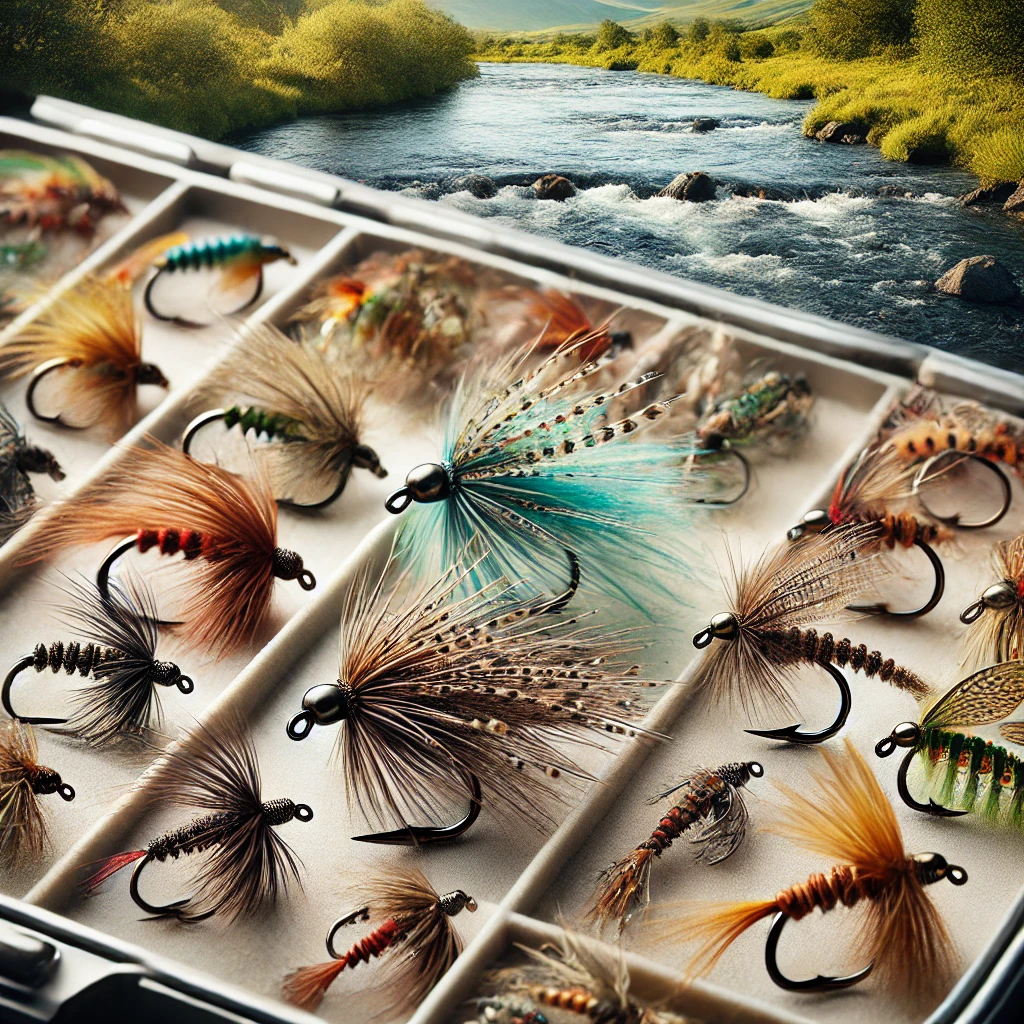
Tying your own mayfly patterns can be a rewarding aspect of fly fishing. It allows for customization and ensures you have the right fly for any given situation. To start tying mayfly patterns, you will need essential tools like a vise, scissors, hackle pliers, bobbin holder, and whip finish tool. Successful fly tying also relies on selecting high-quality materials such as dubbing, hackle feathers, hooks, and synthetic fibers.
When tying nymph patterns, focus on creating a realistic body shape and movement. Begin with securing the hook in the vise and wrap the thread to form a base layer. Attach materials like a pheasant tail for the body and ribbing to simulate the segmented appearance of a nymph. Add a bead head for weight and use dubbing to form the thorax.
Tying emerger patterns requires attention to buoyancy. Use materials like CDC feathers or foam to ensure the fly floats just below the surface. Start by tying in the tail and body, and then add a wingcase with buoyant materials to achieve the emergent posture of the mayfly. Dun patterns traditionally involve tying in delicate wings and hackle. To tie a Comparadun, secure the hook and build a thread base. Tie in a tail using microfibetts, attach a wing made of elk or deer hair, and wrap the body with fine dubbing to imitate the slender abdomen of the mayfly. Spinner patterns demand a slimmer profile and translucent wings. Begin by attaching the thread and forming a small base. Use light materials like poly yarn or snowshoe rabbit fur for the wings and create a slim body with thread or light dubbing. The key is to maintain the delicate, spent appearance of a spinner on the water surface. Practicing these tying techniques will expand your skill set and allow you to create tailored fly patterns for any fishing scenario.
Mayflies and Hatch Matching
Match the hatch is a concept central to successful fly fishing, and mayflies offer some of the most significant hatch opportunities. Observing the water and recognizing the stages of mayflies present will help you select the right pattern. Look for nymphs swimming towards the surface or duns on rocks and vegetation emerging. Spinner falls are usually evident as they form shimmering clouds over the water. To match the hatch, study the color, size, and behavior of the mayflies around you. Nymphs tend to be darker, while emergers and duns display vibrant, lighter tones. Matching the size of your fly to the natural insects is crucial—too large or too small, and it will look suspicious to fish. During a hatch, fish may become selective, focusing on one stage of the mayfly. Carrying a variety of patterns in different sizes and colors allows you to adapt to the changing conditions. Pay attention to the fish’s behavior; surface feeding usually indicates emergers or duns, while subsurface takes suggest nymphs. By keenly observing and accurately matching the hatch, you can improve your chances of enticing fish and making the most of your fly fishing experience. Whether you are targeting a specific species or exploring new waters, understanding mayfly hatches and how to mimic them effectively will be a valuable asset. Conclusion
The world of mayflies is intricate and fascinating, offering endless opportunities for fly fishers to refine their craft. By understanding the life cycle, types of patterns, tying techniques, and hatch matching, you can become a more successful and informed angler. With mayfly patterns in your fly box, you are equipped to tackle a wide range of fishing conditions and aquatic environments. The knowledge of how to identify and mimic each stage of the mayfly’s life cycle will deepen your appreciation for the sport and enhance your ability to catch fish consistently. Next time you venture out to your favorite fishing spot, take a moment to observe the mayflies around you. Their delicate dance and life cycle are a testament to the beauty and complexity of nature. Armed with this understanding, you’re not just casting a line—you’re engaging in a time-honored tradition of matching wits with nature’s finest. So, tie those flies with care, match the hatch with precision, and enjoy the rewarding experience of fly fishing with mayflies. It’s a journey that promises both excitement and tranquility, a perfect blend of skill and connection to the natural world.