Fly fishing connects anglers to rivers, lakes, estuaries, and wild fish in a way few outdoor pursuits can match, yet every trip leaves an environmental footprint. In fly fishing, environmental impact means the total effect of travel, gear production, wading pressure, fish handling, waste, and habitat disturbance on ecosystems. Reducing that footprint does not require giving up the sport. It requires understanding where the biggest impacts come from and changing habits that protect water, fish, insects, birds, and access areas. I have spent years helping anglers improve river etiquette, reviewing gear choices, and working on streamside cleanup days, and the same pattern appears everywhere: small decisions made consistently produce meaningful conservation gains. This matters because fisheries are under pressure from warming water, invasive species, shoreline development, and heavy recreation. An angler who travels smarter, buys gear more carefully, cleans equipment thoroughly, and handles fish responsibly can reduce damage immediately. Just as important, a well-informed angler becomes an advocate for healthier watersheds.
Start With the Biggest Impact: Travel and Trip Planning
For most recreational fly fishers, transportation is the largest source of emissions. A long solo drive to a river often creates more environmental impact than the tackle used during the trip. If you want the fastest improvement, begin here. Combine errands with fishing days, choose closer waters more often, carpool with a partner, and stay longer instead of making repeated short-distance runs. I have audited trip habits with anglers who assumed eco-friendly gear would make the main difference, and the numbers usually pointed back to fuel use first.
Trip planning also reduces pressure on fragile fisheries. Rotating among local waters spreads effort instead of concentrating it on one famous reach. Fishing during durable conditions matters too. Avoiding muddy banks after storms prevents erosion, and skipping low-flow, high-temperature afternoons protects stressed trout. Many agencies now advise anglers to stop targeting coldwater species once water temperatures approach 68 degrees Fahrenheit, because post-release mortality climbs as oxygen drops and fish recovery slows. Checking stream gauges, weather, and temperature reports before leaving home is one of the simplest conservation actions available.
Choosing local lodging, packed lunches in reusable containers, and refillable water bottles further trims waste attached to a trip. Even route selection helps. Driving one well-planned loop to access several nearby beats is better than repeated backtracking. The principle is simple: fish closer, fish smarter, and make every mile count.
Buy Less, Choose Better, and Extend Gear Life
Fly fishing has a consumption problem. New rods, packs, boots, technical layers, and accessories are marketed constantly, but manufacturing carries hidden costs: energy use, synthetic materials, packaging, shipping, and eventual disposal. The most sustainable gear is often the gear you already own. Before replacing equipment, repair it. Wader patch kits, boot lace replacement, reel servicing, ferrule wax, and fly line cleaning can extend useful life by seasons. Many premium brands now support repair programs, which is a stronger environmental choice than routine upgrading.
When you do buy, look for durable construction, replaceable parts, and clear warranty support. A well-built pair of wading boots that can be resoled is preferable to a cheaper pair discarded after one season. The same applies to nets, packs, and rain shells. Material choice matters as well. Recycled polyester reduces virgin petroleum demand, though it still sheds microfibers. Natural materials such as wool can perform well in some layers, but durability and care requirements vary. There is no perfect material, which is why longevity should guide most purchasing decisions.
Flies and terminal tackle deserve attention too. Lead is still found in some angling products, but non-lead alternatives such as tungsten putty, tin shot, and tungsten beads avoid introducing a toxic heavy metal into aquatic environments. Barbless hooks or pinched barbs reduce handling time and tissue damage. Biodegradable claims should be treated carefully; some products break down only under industrial composting conditions, not in riverside settings. Read labels skeptically and favor established standards over marketing language.
Prevent the Spread of Invasive Species and Fish Diseases
One careless angler can move invasive organisms between watersheds in a single day. Didymo, New Zealand mudsnails, whirling disease spores, and invasive aquatic plants all travel on boots, nets, waders, boats, and even damp fly boxes. This is not a minor concern. New Zealand mudsnails can reach enormous densities, outcompeting native invertebrates and altering food webs, while didymo blooms can smother stream bottoms under thick mats. The best practice is straightforward: clean, drain, and dry every piece of gear after each outing.
Felt-soled boots were restricted in several jurisdictions because they retain moisture and organic matter so effectively. Rubber soles reduce retention and are easier to disinfect, although any sole can spread invasive material if not cleaned properly. Use a stiff brush to remove mud and plant fragments, then apply an approved disinfecting method when moving between sensitive waters. Regional guidance varies, but hot water, drying thoroughly, or specific disinfectant solutions are common recommendations from fisheries agencies. The key is consistency. If gear remains damp in a car trunk and is used again the next morning on another river, risk remains high.
Boats, float tubes, and paddlecraft require the same discipline. Bilges, anchor ropes, trailers, and live wells can harbor plant fragments and microscopic organisms. In my experience, anglers often clean boots carefully yet ignore nets and wading staffs, which can be just as problematic. Make a checklist and use it every time.
| Impact Area | Common Mistake | Lower-Footprint Practice | Why It Works |
|---|---|---|---|
| Travel | Driving solo long distances for short trips | Carpool, fish local water, combine trips | Reduces fuel use and total emissions |
| Gear | Replacing usable equipment frequently | Repair, resole, patch, maintain | Extends product life and lowers manufacturing demand |
| Invasives | Moving wet boots and nets between rivers | Clean, disinfect, and dry thoroughly | Prevents transfer of organisms and disease |
| Fish Handling | Extended photo sessions out of water | Use barbless hooks and keep fish submerged | Lowers stress and release mortality |
| Bank Impact | Repeated trampling of vegetation | Use durable access points and rotate spots | Limits erosion and habitat damage |
Wade, Walk, and Access Water With Less Habitat Damage
Many anglers think their footprint begins only when the line hits the water, but bank and streambed damage often starts sooner. Repeatedly entering at unofficial pull-offs can flatten riparian vegetation, widen trails, and send sediment into spawning gravels. The better option is to use established access points, stay on hardened paths, and avoid cutting new routes around brush or fences. Riparian plants stabilize banks, shade water, and support insects that become fish food. Crushing them for convenience weakens the entire corridor.
Wading technique matters underwater as well. In streams with salmonid spawning, redds can be difficult to see, especially in glare. These nests appear as lighter, cleaned patches of gravel, often in shallow riffles and tailouts. Stepping on them can destroy eggs. During spawning seasons, avoid likely redd habitat and enter deeper or rockier sections instead. Shuffle carefully in silty or weedy margins to reduce disturbance, and do not move rocks unnecessarily. Turning stones to inspect nymphs can be educational, but leaving them flipped exposes eggs and invertebrates to predation and current stress.
Anchor use on rivers and flats deserves caution. Dragging anchors scars vegetation and disturbs substrate. In boats, use designated anchor zones where allowed, pole gently in shallow habitat, and follow local restrictions around seagrass or spawning reaches. Thoughtful movement through a fishery protects places many anglers never notice but fish depend on daily.
Practice Fish Handling That Matches Conservation Goals
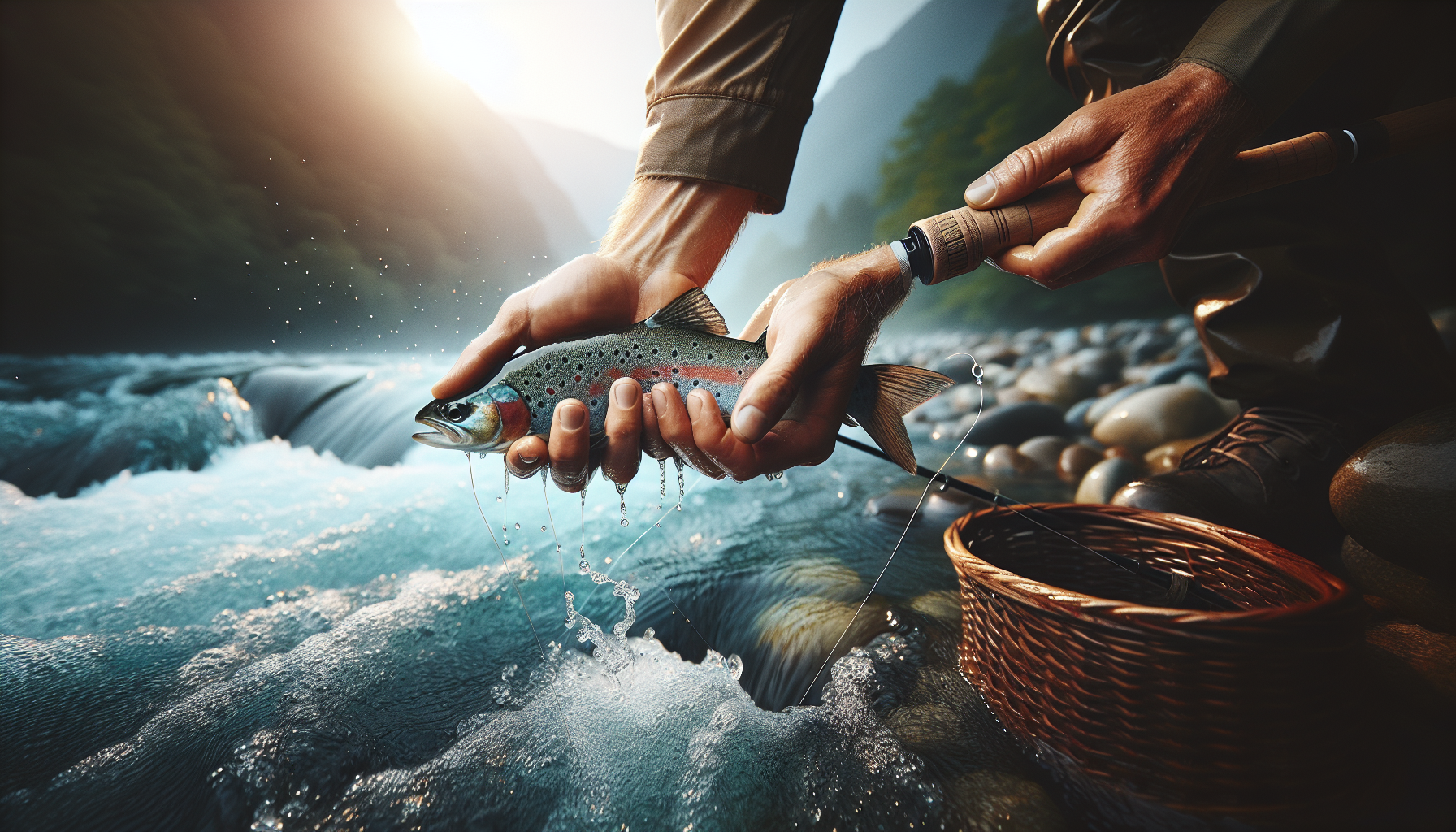
Catch and release is only beneficial when release survival is high. Poor handling can injure fish severely even when they swim away. The essentials are clear: land fish quickly on appropriately balanced tackle, keep them in the water as much as possible, wet your hands before touching them, avoid squeezing, and never hold a fish by the gills. Rubber or knotless landing nets support fish better than abrasive nylon nets and reduce fin damage and slime loss.
Air exposure is one of the most important variables under an angler’s control. Studies on salmonids have shown that prolonged air exposure increases physiological stress and delayed mortality, especially in warm water. Prepare camera, pliers, and net before lifting a fish, and if a photo is not ready immediately, skip it. A quick in-water image often serves just as well. I tell anglers to treat photos like a pit stop: one motion, a second or two, then back into current for recovery.
Hook placement and tackle style also matter. Single hooks generally cause less damage than trebles, and barbless configurations speed release. Heavy tippet shortens fights compared with playing fish too delicately on undersized line. If a fish is deeply hooked, cutting the tippet may be safer than forced extraction. Conservation-minded fly fishing is not just about intent; it is about using methods proven to reduce mortality.
Manage Waste, Materials, and Streamside Habits Responsibly
Some of the most persistent pollution linked to angling is small, easy to ignore, and highly preventable. Monofilament and fluorocarbon tippet scraps can entangle birds, mammals, and fish. Store all clipping waste in a dedicated pocket or tippet spool keeper and pack it out every time. Lost leaders and snagged flies should be retrieved whenever doing so does not damage habitat or create safety risks. Soft plastics are not central to fly fishing, but indicators, foam, packaging ties, and drink containers still create litter when carelessly handled.
Chemicals matter as well. Insect repellent, sunscreen, and floatants can transfer from hands to fish or water. Choose reef-safer, lower-toxicity personal care products where practical, and apply them away from the water before rinsing hands as little as possible. Fuel spills at launches, soap use near camp, and careless graywater disposal all add up on heavily used corridors. If you camp, follow Leave No Trace principles: use established sites, minimize fire impacts, store food securely, and pack out everything you brought in.
Guides, clubs, and frequent anglers should carry a small trash bag routinely. On river cleanup days, I have seen one mile of popular access produce heaps of cans, line, bait containers, and broken chairs. Picking up litter left by others should not be necessary, but it is one of the fastest ways to improve a fishery immediately.
Use Your Influence to Protect Fisheries Beyond Your Own Trip
The lowest-footprint angler is not just careful on the water; that person also supports the systems that keep habitats intact. License fees fund fisheries management in many regions, but they are rarely enough on their own. Joining a watershed group, local trout chapter, or riverkeeper organization turns individual concern into practical habitat work and policy support. These groups plant riparian buffers, remove barriers, monitor temperatures, comment on water withdrawals, and advocate for science-based regulations.
Ethical influence extends to information sharing. Posting real-time reports about fragile small streams, overcrowded spawning runs, or exact locations of rare native fish can intensify pressure quickly. Share conditions thoughtfully, emphasize stewardship, and avoid turning sensitive water into a social media hotspot. Mentoring newer anglers is equally important. Teach them to pinch barbs, read temperature, respect private property, and clean gear, and you multiply conservation gains beyond your own behavior.
Spending decisions can reinforce better industry standards too. Support brands that publish repair policies, material sourcing information, and product longevity claims backed by action. Support guides and lodges that limit group size, educate clients on fish care, and follow local conservation closures. Healthy fisheries depend on culture as much as regulations.
Reducing your environmental footprint while fly fishing comes down to disciplined choices repeated over time. Travel less wastefully, buy durable gear and use it longer, prevent invasive spread, protect banks and streambeds, handle fish for high survival, pack out every scrap, and support organizations that defend watersheds. None of these steps removes all impact, but together they reduce pressure on fish and habitat in measurable ways. That is the real benefit: you keep the sport you love aligned with the ecosystems that make it possible. Start with one change on your next trip, then build a routine around it. Conservation in fly fishing is not a separate activity from the day on the water. It is the standard that keeps future days possible for everyone.
Frequently Asked Questions
What are the biggest ways fly fishing impacts the environment?
The largest environmental impacts in fly fishing usually come from a handful of repeat behaviors rather than one single action. Travel is often the biggest factor, especially if a trip involves long drives, flights, or frequent shuttles to reach remote water. Gear also matters more than many anglers realize. Rods, waders, boots, packs, fly lines, tippet, and outerwear all require raw materials, manufacturing, packaging, and shipping, and many are made with plastics or petroleum-based fabrics that carry a significant environmental cost over time.
On the water, physical pressure on habitat can be just as important. Repeated wading can crush aquatic insects, disturb spawning beds, erode banks, and damage fragile streamside vegetation. Poor fish handling adds another layer of impact, especially in warm water or during low-flow periods when fish are already stressed. Keeping fish out of the water too long, squeezing them, using inappropriate tackle, or fighting them excessively can reduce survival after release. Waste is another overlooked issue. Lost monofilament, discarded tippet, damaged flies, food wrappers, and even small bits of foam or plastic can persist in natural areas and harm wildlife.
There is also a disease and invasive-species component. Mud on boots, boat trailers, nets, and wading gear can move organisms such as invasive plants, snails, and fish pathogens between watersheds. In other words, an angler’s footprint includes carbon emissions, habitat disturbance, wildlife stress, and biological contamination. The good news is that every one of these areas can be improved through practical choices. Reducing mileage, buying better gear less often, cleaning equipment thoroughly, staying off sensitive habitat, and handling fish carefully can dramatically lower your impact without taking away what makes fly fishing enjoyable.
How can I reduce my environmental footprint before I even get on the water?
A lower-impact fly fishing trip starts with planning. The first step is to fish closer to home more often. Local waters can offer excellent experiences while cutting down fuel use and emissions from long-distance travel. If you do need to travel, carpooling with other anglers, combining multiple fishing days into one trip, and choosing efficient routes can reduce the impact per outing. For destination travel, staying longer and traveling less frequently is often more environmentally responsible than taking many short trips.
Gear decisions also make a major difference before the trip begins. The most sustainable gear is usually the gear you already own and maintain well. Repairing waders, replacing boot laces, patching packs, and cleaning reels can extend product life and keep equipment out of the waste stream. When you do buy something new, look for durable items that are built to last rather than disposable or trend-driven products. Supporting brands that use recycled materials, minimize packaging, offer repair programs, or are transparent about manufacturing practices can further reduce impact.
Preparation should also include learning about the fishery itself. Check for local regulations, seasonal closures, spawning restrictions, and invasive-species protocols. Some rivers and lakes are especially vulnerable during high temperatures, low water, or breeding periods, and avoiding those conditions is one of the most meaningful conservation decisions an angler can make. Packing reusable water bottles, food containers, and a small trash bag also helps eliminate single-use waste. Even simple pre-trip choices like organizing tackle to avoid buying duplicates, selecting barbless hooks, and bringing a rubberized landing net can make your day on the water much less harmful to fish and habitat. Thoughtful planning is where conservation-minded fly fishing really begins.
What are the best low-impact habits to follow while wading and moving around a fishery?
Low-impact movement starts with being intentional about where you step and how often you move. Wading may feel harmless, but repeated foot traffic can damage streambeds, dislodge aquatic insects, and disturb spawning fish or eggs hidden in gravel. A good rule is to wade only when necessary and to fish from the bank or from stable, durable surfaces whenever possible. If you do enter the water, move slowly, shuffle carefully, and avoid trampling shallow gravel beds that may serve as spawning habitat, especially in seasons when trout, salmon, or other species are reproducing.
Bank protection is equally important. Enter and exit the water at durable access points rather than pushing through vegetation or sliding down raw banks. Streamside plants help prevent erosion, filter runoff, and shade the water, so protecting them directly supports fish habitat. In wetlands, estuaries, and spring creeks, this matters even more because these areas are often delicate and slow to recover from repeated disturbance. If you are fishing from a boat, kayak, or paddlecraft, avoid dragging it over vegetation or grounding it in sensitive shallows.
Another strong practice is to minimize your footprint through spacing and restraint. If an area is crowded, resist the urge to spread into side channels, reed beds, or shallow nursery habitat just to reach untouched water. Staying on established trails, respecting closures, and giving wildlife room all help keep the fishery healthy. It is also worth cleaning boots, nets, and gear before moving between waters, especially if you fish multiple locations in a single trip. Preventing the spread of invasives is one of the most important low-impact habits an angler can adopt. In short, the less you crush, uproot, muddy, scrape, or transport, the lighter your presence on the ecosystem will be.
How should I handle fish to improve survival after catch and release?
Responsible fish handling is one of the clearest ways to reduce your environmental footprint because it directly affects whether released fish live and remain healthy. Start by using tackle strong enough to land fish efficiently. Fighting a fish to exhaustion increases physiological stress and can make recovery much more difficult, especially in warm water. Barbless hooks are a smart choice because they usually come out faster and cause less tissue damage. A rubberized landing net is also helpful because it supports the fish gently and is less abrasive than knotted materials that can remove slime and injure fins.
Once the fish is close, keep it in the water as much as possible. The protective slime coating on fish is essential for disease resistance, and dry hands, hot surfaces, or rough nets can damage it. Wet your hands before touching the fish, avoid squeezing the body, and never hold a fish by the gills. If you want a photo, prepare everything in advance, lift the fish briefly only if necessary, and return it to the water immediately. The common guidance is simple and effective: if the fish cannot stay wet, the moment should be very short.
Conditions matter too. During periods of high water temperature or low flows, catch-and-release can still cause significant mortality because fish are already under stress. In those moments, the most ethical choice may be to fish elsewhere, switch target species, fish only during the coolest parts of the day, or stop entirely. Reviving fish should also be done correctly. Hold the fish upright in gentle current and let it recover on its own rather than forcing it back and forth. When it kicks away strongly, let it go. Thoughtful fish handling is not just good etiquette; it is a measurable conservation practice that protects individual fish and strengthens the long-term health of the fishery.
What are the most practical long-term changes anglers can make to fish more sustainably?
The most effective long-term changes are usually the ones that become routine. Travel less often for marginal outings and make local fishing a larger part of your season. Buy less gear, maintain what you have, and choose products for longevity rather than novelty. Replace disposable habits with reusable systems, such as refillable water bottles, durable lunch containers, fly patch repairs, and tippet recycling where available. If you tie flies, organize materials carefully and avoid overbuying synthetic products that may never get used. Small efficiencies repeated over years produce a substantial reduction in waste and resource use.
Education is another major part of sustainable angling. Learn how different fisheries function, when fish spawn, how water temperatures affect survival, and what species or habitats are most sensitive where you fish. That knowledge helps you make better decisions than regulations alone can provide. Ethical anglers often go beyond legal minimums by avoiding redds, voluntarily resting stressed fisheries, and choosing methods that reduce injury. Staying informed about local conservation issues, water quality concerns, and habitat restoration projects turns you from a user of the resource into a steward of it.
Finally, sustainable fly fishing is strengthened by community action. Join cleanups, support watershed groups, donate to habitat restoration, report pollution, and encourage other anglers to adopt better practices without preaching. You can also support guides, shops, and brands that prioritize conservation and responsible access. Over time, the combination of lower-impact travel, better gear choices, habitat awareness, careful fish handling, and active stewardship creates a much smaller environmental footprint. The goal is not perfection. It is consistent improvement that allows anglers to keep enjoying rivers, lakes, and estuaries while helping ensure those waters remain healthy for fish, wildlife, and future generations.