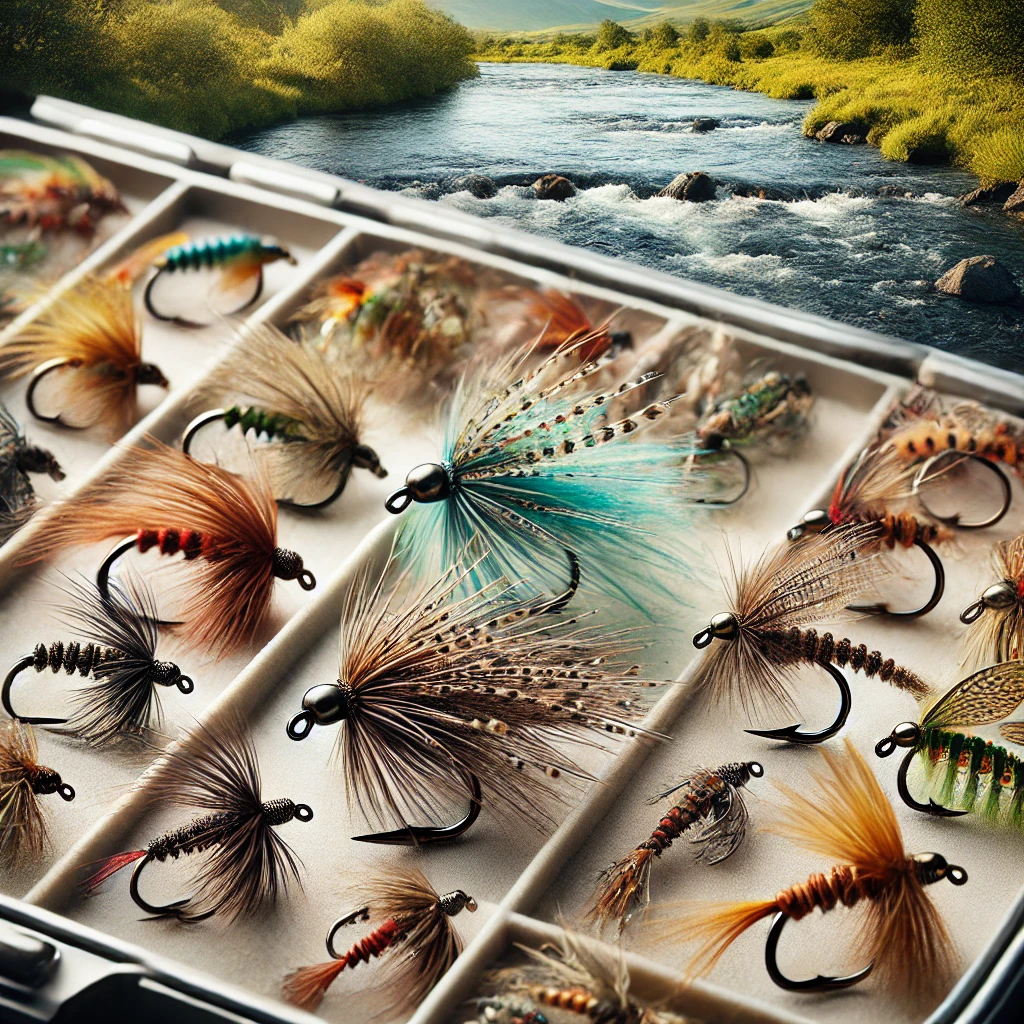
Fly fishing is a delicate and nuanced art that goes beyond the simple casting of a line into water. One of its most intricate aspects is fly tying, the craft of creating flies that mimic natural insects, attracting fish to the lure. A crucial component in this craft is the use of glues and adhesives. Whether you are repairing a favorite old fly or ambitiously trying to create a new fly from scratch, the right adhesive can make a world of difference. The importance of adhesives in fly tying cannot be overemphasized—they hold together the materials that make up the fly, ensuring durability, functionality, and a realistic look.
Understanding the range of adhesives available and their specific applications can seem daunting for beginners. However, mastery of these products will elevate your fly tying skills, bringing your creations closer to perfection. This article aims to provide a comprehensive guide on the different types of fly tying glues and adhesives, their benefits, and how best to use them.
Read on to discover the essential materials and tools you’ll need for successful fly tying glue application, tips and tricks for achieving professional results, and recommendations for some of the best products on the market. Our goal is to empower both novice and experienced fly tyers with the knowledge to enhance their craft.
So grab your bobbins, pliers, and threads—let’s dive into the sticky world of fly tying adhesives!
Understanding Different Types of Fly Tying Adhesives
Knowing the types of adhesives at your disposal is fundamental to achieving the desired outcome in your fly tying ventures. Broadly, fly tying adhesives fall into several categories: head cement, UV resin, super glue, and specialized adhesives.
Head Cement: This is perhaps the most commonly used adhesive in fly tying. It’s typically applied to the heads of finished flies and is used to seal thread wraps, ensuring they don’t unravel. While head cement comes in both water-based and solvent-based formulations, solvent-based variants offer superior durability and resistance to moisture.
UV Resin: This modern adhesive has become increasingly popular due to its fast curing times and excellent versatility. Applied as a gel or liquid, UV resin hardens within seconds when exposed to UV light, making it an excellent choice for building up fly bodies or creating hard, glossy finishes.
Super Glue: Often referred to as cyanoacrylate, super glue is highly effective for bonding synthetic and natural materials. It’s especially useful for its rapid-setting properties, making the fly tying process quicker and more efficient.
Specialized Adhesives: These include products like fabric glue, epoxy, and flexible adhesives designed for specific materials and uses. While not as widely used as the other categories, they provide unique advantages for specialized applications, such as bonding soft plastics or creating durable, waterproof finishes.
Essential Fly Tying Tools for Adhesive Application
To achieve the best results in fly tying, having the right tools to apply adhesives is just as crucial as the adhesives themselves. Here, we’ll cover the basic tools that every fly tyer should have in their arsenal.
Bodkin: A bodkin is a small, needle-like tool used for precise application of adhesives. It allows you to apply small amounts of glue exactly where needed, avoiding mess and waste.
Hackle Pliers: These handy tools allow you to grip and manipulate materials tightly, facilitating the application of adhesive to otherwise hard-to-reach areas.
UV Light: Essential for curing UV resin, a UV light ensures that your adhesive sets quickly and properly, allowing you to work efficiently.
Glue Applicator Bottles: Small bottles with fine tips make applying adhesives in precise amounts much easier. This is particularly useful when working with super glue or head cement.
Brushes: Small brushes are invaluable for spreading adhesives evenly over larger areas or for applying fabric glue or epoxy.
While these tools may seem basic, they greatly enhance your ability to work with adhesives, making the fly tying process smoother, cleaner, and more effective.

Top Adhesive Products for Fly Tying
With the myriad of adhesive products available on the market, it can be challenging to know which ones are worth investing in. Below, we’ve compiled a list of some of the best adhesives for fly tying, trusted by experts and hobbyists alike.
Loon Outdoors Hard Head Fly Finish: This water-based head cement is perfect for sealing thread wraps and creating a hard, durable finish. It’s easy to apply, dries clear, and is non-toxic.
Solyent UV Resin: Known for its excellent curing times and durability, Solyent UV Resin is ideal for building fly bodies and adding gloss to your creations. It comes in various viscosities to suit different applications.
Gorilla Super Glue Gel: A popular choice among fly tyers, this super glue gel is easy to control and doesn’t run, making it perfect for precision bonding. It’s also highly durable and resistant to moisture.
Fabric-Tac Permanent Adhesive: Ideal for bonding fabric materials, Fabric-Tac is a flexible, durable adhesive that dries clear and fast. It’s great for flies that incorporate synthetic fabrics.
Devcon 2-Ton Epoxy: For heavy-duty projects requiring a strong, durable bond, Devcon 2-Ton Epoxy is a top choice. It sets in 30 minutes and cures thoroughly, offering excellent resistance to wear and tear.
These products have earned their place in the fly tying community for their reliability and performance. Whether you are a novice or a seasoned fly tyer, having these adhesives in your kit will ensure you are well-equipped to tackle any project.
Tips and Techniques for Effective Adhesive Use
Using adhesives effectively requires not only the right products but also the right techniques. Here are some tips to help you achieve the best results in your fly tying projects.
Use Sparingly: Less is often more when it comes to adhesives. Applying too much glue can create a mess and affect the fly’s performance. Use just enough to bond the materials securely.
Work in a Well-Ventilated Area: Many adhesives emit fumes that can be harmful if inhaled. Always work in a well-ventilated area to ensure your safety.
Test Before Applying: If you’re uncertain about how an adhesive will interact with your materials, test it on a small, inconspicuous area first. This can prevent damage to your materials and wasted effort.
Practice Patience: While some adhesives set quickly, others require time to cure fully. Follow the manufacturer’s instructions and allow adequate drying time to ensure a strong bond.
Clean Your Tools: Adhesives can gum up your tools, making them less effective over time. Clean your tools regularly to maintain their functionality and precision.
These techniques can help you get the most out of your adhesives, ensuring your flies are both beautiful and durable.
Common Mistakes and How to Avoid Them
Even seasoned fly tyers can make mistakes when working with adhesives. Here are some common pitfalls and how to avoid them.
Using Too Much Adhesive: Over-application is a common mistake that can result in a messy, unprofessional finish. To avoid this, use tools like bodkins or applicator bottles for precise application.
Incorrect Curing: Insufficient curing time can weaken the bond, leading to fly failure. Always follow the manufacturer’s curing instructions and use a UV light for UV resins to ensure proper setting.
Improper Storage: Many adhesives have a limited shelf life and can degrade if not stored properly. Keep them in a cool, dry place and ensure caps are secured tightly to extend their usability.
Incompatibility with Materials: Not all adhesives work well with all materials. Testing on a small piece beforehand can help you determine if the adhesive is suitable for your project.
Skipping Safety Measures: Ignoring safety guidelines, such as working in a well-ventilated area or wearing gloves, can pose health risks. Always follow safety recommendations to protect yourself.
By being mindful of these common mistakes, you can avoid setbacks and enhance the quality of your fly tying projects.
Conclusion
Fly tying is an enjoyable and rewarding hobby that requires precision, patience, and the right tools and materials. Adhesives are among the most crucial components in this craft, providing the bonds that hold your flies together. From head cement to UV resin and super glue, each type of adhesive has its unique advantages and applications.
Equally important are the tools used to apply these adhesives, including bodkins, UV lights, and applicator bottles. These tools can help you achieve precise, clean applications, resulting in professional-quality flies.
We’ve highlighted some of the top adhesive products on the market, trusted by the fly tying community for their reliability and performance. Incorporating these adhesives into your toolkit will enhance your capabilities, whether you’re a beginner or an experienced fly tyer.
Moreover, following best practices for adhesive use and avoiding common mistakes can significantly improve your results. Use adhesives sparingly, work in well-ventilated areas, test products before applying, and allow adequate curing time to ensure strong bonds. Cleaning your tools regularly and storing adhesives properly will also maintain their effectiveness and longevity.
In summary, mastering the use of adhesives is key to successful fly tying. With the right knowledge, tools, and techniques, you can create durable, realistic flies that will stand up to the rigors of fly fishing. So go ahead, experiment with different adhesives and techniques, and watch your fly tying skills soar to new heights.