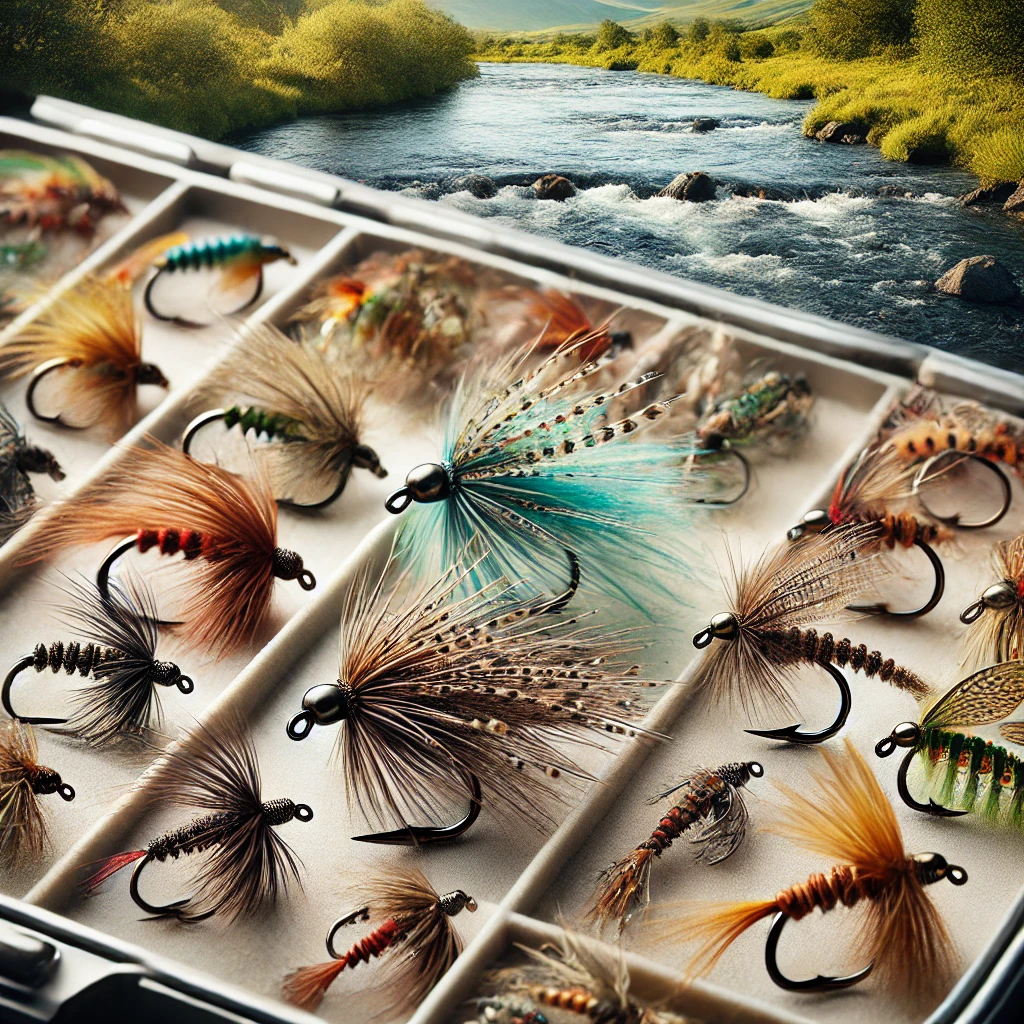
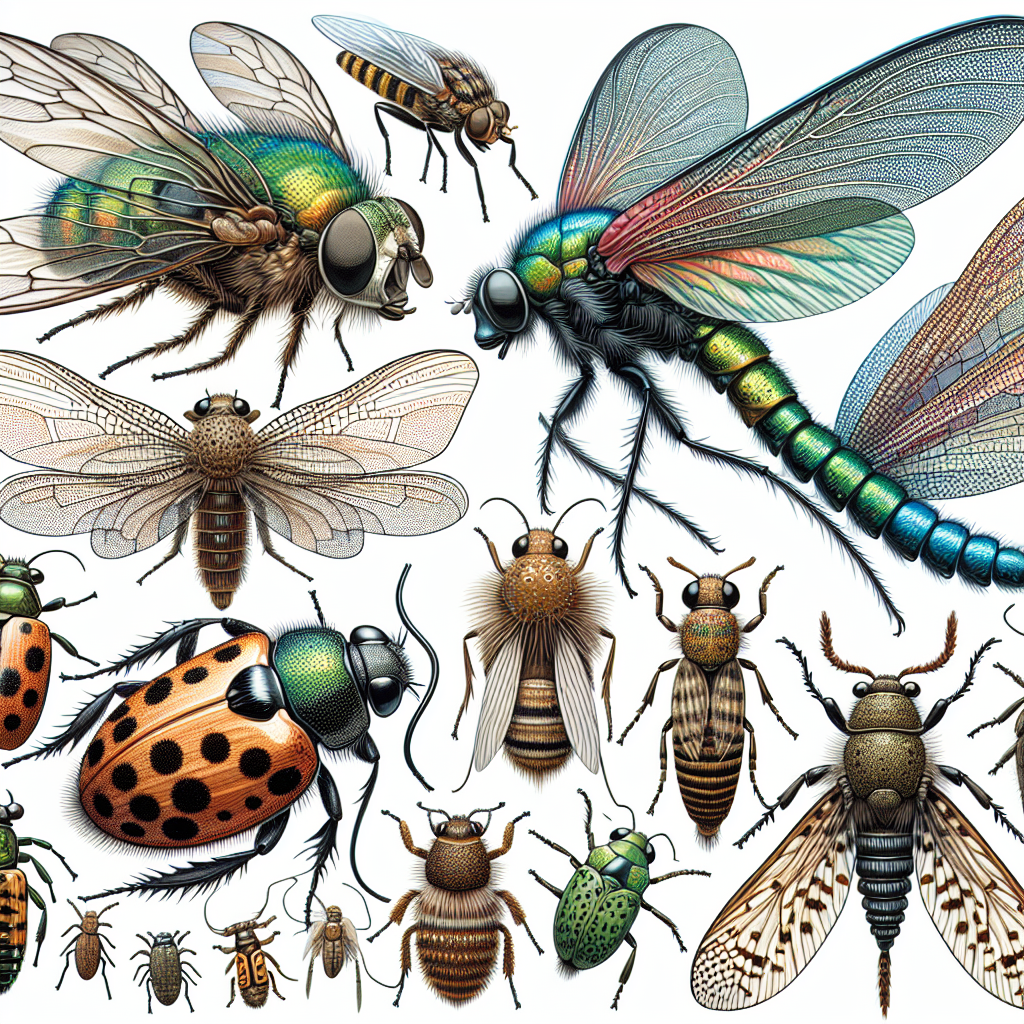
Fly fishing is not just a hobby; it’s a passionate pursuit that melds art with skill. For many anglers, tying their own flies is an integral part of the sport’s allure. Fly tying requires patience, creativity, and a keen eye for detail. It’s not only about catching fish but also about crafting something beautiful and functional with your own hands. One of the first steps in mastering this craft is investing in a quality fly tying kit. For beginners and seasoned tiers alike, selecting the right kit can be overwhelming given the variety of materials and tools available.
In this article, we’ll demystify the process of choosing a fly tying kit by breaking down the essential components and explaining what to look for. Whether you are tying for trout, bass, or saltwater species, a good kit can make all the difference in your fly tying experiences. Let’s dive into the critical aspects you should consider when selecting your fly tying kit.
Essential Tools in a Fly Tying Kit
When choosing a fly tying kit, it’s essential to first understand the basic tools that you will use. A standard fly tying kit should include a vice, bobbin holder, scissors, hackle pliers, whip finisher, and bodkin. Each of these tools plays a specific role in the process of creating your fly.
- Vice: The vice is the cornerstone of any fly tying kit. It secures the hook while you attach materials to it. Look for a sturdy, adjustable vice with a smooth rotation.
- Bobbin Holder: This tool holds the thread spool and helps maintain tension so that the thread doesn’t unravel while you’re tying.
- Scissors: A good pair of sharp scissors is vital for cutting thread and trimming materials. Ensure they are comfortable and precise.
- Hackle Pliers: These pliers grasp delicate feathers and other materials securely without damaging them.
- Whip Finisher: This tool is used to tie off the fly, creating a secure and durable knot at the end.
- Bodkin: Essentially a needle with a handle, a bodkin is used for applying head cement, picking out dubbing, and making other fine adjustments.
Understanding these tools and their purposes will help you in selecting a kit that meets your needs. Ensure that the quality of these essential tools is high; they will form the foundation of your fly tying success.
Quality of Materials
The materials included in a fly tying kit are just as important as the tools. High-quality materials not only make the tying process easier but also result in a more effective fly. When evaluating a kit, consider the following materials:
- Threads: Different types of thread are used depending on the fly pattern you are tying. Look for a variety of sizes and colors.
- Hooks: The kit should include a range of hook sizes suitable for the types of flies you intend to tie.
- Feathers: Quality hackle feathers, such as those from roosters or hens, are crucial for creating lifelike movement in your flies.
- Hair: Deer and elk hair are commonly used for the wings and bodies of certain fly types. Ensure these materials are clean and free of debris.
- Dubbing: Dubbing is used to create the body of the fly. Look for a variety of colors and textures to match different insect patterns.
- Beads and Eyes: These add weight and realism to your flies. Ensure they are of consistent quality and fit the hooks properly.
High-quality materials will make a noticeable difference in the ease of tying and the performance of your flies. Be wary of kits that skimp on material quality; they can significantly impact your enjoyment and success in fly tying.

Kit Completeness
Fly tying kits can vary greatly in terms of completeness. Some kits are designed for beginners and may include a comprehensive selection of tools and materials to get you started. Other kits might be more specialized or tailor-made for specific fly patterns or species of fish.
For beginners, a more complete kit might make the most sense because it provides a broad foundation upon which to build your skills. Look for kits that include instructional materials, such as DVDs or detailed manuals, which can guide you step-by-step through the process of tying different types of flies.
On the other hand, if you have some experience, you might prefer a kit that targets a specific type of fly or fishing. For example, if you’re interested in tying nymphs or dry flies, look for kits that provide specialized materials for those patterns. Ensure the kit aligns with your current needs and future ambitions in fly tying.
Portability and Storage
Portability and storage are important considerations, especially if you plan to travel with your kit or have limited space. Many kits come in compact, portable cases that are easy to take on fishing trips or store when not in use.
Compact cases can also help in organizing your materials and tools, making the fly tying process more efficient and enjoyable. Look for cases with compartments and organizers, so each tool and material has its place.
If you opt for a more extensive collection of tools and materials, you might need a larger storage solution, such as a dedicated fly tying desk or storage cabinet. While not as portable, these larger setups can vastly improve your tying efficiency and enjoyment, allowing you to keep everything neatly organized and within easy reach.
Price vs. Value
The price of a fly tying kit can range from very affordable to quite expensive. However, it’s crucial to evaluate the value rather than just the price. Sometimes, more expensive kits offer higher quality tools and materials that can enhance your tying experience and lead to better outcomes.
Consider how much you’re willing to invest and what you hope to get out of it. For those just starting, it might be wise to start with a moderately priced kit that offers good quality tools and materials. As your skills improve, you can then invest in higher-end tools and materials tailored to your specific preferences.
For seasoned tiers, investing in top-tier tools and materials can be beneficial. High-quality tools often last longer and perform better, while premium materials can lead to more effective and aesthetically pleasing flies.
Conclusion
Choosing the right fly tying kit is a significant step in your fly fishing journey. It’s an investment not just in tools and materials but in your experience and enjoyment of the sport. By understanding the essential tools, ensuring the quality of materials, evaluating the completeness of the kit, considering portability and storage, and weighing price versus value, you can make an informed decision that enhances your fly tying endeavors.
Remember, the best kit for you is one that fits your current needs while providing room for growth. Whether you are new to fly tying or an experienced angler, selecting a quality kit will set you on the path to creating beautiful, effective flies that will enhance your fishing experience. Happy tying!