Fly tying is an intricate art that combines creativity, patience, and a touch of precision. Whether you’re a seasoned fly angler or a novice still wetting your feet, the tools you use profoundly impact the quality of your final flies. Among these tools, fly tying scissors hold a place of paramount importance. They are arguably the most frequently used item on your fly-tying table, making the choice of the right pair crucial for crafting exquisite and effective flies.
Introduction
As any experienced fly tier will attest, the quality of your fly tying scissors can make or break your fly tying experience. These petite but potent instruments are indispensable when it comes to precisely trimming thread, hackle, and other delicate materials. With the right pair of scissors, the challenges posed by stubborn feathers, unruly synthetics, and slippery threads become significantly more manageable. However, with a seemingly overwhelming variety of fly tying scissors on the market, how does one go about selecting the best pair for their needs?
When choosing fly tying scissors, factors such as blade type, handle design, and ergonomics play vital roles. Each of these factors influences not only the ease of use but also the efficiency and comfort of your fly tying sessions. A poorly chosen pair can lead to frustration, hand fatigue, and subpar flies, while an ideal pair can elevate your fly tying to new heights. In this article, we will delve into the different types of fly tying scissors available, the key features to consider, and some trusted brands renowned in the fly tying community.
Blade Types and Their Significance
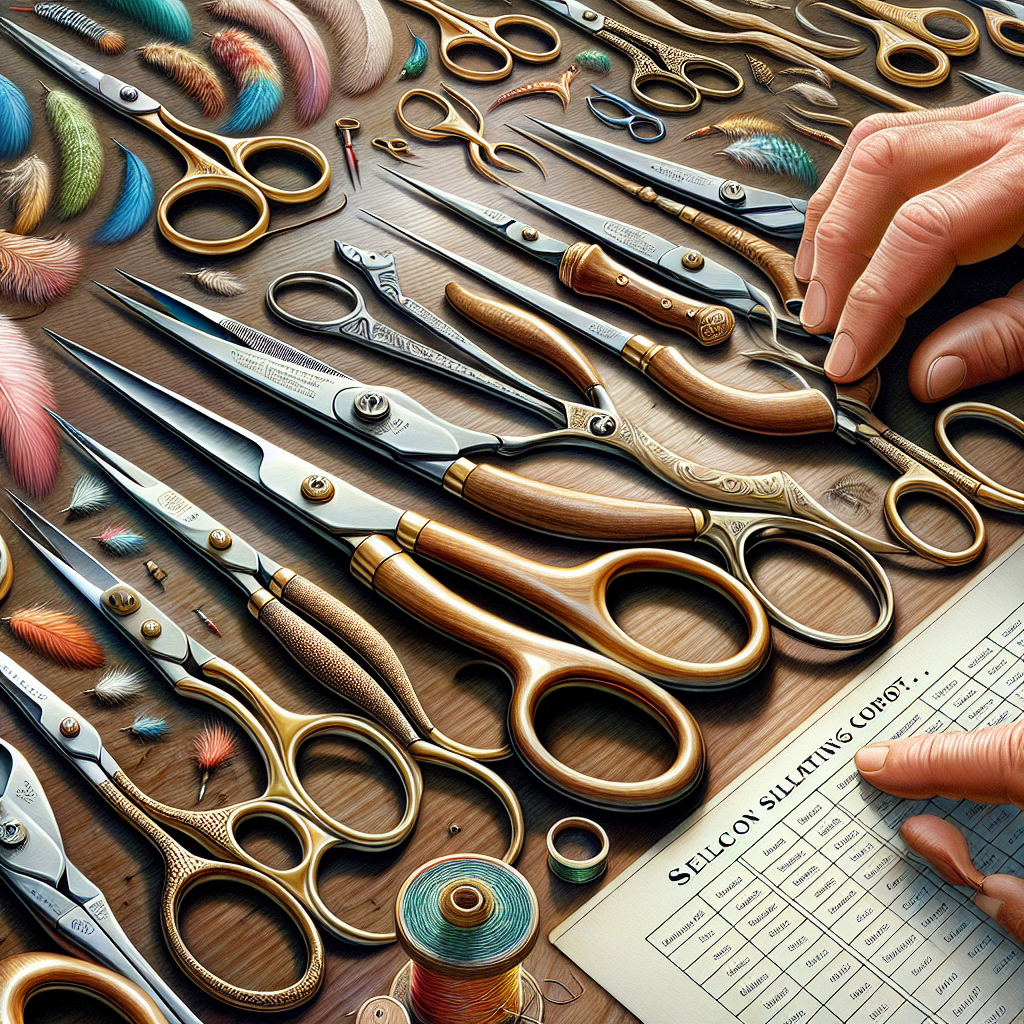
The blade is the heart of any pair of scissors, and fly tying scissors are no exception. Blades come in various lengths, shapes, and edge types, each designed to serve specific tying tasks. Understanding these differences is crucial for making an informed choice.
Fine-Tip Scissors: These scissors feature thin, pointed blades ideal for intricate, detailed work. They’re perfect for cutting small, delicate materials and making precise trims close to the hook shank without damaging the fly.
Serrated Scissors: Serrated blades have small teeth along the cutting edge. These teeth provide a better grip on slippery materials like synthetic fibers, ensuring a clean cut without slipping.
Micro-Tip Scissors: Micro-tip scissors boast extremely fine, sharp tips. They excel at making detailed cuts in confined spaces, perfect for trimming delicate materials like CDC (Cul de Canard) feathers.
Curved Scissors: Often used in situations where you need to make circular cuts or trim materials while maintaining a natural tapering effect. They’re great for trimming hackle, crafting legs, and shaping flies.
When choosing blade types, consider the type of fly you most frequently tie. While it’s tempting to opt for versatile all-purpose scissors, specialized types may be more beneficial if you often work with specific materials or patterns.
Handle Design and Ergonomics
The comfort and ergonomics of your fly tying scissors significantly influence your overall experience. Inefficiently designed handles can lead to hand fatigue, especially during extended tying sessions. Here’s what to consider:
Finger Loops: The size and shape of the finger loops can make or break your comfort level. Loops should be spacious enough to allow easy maneuverability without causing discomfort or cramping. Scissors with adjustable loops or those designed to fit various finger sizes can be a plus for added comfort.
Spring-Loaded Scissors: For tiers who frequently experience hand fatigue, spring-loaded scissors can be a game-changer. These scissors automatically reopen after each cut, reducing the strain on your hands and allowing for quicker, more efficient cutting.
Cushioned Handles: Handles with cushioned or padded grips provide added comfort, reducing the stress on your fingers during prolonged use. Scissors with ergonomic designs specifically tailored for comfort can enhance your tying experience and precision.
Ultimately, the best handles for you will depend on your hand size and personal preference. Trying out different models or seeking recommendations from fellow tiers can help determine the most suitable design.

Material and Build Quality
The durability and longevity of your fly tying scissors are primarily dictated by the materials used in their construction. Opting for high-quality materials ensures your scissors remain sharp and reliable over time, providing consistent performance.
Stainless Steel: Most fly tying scissors are made from high-quality stainless steel. Stainless steel blades are renowned for their corrosion resistance, sharpness, and durability. They maintain their edge well, requiring less frequent sharpening and offering a longer service life.
Tungsten Carbide: Some premium models feature tungsten carbide inserts in their blades. Tungsten carbide is exceptionally hard and retains its sharpness longer than traditional stainless steel. Although more expensive, scissors with tungsten carbide blades provide unmatched cutting precision and durability.
Nickel-Plated Finish: Scissors with a nickel-plated finish offer additional protection against rust and corrosion. They often have a sleek, aesthetic appeal while providing enhanced durability for prolonged use.
Investing in well-made scissors constructed from quality materials ensures a reliable tool that will withstand the rigors of frequent fly tying. Consider reputable brands known for their craftsmanship and use of superior materials.
Trusted Brands and Popular Models
The fly tying community has identified several trusted brands known for producing top-notch scissors that cater to the specific needs of fly tiers. Let’s explore some of these well-regarded brands and their popular models:
Dr. Slick: Dr. Slick is a household name in the fly tying world. Their range of scissors caters to beginners and seasoned tiers alike. Models such as the Dr. Slick Razor Scissors and Micro Tip All Purpose Scissors are highly praised for their sharpness and comfortable ergonomics. The Razor Scissors, in particular, feature precision-ground blades, ideal for detailed work.
Anvil USA: Known for their robust and durable shears, Anvil USA offers scissors with superior craftsmanship. The Anvil Ice Tempered Scissors are a favorite among tiers for their longevity and sharpness. These scissors are designed to handle tougher materials while maintaining precise cuts.
Renomed: Renomed scissors are synonymous with exceptional quality and precision. Handcrafted in Poland, these fine-tipped scissors are designed for the most intricate fly tying tasks. The Renomed Fine Tip Scissors are esteemed for their impeccable crafting and sharpness, making them a go-to choice for delicate materials.
Stonfo: Stonfo offers a range of high-quality fly tying tools, including scissors. The Stonfo Razor Scissors are known for their surgical-grade stainless steel blades, providing unmatched precision for detailed cuts. These scissors are favored by many tiers for their ergonomic design and sharpness.
Choosing scissors from trusted brands ensures you invest in reliable, high-quality tools backed by positive user experiences within the fly tying community.
Maintenance and Care
Proper maintenance and care of your fly tying scissors are essential to prolong their lifespan and ensure consistent performance. Here are some tips to keep your scissors in top condition:
Regular Cleaning: After each tying session, wipe your scissors with a clean, dry cloth to remove any debris, oils, or residues. This prevents build-up which could affect their cutting performance. For tougher residue, a small amount of rubbing alcohol on a cloth can help cleanse the blades without damaging them.
Sharpening: Even high-quality scissors require periodic sharpening to maintain their cutting edge. Use a fine grit sharpening stone or specialized scissor sharpener to carefully hone the blades. Regular sharpening ensures clean cuts and prolongs the life of your scissors.
Oiling: Applying a drop of light machine oil to the pivot point of your scissors can keep the blades operating smoothly. Oiling helps reduce friction and wear, ensuring the scissors function effortlessly over time.
Storage: Store your scissors in a dry, secure place when not in use. Using a protective case or sheath can prevent damage to the blades and protect them from dust and moisture. Avoid storing them in damp or humid environments to prevent rusting.
Regular maintenance practices ensure your fly tying scissors remain sharp, reliable, and ready for action whenever you sit down to craft your flies.
Conclusion
Selecting the perfect pair of fly tying scissors can be a transformative step in enhancing your fly tying experience. By understanding the significance of blade types, ergonomics, material quality, and trusted brands, you can make an informed decision that meets your specific tying needs. Remember that investing in high-quality scissors is an investment in your craft, providing precision, efficiency, and comfort for countless fly tying sessions.
As you embark on your journey toward choosing the best fly tying scissors, don’t hesitate to seek advice from experienced tiers, read reviews, and try different models. The right pair of scissors will not only improve the quality of your flies but also make your tying sessions more enjoyable and productive.
In the world of fly tying, attention to detail and precision are paramount. Armed with the right tools, including a pair of top-notch fly tying scissors, you’ll be well-equipped to create beautiful, effective flies that stand the test of water.