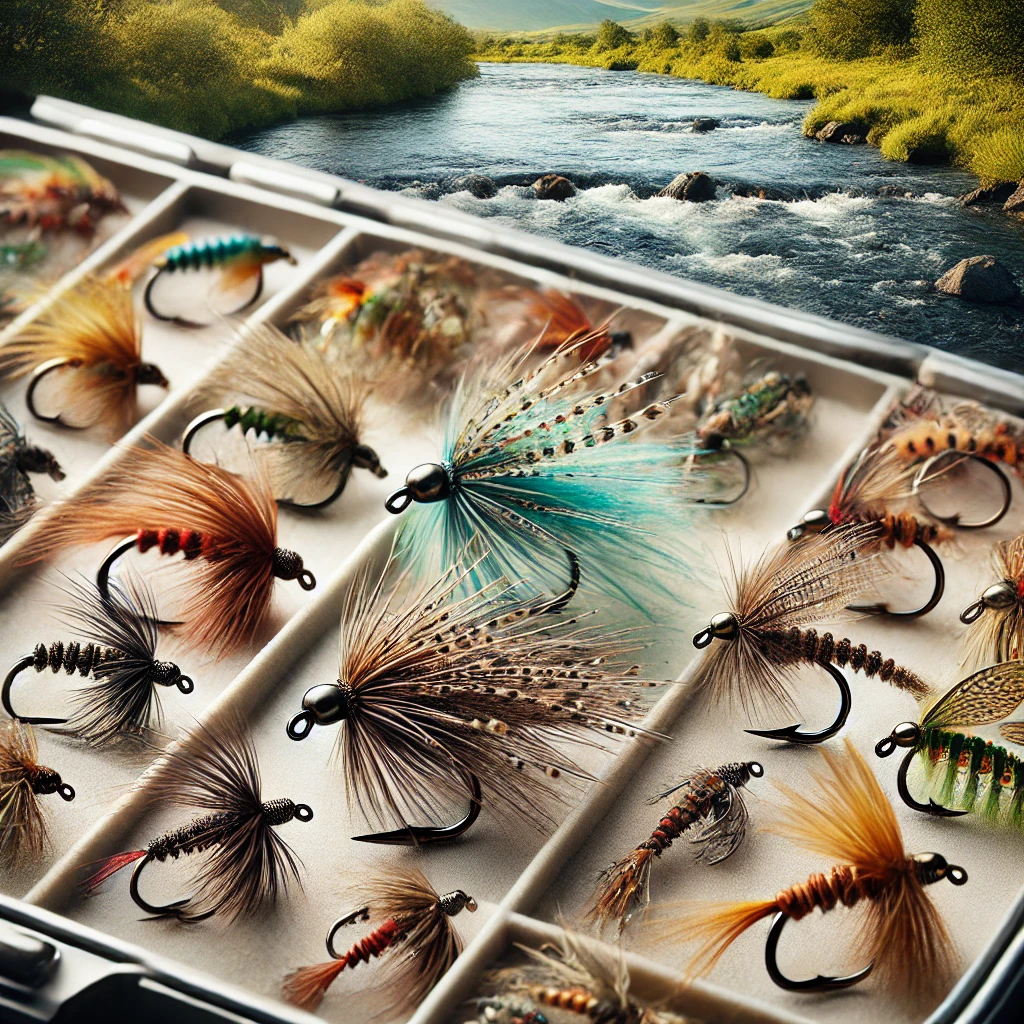
Welcome to the art of fly tying, a captivating and meticulous hobby that melds creativity with nature. Fly fishing, as an ancient method of angling, has gradually evolved to incorporate various materials and techniques to mimic aquatic insects and other prey effectively. The introduction of foam materials into fly patterns marked a significant breakthrough, allowing anglers to craft buoyant flies that can stay afloat longer and attract more fish.
In this article, we will delve into the world of foam materials in fly tying. We’ll explore the types of foam materials available, essential tools for working with foam, and a few popular foam fly patterns. Whether you’re a seasoned angler or a beginner, understanding the versatility and advantages of foam materials can elevate your fly fishing experience. Let’s dive into the essentials!
Types of Foam Materials
Foam is celebrated for its lightweight and buoyant properties, making it an ideal material for creating floating fly patterns. It comes in various types, each with its unique characteristics. Here are some common foam materials used in fly tying:
- Sheet Foam: Available in different thicknesses and colors, sheet foam is versatile and can be cut and shaped to create various fly patterns.
- Foam Cylinders: These cylindrical pieces of foam are perfect for creating bodies of flies like beetles or foam ants. They come in various diameters to cater to different fly sizes.
- Foam Blocks: Similar to sheet foam but thicker, foam blocks can be shaped using scissors or craft knives for larger and more intricate patterns.
- Pre-Cut Foam: Designed for specific fly patterns, pre-cut foam pieces save time and offer consistency in the final product.
These foam materials are readily available in fly shops and online stores, often inexpensively. Being aware of the options at your disposal can help you select the right foam for your specific needs and fly patterns.
Essential Tools for Working with Foam
While tying flies with foam doesn’t require a vast array of specialized equipment, having the right tools can make the process smoother and more enjoyable. Here are some essential tools for working with foam in fly tying:
- Craft Scissors: Sharp scissors are crucial for cutting foam cleanly and accurately. It’s beneficial to have a pair dedicated solely to foam to maintain their sharpness.
- Craft Knives: A hobby knife with replaceable blades is perfect for detailed work, like shaping foam bodies and wings.
- Bodkin: A bodkin, a needle-like tool, helps in piercing and manipulating small foam pieces without damaging them.
- Cutting Mat: Protect your workspace and achieve precise cuts by using a self-healing cutting mat.
- Adhesives: Glue designed for foam application helps in attaching foam to other materials. UV-cured resin can be used to reinforce and finish fly bodies.
With these tools at hand, you’ll be well-equipped to start creating foam flies that are not only effective but also durable.

Popular Foam Fly Patterns
Foam flies have gained substantial popularity among anglers for their buoyancy and lifelike appearance. Here are a few beloved foam fly patterns you might want to try:
Hopper Patterns
Hopper flies mimic grasshoppers and are highly effective during late summer and early fall when these insects are prevalent near water bodies. Foam hoppers are durable and maintain their buoyancy, making them excellent for attracting fish like trout.
Foam Beetles
Beetles are commonly found near streams and rivers. A foam beetle fly pattern, usually black or brown, can attract fish feeding on terrestrial insects. Foam beetles can be tied with “indicator spots” (small bright-colored foam pieces) for improved visibility on the water.
Foam Ants
Ants are ubiquitous and often fall into the water, making them a reliable food source for fish. Foam ants can be tied in various sizes, with buoyant foam bodies ensuring they stay on the surface, enticing fish to strike.
These examples barely scratch the surface of what’s possible with foam materials. Experiment with different patterns and see what works best in your local waters.
Tying a Foam Hopper Fly
To get you started on using foam materials, let’s walk through tying a simple but effective foam hopper fly. Here are the steps:
Materials Needed:
- Hook: Size 8-12
- Thread: 6/0 or 8/0 in appropriate color
- Sheet Foam: Color of your choice
- Rubber Legs: Match to foam color
- Adhesive: Fly tying cement or super glue
Steps:
- Secure the hook in the vise and attach the thread, covering the hook shank in an even layer of thread.
- Cut a strip of sheet foam approximately as wide as the hook gap and slightly longer than the hook shank.
- Position the foam strip on top of the hook shank, starting at the hook bend, and tie it down firmly with thread wraps, working toward the hook eye.
- Fold the foam strip back over itself, creating a double layer, and tie it down again to form a segmented body.
- Attach rubber legs on each side of the fly, just below the folded foam, and secure them with thread wraps.
- Add a dob of adhesive around the tie-down points to ensure the materials stay in place.
- Finish off with a whip finish, securing the thread and trimming any excess.
This straightforward foam hopper fly is a versatile and effective pattern that will likely become a staple in your fly box.
Maintaining and Storing Foam Flies
Proper maintenance and storage of your foam flies can extend their lifespan and ensure they remain effective each time you hit the water. Here are some tips:
- Drying: After each fishing trip, allow your foam flies to dry completely before storing them. This prevents foam degradation and mold growth.
- Storage Boxes: Use fly boxes with compartments to store foam flies individually. This prevents them from becoming misshapen or damaged.
- Inspection: Regularly inspect your foam flies for wear and tear. Replace any that are deformed or have damaged components.
By taking these precautions, you can keep your foam flies in top condition, ready for use whenever you need them.
Benefits of Using Foam in Fly Tying
The integration of foam materials in fly tying offers several benefits beyond buoyancy. Let’s take a closer look at some advantages:
- Versatility: Foam can be shaped, colored, and combined with other materials to create a wide array of patterns.
- Durability: Foam flies are more resistant to wear and tear compared to traditional materials like feathers and furs.
- Cost-Effective: Foam is relatively inexpensive, making it accessible for both novice and experienced fly tyers.
- Visibility: Foam flies often have high visibility on the water surface, making it easier for anglers to track their flies.
These benefits make foam an invaluable material in the fly tyer’s toolkit, capable of enhancing both the crafting process and the fishing experience.
The incorporation of foam materials in fly tying represents a significant advancement in angling techniques. Foam flies, with their buoyant and durable properties, offer enhanced performance and accessibility for anglers at all levels. By understanding the different types of foam materials, equipping yourself with essential tools, and exploring popular patterns, you can harness the full potential of foam fly tying. Moreover, mastering the technique of tying foam hopper flies opens the door to countless creative possibilities in your fly box. Remember that proper maintenance and storage are key to preserving the longevity and effectiveness of your foam flies. In conclusion, foam materials have revolutionized fly tying by providing innovative solutions to traditional challenges. Whether for their buoyancy, versatility, or cost-effectiveness, foam flies have earned their place as a staple in the modern angler’s arsenal. So, gather your materials, set up your tying bench, and start creating buoyant patterns that will undoubtedly enhance your fly fishing adventures.