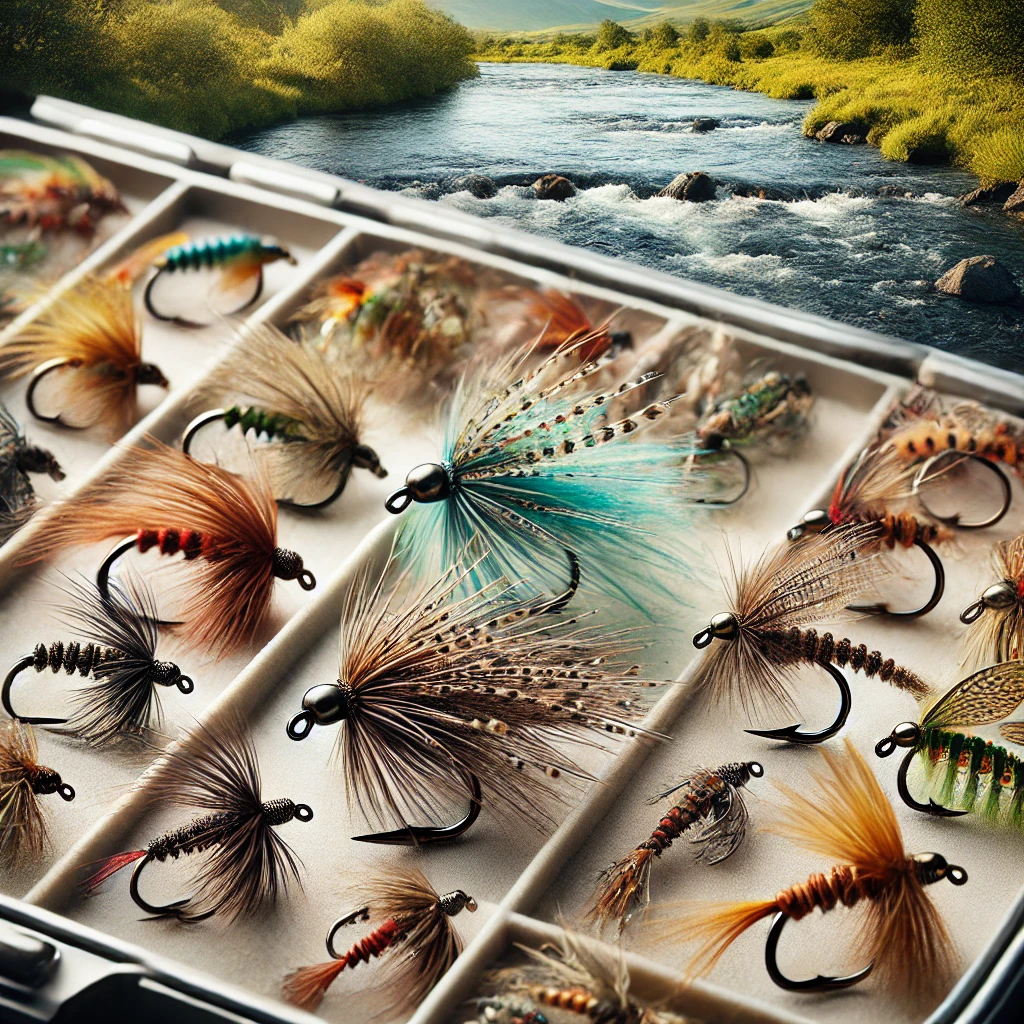
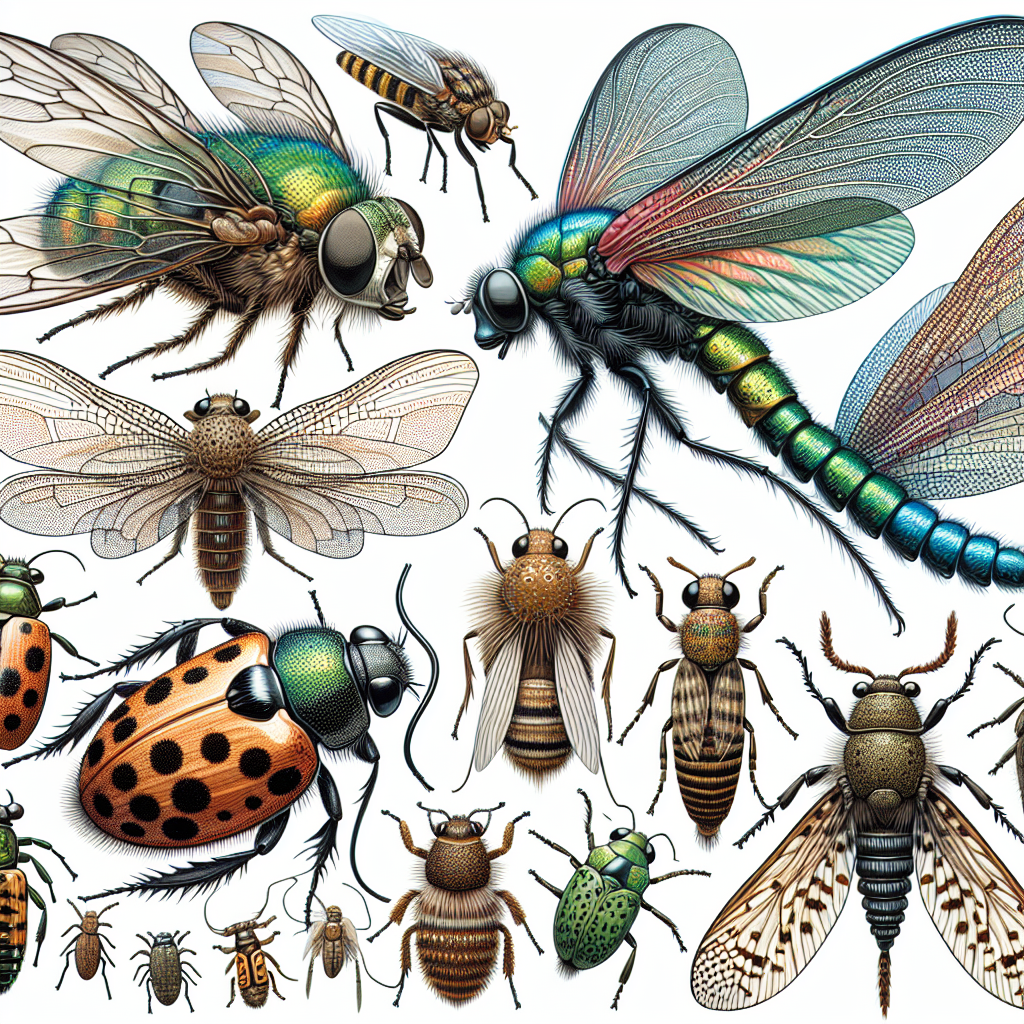
For anyone passionate about fly fishing, understanding the tools of the trade is essential. One such tool, the hackle plier, is crucial for creating the intricate patterns that attract fish. But what exactly are hackle pliers, and how can fly tyers use them most effectively?
Hackle pliers are small, spring-loaded tools used to grasp and wrap hackle (feathers) around the shank of a hook. They come in various designs, including standard, rotating, and rotary hackle pliers. These seemingly simple devices can be somewhat tricky to master, but once you get a handle on them, they make the task of tying flies much easier and more efficient.
Proper use of hackle pliers is not just about holding feathers. It’s about ensuring smooth and consistent wraps, preserving the quality of hackle fibers, and maintaining control throughout the tying process. This guide will cover everything you need to know, from selecting the right materials and tools to mastering the techniques that will elevate your fly tying skills.
Choosing the Right Hackle Pliers for Your Needs
When it comes to hackle pliers, one size does not fit all. The right plier for you will depend on several factors, including the type of flies you tie, the materials you use, and your personal preferences. Here are the main types of hackle pliers and what they’re best suited for:
- Standard Hackle Pliers: These are the most common type and are suitable for most general applications. They are perfect for beginners getting accustomed to the feel and mechanics of fly tying.
- Rotating Hackle Pliers: These pliers come with a rotating head, allowing for more complex wrapping and better control. They are excellent for intricate patterns and when working with delicate hackles.
- Rotary Hackle Pliers: Similar to the rotating pliers but with added versatility. These can spin 360 degrees, providing maximum flexibility, making them ideal for experienced tyers who need precision.
Selecting the proper hackle plier depends on your specific needs. Consider the size and type of hooks you’ll be using, the patterns you intend to create, and your comfort with the tool. Trying out a few different styles can also help you decide which one feels best in your hand.
Essential Materials: What You’ll Need to Get Started
Aside from the hackle pliers, you’ll need a few other materials and tools to begin tying your own flies. Here’s a quick rundown of the basics:
- Hooks: Choose the appropriate size and type for the flies you plan to tie.
- Thread: This binds the materials to the hook. Select a good quality thread that matches your fly pattern and materials.
- Hackle Feathers: These come from various birds and can be natural or dyed. Ensure you have a mix of sizes and types for different patterns.
- Vise: A good quality vise holds the hook securely, allowing you to work with both hands.
- Scissors: Sharp, fine-pointed scissors are essential for precise cuts.
- Bobbins and Bobbin Holders: These tools help manage the thread as you tie.
Investing in good quality materials will make your fly tying process smoother and ensure your flies are durable and effective in the water.
Step-by-Step Guide to Using Hackle Pliers
Once you have the right tools and materials, it’s time to start tying. Follow these steps to use hackle pliers effectively:
- Prepare the Hook: Secure the hook in your vise and start by wrapping the thread around the shank to create a base layer.
- Attach the Hackle: Select a hackle feather and trim the base to expose the stem. Tie the stem to the shank using your thread.
- Use the Hackle Plier: Grip the tip of the feather with your hackle pliers. Be careful not to crush the barbs as you press the pliers together.
- Start Wrapping: Begin wrapping the hackle around the shank, working your way toward the hook eye. Ensure each wrap is even and slightly overlaps the previous one.
- Secure the Feather: Once you’ve wrapped the hackle to your desired thickness, use the thread to secure it in place. Tie off the thread and trim any excess feather or thread.
- Finish the Fly: Add any additional materials or decorations needed for your fly pattern. Whip finish or use a head cement to secure everything in place.
Practicing these steps will help you become more proficient with your hackle pliers, resulting in better-quality flies.
Common Mistakes and Troubleshooting Tips
Even seasoned fly tyers can run into issues when using hackle pliers. Here are some common mistakes and how to avoid them:
- Crushing Hackle Fibers: If you grip the hackle too tightly, you may crush the fibers, resulting in a less natural look. Practice applying just enough pressure to hold the feather securely without damaging it.
- Uneven Wraps: Uneven or loose wraps can make your fly look sloppy. Ensure each wrap is uniform and try to maintain consistent tension on the hackle and thread.
- Feathers Slipping: If your feathers keep slipping out of the plier, check the gripping surface of your pliers. Some pliers come with rubberized tips to help secure the feather better.
- Breaking Threads: Sometimes, the tension from the hackle and thread can cause breaks. Choose a durable thread for maximum strength and be gentle in your wrapping technique.
Addressing these common issues can significantly improve the quality of your finished flies and make the process more enjoyable.
Advanced Techniques for Experienced Tyers
If you’ve mastered the basics and are ready to take your fly tying to the next level, there are several advanced techniques to explore with hackle pliers:
- Double Hackle Wrapping: This technique involves using two hackle feathers to create a fuller, more intricate fly pattern. Use the same steps as above but work with both feathers simultaneously.
- Counter Wrapping: Counter wrapping involves wrapping the hackle in the opposite direction of the thread. This adds durability to the fly by reinforcing the hackle wraps.
- Rotary Tying: Use rotary hackle pliers to spin the feather around the hook shank, allowing for more precise and consistent wraps. This technique is particularly useful for small, delicate flies.
- Mixed Materials: Experiment with combining hackle feathers with other materials like tinsel, chenille, or synthetic fibers. This can create unique, eye-catching patterns that attract various fish species.
These advanced techniques require more practice and skill but can yield exceptional results. They’re perfect for experienced tyers looking to expand their repertoire and create more specialized flies.
Conclusion
Hackle pliers are an essential tool in the fly tyer’s arsenal. Whether you’re a beginner or an experienced tyer, understanding how to use hackle pliers effectively can significantly improve your fly patterns and ultimately your success in the water.
From selecting the right type of hackle pliers to mastering both basic and advanced tying techniques, this guide has covered the key aspects of using hackle pliers. Remember, the more you practice, the more adept you’ll become, so don’t be afraid to experiment and refine your skills.
Investing in quality tools and materials, staying patient, and continually learning will set you on the path to becoming a proficient fly tyer. Whether you’re aiming to catch more fish or simply enjoy the art of fly tying, mastering the use of hackle pliers will undoubtedly enhance your experience.