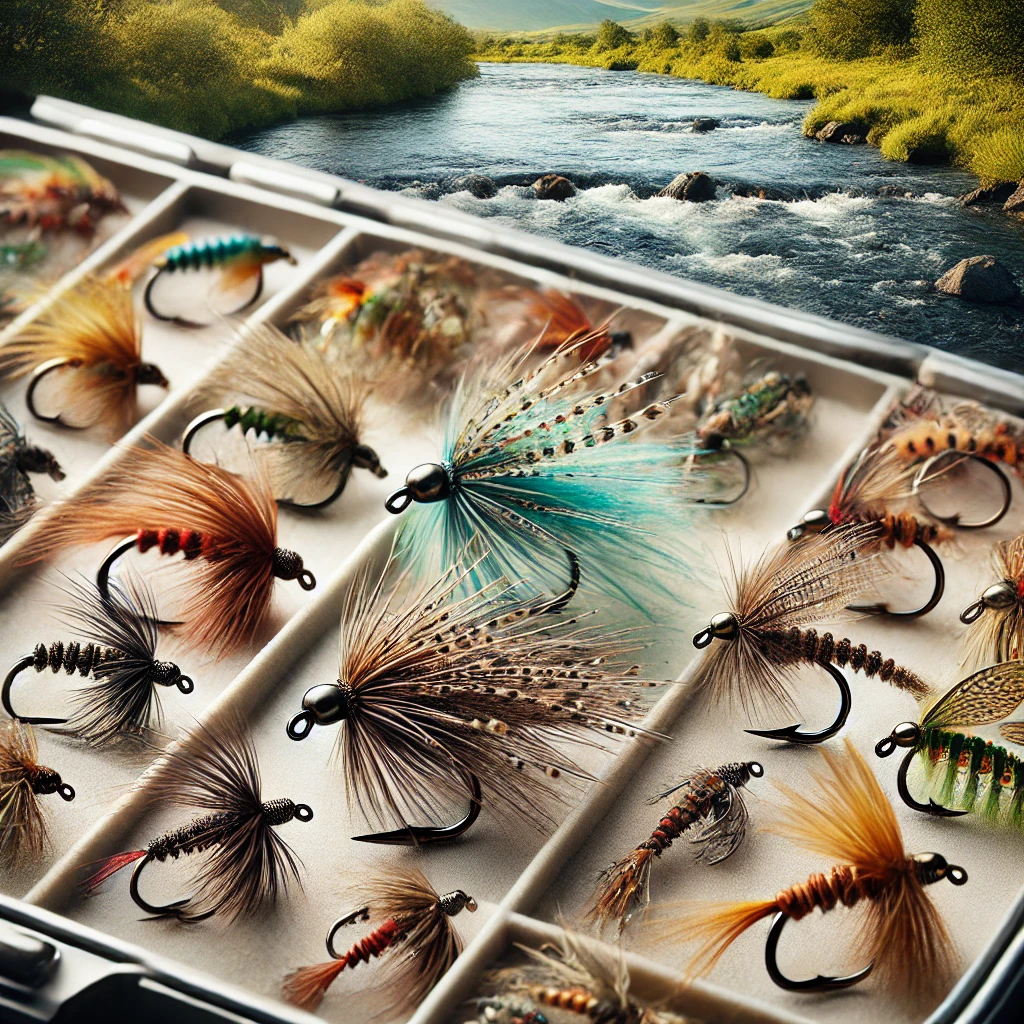
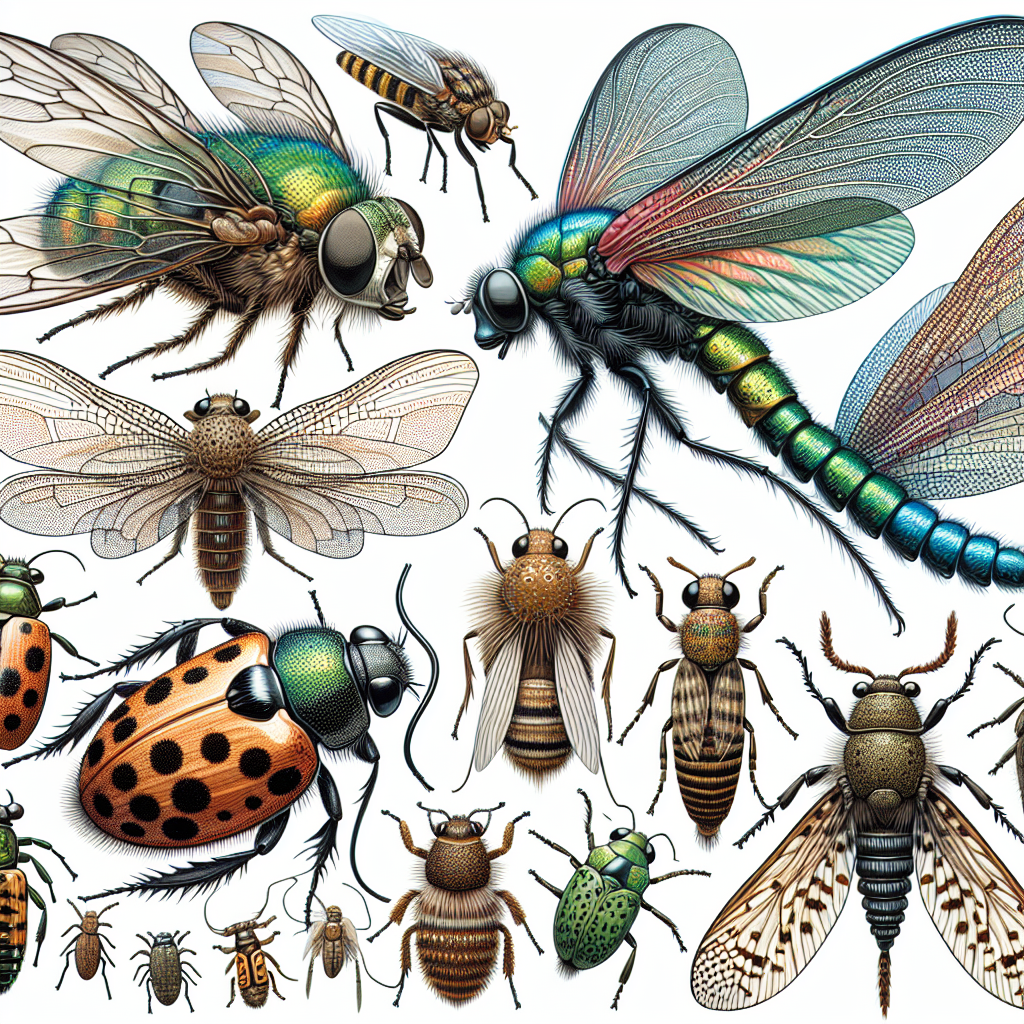
Fly fishing combines the beauty of nature with the art of fishing, requiring both patience and skill. One of the intriguing elements of this sport is the creation of flies that imitate natural insects. These flies are essential in attracting fish, and their success often hinges on how closely they mimic the prey in appearance and behavior. A crucial aspect of making these flies irresistible is the use of materials like flash and tinsel. In this article, we’ll dive deep into why flash and tinsel are indispensable in fly patterns, the various materials you can use, and the tools you need to get started with fly tying.
The Importance of Flash and Tinsel in Fly Patterns
When it comes to fly fishing, detail matters. Fish are not only attracted to the motion of the fly but also to its visual cues. Flash and tinsel add that extra dazzle, making your fly stand out in the water. Reflective materials can mimic the natural shine of baitfish scales, the glistening of an insect’s wings, or simply catch the fish’s attention through dynamic color changes under water. The minute you add these elements to your flies, you upgrade their attractiveness significantly.
The primary purpose of flash and tinsel is to create reflections and refractions of light that can catch a fish’s eye from a distance. These patterns are particularly useful in murky water where visibility is low or on cloudy days when less light penetrates the water surface. The reflections produced by flash and tinsel can also simulate the movements and colors of live bait. For instance, a Mylar tinsel can imitate the iridescent scales of minnows, which are a common diet for larger fish.
Moreover, properly used flash and tinsel not only increase your catch rates but can also be customized to suit various fishing environments and conditions. Whether you’re fishing in a clear mountain stream or a dimly lit pond, the right combination of flash materials will make your flies irresistible to fish. Now that we understand the role of flash and tinsel, let’s delve into the types of materials you can use.
Types of Flash and Tinsel Materials
With the importance of flash and tinsel established, let’s investigate the array of materials available to fly tiers. The market provides an astonishing variety to choose from, each offering unique attributes and advantages. Your choice will depend on the type of fish you’re targeting, the environment you’re fishing in, and personal preference in crafting.
First and foremost, Mylar is among the most popular materials used for both flash and tinsel. It comes in various forms including sheets, threads, and ribbons. Mylar offers a high degree of reflectivity and is extremely versatile, easily incorporated into different fly patterns. Its ability to mimic the shimmering scales of baitfish makes it a staple in many fly tiers’ kits.
Another popular material is Flashabou, known for its flexibility and range of colors. Unlike Mylar, Flashabou is softer, making it excellent for adding a more lifelike movement to your flies. Its elongated, hair-like strands can be tied into the body, tail, or wing of the fly, making it a favored material for streamers and skirt patterns.
Krystal Flash is another indispensable material, often used for adding a subtle, yet entrancing sparkle. Its twisted strands offer a unique form of light reflection, making it ideal for both freshwater and saltwater fly patterns. Krystal Flash is particularly effective in creating the illusion of tiny air bubbles and trapped light, akin to what you observe in a real insect caught in water.
Tinsel materials can also be segmented into flat and round tinsels. Flat tinsel is often used to wrap around the fly’s body, creating a streamlined, highly reflective surface. Round tinsel, on the other hand, is ideal for adding bulk and sparkle to specific areas, such as the thorax or head of the fly.
Tools Needed for Adding Flash and Tinsel
Now that we’ve covered types of flash and tinsel, let’s explore essential tools you’ll need to incorporate these materials into your flies. Having the right tools is crucial for executing accurate and precise flies, ensuring they are effective and durable.
First on the list is a quality fly tying vise, which will hold your hook firmly in place. This is fundamental for any fly tying activity, providing the stability needed while you attach materials. Adjustable vises allow you to hold hooks of various sizes, offering greater flexibility in your tying endeavors.
Next, fine scissors specifically designed for fly tying will help you snip materials with precision. These scissors typically have slender, pointed blades for accurate cutting, essential when dealing with delicate materials like Flashabou or Mylar.
Hackle pliers will also become one of your favorite tools. These small, spring-loaded pliers are indispensable for wrapping tinsel or thread around the hook shank, providing better grip and control.
Additionally, a bodkin, which is a fine needle on a handle, will be incredibly useful. This tool helps in separating materials, applying head cement, or picking out fibers to achieve a natural-looking finish.
A bobbin is also necessary for holding your thread spool and ensuring constant tension while tying. There are numerous types of bobbins available, some featuring ceramic inserts to reduce thread breaking.
Lastly, quality head cement or UV resin will be needed to secure your finished fly, providing durability and longevity. This adhesive ensures that all materials, including flash and tinsel, stay in place during casting and strikes from fish.

Step-by-Step Guide to Tying Flashy Flies
Now that you have your materials and tools ready, let’s walk through a basic step-by-step guide to tying a flashy fly. This guide will help beginners get started while offering experienced tiers some refined techniques.
Step 1: Secure the Hook Start by placing your hook in the fly tying vise. Make sure it’s tight and secure, as stability is key for accurate tying.
Step 2: Attach the Thread Wrap the thread around the hook shank, starting near the eye and moving back toward the bend. This base layer will help other materials adhere better.
Step 3: Add Flash Material Cut a few strands of Flashabou or Krystal Flash and tie them in near the bend of the hook. The length will depend on the size of your fly, generally extending slightly past the bend.
Step 4: Wrap the Body Next, take a piece of Mylar tinsel and start wrapping it around the hook shank, creating a smooth, reflective body. Secure it with a few wraps of the thread.
Step 5: Tie in Hackle Choose a feather that matches the color scheme of your fly and tie it in just behind the eye of the hook. Use your hackle pliers to wrap the feather around the hook shank, creating segmented, lifelike legs.
Step 6: Finish the Fly Add a few more wraps of thread to secure all materials, then whip finish the thread near the eye. Apply a small dab of head cement to ensure everything stays in place.
Congratulations, you’ve completed your flash-enhanced fly! Practice different combinations of flash materials and techniques to perfect your fly tying skills.
Advanced Techniques for Using Flash and Tinsel
For those who have mastered the basics and wish to further refine their craft, advanced techniques for using flash and tinsel can add a new level of realism and effectiveness to your flies.
One advanced technique is dubbing loops. This involves creating a loop of thread, inserting fine flash materials like Flashabou or Krystal Flash into the loop, and then twisting it to create a tubular, fibrous body. This technique gives the fly an intricate sparkle and bulk, making it look more realistic in the water.
Another technique involves layering different flash materials for a multicolored, dynamic effect. For instance, combining Mylar and Flashabou can result in a body that has both rigidity and fluidity, essential for mimicking varied prey types like minnows or dragonfly nymphs. The layered approach can make your flies versatile, suitable for various fishing conditions.
Using epoxy or UV resin to encase flash and tinsel materials is another advanced tactic. This can increase the fly’s durability while adding a glassy, reflective finish that catches even more light. This method is particularly useful for saltwater flies that need to withstand harsh conditions and aggressive strikes from fish.
Common Mistakes and How to Avoid Them
Fly tying can be a meticulous task, and even seasoned tiers can make mistakes. Knowing common pitfalls can help you avoid them and produce effective, durable flies.
One frequent mistake is using too much flash material. While adding flash can increase a fly’s attractiveness, overdoing it can result in a gaudy, unnatural appearance that may scare fish away. The key is moderation and balance.
Another mistake is poor material anchoring. Flash and tinsel must be tightly secured to ensure they stay in place. Weak anchoring can cause materials to unravel, rendering your fly ineffective. Always ensure you’re using enough thread wraps and a quality adhesive to hold everything in place.
Inconsistent proportions are another common error. While experimenting with different materials is encouraged, keeping your fly’s shape and size consistent is crucial. Fish are attracted to specific sizes and shapes based on their prey, so drastic deviations can impact your success rate.
Recommended Products and Brands
Several brands excel in producing high-quality fly tying materials. When it comes to flash and tinsel, investing in trusted names can make a huge difference in your tying experience and success on the water.
For Mylar tinsels, Veevus and UTC are highly recommended. These brands offer a wide range of colors and thicknesses, allowing you to tailor your flies precisely.
Flashabou from Hareline Dubbin is a go-to for many fly tiers due to its exceptional flexibility and vibrant color range. It’s durable and adds a realistic motion to your flies.
Krystal Flash by Wapsi is another top-tier material, known for its unique light refraction properties. It’s available in various colors and works splendidly for both freshwater and saltwater flies.
When it comes to tools, Dr. Slick, Griffin, and Renzetti are considered top brands. Their vises, scissors, and pliers are built to last, providing the precision necessary for detailed fly tying.
Conclusion
Flash and tinsel are integral components of effective fly patterns. These materials not only make your flies more attractive to fish but also allow for endless creativity and customization in fly tying. Whether you’re a novice or an expert, understanding the different types of flash and tinsel, the essential tools needed, and advanced techniques can elevate your fly fishing experience.
With the right materials and tools at your disposal, combined with careful attention to detail, you’ll be crafting flies that are not only visually stunning but also highly effective in catching fish. So next time you’re at the vise, remember the sparkle and shine of flash and tinsel, and watch your fly fishing success soar.