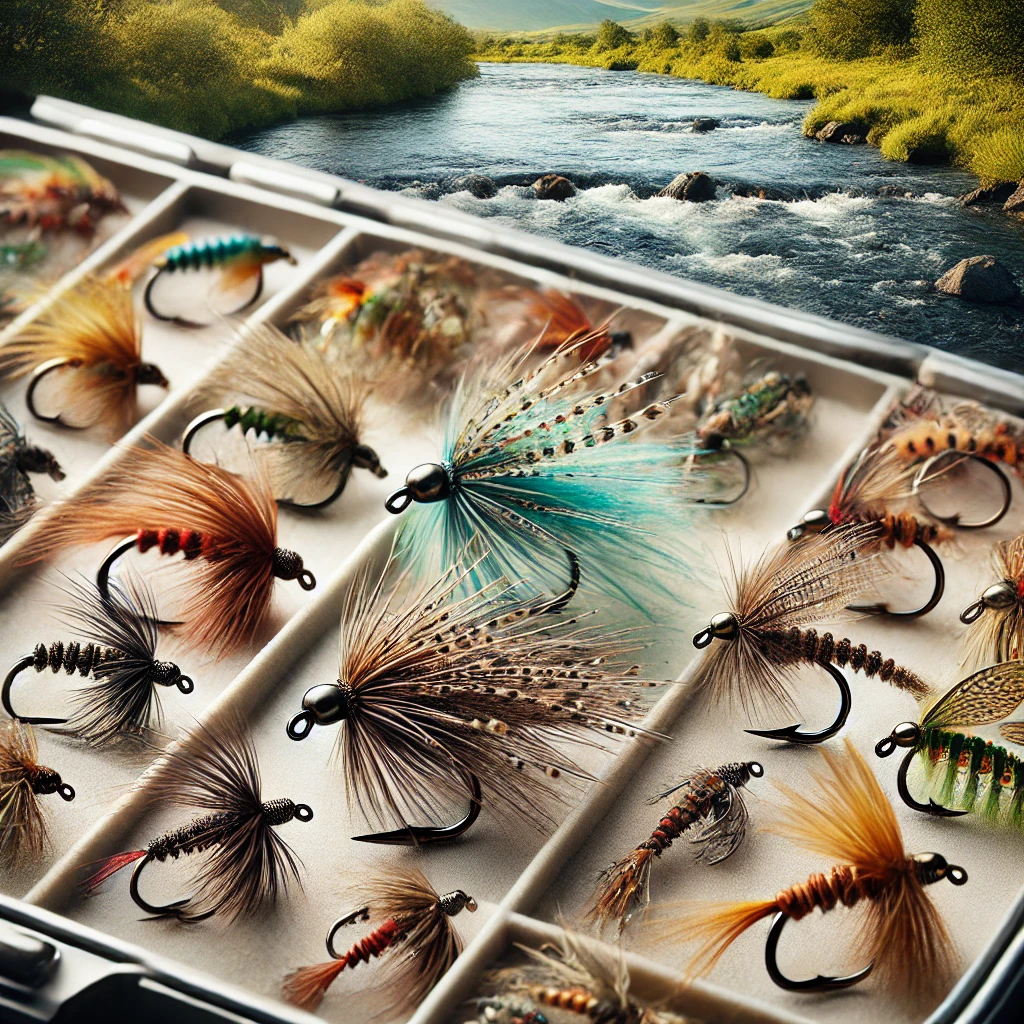
Fly tying is an essential skill for any fly fishing enthusiast. It allows anglers to customize their flies to match the local hatch, the target species’ feeding habits, and their own preferences. In addition to providing a highly personalized fishing experience, tying your own flies can be immensely satisfying and offer a deeper understanding of the sport.
This article dives into the essential tools and materials needed to start tying your own flies, breaking down which items are must-haves and how they contribute to the process. High-quality tools can make the difference between an enjoyable experience and a frustrating one. From the fly tying vise to the various types of hooks, feathers, and threads, each component plays a unique role in creating the perfect fly.
Whether you are a complete novice or looking to expand your current setup, this guide provides clear, concise, and actionable advice.
The Fly Tying Vise
One of the first tools you’ll need is a reliable vise. The vise holds the hook firmly in place while you work on it, making it a crucial element of your setup. There are various types of vises, ranging from beginner models to professional-grade options.
Types of Vises:
- Pedestal Base Vises: Sit freely on your table for stability.
- Clamp-On Vises: Attach to the edge of your work surface for portability.
- Rotating Vises: Allow 360-degree rotation, ideal for intricate patterns.
When selecting a vise, consider factors like ease of use, stability, and the type of flies you plan to tie. Entry-level options like the Griffin Odyssey Spider Vise offer a great balance of functionality and cost. Investing in a quality vise can save you money and frustration in the long run.
Scissors and Cutting Tools
No fly tying kit is complete without a pair of quality scissors. These tools are used to cut thread, trim materials, and shape your flies with precision.
Recommended Tools:
- Fine-Point Scissors: For delicate threads and detailed cuts.
- Heavy-Duty Scissors: For tougher materials like deer hair.
- Additional Tools: Razor blades and tweezers for specific tasks.
Brands like Dr. Slick offer specialized fly-tying scissors that are sharp, durable, and ergonomically designed. Having a dedicated pair ensures they stay sharp and last longer.
Bobbin Holders and Threaders
A bobbin holder holds your thread spool, allowing controlled application as you wind the thread around the hook. Ceramic-tipped bobbins are particularly popular for their smooth, friction-free operation, preventing thread fraying.
Key Tips:
- Use ergonomic bobbin holders for comfort.
- Consider tools like Rite Bobbin or Tiemco for durability.
- Use threaders to simplify the process of loading thread through the bobbin holder.
These tools save time and make the tying process more efficient.

Hackle Pliers and Whip Finishers
Hackle Pliers: Essential for handling delicate feathers and materials, these pliers allow precise placement and winding of hackles.
Whip Finishers: Used to knot the thread at the end of tying your fly, ensuring a neat and durable finish. Brands like Dr. Slick and Terra offer dependable, user-friendly options.
Mastering these tools can significantly improve the quality of your flies.
Hooks, Feathers, Threads, and Other Materials
Once your tools are in place, gather the materials needed for tying flies.
- Hooks: The foundation of any fly, available in various shapes, sizes, and finishes. Popular brands include Mustad, Tiemco, and Daiichi.
- Feathers: Materials like hackle, marabou, and peacock herl provide movement and color. Choose based on the fly type.
- Threads: Available in various thicknesses and colors. Start with 6/0 or 8/0 thread for versatility.
- Other Materials: Dubbing for texture, tinsel for flash, chenille for body, and synthetic fibers like Flashabou for durability.
Tool Organizers and Benches
Having a well-organized fly tying bench or tool organizer can enhance your workflow. Options range from simple caddies to sophisticated benches with multiple compartments. Brands like Peak Fishing and Stonefly offer excellent solutions for beginners and seasoned tyers alike.
Conclusion
Fly tying can seem daunting at first, but with the right tools and materials, it becomes an exciting and fulfilling aspect of fly fishing. From the essential vise to intricate feathers and threads, each component plays a critical role. Invest in high-quality tools to make the process smoother and more enjoyable.
As you grow more confident, experiment with different patterns and techniques. The reward of catching a fish on a fly you’ve tied yourself is unparalleled. So gather your tools, settle into your workspace, and start tying. Happy fishing!