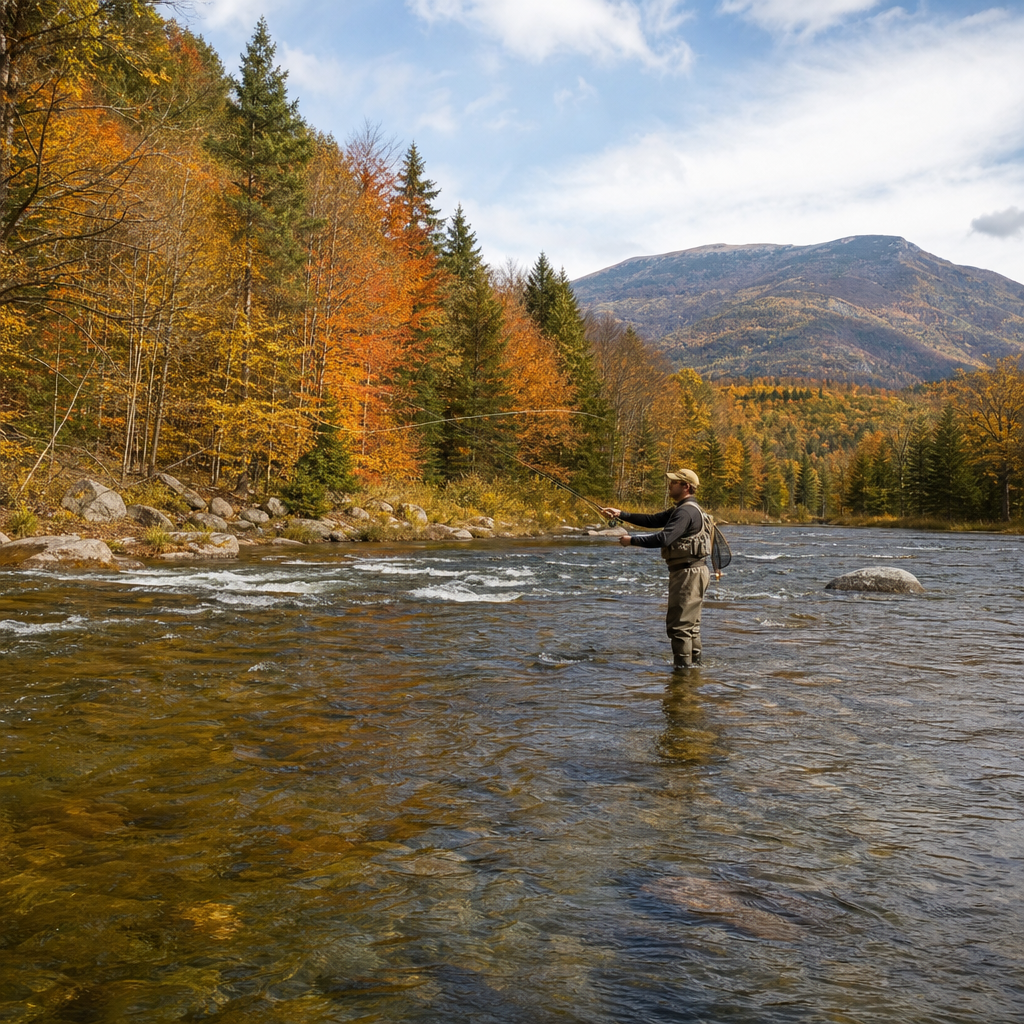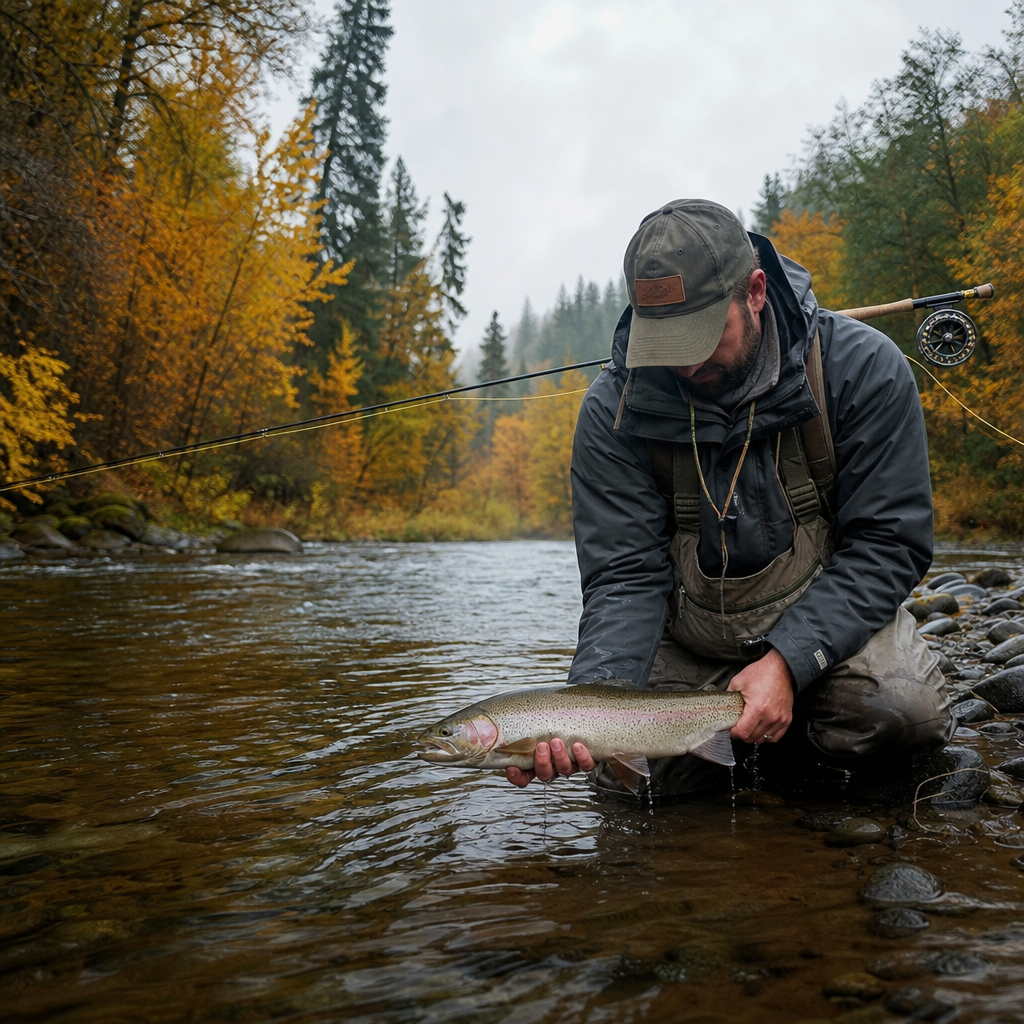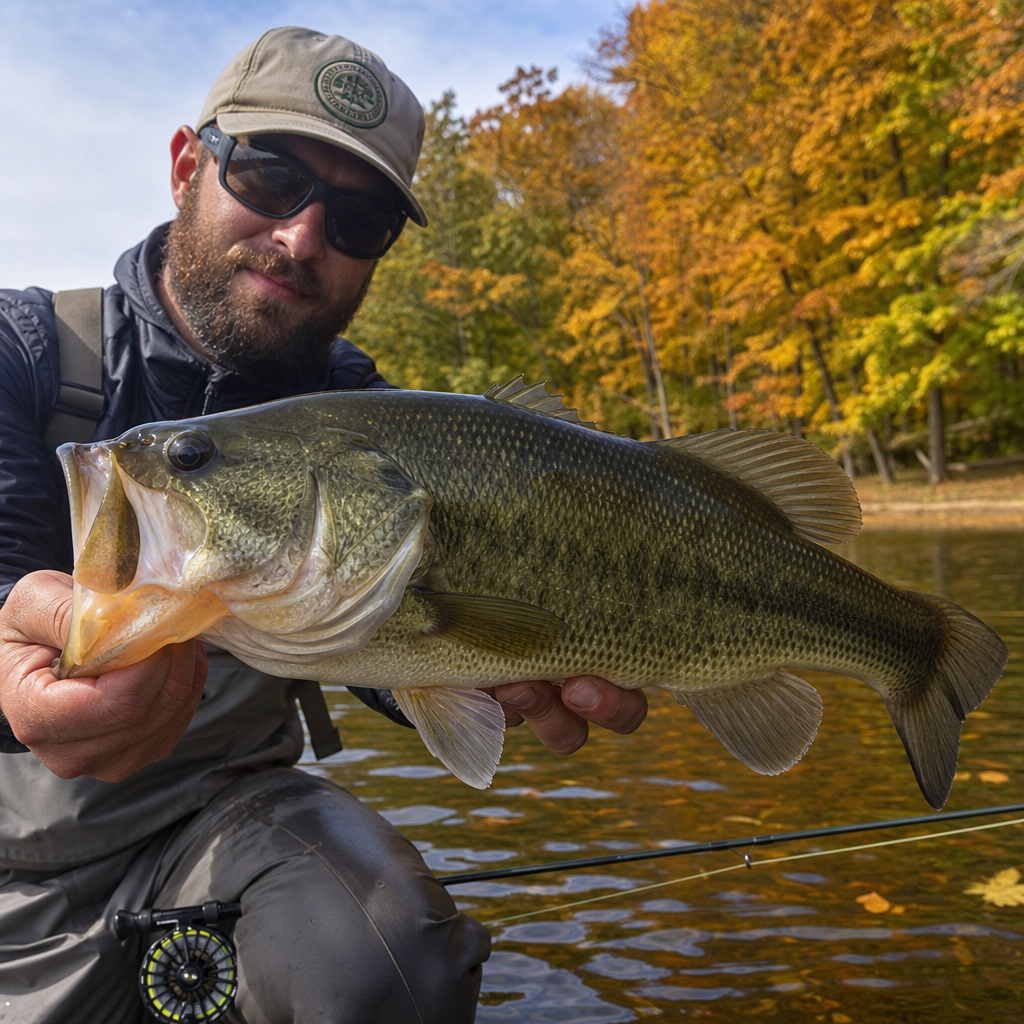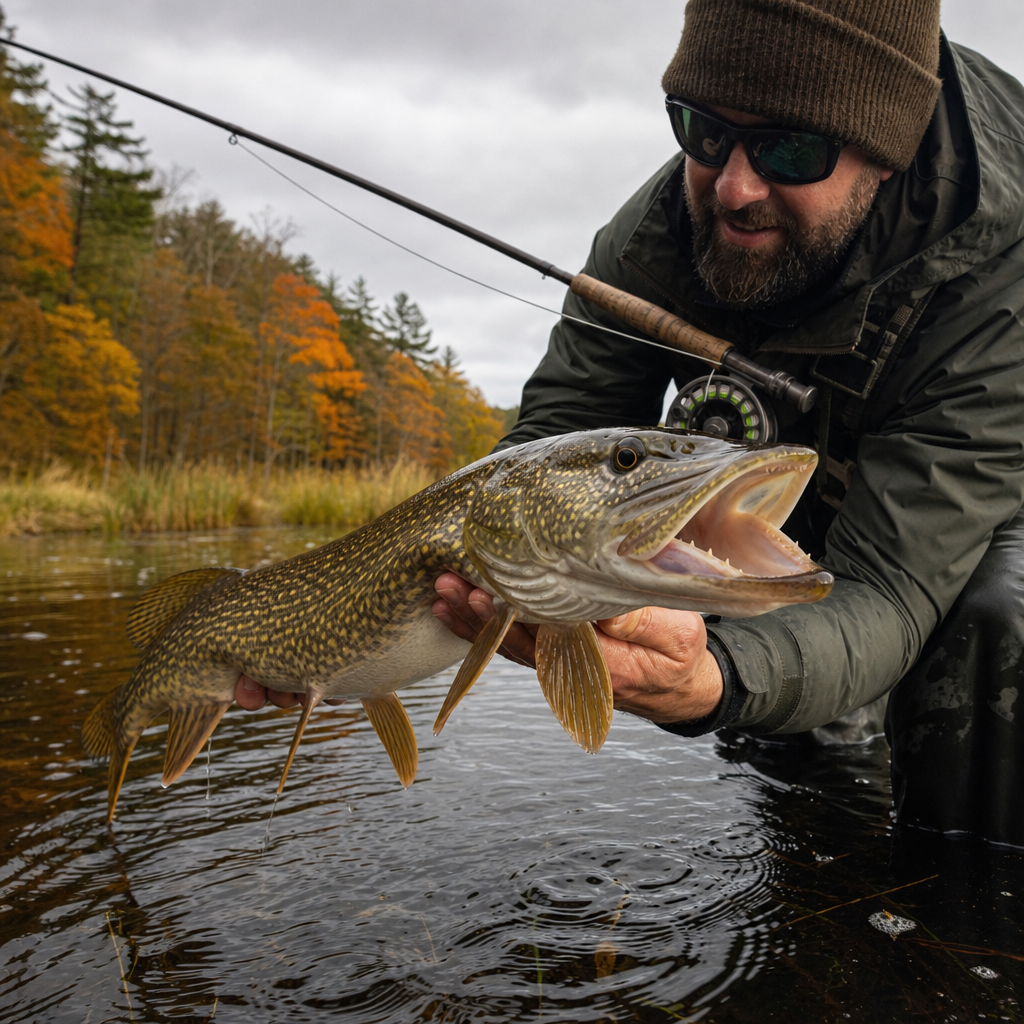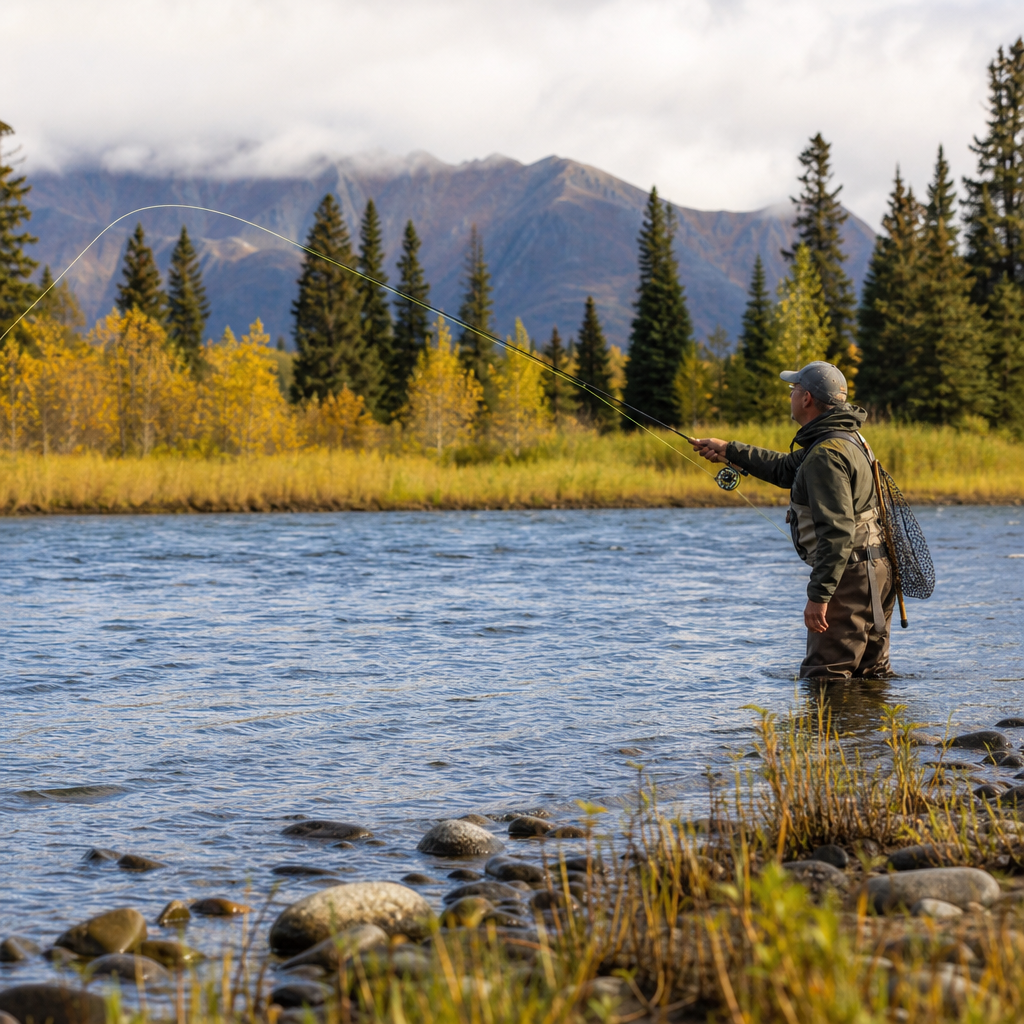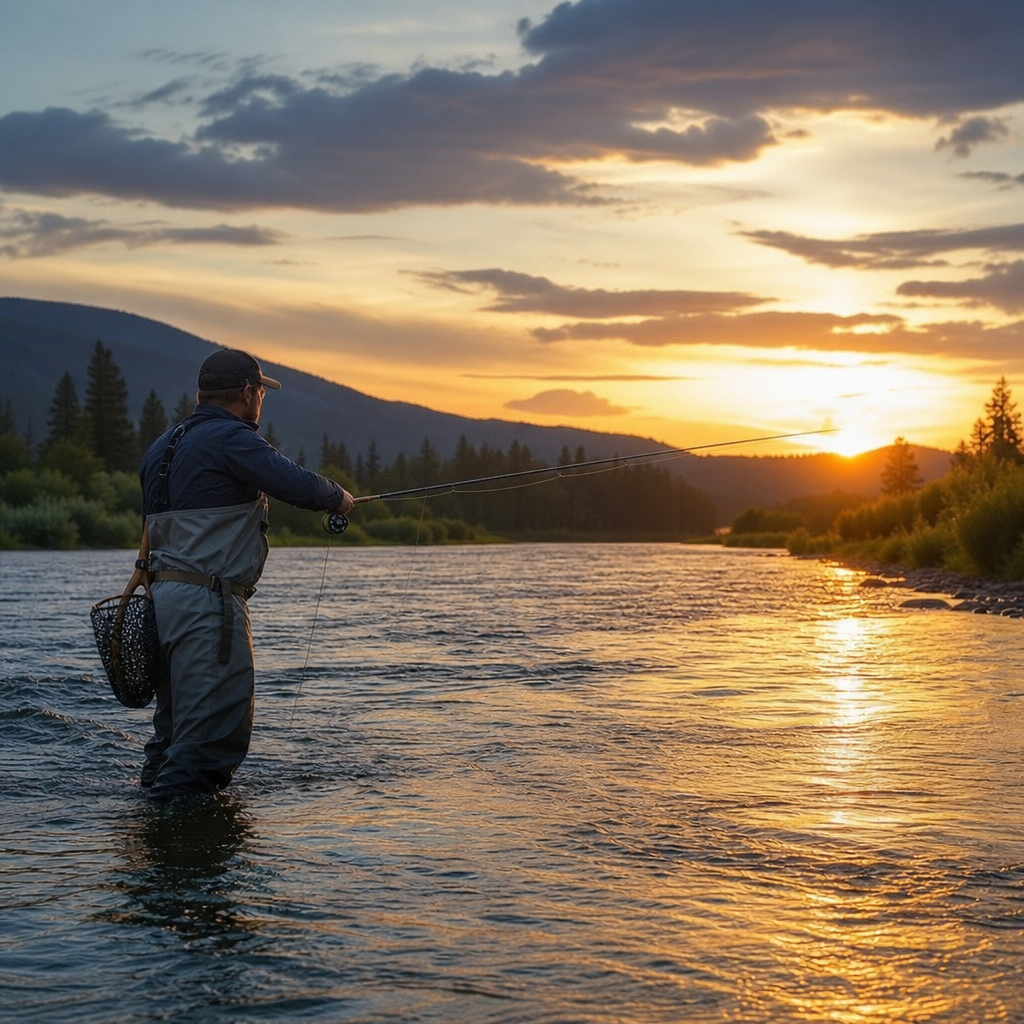
Fly fishing in the evening is one of the most reliable ways to intercept feeding trout, bass, and panfish because low light changes insect activity, fish positioning, and angler approach all at once. In practical terms, evening fly fishing usually means the last three hours before dark through the brief window after sunset, when water temperatures moderate, shadows lengthen, and many aquatic insects emerge or return to the surface. As a hub within the broader Seasons and Conditions topic, Time of Day deserves special attention because fish behavior can shift more between noon and dusk than between entire weeks of similar weather. I have planned countless trips around that late-day window, and the pattern repeats across rivers, lakes, spring creeks, and tailwaters: fish that seemed dormant earlier begin feeding with purpose, especially when current seams, flats, and banks offer easy surface or near-surface food.
Understanding why evening matters starts with a few key ideas. A hatch is an insect emergence from the water; a spinner fall is the return of adult mayflies to lay eggs and die on the surface; low-light feeding means fish gain a visibility advantage over prey while feeling safer from predators. Evening also concentrates terrestrials such as ants, beetles, and hoppers near grassy banks as breezes settle. On warm days, dissolved oxygen often improves in riffled water while temperatures drop into a more favorable range, especially for trout stressed by bright sun. For anglers, that means fly choice, presentation angle, and timing become more important than covering miles of water. This article explains the best evening fly patterns, where and when to use them, and the tactical decisions that make the Time of Day approach productive enough to anchor your larger seasonal strategy.
Why Fish Feed So Aggressively at Dusk
Evening feeding is not magic; it is biology plus light conditions. Trout, for example, often hold deeper or tighter to cover during bright periods because overhead light exposes them to ospreys, herons, and human silhouettes. As the sun drops, fish slide into softer lanes, tailouts, and foam lines where drifting insects are easy to intercept. On freestone rivers, I commonly see the first visible riseforms begin when direct sun leaves the water, not necessarily when the hatch officially starts. Bass and panfish show a similar shift. Largemouth move from heavy cover to edges and points, while smallmouth patrol current breaks and shallow shelves. The same water that looked empty at 4:00 p.m. can come alive by 7:30.
Temperature and oxygen also matter. During summer, especially in low-elevation streams and warmwater lakes, late afternoon heat can suppress feeding. Once temperatures ease even a few degrees, metabolic stress falls and fish feed more efficiently. In rivers with strong caddis populations, adults often appear in waves at dusk, skittering and egg-laying across current. In stillwaters, chironomids may taper off while damselflies, callibaetis spinners, and leeches become stronger evening options. Time of Day is therefore not a minor scheduling detail. It is a structural condition, just like runoff, water clarity, or barometric pressure, and it should guide your fly box, leader setup, and water selection before you ever string the rod.
Best Evening Fly Patterns and When to Fish Them
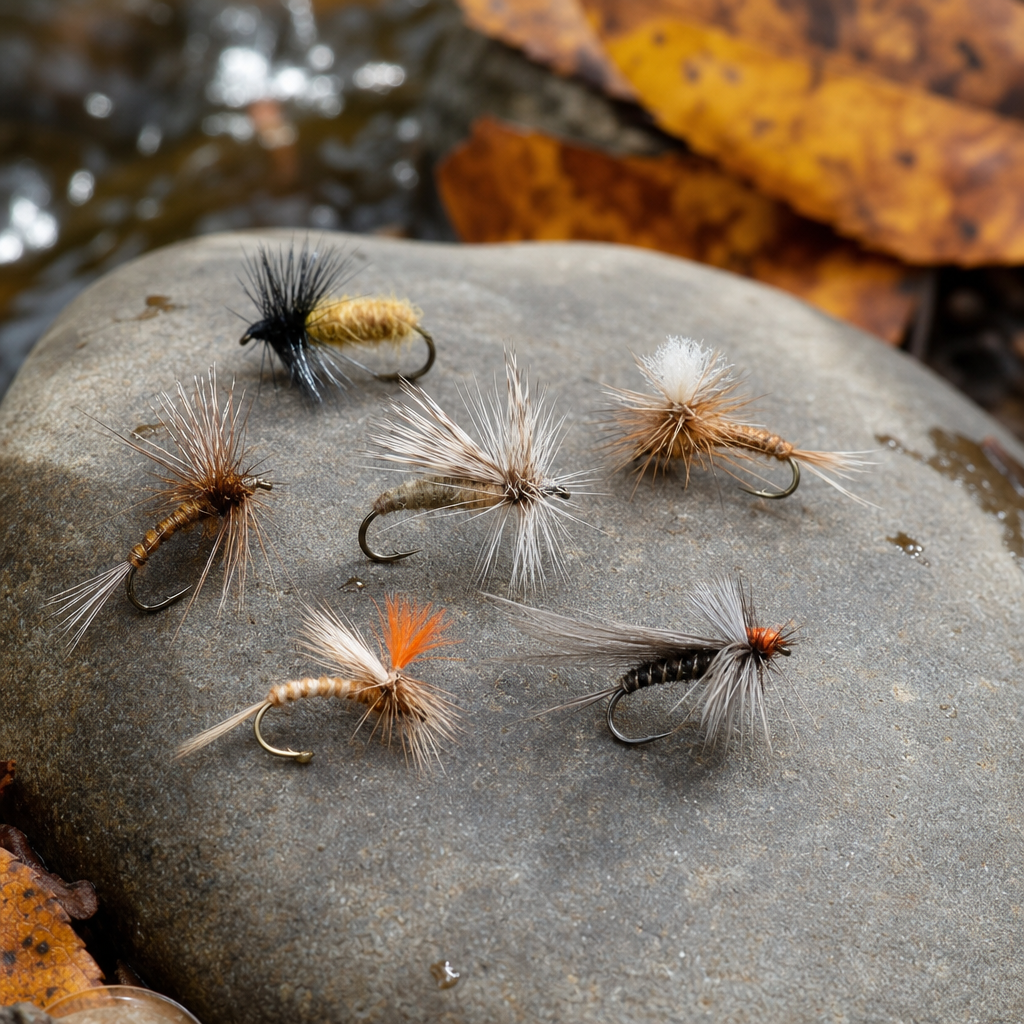
The best evening patterns match three categories of food: emergers, adults, and opportunistic attractors. Emergers are often the highest-percentage flies because many insects struggle in or just under the film before escaping. A Sparkle Dun, RS2, CDC Comparadun, or soft hackle Pheasant Tail covers mayfly activity well. For caddis, I trust an X-Caddis, Elk Hair Caddis, CDC Caddis, and soft hackle in tan, olive, or black depending on species. During spinner falls, a Rusty Spinner is indispensable, while a Parachute Adams remains the most versatile low-light searching dry ever designed. In faster pocketwater where exact imitation matters less, an Iris Caddis or purple parachute can outperform more technical patterns simply because I can see it and fish can still find it.
Subsurface flies remain essential even when rises start. Fish often take cripples and ascending nymphs before committing to duns. A size 16 to 20 Zebra Midge under a dry, a perdigon in the last hour of light, or a small unweighted soft hackle swung below feeding lanes can save an evening when surface activity is inconsistent. Streamers belong in the conversation too. Sculpzillas, Woolly Buggers, Mini Dungeons, and leech patterns become stronger as visibility drops, especially for brown trout and smallmouth. I have had many evenings where fish ignored a sparse hatch but crushed a black conehead bugger stripped across a shelf. Dark silhouettes often excel at dusk because they stand out against the remaining surface glow.
| Pattern | Best Use | Typical Sizes | Evening Trigger |
|---|---|---|---|
| Parachute Adams | Searching dry for mixed mayfly activity | 12-20 | General rises in fading light |
| Rusty Spinner | Spinner falls on slicks and tailouts | 14-22 | Spent mayflies lying flush |
| X-Caddis | Caddis emergence and egg-laying | 14-18 | Adults fluttering at dusk |
| Soft Hackle Pheasant Tail | Emergers in riffles and swing water | 14-18 | Subsurface takes before visible rises |
| Zebra Midge | Dropper under a dry or indicator | 18-22 | Selective fish in gentle seams |
| Woolly Bugger, black | Streamers for trout and bass | 4-10 | Low-light predatory window |
Color matters less than profile and behavior, but there are useful rules. Olive, tan, and gray are dependable for matching common mayflies and caddis. Rust is the standard spinner color because many spent mayflies take on that translucent reddish-brown cast. Black is a top evening choice for streamers, ants, and beetles because contrast can be more important than detail when light fades. For terrestrials, foam ants, beetles with peacock or black bodies, and small hoppers around banks all produce through summer. On lakes, balanced leeches under an indicator, mini leeches on a slow hand twist, and callibaetis cripples during the last light are consistently effective.
Reading Evening Water by River, Lake, and Species
Where you fish in the evening should change with the water type. On rivers, the prime evening lies are often softer than daytime lies. Tailouts, inside seams, slicks below riffles, and foam lines become feeding lanes because insects collect there and fish can rise with minimal effort. One mistake I see often is anglers staying in heavy fast water because it produced at midday. At dusk, I move downstream and watch transitional water carefully. On spring creeks, the calm edges of weed beds and undercut banks can become technical but extremely productive. On tailwaters, stable flows can make evening hatches very predictable, especially with midges, blue-winged olives, and caddis.
Lakes and ponds require a different lens. Evening fish often cruise shorelines, weed edges, shoals, and drop-offs where invertebrates and minnows concentrate. Trout in stillwater may push chironomids less aggressively late and switch to callibaetis spinners, damsels, or leeches. Bass use the dim light to hunt shallow without fully exposing themselves. If I am on a lake in the evening, I spend more time on edges than in featureless open water. Long leaders, quiet kicks from a float tube, and parallel casts along weed lines outperform random fan casting. Panfish can become so surface-oriented that a small popper or ant pattern is all you need for the final half hour.
Species differences sharpen pattern choice. Brown trout commonly become more predatory as light fades, making streamers and larger caddis strong options. Rainbow trout often stay more hatch-focused, especially in riffled water where emergers drift consistently. Brook trout are opportunistic and will take dries, wets, and small streamers readily in mountain streams. Smallmouth respond to baitfish and crayfish movement near current breaks, while carp in low-light flats may sip spent insects or tail on nymphs along mud transitions. The evening window is broad enough to support several tactics, but narrow enough that matching the water type and species usually matters more than changing flies every five minutes.
Presentation, Rigging, and Timing That Actually Produce
Presentation in evening fly fishing starts with visibility and drag control. Many anglers lose fish simply because they cannot see the fly or detect subtle takes in dim light. I solve that with high-contrast posts on parachute patterns, slightly larger flies than the naturals when appropriate, and simple rigs that are easy to manage. A 9-foot 4X leader works for many caddis and attractor situations, while technical spinner falls may require 12 feet to 5X or 6X. For droppers, keep the setup short enough to cast accurately under fading light. If rises are confident, remove the dropper and fish one dry. Complexity costs fish when the window is brief.
Timing matters as much as pattern choice. Arriving exactly at sunset is often too late because you miss the pre-hatch tells: swallows dipping low, occasional splashy takes, caddis adults on streamside rocks, and the first dimples in soft seams. I like to be rigged and observing at least ninety minutes before dark. Fish the hour before the obvious rise with emergers or soft hackles, then switch to duns or caddis adults when heads begin showing. If rises flatten at the end, do not leave immediately. The ten to twenty minutes after visible activity drops can be excellent for a streamer swung through the same water. Predators know weakened insects and smaller fish are still exposed.
Boat position, wading angle, and line control deserve extra care. In low light, fish may move shallower, and careless wading can send pressure waves through the best lane. Wade less, cast more, and approach from downstream whenever currents allow. On lakes, keep the craft outside the edge and cast in rather than floating over fish. Mending should be quieter and more deliberate than in daytime riffles because evening fish often feed in flatter water where drag is obvious. If you hear rises but cannot see them, cast by sound only if the drift lane is clear and short; blind long casts in darkness usually waste the final minutes.
Common Mistakes, Safety, and How Evening Fits the Time of Day Strategy
The biggest evening mistake is committing too early to one story. Anglers often decide it will be a dry-fly night, ignore subsurface signs, and miss fish feeding just under the film. The second mistake is changing flies constantly instead of reading the riseform. Splashy takes can mean caddis or baitfish chasing; slow sips usually suggest mayflies or spinners. Third is poor line maintenance. A dirty fly line, twisted tippet, or dull hook matters more at dusk because opportunities are fewer and takes are faster. I also see anglers overlook non-hatch food. If no insects are obvious, fish a beetle near overhanging grass or a black streamer through a bank shadow before assuming the window is dead.
Safety deserves a place in any Time of Day hub because evening success often extends into near-darkness. Carry a headlamp but avoid shining it on the water. Memorize your exit route before the light fades, especially on slick freestone rivers with uneven boulders. On lakes, note wind direction and shoreline landmarks before launching. If water temperatures are high in summer trout streams, evening can be better than midday, but not always ethical if temperatures remain above safe thresholds; many anglers use 68 degrees Fahrenheit as a caution point and 70 degrees as a stop-fishing line depending on species and local conditions. Time of Day should never be separated from fish handling, weather shifts, and local regulations.
As the central guide for this subtopic, evening fly fishing shows why Time of Day is a practical framework, not a scheduling footnote. Dusk changes fish behavior, insect availability, and effective presentations more dramatically than most anglers realize. Build your plan around low-light windows, carry patterns that cover emergers, adults, spinners, terrestrials, and dark streamers, and fish water that collects food rather than merely looking scenic. Keep rigs simple, arrive early enough to observe, and stay flexible when the hatch does not follow the textbook. If you want more consistent action across seasons and conditions, make evening sessions a deliberate part of your rotation and use this hub as your starting point for mastering every time-of-day opportunity on the water.
Frequently Asked Questions
What makes evening such a productive time for fly fishing?
Evening is productive because several fish-catching factors line up at the same time. As the sun drops, light levels fall, water temperatures often become more comfortable, and many insects begin to emerge, return to the surface, or gather near the water. Trout, bass, and panfish respond quickly to these changes because they can feed with less exposure and less stress. In bright daylight, especially during warm weather or on clear water, fish may hold deep, tight to cover, or become selective and cautious. In the evening, they often slide into softer seams, riffle tails, weed edges, undercut banks, and shallow feeding lanes where they can intercept food more efficiently.
For trout, this can mean a major shift from daytime nymphing water to surface-oriented feeding in riffles, glides, and foam lines. For bass and panfish, evening often pushes fish toward banks, structure, and topwater zones as baitfish, frogs, and insects become easier targets. Anglers also benefit from the lower light because fish are generally less wary of movement, shadow, and imperfect presentation than they are at noon. That does not mean technique stops mattering, but it does mean your odds improve when you match the timing and the food source correctly. In practical terms, the final few hours before dark through the short window after sunset are often the best opportunity of the day to find active fish feeding with purpose.
What fly patterns work best in the evening for trout, bass, and panfish?
The best evening patterns depend on what the fish are feeding on, but a few categories consistently produce. For trout, dry flies are often the headline choice in the last hour of light. Elk hair caddis, parachute Adams, comparaduns, sparkle duns, small stimulators, and soft hackles are reliable starting points because they cover a wide range of mayfly and caddis activity. If fish are rising but refusing standard dries, try emergers such as RS2s, CDC emergers, shuttlecock-style flies, or a lightly dressed soft hackle swung just below the surface. Evening trout often key on insects trapped in or just under the film, so flies that sit low or move naturally can outperform high-floating patterns.
For bass, poppers, gurglers, deer hair bugs, foam terrestrials, baitfish streamers, and darker-profile flies are excellent choices. A black or olive streamer can stand out in fading light, while a subtle topwater bug can draw aggressive takes along weed lines, timber, and shaded banks. Panfish respond well to small poppers, foam spiders, ant patterns, and tiny nymphs or wet flies fished under the surface. If insects are thick, small soft hackles and simple unweighted wets can be deadly.
A useful evening rule is to think in terms of silhouette, behavior, and stage of the hatch rather than exact color matching. As light fades, fish often identify prey by shape and motion more than fine detail. That is why flies in black, brown, olive, and natural tan frequently produce so well late in the day. Carry a compact but versatile selection: a few high-floating dries, a few low-riding emergers, soft hackles, one or two nymphs, and a couple of streamers or topwater bugs if you are targeting warmwater species. That spread covers most evening situations without overcomplicating your approach.
How should I adjust my presentation and tactics as daylight fades?
As evening progresses, your presentation should become more focused, more deliberate, and more observant. Early in the evening, fish may still hold in transition water and feed opportunistically, so covering water with searching patterns can make sense. As insect activity builds or fish begin rising consistently, it pays to slow down and target specific lanes, seams, slicks, and edges. Watch the water carefully before casting. A riseform, a swirl near a bank, a flash below the film, or birds working low over riffles can tell you whether fish are taking duns, emergers, or subsurface prey.
For dry flies, longer drag-free drifts become even more important in soft evening water where fish have time to inspect the fly. Position yourself to reduce line crossing conflicting currents, and make the first cast count. For emergers and soft hackles, use controlled movement rather than too much action. A gentle swing, a slight lift at the end of the drift, or a quartering presentation can imitate ascending insects extremely well. If you are streamer fishing for bass or larger trout, vary retrieve speed until fish tell you what they want. In low light, short pauses and strip changes often trigger strikes.
It also helps to simplify. As darkness approaches, knot tying, fly changes, and line control all get harder. Pre-rigging a couple of rods or at least organizing leaders, tippet, and fly boxes before the prime window starts can preserve valuable fishing time. Finally, do not leave too early. Some of the best feeding happens in the brief period after sunset, especially on warm days, during summer caddis activity, or when larger fish feel safe enough to move into shallower lies.
How do I know whether fish are feeding on dries, emergers, or subsurface insects in the evening?
The easiest clue is the way fish show themselves. Splashy rises, visible snouts, and confident surface takes often point to adults on top, especially caddis or mayflies. More subtle dimples, bulges, porpoising rises, or fish that seem to disturb the surface without fully breaking it usually suggest emergers or insects trapped in the film. If you see occasional flashes under the surface, feel short strikes, or notice fish ignoring floating flies despite obvious activity, they are often feeding just below the top layer. In evening conditions, that in-between zone can be the most important feeding band of all.
Environmental cues help too. Caddis often produce active, splashier feeding and can also favor skated or slightly animated presentations. Mayfly hatches may lead to more measured, rhythmic rises in lanes where trout line up and sip. Midges and tiny insects can create delicate feeding that is easy to miss in dim light. Warmwater fish may crash baitfish near shore or sip insects quietly under overhanging cover. Listening matters almost as much as looking when light gets low.
A practical strategy is to start with what the water is telling you, then test adjacent stages of the hatch. If fish are rising but not committing to your dry, drop to an emerger. If an emerger gets follows or bumps but no hookups, try a soft hackle or small wet fly just under the surface. If nothing shows on top and fish seem present, a nymph or streamer may still be the better call. Evening fly fishing rewards anglers who think in sequence: adult, emerger, subsurface. The more quickly you identify the feeding level, the more efficient and consistent your fishing becomes.
What are the most important tips for planning a successful and safe evening fly fishing trip?
Start by planning around timing, access, and exit. Evening fishing often peaks quickly, so arriving too late is one of the most common mistakes. Get on the water early enough to scout, watch for insect activity, and set up before the prime window opens. Know where you will fish and how you will get back in low light. Wading that feels simple at 6:00 p.m. can become tricky after sunset, especially on slick rocks, uneven bottoms, or rivers with changing flows. A headlamp is essential, but use it sparingly while fishing because bright light can ruin your night vision and disturb the atmosphere of the session.
Clothing and gear matter more than many anglers expect. Evening temperatures can drop fast, and mosquitoes can become a real issue near still water or slow banks. Bring a light layer, insect protection, and eye protection even in fading light. Keep your fly selection accessible and streamlined so you are not fumbling through boxes in the dark. Strong, fresh leaders and properly checked knots are worth the effort because visibility declines right when fishing may get best. If you expect a hatch, tie on confidence patterns before the rush starts.
From a fishing standpoint, stay quiet and move with purpose. In low light, fish often push shallow and close, which means heavy footsteps, careless false casting, and poor positioning can still cost you opportunities. Make shorter, cleaner casts when possible and cover likely holding water methodically. If you are targeting bass or panfish, focus on edges, docks, weed lines, and shade transitions. If you are targeting trout, pay special attention to riffle tails, inside seams, foam lines, and the heads of glides where food collects naturally.
Most importantly, give the evening a full chance to develop. Conditions can look quiet and then change fast in the last 30 minutes of light. Many anglers leave just before the best action starts. If you stay prepared, observant, and safety-minded, evening fly fishing can become one of the most dependable and enjoyable windows in the broader seasons and conditions game plan.