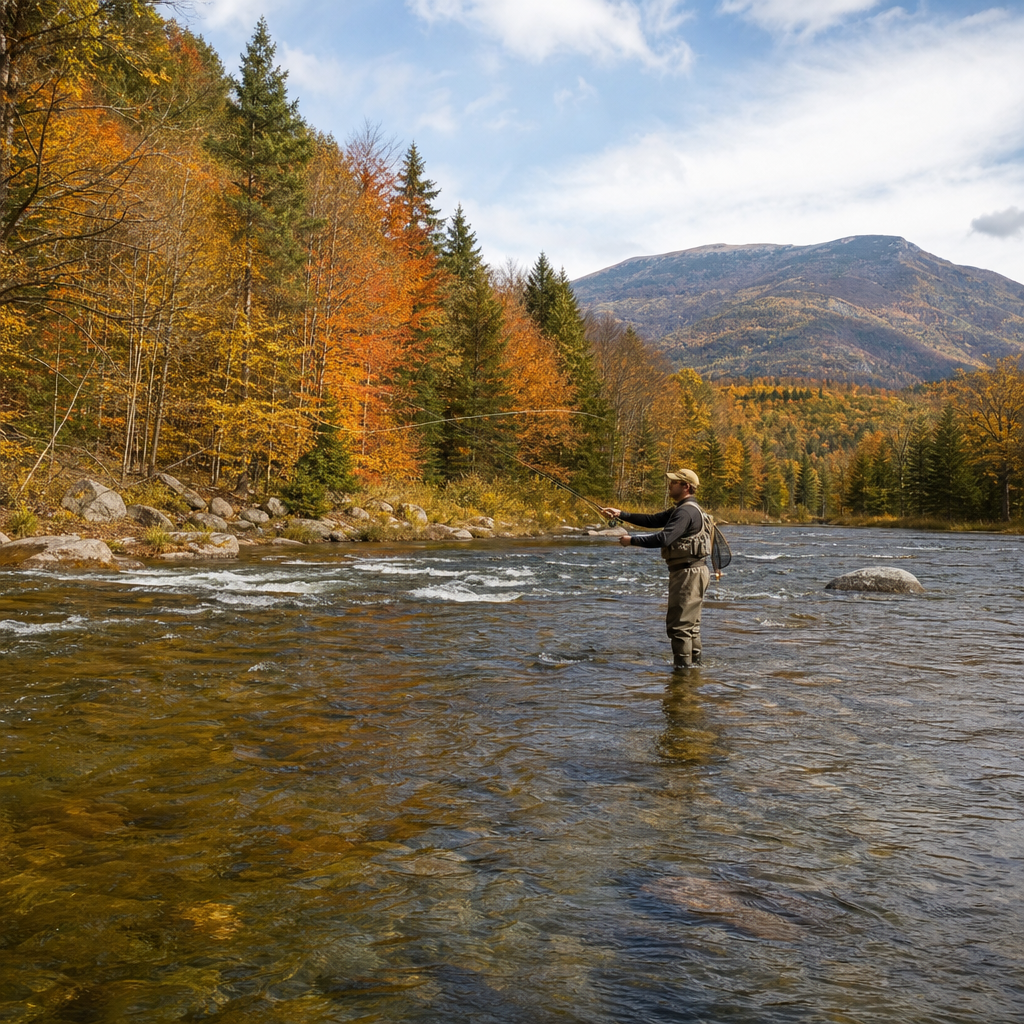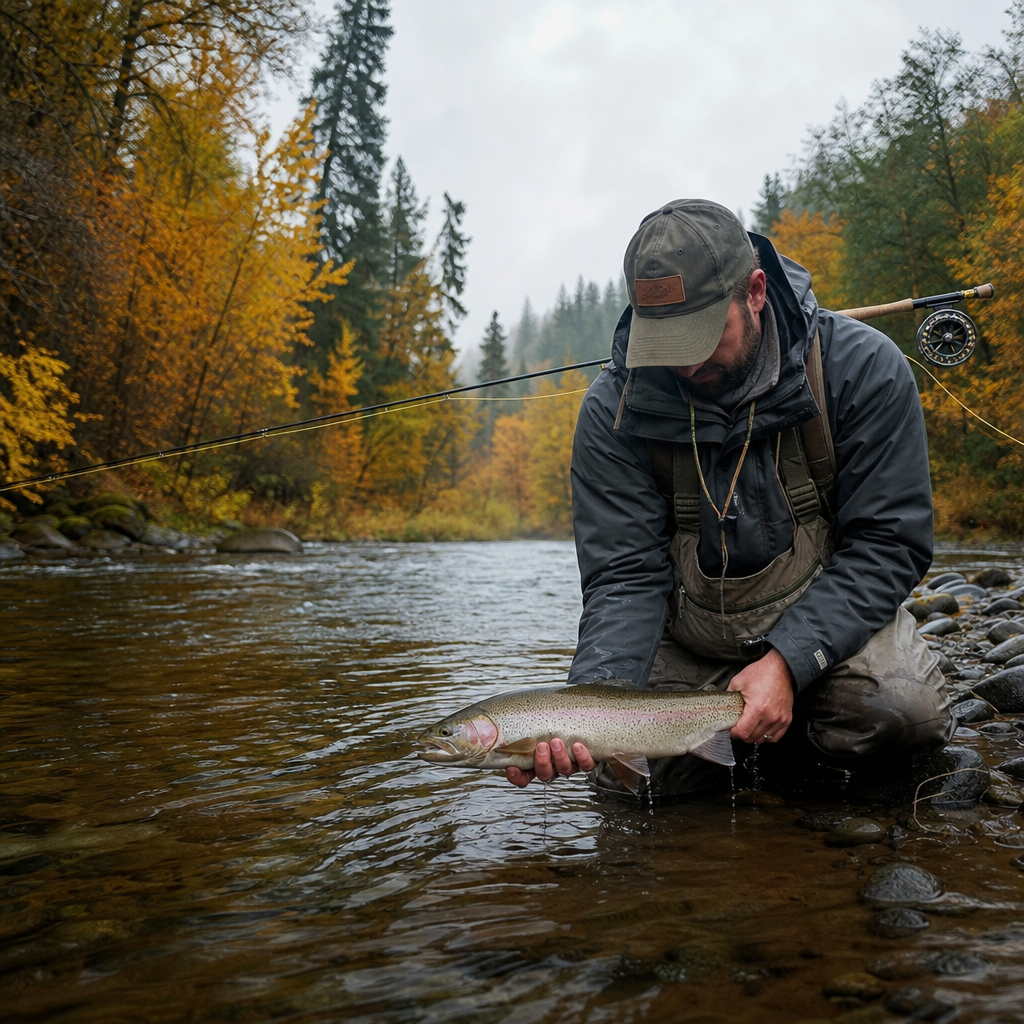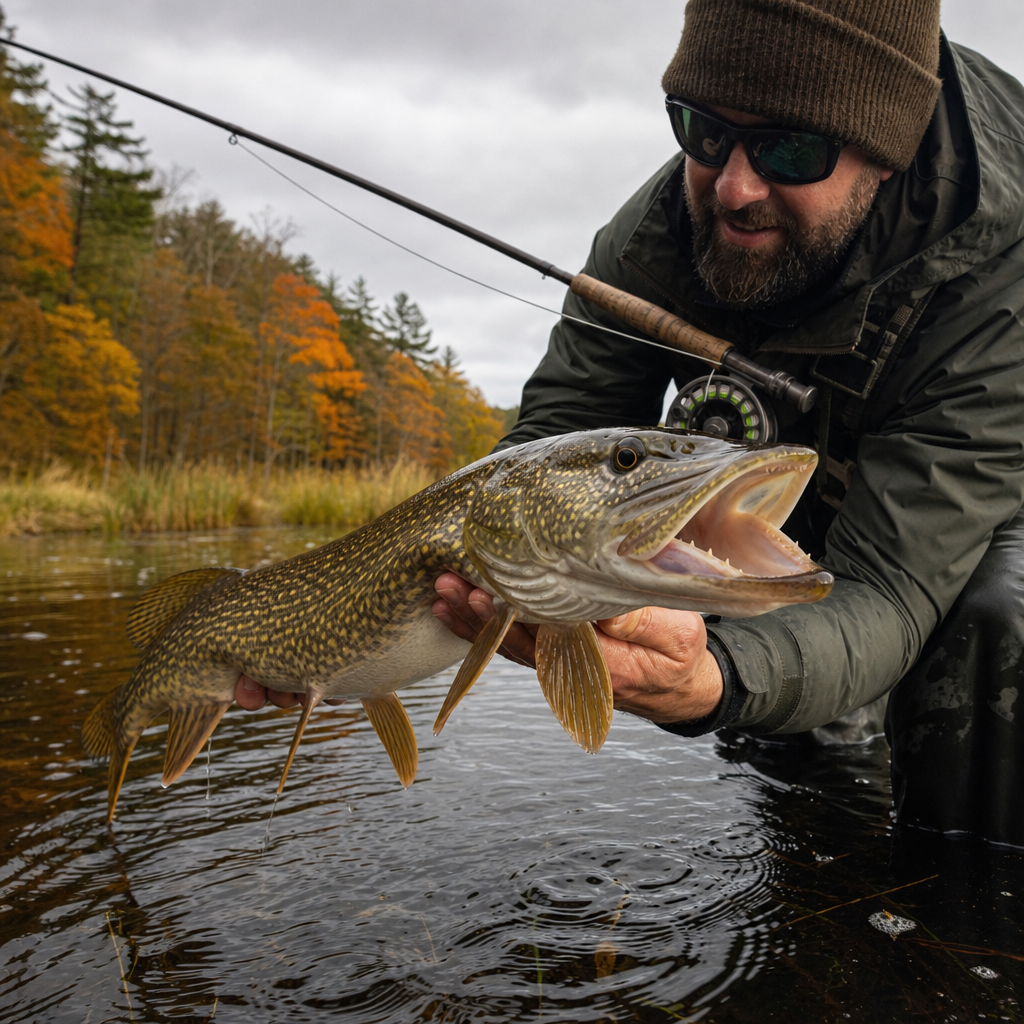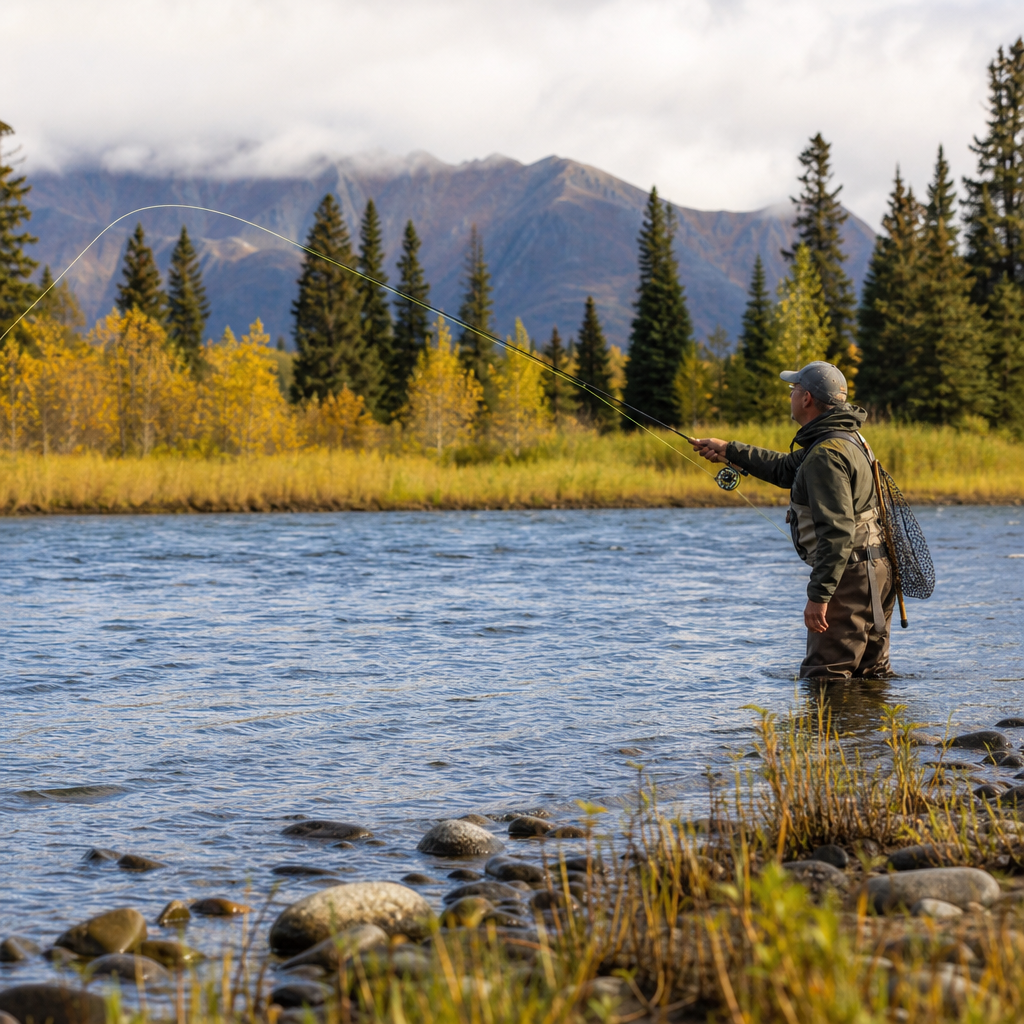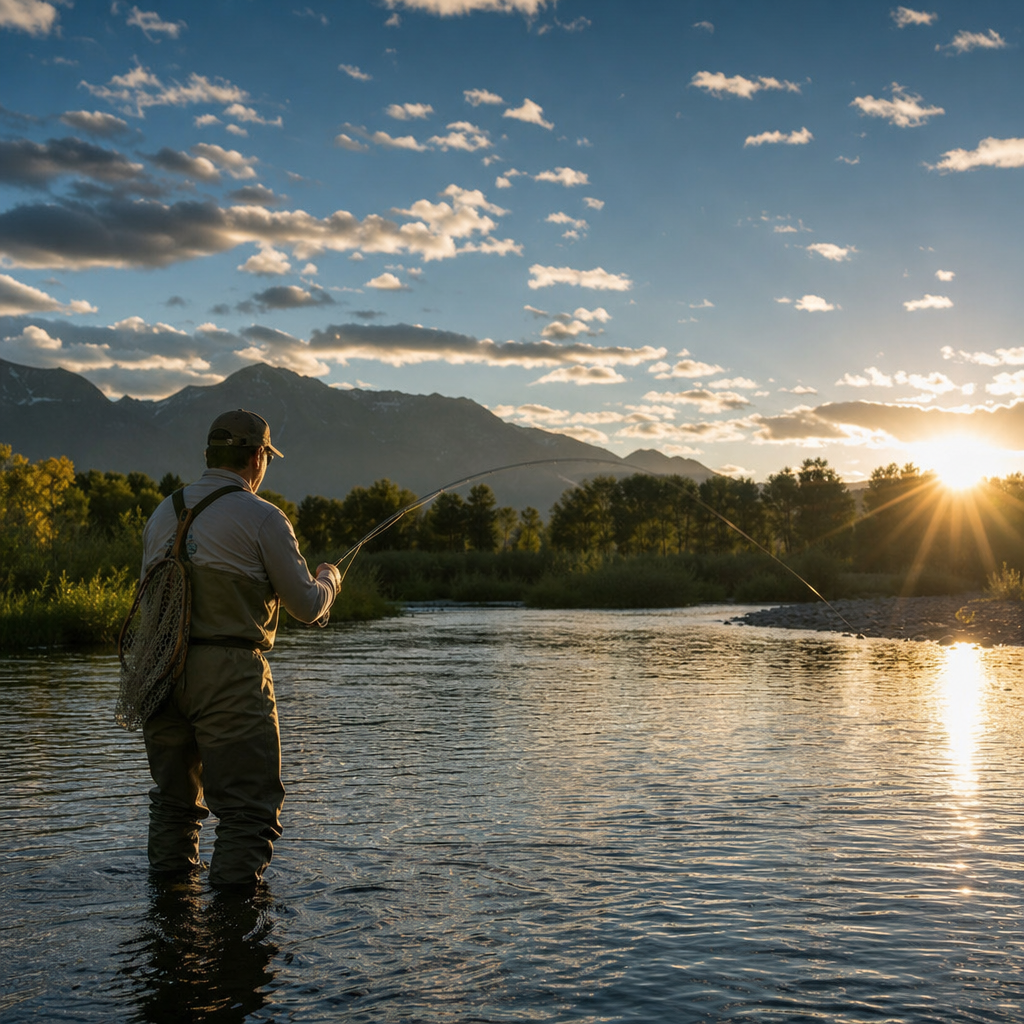
Fly fishing in late afternoon rewards anglers who understand how light, temperature, and insect activity change during the final productive hours before evening. In practical terms, late afternoon usually means the period from roughly 3 p.m. until sunset, though the exact window shifts by season, latitude, cloud cover, and river type. This time of day matters because water temperatures often stabilize, aquatic insects begin predictable emergence cycles, terrestrial food sources become active along banks, and trout, bass, panfish, and other game fish adjust their feeding positions. As a hub for the broader time of day topic within seasons and conditions, this guide explains what late afternoon conditions mean, how fish behave, which techniques consistently work, what gear earns a permanent place in the kit, and how to adapt your approach across rivers, streams, lakes, and tailwaters. After years of fishing evening transitions on freestone creeks, technical spring creeks, and warmwater ponds, I have found that late afternoon is rarely a random period. It is a pattern window. If you read the water carefully and match your presentation to changing light and food sources, it can be one of the most reliable and forgiving times to fish.
Why Late Afternoon Changes Fish Behavior
Late afternoon influences fish through three main drivers: light angle, water temperature, and food availability. As the sun drops, direct overhead glare softens, shadows lengthen, and fish often become less wary in shallow or moderate-depth feeding lanes. On trout water, that reduced light can pull fish from deep holding lies into riffle seams, undercut banks, and tailouts where drifting insects are easier to intercept. On lakes and ponds, cruise routes may shift toward weed edges, drop-offs, and wind lanes where baitfish and insects collect. Warmwater species such as smallmouth bass often become more aggressive as heat stress eases, especially in midsummer. In cold seasons, the late afternoon period may actually be the warmest part of the day, making fish more willing to move for a fly.
Food sources also change in specific ways. Many mayflies emerge in the late day, caddis activity often builds toward evening, and terrestrials such as ants, beetles, and hoppers become important when wind or bank vegetation knocks them into the water. Midges can remain relevant year-round, especially on tailwaters and spring creeks. If no hatch appears, late afternoon still improves streamer fishing because fish use lower light as cover. The key principle is simple: late afternoon concentrates opportunity. Instead of fishing every inch of water, focus on places where current, cover, oxygen, and food intersect during that daily transition.
How to Read Water and Time the Window
The best late afternoon fly fishing begins before the first cast. I start by checking sun angle, water temperature trend, wind direction, and visible insect life. On rivers, productive water usually changes as light leaves the main channel. Bright midday often pushes trout into deeper slots, but late afternoon can activate softer edges, pocket water, foam lines, and the transition between riffles and pools. If the river has heavy tree cover, fishable low-light conditions may begin earlier than expected. On open western rivers under clear skies, the strongest feeding push may not start until the last two or three hours of daylight.
Timing matters as much as fly choice. A common mistake is arriving at prime water too late, then rushing through the setup just as fish begin feeding. I prefer to rig thirty minutes before the expected window, watch for rises, flip streamside rocks only where legal and appropriate to identify nymphs, and note whether birds are feeding over the current. Swallows and other insect-eating birds often reveal active emergences before anglers see rising fish. In warmwater fisheries, watch for bait dimples, bass busts, and bluegill stationed under shaded banks or docks. If conditions are unstable because of weather, pressure changes, or dam releases, divide the water into high-probability zones and rotate deliberately rather than wandering.
Effective Late Afternoon Techniques
Dry-fly fishing is the most obvious late afternoon method, but it should not be the default unless fish are visibly feeding on top. When rises are consistent and insects are identifiable, match size first, then silhouette, then color. On broken water, high-floating attractor dries can outperform exact imitations because fish have less time to inspect. On smooth tailouts and spring creeks, long leaders, slack-line casts, and careful positioning matter more than pattern variety. If fish are bulging just below the surface, use emergers or soft hackles rather than forcing a pure dry-fly solution.
Nymphing remains one of the most dependable late afternoon techniques because fish often feed subsurface before and during a hatch. I routinely fish a two-fly rig with a heavier anchor pattern and a smaller natural imitation above it, adjusting depth every few drifts until I contact fish or the flies tick bottom occasionally. Indicator rigs work well in deeper seams, while tight-line methods excel in pocket water and shorter drifts. On technical rivers, dropping a caddis pupa or mayfly emerger behind a dry can cover both surface and subsurface feeders during transition periods.
Streamer fishing shines when clouds build, wind increases, or no obvious hatch forms. In lower light, trout and smallmouth are more willing to chase. Fish streamers across current to provoke a predatory angle, then vary retrieve speed until the response becomes clear. Short strips with pauses often trigger following fish, especially in cooler water. In lakes, a slow hand-twist retrieve with leeches, damsels, or baitfish patterns is often more effective than aggressive stripping unless fish are actively corralling forage.
Best Flies, Leaders, and Rigging Choices
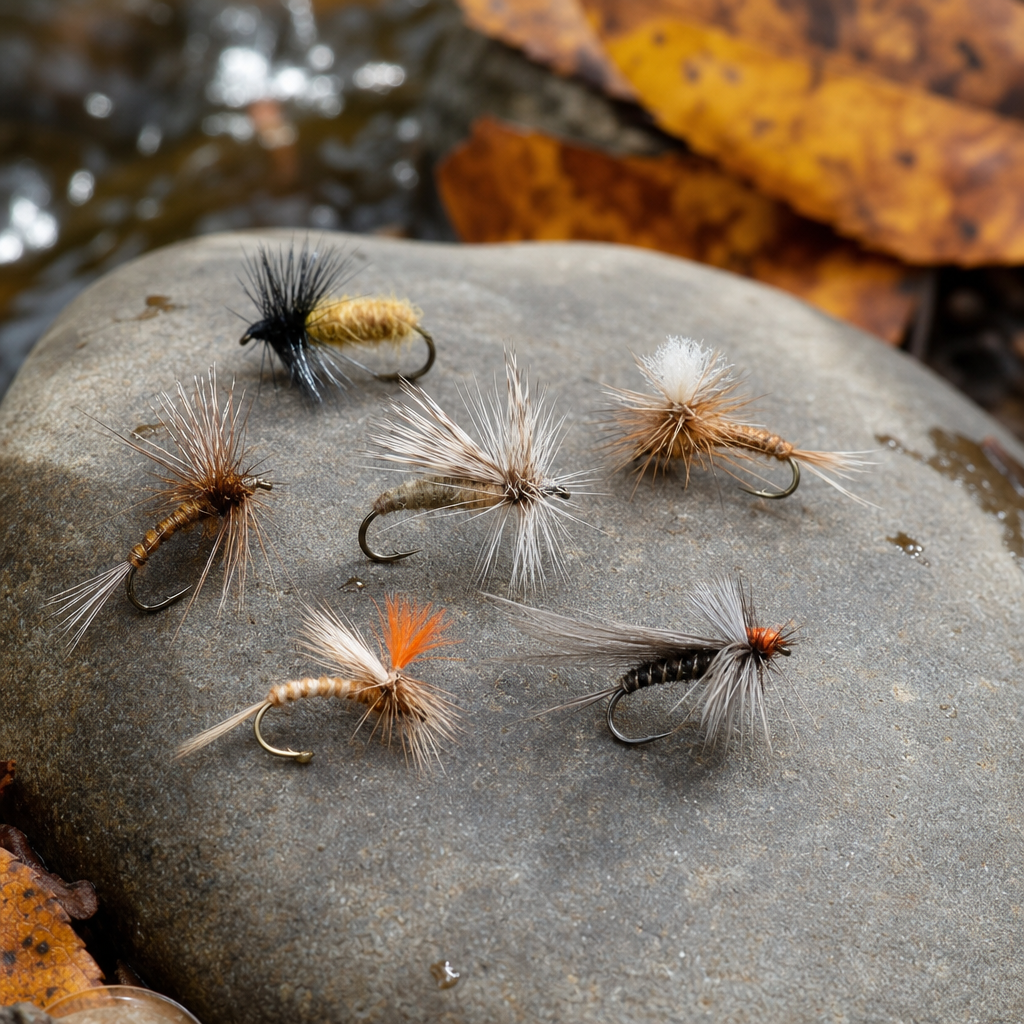
Late afternoon fly selection should reflect the most likely food categories, not a giant undisciplined fly box. For trout, I carry mayfly duns and emergers in sizes 14 to 20, caddis adults and pupae in sizes 12 to 18, midges in 18 to 24, and terrestrials such as beetles, ants, and hoppers from 8 to 18 depending on the season. Reliable patterns include Parachute Adams, Elk Hair Caddis, X-Caddis, Pheasant Tail, Hare’s Ear, Zebra Midge, RS2, Soft Hackle Pheasant Tail, Chubby Chernobyl, simple beetle foam patterns, Woolly Bugger, and slender baitfish streamers. For bass and panfish, deer-hair poppers, foam bugs, Clouser Minnows, crayfish flies, and small leeches belong in the afternoon lineup.
Leader choice is just as important. For dry flies on clear trout water, a 9- to 12-foot tapered leader ending in 4X to 6X is standard, with finer tippet reserved for smooth water and selective fish. For nymphs, stronger tippet such as 4X or 5X improves turnover and landing power unless tiny flies demand lighter material. Streamers often fish best on shorter, stronger leaders in 0X to 3X, sometimes with a sink-tip line. Warmwater anglers can simplify with stout monofilament leaders because bass and panfish are less leader-shy. The central rule is balance: the leader must turn over the fly cleanly without sacrificing stealth or depth control.
| Condition | Primary Technique | Recommended Flies | Leader and Line |
|---|---|---|---|
| Clear trout river, visible rises | Dry fly or dry-dropper | Parachute Adams, Elk Hair Caddis, beetle | 9 to 12 ft leader, 4X to 6X floating line |
| Riffles and seams, no surface activity | Nymphing | Pheasant Tail, Hare’s Ear, Zebra Midge | 9 ft leader, indicator or tight-line setup |
| Cloud cover or stained water | Streamer fishing | Woolly Bugger, sculpin, baitfish pattern | Short 0X to 3X leader, floating or sink-tip line |
| Summer banks with grass and wind | Terrestrial fishing | Hopper, ant, beetle | 9 ft 3X to 5X leader, floating line |
| Lakes and ponds near weed edges | Slow retrieve subsurface | Leech, damsel, small baitfish | Intermediate line or long leader on floating line |
Essential Gear for Late Afternoon Success
A versatile late afternoon setup starts with the rod and line matched to the water type. For trout streams, a 9-foot 5-weight remains the most useful all-around choice because it handles dries, nymphs, and small streamers without compromise. On small brushy creeks, a shorter 3-weight or 4-weight improves casting under cover, while larger western rivers may justify a 6-weight for wind and heavier rigs. Smallmouth anglers are often best served by a fast-action 6-weight, and lake anglers may carry both floating and intermediate spools. Reels matter less for drag performance on smaller trout water but should balance the rod and hold enough backing for larger fish in rivers or stillwaters.
Polarized sunglasses are non-negotiable because they reduce glare, reveal lanes, and improve safety during low-angle sun. I favor copper or amber lenses in afternoon light because they increase contrast without over-darkening the scene. A brimmed hat, quality wading boots with appropriate traction for local regulations, forceps, nippers, floatant, split shot, strike indicators, and a thermometer complete the practical core kit. The thermometer is especially useful because temperature shifts explain fish movement better than guesswork. On hot summer trout streams, if the water climbs into stressful ranges for the species present, ethical anglers should stop rather than push fish beyond recovery. A compact headlamp also belongs in the vest or pack because productive late afternoon sessions often extend to legal last light, and safe rigging on the walk out matters.
Adapting by Season, Species, and Water Type
Late afternoon patterns are not identical across the calendar. In spring, warming water can trigger the first meaningful insect activity of the day, and fish may feed most confidently from midafternoon into dusk. During summer, heat, recreational pressure, and bright sun often suppress midday action, making late afternoon one of the best times to fish if water temperatures remain safe. This is prime terrestrial season, especially on meadow streams and grassy banks. In fall, declining light and cooling water often improve streamer fishing and create concentrated dry-fly windows around olives, caddis, and late mayflies. In winter, the late afternoon period can be the warmest and therefore the most biologically active, though the productive window may be brief.
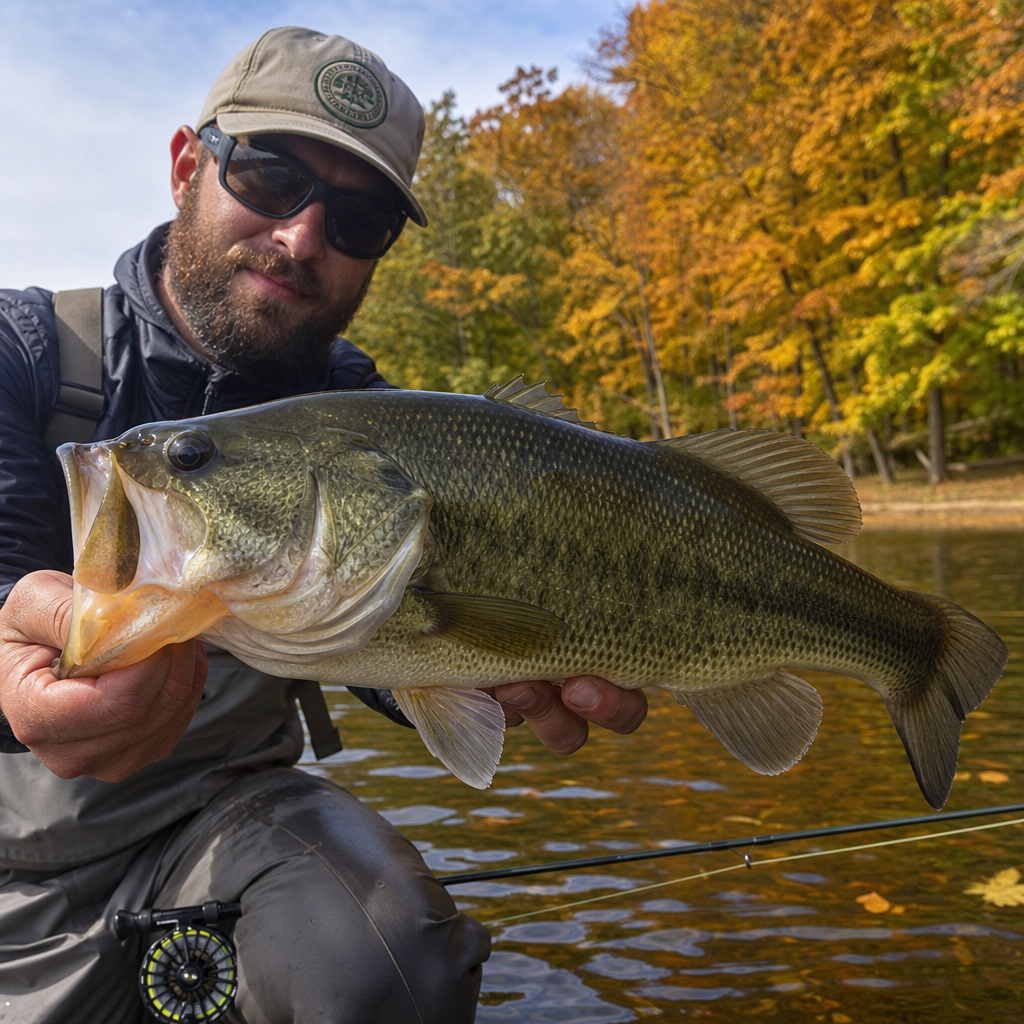
Species matter too. Trout respond strongly to insect timing and current structure. Smallmouth bass use shade, current breaks, and rocky ambush points, then slide into feeding lanes as light fades. Largemouth in ponds and lakes often patrol weed edges, pads, and timber during late afternoon, especially if a breeze pushes food into one bank. Panfish can offer fast action near cover with small poppers or nymphs suspended under indicators. Tailwaters deserve special mention because stable temperatures and predictable flows can extend afternoon productivity well beyond what freestone rivers offer, but generation schedules may completely reshape access and fish position. The best anglers treat late afternoon as a framework, then adjust to the actual fishery in front of them.
Common Mistakes and a Better Decision Process
The biggest late afternoon mistake is assuming evening success means waiting for darkness. Many anglers ignore the setup phase and miss the first meaningful rise forms, the first caddis flutter, or the first temperature drop that moves fish. Another common error is changing flies constantly without changing depth, angle, or drift. Presentation solves more problems than pattern shopping. I also see anglers stay in unproductive water because it looked good at noon, even though the fish have shifted to shade lines, current tongues, or bank structure.
A better process is straightforward. Start by identifying the active food source. Next, locate the lanes where fish can feed efficiently under the current light conditions. Then choose the least complicated rig that covers that behavior well. If fish are rising, fish the surface. If they are flashing subsurface, fish emergers. If nothing is visible, nymph likely holding water first and switch to streamers when clouds, wind, or low light increase predatory behavior. Keep notes. Over time, recording hatch timing, water temperature, and productive water types will make your late afternoon sessions far more consistent. For anglers building out the broader time of day approach, use this hub as the central reference point and compare your observations across morning, midday, and evening trips on the same water. That practice turns isolated good days into repeatable strategy.
Fly fishing in late afternoon works because it aligns angler opportunity with natural fish behavior. Lower light reduces caution, temperature trends shift feeding willingness, and insects or terrestrials often appear in concentrated windows that make fish easier to find and pattern. The most effective anglers do not rely on a single romantic idea of evening dry-fly action. They read conditions, fish the right water at the right moment, and move confidently between dries, nymphs, and streamers. A balanced rod setup, thoughtful leader choices, polarized glasses, and a disciplined selection of proven flies are usually enough to cover the period thoroughly across rivers, streams, lakes, and ponds.
As the time of day hub within seasons and conditions, late afternoon offers a practical lens for understanding how fish transition between bright-day holding behavior and evening feeding behavior. That makes it valuable not only as a productive fishing window, but also as a teaching window. You can see how shade changes lies, how hatches gather pace, and how different species respond to the same environmental shift in their own ways. Use this knowledge to plan trips more intelligently, protect fish during stressful warm conditions, and refine your presentation around what the water is showing you rather than what you hope will happen. The next time you fish, arrive early enough to watch the change begin, carry rigs that let you adapt quickly, and treat late afternoon as the structured opportunity it is. Do that consistently, and this part of the day will become one of the most dependable tools in your fly fishing calendar.
Frequently Asked Questions
What makes late afternoon such a productive time for fly fishing?
Late afternoon is productive because several important variables often begin lining up at the same time. As the day moves from midafternoon toward evening, harsh overhead light softens, shadows lengthen, and fish generally feel more comfortable feeding in shallower lanes, seams, and near-bank structure. Water temperatures also tend to stabilize during this period. On many rivers and streams, especially during warmer months, the cold shock of early morning has passed and the peak heat of the day is beginning to ease, creating a more favorable feeding window for trout and other game fish.
Insect activity is another major reason this period stands out. Many aquatic insects begin emergence cycles later in the day, and terrestrial food sources such as ants, beetles, hoppers, and other windblown insects can become more relevant as bankside vegetation warms and afternoon breezes pick up. Fish recognize these feeding opportunities and often become more predictable. Instead of holding deep and inactive, they may slide into riffle edges, tailouts, undercut banks, and foam lines to intercept food with less effort. For anglers, that means the final hours before sunset can offer some of the best combinations of visibility, fish movement, and surface activity.
How should I adjust my fly selection during the late afternoon?
Fly selection in late afternoon should match the changing food sources and the shift in fish behavior. A smart approach is to begin by observing the water and the air before tying anything on. If you see rising fish, drifting duns, spent spinners, or insects hovering over riffles, match that hatch as closely as possible in size first, then silhouette, then color. During late afternoon, common productive patterns often include mayfly emergers, caddis adults and pupae, small attractor dries, and soft hackles that imitate vulnerable insects moving through the film.
If there is no obvious hatch, terrestrial patterns become especially important. Foam hoppers, beetles, ants, and small stimulators can be excellent searching flies near grassy banks, cutbanks, overhanging limbs, and pocket water. In rivers with mixed feeding activity, a dry-dropper setup is often one of the most efficient late-afternoon rigs because it lets you cover both surface feeding and subsurface opportunism at once. If fish are not looking up, switch to nymphs that represent active late-day food sources, such as caddis pupae, pheasant tails, hare’s ears, or perdigon-style patterns that sink quickly into feeding lanes. The key is to stay responsive. Late afternoon can change fast, and anglers who rotate from prospecting flies to hatch-specific flies at the right moment usually do better than those who fish one pattern too long.
What techniques work best when light, temperature, and fish behavior start changing before sunset?
The best late-afternoon techniques are built around efficiency, observation, and controlled presentation. Start by focusing on likely feeding water rather than covering every inch of the river. Fish often transition into current seams, riffle drop-offs, tailouts, inside bends, and shaded edges as the light softens. That means tight, accurate casts and natural drifts become more important than long blind casting. For dry-fly fishing, approach from downstream when possible, keep a low profile, and prioritize drag-free drifts through the first few feet of the target lane. Fish feeding late in the day may be active, but they can still be selective if insects are emerging consistently.
When there is no visible surface action, nymphing and swinging can be extremely effective. A short-line nymphing approach in pocket water helps maintain contact and drift control, especially where fish are holding in oxygen-rich current. In broader runs, indicator nymphing with depth adjustments can help you stay in the strike zone as fish move higher or lower in the column. Soft hackles and wet flies are especially useful in late afternoon because they imitate emergers and ascending insects so well. A cross-current swing through riffle tails or transitional water can trigger aggressive takes from fish that are beginning to feed more confidently. Above all, pay attention to subtle changes. A slight temperature drop, a few random rises, or birds beginning to work above the water can signal that fish are shifting from opportunistic feeding to focused feeding, and your technique should shift with them.
What gear is most useful for fly fishing in late afternoon conditions?
Late-afternoon fly fishing does not always require specialized gear, but having the right setup makes it much easier to adapt as conditions evolve. A versatile rod in the 4- to 6-weight range covers most trout situations well, especially if you may switch between dries, nymphs, and small streamers in the same outing. A floating line is the most useful all-around choice because it supports dry-fly work, dry-dropper rigs, indicator nymphing, and swung soft hackles. Pair that with leaders in a range of lengths and tippet sizes so you can downsize during a delicate hatch or step up when fishing larger terrestrials near structure.
Several small gear choices become especially valuable late in the day. Polarized glasses help you read water, spot fish movement, and reduce glare while there is still enough light to benefit from them. Floatant, desiccant, and extra tippet are essentials because surface fishing often improves as evening approaches. If you expect changing fly activity, carry a fly box that includes hatch-matching dries, emergers, caddis patterns, terrestrials, and reliable confidence nymphs. Waders or wet-wading gear should also match the expected temperature shift, since afternoons can start warm and cool quickly by sunset. A headlamp is a smart safety item if you plan to fish until dark, and a compact net helps land fish efficiently during a time window when action can become fast. In short, the best gear for late afternoon is gear that helps you adapt quickly rather than gear built for only one technique.
How do I know where to target fish in late afternoon, especially if the river looks quiet at first?
If the river appears quiet at first, begin by thinking about where fish can feed efficiently as conditions improve. In late afternoon, fish often favor water that offers a balance of security, current, and food delivery. That usually means seam lines where faster and slower currents meet, the edges of riffles, the heads and tails of pools, shaded banks, undercut structure, and foam lines where drifting insects collect. On sunny days, shade can be a major factor. Fish may hold close to shadow lines until the light softens more broadly, then move outward into more exposed feeding lanes.
It also helps to track the river in stages rather than making one fixed assumption. Early in the late-afternoon window, deeper runs and shaded slots may hold the most active fish. As insect activity builds or the sun drops lower, check shallower riffles, tailouts, and gentle slicks for rising fish. If you see only occasional rises, do not ignore them. A single rise can reveal a feeding lane that will produce multiple fish once you dial in the drift. Watch for clues like swallows working above the water, insects collecting along eddies, or fish flashing below the surface. These signs often appear before obvious surface feeding begins. The anglers who consistently do well late in the day are usually the ones who stay patient, read transitions carefully, and move from likely holding water to likely feeding water as the afternoon progresses.