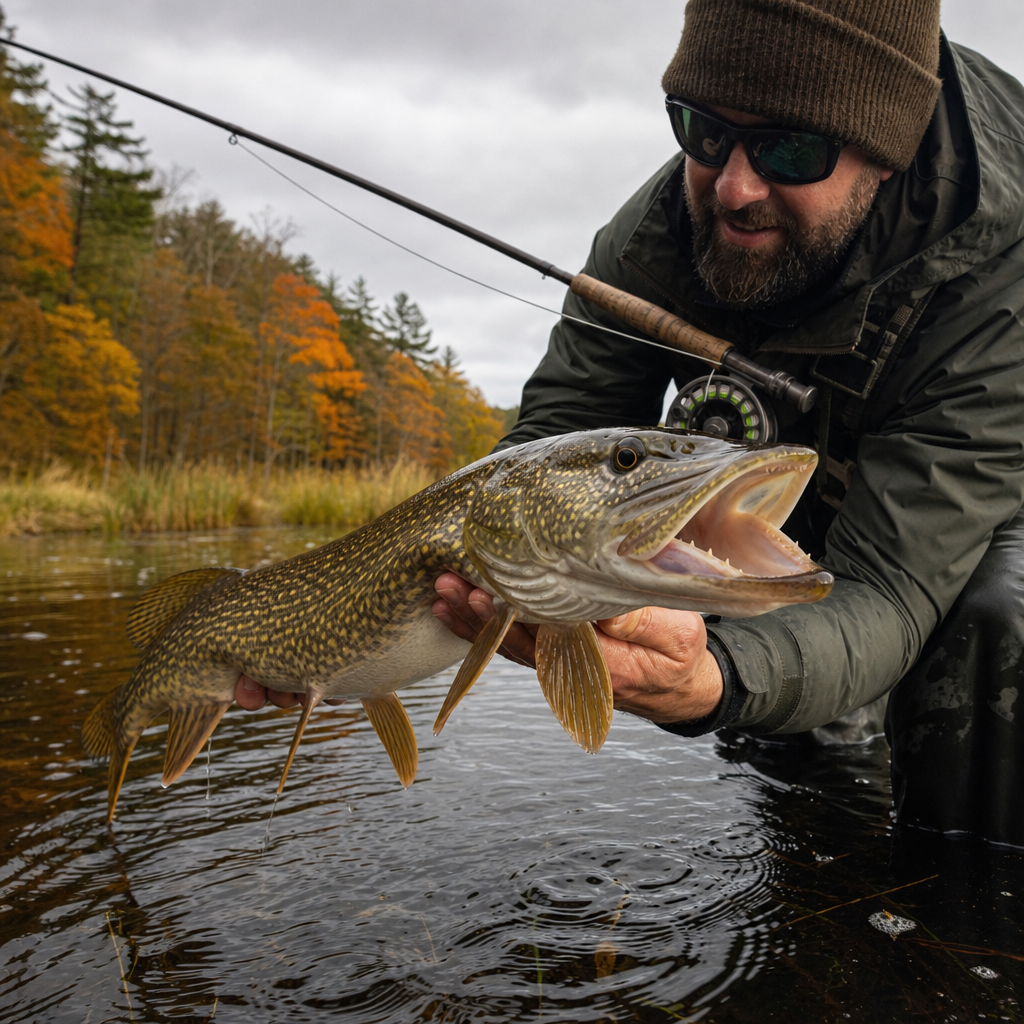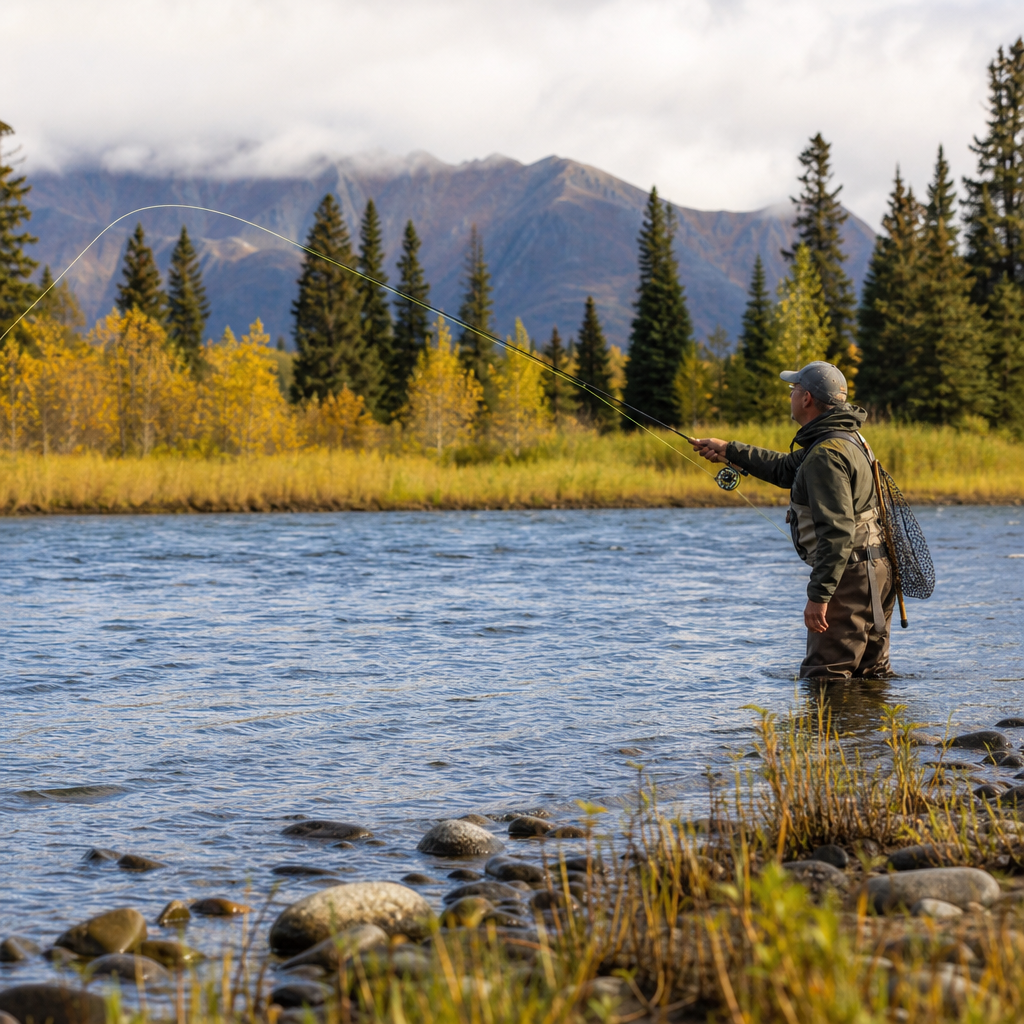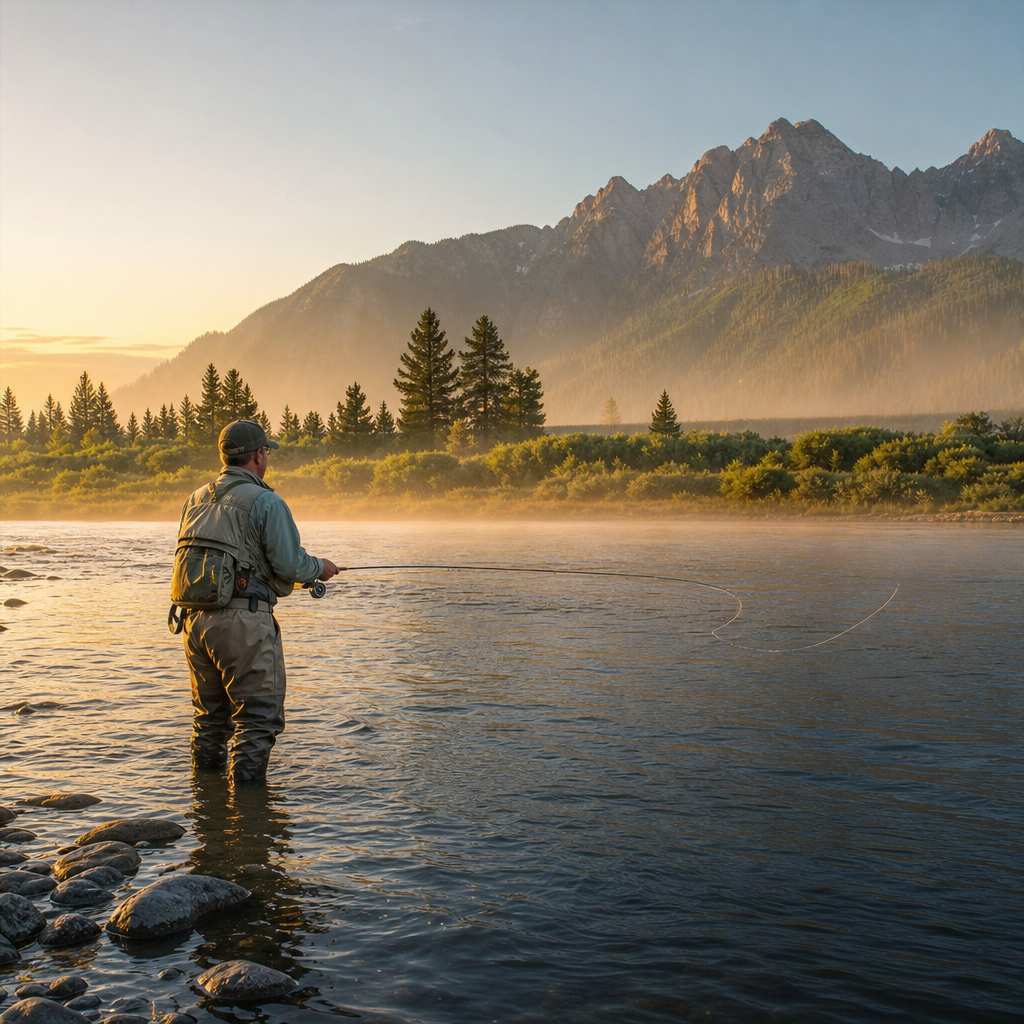
Fly fishing during early morning light gives anglers one of the most reliable windows for consistent action, especially when fish have fed overnight, water temperatures are stable, and banks remain quiet before boating traffic begins. In practical terms, early morning light usually means the period from first legal casting light through the first one to three hours after sunrise, though the exact window changes by season, latitude, cloud cover, and river valley shape. As a time-of-day strategy within the broader seasons and conditions framework, it matters because trout, bass, panfish, carp, and many saltwater species behave differently under low-angle light than they do at noon. I have planned countless outings around that shift, and the difference in fish position, insect activity, and presentation tolerance is often dramatic.
Understanding early morning fly fishing starts with three core ideas: visibility, temperature, and feeding rhythm. Low light reduces a fish’s sense of exposure, so it may slide from deep holding water into softer seams, flats, weed edges, or tailouts to feed. Overnight cooling can also keep dissolved oxygen favorable in summer and delay the lethargy that bright heat often brings by late morning. Finally, many food sources peak early, from midge emergences and spinner falls on trout streams to baitfish movements along marsh edges. If you treat dawn as a repeatable environmental pattern rather than just an appealing time to be outside, you can choose better flies, stand in smarter positions, and cover water with far more purpose.
This hub page covers the full time-of-day picture for early light: how fish behavior changes, what conditions improve or weaken the bite, which tackle choices help in dim visibility, and how to adapt across rivers, lakes, ponds, and inshore salt. It also serves as a practical bridge to more specialized subtopics such as low-light streamer tactics, summer dawn hatches, or reading bank shadows. The goal is simple: help you turn an attractive idea—getting on the water early—into a dependable system. When anglers struggle at dawn, the problem is rarely the hour itself. It is usually poor preparation, rushed rigging, or using midday tactics before the sun is even above the trees.
Why fish feed so well at first light
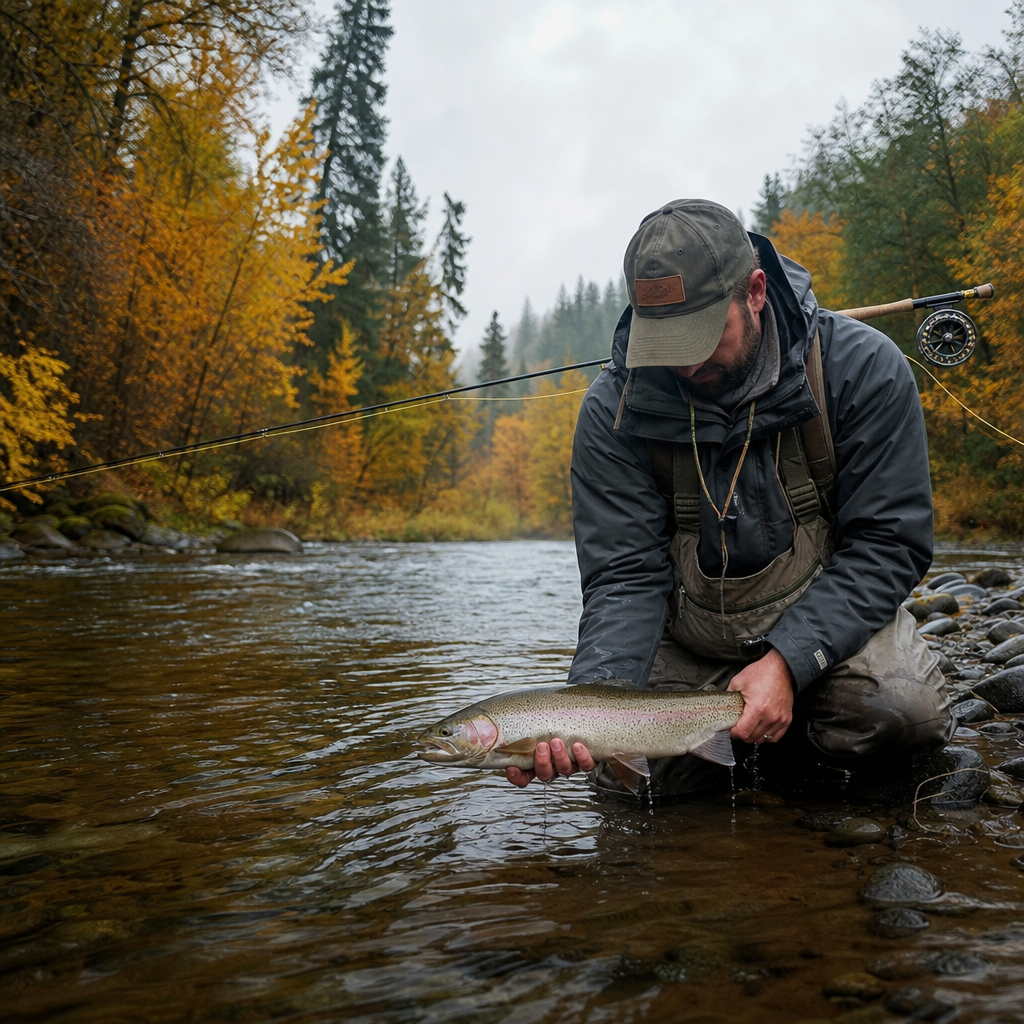
Fish often feed aggressively at dawn because the balance of risk and reward shifts in their favor. Predatory fish can hunt with concealment, while prey species lose some visual advantage in detecting danger. On many trout rivers, I see brown trout leave cut banks and undercut roots during the dimmest stretch, then fade back once direct sun strikes the water. Smallmouth bass do the same on shallow rock flats, using weak light to pin minnows against current breaks. Even selective fish that refuse obvious patterns at noon can become briefly opportunistic when light levels are low and food is moving.
Water temperature is another reason the early window is productive. In midsummer, overnight cooling can drop a stream several degrees, enough to improve trout metabolism and oxygen comfort. In stillwaters, surface layers may be calm and fishable before wind builds. In estuaries, dawn frequently overlaps a moving tide, and that combination of current plus low light can create the best striper or redfish period of the day. The important point is that dawn is not magic by itself. It is a convergence of reduced pressure, manageable temperatures, low glare, and active forage, and successful anglers read those variables together.
How seasonal conditions change the dawn strategy
Early morning light does not fish the same way in every season. In spring, cold nights can delay insect activity, so fish may not rise immediately even though they are willing to eat subsurface nymphs or small streamers. During summer, dawn is often the premium trout window because water is coolest and terrestrial winds have not started. In fall, first light can trigger streamer fishing for larger browns and aggressive smallmouth as baitfish gather along edges. Winter mornings are more complicated. On tailwaters and freestone rivers alike, the coldest part of the day is often just before sunrise, so the better fishing may begin only after the sun has had time to warm shallow margins slightly.
Cloud cover, humidity, and overnight weather also reshape the pattern. A warm, overcast dawn after stable weather can extend feeding activity much longer than a clear, high-pressure morning. By contrast, a sharp cold front may make fish slow and tight to cover even in beautiful low light. On spring creeks, the difference between a calm morning and one with a slight downstream breeze can determine whether spent spinners collect in foam lines. Because this page sits under seasons and conditions, the key takeaway is to connect time of day with the seasonal baseline. Dawn is strongest when it improves the fish’s comfort or feeding efficiency relative to the rest of the day.
Best water to target during early morning light
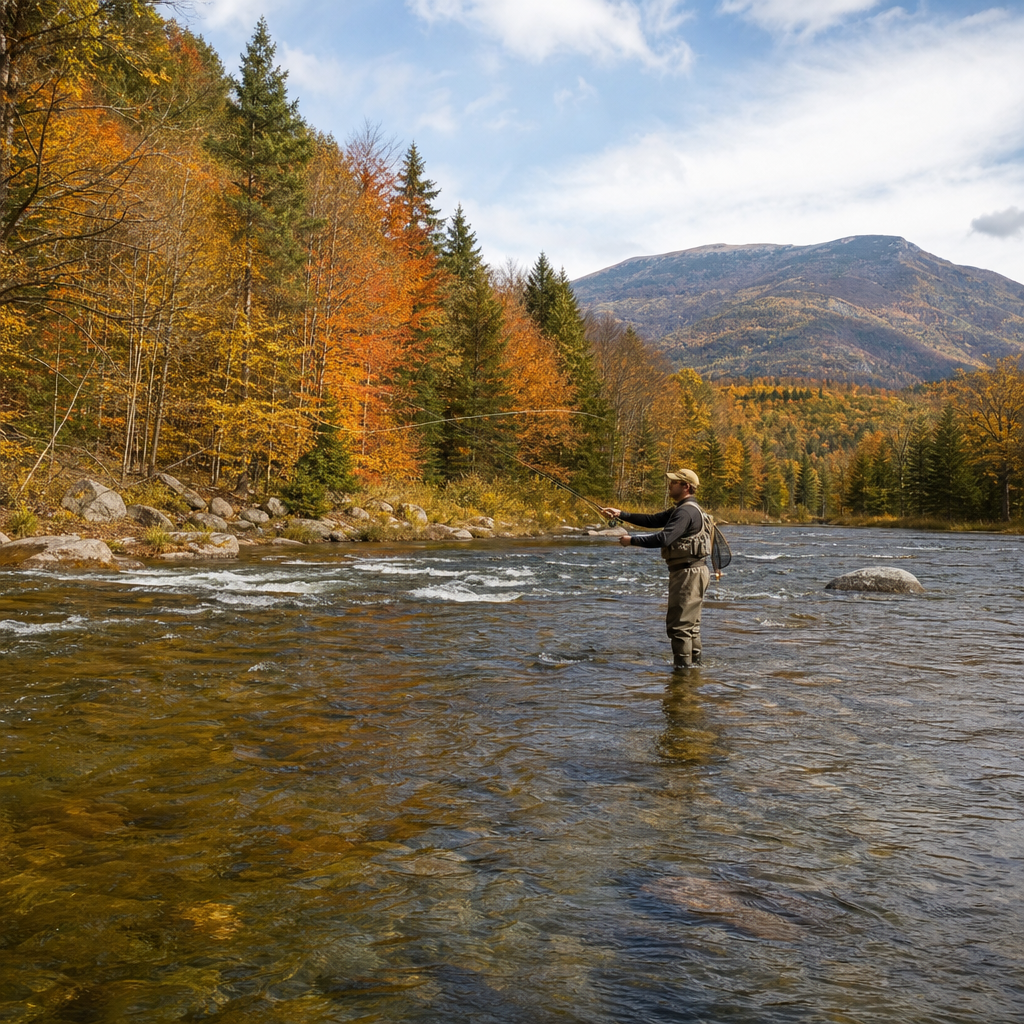
The best early morning water is usually shallower, softer, and closer to structure than many anglers expect. On rivers, start with tailouts, inside seams, riffle corners, bank shade, and the heads of pools where food funnels naturally. Trout that spend bright hours on deeper ledges often push into knee-deep water at dawn. On lakes and ponds, focus on weed lines, reed edges, drop-offs near flats, and bluegill beds or bait schools visible near the surface. In saltwater marshes, first light often puts fish tight to grass edges, oyster bars, creek mouths, and flooded shoreline ambush points before the sun raises both visibility and boat pressure.
One mistake I see repeatedly is anglers beginning too far from shore or too deep because those places held fish later the previous day. At dawn, fish commonly slide shallower to intercept food. Another mistake is wading too quickly into productive water before covering the near edge. I have watched trout spook from ankle-deep margins while anglers cast over them into the main current. Start close, cast short, and expand outward. In low light, the first twenty feet can be your most valuable water, especially where current seams, woody cover, or undercut banks create immediate feeding lanes.
| Water Type | First-Light Target | Effective Fly Style | Key Reason |
|---|---|---|---|
| Freestone river | Tailouts, riffle edges, undercut banks | Parachute dry, soft hackle, small streamer | Fish move shallow to intercept drifting insects and minnows |
| Tailwater | Seams, shoals, midge lanes | Midge pupa, emerger, sparse dry | Stable flows support predictable early feeding lanes |
| Lake or pond | Weed edge, flats near drop-offs | Poppers, damsels, baitfish patterns | Low light concentrates cruising fish near cover |
| Marsh or estuary | Grass lines, creek mouths, oyster edges | Shrimp, crab, small baitfish flies | Tide and dim light improve ambush feeding |
Fly selection, leader setup, and presentation in low light
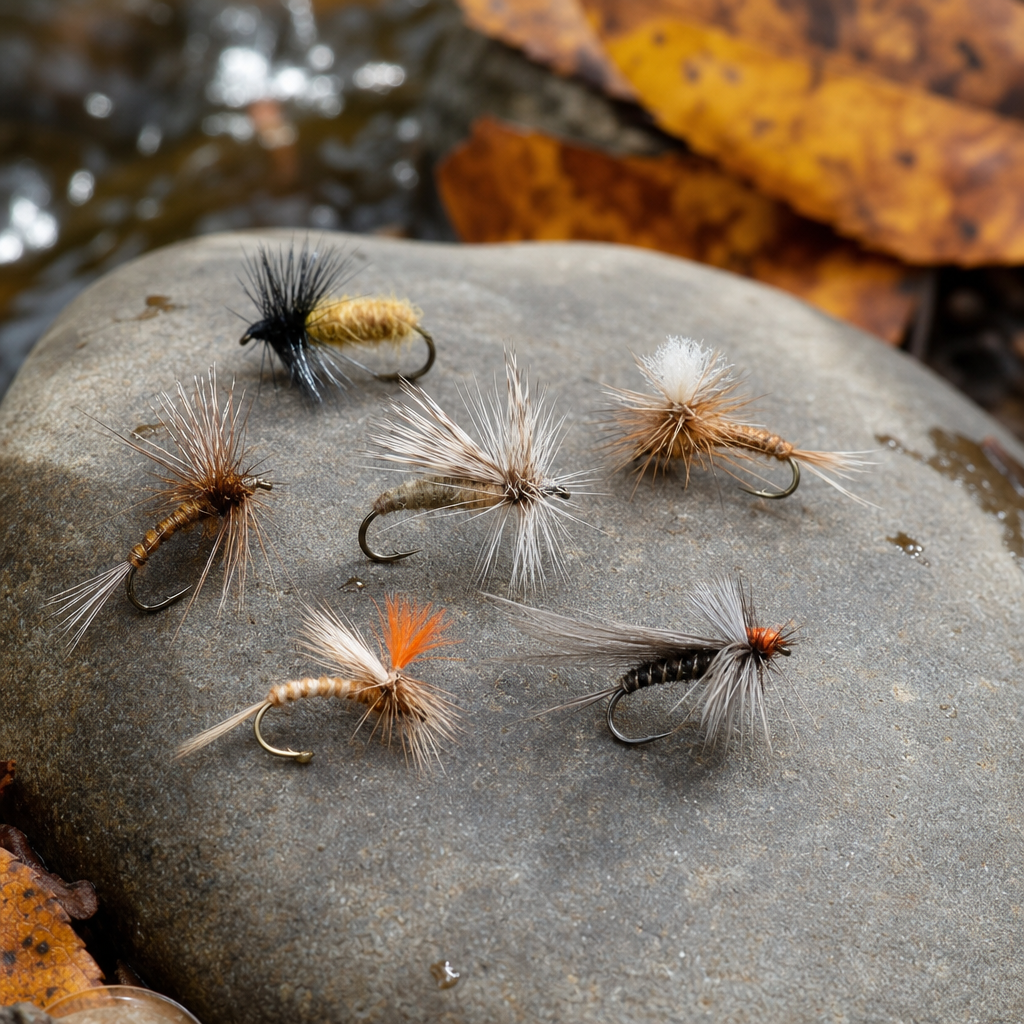
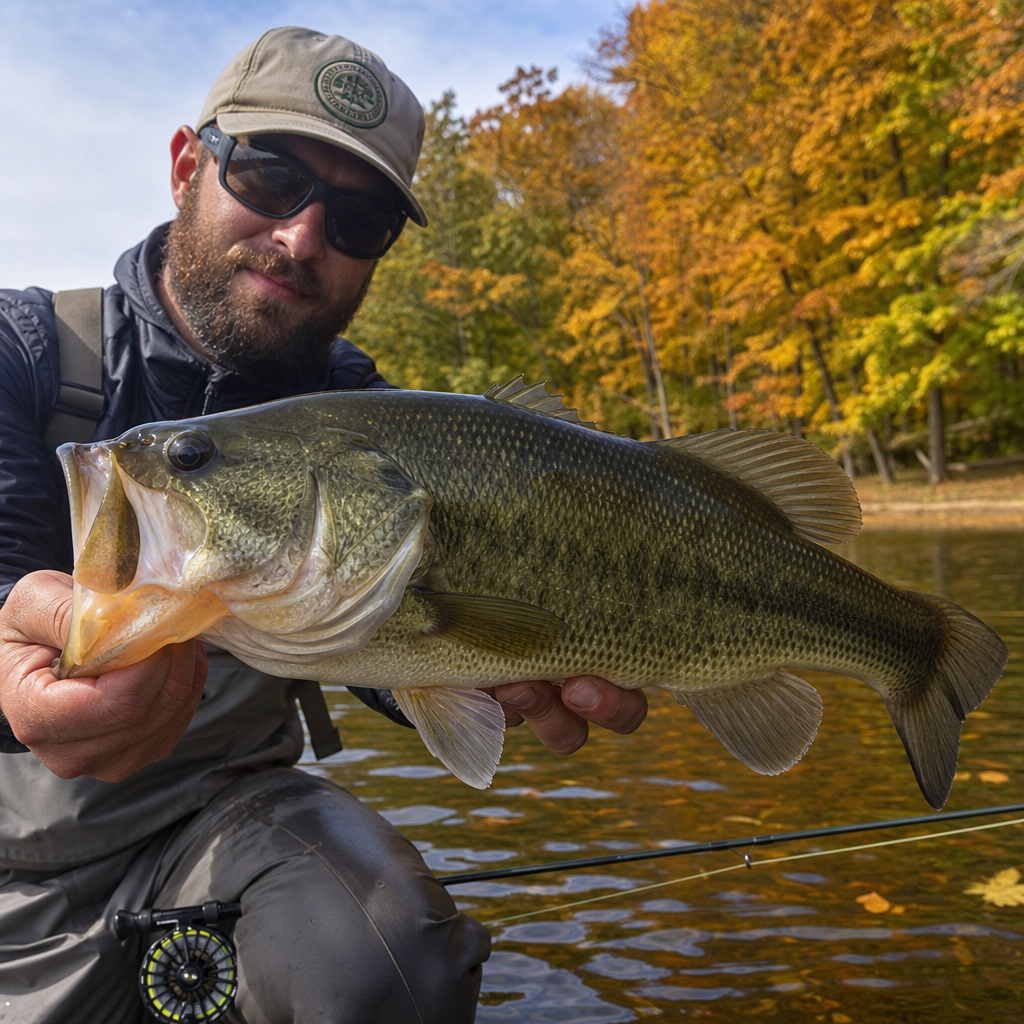
Fly choice at dawn should match visibility and food form, not just hatch charts. For trout, I carry three early-light categories: emergers and soft hackles for subsurface transition feeding, simple dries for visible rises, and slim streamers for fish using cover. Patterns such as a Parachute Adams, CDC emerger, Zebra Midge, Pheasant Tail soft hackle, and a small olive or black Woolly Bugger cover most situations. For bass and panfish, foam poppers, deer-hair divers, and leech or baitfish flies excel. In saltwater, small Clousers, shrimp patterns, and lightly weighted crab flies work well when fish are active but the light is still limited.
Leader setup matters more than many anglers realize because low light can hide both errors and opportunities. On trout water, a 9-foot 4X or 5X leader is a solid default for dries and emergers, while nymphing or streamer work may justify shorter, more turnover-friendly leaders. If glare is low and fish are moving confidently, you can often get away with slightly heavier tippet than at midday, which helps land fish quickly and protects them in warm conditions. Presentation should be deliberate and compact. Make the shortest cast that reaches feeding water, control slack early, and avoid false casting over the target. Dim light reduces fish wariness, but it also reduces your ability to track micro-drag, so line control and angle matter even more.
Reading insect activity and forage movement at sunrise
Many of the best dawn sessions are driven by food signals that are easy to miss if you arrive late or rush through setup. On trout streams, look for midge clusters, tiny dimples in slicks, caddis skittering low, or spent mayfly spinners hovering above riffles. During summer, tricos and small olives can create highly technical early fishing, while in other conditions the key may be a quiet subsurface emergence with almost no surface drama. I have had mornings when only the occasional bulge revealed fish taking emergers inches below the film, and changing from a standard dry to a sparse CDC pattern transformed the session.
For warmwater species, dawn often highlights bait movement more than insect hatches. Watch for nervous water, fleeing shiners, dragonflies over weed beds, or bluegills dimpling under overhanging trees. In saltwater, shrimp flicks, mullet pushes, and terns or gulls working a shoreline tell you where to start. These observations are not decorative details; they determine the right depth, retrieve, and fly profile. If fish are tracking bait high in the column, a weighted fly bounced deep wastes your best window. If trout are feeding on emergers below the film, changing size and silhouette beats switching to brighter patterns.
Stealth, safety, and common mistakes before sunrise
Stealth is critical in early morning because fish often feed in shallow water close to where you enter. Keep headlamp use minimal once you are rigged, approach from downstream or across current when possible, and avoid pushing wakes across flats. Felt or modern rubber soles both work, but whichever boot you use, slow foot placement matters more in dim light. Sound also carries surprisingly well on calm mornings. Slamming a truck door, dropping a net on rocks, or talking loudly at the launch can reduce your first drift before you make it.
Safety deserves equal attention. Check legal fishing hours, carry a light, and know the access route in daylight if possible. Wading before full light increases the chance of stepping into unseen drop-offs, so begin conservatively and add range as visibility improves. On drift boats, skiffs, or kayaks, navigation lights and local regulations are nonnegotiable. The most common mistakes are arriving too late, rigging on the water instead of beforehand, ignoring the near bank, and staying too long with one tactic after the light changes. Dawn is dynamic. What works at first gray light may be wrong thirty minutes later, so adaptation is part of the plan, not a sign your first choice failed.
Building a repeatable early morning plan
The most effective dawn anglers follow a repeatable process. The night before, check flows, water temperatures, sunrise time, wind forecast, and moon phase if tides or nocturnal feeding may matter. Rig rods in advance when safe and legal, organize fly boxes around likely food forms, and choose a starting spot that can be fished efficiently in low light. I like to begin with a high-confidence pattern that covers water, then narrow quickly once I see rises, bait movement, or follows. This prevents wasting the first half hour making random changes.
Keep notes after each trip. Record air temperature, water temperature, cloud cover, insect activity, successful fly size, and the minute the bite improved or faded. Over a season, those notes reveal patterns no generic advice can match. You may learn that your local freestone fishes best from civil twilight to forty minutes after sunrise in July, while a nearby tailwater improves only once enough light reaches a midge seam. That is the real value of mastering fly fishing during early morning light: it turns time of day from a guess into a strategic advantage. Start earlier, observe more carefully, and build your own dawn playbook on the water nearest you.
Early morning light is one of the most useful organizing principles in fly fishing because it connects fish behavior, weather, season, water type, and presentation into a single predictable window. When you understand why fish move shallower, why low-angle light reduces their caution, and how temperature and forage align at sunrise, you stop treating dawn as a lucky period and start fishing it intentionally. That shift leads to better location choices, cleaner first presentations, and more fish encountered before crowds, heat, or glare begin to work against you.
The biggest lessons are practical. Match your dawn plan to the season, cover the near water first, let observed food signals dictate fly choice, and adjust quickly as visibility changes. Prepare gear before arrival, move quietly, and fish the first hour with discipline because it often delivers the day’s best opportunities. As the hub for time-of-day coverage under seasons and conditions, this guide gives you the framework to branch into specific tactics for rivers, stillwaters, warmwater species, and salt. Use it on your next outing: pick one early start this week, log what you see, and build a repeatable sunrise system of your own.
Frequently Asked Questions
What makes early morning light such a productive time for fly fishing?
Early morning light is productive because it lines up several favorable conditions at once. Fish have often spent the night feeding, cruising, or holding in predictable lies, so they are already active before the river fully wakes up. Water temperatures are usually at their most stable point of the day, especially in summer, which helps trout and other coldwater species remain comfortable and willing to eat. Light levels are also softer, giving fish a stronger sense of security in shallower water, near seams, and along banks where they may become far more cautious once the sun gets high.
Another major advantage is reduced disturbance. Before drift boats, swimmers, waders, and shoreline activity increase, fish are less likely to be pushed into hard-to-reach holding water. That means anglers can often find more natural behavior, less pressured feeding patterns, and better opportunities to present a fly cleanly. In many rivers and streams, the first legal casting light through the first one to three hours after sunrise is one of the most reliable windows of the day for both dry flies and subsurface presentations. Exactly how long that window lasts depends on the season, cloud cover, water clarity, valley shape, and how quickly direct sun hits the water, but the pattern is consistent enough that serious anglers plan around it.
How early should I arrive, and what part of the morning matters most?
A good rule is to arrive early enough to be rigged, organized, and in position before first legal casting light. That does not mean stumbling into the water in total darkness and spooking fish. It means using the low-light period wisely so you can move carefully, assess current seams, and start fishing the moment it becomes practical and legal to do so. The most important stretch is often from first light through the first hour after sunrise, but on many waters the bite can continue strongly for two or even three hours, particularly on cloudy mornings or in shaded river corridors where sunlight reaches the surface more slowly.
What matters most is not the clock alone, but how changing light affects fish behavior. In open meadow streams, direct sun may hit early and shorten the best bite. In deep canyons, timber-lined banks, tailwaters, and spring creeks, low-angle light can preserve productive conditions much longer. Seasonal changes also matter. In summer, the morning window may be your best chance to fish before heat and recreational traffic build. In spring and fall, fish may remain active longer into the morning if water temperatures stay favorable. The practical takeaway is simple: be ready before sunrise, fish with purpose immediately, and pay close attention to how fish respond as the light intensifies.
What flies and presentations work best during early morning light?
The best fly choice depends on what fish are doing, but early morning usually rewards anglers who think in terms of low-light feeding confidence and overnight activity. If fish are rising, start with emergers, cripples, small mayflies, caddis, or soft-hackled patterns that match subtle morning feeding behavior. Fish are often taking vulnerable insects in or just below the film rather than smashing fully formed adults. On rivers with baitfish, sculpin, or leech activity, a small streamer stripped slowly or swung through soft edges can be extremely effective, especially before bright sun pushes fish tighter to cover.
Subsurface tactics are often the most consistent. Nymphs drifted under a light indicator, tight-line presentations through defined seams, or lightly weighted two-fly rigs can produce well when fish are feeding near the bottom but still willing to slide into softer water to eat. Focus on clean drifts rather than constant fly changes. In low light, fish may hold shallower and closer to banks, tailouts, and transitional current than they will later in the day, so short, accurate presentations often outperform long casts. If you are unsure where to start, begin with a searching setup: one confidence nymph and one seasonal match, or a modest streamer in water with structure. Let fish tell you whether they want surface, film, or subsurface food.
Where should I look for fish first during early morning conditions?
Start with water that fish can reach easily while feeling secure in low light. That includes soft seams beside faster current, inside bends, shallow riffle tails, bankside cover, undercut edges, pocket water cushions, and the transitions where faster oxygenated water spills into slower holding lanes. Early morning fish frequently use water that is more accessible and less defensive than their midday lies. Because the light is dimmer and pressure is lower, they may move out from depth, structure, or undercut banks to feed in places that become less dependable once the sun rises.
Pay special attention to “first feeding water,” meaning the nearest convenient spot a fish can use to intercept food with minimal effort. On freestone streams, that may be the head of a run, a riffle corner, or a foam line along a bank. On tailwaters, it may be subtle current lanes, gravel shelves, or softer edges near weed beds. In lakes and stillwaters, early light often puts fish on cruising routes near drop-offs, shoals, weed edges, or inflows. The key is to fish likely morning water before moving to obvious daytime water. Many anglers make the mistake of heading straight for deep, classic holding structure when fish are still comfortable feeding shallower. Work the edges and transitions first, then adjust deeper as sunlight and activity increase.
What common mistakes should anglers avoid when fly fishing at first light?
One of the biggest mistakes is wasting the best part of the morning getting organized on the bank. If early morning is your target window, your leaders, flies, net, tippet, and wading plan should be ready beforehand. Another common error is entering the water too aggressively. In low light, fish may be close to shore and in surprisingly shallow lies, so loud wading, headlamp overuse, or charging into a run can ruin a prime setup before your first cast. Approach slowly, keep a low profile, and fish the near water before stepping deeper.
Anglers also miss opportunities by locking into a single tactic too long. If fish are not rising, do not force dry-fly expectations just because morning “should” mean surface activity. Likewise, if a nymph rig is unproductive, check whether fish are feeding in the film or cruising bank edges for larger prey. Another mistake is ignoring how fast the window changes. As sun angle increases, fish may slide from shallow seams to deeper slots, from open riffles to shaded structure, or from active feeding to selective behavior. Successful early morning fly fishing is about staying ahead of those shifts. Start stealthy, fish the highest-percentage water first, match your presentation to actual fish behavior, and be ready to adapt as the river brightens.