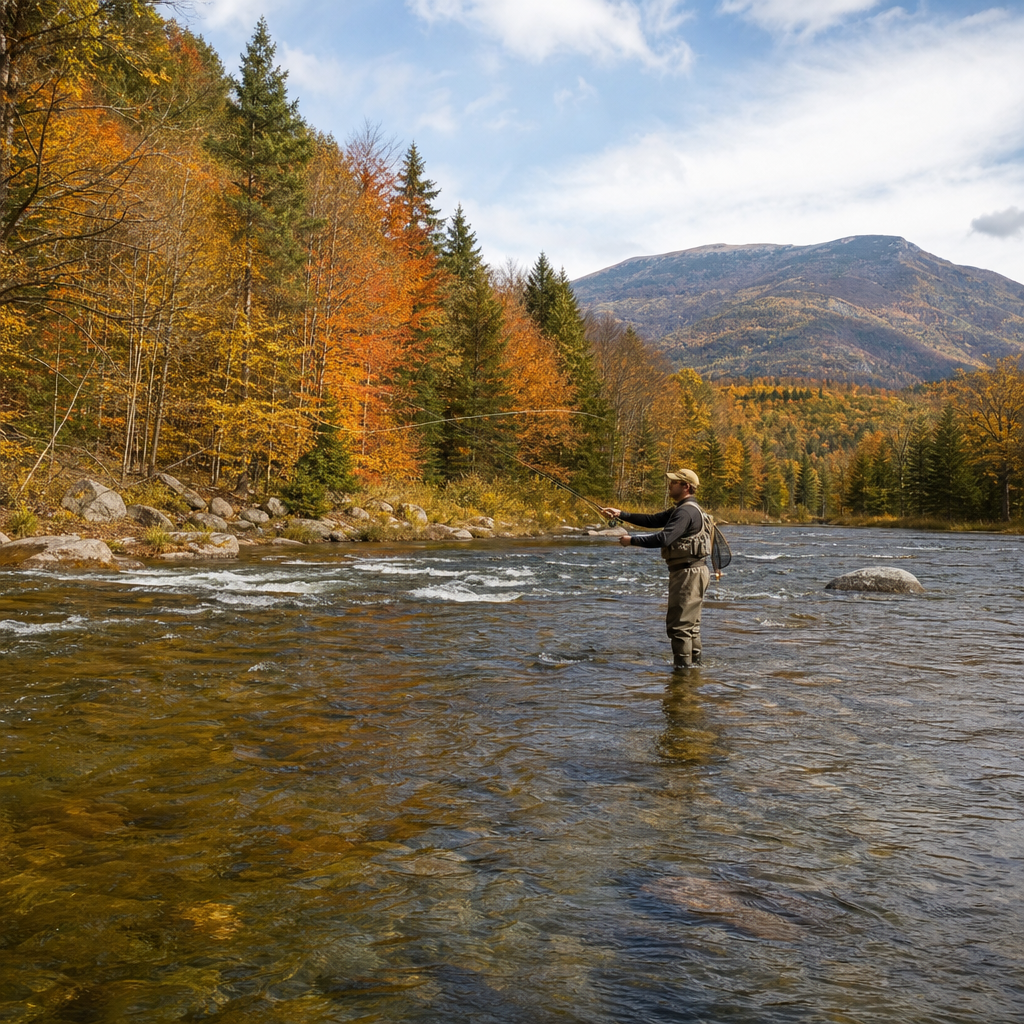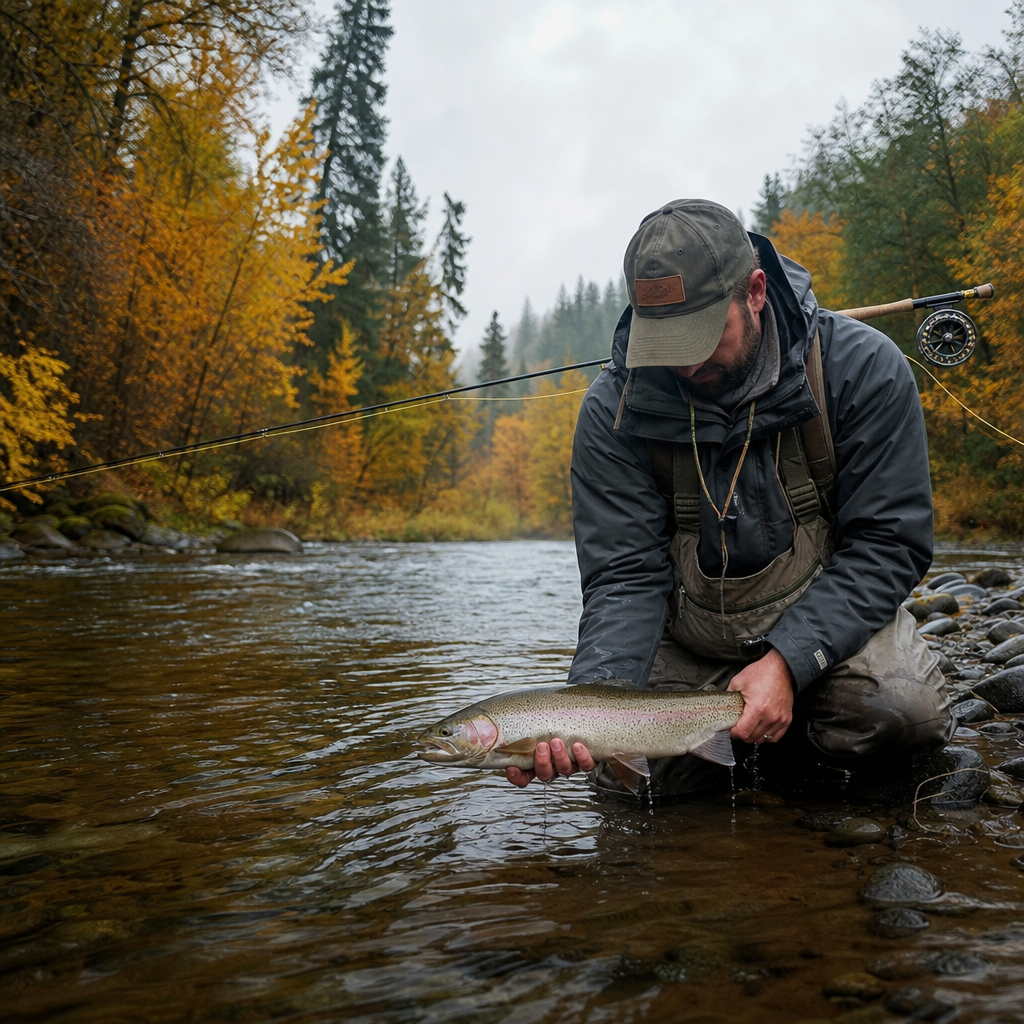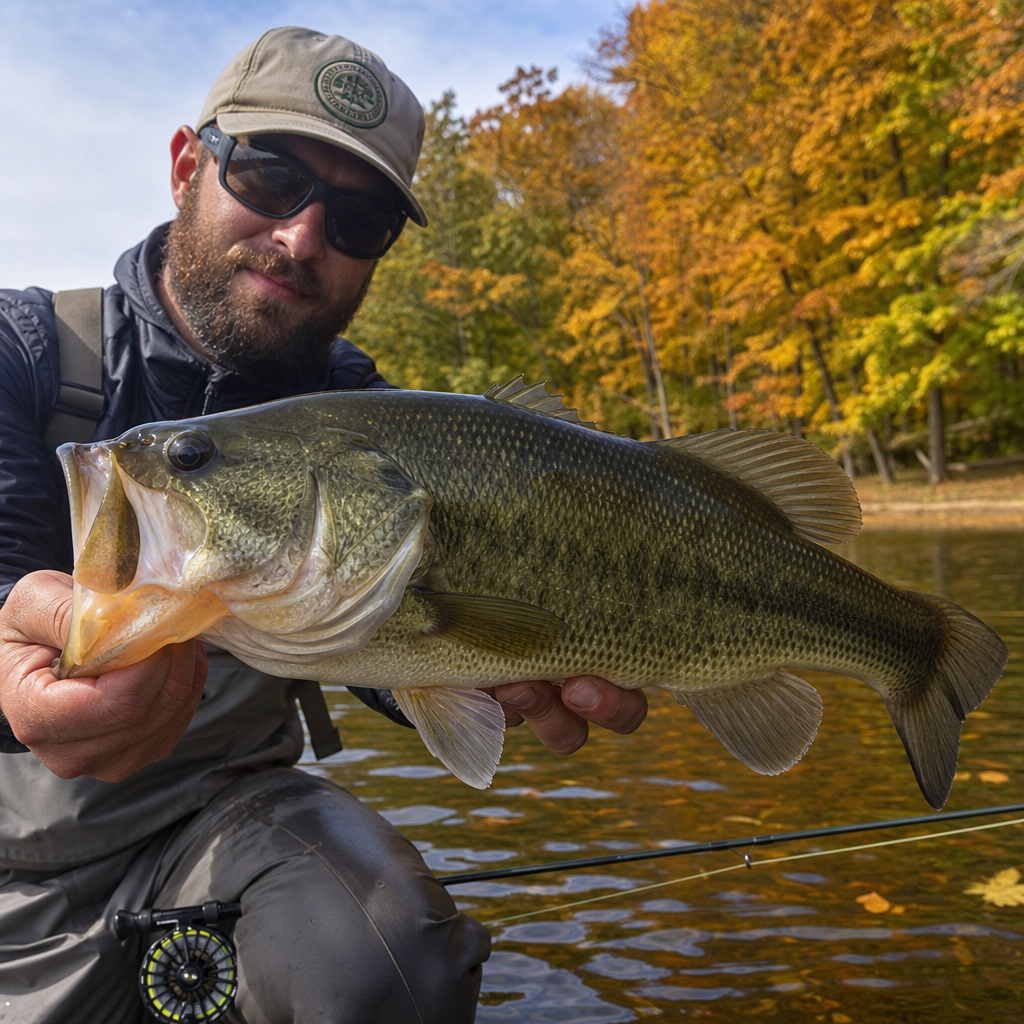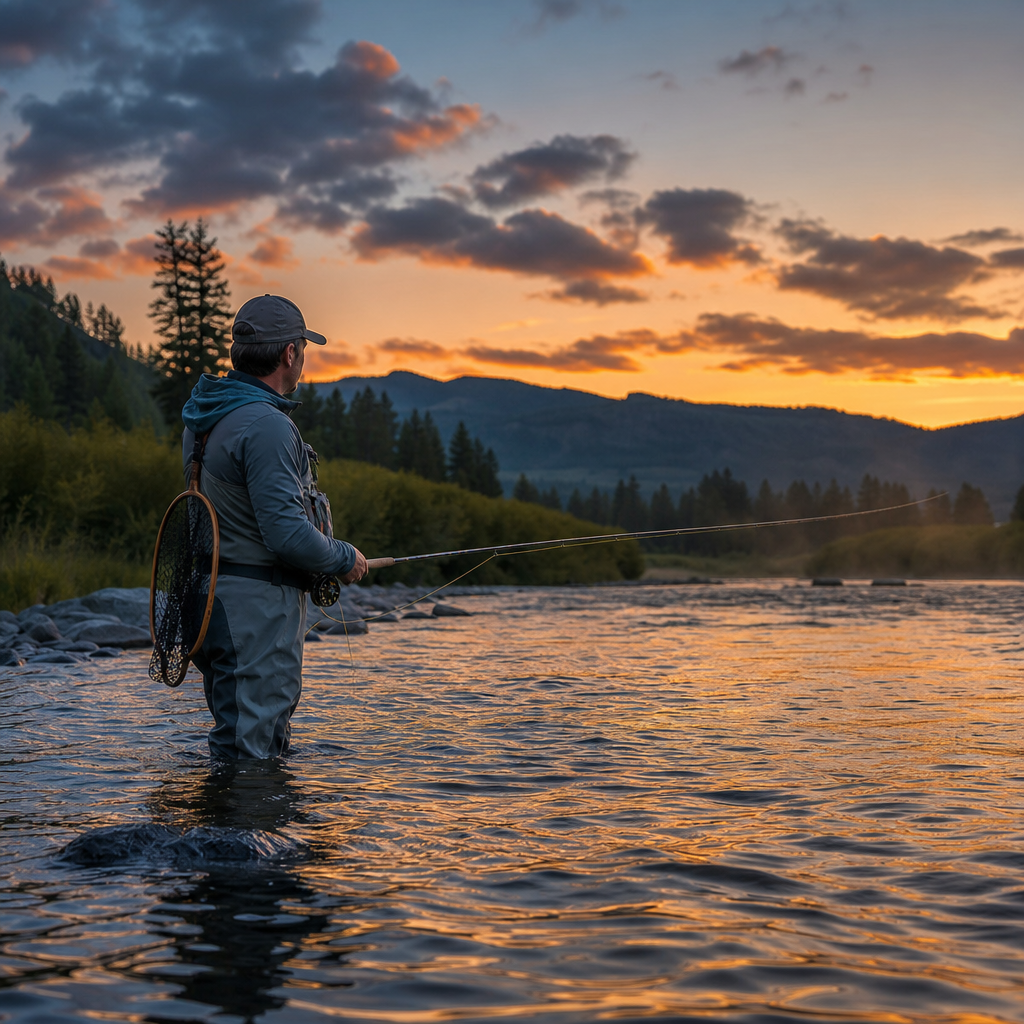
Fly fishing during twilight consistently produces some of the most reliable action of the day because changing light, cooling water, and shifting insect behavior push trout, bass, and panfish into predictable feeding patterns. In practical terms, twilight means the windows around sunrise and sunset when the sun sits low, glare softens, shadows lengthen, and fish feel safer moving from cover into feeding lanes. As a hub page within the broader seasons and conditions topic, time of day matters because fish do not feed with equal intensity every hour, and anglers who understand low-light periods catch more fish with less random casting. After many evenings on spring creeks, tailwaters, and warmwater ponds, I have found that twilight rewards preparation more than speed: leaders must be organized before the hatch starts, knots must be trusted, and fly choices must match silhouettes as much as exact species. This article explains why twilight is productive, how fish behavior changes, which techniques work in moving and still water, what gear improves control and safety, and how to adapt across seasons. It also serves as the central guide for the full time-of-day category, connecting dawn strategy, dusk strategy, midday adjustments, and night-fishing transitions into one clear framework anglers can apply anywhere.
Why Twilight Changes Fish Behavior
Twilight fishing works because light levels influence both predator confidence and prey availability. Trout, especially larger fish that avoid bright overhead light, often slide from deep lies, undercut banks, logjams, or heavy riffles into softer seams when the sun drops. In lakes and ponds, bass and bluegill leave weed edges and patrol flats where minnows and emerging insects become easier targets. The biological trigger is straightforward: lower light reduces the risk of predation from birds, lowers contrast above the water, and often coincides with increases in insect movement. Mayflies commonly emerge during evening calm, caddis can swarm aggressively at dusk, and midges may cluster in the first warming light of morning. On technical rivers, I have watched otherwise selective trout stop refusing size-20 dries and begin taking a larger silhouette confidently once glare disappears.
Water temperature also changes around twilight. In summer, evening cooling can revive trout streams stressed by afternoon heat, while dawn offers the highest dissolved oxygen and the lowest overnight temperatures in many freestone systems. In colder months, the effect may be subtler, and the best low-light bite may happen when sunlight has already added a few degrees. Current speed matters too. During low light, fish commonly shift from energy-saving holding lies to short feeding positions beside current tongues, inside bends, or foam lines. That movement is why anglers who arrive early and observe can identify interception points before the rise starts. Twilight is not magic; it is a predictable overlap of visibility, temperature, current comfort, and food availability, and understanding those variables is the foundation of successful time-of-day fly fishing.
Reading Water and Timing the Window
The most common mistake at twilight is confusing low light with random opportunity. Productive anglers narrow the window by reading water first. On rivers, begin with transition zones: the tail of pools, riffle corners, seams beside faster runs, banks shaded by trees, and any lane where drifting insects collect. Trout use these edges because they can feed efficiently without sitting in the heaviest current. In lakes, look for drop-offs near weed beds, points exposed to evening wind, and shoals that receive emerging chironomids or damselflies. In both environments, surface calm tells you little by itself; what matters is whether food is concentrated and whether fish can patrol safely.
Timing varies by season and weather. Under bright summer skies, the strongest evening rise may start twenty to forty minutes before sunset and continue until legal light fades, while a cloudy day can advance feeding by an hour. Morning twilight often starts slower, especially on cold rivers, but can accelerate quickly once the first direct light hits adjacent banks and insects begin moving. Wind can compress the feeding window by making dry-fly takes hard to track, yet a slight chop on stillwater often improves fishing by breaking the surface and reducing angler visibility. Carrying a thermometer is not excessive; a two- or three-degree shift often explains why one evening turns on and the next stays quiet. Serious anglers keep notes on light angle, hatch timing, water temperature, and moon phase because patterns repeat, particularly on home waters.
Twilight Techniques for Rivers and Streams
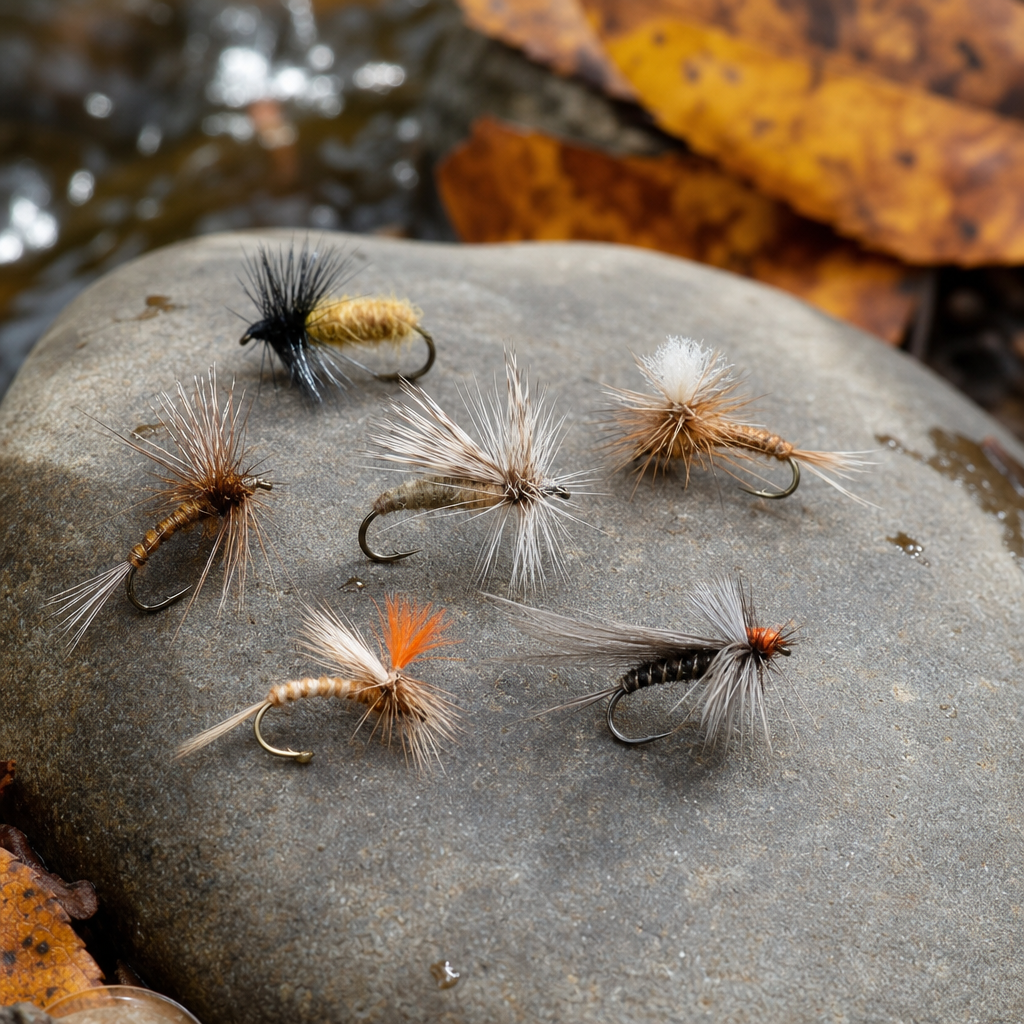
On moving water, the best twilight techniques revolve around presentation control and fly visibility. Before rises begin, I often start with a soft-hackle, wet fly, or small streamer swung across current seams. This approach covers water, imitates ascending insects, and picks up fish that are feeding subsurface before committing to the top. As light fades and rises become distinct, switching to a dry fly or dry-dropper is usually the highest-percentage move. Standard evening patterns include elk hair caddis, parachute Adams, comparaduns, CDC emergers, and spent-wing mayflies matched to local hatches. When exact identification becomes difficult, fish often key on profile and behavior more than fine detail, so a high-floating caddis or low-riding emerger in the right size outperforms obsessive pattern changes.
Drift quality matters more at twilight because fish have limited time to inspect each opportunity before darkness advances. Position yourself to cast quartering upstream or across-and-up so the fly reaches the seam first, not the leader. Use reach casts, slack-line presentations, and aerial mends to extend drag-free drift. On pocket water streams, short-line tactics with a visible dry or buoyant attractor can be deadly during the last twenty minutes of light. If fish slash but miss, downsizing one step or changing from a flush-floating dun to an emerger usually solves the problem. When rises stop abruptly, do not leave immediately. Large trout frequently feed subsurface after surface activity ends, and a swung soft hackle, unweighted pheasant tail, or lightly dressed leech can take fish in near-dark conditions where a dry becomes hard to track.
Stillwater Tactics at Dawn and Dusk
Twilight on lakes, reservoirs, and ponds calls for a different rhythm than river fishing. Fish often cruise rather than hold, so success depends on intercepting travel routes and covering depth efficiently. At dawn, start near shorelines that warmed the previous day, especially where reeds, timber, or weed edges provide insect habitat. At dusk, focus on flats adjacent to deeper water because trout and bass move up to feed but want an easy retreat. A floating line with a long leader is ideal for chironomids, callibaetis dries, damsel nymphs, and small baitfish patterns in the top few feet. If fish are bulging but not fully rising, an intermediate line and slow hand-twist retrieve keep emergers in the strike zone longer.
One lesson that stillwater teaches quickly is that retrieve speed at twilight should usually be slower than anglers think. In low light, fish track silhouettes well, and subtle movement often looks more natural than sharp strips. For trout, balanced leeches, boobies where legal and appropriate, chironomid pupa, and callibaetis emergers are staples. For warmwater species, foam poppers, deer-hair divers, woolly buggers, and baitfish imitations shine in evening. Sound also matters more in calm conditions, so avoid dropping anchors, slamming hatches, or false casting repeatedly over cruising fish. Position the boat or float tube to lead fish rather than chasing them. On small ponds, one accurate cast ten feet ahead of a patrol lane beats five casts on top of visible rings every time.
Gear That Improves Performance and Safety
Twilight gear is less about buying specialized equipment and more about choosing tackle that stays functional as visibility drops. A 4- to 6-weight rod covers most trout situations, while a 6- to 8-weight handles bass, larger streamers, and windy stillwater evenings. Reels should have smooth drags, but line management matters more: bright welded loops, organized stripping baskets for stillwater, and clean fly lines reduce mistakes when light is low. Leaders for dry-fly river fishing usually run 9 to 12 feet tapered to 4X through 6X; for soft hackles and streamers at dusk, shortening to 7.5 or 9 feet often improves turnover and strike detection. In stillwater, fluorocarbon tippet helps subsurface presentations sink naturally, while nylon remains a strong choice for dries because it floats better.
| Situation | Recommended setup | Why it works at twilight |
|---|---|---|
| River dry-fly hatch | 4-5 weight, floating line, 9-12 foot leader, 5X tippet | Delicate presentation and better drag-free drift in soft evening seams |
| River soft-hackle swing | 4-6 weight, floating line, 7.5-9 foot leader, 4X-5X tippet | Easier turnover and better control while covering water before full rises begin |
| Stillwater emergers | 5-6 weight, intermediate line, 10-12 foot leader | Keeps flies just under the surface where cruising fish feed in low light |
| Bass at dusk | 6-8 weight, floating line, short stout leader, 0X-2X tippet | Turns over poppers and streamers cleanly around weeds, wood, and shoreline cover |
Do not overlook eyewear, lighting, and wading safety. Amber or copper lenses improve contrast during low light better than dark gray lenses. A headlamp with red and white modes is essential, but use it sparingly around fish and never point it at the water unless necessary. Wading staffs, studded boots where legal, and a compact personal flotation device for boats or float tubes are smart, not optional. I also carry pre-rigged leaders on foam spools, nippers on a zinger, and a small waterproof box dedicated to twilight flies with larger silhouettes and visible posts. Those small systems save precious minutes during the brief feeding window and reduce the chance of fumbling a knot after the best rise of the day has already started.
Seasonal Adjustments and Common Mistakes
Twilight strategy changes with season. In spring, fluctuating temperatures and strong hatches make evening emergences especially reliable, but runoff can push fish tight to banks and softer margins. In summer, dawn and dusk may be the only ethical windows on warm trout streams because midday water temperatures can exceed safe thresholds; many trout fisheries recommend avoiding angling when water reaches around 68 degrees Fahrenheit, and some agencies impose hoot-owl restrictions. Fall twilight often favors larger meals such as streamers and terrestrials, while spawning fish require careful species-specific judgment and local compliance. In winter, the best action is often later in the day, yet low-angle light can still create a brief feeding burst where midges or small olives appear.
The biggest mistakes are arriving late, changing flies too often, and neglecting exit plans. Twilight rewards anglers who rig before the hatch, watch for ten minutes, and then fish with purpose. Another common error is using flies that are too small to track or too dark to see in rough water; adding a visible post or fishing a two-fly rig with a sighting pattern can solve that. Many anglers also overplay fish in low light, which raises mortality, especially during warm conditions. Use appropriately strong tippet, land fish quickly, and keep handling minimal. Finally, know the route back to the trailhead or launch before dark. Time-of-day fishing is not just about the cast in front of you; it is about planning for conditions to change fast, then using the short window with discipline.
Fly fishing during twilight is the clearest example of how time of day shapes success on the water. When light drops or first returns, fish shift position, insects become active, temperatures often improve, and feeding lanes turn more predictable. That combination creates high-value windows for dry flies, emergers, soft hackles, and streamers across rivers, lakes, and ponds. The anglers who benefit most are not the ones who cast hardest; they are the ones who arrive early, observe current and food sources, match silhouette and behavior, and carry gear organized for low-light efficiency. As the central guide within the time-of-day topic, this page establishes the framework: understand light, temperature, location, technique, and safety first, then refine your approach for dawn, dusk, midday, or the transition into night.
The practical benefit is simple: better timing leads to better fish and fewer wasted hours. If you want to improve your results this season, start a logbook for sunrise and sunset sessions, track water temperature and hatch timing, and build one dedicated twilight fly box for your home water. Then use this hub as your starting point for deeper time-of-day tactics and fine-tune each outing with deliberate observation. Twilight does not last long, but anglers who prepare for it catch the best part of the day.
Frequently Asked Questions
Why is fly fishing during twilight often more productive than fishing in full daylight?
Twilight consistently creates some of the most dependable feeding windows because several favorable conditions happen at once. As light levels drop at sunset or begin to rise before sunrise, fish such as trout, bass, and panfish usually feel more secure leaving heavy cover, deep edges, undercut banks, and shaded structure to feed in more open water. Bright overhead sun often makes fish cautious, especially in clear water, but softer low-angle light reduces their sense of exposure and allows them to move into current seams, flats, shoreline lanes, and surface feeding zones with less hesitation.
There is also an important food-chain effect. Insects become more active during these low-light periods, and many aquatic hatches intensify near dusk or begin just before first light. Midges, mayflies, caddis, and terrestrials can all become more visible and vulnerable at these times, while baitfish and smaller forage species also shift position. That movement creates predictable opportunities for fly anglers who understand where fish are likely to intercept food. In summer, cooling evening air and lower surface temperatures can further improve activity, especially when midday heat has suppressed feeding. In short, twilight is productive because it combines better fish confidence, changing water and light conditions, and concentrated food availability into a narrow window that often rewards accurate, thoughtful presentations.
What are the best fly patterns and presentation techniques to use at sunrise and sunset?
The best patterns depend on what fish are feeding on, but twilight usually rewards simple, visible, natural-looking flies presented with control. If you see surface rises, start with dry flies that match the size and silhouette of the insects on the water rather than obsessing over exact color. Elk hair caddis, parachute patterns, comparaduns, small attractor dries, and foam terrestrials are reliable choices when fish are feeding near the surface. If insects are emerging but fish are not fully committing on top, emergers and soft hackles can be especially effective because they imitate vulnerable insects in the film, which is a prime feeding zone during low-light transitions.
When there is no obvious hatch, nymphs and streamers become strong options. At dawn and dusk, trout often slide into softer seams and tailouts, while bass and panfish may patrol weed edges, timber, or shallow banks. A lightly weighted nymph drifted naturally through feeding lanes can be excellent for trout. For more aggressive fish, small streamers, leeches, woolly buggers, and baitfish imitations stripped slowly or swung across current often trigger decisive takes. Presentation matters as much as fly choice. At twilight, fish may have less time to inspect a fly, but they are still highly sensitive to drag, unnatural speed, and poor line control. Focus on accurate placement, maintain a natural drift when fishing insects, and vary retrieve speed with streamers until you find the response. A slow hand-twist retrieve, short strips with pauses, or a downstream swing can all excel depending on species and water type.
What gear should I bring specifically for fly fishing during twilight?
Twilight fishing does not always require specialized tackle, but a few gear decisions make a major difference in effectiveness and safety. For most trout situations, a 4- to 6-weight fly rod with a balanced reel and a floating line covers the majority of dawn and dusk conditions. If you expect to throw larger streamers, fish for bass, or deal with wind, a 6- or 7-weight setup gives you better turnover and control. Leaders should match your method: longer tapered leaders for delicate dry-fly work, shorter leaders for streamers, and appropriate tippet strength for the fish, cover, and fly size. Because visibility drops quickly, it helps to organize flies in a simple, easy-to-access box rather than carrying too many options you cannot sort efficiently in dim light.
Beyond rod and reel, practical support gear becomes even more important at twilight. Polarized sunglasses still help in the final hours of light by cutting glare and improving your ability to read current seams, structure, and fish movement. A hat with a dark underbill reduces reflected glare. A headlamp is essential, but use it carefully and only when needed so you do not ruin your night vision or spook fish in shallow water. Wading boots with solid traction, a wading staff in unfamiliar rivers, and layered clothing for rapid temperature changes are smart additions. In bug-heavy seasons, insect repellent can make evening sessions far more manageable. Finally, carry forceps, nippers, spare leaders, and a compact net where you can reach them easily, because once light fades, simple tasks become much harder if your gear is disorganized.
How should I locate fish during twilight, and what types of water are most productive?
During twilight, fish often shift from daytime holding water into feeding water, and understanding that movement is one of the biggest keys to success. Trout commonly move from deeper runs, undercut banks, and shaded structure into riffle tails, current seams, inside bends, flats, and gentle transition water where drifting insects are easier to intercept. Bass may slide out from submerged wood, docks, rocks, and weed beds to patrol shoreline breaks or shallow ambush zones. Panfish often gather near vegetation edges, calm pockets, and warm shallows where insects or small bait are concentrated. The basic pattern is that low light encourages fish to feed more openly and over a broader area than they do under bright midday conditions.
Look for water that naturally funnels food. On rivers and streams, that means seams where fast and slow currents meet, the lower ends of riffles, soft edges beside heavier current, and lanes below overhanging trees. On lakes and ponds, focus on drop-offs near shallow flats, weed lines, points, inlets, and the edges of surface disturbance where insects collect. Listen as much as you watch. Rise forms, subtle swirls, surface dimples, and even the sound of fish feeding can help you pinpoint activity when visual cues fade. It also pays to arrive early and study the water before the prime window begins. If you already know where structure, current breaks, and casting lanes are located, you can fish far more efficiently once light gets low. Twilight rewards anglers who anticipate where fish will move next instead of only fishing where they held during the day.
What safety and timing considerations matter most when planning a twilight fly fishing trip?
Timing is critical because twilight is productive but brief. Many anglers make the mistake of showing up right at sunset or first light and spend the best part of the window rigging gear or searching for access. A better plan is to arrive early, get fully set up, and use the remaining daylight to observe insect activity, water movement, wind direction, and likely fish lanes. Evening fishing often improves as the sun drops below the horizon, while morning action can start before direct sunlight touches the water. Seasonal conditions matter too. In hot weather, the last light of evening can be especially good after water temperatures begin to fall, while in cooler months the warmest portion of the low-light period may matter more. Paying attention to hatch timing, moon phase, and local weather can further improve your odds.
Safety deserves equal attention because low light adds risk. If you are wading, know the bottom contours and current strength before it gets dark. Avoid aggressive crossings late in the session, and plan a simple route back to the bank or trailhead. A headlamp with fresh batteries, a charged phone, and familiarity with the area are basic precautions. If you are fishing from a boat, make sure navigation lights and personal flotation devices are ready before launch. Be especially careful with casting when visibility drops, since fly line, hooks, and tree cover become harder to track. Let someone know where you are going if you will be out after dark. The goal is to enjoy the high-percentage feeding window that twilight provides without turning a great session into a preventable problem. A little preparation allows you to focus on reading the water, matching the food source, and making the most of one of the best times of day to fly fish.