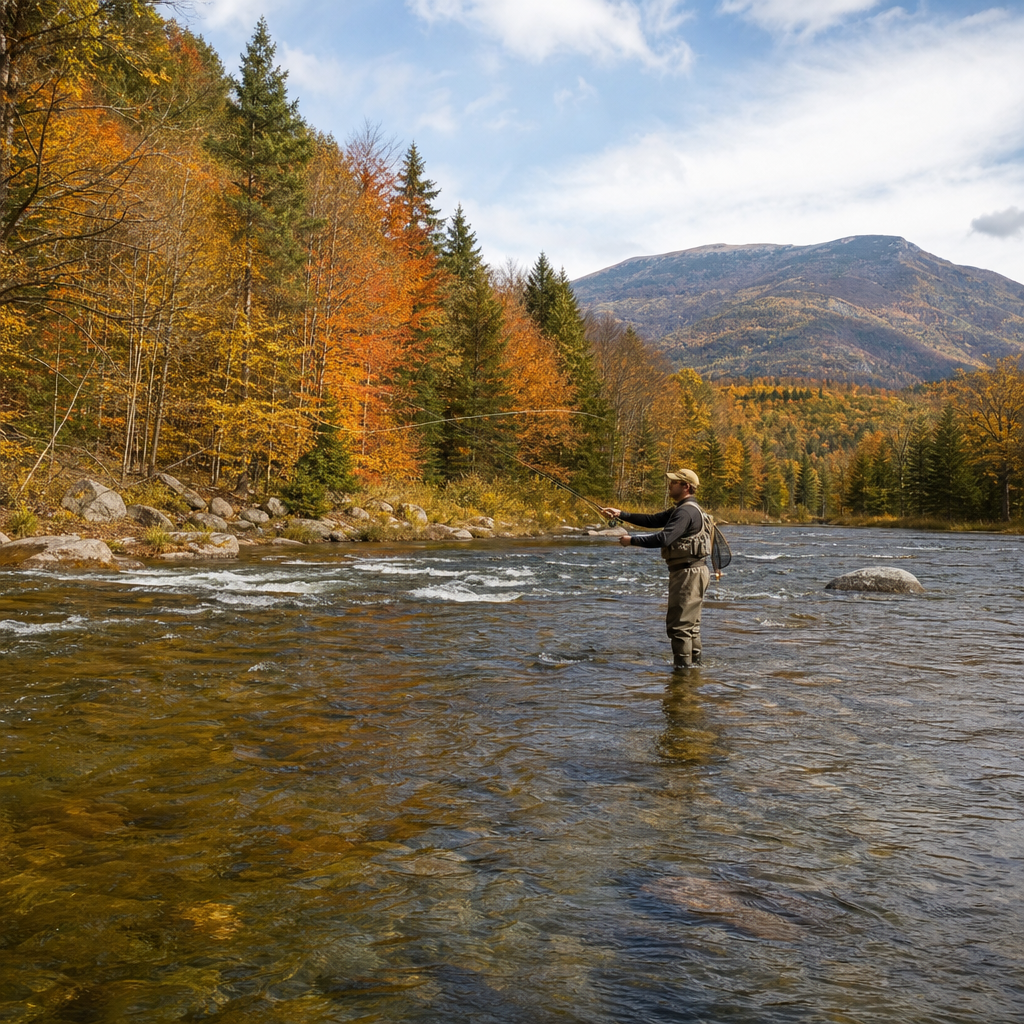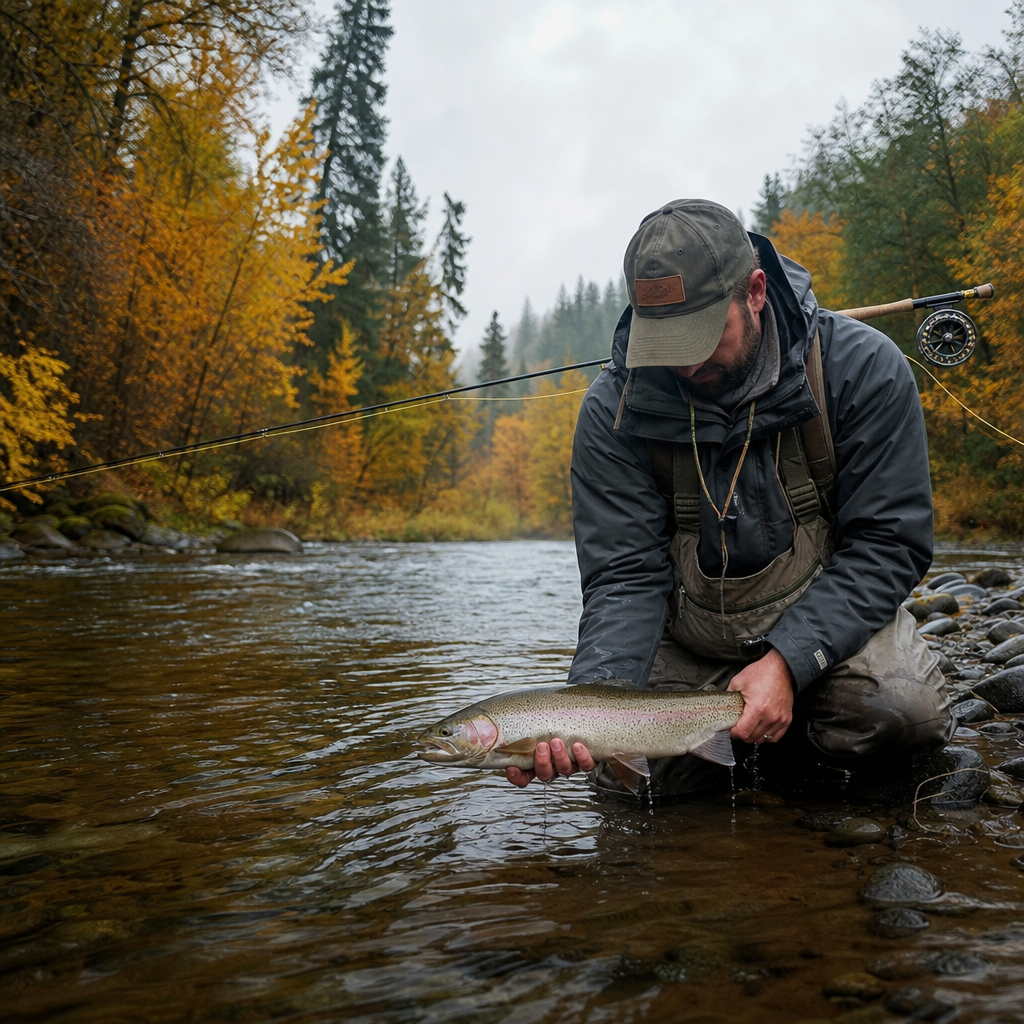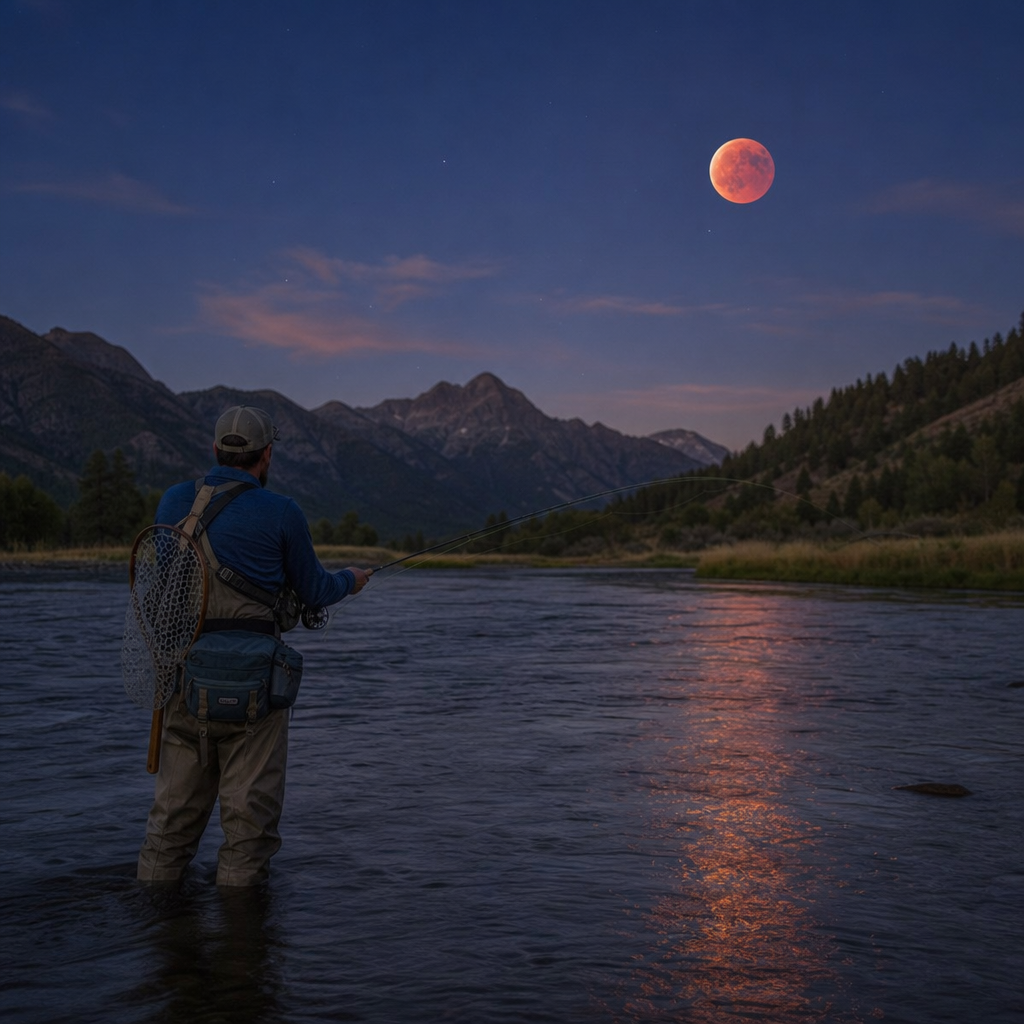
Fly fishing during lunar eclipses demands a clear understanding of time of day, fish behavior, light levels, and tackle control, because an eclipse does not replace the normal rhythm of dawn, day, dusk, and night; it briefly disrupts it. Anglers who treat a lunar eclipse as a magical event often miss fish, while anglers who read it as a short, measurable change in illumination can fish it effectively. In practice, success comes from matching presentation and gear to changing visibility, current speed, water temperature, and the feeding windows that already exist around sunrise, midday, sunset, and darkness. That is why this topic belongs squarely within seasons and conditions, and why time of day is the central organizing idea.
A lunar eclipse occurs when Earth moves between the sun and the moon, casting a shadow over the moon. Unlike a solar eclipse, it happens at night during a full moon and can be partial, total, or penumbral. For fly fishers, the most relevant effect is reduced moonlight during a period when many fish species use lunar illumination to forage, orient, and feel secure in shallow water. Time of day still matters because a lunar eclipse unfolds within the larger night cycle. The pre-eclipse moonrise period fishes differently from totality, and the post-eclipse recovery phase often resembles a second moonrise. I have seen this most clearly on trout tailwaters and estuaries, where fish that were cruising confidently under a bright full moon slid back into deeper seams as the shadow intensified, then returned to feeding lanes once light recovered.
Understanding this helps anglers avoid two common mistakes. First, they focus only on the eclipse timetable and ignore local hatch timing, water clarity, and barometric stability. Second, they bring generic night-fishing gear instead of a system built for transitions in visibility. A useful definition here is contrast management: choosing flies, lines, leaders, and accessories that remain fishable as the environment moves from bright moonlit conditions to near-darkness and back again. Another key term is crepuscular carryover, the tendency for dusk feeding behavior to extend later into the night when environmental cues remain favorable. During a lunar eclipse, that carryover can shorten, pause, or restart depending on species and water type. Trout, bass, carp, striped bass, redfish, and even some salmonids in stillwaters respond differently, but all are affected by how light changes across time segments.
Because this is a hub page for time of day, the goal is not merely to say fish at night. The goal is to explain how to break the event into fishable phases, what techniques fit each phase, and what gear choices reduce failure. If you understand the clock, the moon phase, and the water’s normal feeding schedule, a lunar eclipse becomes less of a novelty and more of a structured opportunity. That mindset leads to better fly selection, safer wading, cleaner hook sets, and more deliberate planning before you ever string a rod.
Why time of day controls lunar eclipse fly fishing
Time of day governs fish activity more strongly than the eclipse itself because feeding windows are anchored to circadian patterns, water temperature trends, insect emergence, and predator avoidance. The eclipse modifies one variable: nocturnal light. On rivers, trout may feed aggressively at dusk when caddis, midges, and mayflies collect over riffles. If the moon is bright after sunset, that activity can continue as fish hold in softer edges and sip silhouettes. During totality, however, those same trout often become less willing to move far laterally unless food is dense and predictable. In reservoirs, bass that were pushing bait onto shallow flats under bright moonlight may fall back to breaks once the moon darkens. In estuaries, stripers can switch from visual tracking to lateral-line ambush, which changes the value of fly profile and retrieve speed.
From experience, the most productive way to think about an eclipse is in five phases: pre-moonrise evening, bright full-moon period before shadowing, partial eclipse transition, totality or peak shadow, and post-eclipse recovery. Each phase presents different visibility for both fish and angler. The fish sees prey differently, but you also see your line, your wading path, and your take indicators differently. That matters. Missed strikes during eclipse windows are often tackle-management failures rather than fish absence. If your line color disappears against dark water, or your leader is too long to turn over bulky night flies cleanly, you lose efficiency exactly when the window tightens.
| Phase | Light level | Common fish response | Best fly approach |
|---|---|---|---|
| Pre-moonrise evening | Natural dusk to dark | Active transition feeding | Match local hatch or bait movement |
| Bright full moon | High nocturnal visibility | Shallow cruising, visual feeding | Sparse baitfish, emergers, small streamers |
| Partial eclipse | Declining moonlight | Hesitation, relocation to cover | Higher-contrast flies, slower strips |
| Totality | Lowest light | Short ambush movements, tighter lanes | Large silhouette flies or tactile nymphing |
| Post-eclipse recovery | Increasing moonlight | Renewed confidence, resumed patrols | Repeat productive moonlit patterns |
Best techniques before, during, and after totality
Before totality, fish as if you are working an extended dusk. Start with the water closest to known feeding structure: foam lines, submerged grass edges, tailout shelves, bridge shadow seams, and current-softened banks. For trout, that often means dead-drifted emergers, soft hackles swung just under the film, or small unweighted streamers stripped across shallow shelves. For warmwater species, use baitfish flies with moderate flash while there is still enough moonlight for visual tracking. I prefer controlled retrieves over aggressive ripping because fish under a bright full moon frequently inspect prey before committing. A six- to eight-inch strip with an intentional pause is usually more effective than continuous movement.
As the partial eclipse begins, make one change at a time. First adjust fly contrast, then depth, then retrieve speed. Many anglers switch everything at once and learn nothing. If trout stop rising visibly, move from a pale emerger to a darker-bodied soft hackle that throws a clearer silhouette against the remaining surface glow. If bass stop smashing near the bank, count your streamer down along the first drop instead of abandoning the zone. During this transition, fish are often not gone; they are repositioned by a few feet or a few degrees of depth. On several tailwaters I fish, the take window during partial shadow actually improves on inside seams because fish abandon exposed slicks and stack where current delivers food with less visibility risk.
During totality, simplicity wins. Use techniques you can execute by feel. On moving water, short-line nymphing with a tight connection can be excellent if regulations and conditions allow, because you detect takes through tension rather than sight. On lakes and ponds, a slow hand-twist retrieve with a rabbit-strip leech or broad-profile baitfish pattern creates an easy target and preserves contact. On flats or estuary edges, cast quartering across current and let the fly swing into ambush lanes rather than forcing precise visual casts you cannot monitor well. Hook sets should be firm and compact; large trout-set motions create slack and fail in darkness.
After totality, do not leave too early. The return of moonlight often reopens the water. I have had some of the strongest fish of the night eat within thirty minutes after peak shadow as visibility improved and bait resumed moving. Treat that period like a second prime time. Return to patterns that worked before the shadow deepened, especially if they represented local forage accurately. If fish had shifted deeper, climb back through the column rather than instantly returning to surface patterns. The sequence matters because post-eclipse fish may regain confidence gradually, not all at once.
Gear that works when light changes fast
The right gear for fly fishing during lunar eclipses is not specialized in the marketing sense; it is specialized in function. Rod choice should favor control and line management. For trout rivers, a 9-foot 5-weight or 6-weight with a medium-fast action handles dry-dropper, soft hackle, and small streamer work across changing conditions. On larger rivers or warmwater systems, a 6-weight to 8-weight gives better turnover for bulky flies and improved hook-setting authority in low visibility. Reels matter less for drag than for reliable line pickup and a palming rim you can trust when a fish runs and you cannot fully see your footing.
Fly line selection is critical. A weight-forward floating line remains the most versatile because it supports surface and near-surface work before the eclipse and allows easy transitions to streamers with weighted flies during totality. In stillwater or estuary situations, an intermediate line can be superior if bait is holding below the surface film and the moonlight makes fish wary of surface disturbance. Choose line colors you can track against dark water without creating unnecessary brightness. Muted olive, pale gray, or subdued chartreuse often outperform pure white at night because they remain visible to the angler without flaring as starkly in headlamp checks.
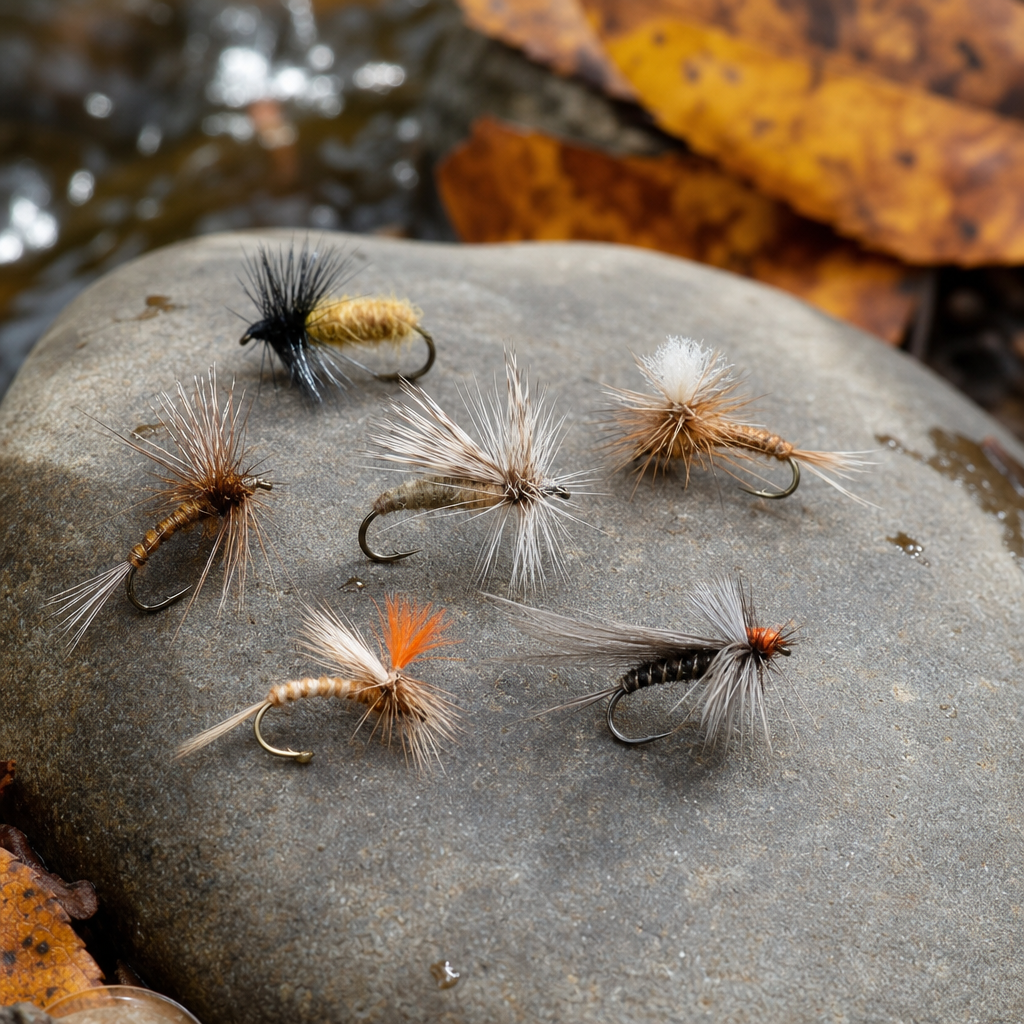
Leaders should be shorter and stronger than daytime finesse setups. Turnover matters more than invisibility in low light. For trout streamers and soft hackles, 7.5-foot leaders tapered to 2X, 3X, or 4X are practical. For bass and stripers, fluorocarbon tippets in the 10- to 16-pound range help with abrasion around rock, dock pilings, and shell. Fly boxes should emphasize silhouette and profile: black woolly buggers, dark zonkers, muted olive sculpin patterns, deer-hair divers, bunny leeches, soft hackles, chironomid emergers, and sparse sand eel or minnow imitations depending on the water. Add a few lighter patterns only when you know prey coloration matters more than contrast, such as selective stillwater trout feeding on pale chironomid pupae.
Accessories make or break the session. A red-light headlamp preserves night vision better than white light, though any light should be used sparingly and pointed down. Hemostats on a zinger, a net with a visible rim, wading boots with dependable traction, and a pack layout you can navigate by memory all reduce wasted motion. If you fish from a boat, deck organization is safety equipment, not convenience. Keep one stripping basket for surf or estuary work, and carry a waterproof watch or phone with eclipse timing, moon phase, and local weather radar downloaded in advance. The best eclipse gear setup is the one you can operate without searching.
Species-specific adjustments and common mistakes
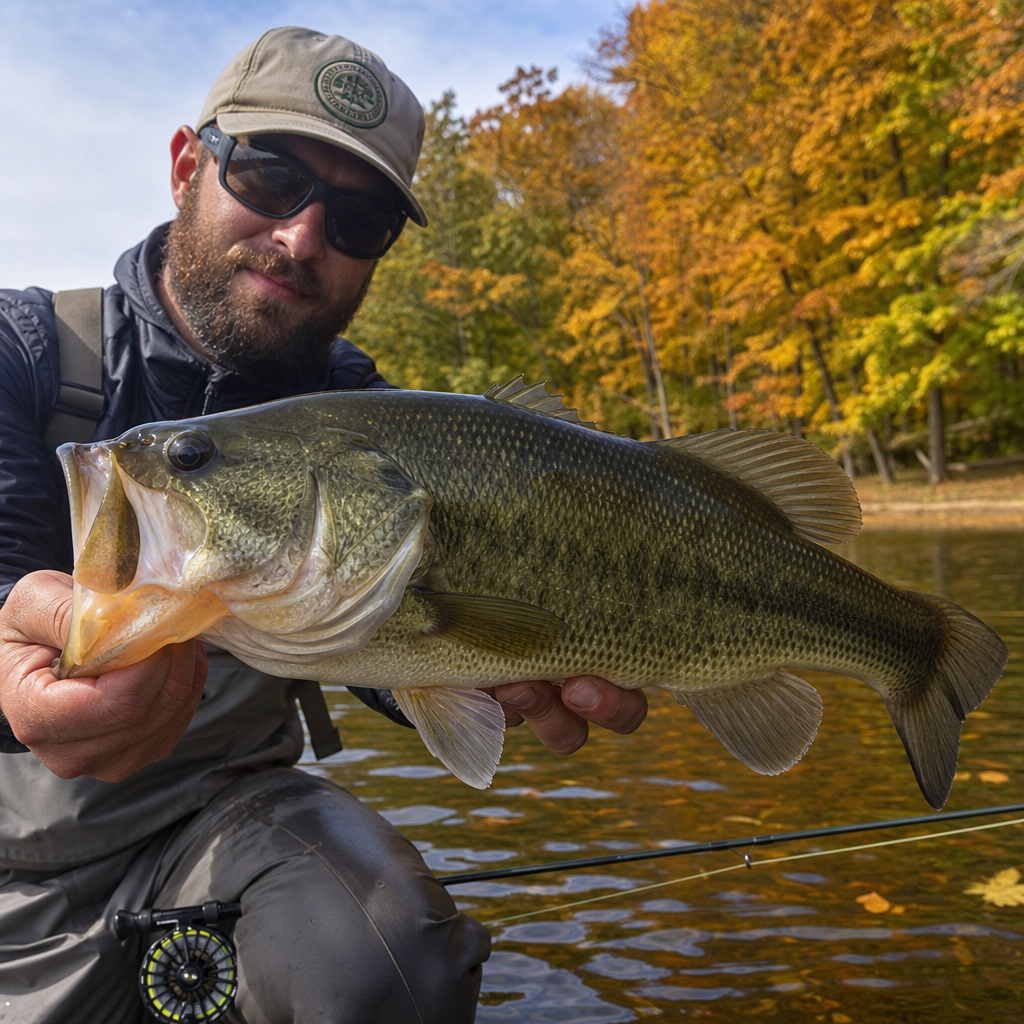
Trout usually reward precision around current lanes and hatch timing, even during an eclipse. In freestone streams, fish may shift from surface insects to subsurface opportunism as darkness deepens, so soft hackles and small streamers often outperform large foam patterns once the moon disappears. On tailwaters, where stable temperatures and dependable drift concentrate fish, totality can tighten feeding positions instead of stopping feeding altogether. Bass, by contrast, tolerate broader retrieves and often respond to vibration and water displacement. A deer-hair diver or rabbit leech can outfish a delicate baitfish imitation when totality reduces visual range. Carp are a special case: in shallow flats they often become more cautious when visibility drops suddenly, especially where boat pressure has taught them to associate disturbance with danger.
Coastal and estuarine fly fishers should pay attention to tide stage as much as eclipse timing. A bright moon over a flooding flat can encourage redfish or stripers to roam aggressively, but peak shadow over the same flat may push them to creek mouths, channel edges, or oyster points where current funnels prey. The mistake is assuming the eclipse itself creates feeding. Usually it redistributes feeding. Matching that redistribution is the skill. In surf zones, silhouette sand eel patterns and slower swing presentations often shine during the darkest period, especially when bait is dense and gamefish are pinning it against bars.
The most common mistakes are predictable. Anglers overlight the water with headlamps, killing their own night vision and potentially spooking fish in shallow margins. They fish too fast when visibility falls, as if speed compensates for uncertainty. They wade deeper than necessary and lose the near-bank lane where nocturnal predators often hunt. They also fail to scout in daylight. Every productive lunar eclipse trip I have had started with prior knowledge of access points, drop-offs, snags, and exit routes. Night plus eclipse is not the time to improvise on unfamiliar water. Finally, many anglers ignore weather. Cloud cover can mute moonlight so strongly that the eclipse effect becomes subtle. In those conditions, fish the broader night pattern, not the calendar event.
Planning a lunar eclipse session by season and condition
Season shapes the value of a lunar eclipse more than many anglers expect. In spring, cool water and concentrated insect activity can make the pre-eclipse and post-eclipse windows excellent for trout, especially around caddis and midge pulses. Summer often favors warmwater species and tailwater trout because stable, warm nights extend feeding periods and make nocturnal oxygen and temperature zones more predictable. Fall can be exceptional for streamers as baitfish movements intensify and predatory fish feed confidently before weather shifts. Winter eclipses are more situational. Reduced metabolism means fish may not move far for a fly, so pinpoint depth control and slower presentations become essential.
Water clarity is another major filter. In clear water, moonlight reduction is meaningful, and eclipse phases can clearly alter positioning. In stained water, fish already rely more on vibration, profile, and short-range tracking, so the eclipse may matter less than current speed or temperature stability. Wind can help by breaking surface glare and giving predators cover, but heavy wind also reduces casting precision and strike detection. The best planning framework is straightforward: identify the species, map the normal night feeding window, note eclipse timing within that window, and choose two primary techniques plus one backup depth adjustment. Then commit long enough to fish the recovery phase. If you want better results, build a log with moon phase, cloud cover, water temperature, and exact bite times. Patterns emerge quickly when you record specifics. The reward for that discipline is simple: you stop chasing eclipse mythology and start catching fish on purpose.
Fly fishing during lunar eclipses is most productive when you treat time of day as the master variable and the eclipse as a temporary light event layered on top of it. Fish do not abandon their normal rhythms; they adjust within them. The practical lesson is to divide the night into phases, match your technique to each phase, and carry gear that stays functional as visibility changes. Focus on contrast, depth control, safe movement, and presentations you can execute by feel. Pre-eclipse periods often behave like extended dusk, totality rewards compact and tactile methods, and post-eclipse moon recovery can provide a second feeding surge worth staying for.
For this subtopic hub, the key takeaway is that time of day is not a single setting but a sequence of windows. Lunar eclipses sharpen that truth. The best anglers prepare for the whole sequence, from evening setup to late-night exit, and let fish behavior confirm each next move. Start by scouting one familiar piece of water, logging the eclipse phases, and fishing a simple progression of flies and depths. With that structure, lunar eclipse fly fishing becomes safer, more consistent, and far more than a novelty trip.
Frequently Asked Questions
Does a lunar eclipse automatically make fish feed more aggressively while fly fishing?
No. A lunar eclipse should not be treated as a guaranteed feeding trigger or a shortcut to better fishing. In practical fly fishing terms, an eclipse is a temporary shift in light levels, not a complete reset of fish behavior. Fish still respond to the larger framework of the day or night they are already in, including water temperature, current speed, insect activity, bait movement, and the established rhythm of low-light and high-light periods. If the eclipse occurs at night, it may reduce available moonlight and briefly make fish feel more secure in shallower or more exposed water. If it happens near dawn or dusk, it can compress or distort a transition period that already tends to influence feeding behavior. But that effect is situational, not magical.
The anglers who do best are usually the ones who interpret the eclipse as a measurable visibility event. They watch how fish position changes as illumination drops and returns. During darker moments, fish may slide tighter to structure, move shallower, or become less selective because they have less time to inspect a fly. In other cases, they may simply stop moving much and hold in predictable lanes. The key is to observe and adjust rather than assume. If you notice fish missing the fly, shorten the drift, slow the swing, or switch to a pattern with a more defined silhouette. If you lose visual contact with your line or indicator, that is your cue to change tackle control before changing flies. A lunar eclipse can improve opportunity, but only for anglers who continue reading water, current, and presentation with discipline.
What fly fishing techniques work best as light levels change during a lunar eclipse?
The best techniques are the ones that remain controllable as visibility changes. That usually means simplifying your presentation and choosing methods that let you maintain contact with the fly. During the brighter phases, you can often fish as you normally would for the time of day: standard dead drifts with nymphs, streamer swings, or dry fly presentations if surface activity supports them. As the eclipse darkens available light, the most effective adjustment is often to favor presentations you can track through tension, timing, and current seams rather than only by sight. Tight-line nymphing, short-line drifts, controlled streamer retrieves, and quartering swings all become more dependable because they reduce the need to visually monitor every inch of line.
Shorter casts are usually a major advantage. They help preserve strike detection, improve hook-setting speed, and limit drag when you can no longer see subtle line movements. In moving water, fish the closest productive lanes first and work methodically outward only if you can still control the drift. If you are streamer fishing, vary retrieve speed carefully. In dimmer light, many anglers do well with slower, steadier strips or a swing-and-pause approach that gives fish a clear target. If you are nymphing, adding a little weight can help keep the fly in the strike zone without relying on a long visual drift. For surface fishing, pick patterns with a strong profile and avoid overcomplicating your cast. The rule is simple: when light becomes uncertain, the presentation should become more deliberate, more compact, and easier to manage.
How should I choose flies during a lunar eclipse when visibility keeps changing?
Fly selection during a lunar eclipse is less about chasing novelty and more about preserving visibility, profile, and confidence. Because light can fade and return over a relatively short window, patterns that create a clear shape in the water are often more consistent than flies that depend on fine detail. For streamers, darker colors can produce a stronger silhouette against the limited ambient light, especially black, olive, or deep purple. That does not mean bright flies never work, but silhouette often matters more than flash when fish are tracking movement in dim conditions. For nymphs, proven confidence patterns in slightly larger or more defined sizes can outperform tiny technical imitations because fish have less time and ability to inspect them.
If insects are active and fish are feeding on top, use dry flies that remain visible to both fish and angler. A clean, high-contrast profile and an easy-to-track post can help you fish effectively without overstraining to locate the fly. In all cases, match the fly not just to forage but to your ability to present it well. A technically perfect imitation is not useful if you cannot detect the eat or mend accurately in fading light. Keep your fly changes logical. Start with patterns that fit the normal food source for that period, then adjust based on how fish respond to the eclipse-driven light drop. If follows increase but takes do not, try a stronger silhouette or slower presentation. If strikes are soft and brief, reduce excess material, downsize slightly, or improve drift depth. The fly matters, but in eclipse conditions, control and readability often matter more.
What gear adjustments help maintain tackle control during a lunar eclipse?
The most important gear adjustment is to prioritize control over range. You want a setup that lets you feel strikes, manage line efficiently, and maintain consistent presentations as visual cues become weaker. In many cases, that means fishing with a rod and line combination you already know well rather than experimenting with unfamiliar gear because the eclipse feels special. A balanced outfit with a rod length and action suited to your technique will help you stay connected. For nymphing, many anglers benefit from leaders and rigs designed for close control, with indicator placement or sighter visibility adjusted for the available light. For streamer fishing, choose a line density and leader length that helps the fly stay where you want it without requiring constant visual correction.
Other useful adjustments include simplifying terminal setups, reducing unnecessary slack, and making line management easier around your feet or in current. If you are fishing after sunset or before sunrise around the eclipse window, avoid overly complex multi-fly rigs unless you can handle them cleanly. Tangles waste the exact period when conditions may briefly improve. Consider indicators or sighters that are visible in low light, but do not make them so bulky that they compromise drift quality. A headlamp is essential for safety and rigging, though it should be used carefully to preserve your night vision and avoid spooking fish in close water. Wading staff, forceps, line nippers, and fly boxes should all be organized so you can access them by feel. The gear goal is not to “gear up” for a celestial event; it is to reduce friction, maintain contact, and keep your tackle performing predictably as illumination changes.
When is the best time to fish around a lunar eclipse, and how should I plan the session?
The best approach is to fish the periods before, during, and after the eclipse as one connected sequence rather than treating totality or peak darkness as the only moment that matters. Fish behavior often changes most clearly during transitions, so planning only for the darkest phase can cause you to miss the more productive build-up and recovery periods. Start by identifying the normal feeding windows for your target species and water type. On many rivers and lakes, dawn, dusk, and the first part of true darkness already shape where fish hold and how they hunt. The eclipse then acts as a temporary modifier layered onto that existing schedule. If it occurs late at night, fish may respond differently than they would during an evening hatch window or a pre-dawn low-light period.
A strong plan includes scouting water ahead of time, choosing areas with manageable current and safe footing, and deciding in advance how you will adapt if light drops faster or slower than expected. Select a few high-percentage spots such as current seams, shallow shelves near depth, tailouts, undercut banks, or structure edges where fish can shift position with minimal effort. Arrive early enough to establish a baseline: note where fish are holding, what forage is present, and how your current fly and presentation are performing before the eclipse deepens. Then make measured adjustments rather than wholesale changes. Shorten casts, change fly profile, alter retrieve pace, or modify depth one variable at a time. That disciplined approach tells you whether the fish are reacting to light, current, forage, or your presentation. In short, the best time is not a single minute on the astronomical schedule. It is the full transition window, fished with a plan that respects both the eclipse and the normal rhythm of the water.