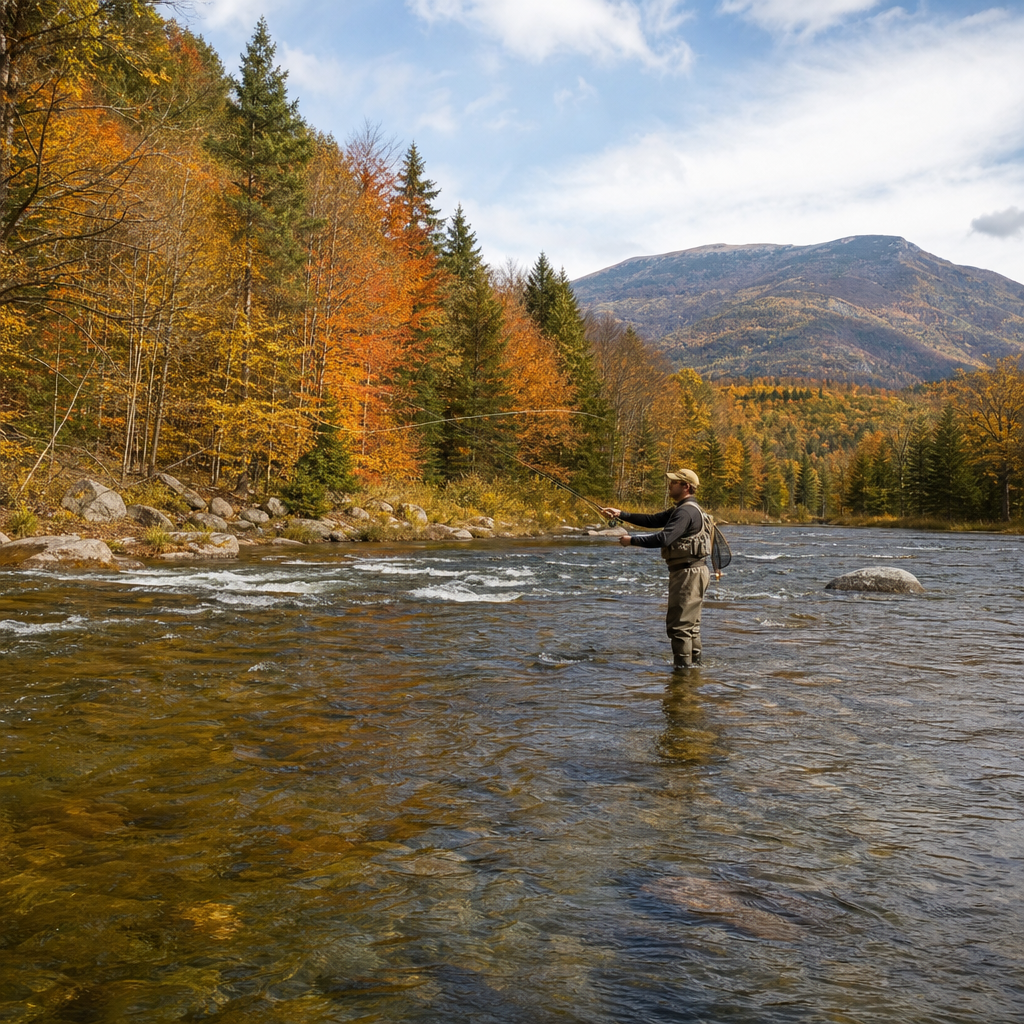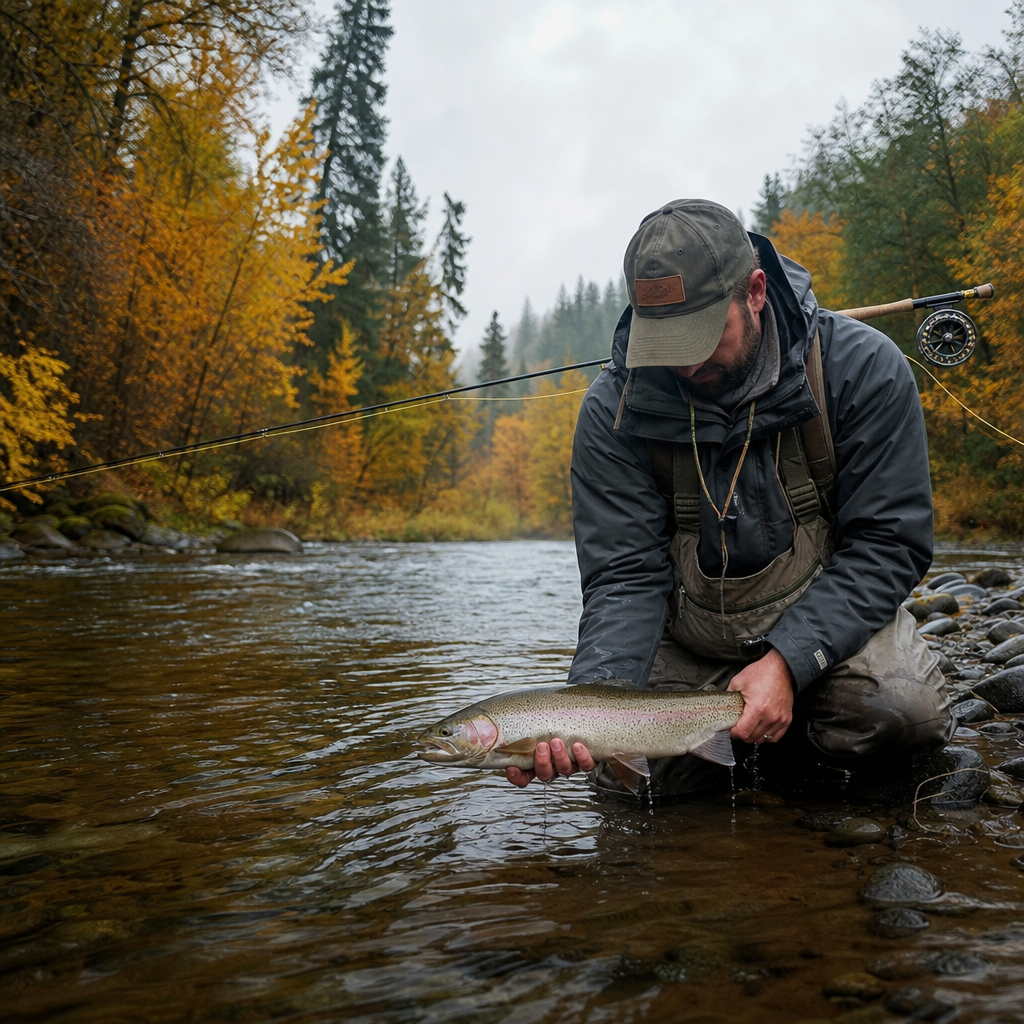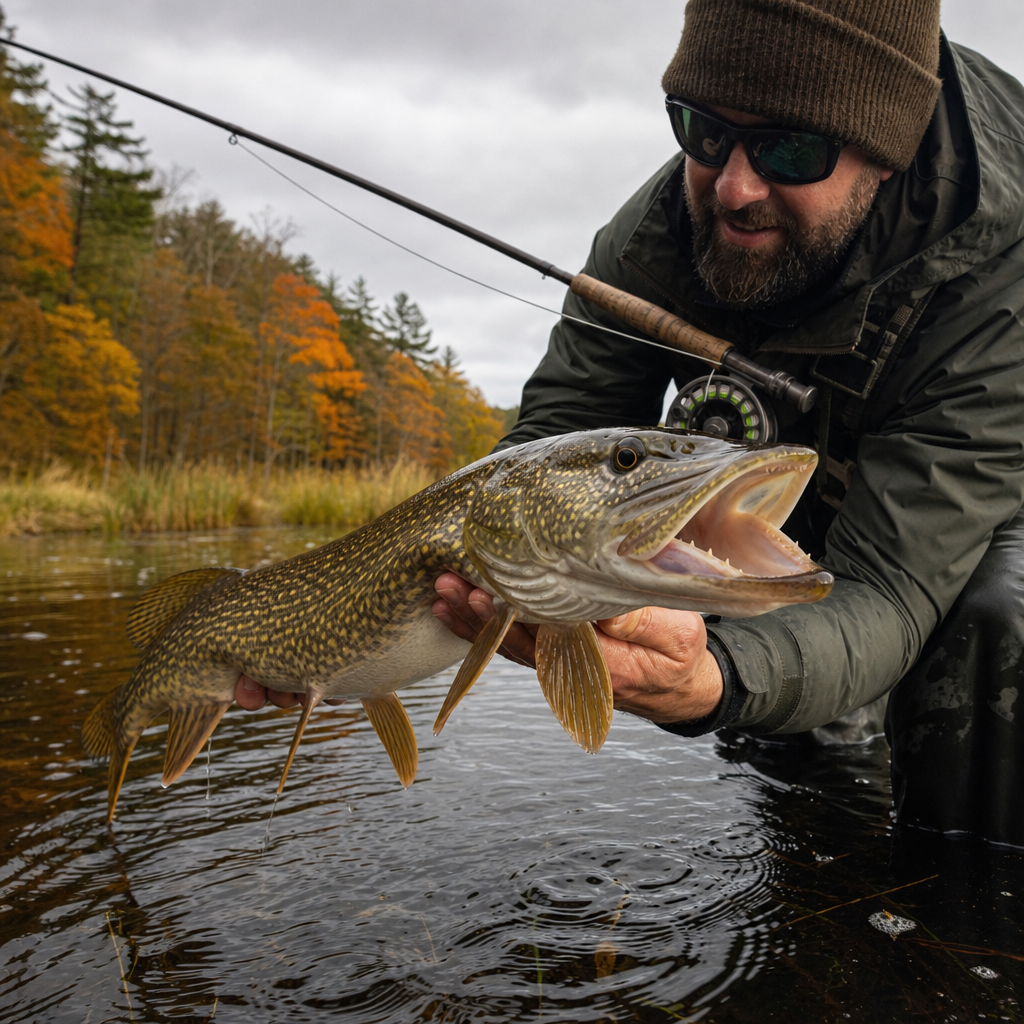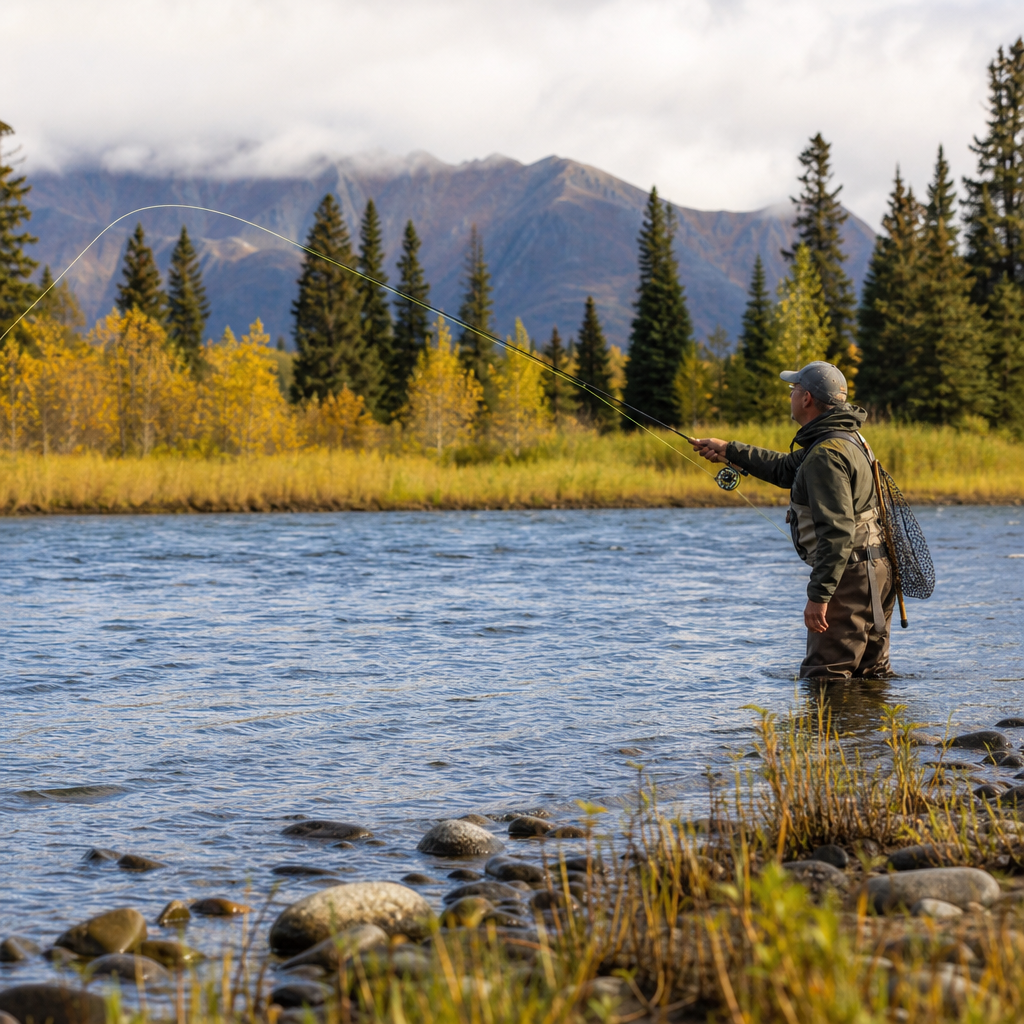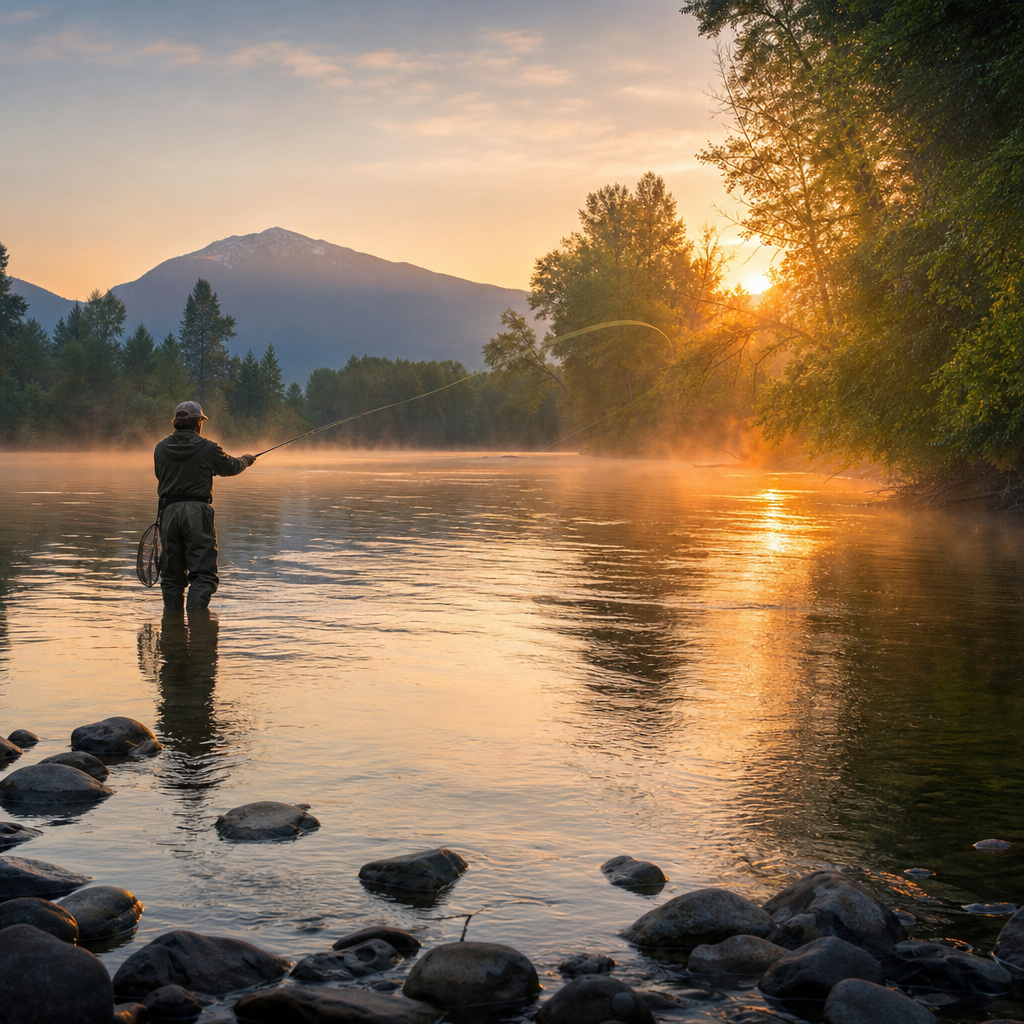
Fly fishing at dawn gives anglers a short, high-opportunity window when light, temperature, insect activity, and fish behavior often align. In practical terms, dawn means the period from first legal light through sunrise and the next hour, though the exact timing shifts with season, cloud cover, elevation, and river valley shade. Time of day matters because trout, bass, and many other gamefish do not feed with the same confidence at noon that they show in low light. After years of planning guide days around that first glow over the water, I have learned that dawn is not simply “early morning.” It is a distinct fishing condition with its own tactics, fly choices, safety demands, and reading-water rules.
For anglers exploring time of day as a fishing variable, dawn is the natural starting point because it combines several favorable triggers. Water is usually coolest after night air has worked on the surface, dissolved oxygen tends to be stable, and many aquatic insects begin or finish movement around sunrise. Predators also use dim light as cover. Brown trout slide out from under cutbanks, smallmouth bass leave deeper holding areas to pin bait against banks, and carp in calm backwaters can tail confidently before boat traffic and glare build. On heavily pressured rivers, dawn can function like a reset button, offering fish that behave less defensively than they will later in the day.
This article serves as a complete hub for fly fishing at dawn within the broader time-of-day topic. It explains what changes at first light, how to rig for different species and water types, which presentations consistently work, and where dawn fits compared with midday, evening, and night sessions. It also covers preparation, weather interpretation, common mistakes, and the tradeoffs that matter most. If you understand dawn well, you build a foundation that makes every other time-of-day decision sharper, from whether to fish a sulfur hatch at dusk to whether to avoid a warm summer afternoon entirely. Dawn rewards anglers who are organized, observant, and willing to move with purpose.
Why dawn changes fish behavior
Dawn improves fishing because it changes visibility, security, and feeding efficiency at the same time. Fish see better upward than sideways, and in low-angle early light they can silhouette insects, minnows, or mice against the brighter surface while staying harder for birds and anglers to detect. On trout streams, that often means larger fish leave deep slots and woody cover to feed in softer seams and tailouts for a brief period. In lakes, cruising trout and bass patrol shoals, weed edges, and damselfly lanes before sunlight pushes them deeper. In estuaries or salt marshes, first light often coincides with bait movement and less surface disturbance, making accurate sighting easier before glare takes over.
Temperature is another driver. During summer, especially on freestone trout streams, water commonly reaches its daily low at dawn and climbs through late morning. That matters because coldwater species such as trout feed more comfortably in oxygen-rich, cooler conditions. Warmwater fish respond too. Smallmouth bass on rivers often feed aggressively on top during dawn because overnight cooling makes shallow water more tolerable. Insect behavior also stacks the odds. Midges, caddis, mayflies, and stoneflies all have species that hatch, migrate, or oviposit around low light. Even when no obvious hatch appears, nymphs and emergers drift more vulnerably as current and light conditions shift, creating a reliable subsurface feeding lane.
How to prepare before first light
Successful dawn fly fishing starts the night before. I rig rods, knot leaders, crimp barbs if required, load a headlamp with fresh batteries, and pack flies by likely scenario rather than by style alone. A practical dawn system includes one rod rigged for dries or dry-dropper work and another for streamers or nymphs when regulations allow multiple rods. On rivers, I want my first cast happening at legal light, not while I am untangling tippet. Pre-rigging matters more in the dark because mistakes compound quickly: a missed knot, forgotten wading staff, or dead lamp can cost half the prime window.
Safety is part of preparation, not an afterthought. Low light hides deep slots, slick algae, and sudden drop-offs. On unfamiliar water, I strongly prefer to scout access points the previous evening, note landmarks, and identify safe wading lanes before dawn. Check generation schedules below dams, tide tables on the coast, and local regulations regarding legal start times. Polarized glasses still help at dawn once enough light arrives, but a clear or low-amber lens often works better than dark copper early on. Clothing should match both water temperature and the post-sunrise warming curve. In many places the best dawn anglers are simply the ones who arrive calm, organized, and mobile while everyone else is still sorting gear in the parking lot.
Best dawn techniques by condition and target
No single dawn method works everywhere, but patterns emerge across fisheries. The most reliable approach is to match your first hour strategy to three factors: visibility, active food source, and fish position. If fish are hunting near the surface in calm conditions, begin on top. If you hear rises but cannot identify the hatch, start with an attractor dry or an emerger. If baitfish are present along banks, cover water with streamers. If the morning is cold and quiet with no visible movement, fish a nymph through soft seams before changing. Dawn favors decisive choices because the best feeding period is short.
| Condition | Best starting tactic | Typical flies | Where to cast |
|---|---|---|---|
| Summer trout stream, light hatch | Dry-dropper | Elk Hair Caddis, Parachute Adams, pheasant tail | Seams, riffle edges, tailouts |
| No hatch, bait present | Streamer swing or strip | Woolly Bugger, Sculpzilla, Clouser Minnow | Banks, undercuts, structure edges |
| Cold morning tailwater | Indicator nymphing | Zebra Midge, RS2, scud | Soft buckets, drop-offs, foam lines |
| Warmwater river at first light | Surface bug or popper | Dahlberg Diver, Sneaky Pete, foam slider | Shade lines, banks, current breaks |
| Stillwater with cruising fish | Slow retrieve on intermediate or floating line | Leech, damsel nymph, chironomid emerger | Shoals, weed edges, drop-offs |
For trout, dry-dropper rigs shine at dawn because they cover two feeding levels without sacrificing efficiency. A buoyant caddis or parachute pattern gives you visual control while a slim nymph trails 12 to 24 inches below. On technical rivers, I often shorten that dropper at dawn because many fish are feeding high in the column. Streamers become the better option when targeting larger browns, pre-spawn fish, or trout in stained water. Cast slightly across, mend to control depth, then strip with pauses. The pause matters. Many takes happen when the fly stalls and turns broadside, imitating a wounded sculpin or juvenile trout.
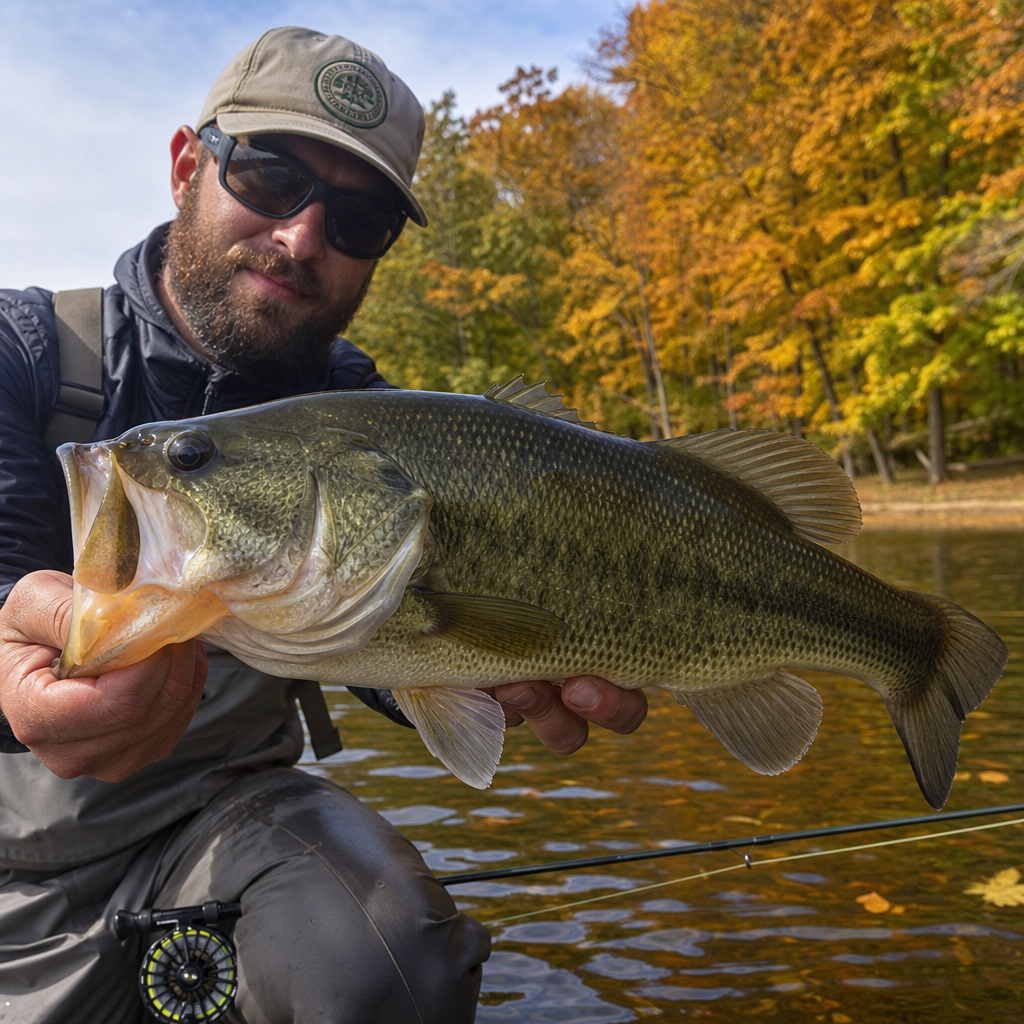
For bass, dawn is prime topwater time. Foam poppers, divers, and deer-hair sliders draw fish from surprising distances in low light, especially around wood, laydowns, weed lines, and current breaks. Keep the cadence simple: pop, wait, pop-pop, wait. Too many anglers move surface bugs too fast at daybreak. In stillwater, early cruising fish reward long leaders and disciplined retrieves. A hand-twist retrieve with a leech or damsel nymph often outfishes a faster strip because dawn fish are patrolling, not always chasing. Carp and panfish can also be excellent dawn targets in sheltered bays where reduced glare improves sighting before wind rises.
Reading water and locating fish at first light
Dawn changes where fish hold, so water reading must adapt. During bright midday, trout may sit tight to depth, shade, and broken surface. At dawn they often slide into softer, shallower feeding positions adjacent to their security water. Focus first on transition zones: the inside seam beside a riffle tongue, the tail of a pool where drifting insects funnel naturally, the edge of a submerged grass bed, or the soft cushion in front of a boulder. These are efficient feeding stations because fish can intercept food without exposing themselves for long. If you begin in the obvious deep hole every morning, you may fish behind active trout that are feeding twenty feet away in six inches less depth.
On lakes and ponds, dawn fish commonly cruise edges rather than suspend randomly. Look for shoals that warm first in spring, weed edges that concentrate damselflies and baitfish in summer, and wind-protected banks where the surface remains readable. In rivers for smallmouth, I prioritize banks with chunk rock, shade, and nearby depth. In tidal water, the best dawn spot is not simply the prettiest flat; it is the one that combines moving water with prey access. Current brings food, but low light lets predators use that current more aggressively. Listen as much as you watch. Sips, swirls, bait flickers, and the sound of a bass tracking a popper all reveal position before your eyes fully can.
Fly selection, leaders, and presentation details
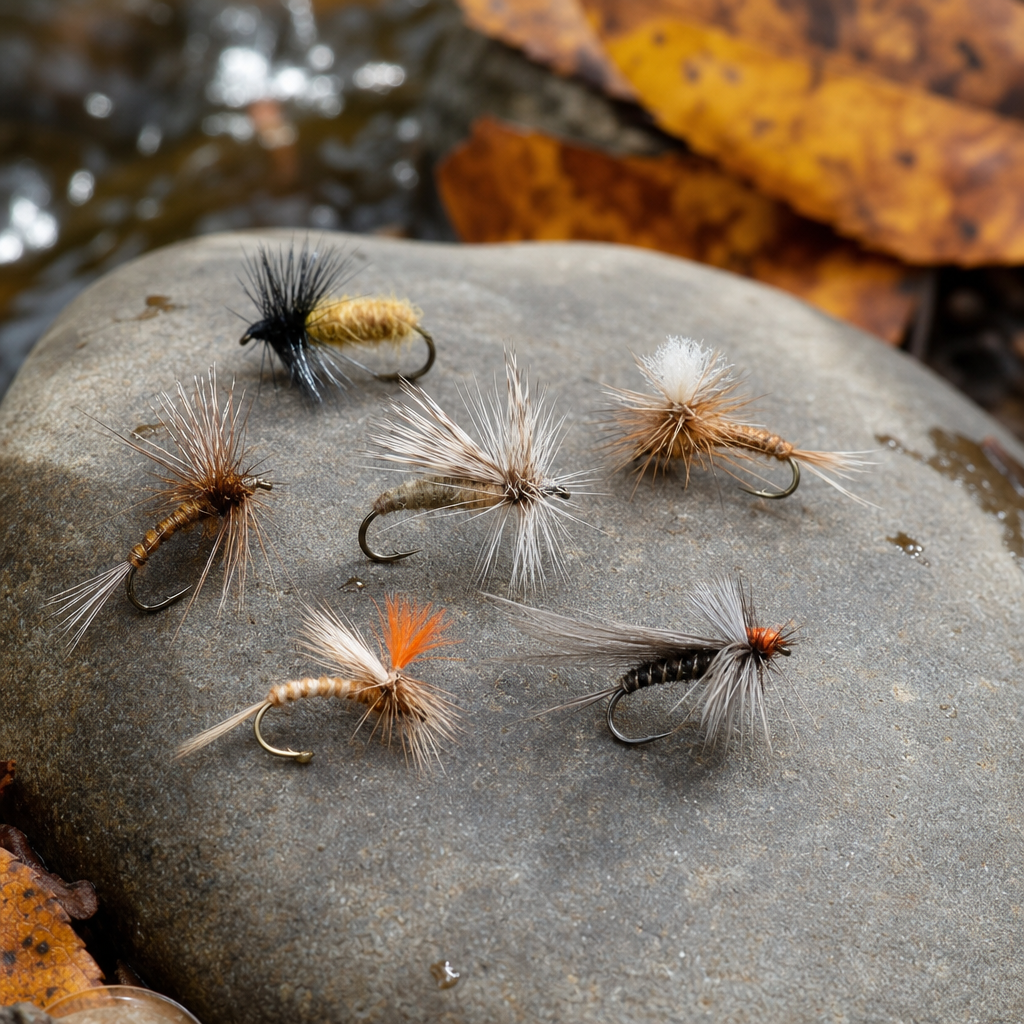
Dawn fly selection should solve visibility and profile first, exact imitation second. In low light, silhouettes matter. Black, brown, olive, and dark purple produce strong outlines for streamers and bass bugs, while caddis, comparaduns, and parachute patterns with visible posts help you track dries. If fish are keyed to tiny insects, use the right size, but start with a fly you can both see and fish well. On many mornings I begin one fly size larger than the hatch suggests, then downsize only if refusals tell me to. This saves time during the best part of the window and often draws the most aggressive fish.
Leader design influences dawn success more than anglers expect. For dry flies on moderate trout water, a 9-foot 4X or 5X leader is versatile, while streamers often fish better on shorter, stronger leaders that turn over weighted patterns cleanly. In stillwater, long leaders are valuable when fish cruise high and the surface is calm. Presentation remains the final filter. At dawn, fish often accept slightly more movement than under full sun, but drag still ruins drifts on selective trout. Reach casts, tuck casts, and stack mends all have a place. For streamers, vary retrieve speed before changing fly. For topwater bass, lengthen pauses. Early fish frequently commit on stillness.
Seasonal differences and how dawn compares with other times
Dawn is not equally dominant in every season, and understanding those differences makes this time-of-day hub useful beyond one trip. In summer, dawn is often the best and safest trout window because warming water can stress fish by afternoon; many responsible anglers stop when water temperatures approach local conservation thresholds, commonly around 68 degrees Fahrenheit for trout though exact guidance varies by species and agency. In spring, dawn can be productive, but late morning may surpass it once water and air warm enough to trigger stronger hatches. In fall, dawn remains excellent for streamer fishing and pre-spawn aggression, while winter dawn is usually slower than midday because cold water suppresses early metabolism.
Compared with evening, dawn usually offers less prolonged insect activity but more predictable fish positioning and less angling pressure. Compared with midday, dawn has lower glare, cooler water, and often more surface-oriented feeding. Compared with night fishing, dawn is easier to fish safely and visually, though truly large browns may still feed most recklessly after dark. The main limitation of dawn is brevity. You cannot waste the first hour tying knots, changing five flies, or standing in one run because it produced last week. Treat dawn as a moving target. Fish the highest-percentage water first, monitor light and temperature changes, and be ready to transition into nymphing, deeper retrieves, or a different part of the river as the sun climbs.
Common mistakes and a repeatable dawn plan
The biggest dawn mistakes are arriving late, fishing too slowly at the start, and ignoring changing conditions after sunrise. Many anglers overcommit to one idea, such as “there will be a hatch,” when the smarter approach is to let visible evidence lead. Another frequent error is wading too aggressively before making near-bank casts. In low light, active fish may be close. On warmwater rivers, poor hook timing on topwater eats costs many fish; wait to feel weight rather than striking at the splash. Finally, do not overlook etiquette. Dawn concentrates anglers at popular access points, and leapfrogging quietly through prime water is still poor form even if you set the alarm earlier than everyone else.
A repeatable dawn plan is simple. Arrive early, rig before light, start with the tactic best matched to visible food and fish position, and cover transition water first. Give each pattern enough time to prove itself, but not enough to waste the window. Track water temperature through the morning, especially in summer. If fish stop showing high, shift subsurface immediately rather than hoping surface action returns. Over time, keep notes by season, weather, moon phase, flow, and first productive hour. Patterns emerge quickly. The reward for mastering fly fishing at dawn is not only more fish; it is better decision-making all day. Start applying these techniques on your next early session, and build your own time-of-day system from real observations.
Frequently Asked Questions
What exactly counts as “dawn” for fly fishing, and why is it such an important window?
For fly fishing purposes, dawn is more than just the moment the sun clears the horizon. It usually starts at first legal light, runs through sunrise, and often includes the next hour or so after the sun is up. In reality, that window shifts with the season, weather, elevation, and how much shade a river valley or tree cover creates. On some streams, especially narrow or canyon-like waters, fish may behave as if it is still dawn well after official sunrise because direct light has not yet hit the water. On open lakes or broad rivers, the window can close faster once brightness increases.
This period matters because low light changes how fish feed. Trout, bass, and many other gamefish tend to feel more secure when visibility is reduced, which makes them more willing to move out of cover, patrol shallow lanes, and eat aggressively. Dawn also often overlaps with favorable water temperatures, calmer conditions, and early insect activity. In short, several feeding triggers can line up at once. That combination creates one of the highest-opportunity periods of the day, especially on pressured water where fish become cautious once the sun gets high and anglers become more visible.
What are the best fly fishing techniques to use at dawn?
The best dawn techniques depend on what the fish are feeding on, but the most consistent approach is to start simple and match the conditions in front of you. In very low light, many anglers do well by covering water with streamers, soft hackles, or larger searching patterns that create a clear profile or movement fish can detect. Early in the window, fish may key less on fine detail and more on silhouette, vibration, and an easy target. That is why modestly larger flies, swung wets, or stripped streamers often produce before surface activity fully develops.
As the light improves, pay close attention to signs of insects and rising fish. If you see dimples, sips, or consistent feeding lanes, shift to dry flies, emergers, or nymphs suspended close to the surface. On trout water, a dry-dropper rig can be especially effective because it lets you cover both surface and subsurface feeding at once. On bass water, poppers and deer hair bugs can be excellent at first light, followed by subsurface flies as the fish settle deeper. The key is to begin with confidence patterns, fish efficiently, and adjust quickly as the morning reveals what the fish want. Dawn rewards anglers who observe constantly and do not waste the best minutes guessing blindly.
Which flies and colors tend to work best during the early morning low-light period?
At dawn, visibility is limited for both anglers and fish, so profile often matters more than perfect color matching, especially in the first stretch of low light. Darker flies such as black, olive, brown, or deep purple frequently stand out well against the lighter sky when viewed from below, which can make them easier for fish to track. That is one reason black streamers, dark woolly buggers, and low-light dry flies can be so reliable in early morning conditions. For bass, dark poppers and baitfish patterns are classic producers at first light.
As brightness increases, exact color and size can matter more, particularly if insects begin hatching. At that point, transition toward patterns that better match the natural food source in the water, whether that is mayflies, caddis, midges, baitfish, or terrestrials. If there is no visible hatch, carry a progression of confidence flies: a few streamers for searching, a selection of emergers and soft hackles, and a practical spread of dries and nymphs in common sizes. More important than chasing trendy patterns is having flies that cover silhouette, depth, and behavior. A fly that is drifting naturally at the right level usually outperforms a perfect imitation presented poorly.
How should I approach the water at dawn without spooking fish?
Dawn gives anglers a real advantage, but it does not make fish careless. In low light, fish may move into shallower lies and softer edges to feed, which means they can also be closer than you expect. The best approach is to slow down before you ever step into the water. Watch first. Listen for rises. Scan seams, tailouts, undercut banks, and inside edges where fish can feed with little effort. If you charge straight to the bank and wade into the run, you may push fish off the exact water they moved into under low-light security.
Whenever possible, start from downstream or from the side and make short, controlled casts before wading deeper. Keep your profile low, avoid splashing, and use the dim conditions to your advantage rather than wasting them with unnecessary movement. On small streams, this can mean kneeling or casting from behind cover. On larger rivers, it may mean fishing the near water thoroughly before reaching for distant targets. Good dawn anglers are methodical: they cover likely lies in sequence, they let the best water produce before stepping through it, and they treat the first hour as prime time, not setup time. The anglers who catch most consistently at dawn are often the ones who are quiet, ready, and fishing efficiently from the first cast.
What gear and preparation tips help make dawn fly fishing more successful?
Preparation matters more at dawn because the window is short and often your best chance comes before most people are fully settled in. The night before, rig your rod, organize your leader and tippet, choose a few starting flies, and check local regulations so you know exactly when legal fishing begins. If you wait until first light to tie knots, sort fly boxes, or decide where to start, you are giving away valuable minutes. A headlamp with a red-light setting is extremely useful for preserving night vision while handling gear without flooding the bank with bright light.
Dress for cooler temperatures, even in warmer seasons, because early mornings can be damp and significantly colder than midday. Wading carefully is especially important at dawn since rocks, drop-offs, and current seams are harder to judge in low light. Polarized glasses are still useful once the light improves, and a watch or phone timer can help you track how quickly conditions are changing. From a fishing perspective, have a plan for your first three moves: where you will begin, what fly you will start with, and what your first adjustment will be if there is no response. That kind of preparation turns dawn from a rushed outing into a focused strategy, and it often makes the difference between simply being on the water early and actually taking advantage of the best feeding window of the day.