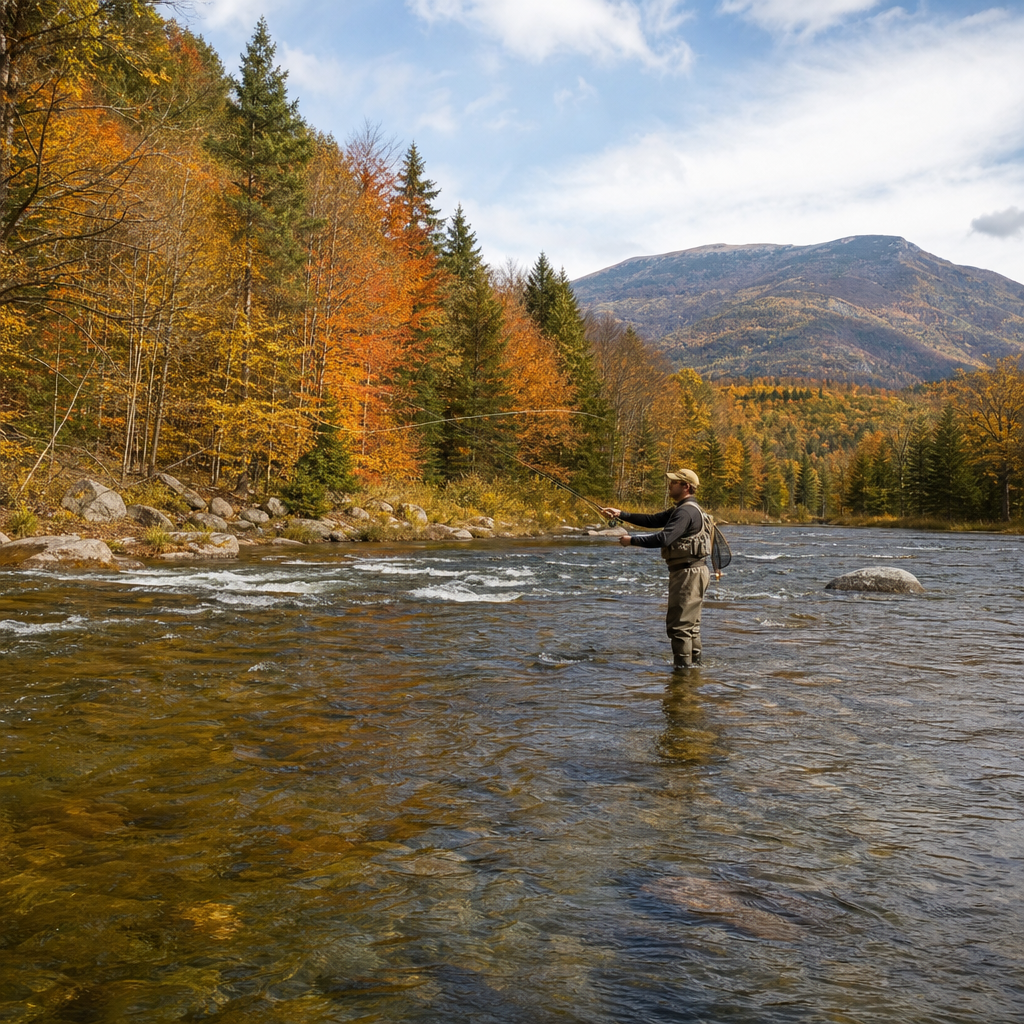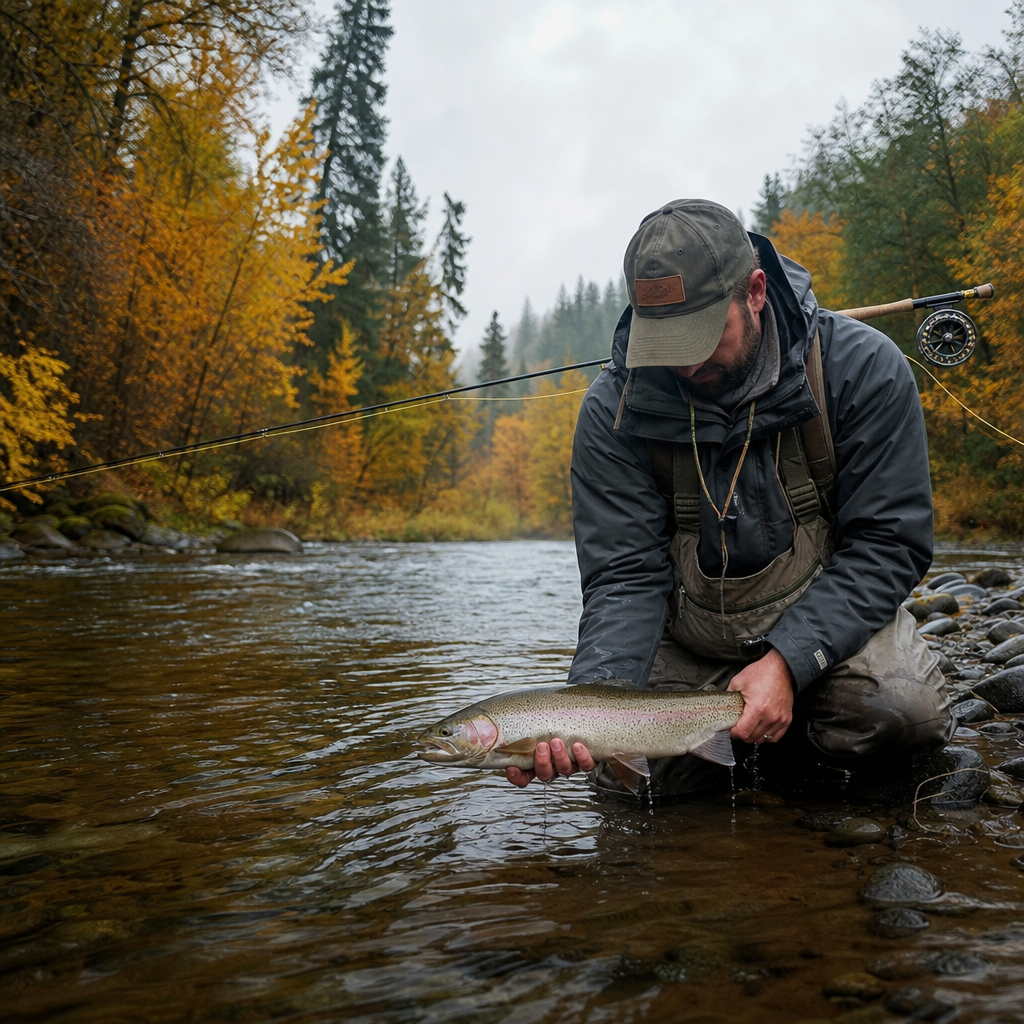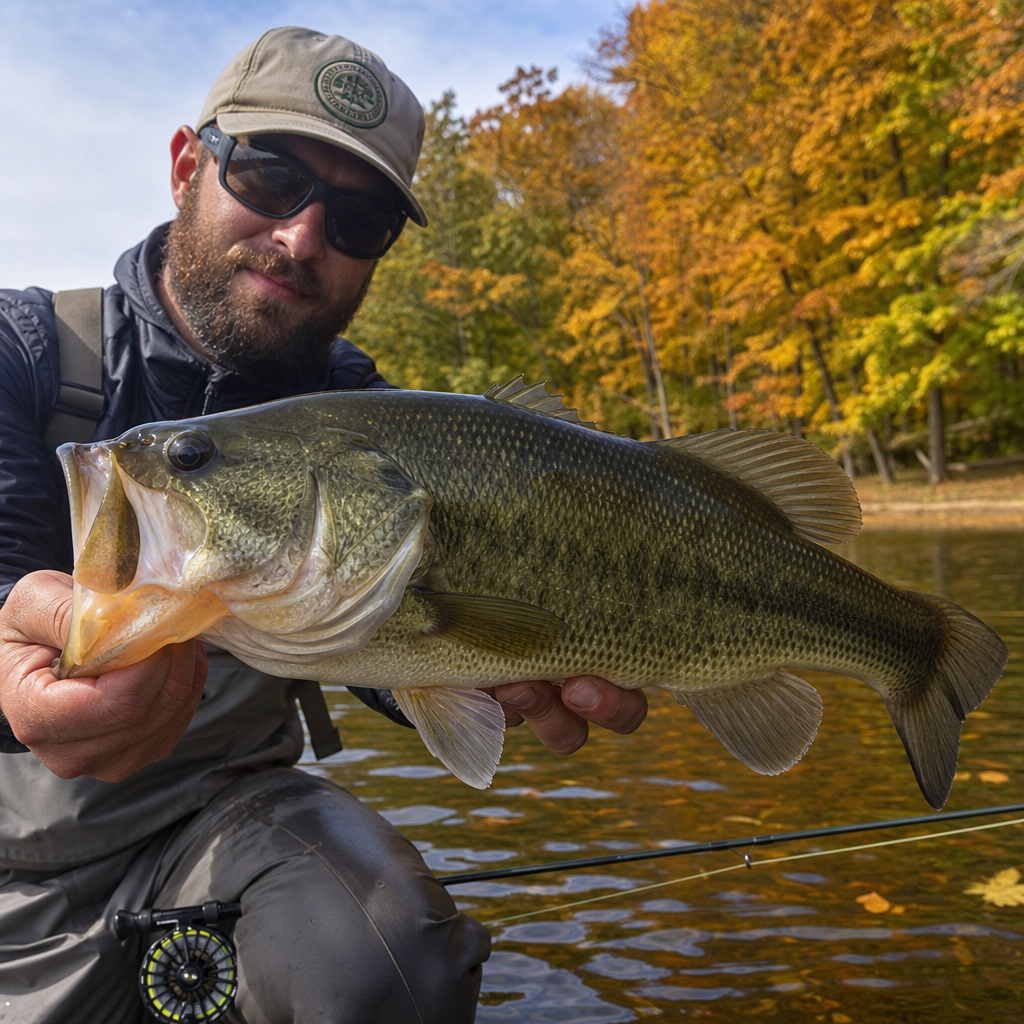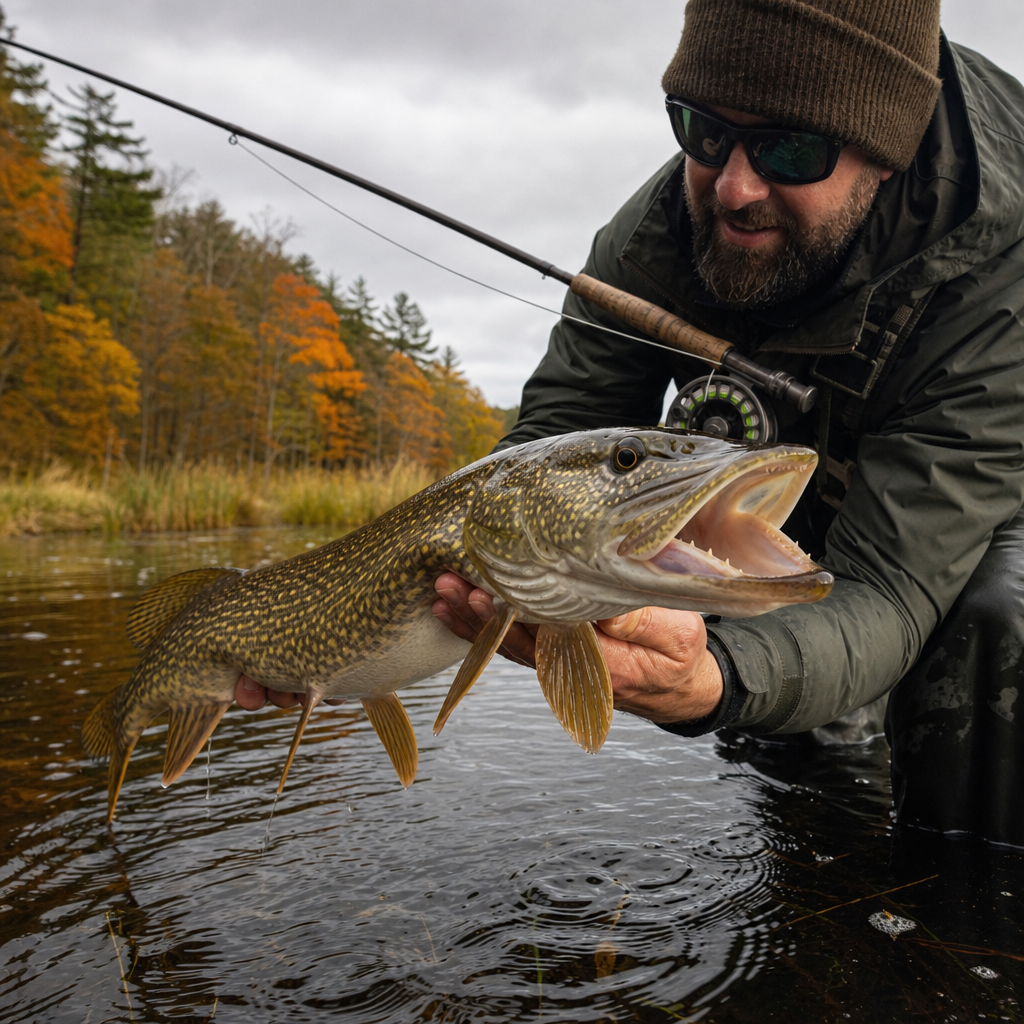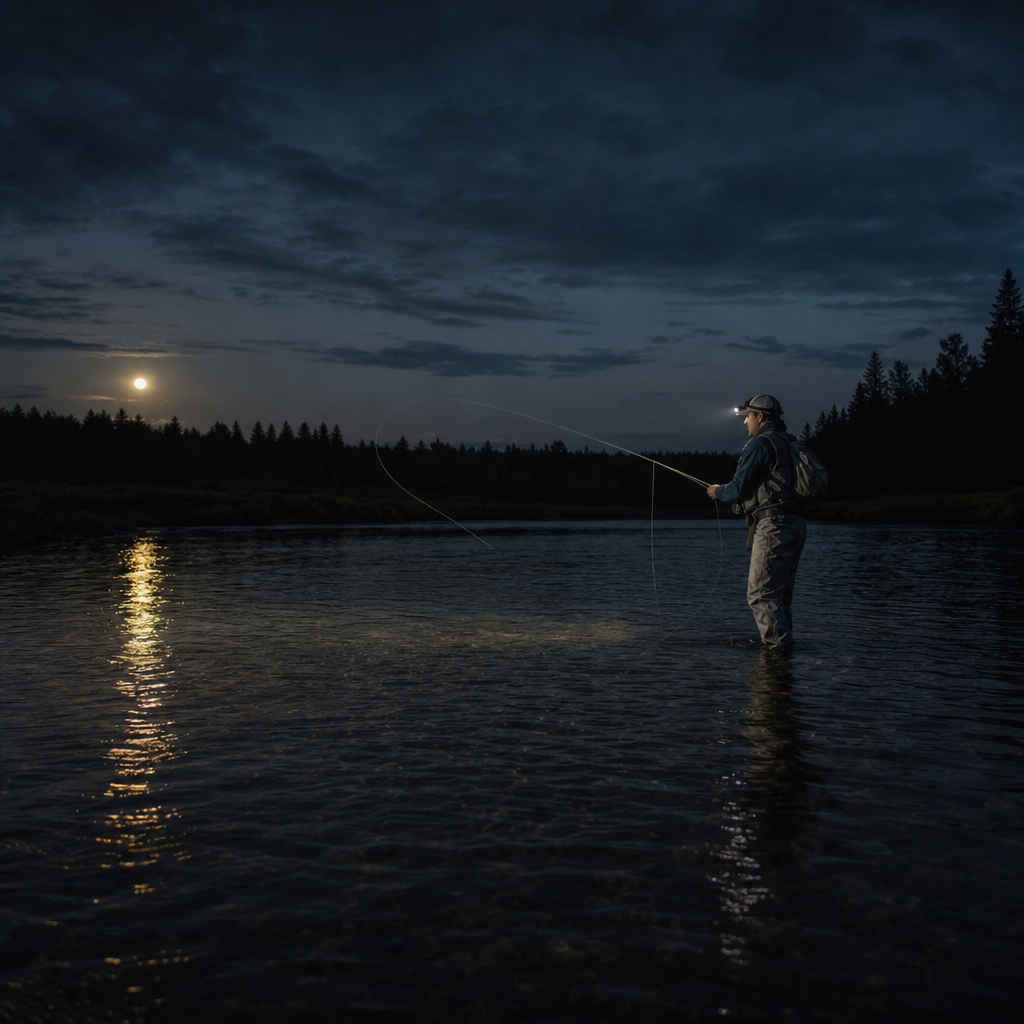
Night fly fishing opens water that many anglers overlook, and it often produces the largest trout, bass, and migratory fish of the season. In simple terms, night fly fishing means targeting fish after sunset and before dawn with tactics adapted to darkness, reduced visibility, and changing feeding behavior. As the time-of-day hub within seasons and conditions, this topic matters because fish do not use a stream, lake, estuary, or flat the same way at midnight as they do at noon. Light levels alter predator confidence, insect movement, water temperature, current preference, and how fish track a fly. I have seen average rivers become exceptional after dark, especially in midsummer when daytime pressure is heavy and shallow water warms beyond a trout’s comfort. Understanding this window helps anglers fish more safely, choose better flies, read water differently, and connect timing with weather, moon phase, season, and species-specific behavior.
The biggest shift at night is not that fish become random; it is that they become more efficient. Brown trout slide from logjams into knee-deep riffles. Smallmouth bass push bait against rock banks. Carp tail confidently on mud flats where daylight would make them wary. Even saltwater species such as striped bass and snook patrol edges with more purpose under dock lights, bridge shadows, and tide seams. Good night anglers plan around contrast, sound, current speed, and silhouette instead of relying on detailed visual tracking. They also simplify equipment, knots, and fly changes because complexity becomes a liability in the dark. If you want one page that explains how time of day changes fly fishing strategy, this guide gives the practical framework: when night fishing is worth prioritizing, how fish behave, what tackle and flies work best, how to move and cast safely, and how to structure a repeatable approach for rivers, stillwaters, and inshore water.
Why Night Changes Fish Behavior
Fish feed at night for predictable biological reasons. Lower light reduces their exposure to birds, mammals, and people, so larger and older fish often leave daytime cover to hunt. Water temperatures also fall after sunset, which can be critical during summer. A trout stream that touches 68 to 70 degrees Fahrenheit in late afternoon may cool enough by midnight to restore oxygen conditions and trigger movement. In lakes, the shallow littoral zone can become comfortable again after dark, pulling baitfish, crayfish, and cruising predators onto flats, weed edges, and shoals.
Sensory advantage is another reason night matters. Trout, bass, and many saltwater species do not stop feeding because visibility drops; they shift to lateral line detection, silhouette recognition, and short-range attack behavior. That is why larger, darker flies usually outproduce tiny technical patterns at night. I have watched anglers insist on the same size 18s they used at dusk while a size 4 deer-hair diver or black streamer moved fish immediately. The fish are not becoming less selective in all cases, but they are prioritizing profile, displacement, and vulnerability cues over fine detail.
Time of day also changes fish positioning. During bright conditions, fish often sit deeper, tighter to structure, or under broken surface chop. At night, they commonly hold shallower and farther from cover, especially along transition zones where current softens. The practical answer to “Where should I cast after dark?” is usually this: target the same feeding lanes you would expect at dawn or on overcast days, but fish them slower and closer. Banks, drop-offs, undercut edges, submerged timber, current seams below riffles, and the tail ends of pools become high-percentage water.
Best Times, Conditions, and Seasonal Windows
The best night fly fishing rarely means the entire night is equally good. The most consistent windows are the first two hours after sunset, the period around full darkness when fish settle into feeding routes, and the final hour before dawn. Dusk can trigger visible insect activity and surface feeding. Full darkness often favors larger prey patterns, especially streamers and mice. Pre-dawn frequently produces one more surge as water cools further and bait transitions again. If you can only fish a short session, center it on a known feeding window rather than blindly fishing midnight to 3 a.m.
Weather and season refine those windows. In summer, night is often the most responsible time to pursue coldwater species because daytime heat stresses fish. In spring and fall, the advantage may shift toward dusk rather than deep night because water temperatures are already suitable. Humid evenings after hot days can be excellent for warmwater fish and terrestrials. Stable barometric conditions usually outperform sharp frontal passages, though a light storm edge can improve bass fishing if lightning is absent and safety is uncompromised. Wind can help on lakes by pushing food into shorelines, but strong wind at night magnifies hazards and destroys presentation control.
Moon phase matters, but not in the simplistic way many anglers claim. A full moon can improve visibility for both angler and fish, making shoreline navigation easier and helping predators pin prey in shallow zones. It can also spread fish out because they can feed over a larger area. New moon periods often concentrate fish tighter to structure, bridge lights, banks, or current seams where contrast is strongest. Instead of asking whether a bright moon is “good” or “bad,” ask how it changes your target water. Clear rivers, dark-bottom lakes, and dock-lit estuaries each respond differently.
| Condition | What It Changes | Best Night Tactic |
|---|---|---|
| Hot summer day | Cooler water after sunset increases fish movement | Fish shallow riffles, banks, and flats after full dark |
| Full moon | More visibility, wider feeding range | Cover water with larger streamers and mouse patterns |
| New moon | Stronger contrast near edges and lights | Focus on structure, shadow lines, and slower retrieves |
| Light wind on lake | Pushes bait and oxygen to shore | Work windward banks with baitfish and crayfish flies |
| Late-summer low flows | Fish become nocturnal and selective about effort | Fish soft seams, undercuts, and slow glides carefully |
Gear, Flies, and Rigging for the Dark
Night gear should be durable, simple, and easy to manage by touch. For trout, a 5- to 7-weight rod covers most situations, but many experienced anglers step up one line size for turning over bigger flies and maintaining control on short, accurate casts. Warmwater and light inshore anglers often use 7- to 9-weight outfits. Floating lines handle more night situations than many people expect because they let you fish mice, divers, gurglers, and unweighted streamers over structure with less snagging. Sink-tip lines become useful in deeper runs, reservoirs, and tide channels when fish stay below the film.
Leaders should be shorter and stouter than daytime technical setups. A 7.5-foot leader tapered to 0X or 1X is normal for big trout streamers and mice; bass anglers may go even heavier. The reason is practical: turnover matters more than delicacy, and short leaders improve control when you cannot track loops perfectly. Knots should be tied before dark whenever possible. I rig at least two rods if regulations and terrain allow: one with a surface or near-surface pattern and one with a streamer. That reduces fumbling, preserves confidence, and keeps you fishing during short prime windows.
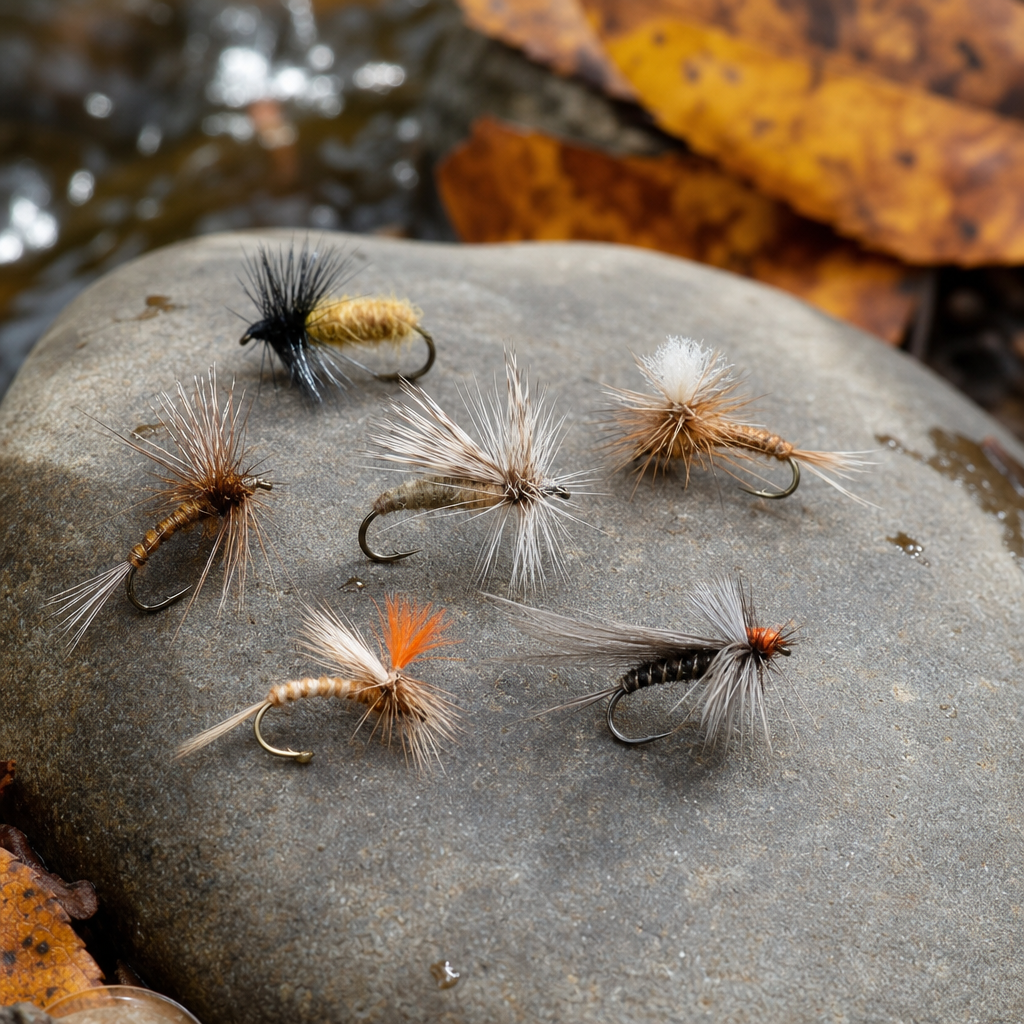
The best night flies create silhouette, movement, or push water. Black is a standard because it forms a strong outline against the lighter night sky when viewed from below. Productive patterns include Zonkers, Woolly Buggers, Sculpzillas, Dungeon-style articulated streamers, deer-hair mice, Morrish Mouse variants, Dahlberg Divers, Gurglers, and simple rabbit-strip leeches. For selective rises during spinner falls or caddis events, a larger, easy-to-see dry with a pale post can work, but most anglers catch more fish by abandoning tiny imitations once darkness fully settles. In saltwater, baitfish flies with broad shoulders and moderate flash often beat heavily reflective patterns because too much flash can look unnatural under artificial light.
Presentation, Casting, and Water Coverage
Successful night presentation starts with slowing down. Fish often locate prey by vibration and then commit at close range, so broad, fast strips are less consistent than deliberate movement with pauses. Across rivers, a common and effective approach is a quartering downstream cast followed by a controlled swing and a slow hand-twist or short strip at the hang-down. That path keeps the fly broadside to the fish and lets current animate it. For mice and divers, cast tight to banks, roots, and grassy edges, then skate, twitch, or let the fly wake naturally. Explosive misses are common; resist striking instantly and wait for weight.
Casting mechanics should become compact and repeatable. False casting in darkness causes tailing loops, fouled leaders, and dangerous hook placement. One back cast is plenty in most situations. Use the water tension of a roll cast, a single back cast, or a Belgian-style oval cast to keep heavy flies away from the rod tip and your body. Strip line into a clear basket or organized pile at your feet, especially on beaches, docks, and boat decks. If your cast lands a little short at night, that is acceptable; accuracy, angle, and depth matter more than distance.
Covering water efficiently means building a mental grid. Start close, then medium, then far. Fish the bank before you step into the run because large fish often hold in inches of water after dark. Make a few casts from each position, then take one or two careful steps and repeat. On lakes and ponds, work shorelines with clear intersections: reeds meeting rock, weedline openings, points, inflow mouths, and hard-bottom shelves. Under dock lights, present from darkness into the illuminated edge rather than standing in the glow. In every environment, your objective is to intercept a route, not randomly bomb casts into black water.
Safety, Ethics, and a Repeatable Night Strategy
Night fly fishing rewards preparation, but it punishes carelessness. Wading after dark should be more conservative than daytime wading, not equal to it. Study access points in daylight, note bottom composition, and identify hazards such as deep cut banks, soft mud, barbed wire, tide changes, and private property lines. A quality headlamp with red-light mode, a backup light, and fully charged batteries are essential. Wear eye protection, carry a whistle, and tell someone exactly where you will be. On moving water, use a wading staff and avoid unfamiliar crossings. In boats, keep decks uncluttered and maintain clear communication before every cast.
Ethics matter because low visibility can make bad decisions easier. Handle fish quickly, especially during warm periods when night fishing is chosen to reduce stress. If water temperatures remain too high even after dark, skip trout and target bass or carp instead. Follow local regulations on seasonal closures, night access, and species restrictions; many productive areas around dams, parks, and estuaries have special rules. Light discipline helps both fishing and courtesy. Constantly flashing a bright beam across the water can spook fish and ruin another angler’s adaptation to the dark. Use task lighting only when necessary.
A repeatable strategy is straightforward. First, pick water you already know in daylight. Second, choose one species-specific plan, such as bank-oriented mouse fishing for brown trout, diver fishing for largemouth along weed edges, or baitfish swings for stripers on an outgoing tide. Third, simplify flies to two confidence patterns and commit to them long enough to learn. Fourth, fish prime windows with intention: arrive before sunset, rig fully, observe the transition, and note where the first signs of life appear. Night fly fishing becomes far less mysterious when you treat time of day as a condition to be read, not just a clock to be ignored.
For anglers building a complete understanding of seasons and conditions, night fishing is the clearest proof that time of day changes everything. Fish location, metabolism, forage movement, fly visibility, and presentation speed all shift once the sun drops. The anglers who do best are not the ones carrying the most gear; they are the ones who match darkness with simpler systems, stronger profiles, safer movement, and sharper timing. Start with familiar water, stable weather, and a short session around dusk into full dark. Keep notes on moon phase, temperature, species response, and productive structure. Then connect those observations to your broader approach across seasons.
The main benefit of learning night fly fishing is access to less pressured, often larger fish under conditions that favor deliberate anglers. You can turn difficult summer water into a viable option, find feeding fish in places that look dead by day, and understand the time-of-day pattern that links trout streams, warmwater lakes, and coastal edges. Build your own night plan now: choose one local water, rig two proven patterns, and fish the next safe evening with purpose.
Frequently Asked Questions
What makes night fly fishing different from fishing during the day?
Night fly fishing changes almost everything that matters on the water: how fish feed, where they hold, how they track prey, and how anglers should present a fly. After sunset, many species become less cautious because lower light reduces their exposure and gives them cover to move out of deep lies or heavy structure. Trout often slide from cut banks, ledges, and bottom-hugging positions into softer feeding lanes. Bass frequently push shallow to hunt along weed edges, rocky banks, and current seams. In estuaries and tidal water, migratory fish may use tide movement and darkness together to ambush bait with much more confidence than they show in daylight.
From the angler’s perspective, the biggest adjustment is that vision becomes less important and awareness becomes more important. You rely more on feel, sound, silhouette, current speed, and mental mapping of the water than on constantly watching your line or seeing fish. Fly choice also shifts. Instead of matching tiny visual details, night anglers often focus on profile, displacement, contrast, and movement. Larger streamers, deer hair bugs, mouse patterns, gurglers, and dark or strongly silhouetted flies often outperform smaller, delicate patterns because fish can detect them more easily in low light. Presentation tends to be slower, more deliberate, and more controlled, with anglers covering likely holding water methodically rather than casting at visible risers or cruisers.
Safety and efficiency are also much bigger parts of the equation. Wading, knot tying, landing fish, and navigating banks all take more planning. The best night anglers are usually the ones who simplify: fewer fly changes, fewer unnecessary movements, shorter but more accurate casts, and careful attention to where they are standing. In short, night fly fishing is not just daytime fishing in the dark. It is a different style built around fish behavior, water familiarity, and disciplined execution.
What gear and flies work best for night fly fishing?
The best night fly fishing gear is dependable, simple, and easy to manage without constant visual checks. Rod selection depends on target species and water type, but many anglers prefer slightly more powerful setups at night because larger flies, heavier tippet, and stronger fish are common. For trout, a 5- or 6-weight may handle many situations, but a 6- or 7-weight is often more practical when throwing bigger streamers or mouse patterns. For bass, an 7- or 8-weight is a strong all-around choice, and for coastal or migratory fish, the setup should match the size of both the fly and the fish.
Lines should support control more than delicacy. Weight-forward floating lines are excellent for surface patterns, wake flies, mice, and shallow streamers. Sink-tip or intermediate lines can be valuable when fish are holding deeper or when current and temperature push them below the surface. Leaders are usually shorter and sturdier than many anglers use in daylight. At night, long fine leaders are often unnecessary and can make casting and landing fish more difficult. Stronger tippet helps turn over bulky flies, pull fish from cover, and reduce fight time.
Fly selection should emphasize silhouette, vibration, and presence. Dark flies are popular at night not because fish “see black better” in every situation, but because dark patterns often create a clean, readable silhouette against whatever ambient light exists above them. Black streamers, leeches, woolly buggers, zonkers, mice, baitfish patterns, and topwater bugs are proven choices. White or lightly colored flies can also work well in some moonlight, stained water, surf, or baitfish-focused situations, especially when they stand out from the background. The key is not color alone, but contrast and profile. Surface flies that push water or leave a wake can be deadly because fish can locate them through vibration and sound. Subsurface flies with rabbit strips, marabou, or soft materials are effective because they move naturally at slow speeds.
Beyond rod, reel, line, and flies, a few practical items matter a lot: a headlamp with red light mode, a backup flashlight, forceps on a retractable tether, a small and organized fly box, and a landing net you can access by feel. Good wading boots, weather-appropriate layers, and a fully charged phone stored in a waterproof case are not optional. At night, “best gear” means gear that performs well and removes unnecessary complications.
How should I approach presentation and retrieve techniques after dark?
At night, presentation usually becomes more important than variety. Fish are often feeding with confidence, but they are using different cues than they do in bright light. That means your job is to put a fly where fish expect food to be and move it in a way they can detect and commit to. In most cases, slower and more deliberate is better than fast and erratic. A fly that tracks broadside through a current seam, swings past structure, wakes across a bank, or pulses steadily near cover gives fish time to find it and strike.
For trout in rivers and streams, one of the most effective approaches is to cast across or slightly downstream and let a streamer, mouse, or waking pattern move naturally with tension. This creates a controlled swing that keeps the fly in the strike zone longer. Subtle strips, pauses, and mends can change the angle and speed without ruining the presentation. In some situations, especially with larger predatory trout, a downstream presentation can be superior because it places the fly in the fish’s path and lets the silhouette remain visible overhead. In lakes or ponds, slow hand-twist retrieves, long strips with pauses, and steady topwater crawls often outperform aggressive speed changes.
For bass, shoreline cover, laydowns, weed edges, and rock transitions are prime targets. Work topwater and shallow flies methodically, making repeated casts from different angles before moving on. Bass hunting at night often key on disturbance and displacement, so gurglers, divers, poppers, and large streamers can all be effective. The mistake many anglers make is retrieving too fast. Fish in darkness often track a fly before striking; if the retrieve is rushed, they may never catch it. For stripers, sea-run fish, and estuary predators, current becomes the central factor. Position yourself so the fly swings through a travel lane naturally, and pay attention to the exact moment the line comes tight, because many takes are firm but not explosive.
Hook-setting also deserves adjustment. At night, visual strikes are limited, so anglers need to fish in contact with the fly whenever possible and react to weight, pressure changes, taps, boils, or subtle stops. A strip set is often the safest choice with streamers and larger flies, especially for bass and saltwater species. On surface eats, resist the urge to strike immediately at the sound alone. Wait until you feel pressure or see the line move. Calm, connected presentations consistently catch more fish than random casting in the dark.
What are the best conditions and locations for successful night fly fishing?
The best night fly fishing conditions are usually the ones that encourage fish to leave security cover and feed actively, while still allowing the angler to maintain control and safety. Warm weather periods are especially productive because nighttime often brings cooler, more comfortable conditions for both fish and anglers. In midsummer, trout may feed more aggressively after dark when water temperatures drop slightly and bright daytime pressure fades. Bass and warmwater species also thrive in low light, particularly around stable weather patterns. For migratory fish, the combination of tide, current, and darkness can create outstanding feeding windows.
Location matters just as much as weather. Productive night water is usually simple, predictable, and easy to read in advance. On rivers, focus on inside bends, soft edges next to faster current, pool tails, cut banks, undercut banks, boulder seams, confluences, and the margins of deeper runs where fish can move shallow to hunt. Large trout often patrol these transition zones rather than sitting in the exact places they occupy during the day. On lakes and ponds, points, weed lines, drop-offs, inflows, shallow flats near deep water, and banks with bait activity are prime. For bass, hard structure plus nearby depth is a classic nighttime combination. In estuaries or tidal water, channels, bridge shadow lines, current rips, marsh drains, dock edges, and bait-stacking zones can all become high-percentage areas.
Moon phase and cloud cover can influence success, but they are not absolute rules. Some anglers prefer dark nights because fish feel secure and move shallow more aggressively. Others like partial moonlight because it helps both navigation and fish visibility. Rather than obsessing over a single “best” moon phase, pay attention to how light interacts with your specific water. A little ambient glow can improve fish positioning on flats or banks, while too much brightness may push them back into cover in heavily pressured areas. Water clarity also matters. Slight stain can actually help because it gives fish confidence and reduces line and leader visibility. Extremely high, dangerous, or debris-filled water is generally a poor nighttime choice because it increases risk and reduces control.
One of the smartest ways to improve success is to scout your water during daylight and then return at night. Identify casting lanes, wading hazards, snags, current breaks, and shoreline routes before darkness changes your perspective. The best night locations are not just fishy;