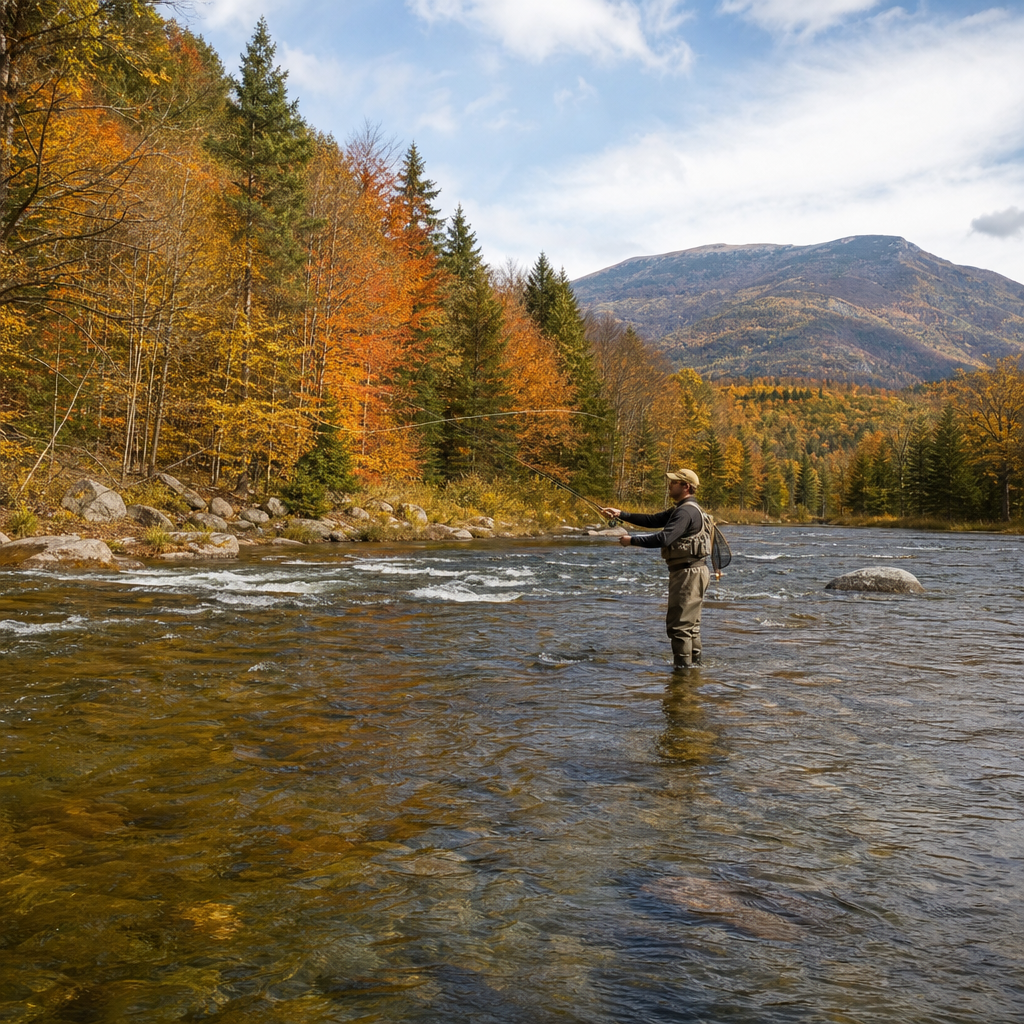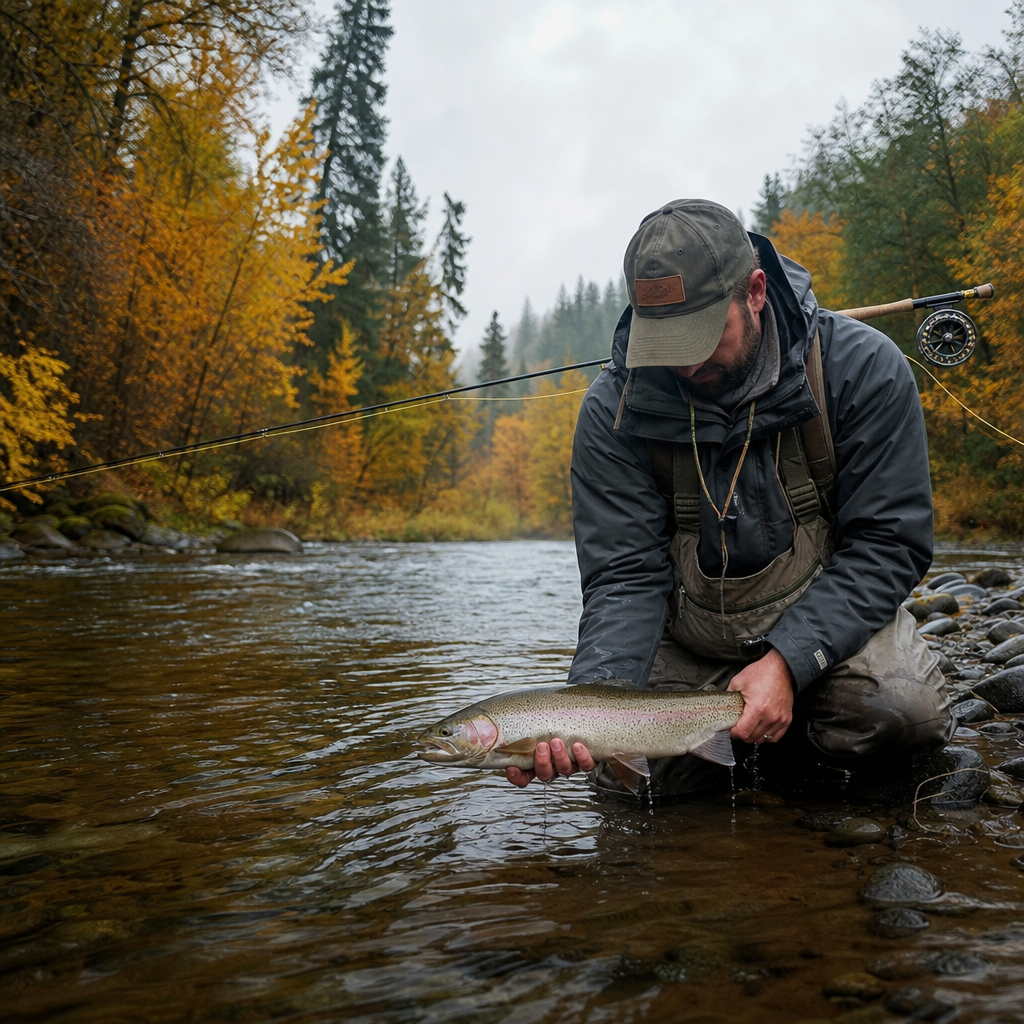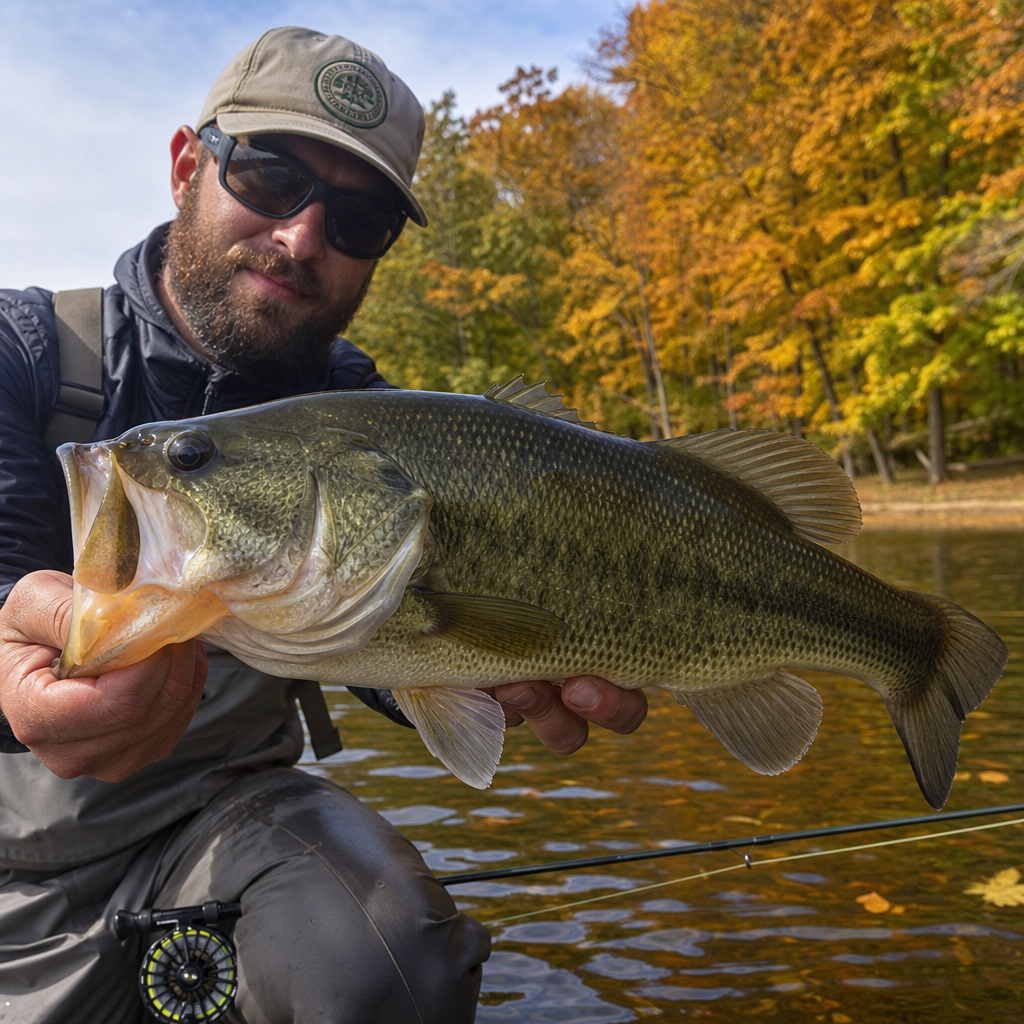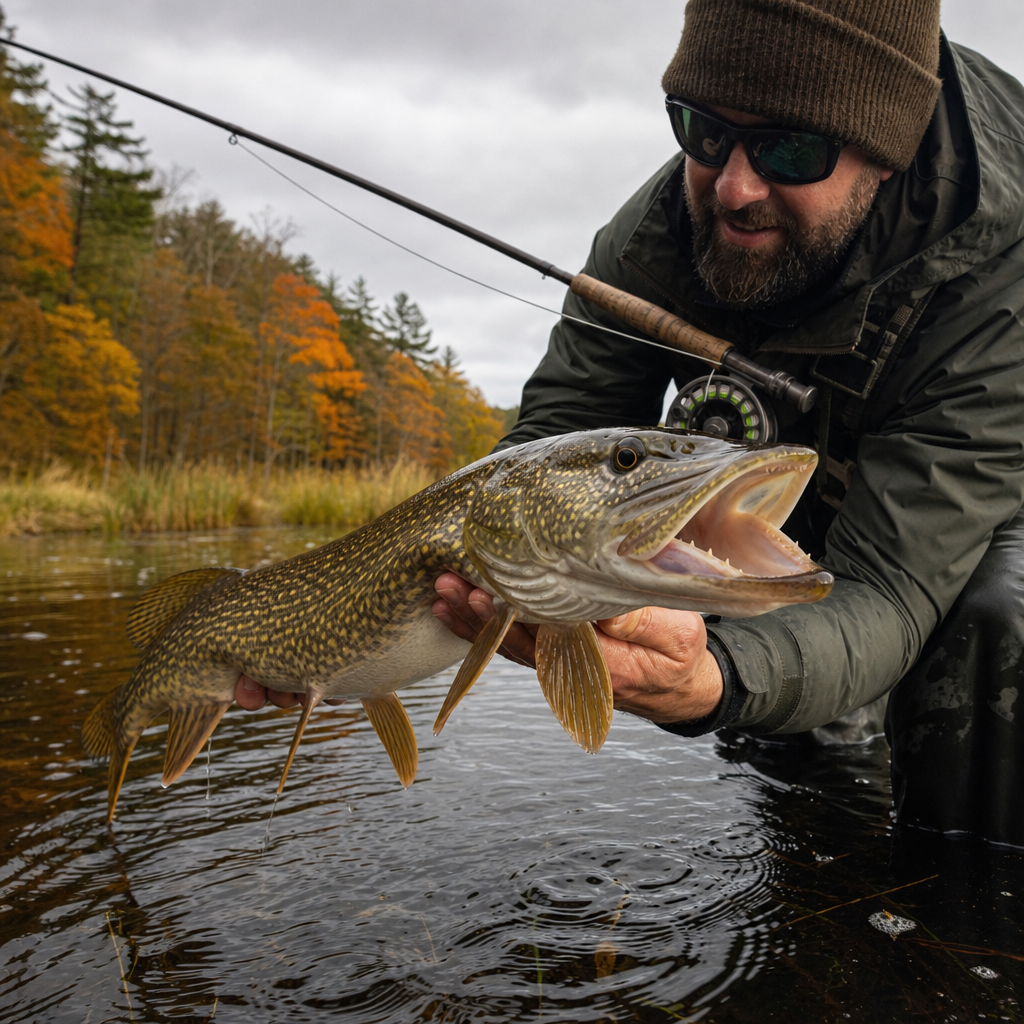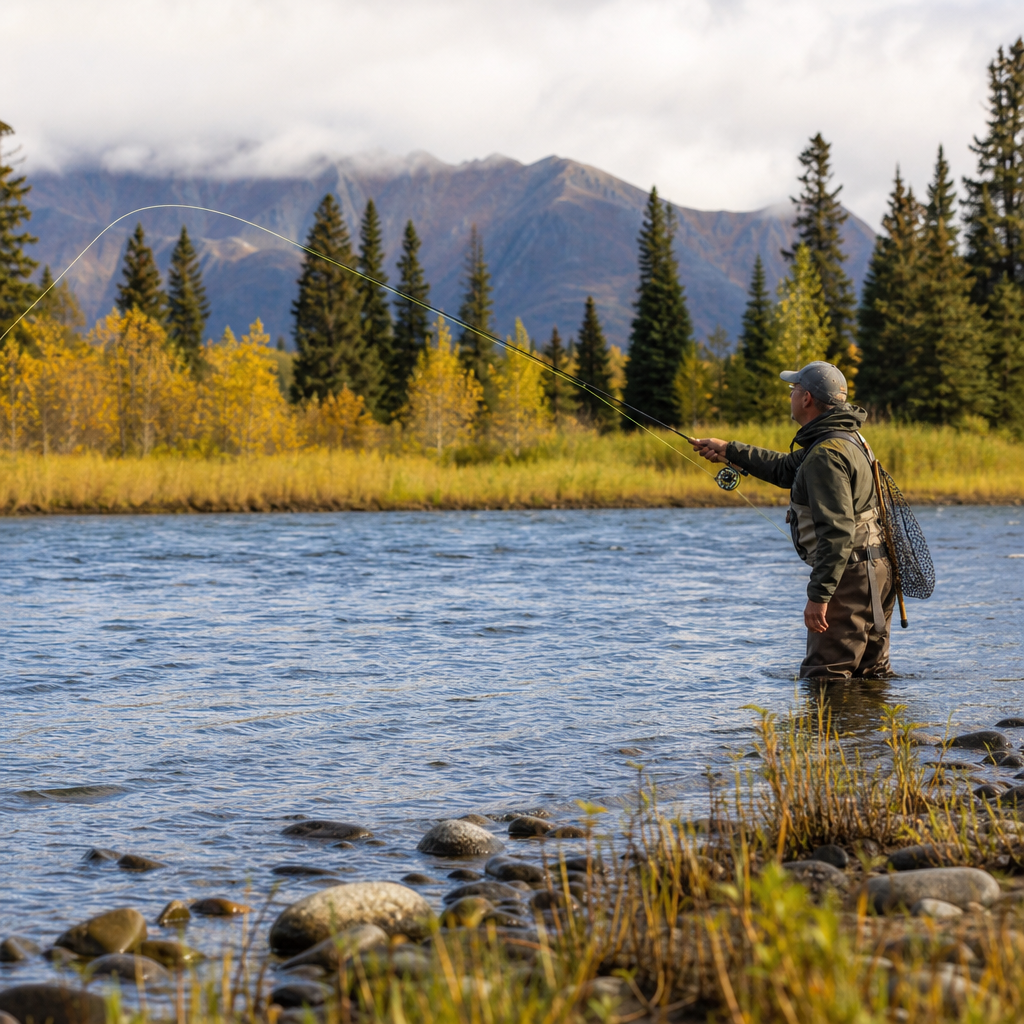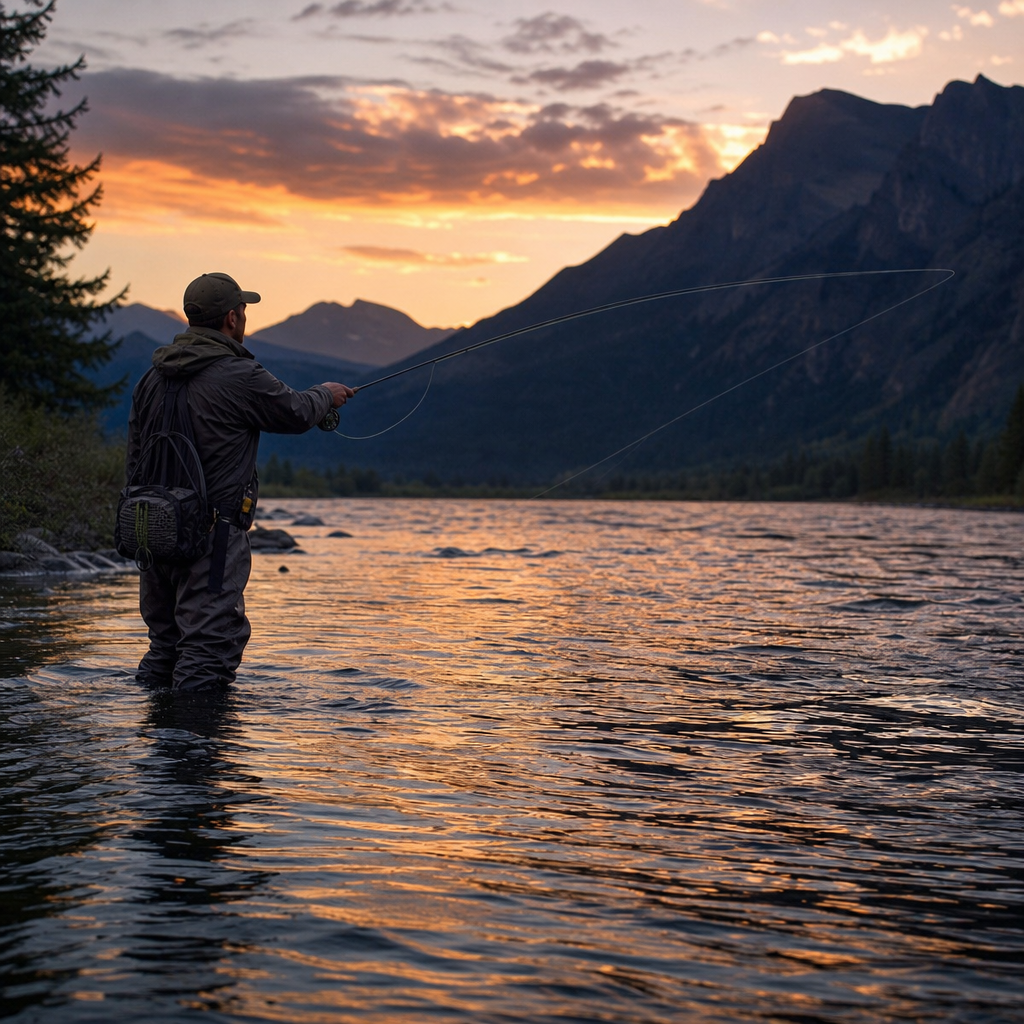
Fly fishing at dusk can be the most productive hour of the day because fading light changes insect behavior, fish positioning, and angler tactics all at once. Dusk, in practical fishing terms, is the period from late evening light through the first stage of darkness, when surface activity often peaks and trout, bass, and panfish become less cautious. As a hub topic within time-of-day fishing strategy, dusk matters because it sits between the predictable visibility of afternoon and the specialized demands of true night fishing. In that transition, fly anglers gain advantages that do not exist at noon: lower light reduces drag awareness, water temperatures moderate after hot days, and many aquatic insects time their emergence to evening. I have planned entire trips around that window, and on pressured rivers it routinely outperforms the previous six hours combined.
Success at dusk is not just about staying late. It depends on reading light levels, matching insects, adjusting leaders, and knowing when fish stop inspecting and start hunting. Many anglers treat evening fishing as a generic dry-fly session, then wonder why rises appear everywhere except near their fly. The reality is more precise. Different species feed in different lanes as shadows lengthen. Mayflies often bring selective, rhythmic rises; caddis can trigger chaotic slashy takes; midges may demand tiny patterns on flat water; streamers can excel once silhouettes matter more than detail. Wind, cloud cover, water clarity, and moonlight can stretch or compress the window dramatically. Understanding those variables turns dusk from a hopeful extra hour into a repeatable system.
This article covers the full dusk playbook: what fish do as light fades, which flies and presentations work, how to approach moving and still water, when to shift from dries to emergers or streamers, and how to stay safe while visibility declines. Think of it as the central guide for time-of-day fly fishing, with dusk as the focal point and references to related topics such as dawn strategy, midday adjustments, low-light streamer fishing, and night approaches. If you want more fish in the final hour, the answer is rarely luck. It is timing, observation, and deliberate changes made before the hatch starts, not after it ends.
Why Dusk Changes Fish Behavior
Fish feed differently at dusk for three main reasons: security, temperature, and food availability. In clear rivers with heavy angling pressure, trout often hold deeper or tighter to cover through bright afternoon light, especially in late spring and summer. As shadows reach the water, those same fish slide into softer seams, tailouts, or shallow shelves where drifting insects collect. Reduced visibility lowers their perceived predation risk from birds and people. On warm days, evening cooling also improves oxygen conditions in slow margins and lets fish use water they ignored at 3 p.m. In stillwaters, cruising trout and bass commonly move from drop-offs into shoals, weed edges, and feeding lanes when light softens.
Food pulses are the second half of the equation. Evening is prime time for caddis activity, spinner falls, midge clusters, and many mayfly emergences. Terrestrials can remain relevant until the last light on breezy banks, while baitfish become vulnerable once contrast drops. I often see anglers lock onto one hatch description and miss the sequence. A river may show sparse sulphur duns first, then a heavier spinner fall fifteen minutes later, followed by caddis skittering in near-darkness. Fish behavior changes with each phase. Early in dusk, trout may sip with regular cadence in foam lanes. Later, they may patrol and slash under the film. Reading that progression is more important than owning a hundred patterns.
Reading the Water in Fading Light
The best dusk water is usually water that offers food concentration without forcing fish to expose themselves too early. On rivers, start by identifying transition zones: heads of pools where riffled current carries insects, inside seams beside faster chutes, and tailouts that gather spinners. During the first part of dusk, I favor structure I can read clearly before light disappears. That means marking wading routes, current tongues, and likely holding lies while visibility is still good. Once the hatch begins, there is no time to guess where the shelf ends. Positioning matters even more than at midday because moving carelessly after dark sends pressure waves through shallow feeding water.
On lakes and ponds, look for shoals with nearby depth, wind-blown banks, and weed edges that trap nymphs and minnows. Dusk fish rarely appear randomly. They use edges, just as river fish use seams. A cruising trout on a reservoir often repeats a route around a point or along an emerging weed line. Bass and panfish push bait against shade lines, docks, and reeds. If you can identify those travel lanes, your casting becomes anticipatory rather than reactive. One reliable rule is that flat, featureless water is usually harder than textured water unless fish are specifically taking spinners or midges there. Slight ripple gives cover and hides minor presentation flaws.
Fly Selection and the Dusk Progression
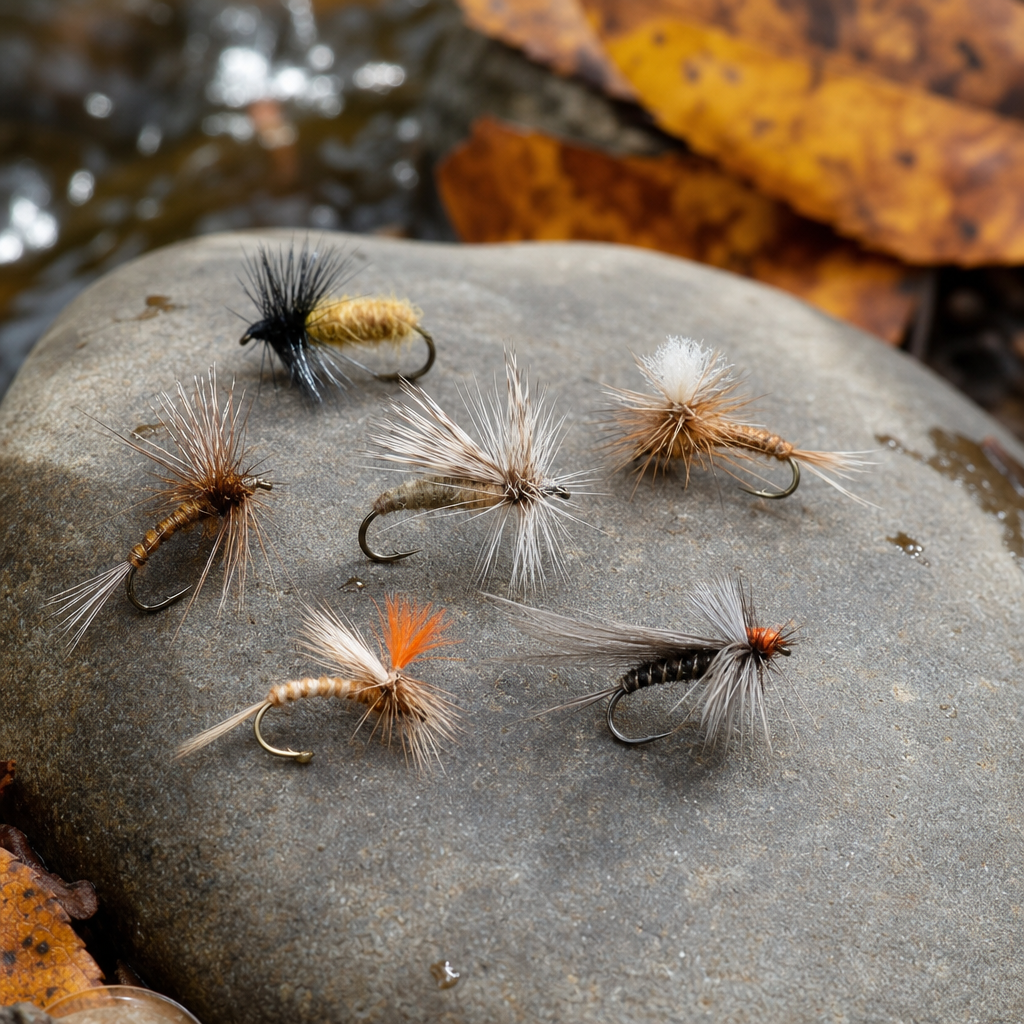
Dusk fly selection works best as a progression, not a single choice. Begin with the insects or forage likely to appear, then move from exact imitation toward profile-based patterns as detail becomes harder for fish and angler alike to inspect. Before the main event, I usually carry a searching dry such as an Elk Hair Caddis, Parachute Adams, or Comparadun in the sizes already present on the water. If fish begin taking emerging insects, a soft hackle, unweighted emerger, or CDC pattern often outfishes a high-floating dry because it sits in the film where vulnerable insects actually pause. After sunset, larger silhouettes like a caddis pupa, small deer-hair bug, or dark streamer can become the right answer.
| Light stage | Common food source | Best fly type | Presentation priority |
|---|---|---|---|
| Late evening light | Mayfly duns, terrestrials | Parachute dry, comparadun | Long drag-free drift |
| Sun touching horizon | Emergers, caddis adults | Soft hackle, CDC emerger, Elk Hair Caddis | Dead drift with occasional lift |
| After sunset glow | Spinners, caddis egg-layers | Spent spinner, low-riding caddis, pupa | Fine tippet and precise lane control |
| Near darkness | Baitfish, large pupae | Dark streamer, mouse, larger silhouette dry | Swing, strip, or wake pattern |
Color and size matter, but shape and behavior matter more as light falls. For mayflies, body profile and flush posture are critical. For caddis, motion often seals the deal. A skated or twitched caddis can trigger fish that ignore static dries, especially during egg-laying flights. In low light, dark flies frequently outproduce pale ones because they throw a stronger silhouette against the remaining sky glow, though that is not universal on flat spring creeks where fish still inspect closely. Carrying patterns in a few key sizes, with both high-floating and film-riding versions, solves most dusk problems more effectively than carrying every hatch chart pattern ever named.
Presentation, Tippet, and Hooking More Fish
Dusk rewards clean presentation, but the type of clean presentation changes during the window. In the brighter phase, trout may still demand long leaders, controlled slack, and exact lane matching. Reach casts, parachute casts, and stack mends are valuable because they buy drift time before conflicting currents grab the fly. As light fades, fish often become less leader shy yet more position sensitive. A slightly imperfect drift can still work if the fly passes naturally through the feeding lane. I often shorten my leader by a foot in the final phase, not because fish are careless, but because turnover improves and tracking the cast becomes easier. That small adjustment reduces tangles and helps place the fly first time in dim light.
Tippet choice should follow water type and fly behavior. For technical spinner falls on smooth glides, 5X to 7X may be necessary, with fluorocarbon useful below the film and nylon preferable for high-riding dries. In pocket water or caddis feeding, 4X or 5X is usually stronger and more practical. Hooking fish at dusk also requires discipline. Many rises sound dramatic, especially caddis eats, and anglers strike by sound instead of feel or sight. Wait for the line to come tight or for the fly to disappear with intent. On streamers, keep strips measured and maintain contact through the swing. In near-darkness, missed fish often trace back to slack management, not the fly itself.
Species-Specific Dusk Tactics
Trout are the headline species for dusk fly fishing, but their evening behavior differs by water and season. On freestone rivers in summer, expect fish to move into riffle edges and tailouts as caddis and mayflies emerge. On spring creeks, the evening window can become hyper-technical, especially during spinner falls, with trout feeding in inches of current difference. In tailwaters, stable temperatures may extend feeding well after sunset, and midge or tiny mayfly activity can dominate. Smallmouth bass often come alive at dusk around current breaks, boulder gardens, and bank shade, where poppers, deer-hair sliders, and baitfish streamers shine. Largemouth favor weed gaps and cover edges, particularly after hot days when surface bugs and frogs become active.
Panfish should not be overlooked. Bluegill and crappie can provide excellent evening action on small bugs, nymphs under indicators, and micro streamers around weed beds or docks. Carp also feed confidently in low light on flats, where a subtle damselfly nymph or small crayfish pattern can produce if presentations stay quiet. The key across species is not assuming dusk means the same tactic everywhere. Trout may require precise dead drifts while bass want movement and silhouette. A river with both trout and whitefish may reward an emerger in the film one day and a swung soft hackle the next. Matching species behavior to light level is what makes dusk strategy comprehensive rather than species-specific guesswork.
Seasonal and Weather Factors That Reshape the Window
Dusk is not a fixed clock time; it is a moving environmental condition. In summer, the window may be longer because insect activity builds gradually and water cools through the evening. In spring, changing flows and mixed hatches can create short but intense bursts. Fall often favors streamers and larger searching dries as light levels drop earlier and fish feed aggressively before winter. Winter dusk can still produce on tailwaters and spring creeks, but the activity is usually compressed and strongly tied to stable temperatures. Cloud cover extends effective low light earlier into the evening, while bright, calm conditions can delay feeding until the final minutes of legal light. Wind can either improve the bite by breaking the surface or ruin it by making drag control impossible.
Water clarity is another major filter. In slightly stained water, fish often feed earlier and with more confidence because they already feel concealed. In ultra-clear water, the best action may wait until the sun is fully off the surface. Moon phase is relevant too, particularly if you fish past sunset where regulations allow. A bright moon can increase visibility for the angler but sometimes spreads feeding activity over a longer period rather than concentrating it at dusk. Barometric pressure matters less than immediate cues such as temperature drop, breeze, and insect presence. I trust what I see on the water over any forecast icon. If bugs gather, swallows start working, and fish noses appear, the window is opening regardless of theory.
Safety, Planning, and Building a Repeatable Dusk System
Dusk fishing succeeds when planning removes avoidable mistakes. Arrive early enough to scout access, rig before the hatch, and identify your exit route in daylight. Use a wading staff on rivers with uneven bottoms, and carry a headlamp with a red-light mode for knot tying without blasting your night vision. Tell someone where you are if you will fish into darkness. Polarized glasses help while there is still surface glare, but once light drops too low, remove them so you can read rises and banks better. Organize fly boxes, floatant, tippet, and forceps in fixed pockets. I have watched many strong evenings unravel because an angler spent the key ten minutes searching for 5X or untangling a leader by flashlight.
To build consistency, keep notes after each session. Record sunset time, cloud cover, water temperature, hatch sequence, productive flies, and exactly when fish changed behavior. Patterns emerge quickly. You may learn that one tailout turns on ten minutes after direct sun leaves the trees, or that your local reservoir fish move shallow only when a light breeze hits the north bank. Those details create a personal dusk calendar more valuable than generic advice. The main benefit of mastering dusk is simple: you stop treating evening fishing as leftover time and start treating it as a prime window with its own rules. Apply these strategies on your next outing, stay observant through the light transition, and fish the final hour with purpose.
Frequently Asked Questions
Why is dusk often considered the best time for fly fishing?
Dusk is often one of the most productive windows in fly fishing because several important changes happen at once. As daylight fades, many aquatic insects become more active, especially mayflies, caddis, midges, and other evening hatch species. At the same time, fish that stayed deeper or held close to cover during bright afternoon light often move into shallower feeding lanes, riffles, banks, and flats. Reduced light gives trout, bass, and panfish a greater sense of security, so they tend to feed more confidently and more aggressively near the surface.
From a tactical standpoint, dusk creates a short but powerful overlap between insect emergence, surface feeding, and lower fish wariness. Trout may rise steadily in tailouts and seams, bass may slide tight to structure and ambush points, and panfish often begin cruising weed edges and calmer pockets. That combination can make the final hour of visible light feel dramatically more alive than the middle of the day. For anglers, success at dusk comes from recognizing that fish behavior is changing quickly. The most effective approach is usually to arrive before the window opens, observe the water carefully, and be ready to adapt from searching patterns to hatch-matching or surface presentations as activity increases.
What flies work best at dusk for trout, bass, and panfish?
The best flies at dusk depend on what fish are feeding on, but low-light conditions generally favor patterns that are visible, suggestive, and easy for fish to track. For trout, classic evening choices include elk hair caddis, parachute mayflies, comparaduns, spent-wing patterns, soft hackles, and emergers that sit in or just below the film. If fish are rising but refusing fully floating dries, a cripple, emerger, or lightly sunk wet fly is often the better answer because many fish feed on insects during emergence rather than after they fully hatch.
For bass, dusk is an excellent time to fish surface and near-surface patterns such as deer hair poppers, foam bugs, gurglers, baitfish sliders, and dark streamers. These patterns create a clear silhouette against the dim sky and can trigger reaction strikes along banks, laydowns, dock edges, and weed lines. Panfish also respond well to small poppers, foam spiders, soft hackles, and unweighted nymphs or wet flies twitched slowly near the surface.
Color matters at dusk, but not always in the way many anglers expect. Darker flies, including black, dark brown, olive, and deep purple, often stand out better in fading light because they create a stronger silhouette. That said, if a specific hatch is happening, size, profile, and presentation usually matter more than exact color. A practical dusk fly box should include a few visible dry flies, a range of emergers and soft hackles, and at least a couple of larger attractor or streamer options for when fish begin hunting more aggressively than selectively feeding.
How should I change my presentation and retrieve as daylight fades?
As dusk approaches, presentation becomes less about perfect daytime precision and more about matching fish mood, feeding lane, and visibility conditions. Early in the dusk period, when there is still enough light to see rises clearly, a natural drift remains critical for trout feeding on top. Long drag-free presentations across seams, tailouts, and foam lines can be very effective, especially when fish are keyed on emergers or adults trapped in the film. In this stage, subtle mends and careful positioning still matter a great deal.
As the light drops further, fish often become more willing to chase, and that opens the door to slightly more active presentations. Soft hackles can be swung across current, emergers can be lifted at the end of the drift, and streamers can be stripped with slower, deliberate pauses. For bass and panfish, dusk often rewards a slower retrieve than anglers assume. A popper that sits still after the initial disturbance or a gurgler that wakes steadily across the surface can outperform a fast, noisy retrieve. In low light, many fish locate prey by silhouette, movement, and vibration, so controlled motion frequently works better than speed.
The key is to let fish behavior guide the adjustment. If you see steady rises, stay precise and natural. If rises turn splashy or sporadic, or if fish begin pushing bait near cover, switch to something more mobile or more visible. Dusk is dynamic, and anglers who make small, timely changes in drift, depth, and retrieve usually catch more fish than those who keep fishing the same way from the last bright hour into darkness.
Where should I focus my casts during dusk to find more fish?
Dusk fish positioning is closely tied to safety, food availability, and efficient feeding lanes. For trout in rivers and streams, focus first on transition water: the heads and tails of pools, current seams, riffle edges, undercut banks, and softer lanes beside faster current. These are classic spots where drifting insects collect and where trout can feed efficiently with less exposure. In the final light, trout often move shallower than they would during the day, so water that looked too skinny or too exposed in full sun may suddenly become productive.
In lakes and ponds, look for shoreline shelves, weed edges, drop-offs near shallow flats, and areas with insect activity or cruising bait. Bass frequently slide toward structure at dusk, including fallen timber, docks, rock edges, and weed pockets. Panfish often gather near emergent vegetation, shaded banks, and calm edges where insects accumulate. In all waters, it pays to watch before casting. A few moments of observation can reveal rise forms, swirls, bait movement, or subtle dimples that tell you whether fish are feeding on top, just under the film, or along structure.
One of the smartest dusk strategies is to start broad and then narrow your focus. Begin with likely feeding zones, cover water efficiently, and then concentrate on the exact lane, edge, or pocket where activity appears. Because dusk is a short feeding window, location efficiency matters. Fish may only move into those prime spots for a brief period, so anglers who understand where low-light feeding lanes form have a major advantage.
What gear and safety considerations matter most when fly fishing at dusk?
Dusk fishing is productive, but it demands more preparation than a standard afternoon outing. Visibility drops quickly, and that affects everything from knot tying and fly changes to wading safety and navigation back to the car. A simple, efficient setup is usually best. Use a leader and tippet combination you trust, carry flies in an organized box, and rig before the best light begins to fade. If you expect an evening hatch, have your likely patterns ready in advance so you are not fumbling through gear during the prime window.
From a tackle perspective, consider flies that are easier for you to track in low light, such as patterns with a visible post or foam indicator wing. For streamer or bass fishing, a slightly shorter, more controlled casting setup can help when sight lines are limited. A headlamp is essential, but use it carefully around the water. Bright white light can reduce your night vision and may disturb the immediate area, so many anglers prefer a red-light mode for basic tasks. Just as important, tell someone where you are fishing, know your exit route before darkness sets in, and be realistic about footing if you are wading slick rocks, crossing current, or moving along steep banks.
Bug protection, layered clothing, and weather awareness also matter more than many anglers expect in the evening. Temperatures can drop quickly, insects can become intense, and fog or wind shifts can change conditions in minutes. The most successful dusk anglers combine fishing skill with discipline: they arrive early, organize gear ahead of time, stay aware of changing light and water conditions, and leave themselves enough margin to get out safely after the best action ends.