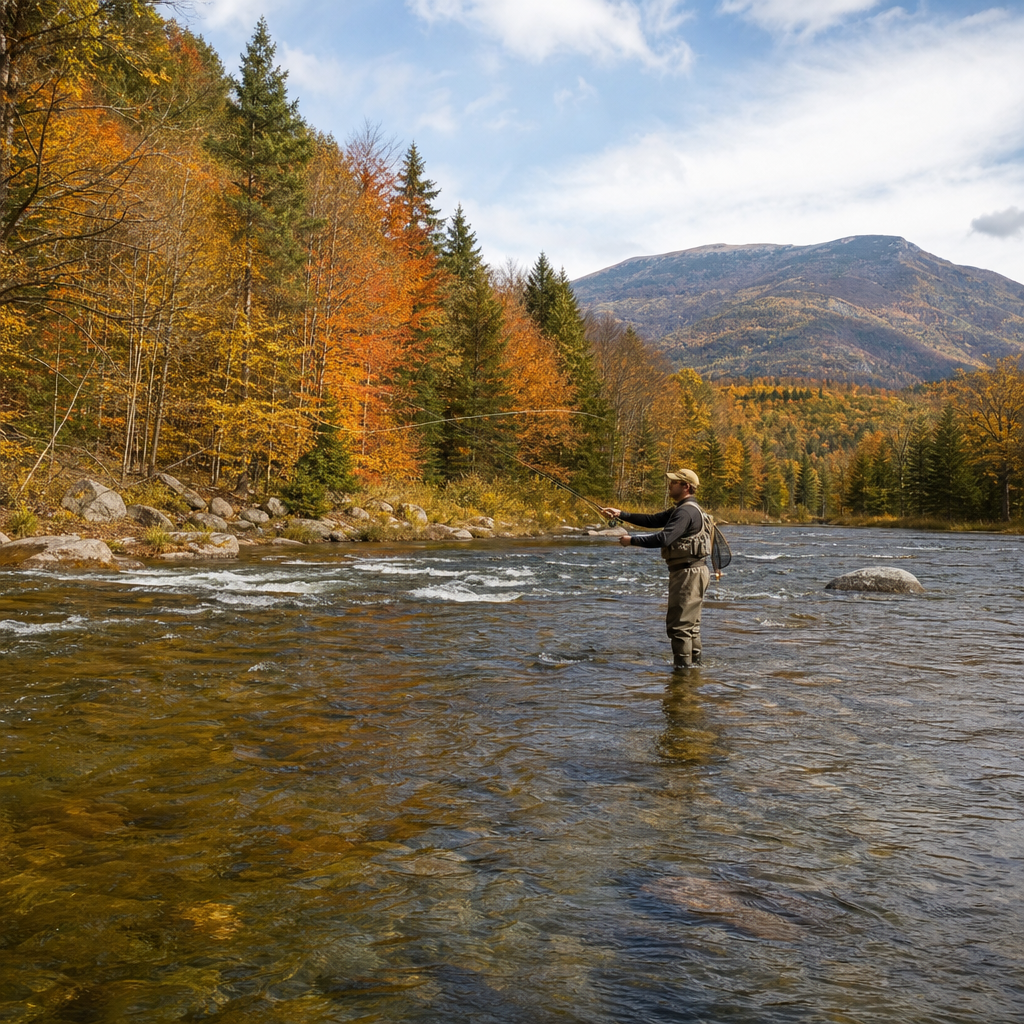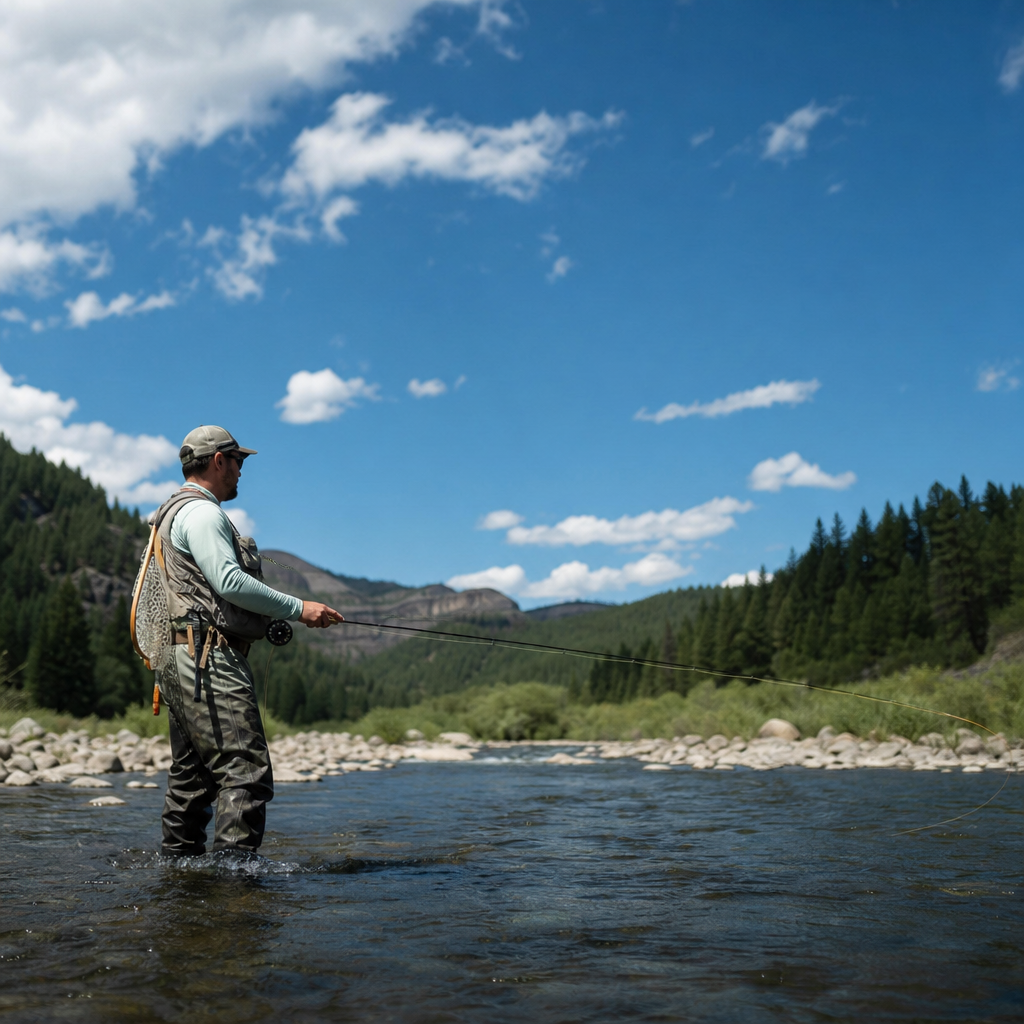
Fly fishing at midday is often treated as a dead zone, yet bright light does not shut trout down so much as change where they hold, what they see, and how precisely you must fish. In practical terms, midday usually means the high-sun window from late morning through midafternoon, when overhead light is strongest, shadows shorten, water temperatures may peak, and surface activity often tapers. For anglers building a complete understanding of time of day on the water, this period matters because it sits between the confidence of morning and evening and exposes the core mechanics of fish behavior. If you can adapt to bright light, you become more versatile in every season and condition.
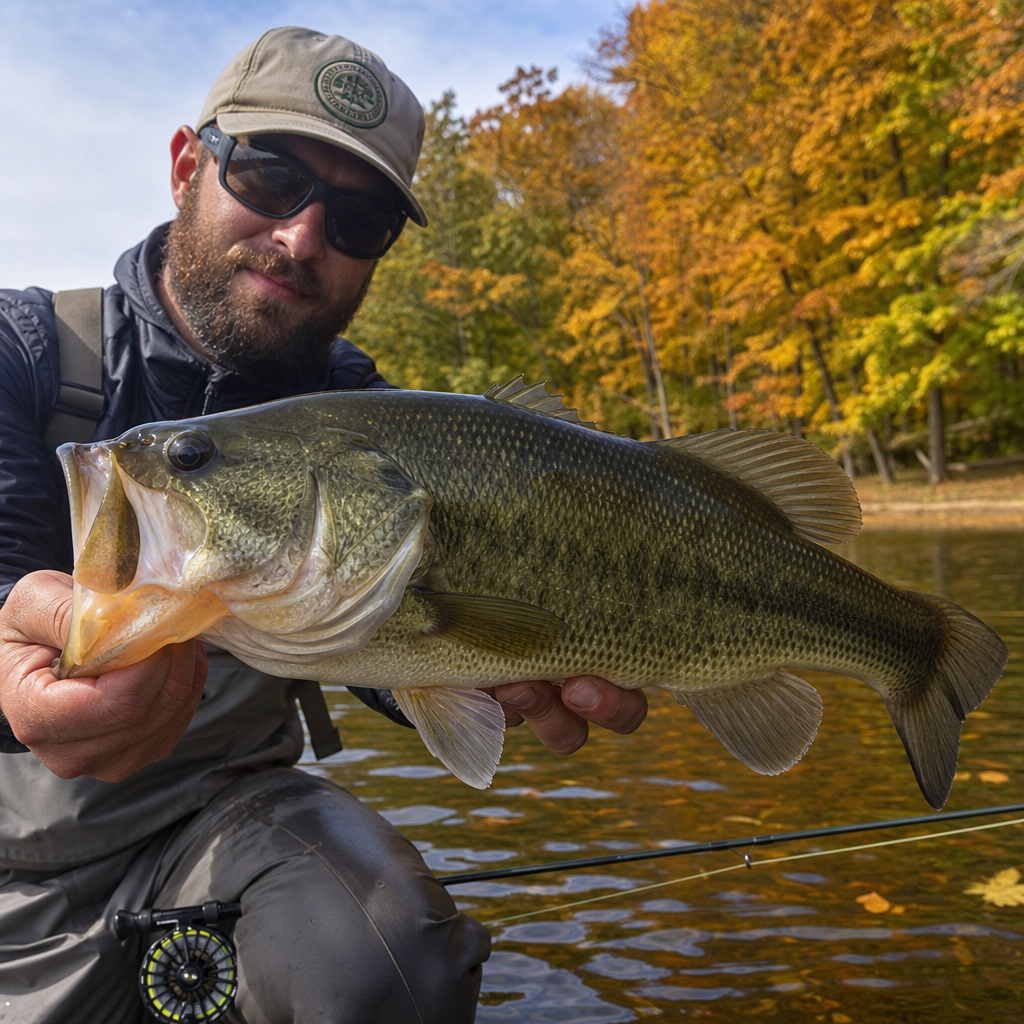
Bright light alters the river in predictable ways. It increases visibility for fish and angler alike, sharpens contrast along banks and structure, pushes many trout toward depth, cover, broken current, or oxygen-rich water, and often narrows feeding windows to the most efficient opportunities. On spring creeks and clear tailwaters, midday can make fish exceptionally selective. On freestone streams with pocket water, the same sun may actually help by illuminating seams and concentrating trout in shaded slots. On lakes, overhead light frequently drives fish off flats and toward drop-offs, weed edges, docks, or shoals with wind chop. These patterns repeat often enough that midday deserves its own strategy rather than a resigned lunch break.
Time of day is a hub topic because it connects directly to hatch timing, water temperature, seasonal metabolism, insect behavior, safety, and presentation style. Midday in May on a cold tailwater is not the same as midday in August on a low freestone river. I have had winter days when noon was the only productive period because the sun bumped water temperature up two degrees and triggered midge activity. I have also stepped away from summer trout water at one o’clock because temperatures crossed safe thresholds. Understanding midday means reading light, temperature, oxygen, cover, and food, then choosing the right flies and tactics for those exact conditions.
How Bright Light Changes Fish Position and Feeding
The first question most anglers ask is simple: where do fish go when the sun is high? In clear water, trout commonly slide from obvious lies into protection. That protection can be depth, undercut banks, overhanging grass, submerged timber, bridge shade, boulders with a dark cushion beneath them, or heavy riffles that break the surface and distort visibility from above. Fish are not necessarily refusing food; they are minimizing risk while staying close to energy-efficient current lanes. On many rivers, the best midday lies are only a rod length away from the early-morning lies, but they are tighter to cover and less forgiving of poor drifts.
Light intensity also changes feeding style. Under bright conditions, trout often inspect flies longer. Insects become easier to see, leaders become easier to see, and unnatural drag stands out. This is why anglers who fish the same run with the same cast they used at dawn often conclude there are no fish there at noon. There may be fish, but they are set deeper and evaluating every pass. In contrast, broken water gives you an advantage because the surface texture reduces the fish’s view. If you need one midday rule that applies almost everywhere, it is this: seek complexity. Complex current, mixed depth, shadow lines, and structure all reduce the penalty for imperfect presentation.
Food availability still drives activity. Midday can be excellent when it aligns with a hatch such as pale morning duns on some rivers, caddis egg-laying later in the day, terrestrials falling from grassy banks, or damselflies and hoppers on stillwater. Nymphing remains especially reliable because subsurface insects drift all day, and fish conserving energy in deeper lanes still eat. Streamers can also produce at noon, but usually with a more targeted approach: short casts, sink control, and precise angles through shaded structure rather than broad searching retrieves through featureless pools.
Reading Midday Water: Shade, Depth, and Oxygen
Midday success starts with identifying the best categories of water before you make a cast. Shade is the obvious one, but not all shade is equal. Bank shade from trees or canyon walls can hold fish for hours because it remains stable and often coincides with root structure or undercut edges. Temporary shade from passing clouds helps, yet it is fleeting and should be treated as a short feeding opportunity rather than a fixed holding area. Bridge abutments, logjams, dock shadows, and cliff faces are classic bright-light magnets because they combine darkness with current breaks and security.
Depth matters because every extra foot reduces light penetration and often lowers perceived exposure to predators. On rivers, deep slots at the head or tail of pools, trench-like seams, and buckets below ledges become prime lies. On lakes, trout and bass often leave shallow shelves and suspend along contour changes. Polarized glasses help you see structure, but remember that fish can see you too. I approach bright banks from downstream when possible, keep a low profile, and avoid skylining myself on open gravel bars. Midday stealth is not romantic advice; it is often the deciding factor.
Oxygen is the third part of the equation, especially in summer. As water warms, dissolved oxygen declines, and trout favor riffles, inflows, spring seeps, and turbulent pocket water where oxygen is replenished. The U.S. Geological Survey and state fisheries agencies routinely note that trout stress rises as water temperatures move into the upper sixties Fahrenheit, with many anglers using 68 degrees as a practical caution point and 70 degrees as a common stop-fishing threshold for trout. Midday is when those limits are most likely to be approached, so carrying a stream thermometer is responsible, not optional.
| Midday condition | Where fish commonly hold | Best tactic |
|---|---|---|
| Clear river, bright sun | Deep seams, undercut banks, boulder shade | Long leader, fine tippet, drag-free nymph or dry-dropper |
| Pocket water | Foam lines, plunge pools, short shaded slots | High-stick nymphing with short drifts |
| Warm summer river | Riffles, tributary mouths, oxygenated runs | Fish early or stop when temperatures become unsafe |
| Lake with calm surface | Drop-offs, weed edges, dock shade | Sinking line or indicator rig at measured depth |
| Windy lake at noon | Wind lanes, chop-covered banks, shoals | Cast terrestrials, leeches, or baitfish patterns into broken surface |
Fly Selection for Midday Conditions
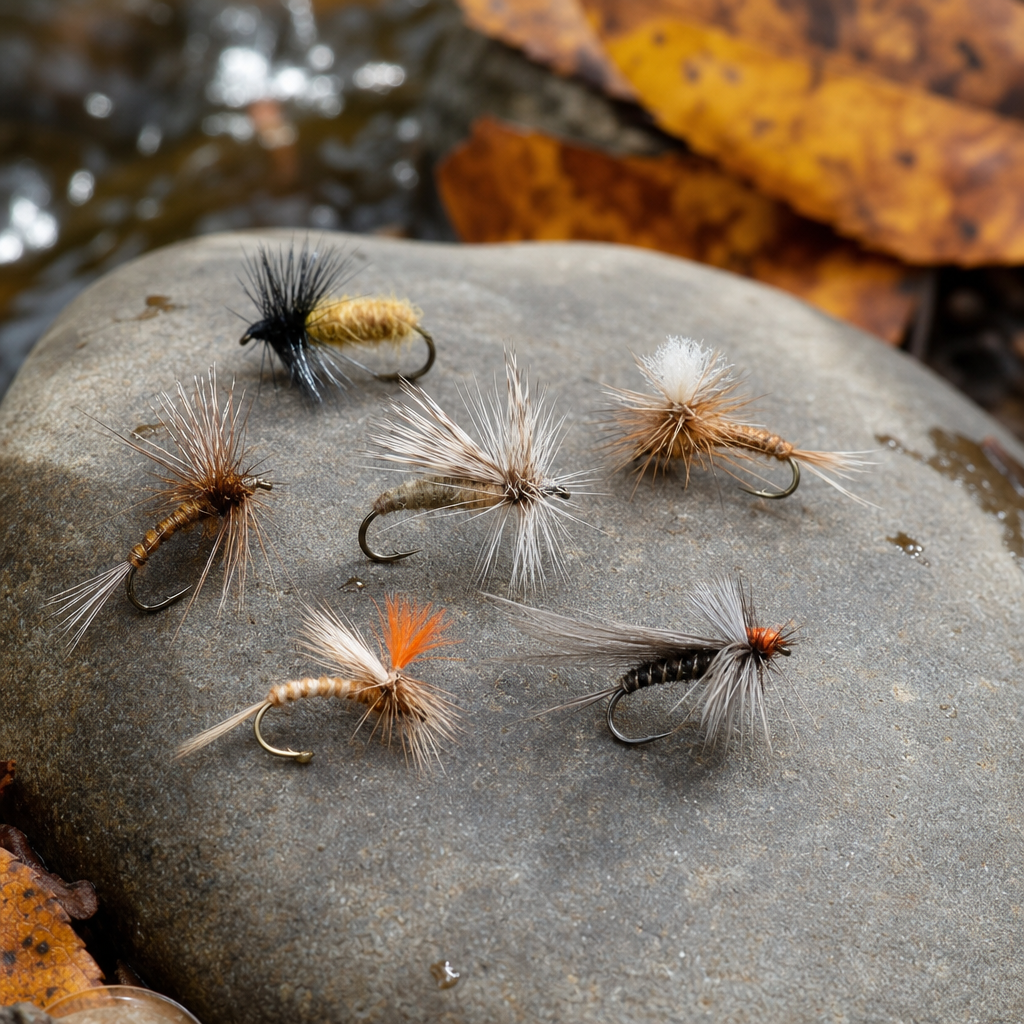
The best midday fly selection is usually narrower and more disciplined than a dawn assortment. Start by matching the water type and available food, then scale size and flash to visibility. On clear rivers, I rely heavily on slim nymphs such as Pheasant Tails, Perdigons, Zebra Midges, Hare’s Ears, and small caddis larvae, often in sizes 14 through 20. These patterns cover mayflies, midges, and general subsurface food without overcomplicating the choice. When fish hold tight to the bottom in bright conditions, tungsten beads matter because getting the fly into the feeding lane quickly is more important than carrying five nearly identical patterns.
Dry-fly opportunities still happen at midday, but they tend to reward observation over optimism. Look for spinner falls, PMDs, tricos on some tailwaters, caddis in riffled sections, and terrestrials along grassy or brushy banks. Ants, beetles, and hoppers are underrated bright-light flies because they arrive on the water in isolated, believable events. Fish conditioned to inspect every drift often trust a single terrestrial more readily than a parade of drag-prone mayfly imitations. In late summer, a black foam ant twitched under an overhang can outfish technical dries on rivers where hatch charts suggest otherwise.
For streamers, think compact and intentional. In full sun, many predatory fish tuck against hard cover. Weighted sculpins, small baitfish patterns, and leeches fished near logs, cutbanks, or drop-offs excel because they enter the fish’s strike zone before being rejected. Bright light often favors natural colors in clear water and darker silhouettes in shade. If you fish stillwater at noon, chironomid rigs under an indicator remain a standard for a reason: they suspend food at an exact depth, which is critical when trout slide just off the bottom or hover over structure in stable light.
Presentation Adjustments That Matter Most
Midday fishing rewards mechanical precision. The first adjustment is leader design. In clear, bright water, longer leaders and finer tippets generally improve results because they separate the fly from the fly line and reduce micro-drag. That does not mean using fragile tippet everywhere. In pocket water or around wood, stronger tippet may be necessary to turn fish quickly and avoid break-offs. The point is deliberate balance. On spring creeks I may fish 12- to 15-foot leaders ending in 5X or 6X; on rough freestone pockets I often shorten up and focus on immediate drift control.
The second adjustment is angle. Casting from directly below a fish often hides you better and allows a cleaner dead drift. Across-and-down presentations can work with wets and soft hackles in broken water, especially when caddis or emergers are active, but in calm slicks the sun magnifies any unnatural swing. Reach casts, tuck casts, slack-line presentations, and aerial mends are not advanced flourishes at noon; they are practical tools for getting one convincing drift. If fish are holding under shade edges, place the fly so it enters the dark water first rather than lining the fish with the leader.
The third adjustment is drift length. Many anglers overfish a run at midday, repeatedly throwing long casts through water where trout only have a two-foot feeding lane. Short, exact drifts are often superior. Euro nymphing, tight-line nymphing, and high-stick methods shine here because they maintain contact, reduce drag, and let you probe fast slots one seam at a time. On lakes, presentation means depth control and cadence. Count down a sinking line, note the take depth, then repeat. Midday fish frequently reward consistency more than experimentation.
Seasonal Midday Strategies and Time-of-Day Connections
Midday does not exist in isolation; it behaves differently across the calendar and should anchor your broader time-of-day plan. In winter, noon can be prime because the warmest water and strongest insect activity often occur then. Midges and small mayflies may hatch during the brightest part of the day, and trout become more willing to move a short distance for food. In spring, midday often overlaps with major mayfly hatches and rising water temperatures, making it a transition period from subsurface to mixed dry-fly and nymph tactics. During runoff, bright light may matter less than clarity, speed, and safe access.
Summer is where midday becomes most conditional. On cool tailwaters, high-elevation streams, and windy lakes, noon can still fish well, especially with terrestrials or deep nymphs. On low, warm trout streams, midday may be the time to stop, protect the resource, and return at dusk. That is not defeat; it is sound fish handling ethics. Fall often revives midday opportunity because temperatures moderate and fish feed more consistently across daylight hours. Browns may use structure aggressively, and lower-angle autumn light softens the visibility issues that make midsummer noon difficult.
As the hub page for time of day, midday should be viewed as the technical center of the daily cycle. Morning often offers lower light and cooler water; evening often brings stronger surface activity; night introduces a different predator-prey dynamic altogether. Mastering noon improves all of them because it teaches you to find protective lies, monitor temperature, refine drifts, and fish the exact water most others walk past. Use that perspective to connect your planning: choose access that reaches shaded runs by late morning, carry patterns for both subsurface and terrestrial food, and set a temperature-based cutoff before the day begins.
Common Mistakes and a Practical Midday Plan
The biggest midday mistake is fishing the wrong water out of habit. Anglers keep casting to broad, shallow flats because they looked good at dawn, even though the productive fish have shifted to depth and cover. The second mistake is poor stealth: bright shirts, fast wading, false casting over the target, and standing high on the bank. The third is refusing to change methods. If the dry fly is not drawing looks, switch to a two-fly nymph rig, add weight, shorten the drift, or move to a shaded riffle. Midday punishes stubbornness more quickly than almost any other window.
A practical plan is straightforward. First, check water temperature and light conditions. Second, identify three categories of target water: shade, depth, and broken current. Third, begin with a confidence subsurface rig and fish short, controlled drifts through the best lies. Fourth, stay alert for hatch clues or terrestrial opportunities and pivot when you see real evidence. Fifth, reassess every hour because midday changes quickly, especially when wind arrives, clouds build, or temperatures spike. Keep notes. Some of my most reliable noon spots became obvious only after recording exact temperatures, sun angle, and insect activity across multiple trips.
Fly fishing at midday rewards anglers who replace assumptions with observation. Bright light changes fish behavior, but it does not end feeding; it concentrates it into specific water, narrower lanes, and more exacting presentations. Focus on security cover, oxygen, and depth. Use flies that match available food and get down efficiently. Fish with stealth, control your drift, and let temperature guide both tactics and ethics. As you build your time-of-day system, treat midday as a skill-building window rather than a gap between better hours. The payoff is simple: more fish caught under tough conditions and better judgment every time you step into the water. Take these principles to your next bright day and fish the water others ignore.
Frequently Asked Questions
Is fly fishing at midday really a bad time, or do trout simply behave differently in bright light?
Midday is not automatically a “dead” period for fly fishing. More often, it is a period that exposes weak positioning, sloppy presentations, and a poor read on where trout relocate when the sun is high. Bright overhead light changes fish behavior in practical ways. Trout tend to become more selective because they can inspect a fly more clearly, and they often shift from obvious morning feeding lanes into places that offer security, softer current, oxygen, and shade. That can mean deeper seams, the edges of faster runs, undercut banks, the broken surface of riffles, current tongues entering pools, boulders that create overhead distortion, and any structure that breaks direct light.
Surface feeding frequently drops during the high-sun window, but that does not mean feeding stops. It often means trout switch to subsurface food, shorten their feeding windows, or feed in smaller, less visible ways. Insect activity may become less dramatic on top, yet nymphs, emergers, terrestrials, and small baitfish can still produce. Midday success usually comes from understanding that trout become more efficient and less reckless. They want calories without unnecessary exposure. If you adapt by targeting protective lies, lengthening or refining your leader, managing drag more carefully, and thinking more in terms of depth and precision than visible rises, midday can be highly productive. For many anglers, the issue is not that trout stop feeding at noon; it is that the fish stop advertising where and how they are feeding.
Where should I look for trout during the high-sun window from late morning through midafternoon?
Under bright light, start by looking for places that combine cover, current efficiency, and access to food. Trout still need to eat, but in midday they often prefer lies that reduce their visibility to predators and soften the visual pressure of direct overhead sun. Productive midday areas include riffles with a broken surface, pocket water, cutbanks, submerged wood, deeper runs with a defined seam, plunge pools, ledges, slots beside large rocks, and the shaded edges created by overhanging vegetation or canyon walls. Faster water can be especially important because surface chop distorts what trout see from above and allows them to hold with more confidence than they might in a slick, exposed flat.
Do not overlook transition water. The head of a pool, the trough along a gravel bar, the bucket below a short drop, and the inside edge of a heavy current seam can all concentrate midday fish. In freestone streams, trout commonly tuck tighter to structure or move slightly deeper than they do during lower-light periods. In tailwaters and spring creeks, the shift may be subtler, but even there trout often favor weeds, depth changes, and lanes that provide both oxygen and overhead distortion. If water temperatures are climbing, focus even more on oxygen-rich water such as riffles, inflows, and broken current. Reading midday water well is less about finding dramatic feeding signs and more about identifying the positions where a trout can remain concealed, comfortable, and close to a steady food conveyor.
What fly patterns and presentations work best when the sun is bright and trout can inspect everything?
Bright conditions reward realism, control, and depth. If surface activity is limited, nymphs are usually the most consistent option, especially slim mayfly nymphs, caddis larvae and pupae, midge patterns, and small attractor nymphs sized to the river’s food base. In many waters, a two-fly setup can be effective: one fly to get down and one more natural, smaller offering as the likely take fly. Depending on the fishery, midday can also be an excellent time for terrestrials such as ants, beetles, and hoppers, particularly near grassy banks, under overhanging brush, and during warm weather when land insects are active. If fish are opportunistic and holding near structure, small streamers can also work, especially when swung or stripped through shade lines, pocket water, or deeper ambush lanes.
Presentation matters at least as much as pattern choice. High light gives trout more time and visibility to judge your drift, so drag-free drifts become critical. Use enough weight to reach the feeding level quickly, but avoid overloading the rig so much that it behaves unnaturally. In clear water, longer leaders, finer tippet, and careful casting angles often help. Reach casts, stack mends, and line control techniques that buy a few extra feet of natural drift can make a major difference. If you are fishing dry flies, downsize when fish refuse confidently, and think in terms of isolated opportunities rather than expecting blanket surface feeding. Midday often punishes generic casting and rewards exact drifts placed where a trout can feed without moving far. In other words, fish the right depth, in the right lane, with as little micro-drag and flash as possible.
How does bright light affect stealth, approach, and casting accuracy when fly fishing at midday?
Midday is one of the clearest reminders that trout are not just responding to flies; they are also responding to you. With the sun high, shadows shorten, glare intensifies in some directions, and fish may have an excellent view of movement along the bank or in shallow approaches. That means stealth becomes more important, not less. Move slowly, stay low when necessary, and avoid skyline exposure on open banks. Before stepping into the water, study the run and decide whether wading is truly needed. In many cases, the first fishable water closest to you is also the easiest to ruin if you enter carelessly. Wading only as much as needed preserves natural holding water and prevents pressure waves, sediment clouds, and line splash from alerting fish.
Casting accuracy also matters more because midday trout frequently hold in tighter, smaller windows: the dark slot beside a rock, the one-foot seam under a cutbank, the shaded lip at the head of a pool. You may get fewer chances, but those chances can be high quality if your fly lands in the exact feeding lane. False casting over fish is risky in bright light, so shorten the process and make purposeful deliveries. Polarized glasses help you read depth, bottom contrast, and subtle structure, though fish themselves may still be hard to see. Try approaching from angles that keep glare manageable and reduce the odds that your line crosses directly over the holding lie. In midday, success often comes from combining restraint with intent: less unnecessary movement, fewer wasted casts, and much more attention to where the fish can actually see danger.
What role do water temperature and fish safety play in midday fly fishing decisions?
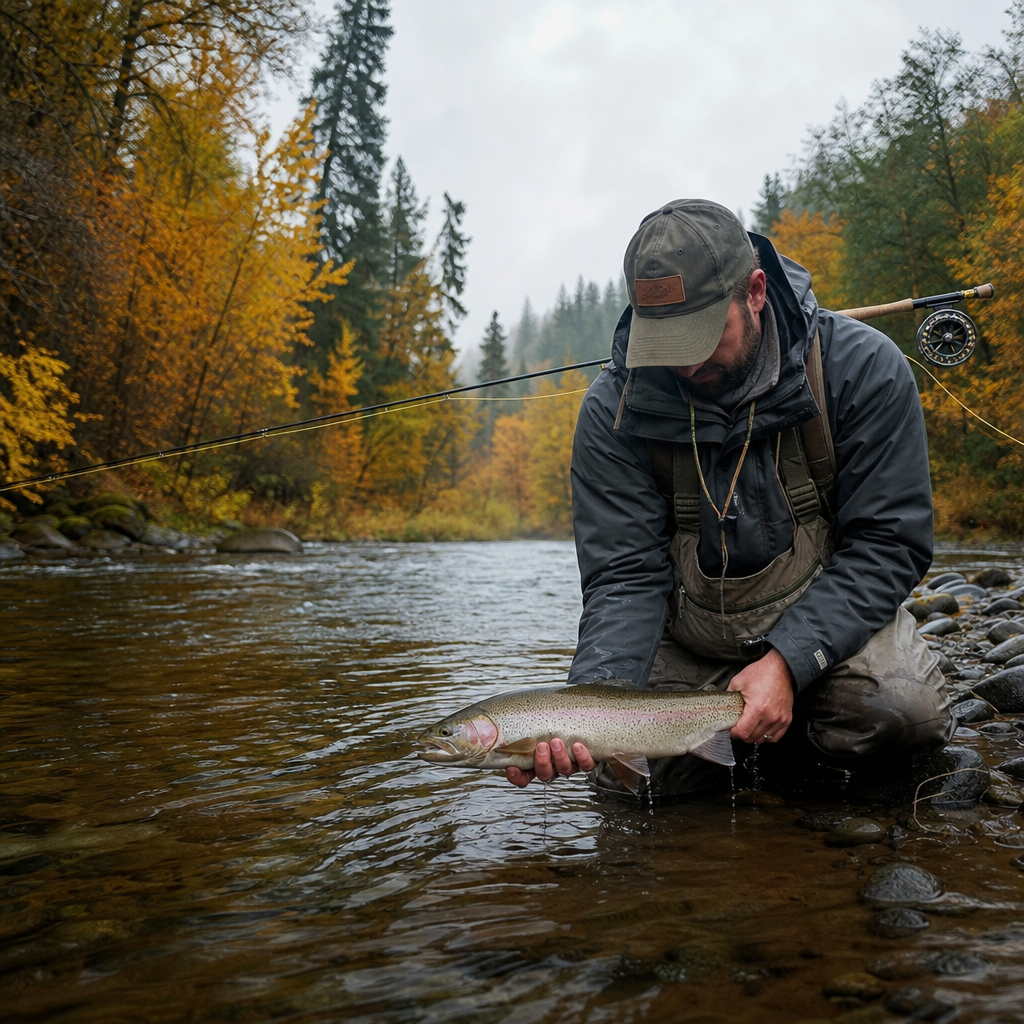
Water temperature is one of the most important midday variables because the high-sun period often overlaps with the warmest part of the day, especially in summer and on smaller rivers. Bright light alone does not necessarily make trout unwilling to feed, but rising temperatures can reduce dissolved oxygen, increase fish stress, and shrink the range of comfortable holding water. In those conditions, trout may concentrate in cooler, faster, more oxygenated areas such as riffles, spring inputs, deeper channels, and shaded runs. If the river is approaching stressful temperatures for trout, the ethical decision may be to stop fishing altogether, even if you can still occasionally get a take. Landing and handling fish in warm water can have delayed mortality consequences that are easy to underestimate.
As a practical rule, anglers should monitor local conditions rather than relying only on the clock. Midday in one season or one river may be excellent, while midday on another stream during a heat wave may be a poor and potentially harmful choice. Carry a thermometer if warm-weather trout fishing is part of your season. If temperatures are climbing into a stressful range for the species you are targeting, fish early, shorten fights, keep fish in the water, and consider switching to a coldwater refuge fishery only where regulations and local conservation practices allow it. The broader point is that adapting to bright light is not just about catching more trout. It is also about understanding how sunlight, depth, oxygen, and temperature combine to shape trout behavior. The best midday anglers are not simply more patient; they are more observant, more precise, and more willing to let the fish and the conditions dictate the plan.