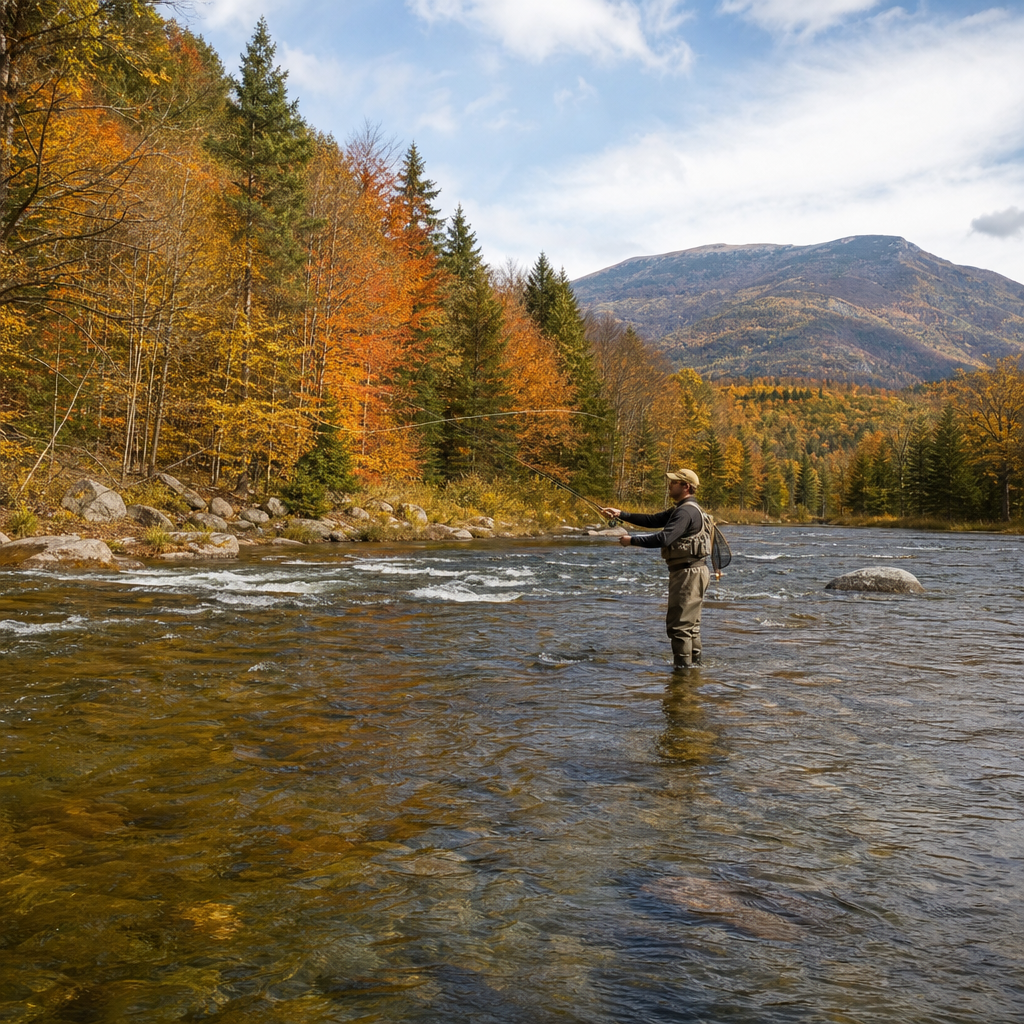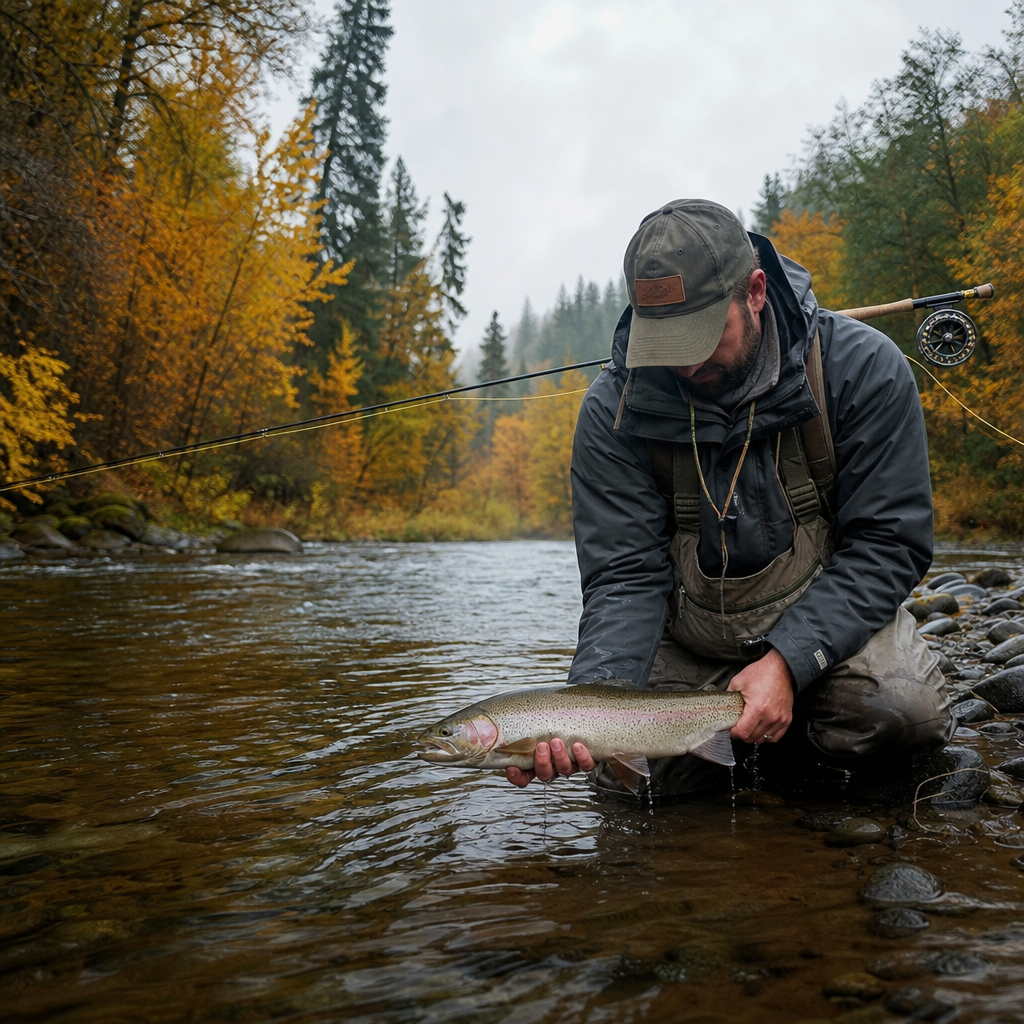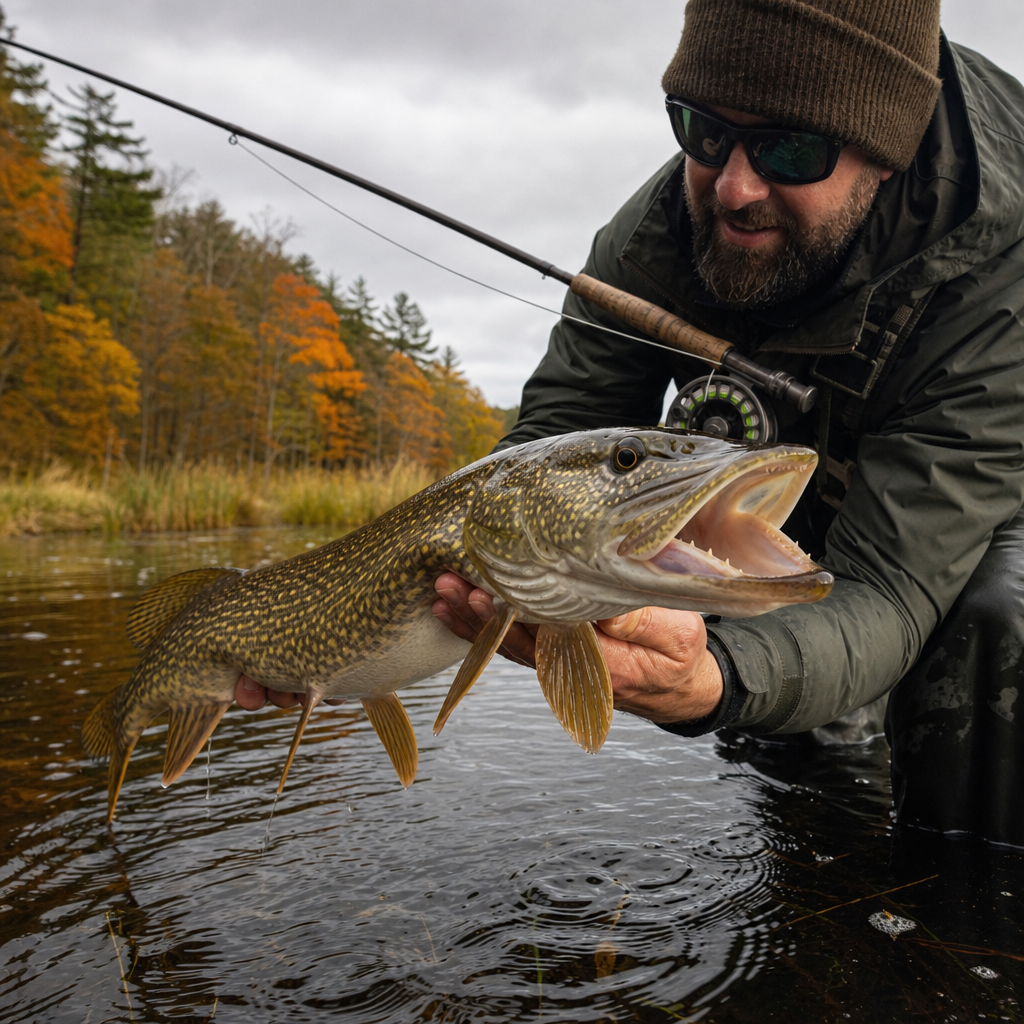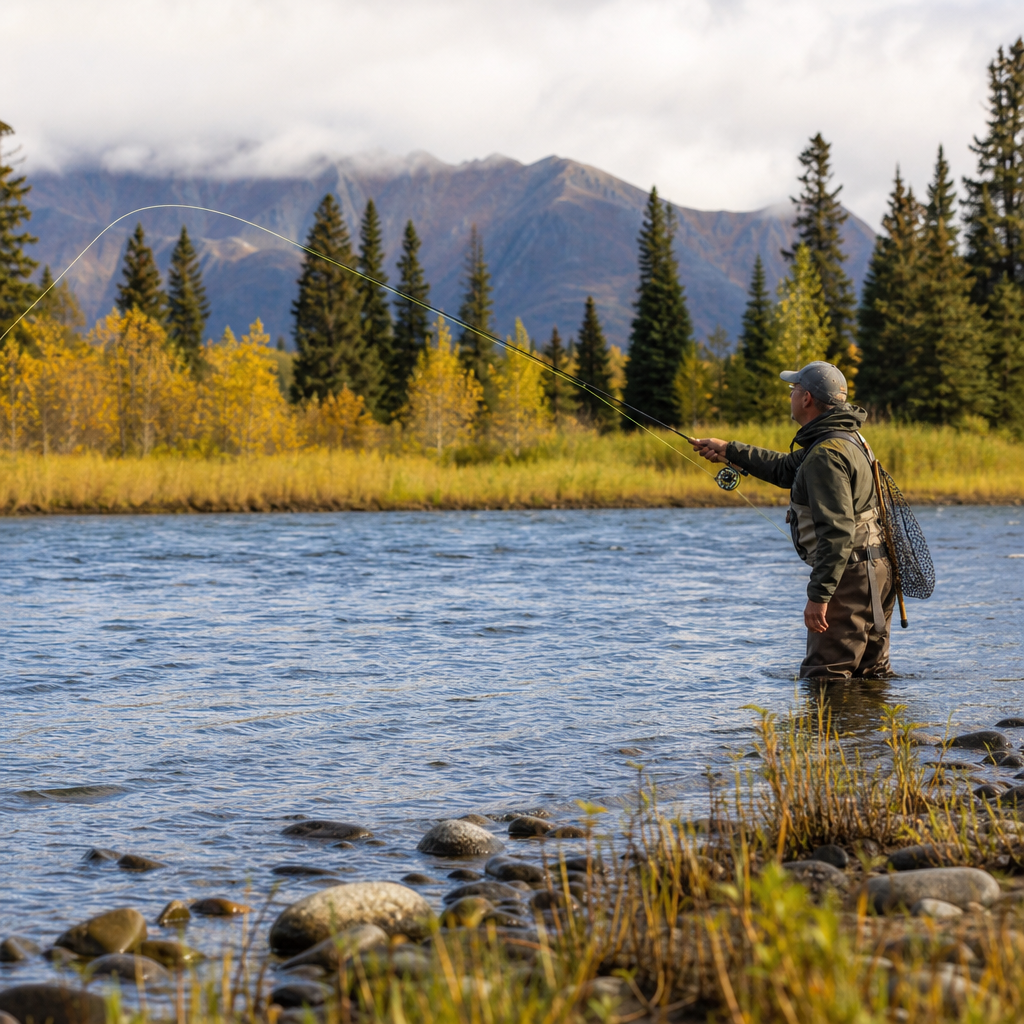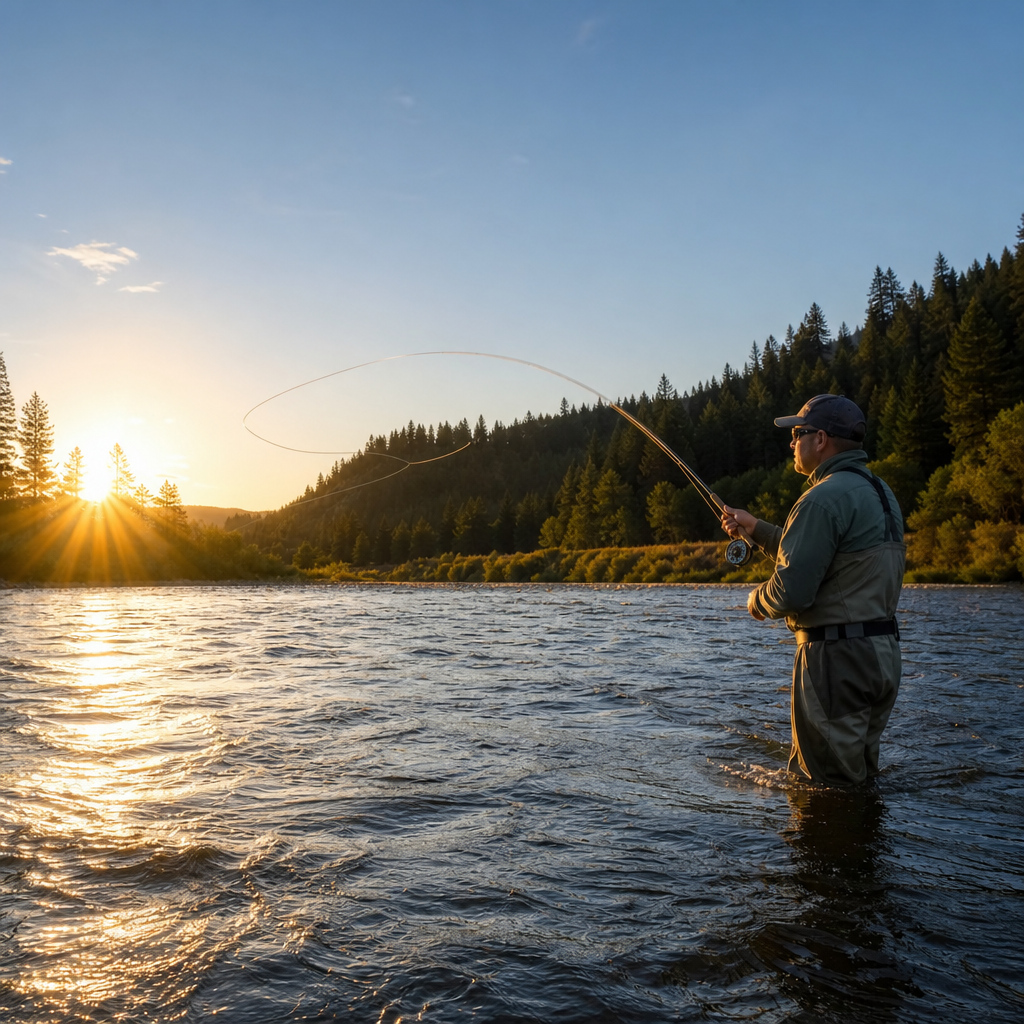
Fly fishing in the afternoon demands a different mindset than the low-light confidence of dawn, because light intensity, water temperature, insect activity, and fish positioning all shift as the day develops. In practical terms, afternoon fly fishing usually means the period from late morning through the final hours before dusk, when sun angle is higher, shadows shorten, and trout, bass, and panfish respond more selectively to food, cover, and current. As someone who has spent many summer and shoulder-season days salvaging slow mornings by adjusting depth, fly size, and presentation after noon, I can say the afternoon is not a dead zone. It is a puzzle with clearer rules.
For anglers exploring time of day on the water, afternoon conditions matter because they often expose the strongest contrast between easy assumptions and actual fish behavior. Many anglers believe fish simply stop feeding once the sun rises overhead. That is incomplete. Fish still feed in the afternoon, but they often feed differently. On freestone trout rivers, they may slide tight to undercut banks, plunge pools, or oxygenated riffles. On tailwaters, stable flows can create reliable midge, caddis, or Blue-Winged Olive activity well past lunch. On warmwater lakes, bass may suspend near weed edges, then turn aggressive when wind pushes bait into shorelines. Understanding these patterns turns unproductive casting into deliberate strategy.
This article serves as a hub for the time-of-day side of seasonal and conditional fly fishing. The key terms are straightforward. Presentation means how the fly moves and lands relative to the fish. Drift refers to a drag-free natural movement in current. Water column describes whether fish are feeding on the surface, in mid-depth, or near the bottom. Structure includes rocks, logs, weed beds, cutbanks, and drop-offs that create shade, ambush cover, or softer current. When you know how afternoon light changes each of those variables, you make better choices with leader length, fly selection, line type, and wading position. That is why afternoon fly fishing deserves its own focused playbook.
How Afternoon Conditions Change Fish Behavior
The most important afternoon variable is temperature. In rivers and streams, a few degrees of warming can accelerate insect metabolism, increase fish movement in moderate seasons, or stress coldwater species during summer. Trout are especially sensitive. Once water temperatures push into the upper 60s Fahrenheit, feeding windows can shrink and fish often seek faster, oxygen-rich currents, deeper slots, spring seeps, or shaded banks. In contrast, during cool spring afternoons, warming water can improve activity significantly, especially after cold nights suppress early hatches. The takeaway is simple: afternoon fishing improves when temperature moves fish toward comfort, and worsens when temperature pushes them beyond it.
Light penetration is the second major factor. Bright overhead sun reduces the margin for sloppy presentations because fish see more, and because many baitfish and aquatic insects become easier to inspect. On clear water, trout often move off open flats and into broken current where surface glare and turbulence give them security. I routinely start my afternoon approach by scanning for three things before I tie on a fly: shaded seams, depth transitions, and visible food sources. If none of those exist in a run, I move. Cover matters more after noon than in the first hour of daylight because fish need concealment without giving up access to food.
Afternoon wind also changes the game, especially on lakes and broad rivers. A slight chop can make fish less wary, mask leader flash, and concentrate terrestrials and emergers along banks. On stillwaters, a windy afternoon frequently outperforms a calm one because wave action dislodges damselfly nymphs, scuds, and chironomids, while also pinning food against structure. The same principle helps on meadow streams where gusts knock ants, beetles, and hoppers into the water. Rather than treating wind as a nuisance, experienced anglers use it as a conveyor belt that redistributes food and opens productive lanes near shore, grass edges, and current seams.
Best Afternoon Water to Target
When the sun is high, not all water is equal. Productive afternoon water usually offers one or more of four advantages: oxygen, depth, broken surface, or shade. On freestone rivers, pocket water is a classic answer because boulders break current, create micro-shade, and let trout hold inches from fast food lanes. Deep riffles are another overlooked option. They appear too shallow at first glance, yet their turbulence protects fish from both predators and excessive scrutiny. If I have to choose between a smooth knee-deep glide and a choppy waist-deep riffle at 2 p.m., I will usually fish the riffle first.
Undercut banks and overhanging vegetation are prime real estate in the afternoon, particularly where terrestrial insects are present. Brown trout, smallmouth bass, and even larger bluegill will tuck tight to those edges, often within a rod length of shore. Good anglers miss these fish by casting too far. A short, accurate delivery that lands parallel to the bank often beats a hero cast into mid-river. On meadow creeks and driftless streams, this becomes a precision game. Long leaders, slack presentation, and sidearm casts under grass can produce fish in water that looks too obvious to hold them during bright conditions.
On tailwaters, afternoon target water is more technical. Because dam releases moderate temperature swings, fish may stay in standard feeding lanes longer than they would on a summer freestone. That said, generation schedules, crowd pressure, and insect timing still matter. Focus on seams below riffles, foam lines, transition shelves, and softer edges adjacent to heavy current. Midges can hatch all day, and caddis may pulse in waves rather than explode in one dramatic event. If fish are refusing dries, the answer is often not to leave but to shift to a pupa, emerger, or small nymph suspended just under the surface film.
Afternoon Fly Selection and Presentation
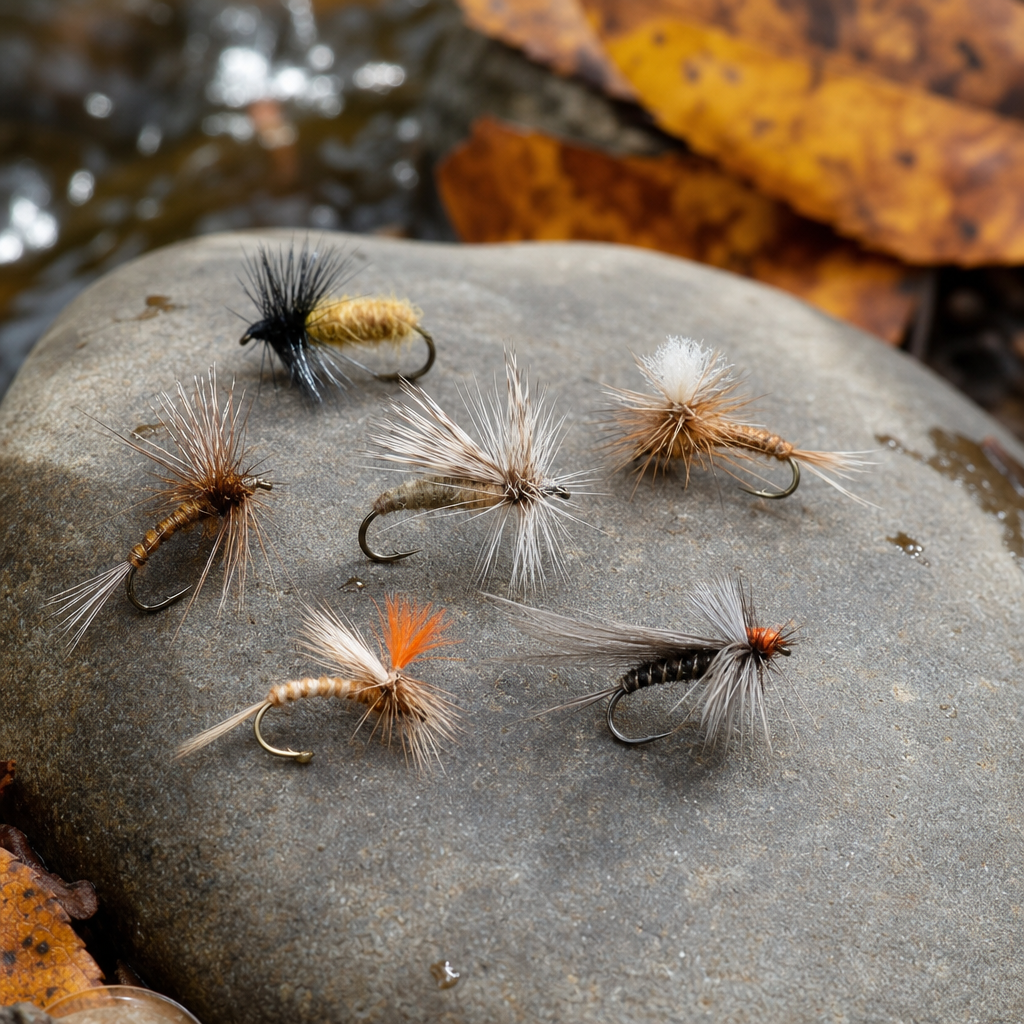
The best afternoon flies match how available food changes under stronger light and warming water. In trout streams, that usually means carrying three reliable categories: nymphs, terrestrials, and emergers. Nymphs remain the foundation because many fish feed subsurface for most of the afternoon even when occasional rises suggest otherwise. Pheasant Tails, Hare’s Ears, Zebra Midges, Perdigons, and caddis larvae cover a broad range of mayfly, midge, and caddis food forms. For sunny summer hours, beetles, ants, and hoppers become increasingly important, especially near grassy banks. Emergers matter when fish feed just under the film and ignore high-floating dries.
Presentation beats pattern obsession in the afternoon. Under bright conditions, trout often reject flies because of drag, poor depth, or unnatural angle rather than because the imitation is wrong. With nymphs, adjust weight until the fly tracks where fish actually hold, not where you hope they hold. In fast pocket water that may require tungsten beads or split shot. In softer tailwater seams, too much weight can ruin the drift. For dries and terrestrials, use reach casts, parachute slack, or aerial mends to buy a longer natural drift. If fish inspect but refuse, lengthen the leader, drop fly size, or change the silhouette before changing the entire strategy.
| Afternoon condition | Where fish hold | Best fly types | Presentation focus |
|---|---|---|---|
| Bright sun, clear freestone | Pocket water, cutbanks, deep riffles | Perdigon, Pheasant Tail, beetle | Short drifts, accurate casts, added depth |
| Windy meadow stream | Grass edges, under banks, seams | Ant, hopper, foam beetle | Bank shots, drag-free drift, quick recasts |
| Stable tailwater afternoon | Foam lines, shelves, riffle tails | Zebra Midge, RS2, caddis pupa | Fine tippet, controlled depth, subtle swing |
| Warmwater pond or lake | Weed lines, drop-offs, windblown banks | Damselfly nymph, leech, popper | Pause cadence, strip change, cover water |
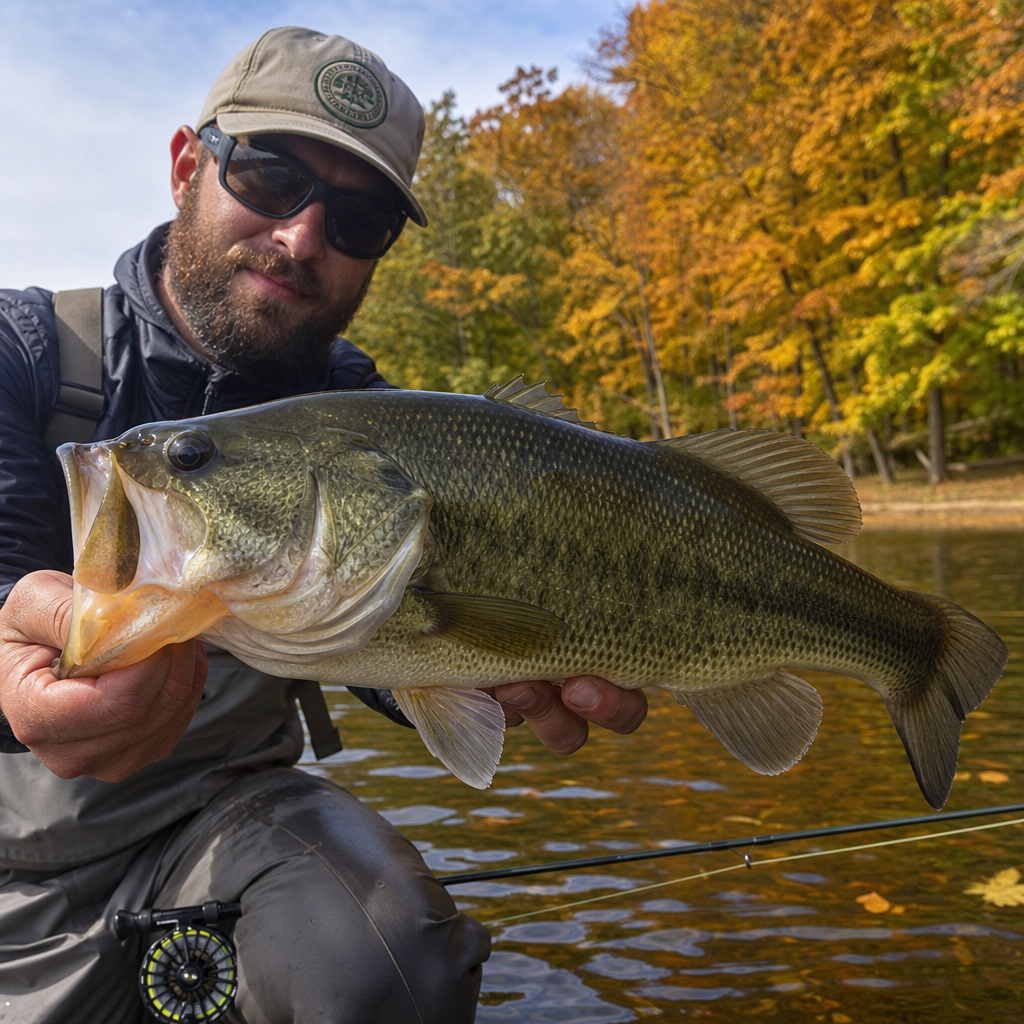
For bass and panfish, afternoon fly selection broadens. If fish are tucked under shade, deer-hair bugs, foam poppers, and baitfish sliders can pull strikes tight to cover. If they are suspended deeper under bright skies, weighted crayfish, Clouser Minnows, and balanced leeches often outperform topwater. One lesson that repeats across species is that afternoon fish reward efficiency. Instead of changing flies every five minutes, make one meaningful change at a time: depth, retrieve speed, angle, or fly profile. That method lets you identify the trigger, which is far more useful than catching one fish by accident and learning nothing from it.
Gear for Afternoon Fly Fishing
Afternoon fly fishing gear should solve visibility, depth control, and presentation accuracy. For trout, a 9-foot 5-weight remains the most versatile afternoon setup because it handles dry-dropper rigs, indicator nymphing, small streamers, and terrestrial patterns without compromise. On smaller creeks with tight bankside cover, a 3-weight or 4-weight helps with precise, softer deliveries. For bass and larger warmwater fish, I prefer a 6-weight or 7-weight with enough backbone to turn over wind-resistant bugs and pull fish from weeds or wood. Rod action matters too. A fast-action rod helps punch into afternoon breeze, while a medium-fast rod protects lighter tippet on technical drifts.
Lines and leaders deserve more attention than they usually get. A standard weight-forward floating line covers most afternoon trout fishing, but line taper can matter when throwing hoppers into wind or turning over tandem nymph rigs. On lakes, an intermediate line is often the most useful afternoon option because it keeps nymphs or streamers tracking below surface glare and chop. Leader choice should match water clarity and fly style. For dry flies and terrestrials, 9- to 12-foot leaders ending in 4X to 6X are common. For tight-line or indicator nymphing, build leaders that help sink flies quickly while still offering strike detection and turnover.
Polarized sunglasses are essential, not optional, in the afternoon. Copper, amber, and brown lenses improve contrast, help you spot structure, and reduce eye fatigue under harsh light. A wide-brim hat extends that advantage by cutting glare from above. I also carry stream thermometers on summer trout water because afternoon temperature determines whether I keep fishing, move upstream, or switch species entirely. Other practical gear includes breathable sun gloves, UPF shirts, a lightweight neck gaiter, and high-SPF sunscreen. These are not comfort luxuries. They preserve concentration, and concentration is often the difference between noticing a subtle eat and fishing blindly through the best afternoon window.
Seasonal Afternoon Strategies Across the Year
Afternoon tactics change by season more than many anglers realize. In spring, the afternoon is often prime time because sunlight warms water enough to trigger mayfly and caddis activity. Blue-Winged Olives, March Browns, Hendricksons, and Mother’s Day caddis events frequently build through midday into the afternoon depending on region and weather. In these conditions, start subsurface, then watch for emergers and surface feeders as temperatures stabilize. Summer is more conditional. Early afternoon can be difficult on low, clear trout streams, yet productive on high-elevation water, tailwaters, or warmwater fisheries. Terrestrials peak in importance, and shade, oxygen, and water temperature become nonnegotiable considerations.
Fall afternoons often combine the best aspects of summer and spring. Cooler nights keep trout comfortable, while warming daylight can activate both insects and baitfish. Hoppers may linger early in the season, caddis can remain strong, and streamer fishing improves as browns grow territorial ahead of spawning. This is one of the easiest times to build a full afternoon plan: nymph through brighter hours, probe banks with terrestrials if weather allows, and switch to streamers when cloud cover, wind, or lowering sun creates better ambush conditions. Winter is more specialized but often surprisingly good in the afternoon, especially between noon and three, when water reaches its daily temperature high and midges or tiny olives appear.
The hub value of understanding time of day is that these seasonal patterns connect. Morning, afternoon, and evening are not isolated topics; they are moving parts in the same system. If your morning article focuses on low-light feeding lanes and your evening article emphasizes spinner falls or low-angle streamer windows, the afternoon page explains the transition between them. Learn to read that transition and you stop fishing by habit. You begin fishing by evidence: current speed, insect stage, sun angle, and thermal stability. That shift in thinking is what consistently improves catch rates across rivers, stillwaters, and warmwater systems.
Afternoon fly fishing rewards anglers who adapt instead of waiting for a perfect hatch. The core principles are consistent: monitor water temperature, prioritize oxygen and cover, fish the most protective holding water, and choose flies that reflect subsurface feeding, terrestrial opportunity, or emerging insects. Then refine presentation before replacing patterns at random. A drag-free drift, correct depth, and accurate cast to shade or current seams will catch more fish than a box full of trendy flies. The afternoon is rarely empty water. It is structured water, where fish make practical decisions about comfort, safety, and calories.
The right gear supports those decisions without overcomplicating the day. Carry a versatile rod, leaders suited to your presentation, polarized glasses, and enough fly range to cover nymphs, emergers, terrestrials, and a few streamers or warmwater bugs. Most important, treat the afternoon as a period of movement and adjustment. Check temperatures. Change angles. Move from open glides to riffles, banks, weed lines, or tailwater seams. If one species or section of river becomes too warm, pivot responsibly. Good afternoon anglers are observant first and stubborn second.
If you want to improve your time-of-day fly fishing, start by building an afternoon checklist for your home water: temperature range, best shaded runs, likely insect activity, and go-to flies for bright, windy, and overcast conditions. Fish that checklist for a month and record what changes by season. The pattern will become obvious, and your afternoon results will become far more consistent.
Frequently Asked Questions
What makes afternoon fly fishing different from fishing at dawn or dusk?
Afternoon fly fishing is different because the entire environment has changed by the time the sun is high and the day has developed. Light is brighter, water temperatures are usually warmer, shadows are shorter, and fish have often moved out of the obvious feeding lanes they used early in the morning. At dawn and dusk, many species feel more secure in low light and will roam more freely to feed. In the afternoon, especially on clear days, trout often become more cautious and may slide into deeper runs, shaded banks, undercut structure, plunge pools, or faster oxygen-rich current. Bass and panfish also tend to reposition, often holding tighter to weed edges, timber, docks, or drop-offs where they can conserve energy and ambush prey without being fully exposed.
Insect activity changes too. Morning may bring one kind of hatch behavior, but the afternoon often shifts the menu toward terrestrials like ants, beetles, and grasshoppers, as well as attractor patterns, small nymphs, or streamers depending on the water and season. On hotter days, fish may feed in shorter windows and become more selective about presentation. That means success is often less about covering water quickly and more about reading shade lines, current seams, depth changes, and subtle holding water. In short, afternoon fishing rewards observation, precision, and adaptability. If you approach it like an extension of the morning bite, you may struggle. If you treat it as its own phase of the day with different fish behavior and feeding priorities, your catch rate can improve dramatically.
Where should I look for fish during the afternoon hours?
In the afternoon, fish are often found where comfort and feeding opportunity overlap. For trout, that usually means cooler, safer, and more oxygenated water. Look for shaded banks, riffle corners, deeper pockets below fast water, undercut banks, the heads of pools where current brings food, and seams where fast and slow water meet. In summer, trout frequently hold closer to depth or structure than they do in the softer light of early morning. A shallow run that looked promising at sunrise may become nearly empty by midafternoon if it is fully exposed and warming up. Focus instead on water that offers overhead protection, broken surface current, or access to depth within a short move.
For bass and panfish, afternoon positioning is often strongly tied to cover. Docks, weed lines, submerged wood, rock ledges, bridge shadows, and overhanging trees become high-percentage targets. Bass especially like edges where they can move only a short distance to intercept baitfish, crayfish, or larger terrestrial insects. Panfish may school near vegetation, brush, or shaded shoreline pockets. On rivers and streams, pay close attention to transition zones: where a riffle drops into a pool, where a cutbank creates depth, or where a boulder creates a cushion of softer water. These are classic afternoon lies because fish can rest, stay concealed, and still feed efficiently. If you are unsure where to start, begin with shade, depth, current breaks, and cover. Those four factors consistently narrow the search when the day is bright and warm.
What fly patterns tend to work best in the afternoon?
The best afternoon flies usually match what fish are most likely to notice and trust under bright conditions. For trout, that often means a mix of subsurface nymphs, terrestrials, and selectively chosen dry flies when surface activity appears. Nymphs remain productive because many fish continue feeding below the surface even when there is no obvious hatch. Pheasant tails, hare’s ears, midge patterns, small mayfly and caddis imitations, and perdigon-style nymphs can all be excellent depending on water type and clarity. When the weather is warm, terrestrials become especially important. Foam ants, beetles, and hopper patterns can be deadly along grassy banks, under trees, or near undercut edges where wind and shoreline activity naturally knock insects into the water.
For bass and panfish, afternoon fly selection often leans larger and more movement-oriented. Poppers, foam bugs, baitfish streamers, woolly buggers, crayfish patterns, and small leech imitations can all produce. If fish are tucked under cover, accurate casts with a bug or streamer placed tight to structure can trigger strikes even when open-water fish seem inactive. In very bright conditions, downsizing can also help, especially on pressured waters where fish get wary. Color matters less than profile, depth, and presentation in many situations, though natural tones tend to excel in clear water and brighter attractor colors can stand out in stained water or around heavy cover. The smartest approach is to carry a compact but versatile afternoon box: small nymphs, a few confidence dries, several terrestrial patterns, and a handful of streamers or warmwater bugs. That combination covers most afternoon feeding scenarios without overcomplicating your setup.
What gear adjustments help most when fly fishing in the afternoon?
Afternoon fly fishing often benefits from practical gear adjustments more than anglers expect. First, think about leader and tippet. In bright, clear conditions, fish can become leader-shy, so a longer leader and finer tippet may improve presentations for trout, especially when using small dries or nymphs. On the other hand, if you are targeting bass around wood, weeds, or docks, stronger tippet is the better choice because pulling fish out of cover matters more than finesse. Polarized sunglasses are essential in the afternoon, not optional. They reduce glare, help you read current structure, spot fish, identify depth changes, and track your fly more effectively under strong sunlight.
Rod and line choices should match the species and the way fish are positioned. A 4- to 6-weight setup covers many trout situations well, while a 6- to 8-weight may be more appropriate for bass, larger flies, or windy afternoon conditions. If fish are deep or holding in fast water, adding split shot, tungsten flies, or an indicator rig can make a major difference by getting your flies into the strike zone quickly. For warmwater anglers, a floating line handles poppers and shallow bugs well, but a sink-tip or full sinking line can be a huge advantage when bass slide deeper in the heat. Wading gear, sun-protective clothing, a good hat, and hydration also matter. Afternoon sessions can be physically demanding, and comfort affects focus. The most helpful mindset is to let conditions dictate your setup. If the water is clear and fish are cautious, lighten and lengthen. If wind rises, structure gets thick, or fish drop deeper, go stronger, heavier, and more direct.
What techniques improve success when fish become selective or inactive in the afternoon?
When fish get selective in the afternoon, the answer is usually not to cast more often but to fish more deliberately. Start by slowing down and studying the water before you make repeated presentations. Watch for subtle rises, flashes, movement near cover, drifting insects, or changes in current speed that reveal likely holding lanes. If trout are refusing a dry fly, try adjusting your drift, changing fly size, reducing drag, or switching to a terrestrial or nymph. Often the issue is not that fish are not feeding, but that the drift looks unnatural in the bright light. High-stick nymphing, tight-line methods, or careful indicator rigs can be very effective because they allow you to maintain better contact and depth control in midday and afternoon currents.
For bass and panfish, precision is often the deciding factor. Rather than blind casting open water, target the darkest edge of a dock, the inside line of weeds, the shaded side of a log, or the current-softened pocket behind structure. Make your first cast count, because fish holding in cover often respond best before they are disturbed. Vary your retrieve until fish tell you what they want. Inactive fish may ignore a fast strip but attack a pause-heavy presentation, a slow crawl, or a bug left motionless for an extra second. On difficult afternoons, rotating through three basic approaches works well: go deeper, go smaller, or go tighter to cover. Those adjustments solve many problems created by bright light, warming water, and increased fish caution. Above all, remain flexible. Afternoon fishing rarely rewards stubbornness, but it often rewards anglers who notice small clues and make smart, timely changes.