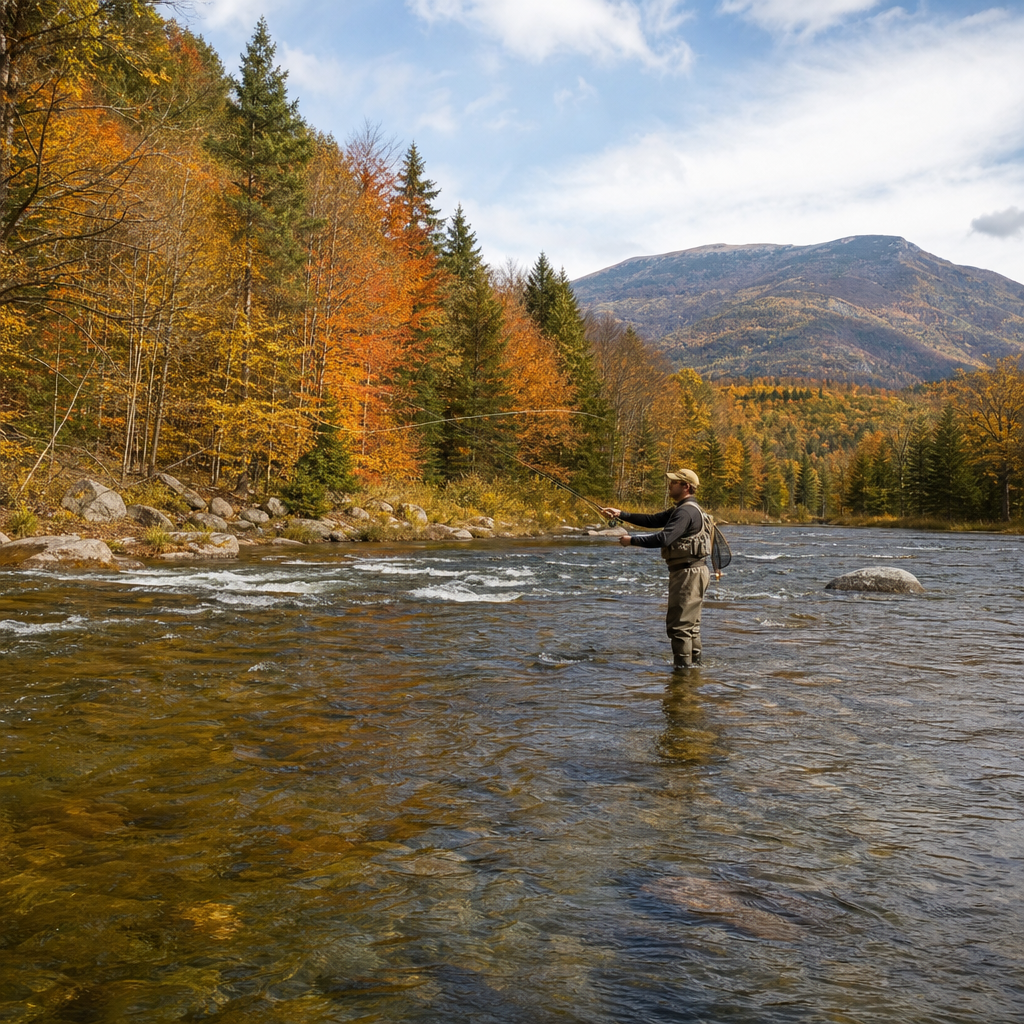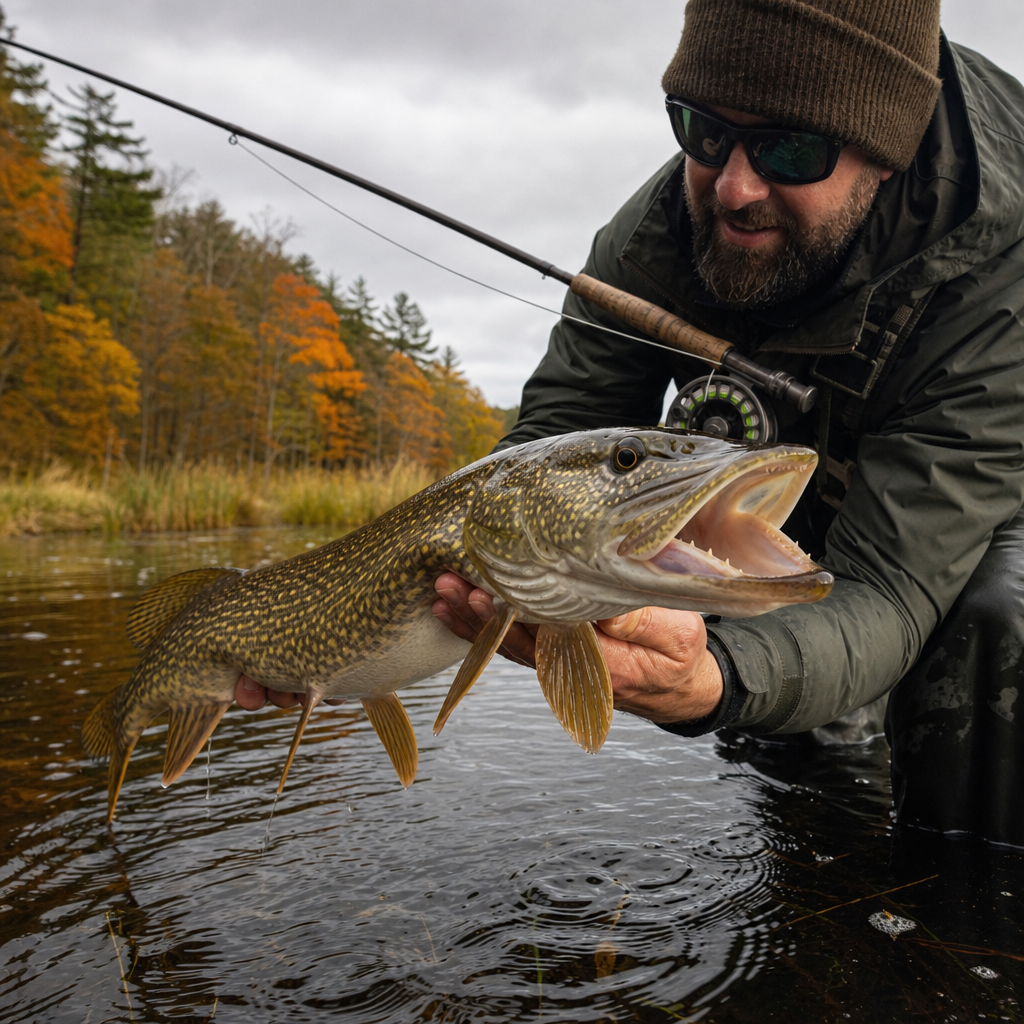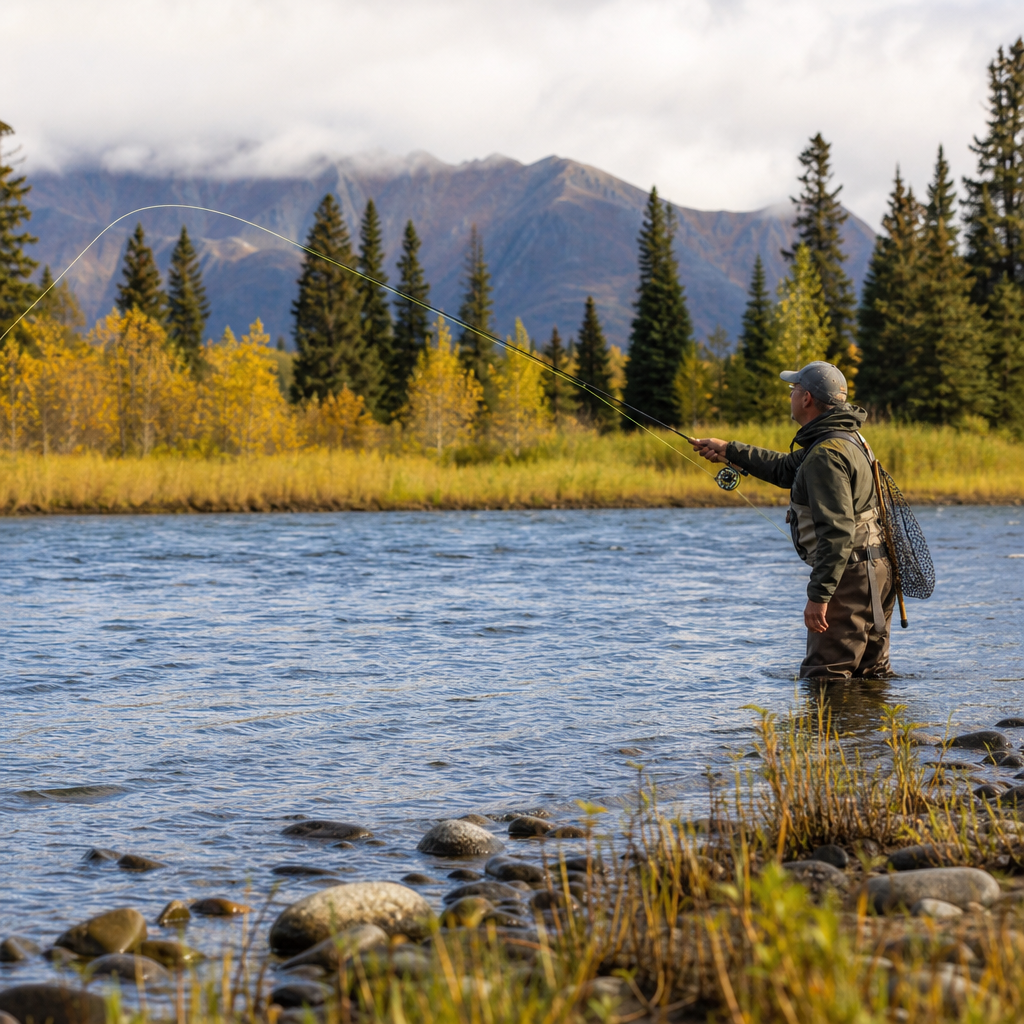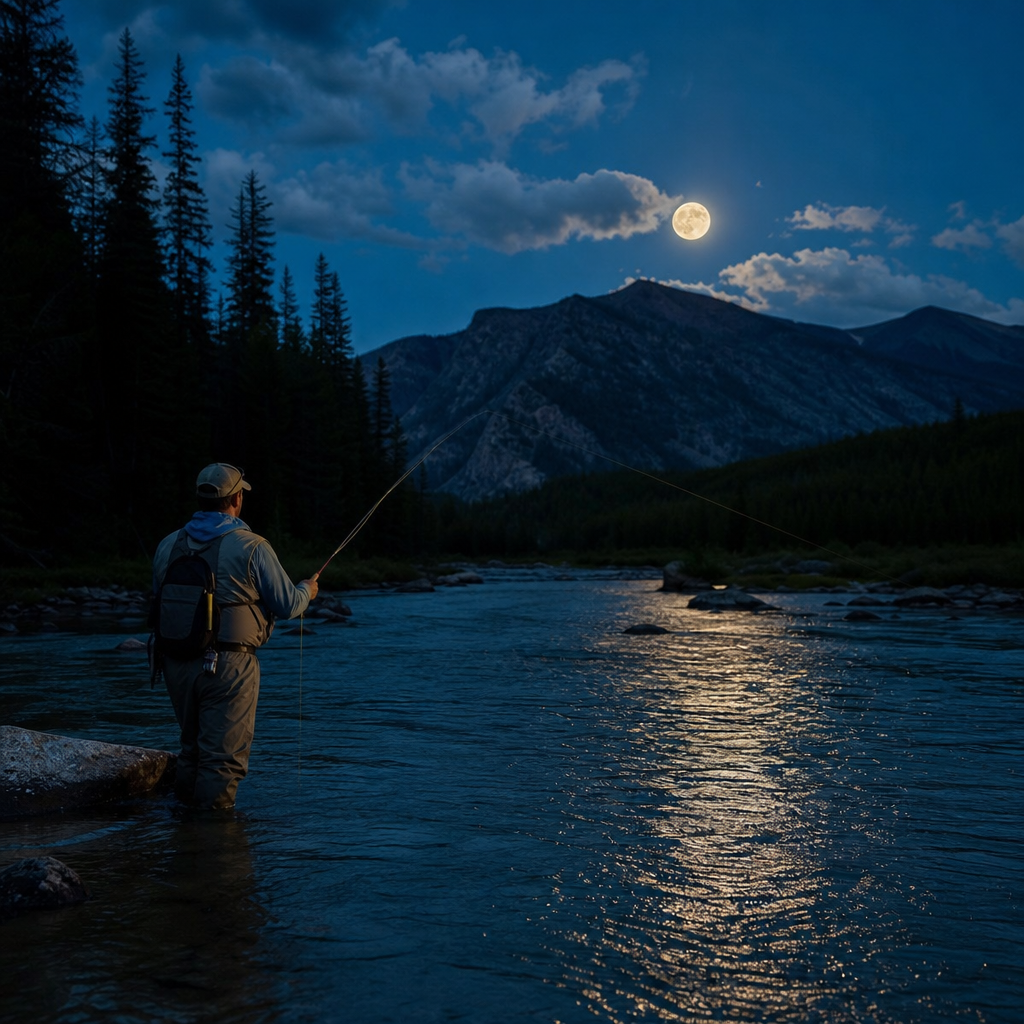
Fly fishing under a full moon changes the water, the fish, and the angler’s job in ways daylight never does. In the “Seasons and Conditions” category, “Time of Day” is one of the most important variables because feeding windows, visibility, water temperature, insect activity, and fish confidence all shift across dawn, midday, dusk, and night. A full-moon session sits at the far edge of that spectrum, combining low light with enough ambient illumination to extend feeding behavior and alter how trout, bass, and warmwater predators move. When anglers talk about moon fishing, they usually mean fishing at night during bright lunar phases, but the practical question is simpler: how do you catch fish safely and consistently when moonlight changes the rules?
From experience, the answer starts with understanding what full moon conditions actually do. Bright moonlight can silhouette prey, improve an angler’s ability to track current seams, and make some fish less wary in shallow margins. At the same time, a full moon can spread feeding over longer periods, reducing the sharp dawn and dusk spikes many daytime anglers rely on. Water temperature often matters more than the moon itself. In summer, especially on tailwaters, spring creeks, and bass ponds, the coolest and most oxygen-rich period may arrive after sunset, and fish use that window aggressively. Insects also behave differently at night. Big brown trout hunt mice, sculpins, and small baitfish, while carp and bass patrol flats and edges where movement is easier to detect than color.
That is why this page serves as a hub for time-of-day fishing strategy. If you fish mornings, you study overnight cooling, first-light hatches, and low-angle light. Midday fishing demands attention to depth, shade, and selective feeding. Evening fishing centers on spinner falls, caddis flights, and transition currents. Full-moon fly fishing adds another layer: stealth in quiet water, tactile line control, simplified rigging, and confidence in larger profiles that fish can track by vibration and contrast. Gear choices shift too. Leaders are usually shorter and stronger than technical dry-fly setups, rods often lean toward faster actions for turning over larger flies, and lighting must protect night vision instead of blasting the riverbank. Done well, full-moon fly fishing is not guesswork or folklore. It is a repeatable method built on fish behavior, disciplined movement, and tackle chosen for darkness rather than daylight.
Why full moon conditions change fish behavior
A full moon affects fly fishing through light, timing, and temperature. The moon does not force fish to feed, but it changes how visible prey becomes and how comfortable fish feel moving into shallower water. On rivers I know well, large brown trout that stay buried under cutbanks at noon will slide onto gravel edges after dark, especially when moonlight gives them enough visibility to hunt without exposing themselves the way daylight does. In lakes and ponds, bass often use bright lunar nights to pin bait against weed lines and docks. The fish are not acting randomly. They are using reduced human pressure, cooler water, and lower predation risk to feed efficiently.
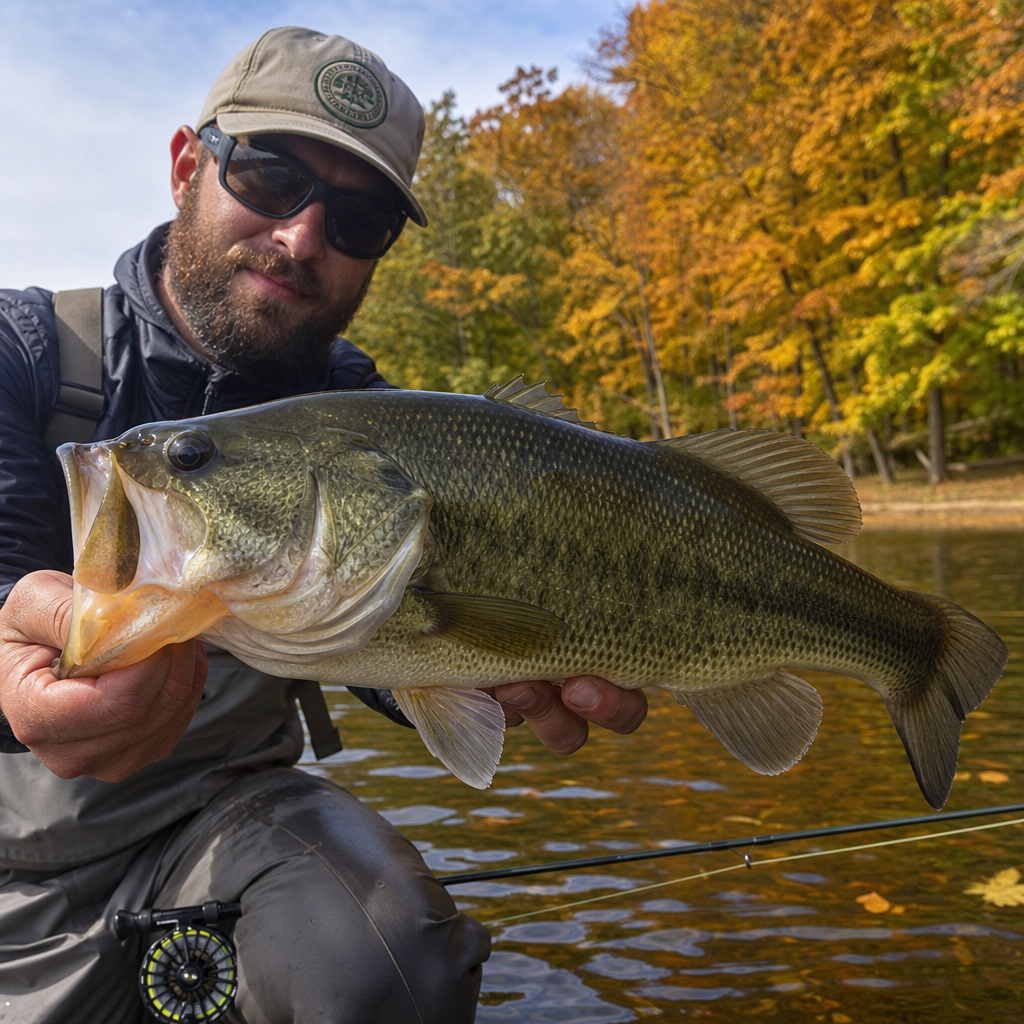
Full moon periods can also flatten the classic feeding schedule. During a new moon, fish may concentrate feeding around dawn and dusk because that is when light levels are optimal. Under a full moon, some feeding shifts later into the night or starts before sunset. That means anglers who show up only for the last thirty minutes of daylight may miss the strongest window. This is especially true during hot weather, when water temperature drops a few critical degrees after dark. Trout metabolism, dissolved oxygen, and prey movement all improve when the heat leaves the river. Warmwater species show the same pattern. Largemouth bass in shallow lakes often become more catchable from late evening through the first half of the night than they are in the bright afternoon.
The caveat is that bright nights can make fish more selective in ultra-clear, low water. On spring creeks or heavily pressured flats, a full moon may increase visibility enough that fish inspect unnatural movement more closely. In those settings, moonlight helps the fish as much as the angler. The practical lesson is to match the water type. Freestone rivers with broken surface texture, undercut banks, woody structure, or boulder pockets usually fish better under a full moon than flat, slick, transparent water. The moon is a condition modifier, not a magic switch.
Best species, water types, and seasonal windows
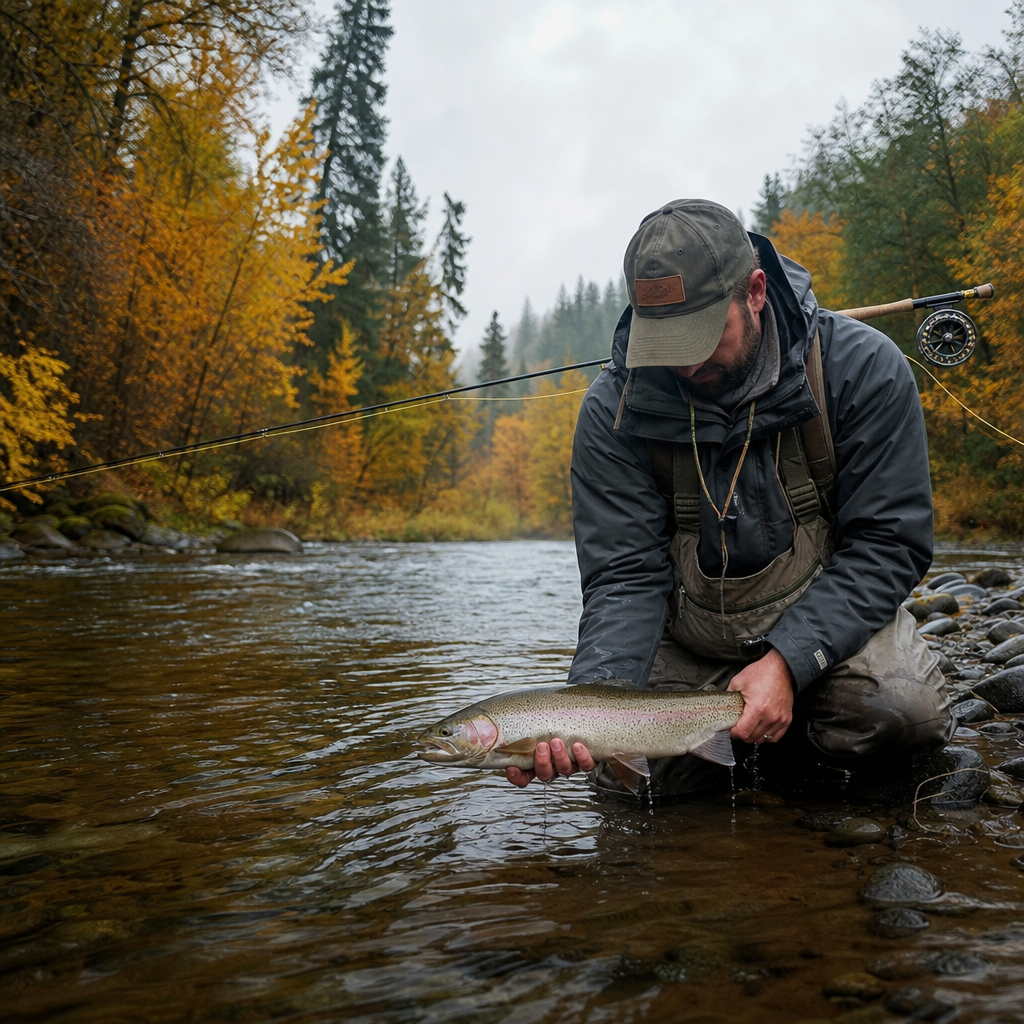
The best full-moon fly fishing usually targets species that feed confidently in low light and use larger prey. Brown trout are the classic example. Mature browns become more predatory with age and often feed most openly at night, especially in summer and early fall. Streamer fishing with sculpin, leech, and baitfish patterns under a full moon is one of the most reliable ways to move fish that ignore small daytime offerings. Smallmouth bass are another excellent target because they cruise current edges, rock bars, and slow pools after dark, often responding to deer-hair divers, baitfish streamers, and topwater bugs moved steadily enough for them to track.
Stillwaters can be exceptional. In lakes, full-moon conditions favor shoals, drop-off edges, weed transitions, and points where baitfish concentrate. Trout in fertile lakes frequently push chironomids, damselfly nymphs, leeches, and minnows into the margins at night. Carp and bass on flats may feed in water too skinny for daytime approaches. On ponds, dock shadows and bank-side cover become high-percentage targets. Saltwater anglers use similar logic on moonlit flats and estuaries, but current strength tied to lunar phases matters enough that local tide knowledge becomes mandatory.
Seasonally, summer is usually strongest because daytime heat suppresses fish activity and night restores favorable temperatures. Early fall is often outstanding as browns become territorial and baitfish stay active. Spring can be productive where water warms enough to trigger night movement, but very cold water generally reduces the value of staying out late. Winter full-moon sessions can work in tailwaters with stable temperatures, though success is more limited and safety margins are thinner. If I had to prioritize one setup for most anglers, I would choose midsummer through early autumn on a medium-size river with a healthy brown trout or smallmouth population, moderate structure, and easy access.
Techniques that work after dark
Night fly fishing rewards simple, repeatable presentations. In darkness, trout and bass often locate prey by silhouette, displacement, and vibration more than fine detail, so your technique should emphasize control instead of constant pattern changes. The highest percentage method is usually streamer fishing across or slightly downstream, allowing the fly to swim broadside through likely holding water. Casts should be shorter than daytime casts. Accuracy matters more than distance because fish slide close to banks, seams, and structure. I typically strip slower than anglers expect, then add occasional pauses. Many night strikes feel like weight rather than a sharp grab.
Surface fishing can be outstanding under a full moon, particularly with mice, gurglers, divers, and waking patterns. The mistake many anglers make is moving the fly too quickly. A mouse pattern should create a clear V-wake, not skitter like a panicked baitfish unless fish show they want speed. Large trout often track for several feet before eating. If you strike at the sound, you will pull the fly away. Keep stripping until you feel steady pressure. For smallmouth bass, a deer-hair bug popped softly along banks, laydowns, and current breaks can be deadly. Consistent cadence outperforms random noise.
Nymphing has a place, but it is usually best in known runs where depth, current lanes, and footing are familiar. Indicator systems become harder to manage at night, so tight-line approaches or short-line presentations in controlled water are more practical. Wet flies and soft hackles swung through riffle tails can also shine because they offer movement fish can detect easily. The central rule is to reduce complexity. One fly, one confidence line, one bank, and a disciplined route will catch more fish than trying to fish an entire river in darkness.
Essential gear for fly fishing under a full moon
The best gear for full-moon fly fishing is durable, simple, and easy to operate by feel. Rod choice depends on species, but a 6-weight or 7-weight covers most streamer and surface work for trout and bass. A fast or medium-fast action helps turn over larger flies and shorter leaders without requiring perfect timing you may not have at night. Reels matter less for casting than for reliability; a large-arbor model with a smooth drag helps when a heavy fish runs downstream and you cannot see every obstacle. Floating lines handle most mouse, bug, and shallow streamer situations, while sink-tip lines are valuable when fish hold slightly deeper along ledges and cutbanks.
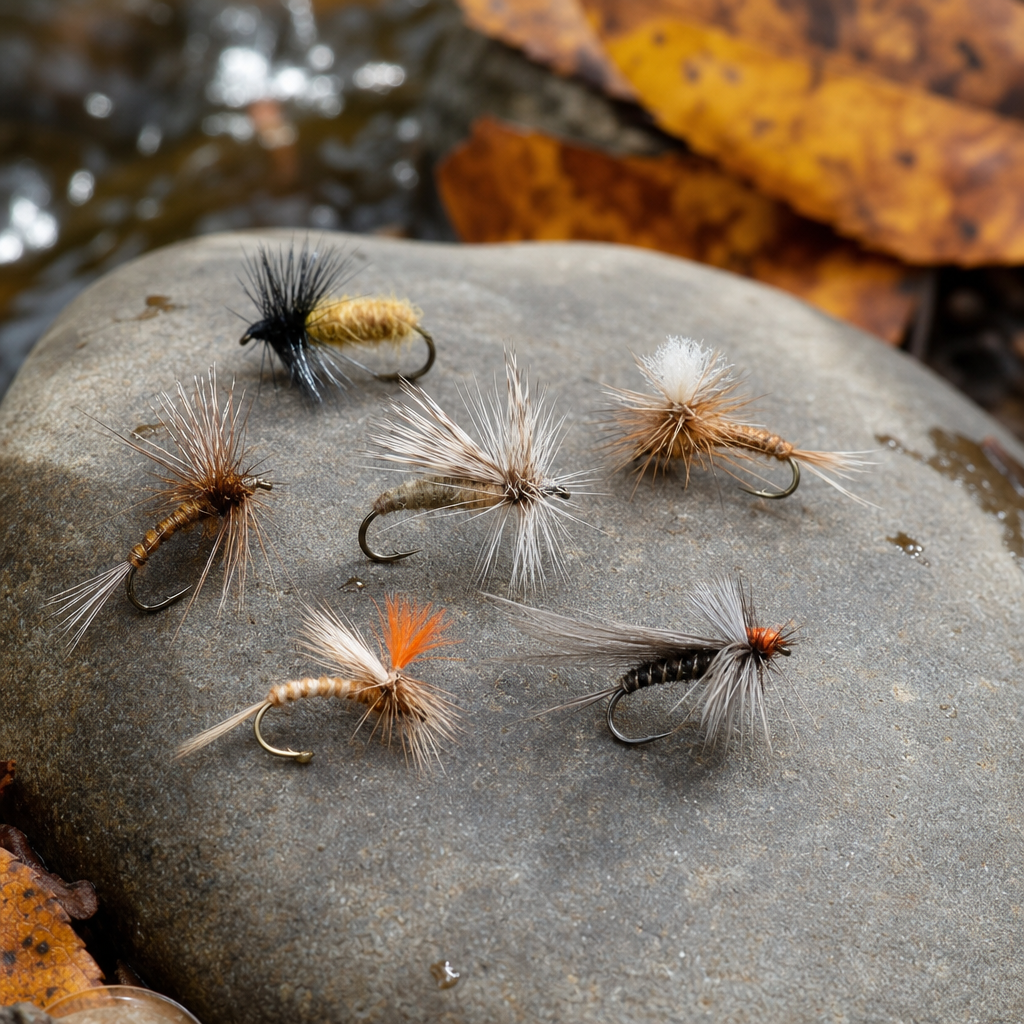
Leaders should be shorter and stronger than many anglers use by day. For big trout streamers, 4 to 7 feet ending in 0X to 2X is common. For mouse patterns, stout monofilament turns flies over and resists abrasion. For smallmouth bass, straight 10- to 16-pound nylon often works better than a tapered leader. Fly selection should emphasize profile and push: black, olive, and dark brown are standard because they silhouette well against the night sky. Productive patterns include Zoo Cougars, Whitlock-style sculpins, woolly buggers, rabbit-strip leeches, Dahlberg Divers, gurglers, and articulated streamers with broad heads.
| Need | Best Choice | Why It Works at Night |
|---|---|---|
| Trout streamer rod | 9-foot 6-weight or 7-weight | Turns over bulky flies and controls larger fish in current |
| Bass surface rod | 9-foot 7-weight | Casts deer-hair bugs and pulls fish from cover |
| Leader | 4 to 7 feet, 0X to 12-pound | Improves turnover, reduces tangles, adds abrasion resistance |
| Line color and style | Floating or sink-tip with high handling memory control | Simplifies mending and line management by feel |
| Fly colors | Black, olive, dark brown | Creates strong silhouette and visible profile |
| Light | Headlamp with red mode plus backup flashlight | Protects night vision and supports safe knot tying |
Do not overlook non-fishing equipment. A wading staff, hard-soled or studded boots suited to local regulations, a red-light headlamp, extra batteries, a whistle, and a small first-aid kit matter more at night than another fly box. I also recommend forceps on a retractor, nippers clipped where your hand finds them automatically, and a landing net with a short tether. Every item should have a fixed home. In darkness, organization is not a luxury; it is part of your fishing efficiency.
Safety, planning, and bank-side execution
The biggest mistake in full-moon fly fishing is treating it like regular fishing with less light. Night demands a smaller wading envelope, a clearer access plan, and a stricter stop time. Before fishing after dark, scout the water in daylight. Identify entry points, deep slots, fences, slick shelves, fast chutes, and the exact route back to the vehicle. Save an offline map, tell someone where you are going, and avoid new water unless it is extremely simple. The U.S. Geological Survey stream gauges and local weather radar are not optional references; they are essential planning tools. A modest rise in flow that would be manageable at noon can become dangerous at midnight.
On the water, fish less ground and fish it better. Choose one or two banks, one run, or one pond edge you can cover methodically. Keep your light off unless you need it for a knot, a hook removal, or safe movement. Bright white light ruins your night vision and can push shallow fish out instantly. Wading should be conservative to the point of feeling slow. I rarely wade as deep at night as I would during the day because line control and fish location matter less than balance and exit options. If thunderstorms are possible, leave early. Carbon-fiber rods and open water are a bad combination in any light.
Execution improves when you build routines. Strip line into a basket or onto a controlled patch of bank. Make the same cast angle repeatedly before changing position. After each fish or snag, reset fully instead of rushing. Night fishing rewards deliberate habits because they reduce tangles, missed grabs, and avoidable accidents. The practical benchmark is simple: if you cannot move, cast, and land a fish without visual clutter, your setup is too complicated for the conditions.
How full-moon sessions fit the broader time-of-day strategy
As the time-of-day hub within “Seasons and Conditions,” full-moon fly fishing makes the most sense when compared with the other daily windows anglers fish. Dawn is usually the most predictable low-light period because fish transition from overnight holding positions into active feeding lanes. It excels for hatches, spinner falls that linger into first light, and summer trout feeding before sun reaches the water. Midday is least forgiving but often productive in cold seasons, on nymph-friendly tailwaters, and wherever shade, depth, or wind concentrate fish. Dusk is the classic crossover period, combining insect emergence, fading light, and increased predator movement. Night under a full moon extends that low-light advantage, but it favors larger prey forms, simpler presentations, and location-specific confidence.
The benefit of viewing full-moon tactics inside a broader time-of-day framework is that you can plan entire fishing days more intelligently. For example, on a hot August river, you might skip the dead bright afternoon, scout access in daylight, rest water through sunset, and begin your serious session once the moon clears the trees. On a smallmouth float, you may fish subsurface through evening and switch to surface bugs after dark as bass move shallow. On a stillwater, you can note wind direction before sunset, then return to the same weed edge once bait pushes into the margin. Time of day is not just a schedule; it is a system for predicting where fish gain the most feeding advantage.
The key takeaway is practical. Full-moon fly fishing works when you simplify your approach, target the right water, and match your gear to darkness instead of tradition. Start on familiar water, fish larger profiles with controlled movement, carry only the equipment you can manage by feel, and treat safety as part of the technique. Build your time-of-day strategy around those principles, then apply them to morning, midday, evening, and night. If you want more consistent results across changing conditions, make full-moon sessions a deliberate part of your seasonal plan and fish them with purpose.
Frequently Asked Questions
How does a full moon change fly fishing conditions compared with fishing at dawn, dusk, or during the day?
A full moon can completely reshape a familiar piece of water. Unlike daytime fishing, when fish often rely heavily on direct light, visible structure, and predictable feeding lanes, full-moon fishing happens in a low-light environment where contrast, silhouette, and vibration become much more important. The moon adds enough ambient illumination to improve visibility for both fish and angler, but not enough to make the river or lake behave like it does in daylight. That middle ground is what makes full-moon fly fishing so distinctive.
One of the biggest differences is the feeding window. Under a bright full moon, many fish stay active longer into the night because they can still track movement and feel confident leaving deeper cover. Trout may slide into shallower seams, flats, and bankside lanes they avoid in bright daytime conditions. Predatory species often use the low light to ambush bait while taking advantage of the extra visibility the moon provides. In practical terms, this means areas that seem dead during the afternoon may suddenly come alive after dark.
Water temperature also plays a role. In warmer months, nighttime often brings cooler, more stable conditions and higher dissolved oxygen, which can trigger stronger feeding behavior than the middle of the day. During a full moon, that nighttime comfort is paired with enough light for fish to hunt effectively. Insect activity may also shift. Some hatches taper off after sunset, while others continue or are replaced by terrestrials, baitfish opportunities, or larger nocturnal food sources. The key is understanding that a full moon does not simply extend daytime fishing—it creates its own set of conditions, and successful anglers adjust tactics, fly choice, and presentation accordingly.
What fly patterns and presentation techniques work best under a full moon?
Under a full moon, the best flies are usually the ones fish can detect easily in low light, either by silhouette, movement, displacement, or profile. Larger streamers, mouse patterns, leeches, baitfish imitations, and bulky wet flies often outperform tiny technical dries because they create a stronger target. Dark-colored flies are especially effective at night because they form a clearer silhouette against the lighter surface or moonlit water column. Black, olive, purple, and deep brown patterns frequently produce because they stand out better than pale flies in low-light conditions.
Presentation matters just as much as pattern selection. Fish are often less willing to chase long distances at night, so controlled swings, slow strips, steady retrieves, and presentations that keep the fly in the strike zone for a long time usually work best. On rivers, a downstream swing with a streamer or soft hackle can be especially effective because it allows the fly to move naturally across current seams where fish are waiting. In stillwater, slow hand-twist retrieves or short strips with pauses can make baitfish and leech patterns look more convincing without overworking them.
You also want to simplify your approach. Night fishing rewards covering high-percentage water thoroughly instead of changing flies every few minutes. Focus on structure fish can locate and use confidently: undercut banks, tailouts, foam lines, shallow shelves, drop-offs, and current edges. Cast slightly shorter than you might during the day so you maintain better line control and strike detection. Because visual cues are limited, many strikes come as a heavy stop, a soft pull, or simply extra tension. A firm strip-set with streamers is often more reliable than a dramatic trout set, especially when fishing larger patterns in moving water.
What gear should I bring for fly fishing under a full moon?
Gear for full-moon fly fishing should emphasize control, safety, visibility, and simplicity. Start with a rod and line setup matched to the flies you plan to fish. If you are throwing streamers, mice, or larger night patterns, a rod with enough backbone to cast bulky flies cleanly is a major advantage. Many anglers prefer a slightly heavier setup than they would use for daytime dry-fly fishing because larger flies, sink tips, and nighttime fish around structure demand more authority. A dependable reel with a smooth drag is important as well, especially if you are targeting larger trout, bass, or other predatory species that feed aggressively after dark.
Leaders and tippet should be practical rather than delicate. Under a full moon, fish are usually far less leader-shy than they are in bright daylight. Shorter, stronger leaders help turn over larger patterns and improve control. If you are fishing streamers, many anglers shorten the leader substantially to help with casting and to keep the fly tracking properly. A floating line handles many mouse, swung-fly, and shallow streamer situations, while sink-tip or intermediate lines are useful when fish are holding deeper.
Beyond rod-and-reel gear, your support equipment matters even more. A headlamp with both white and red light modes is essential, but use bright light sparingly so you preserve night vision. Carry extra batteries. A wading staff is one of the smartest additions for any nighttime session because crossing water in moonlight can still be deceptive. Good boots with reliable traction are non-negotiable. Hemostats, nippers, fly boxes, and tippet should all be stored in consistent, easy-to-reach places so you are not fumbling in the dark. Many experienced anglers deliberately carry fewer fly boxes and fewer accessories at night because a simplified kit reduces mistakes and keeps attention on fishing safely and effectively.
How can I stay safe and fish effectively when visibility is limited, even on a bright full moon?
Safety should always come first when fishing at night, and a full moon can create a false sense of confidence. Moonlight may make the water look bright, but depth, current speed, drop-offs, slick rocks, and bankside obstacles are still much harder to judge than they are during the day. The best practice is to fish water you already know well. If possible, scout access points, trails, casting positions, and wading routes in daylight before returning after dark. Familiarity reduces risk and allows you to spend more energy reading the water and fishing intelligently.
Wading conservatively is one of the most important habits you can develop. Stay out of water you would consider borderline even in daylight. Move slowly, shuffle when needed, and avoid unnecessary crossings. A wading staff, quality boots, and a belt-secured wader setup all improve safety. Let someone know where you will be and when you expect to return. Keep a fully charged phone in a waterproof case, and consider carrying a small backup light in case your main headlamp fails.
To fish effectively in low light, organize your system before you ever make the first cast. Tie on the initial fly while it is still light if possible. Pre-rig leaders, know where your tools are, and minimize gear changes. Keep casts controlled and deliberate rather than long and ambitious. The goal at night is not to cover maximum distance; it is to maintain direct contact with the fly and present it accurately through likely holding water. Listen as much as you look. Surface takes, bait movement, insect noise, and changes in current sound can all tell you what is happening. Full-moon fishing often rewards anglers who slow down, simplify, and pay attention to subtle cues they might overlook during the day.
When is the best time during a full-moon night to fish, and what water should I focus on?
The most productive period during a full-moon outing is often not the entire night but the transition windows around it. The hour before darkness settles, the early part of the night, the period when the moon rises high enough to brighten the water, and the pre-dawn stretch can all be especially productive. Fish often respond strongly to changing light levels, and those transitions can trigger movement and feeding. In some waters, the best action comes right after sunset as fish begin leaving daytime lies. In others, the brightest middle portion of the night allows them to hunt more confidently in open or shallow water. Pre-dawn can be excellent because it combines the lingering effects of overnight feeding with another shift in light and temperature.
As for location, focus on water fish can use efficiently under low light. On rivers, that often means softer edges next to faster current, tailouts, shallow riffle heads, inside seams, undercut banks, and flats adjacent to deeper holding water. These spots allow fish to move up, feed, and retreat quickly. Larger trout and other predators frequently use bank structure and ambush lanes at night, especially under a full moon when visibility is improved. In lakes and ponds, concentrate on drop-offs, weed edges, shoals, points, and shoreline transitions where bait and cruising fish intersect.
A smart strategy is to begin with structure-rich water close to security cover, then adjust based on signs of activity. If you hear or feel fish moving shallow, commit to those zones and fish them thoroughly. If action is limited, probe the edges of deeper water with streamers or intermediate lines. Full-moon fishing is rarely about randomly covering water. It is about identifying where fish feel confident enough to feed under moonlit conditions, then presenting flies in a way that stays in front of them long enough to trigger a take.