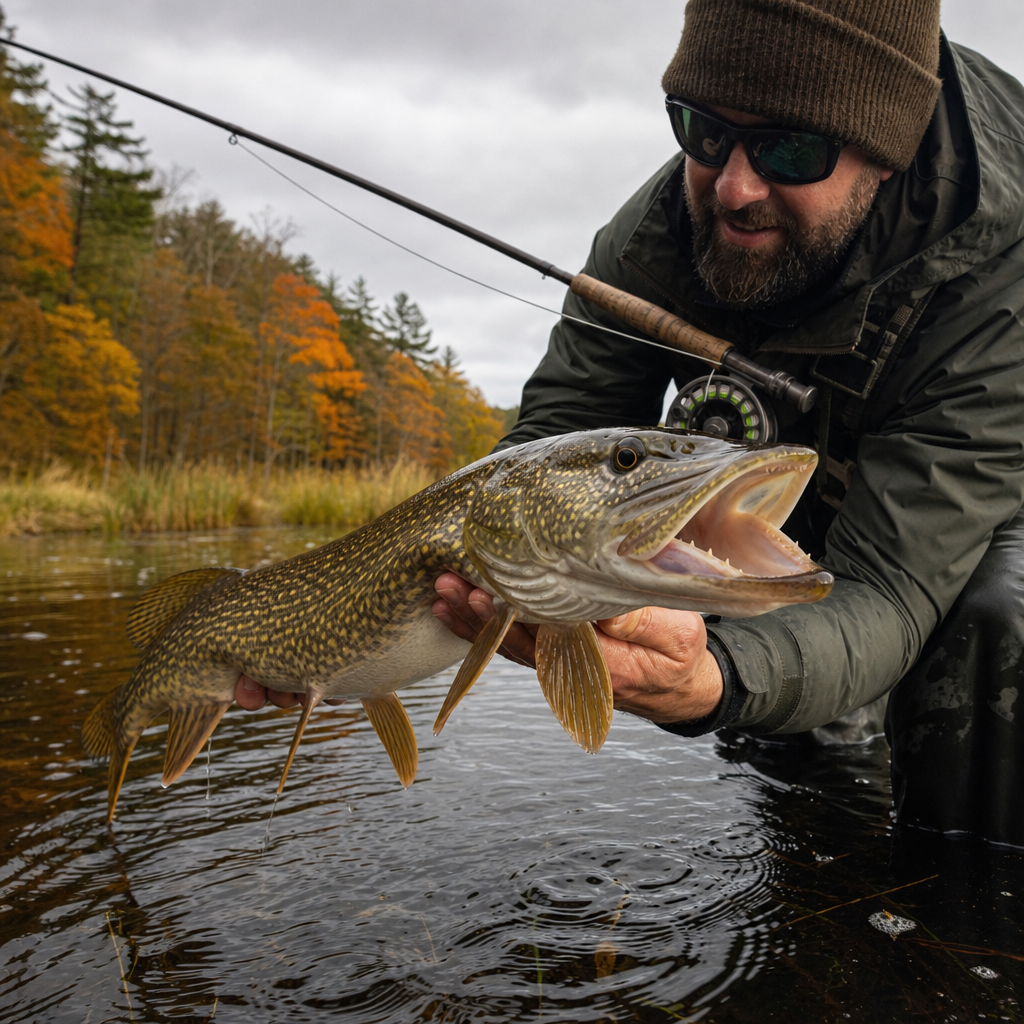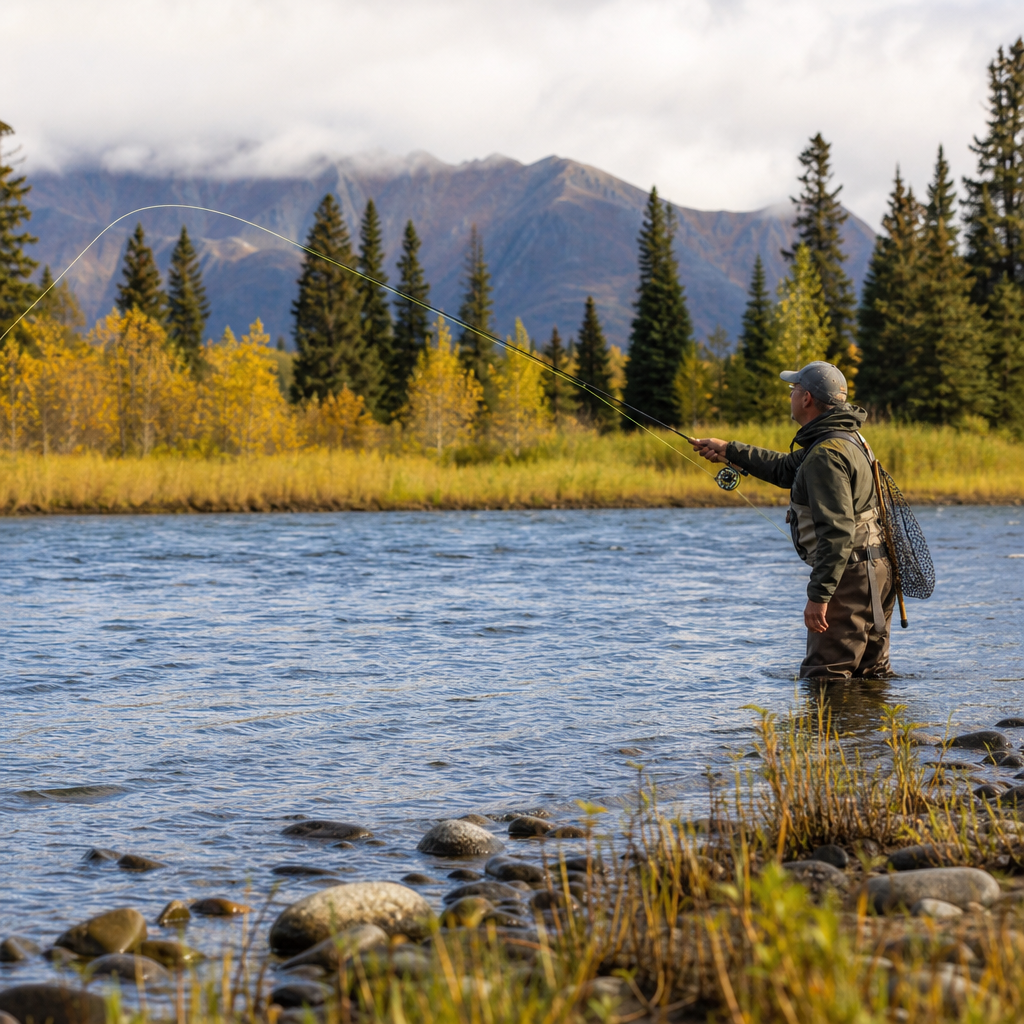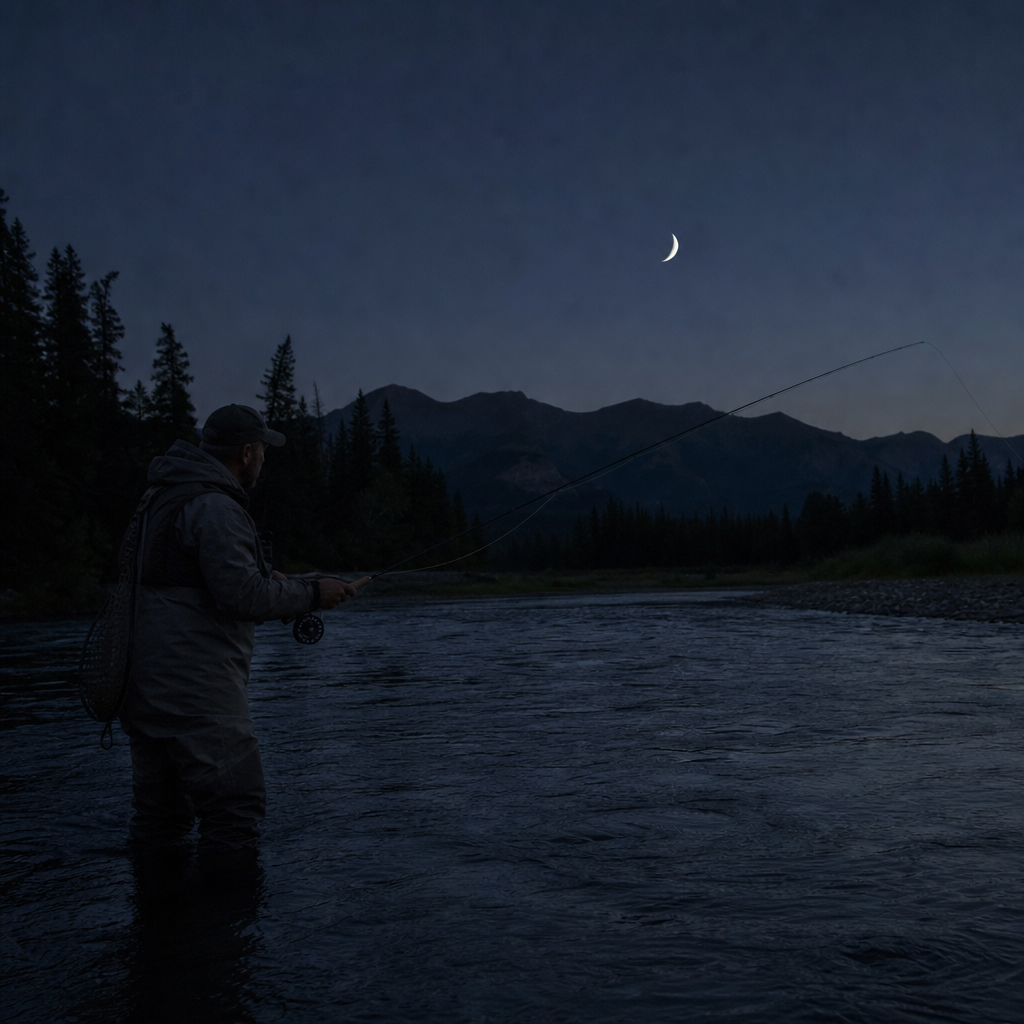
Fly fishing during a new moon demands a different rhythm than fishing under bright lunar light, because darkness changes how trout, bass, and saltwater predators feed, move, and see. In practical terms, a new moon means the moon is positioned between Earth and the sun, leaving nights with minimal visible moonlight. For anglers, that darker sky can reshape insect activity, baitfish behavior, shoreline movement, and the confidence fish feel when entering shallow water. I have planned many trips around moon phases, and the new moon consistently produces two things at once: greater opportunity and a narrower margin for error. Fish often roam farther and feed harder, but anglers who ignore timing, light transitions, and safety usually miss the best window.
This matters because time of day becomes the central variable. During a full moon, fish may feed through the night and become less predictable at dawn. During a new moon, the strongest feeding periods often compress around first light, last light, and the darkest overnight hours, depending on species and season. In rivers, low-light conditions can pull larger trout from undercut banks and woody cover. On stillwaters, cruising fish may push bait into the shallows before sunrise. In coastal water, snook, striped bass, and redfish commonly use darkness to ambush prey around current seams, bridge shadow lines, and marsh drains. Understanding these patterns helps anglers choose when to fish, where to stand, and which flies to present.
As a hub topic within seasons and conditions, time of day deserves a comprehensive treatment because it connects every major decision on the water. Your fly choice, leader setup, retrieve speed, wading plan, and even eyewear all depend on available light. Water temperature also interacts with the clock. In summer, midday heat can reduce dissolved oxygen and push trout into colder, faster currents, making dawn and dusk more productive. In colder months, a new moon afternoon may still outperform morning because the water needs several hours of solar warming before fish become active. The most successful anglers do not ask only whether the moon is new; they ask how darkness changes fish behavior hour by hour in a specific season and fishery.
That is the key to fly fishing during a new moon: treat the moon phase as a force multiplier, not a guarantee. A dark sky can improve your odds, but only if you match your approach to species, weather, and water type. Cloud cover, barometric stability, water clarity, current speed, and forage availability can all outweigh moon phase on a given day. The advantage comes from using the new moon to predict low-light feeding confidence, then adjusting your timing with precision. If you do that, the new moon becomes one of the most useful planning tools in your calendar.
How a New Moon Changes Fish Behavior
The simplest answer is that less night light makes prey harder to detect and predators bolder in close water. Many gamefish respond by hunting tighter to structure, edges, and current lanes where silhouettes and vibration become more important than detailed visual inspection. Trout often slide from deep lies into softer water to intercept nymphs, emergers, or minnows. Smallmouth may patrol rocky shorelines and current breaks more aggressively. In estuaries, predators use tidal flow and darkness together, positioning where bait must pass through a narrow corridor. The new moon does not make fish universally active all day; it often shifts activity toward periods when contrast, current, and prey concentration give predators an advantage.
Fish also respond differently depending on whether they are primarily sight feeders or opportunistic ambush predators. Trout in clear water still rely heavily on vision, so dawn, dusk, overcast periods, and stained water become especially valuable under a new moon cycle. Largemouth bass and snook, by contrast, can use lateral line detection effectively in darkness, so larger-profile flies that push water may produce surprisingly well at night. This is why black streamers, mouse patterns, gurglers, and baitfish flies with strong silhouettes often outperform pale, subtle patterns after sunset. In my experience, anglers who commit to bigger, slower, more deliberate presentations during dark phases catch more quality fish than those who fish tiny patterns by habit.
Best Time of Day for Fly Fishing During a New Moon
The best time of day during a new moon is usually the first ninety minutes before sunrise, the first two hours after sunrise, the final two hours before dark, and, for species that feed heavily at night, the first three hours after full darkness. These windows matter because they combine low light with temperature and forage movement. Dawn can be exceptional on rivers because overnight darkness reduces fish wariness, and the first usable light lets them track drifting food efficiently. Dusk is equally strong where minnows leave cover, insects hatch, or terrestrials fall onto the water. Night is most productive when you already know the water, can fish safely, and target species comfortable feeding by vibration and silhouette.
Midday is not automatically poor under a new moon, but it usually becomes more conditional. On cool spring creeks with strong hatches, bright midday light may still concentrate fish on emergers and duns. In tailwaters, generation schedules can matter more than the lunar phase. In summer warmwater fisheries, however, high sun often pushes larger fish deeper or tighter to shade, making the low-light windows decisively better. The useful rule is straightforward: when the new moon creates darker nights, expect prime activity to cluster around transitions in light, then verify with water temperature, tide, and weather.
| Time of Day | Why It Works During a New Moon | Best Targets | Recommended Fly Approach |
|---|---|---|---|
| Pre-dawn | Fish are still feeding from overnight darkness and move shallow with confidence | Trout, striped bass, redfish | Streamers, mouse patterns, baitfish flies, slow swung wets |
| Early morning | Rising light improves visibility while fish remain active and less pressured | Trout, smallmouth, carp | Nymph-dropper rigs, emergers, small streamers |
| Midday | Can work when hatches, current releases, or warming water override light intensity | Tailwater trout, spring creek trout | Dry-dropper, technical nymphing, hatch-matching dries |
| Dusk | Low light returns, bait leaves cover, and predators push into edges | Brown trout, bass, snook | Topwater, deer-hair bugs, larger streamers |
| Night | Maximum darkness favors silhouette, vibration, and ambush feeding | Brown trout, stripers, snook | Black streamers, gurglers, mice, slow strips |
Time of Day by Season
Season determines whether the new moon amplifies feeding at dawn, dusk, afternoon, or overnight. In spring, warming trends and insect emergence can make late morning through dusk excellent, especially on trout water with caddis, mayflies, and midge activity. I often find the pre-dawn bite less important in early spring than the evening rise, because water temperatures are still climbing and fish become more efficient after several hours of sun. During summer, the calculus changes sharply. Dawn becomes premium on coldwater streams, while dusk and full dark are often best for larger brown trout. On lakes and ponds, bass may chase topwater bugs at first light and again after sunset, with a clear lull under direct overhead sun.
Fall is one of the strongest new moon periods for aggressive streamer fishing. Brown trout staging before the spawn, smallmouth feeding heavily, and striped bass pushing bait can all use the darker nights to hunt shallow structure. Shorter days also mean anglers can access prime low-light windows without fishing deep into the night. In winter, midday frequently regains importance. A new moon can still help early and late, but the warmest part of the day may trigger the most consistent feeding, especially for trout in freestone rivers. The point is not to memorize one universal best hour. Instead, pair moon phase with seasonal metabolism and the fishery’s dominant food source.
River, Lake, and Saltwater Strategies
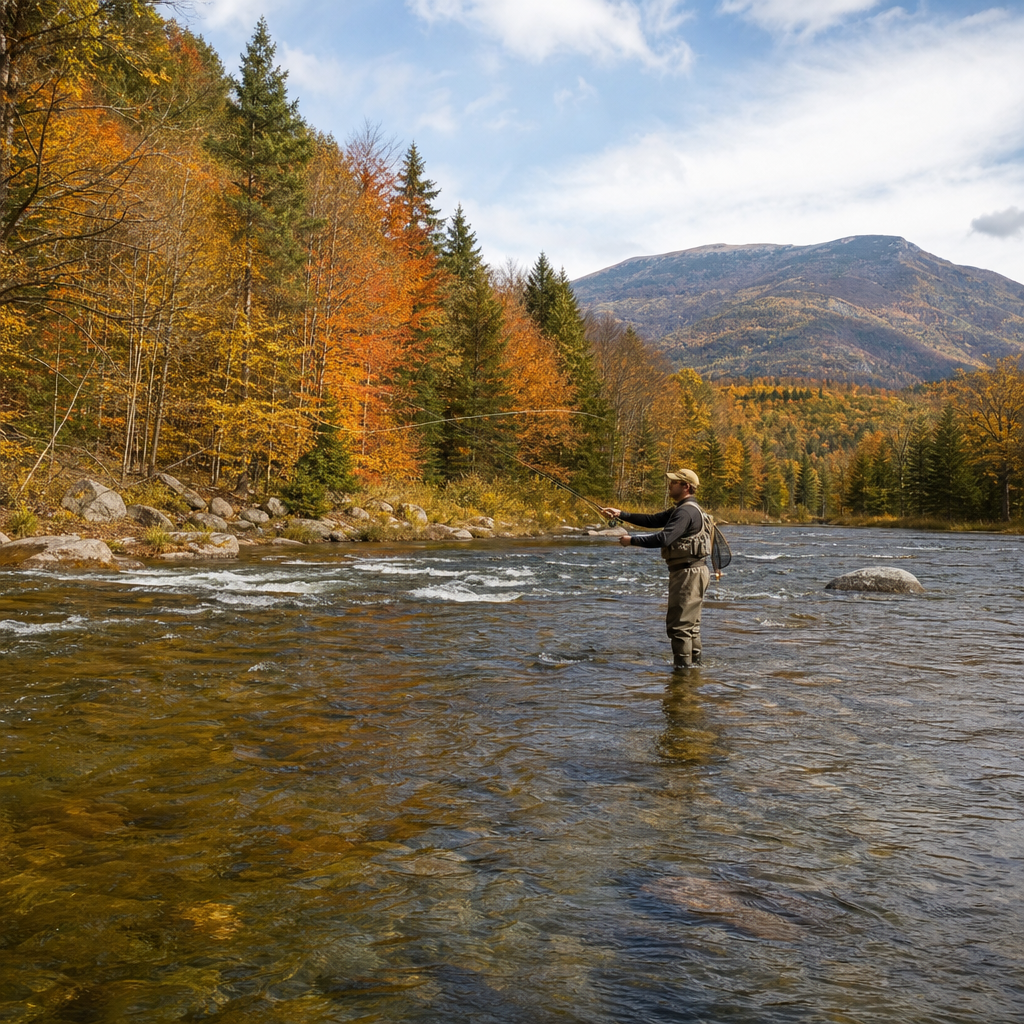
On rivers, focus on lies fish can reach safely in low light: inside seams, soft edges beside faster current, tailouts, bank shadows, and transitions below riffles. New moon darkness encourages larger trout to leave heavy cover, but they still want efficient current and a short path back to security. Approach quietly, fish from downstream when possible, and cover water methodically. Swinging soft hackles at dawn, dead-drifting nymphs through softer lanes in early morning, and stripping articulated streamers at dusk are all productive patterns. In small streams, mouse fishing at night can be outstanding, but accurate casting and intimate knowledge of structure are essential.
On lakes and reservoirs, time of day often centers on shoreline patrol routes. During a new moon, trout, bass, and panfish frequently cruise weed edges, points, drop-off lips, and shallow flats at night or near dawn. The best strategy is to intercept movement rather than blind-cast the entire shoreline. Use intermediate lines for shallow baitfish work, floating lines for topwater, and count-down presentations on deeper shelves once the sun is higher. Watch for subtle clues: dimples from bait, wakes over flats, or fish pinning minnows against reeds. If wind creates a chop, fish may stay active longer into the morning because surface disturbance extends the low-visibility advantage.
In saltwater, the new moon often matters most where tide and current funnel bait. Marsh drains, bridge abutments, dock lights with weak ambient spill, inlet edges, and beach troughs all become high-percentage zones. Striped bass in particular are famous for feeding hard on dark nights around moving water, and many experienced guides deliberately favor black or purple flies because they create stronger silhouettes against the surface. For redfish, early morning on a flood tide can bring fish tailing shallow with less boat pressure and less visual alarm. For snook, night bridge fishing during a new moon can be exceptional, but current speed, safe boat control, and abrasion-resistant leaders are nonnegotiable.
Fly Selection, Presentation, and Gear Adjustments
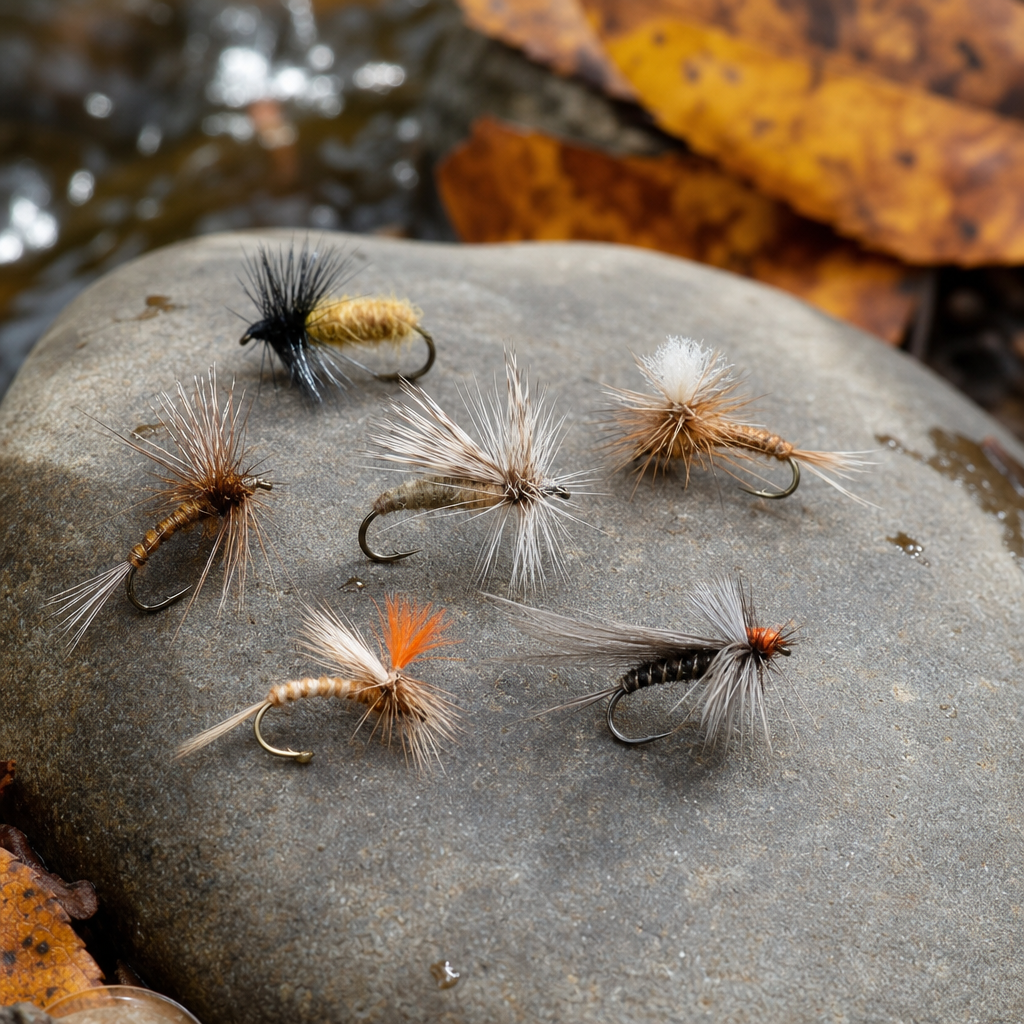
The most effective flies during a new moon usually emphasize profile, movement, and contrast over fine detail. For trout, that means woolly buggers, sculpin patterns, leeches, zonkers, soft hackles, and mouse flies in low light, then transitioning to hatch-specific patterns once the sun is up and insects become visible. For bass and pike, deer-hair divers, poppers, craw patterns, and baitfish imitations work well. In the surf or estuary, Clousers, Deceivers, gurglers, and hollow-tied baitfish flies are dependable choices. Dark colors are not magic, but black, olive, purple, and deep brown often create the clearest silhouette at dawn, dusk, and night.
Presentation matters more than pattern changes many anglers realize. In darkness, fish usually need more time to locate the fly, so slower strips, longer pauses, broadside swings, and repeat casts to likely holding water outperform frantic retrieves. Use heavier tippet when fishing larger flies near cover, especially at night, because strike detection is delayed and fish can wrap structure quickly. A short, stout leader often turns over bulky flies better than a long technical leader. I prefer a headlamp with a red-light setting, polarized glasses for the low-angle dawn period, and a stripped-down pack layout so every tool is reachable by touch. Efficiency is a fishing advantage and a safety advantage in low light.
Common Mistakes and How to Avoid Them
The biggest mistake is treating the new moon as a blanket promise of better fishing without considering species and water conditions. Anglers also arrive too late, especially for dawn sessions. If you step into the river at sunrise, you already missed a critical part of the window. Another common error is fishing too fast in the dark. Fish can be active yet still need a slower, more trackable presentation. Wading aggressively, shining bright lights on the water, and changing flies constantly are other reliability killers. On unfamiliar water, nighttime ambition can become dangerous quickly, so there is no advantage in forcing after-dark fishing where footing, current, or boat traffic are uncertain.
A more subtle mistake is failing to build a time-of-day log. Record moon phase, air temperature, water temperature, cloud cover, flow, tide stage, major insect activity, and exact bite windows. Over time, patterns become obvious. You may learn that your home tailwater fishes best from 6:15 to 8:00 a.m. on dark summer mornings, or that your local flat turns on only during the last of the outgoing tide at dawn. Those specifics are what turn moon-phase theory into repeatable success.
Fly fishing during a new moon is most productive when time of day guides every decision. Dark nights can make fish bolder, shift feeding shallow, and expand the value of dawn, dusk, and early night sessions, but those benefits only show up when matched with season, water type, temperature, and forage. Rivers reward stealth and structure awareness, lakes favor intercepting patrol routes, and saltwater fisheries hinge on current and bait movement. Across all of them, low-light fly selection, slower presentations, and precise timing matter more than superstition about the moon itself.
The main benefit of understanding new moon strategy is efficiency. Instead of fishing random hours, you can concentrate your effort when fish are most likely to move and feed. That means more deliberate trip planning, better fly choices, safer low-light preparation, and a higher chance of connecting with larger, less pressured fish. If you want to improve results in this subtopic, start by building your own time-of-day log around the next new moon and compare dawn, dusk, and night windows on the same water. A few disciplined outings will teach you more than a full season of unfocused casts.
Frequently Asked Questions
What makes fly fishing during a new moon different from fishing under a brighter moon phase?
Fly fishing during a new moon is different because the lack of visible moonlight changes how fish use their environment. On brighter nights, many species can feed more efficiently over longer periods because they can silhouette prey, patrol edges, and move confidently through open water. During a new moon, that visual advantage drops. Trout often shift tighter to structure, softer seams, undercut banks, and shoreline edges where food funnels naturally. Bass may push shallow with more confidence, especially if the water has some stain or nearby cover. In saltwater, predators such as snook, stripers, redfish, and even tarpon can become more dependent on current breaks, ambush lanes, and vibration-based feeding rather than pure sight.
The darker sky also affects the entire food chain. Insect activity may concentrate differently, baitfish can stay tighter to shore or structure, and prey species may become less predictable in open water. For fly anglers, that means success often comes from simplifying the hunt: focus on high-percentage water, fish slower and more methodically, and trust spots that naturally compress fish movement. A new moon does not automatically mean worse fishing. In many cases, it creates better opportunities for larger, less cautious fish because darkness gives them cover. The key is recognizing that fish may feed in shorter, more strategic windows and that your presentation, timing, and location choices matter even more than usual.
What are the best tactics for targeting trout during a new moon?
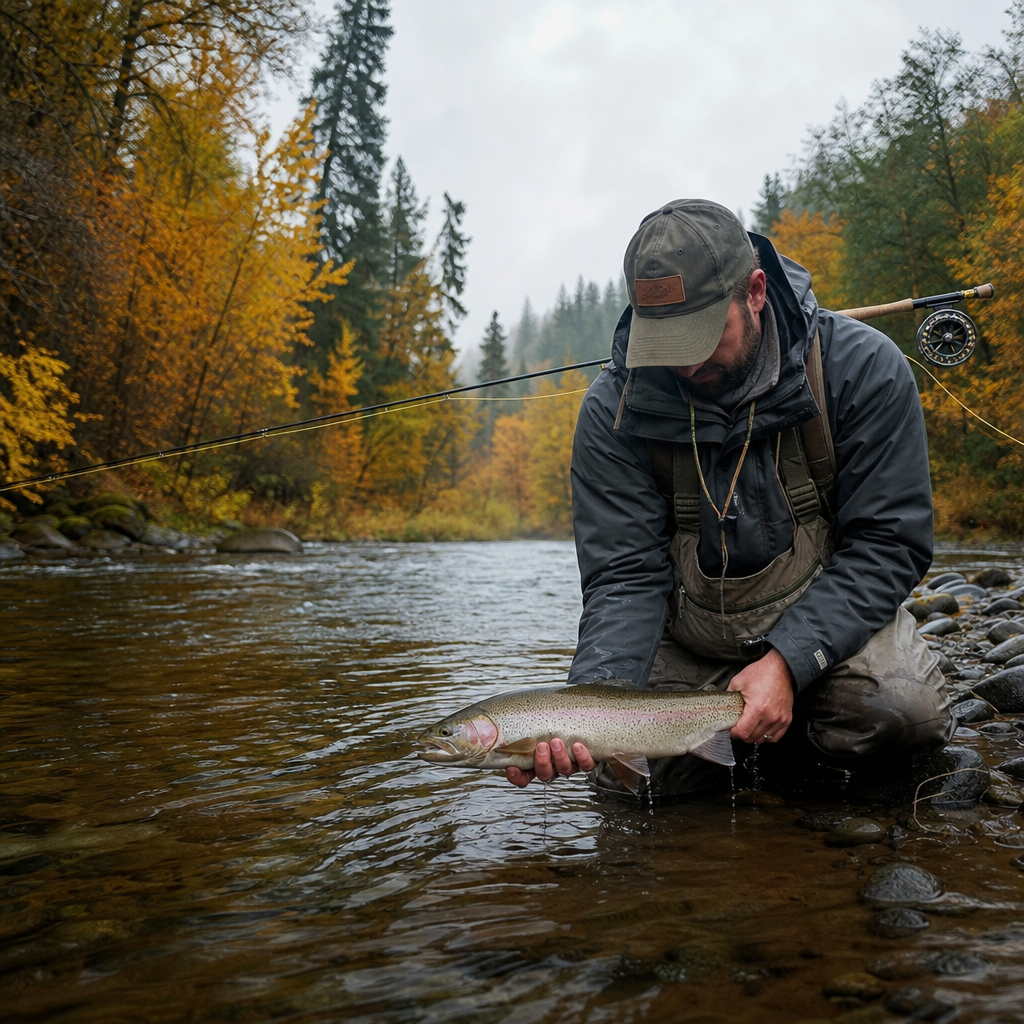
For trout, the best new moon tactics usually revolve around fishing structure-rich water and using presentations fish can find easily in low light. In rivers and streams, focus on bankside cover, submerged timber, undercut edges, tailouts, and transition lanes where faster water drops into softer holding water. Trout are less likely to roam widely when they cannot rely as much on vision, so they often set up in places where food comes to them. That makes accurate casting and a controlled drift especially important.
Fly selection should lean toward patterns that create a stronger silhouette or offer movement and texture fish can detect. Larger nymphs, streamers, and terrestrials can all be effective depending on the season. Darker flies often stand out better against the faint surface glow when viewed from below, while flies with some bulk or motion can help trout key in without needing a perfect visual lock. If fish are feeding subsurface, dead-drift your flies carefully through likely lanes, then add subtle swings or lifts at the end of the drift to trigger a reaction. If you are streamer fishing, slow down more than you think. In darkness, trout usually do not want to chase as far, so shorter strips, pauses, and tight line control often outperform aggressive retrieves.
Timing matters too. The most productive windows are often the last light before full darkness, the first hour or two after sunset, and the predawn period. Those transition periods combine reduced light with enough visibility for fish to feed efficiently. Safety and stealth also become bigger factors. Wading at night or near darkness requires a conservative approach, and quiet movement near the bank can pay off because trout in shallow edges are easier to spook when sound and vibration travel through calm water.
How should I adjust my fly patterns and retrieves for bass or saltwater species during a new moon?
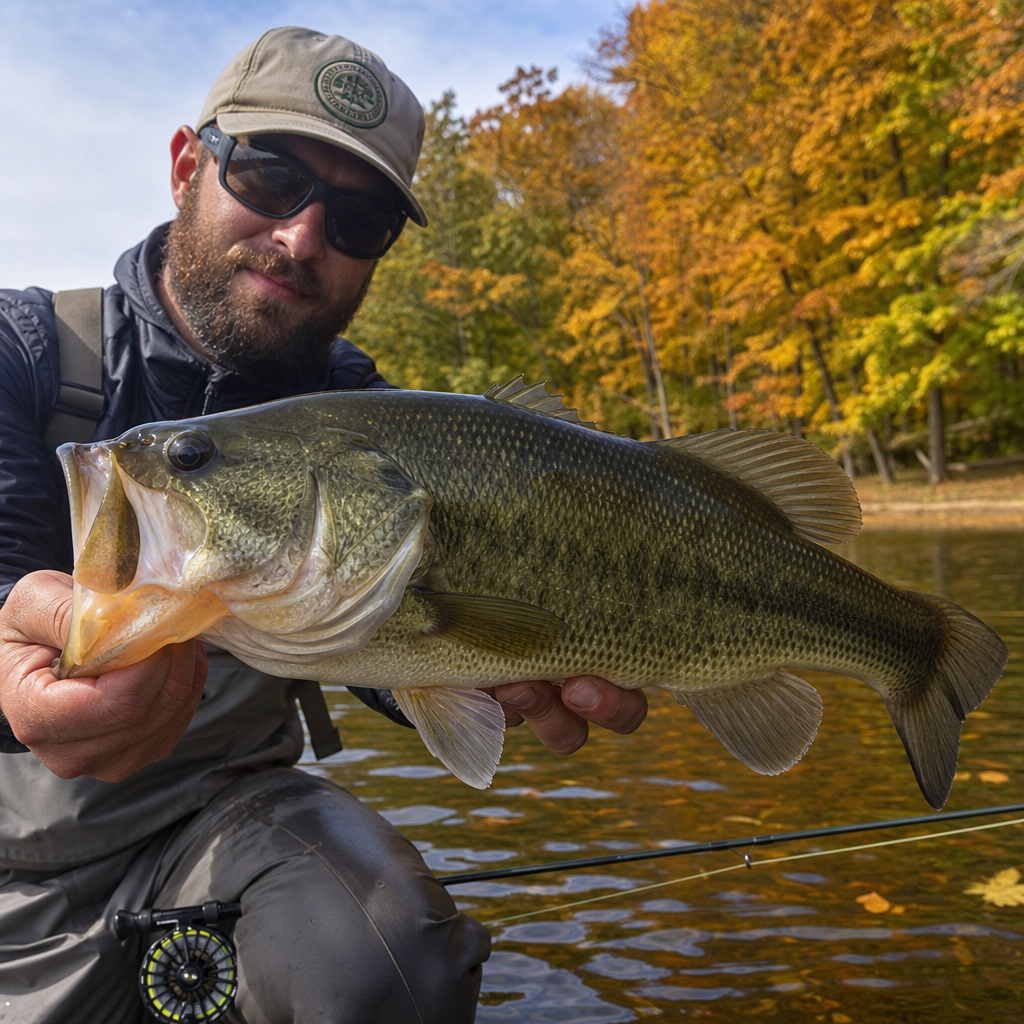
When targeting bass or saltwater species during a new moon, think in terms of detection, contrast, and location. Fish are often feeding with less reliance on long-range vision, so your flies should be easy to track through silhouette, profile, pulse, and water displacement. For largemouth and smallmouth bass, darker streamers, deer hair bugs, baitfish imitations with broad profiles, and patterns with rubber legs or flowing materials can all be strong choices. In saltwater, patterns that imitate mullet, anchovies, shrimp, or small crabs should match local forage, but they should also push enough water to get noticed.
Retrieves generally need to become more deliberate. Instead of constant fast stripping, use a cadence that gives predators time to locate and commit. For bass, that may mean a pop-pause rhythm on the surface, or slow strips with occasional stalls subsurface. For snook, stripers, or redfish around shorelines, dock lights, creek mouths, mangrove edges, and current seams, a measured retrieve that keeps the fly in the strike zone longer is often best. Predators commonly position themselves in predictable ambush points during dark nights, so covering water efficiently matters less than making repeated quality presentations into those narrow feeding lanes.
Another smart adjustment is to scale up slightly when conditions allow. A somewhat larger fly can create a stronger target in low light, especially in stained water or moving current. That said, match the forage first. If bait is small and concentrated, a subtle but dark-toned pattern may still outperform a large profile. The main principle is simple: make it easy for fish to find your fly without making it look unnatural. Presentation depth, current angle, and retrieve tempo usually determine success more than color alone.
Are there specific times, tides, or weather conditions that improve fly fishing during a new moon?
Yes. During a new moon, the most important variables often become light transition, current movement, and weather stability. Dawn and dusk remain prime because fish gain the security of low light while still having enough contrast to feed effectively. On fully dark nights, some species still feed hard, but they tend to do it around very specific environmental triggers rather than all night long. For river trout, that trigger might be a short insect emergence, a bump in flow, or cooler overnight temperatures. For bass and saltwater predators, moving water is often the biggest driver.
In tidal environments, new moons are especially important because they are associated with stronger tidal exchanges. Those stronger tides can reposition bait, intensify current seams, and create well-defined feeding stations around inlets, creek mouths, flats edges, bridges, and marsh drains. That can make fishing excellent if you time it right. Rather than simply fishing “at night,” target periods when bait is forced through structure or swept off the flats. Predators often wait for those windows because they can feed efficiently even in very dark conditions.
Weather can amplify or reduce the effects of a new moon. Cloud cover may not matter as much when the moonlight is already minimal, but wind direction, barometric trends, water temperature, and clarity still matter a great deal. A warm evening with light wind can stimulate insect life and shoreline feeding. A falling temperature after a front may slow fish and shrink the feeding window. In saltwater, clean but not overly clear water is often ideal because fish can still feed with confidence while using lateral line cues and current positioning. In short, the best new moon fishing usually happens when darkness overlaps with another feeding trigger, such as moving tide, stable temperatures, concentrated bait, or low-light transitions.
What are the biggest mistakes anglers make when fly fishing during a new moon, and how can they avoid them?
One of the biggest mistakes is fishing too fast. In dark conditions, anglers often assume fish are aggressively roaming and willing to crush anything that moves. Sometimes that is true, especially with bass or certain saltwater predators, but more often fish are feeding in compact zones and using short-range strikes. If you move too quickly through good water, retrieve too fast, or make only one cast at prime structure, you can easily miss the best opportunities. Slow down, repeat quality casts, and work the fly through likely holding lanes from multiple angles.
Another common mistake is ignoring structure and trying to cover too much water blindly. During a new moon, fish usually become more location-dependent, not less. Banks, seams, drains, grass edges, bridge shadow lines, rock transitions, and woody cover become even more important because they organize both prey and predators. Productive fishing is rarely random on dark nights. Build a plan around places where fish can feed efficiently with limited visibility.
Anglers also make the error of relying too heavily on tiny, subtle flies that are hard for fish to find, especially in off-color water or moving current. While matching the hatch or forage still matters, your fly needs presence. That can mean a darker pattern, a broader profile, a little flash used carefully, or materials that breathe and pulse naturally. Finally, many anglers underestimate the importance of safety and preparation. New moon fishing often means limited visibility while walking banks, handling boats, wading, or managing line. Organize your gear before dark, keep your setup simple, use a headlamp sparingly to preserve night vision, and avoid unnecessary risks. Good new moon anglers are usually the ones who combine discipline, efficient presentations, and careful planning with a willingness to fish patiently through narrow but very productive windows.