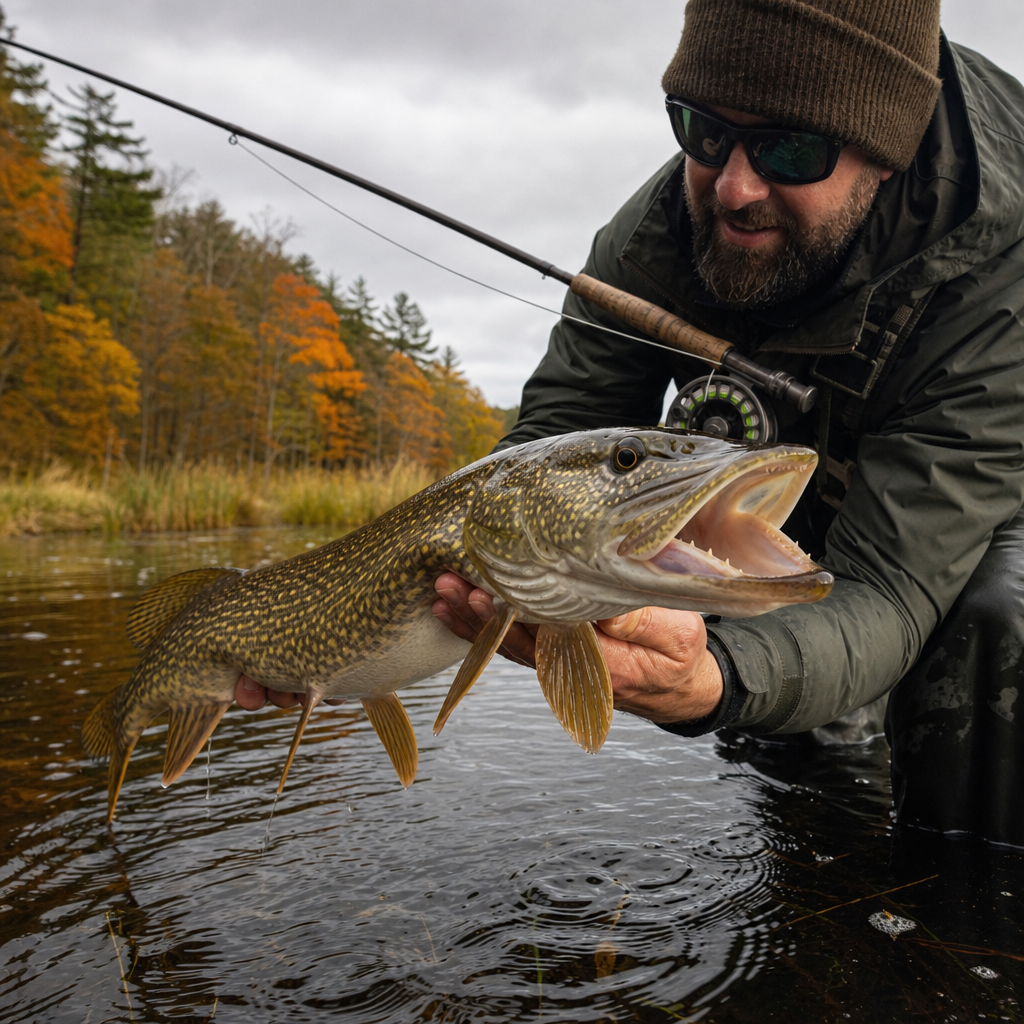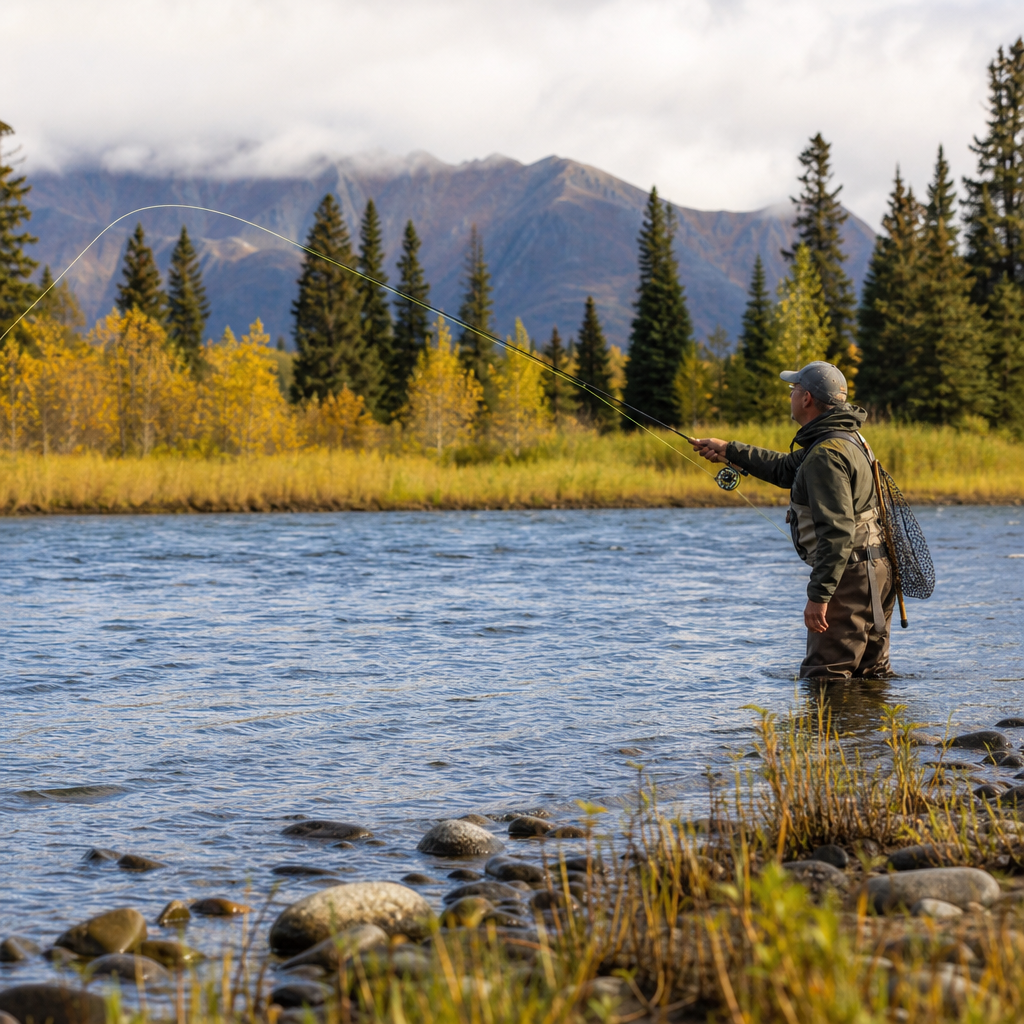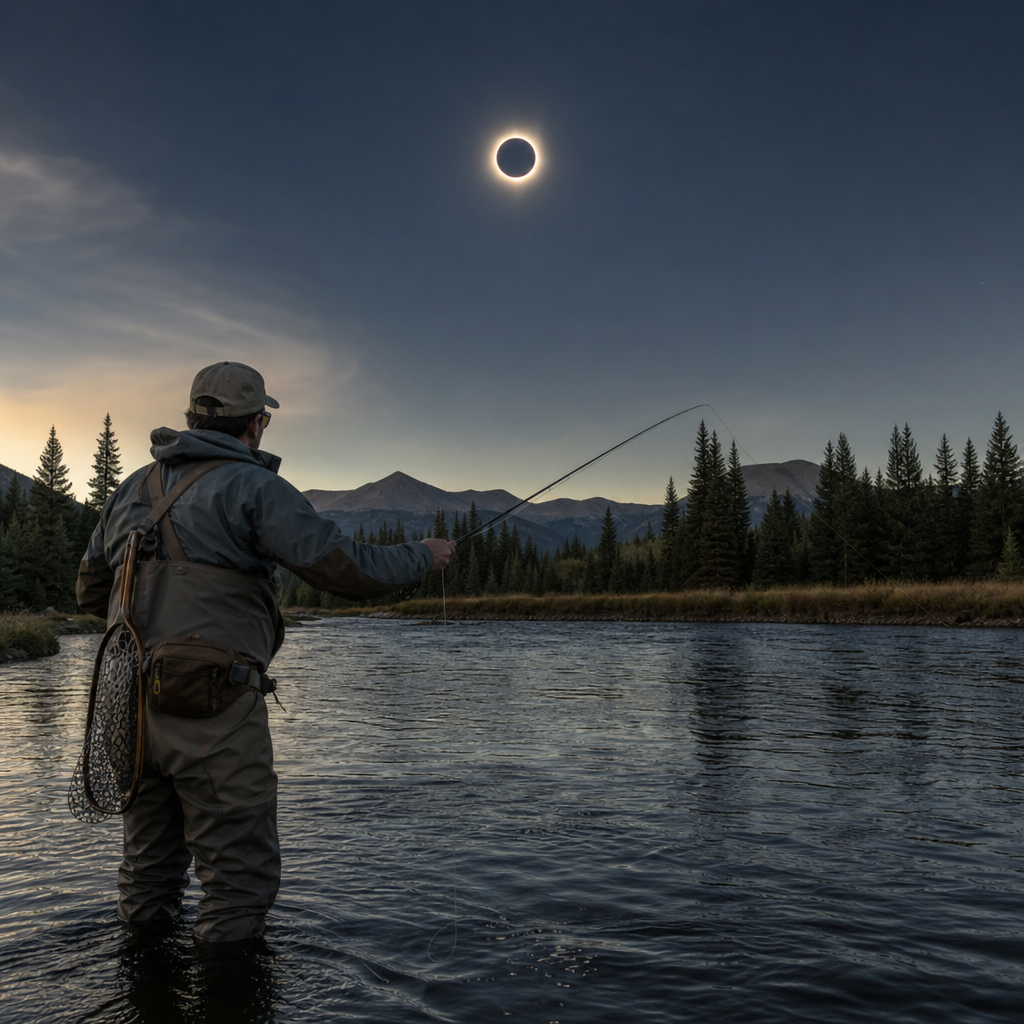
Fly fishing during solar eclipses combines one of the rarest natural events with one of angling’s most time-sensitive pursuits. For trout, bass, carp, and panfish, light levels are not just background scenery; they shape feeding lanes, depth preference, insect activity, predator caution, and the short windows when fish move aggressively. A solar eclipse compresses those changes into minutes. For anglers, that creates a fascinating overlap between astronomy and on-the-water decision making, especially within the broader subject of time of day.
Time of day in fly fishing usually means understanding dawn, midmorning, afternoon, dusk, and night transitions. Each period changes water temperature, surface glare, dissolved oxygen behavior, current use, and the insects available to fish. During an eclipse, those normal patterns can blur. A midday river may briefly behave like evening. A bright flat may fish more like first light. Birds quiet down, air temperature dips, and emergers or baitfish may react unpredictably. I have planned trips around low-light feeding windows for years, and an eclipse is the most dramatic short-term light shift an angler can fish through.
This matters because success during an eclipse rarely comes from treating it as a novelty. It comes from reading the event as an accelerated time-of-day change and adjusting presentation, fly choice, position, and safety accordingly. The best approach is practical: know what stage of eclipse you will fish, match tactics to species and water type, and treat the minutes before, during, and after totality or peak coverage as separate fishing periods. Anglers who understand those transitions can turn a crowded spectacle into a disciplined, productive session.
Why a Solar Eclipse Changes Fishing Behavior
A solar eclipse affects fish primarily through light reduction, not magic. Fish use changing light to assess risk and feeding opportunity. In clear rivers, bright overhead sun often pushes trout tight to structure, depth, undercut banks, or broken riffles where they can feed without being exposed to predators. As light softens, many fish expand their holding water, slide into shallower seams, and inspect larger prey. During an eclipse, that transition can happen quickly enough that fish appear to “turn on” in water that was dead fifteen minutes earlier.
The degree of change depends on eclipse type and location. A total eclipse can create an abrupt dusk effect, while a deep partial eclipse may only soften edges and reduce glare. Water clarity matters too. On spring creeks and tailwaters, where trout see well and reject sloppy presentations, reduced light can improve angler odds by making fish less selective for a short window. On stained warmwater lakes, the effect may be less about visibility and more about baitfish movement, shoreline cruising, or temporary shifts in schooling behavior.
Air temperature and insect response can contribute, but they are secondary on short timelines. A brief cooling trend may slow some hatches while encouraging others near the margins, especially midges or small mayflies already close to emergence. More often, what anglers notice is a behavior chain: light drops, birds change activity, bait compresses or moves shallower, and game fish reposition. Thinking in those cause-and-effect terms helps you choose tactics instead of hoping the sky does the work for you.
Time of Day as the Core Strategy
The most useful way to fish an eclipse is to map it onto familiar time-of-day behavior. If noon begins to resemble dusk, fish the water you would normally reserve for evening: soft banks, inside seams, current edges below riffles, shallow lake shelves, weed lines, and the first drop beside flats. If your home water fishes best at first light when trout patrol inches of depth, an eclipse may briefly recreate that confidence window. That does not mean every fish starts surface feeding, but it does mean fish often become more willing to leave cover and intercept a fly.
I break the event into four practical periods. The pre-eclipse phase is often standard daytime fishing, with nymphs, streamers, or terrestrials matching existing conditions. As light begins to fall, transition water becomes more important than deep refuge water. Near maximum coverage or totality, I expect either a short burst of movement or a confusing lull, depending on species and pressure. The post-eclipse phase can be excellent because fish that moved during the darkening often continue feeding for several minutes before settling back into normal daytime positions.
This framework also makes this page a useful hub for the broader time-of-day topic. Dawn teaches stealth and shallow searches. Midday teaches precision, depth control, and glare management. Evening teaches location shifts and silhouette awareness. Eclipse fishing pulls lessons from all three. If you already organize your fly fishing by light angle and feeding windows, you are better prepared for an eclipse than anglers who focus only on fly pattern names.
Best Tactics by Water Type and Species
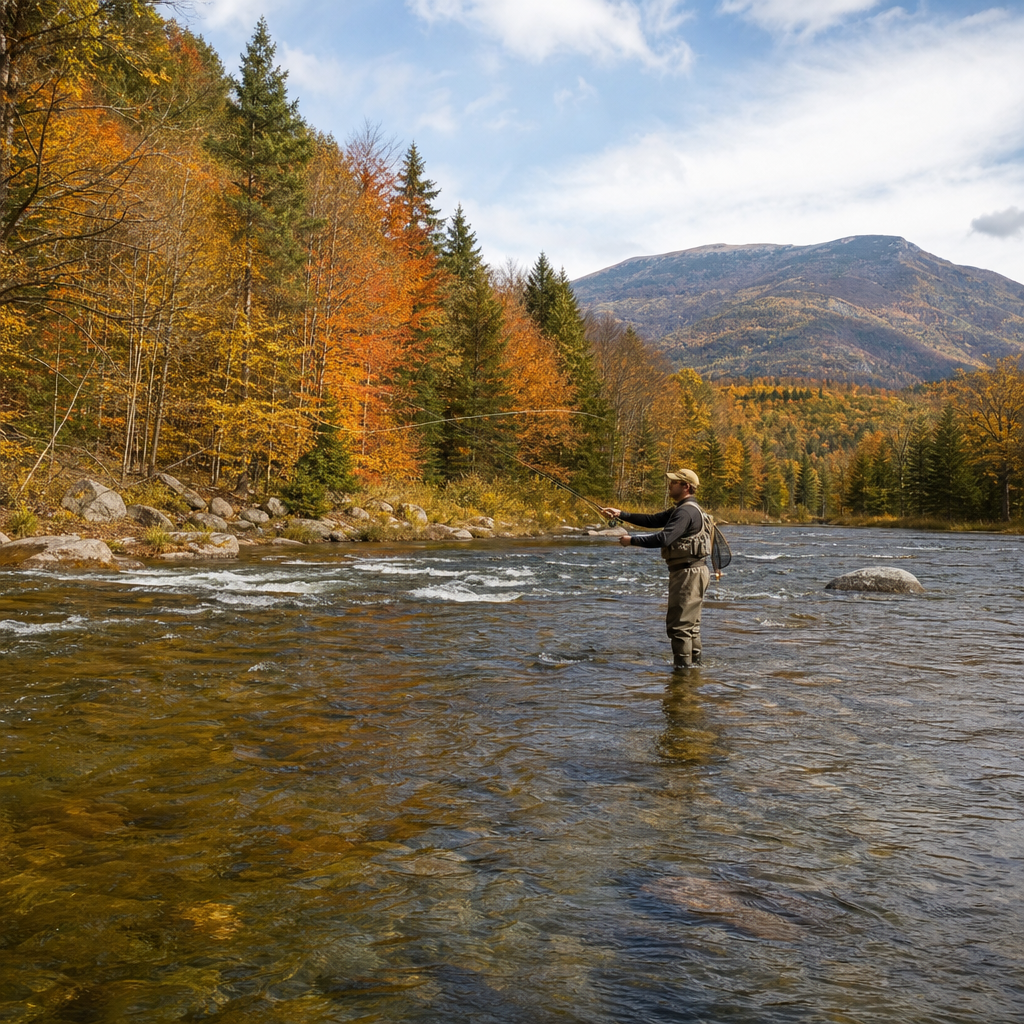
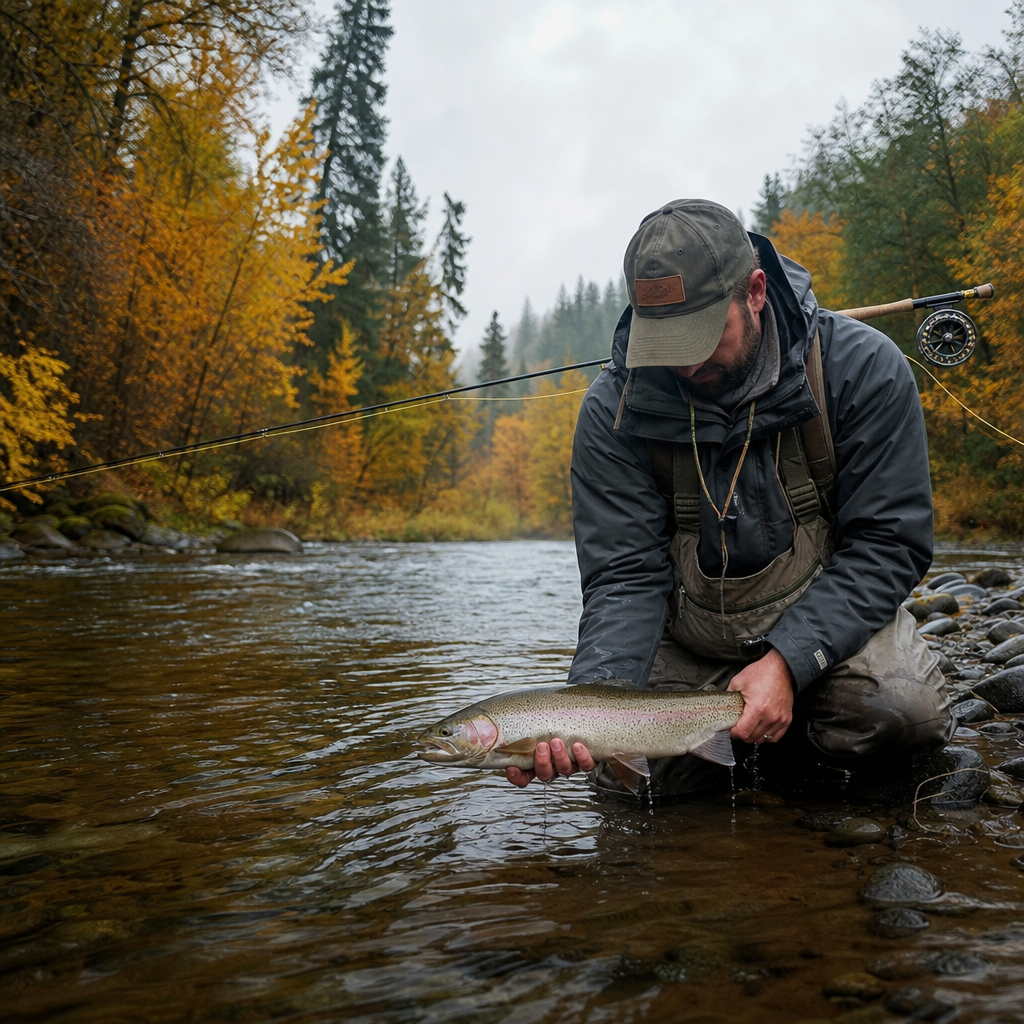
Rivers and streams usually show the clearest eclipse response because current concentrates fish and food. Trout in riffle-run transitions may move from the bottom of buckets into softer feeding lanes as overhead brightness fades. Start with nymphs under an indicator or tight-line setup before the light change, then be ready to switch to unweighted wets, soft hackles, or small streamers when fish begin to suspend or chase. During one heavily overcast midday event on a western freestone, I watched fish that had ignored a size 18 pheasant tail take a swung soft hackle in knee-deep water once cloud cover and dimming combined.
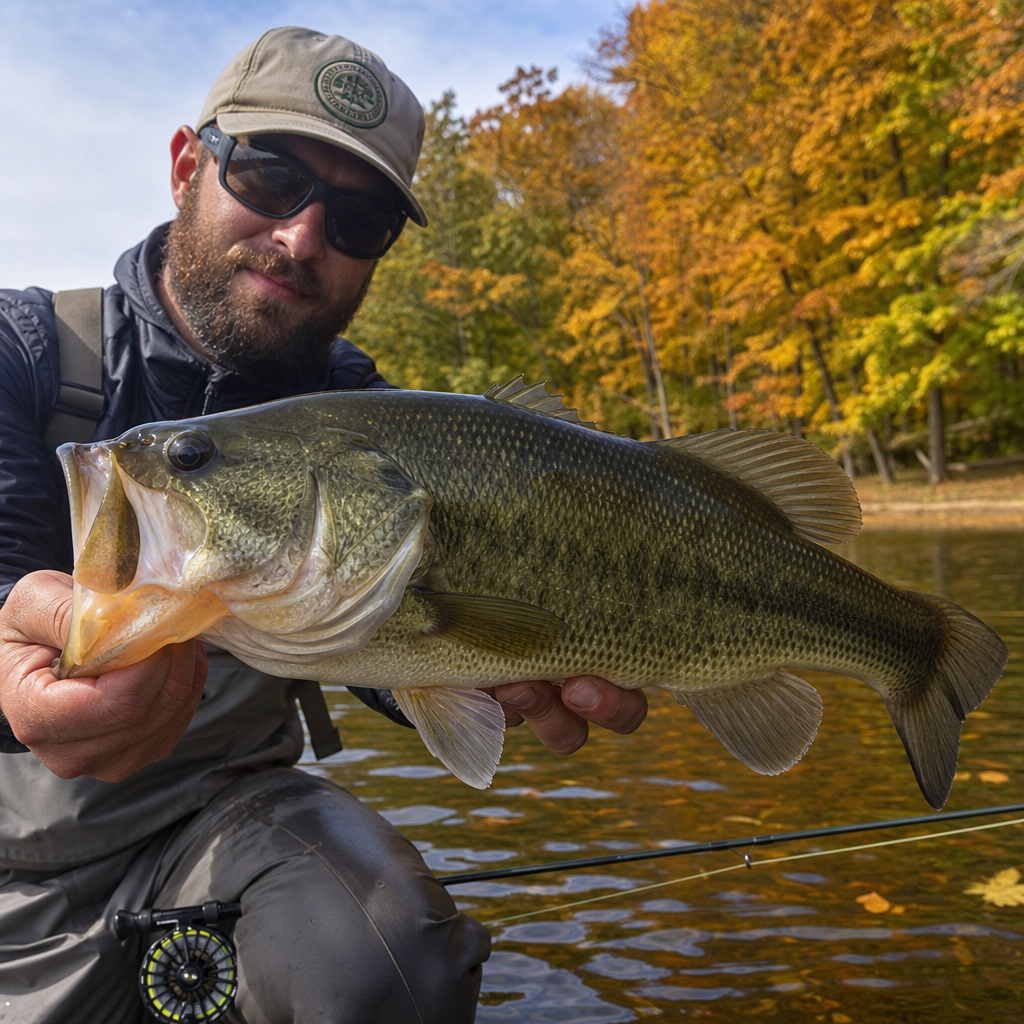
Lakes and ponds require a broader search. Bass and panfish often cruise more confidently when the sun softens, especially along docks, weed edges, and shaded banks that become less distinct under eclipse light. Carp may tail shallower if human movement is controlled. Here, a slow stripped leech, damselfly nymph, baitfish pattern, or deer hair bug can outproduce deeper presentations. Focus on edges where fish can transition quickly between security and feeding water.
Tailwaters deserve a caution: stable flows and cold temperatures can make fish less reactive to short atmospheric changes than freestones. That does not mean nothing happens. Rather, the response may be subtle and concentrated in select lanes. On technical tailwaters, the eclipse advantage often comes from reduced glare and lower fish wariness, not dramatic movement. Fine tippet, drag-free drifts, and exact depth remain decisive.
| Water Type | Likely Eclipse Effect | Best Fly Categories | Primary Target Water |
|---|---|---|---|
| Freestone river | Trout move into softer, shallower feeding lanes | Soft hackles, nymphs, small streamers | Riffle edges, seams, tailouts |
| Tailwater | Reduced wariness more than major relocation | Midges, baetis nymphs, emergers | Defined current lanes, foam lines |
| Lake or pond | Warmwater fish cruise with more confidence | Leeches, baitfish, poppers, damsels | Weed lines, docks, shallow shelves |
| Spring creek | Better approach angles under softer light | Emergers, cripples, small terrestrials | Undercut banks, slicks, weed beds |
Fly Selection, Presentation, and Gear Adjustments
Fly choice during a solar eclipse should follow visibility and prey behavior. When fish shift from defensive holding to opportunistic feeding, profile and movement often matter more than exact imitation. That is why soft hackles, lightly weighted nymphs, small baitfish patterns, and sparse streamers are so useful. They can be dead-drifted, swung, or stripped with minimal changes. If an actual hatch starts, then match it, but do not force a hatch-driven approach just because the light looks like evening.
Presentation needs to become more mobile as the eclipse deepens. Cover water. Fish angles that let the fly cross fish vision rather than drop vertically into a narrow daytime lane. In streams, quartering casts and controlled swings can trigger fish that would not rise to a static dead drift. In stillwater, lengthen the pause between strips because fish often track more confidently in softer light. For dry flies, choose patterns with visible posts or contrasting wings; the fish may see well enough, but you still need to track the drift as ambient light changes.
Gear changes are straightforward. Carry both polarized glasses and a clear or low-light lens option if legal and safe for boating or wading visibility. Keep your headlamp accessible for tackle management, but do not rely on it for sight-fishing. Use eclipse-safe solar viewing glasses only for looking at the sun, never as fishing eyewear. A second rod rigged with a streamer or emerger saves critical minutes during the peak window. Because many eclipse destinations draw crowds, simplify your pack and keep your landing net, forceps, and tippet easy to reach.
Safety, Ethics, and Trip Planning
The biggest eclipse fishing mistake is forgetting that spectacle changes judgment. Eye safety comes first. Use certified eclipse viewers that meet the ISO 12312-2 standard when looking at the sun outside totality. During partial phases, never look directly without proper protection. On the water, maintain footing and boat position before you look up. I have seen anglers step into poor wading lanes because they were watching the sky instead of current speed and substrate.
Crowds are the second planning issue. Popular eclipse paths can overwhelm access points, boat ramps, and parking areas. Scout backup water, download maps for offline use, and arrive earlier than you would for a normal hatch. Cell service often degrades in heavily visited areas. Share your float plan, watch weather forecasts closely, and respect private property boundaries that become tempting when public pullouts fill. If you fish during totality from a drift boat or raft, anchor choices and downstream hazards deserve extra attention because visibility and distractions change at the same time.
Ethically, avoid turning a fishery into a social media set. Handle fish quickly, especially during warm conditions when added stress is unnecessary. If the event causes unusual feeding activity, that is not a reason to overplay fish for photos. Keep barbs pinched where appropriate, revive fish in current, and remember that the eclipse lasts minutes while the fishery needs stewardship year-round. Good planning should improve both your catch rate and your conduct.
What to Expect Before, During, and After Peak Darkness
Before peak darkness, fish the existing pattern and collect information. Are trout hugging the bottom, refusing, or flashing at emergers? Are bass holding under shade or already cruising? These observations tell you which adjustment to make once light falls. During the darkening phase, watch edges, not just rises. Swirls near banks, bait scatter, and subtle follows often signal the real shift before obvious surface activity starts.
At peak darkness or maximum coverage, be ready for two valid outcomes. The first is a sharp feeding window similar to evening, where fish move and eat confidently for a brief stretch. The second is a pause, where fish seem disoriented and stop showing. Both occur. Species, forage base, pressure, and weather determine which one you get. The worst response is changing flies every two minutes. Stick with a deliberate plan for ten to fifteen minutes unless you have direct evidence of a hatch or a chase response.
After the light returns, do not leave immediately. Some of my best low-light catches have come in the rebound period, when fish remain active but anglers start packing up. Work the same transition lanes once more, then slide back toward classic daytime holding water. If the page’s larger lesson is about time of day, this is it: fish respond not to the clock itself, but to the changing package of light, temperature, risk, and food. A solar eclipse simply reveals that truth in fast motion.
Fly fishing during solar eclipses is most rewarding when you treat the event as an accelerated lesson in time of day rather than a lucky anomaly. Light reduction alters fish behavior by changing perceived safety, feeding position, and visibility. The most consistent anglers respond by fishing transition water, carrying versatile flies, and separating the event into pre-eclipse, darkening, peak, and rebound phases. Rivers, tailwaters, lakes, and spring creeks all react differently, but the guiding principle stays the same: fish where low-light confidence usually creates opportunity.
The broader value of this approach extends beyond a single celestial event. When you learn to connect dawn, midday, evening, weather shifts, and eclipses through the common thread of light, your decisions become faster and more precise on any water. That is why time of day belongs at the center of seasonal and conditional fly fishing strategy. It helps you choose water, flies, and presentations based on causes instead of guesswork.
If you are planning to fish an upcoming eclipse, study the timing, scout access, rig for two tactics, and commit to observing fish behavior as carefully as the sky. Then apply those same time-of-day lessons on your next ordinary outing. The eclipse may be rare, but the insights it gives you can improve every hour you spend fly fishing.
Frequently Asked Questions
How does a solar eclipse affect fish behavior while fly fishing?
A solar eclipse can trigger a sudden, temporary shift in fish behavior because it compresses dusk-like light changes into a very short period. Fish such as trout, bass, carp, and panfish often rely on changing light levels to decide when to feed, move shallow, slide into current seams, or become less cautious. During an eclipse, that change happens in minutes instead of over the course of an evening, which can create a brief but very real feeding window. Trout may leave deeper holding water to investigate softer edges, riffles, or emergent insect activity. Bass may become more willing to push bait against structure or patrol shallow cover. Carp may alter cruising routes and feed with less hesitation if the dimming light makes them feel more secure.
That said, the response is not guaranteed to be dramatic everywhere. Water clarity, air temperature, cloud cover, fishing pressure, species present, and the phase of the hatch or forage cycle all influence what actually happens. In some fisheries, the most noticeable change may be increased insect movement, which then pulls fish into more active feeding lanes. In others, fish may simply become briefly less wary without fully switching into a major feeding mode. The key idea is that an eclipse changes visibility and risk perception very quickly, and fish often react to that shift even if only for a narrow window. For fly anglers, that means paying close attention to position, presentation, and timing rather than assuming the eclipse alone guarantees nonstop action.
What is the best strategy for timing casts and fly changes during a solar eclipse?
The best approach is to think of the eclipse as a sequence of phases rather than one single event. Fishing often improves not only at maximum coverage but also during the transition into dimmer light and again as normal light returns. Start by fishing confidently before the eclipse intensifies, using proven patterns for the species and season. As light begins to fall, watch for immediate clues: rising trout, baitfish scattering, bass moving tighter to ambush cover, carp shifting from cautious cruising to more committed feeding. Those changes should guide your fly selection more than the calendar alone.
In practical terms, keep your system simple and ready. Have a bright-light option, a low-light option, and a searching pattern rigged or easy to access. For trout, that might mean a dry-dropper, a small streamer, and an emerger or soft hackle setup. For bass and panfish, be ready to switch between baitfish imitations, poppers, and darker subsurface flies that create a stronger silhouette in reduced light. For carp, carry natural nymphs, small baitfish patterns, and subtle dark flies that remain visible without appearing unnatural. The biggest mistake is wasting the key few minutes retying too often or overthinking every adjustment. If you know the peak dimming is approaching, make your most deliberate casts to high-percentage water and fish your confidence patterns first. Let fish behavior tell you whether to go larger, darker, slower, or more active.
Which flies and presentations work best when light levels suddenly drop?
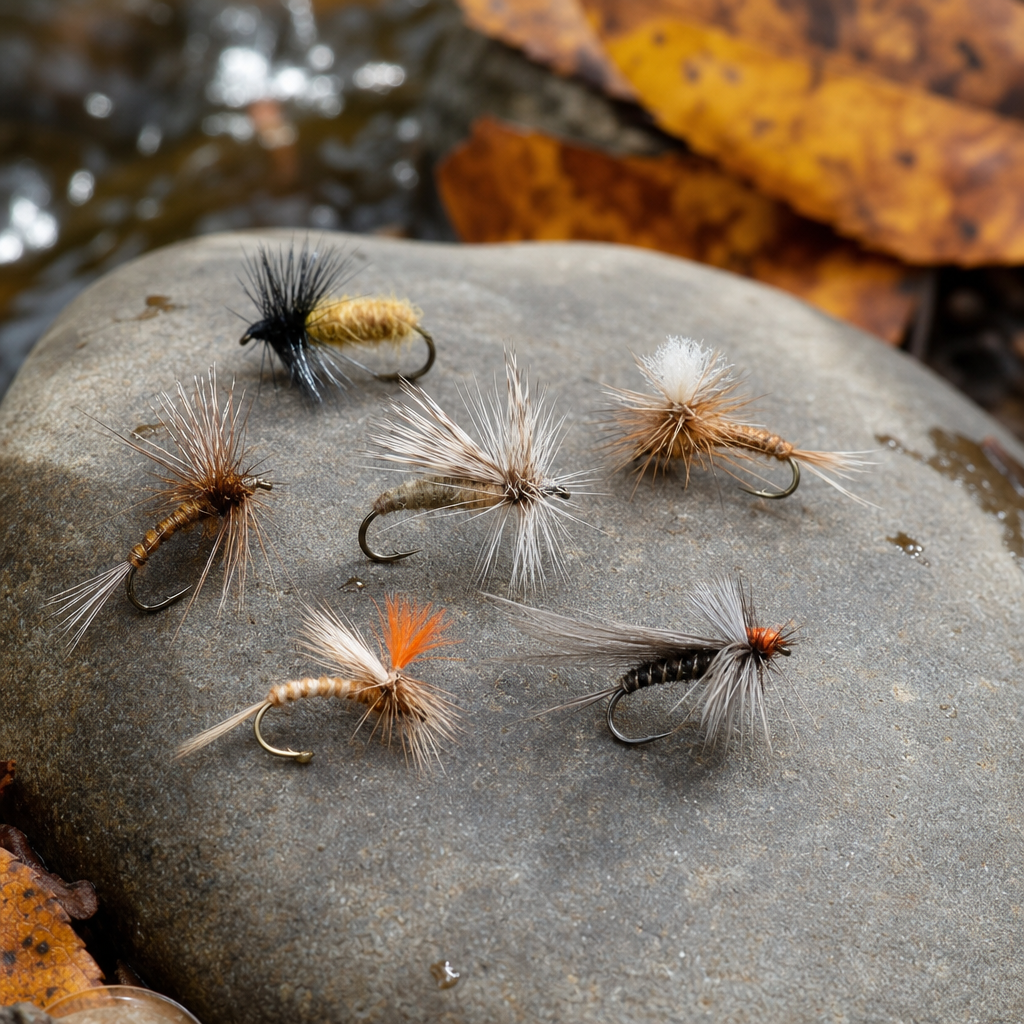
When light levels fall quickly, flies that create a clear silhouette or a noticeable movement cue often become more effective. In low light, fish may key less on fine detail and more on profile, contrast, vibration, and the way a fly travels through a feeding lane. For trout, soft hackles, emergers, and small streamers can excel because they imitate vulnerable prey during transitional conditions. If fish begin feeding near the surface, parachute dries, caddis patterns, or cripple imitations may outperform more delicate choices because they remain visible and suggest an easy target. If trout stop rising but remain active, swinging a soft hackle through a seam can be especially effective during the dimmest phase.
For bass and panfish, darker flies often shine because they stand out better against the lighter surface above when viewed from below. Black, olive, purple, and dark blue streamers, leeches, or poppers are excellent eclipse candidates. A slow strip-pause retrieve can be very effective because predators often use reduced light to ambush. Carp are more nuanced, but many anglers do well with natural patterns presented with precision as fish become less spooky in the dimmer light. Presentation still matters more than color alone. Good drifts, controlled depth, and the right retrieve speed are what convert curiosity into eats. During an eclipse, it is usually smarter to make small, intentional adjustments in size, silhouette, or movement rather than constantly switching to completely unrelated patterns.
Are there special safety and planning considerations for fly fishing during a solar eclipse?
Yes, and they should be taken seriously. The excitement of the event can distract anglers from basic on-the-water safety, especially if they are watching the sky, moving around slick banks, or wading during changing visibility. The most important rule is eye safety: never look directly at the sun without proper eclipse-certified viewing protection. Standard sunglasses or polarized fishing glasses are not enough for direct solar viewing. If you plan to observe the eclipse while fishing, carry certified eclipse glasses in a secure, dry place and use them correctly. Also remember that tying knots, walking uneven shorelines, rowing, and handling hooks all become more difficult as light drops rapidly.
Beyond eye protection, prepare as if you are fishing an extended low-light period. Bring a headlamp even for daytime trips, and make sure your landing area, wading route, and gear placement are organized before the eclipse begins. Avoid difficult crossings or boat positioning changes during the darkest minutes if you can help it. If you are floating, know exactly where you want to be when peak eclipse arrives so you are not forced into hurried decisions around current, structure, or other boats. Weather matters too; cloud cover can reduce visibility further and alter insect response. Finally, expect crowds in popular eclipse-viewing regions. Increased bank traffic, boat congestion, and noise can affect both safety and fishing quality, so scouting quieter access points in advance is often just as important as choosing the right fly.
Is fly fishing during a solar eclipse actually worth planning a trip around?
For many anglers, yes—if expectations are realistic. A solar eclipse is not a magic switch that guarantees extraordinary fishing, but it can create a rare convergence of environmental cues that thoughtful anglers can use to their advantage. The real appeal is that eclipses compress the kind of low-light transition that often stimulates feeding into a brief, highly observable period. That gives you a chance to watch fish, insects, forage, and water conditions respond in real time. For anglers who enjoy pattern recognition, experimentation, and the science behind fish behavior, it can be one of the most memorable times to be on the water.
It is most worth planning around if you already have a solid understanding of the fishery, seasonal food sources, and species habits. Familiar water lets you recognize what is normal and what is eclipse-driven. If you know where trout usually slide during evening light, where bass pin bait when shadows lengthen, or where carp feel secure enough to tail and feed, you will be much better positioned to capitalize on the short window. If you are fishing completely new water, the eclipse may still be memorable, but your odds improve when local knowledge reduces guesswork. In the end, a well-planned eclipse trip offers more than catch potential. It blends observation, timing, and angling strategy in a way that few fishing experiences can, making it absolutely worthwhile for serious fly fishers and curious outdoorspeople alike.