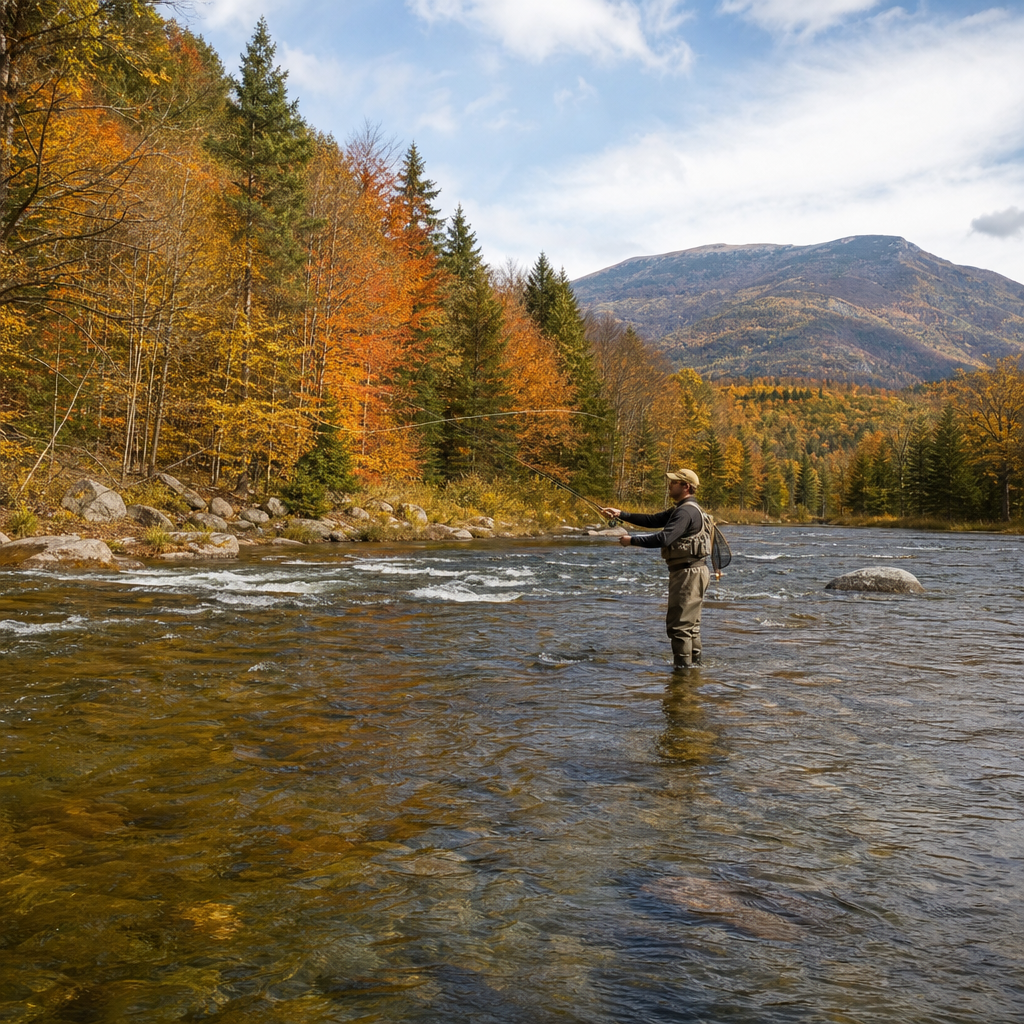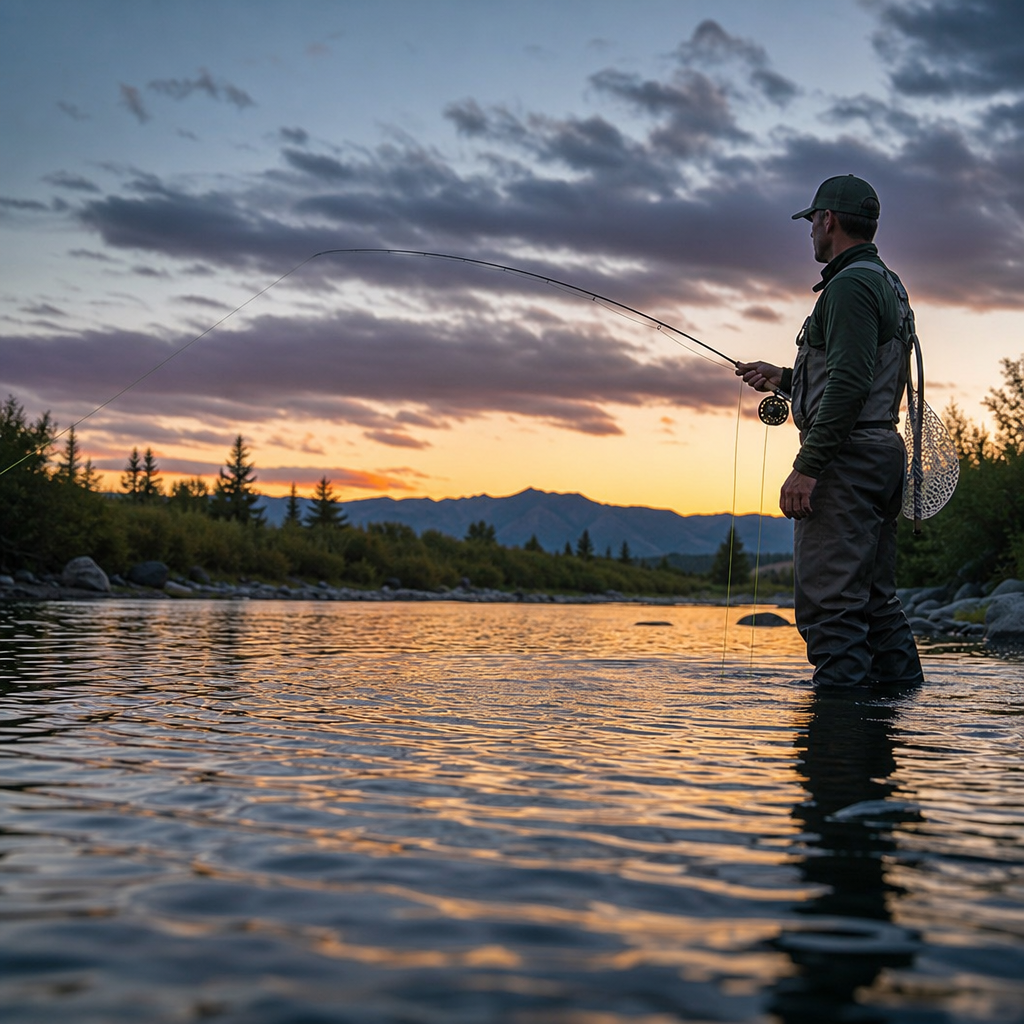
Fly fishing during low light conditions demands sharper observation, quieter presentation, and a more deliberate understanding of how trout and other gamefish behave when visibility drops. In practical terms, low light usually means the periods around dawn and dusk, but it also includes overcast afternoons, fog, canyon shade, tree-lined banks, and the first or last hour of legal light when insect activity often accelerates. Anglers often ask whether these windows are truly better than bright midday hours. In my experience across spring creeks, freestone rivers, tailwaters, and stillwaters, the answer is yes—when water temperature, oxygen, and forage align, low light can produce the most consistent feeding of the day. This page serves as a hub for time-of-day strategy within the broader seasons and conditions category, so the goal is not only to explain tactics and gear, but also to frame how morning, evening, and heavily clouded periods change fish positioning, fly choice, leader design, and safety decisions.
Low light matters because fish do not experience it the same way anglers do. Trout, bass, and many coldwater species gain a relative advantage as brightness fades; they can move from cover, hunt silhouettes, and feed with less exposure to predators. At the same time, anglers lose visual cues. You see less of your fly line, less of the current seam, and less of the subtle rise form that tells you whether fish are eating emergers, duns, cripples, or spinners. Success therefore depends on replacing sight with structure: predictable casting angles, controlled drift lanes, disciplined wading, and fly patterns that fish can locate. Time of day becomes a real fishing variable, not a scheduling detail. A good low-light plan answers direct questions: where will fish slide to feed, which flies remain visible or push enough water to be found, what leader length preserves turnover without sacrificing contact, and which pieces of gear actually improve performance instead of adding clutter?
How fish behavior changes at dawn, dusk, and under cloud cover
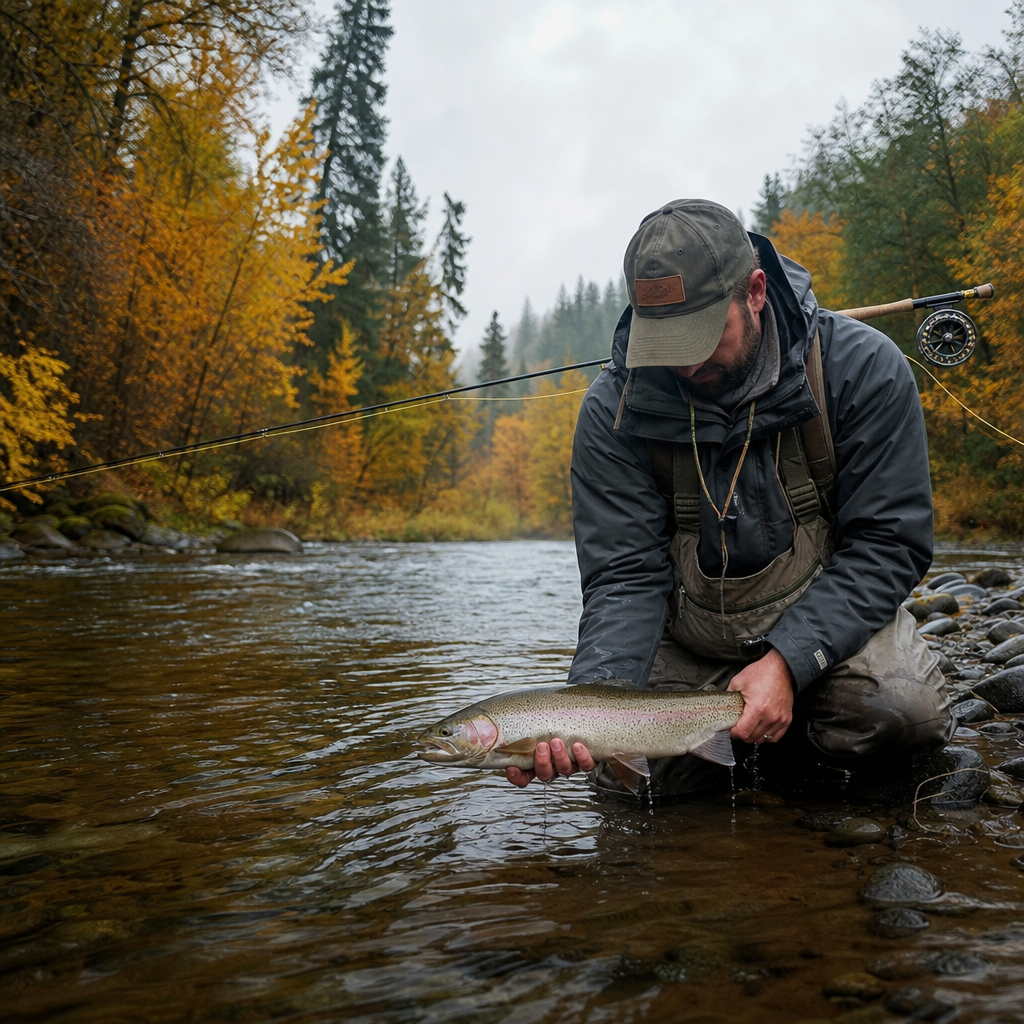
Fish commonly feed more freely in low light because risk drops while opportunity rises. On pressured trout rivers, I regularly see fish leave undercut banks, deep slots, logjams, and midriver boulders in the first and last hour of light. Brown trout are the classic example: larger fish that stay inactive through bright conditions often begin cruising edges, shallow riffle tails, and soft shelves at dusk. Rainbow trout may not become as overtly nocturnal, but they also extend feeding lanes and hold higher in the water column when overhead brightness falls. On lakes, trout and stillwater chironomid feeders may rise from deeper bands to intercept callibaetis emergers or leeches near shoals as evening shadows lengthen.
Cloud cover can mimic a longer dawn or dusk by flattening shadows and reducing contrast. That often extends streamer windows, improves terrestrial fishing near banks, and makes larger fish less selective during mayfly emergences. However, not all low light is equal. Warm summer evenings with dropping air temperatures can trigger spinner falls and caddis egg-laying; cold winter mornings may suppress surface feeding until water gains a degree or two. Fog can be productive but disorienting. Heavy stain after rain also counts as low visibility, yet fish may rely more on vibration and profile than on exact imitation. Reading time of day correctly means combining light level with water temperature, flow, insect timing, and fishing pressure.
Best locations and presentation angles during low light
Low light compresses decision-making. Rather than covering every inch of river, fish the places where food funnels and fish can move safely. On moving water, start with riffle tails, foam lines beside seams, inside bends with walking-speed current, shallow shelves bordering depth, and the soft water below structure. These are efficient feeding stations because drifting insects concentrate there and fish can slide in and out with minimal effort. At dusk, I especially favor transitions: knee-deep riffles entering a pool, the edge where broken water softens, and bank lanes under overhanging grass. On bright days those lanes may look empty; in low light they often become primary routes.
Presentation angle matters more when you cannot track your line easily. Position slightly above the target lane so your cast lands with enough distance for an immediate mend. For dry flies and emergers, quartering upstream usually gives the best drift control. For soft hackles, swing presentations across and slightly down can be deadly in the last half hour of light, when fish key on ascending insects. For streamers, cast across-current, lead the swing with the rod tip, and vary strip speed until fish show a preference. In stillwaters, anchor or drift parallel to drop-offs instead of repeatedly casting over them. Fish cruise edges, and a parallel retrieve keeps the fly in the strike zone longer.
Fly selection for low visibility and active feeding windows
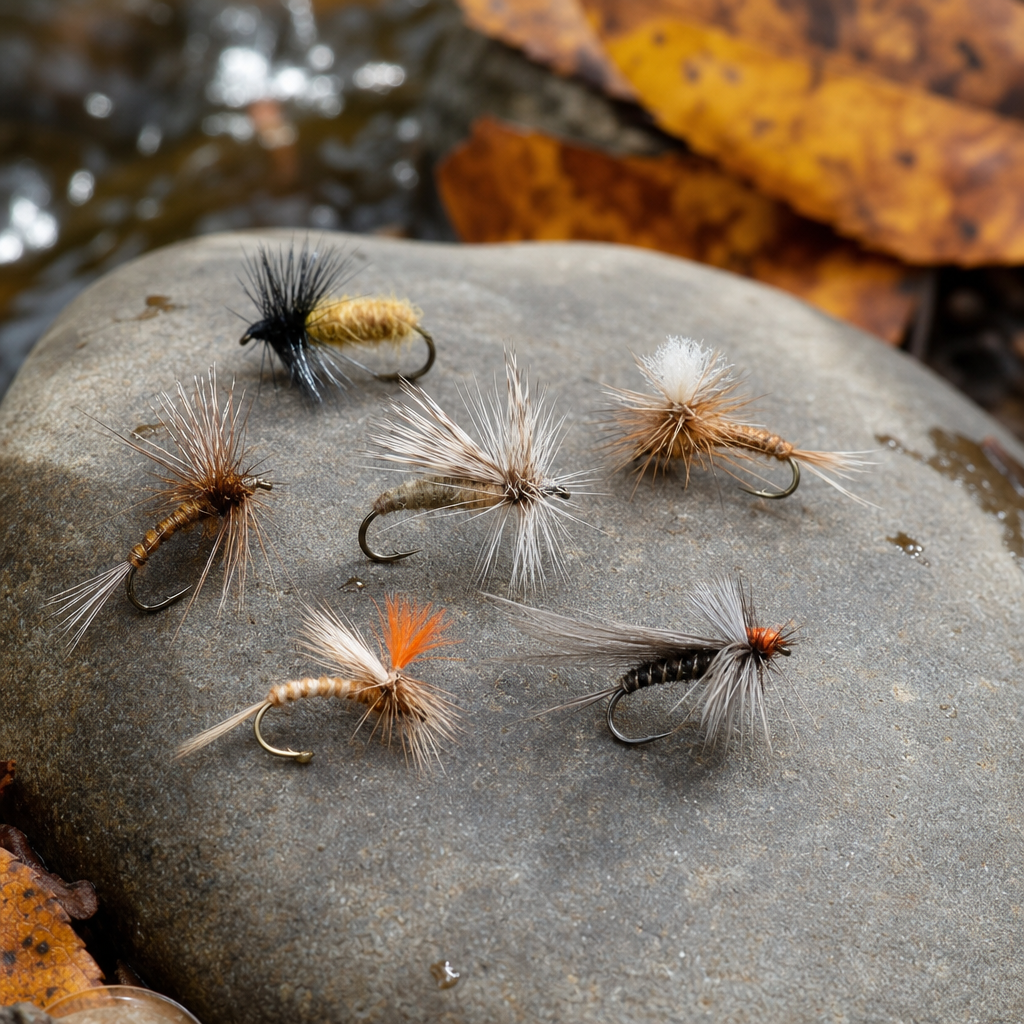
The best flies for low light are not simply larger flies; they are patterns fish can locate and trust. During hatches, silhouette and stage matter more than tiny color differences. If trout are taking emergers at dusk, a comparadun may be ignored while a sparkle dun, soft hackle pupa, RS2, or CDC emerger gets eaten because it sits in or just below the film. During caddis flights, elk hair caddis, X-Caddis, and low-floating egg-laying patterns are reliable because they suggest motion and vulnerability. Spinner falls in the last light call for flush-floating patterns with spent wings and fine tippet, but only if you can still place them accurately.
When there is no hatch, choose flies by profile, movement, and contrast. Streamers in black, olive, and white are standards because they create strong shapes against dim water. Black often outfishes brighter colors at dawn and dusk because it throws the clearest silhouette from below. Woolly Buggers, Sculpzillas, Zoo Cougars, and simple rabbit-strip leeches all remain effective because they move water and keep fishing even when exact detail disappears. For nymphing in low light, I lean toward confidence patterns with hot spots only when water has some color; in clear flows, natural pheasant tail, hare’s ear, perdigon, caddis pupa, and small stonefly imitations still produce if drifted correctly. Sound and displacement also matter: skated muddlers, waking mice, and larger deer-hair patterns can trigger aggressive takes from trout after sunset where regulations allow fishing.
Leaders, lines, and gear that actually help
Low light rewards simplicity. The best gear choices increase control and reduce wasted motion. A 9-foot 4- or 5-weight covers most trout dry-fly and nymph situations at dawn and dusk, while a 6-weight is often better for streamers, wind, and larger rivers. On stillwaters, a 5- or 6-weight with a balanced reel and a line system matched to depth is more important than a faster blank. For floating-line work, a true-to-weight line with a visible tip helps line tracking in dim conditions. For streamer fishing, an intermediate or sink-tip line keeps contact through a swing and prevents the fly from planing too high.
Leader design should fit the tactic, not a generic rule. For dry flies in calm evening water, 12 to 15 feet tapering to 5X or 6X can be necessary. In broken water at dawn, a 9-foot 4X leader often turns over better and still lands softly. For streamers, short stout leaders between 4 and 7 feet transfer energy and improve hook setting. Tippet rings are useful because they let you rebuild quickly when light is fading and fingers are cold. A small headlamp with red and white modes is essential, but use it sparingly near the water; bright beams destroy your night vision and can alert nearby fish.
| Situation | Rod and Line | Leader Setup | Effective Fly Types |
|---|---|---|---|
| Dawn dry-fly hatch | 4- or 5-weight, floating line | 9–12 ft, 4X–5X | Emergers, small duns, soft hackles |
| Evening spinner fall | 4- or 5-weight, floating line | 12–15 ft, 5X–6X | Spent spinners, CDC patterns |
| Dusk streamer fishing | 6-weight, floating or sink-tip | 4–7 ft, 0X–3X | Black streamers, leeches, sculpins |
| Overcast nymphing | 4- or 5-weight, floating line | 9 ft plus indicator or tight-line rig | Pheasant tails, caddis pupae, perdigons |
Techniques for detecting takes when you cannot see well
Most missed fish in low light are not refusals; they are undetected eats. The fix is systematic contact. With dries, watch the lane, not the fly alone. Pick a reference window on the surface and set on any unnatural pause, wink, or ring where the fly should be. With emergers and soft hackles, trout often sip without showing a full rise. If a fish boils near the drift, lift. During nymphing, shorten the distance between rod tip and indicator or sighter, and eliminate slack with upstream mends before the drift settles. Tight-line methods are especially effective at dawn because they rely less on visual strike indicators and more on angle, tension, and feel.
For streamers, commit to a strip-set. In dim light, anglers tend to trout-set when they sense weight, which pulls the fly away. Keep the rod lower, strip firmly with the line hand, then raise the rod only after the fish is connected. I also recommend fishing closer than usual until your eyes adjust. A perfect sixty-foot cast you cannot track is worth less than a controlled thirty-five-foot swing through a known feeding lane. On lakes, count down methodically and repeat productive depths. If a take comes at seven seconds on an intermediate line, return to seven until conditions change. Repetition replaces guesswork.
Safety, timing, and planning for a productive session
Low-light fishing creates excellent opportunities, but it also magnifies mistakes. Wading is the biggest hazard. Enter the river before the prime window begins, identify your exit point while you can still see it clearly, and avoid crossing unfamiliar currents at the end of the session. Felt or modern rubber soles with studs improve purchase on slime and rounded cobble, but no sole solves poor judgment. I routinely tell anglers to fish one run thoroughly rather than hop blindly among several. A planned route catches more fish and reduces risk.
Timing should be built around conditions, not habit. In summer, the first hour of daylight can be best when overnight cooling lowers water temperature and trout feed before the sun hits the river. In fall, the last light period often favors larger browns and streamer eats. During spring hatches, overcast afternoons can function like evening and extend surface action for hours. Check local regulations because legal fishing hours, seasonal closures, and navigational access rules vary. Keep spare leaders, floatant, split shot, and forceps organized in the same pocket every trip. Small systems matter when visibility falls.
Fly fishing during low light conditions is ultimately about stacking small advantages. Fish feel safer, food often becomes more available, and anglers who plan for those windows can find less selective trout, stronger streamer responses, and memorable dry-fly sessions. The essentials are straightforward: understand how time of day shifts fish position, choose locations that funnel food, fish flies with clear profile and purpose, simplify leaders and gear, and use presentations you can control even when visibility drops. Low light is not a niche tactic reserved for experts; it is one of the most dependable ways to improve catch rates across rivers and lakes when approached methodically.
As the time-of-day hub within seasons and conditions, this topic connects directly to morning strategies, evening hatches, overcast-day adjustments, and after-work sessions when anglers need to make one short window count. Build your next outing around the first or last hour of light, arrive with a short list of target water, and let fish behavior guide every adjustment. If you do that consistently, low-light periods will stop feeling uncertain and start becoming the most reliable part of your fly fishing calendar.
Frequently Asked Questions
Why is fly fishing often better during low light conditions?
Low light periods often improve fly fishing because they change both fish behavior and the way fish perceive risk. During dawn, dusk, heavy cloud cover, fog, and shaded stretches of water, trout and other gamefish usually feel less exposed to predators. That added security makes them more willing to leave cover, move into shallower feeding lanes, and feed more confidently near the surface or along current seams. In many fisheries, these windows also overlap with increased insect activity, including mayflies, caddis, midges, and terrestrials being blown or dropped into the water, which creates more consistent feeding opportunities.
Another major advantage is that bright overhead sunlight can make fish extremely cautious, especially in clear water. Under harsh light, trout often hold tight to structure, become selective, and inspect flies more carefully. In softer light, their field of vision changes, contrast becomes more important than fine detail, and they are often more willing to commit to a fly. That does not mean they feed recklessly, but it does mean anglers can sometimes get closer, present with a slightly greater margin for error, and trigger takes from fish that refuse during the middle of the day.
Low light also affects current reading and feeding positions. Fish frequently slide from deep security water into softer edges, tailouts, inside seams, and flats where drifting food is easier to intercept. For the angler, that means productive water can expand beyond obvious daytime holding lies. The key point is not that low light automatically guarantees better fishing, but that it often compresses favorable conditions: more active fish, more available food, and less visual pressure. When those pieces line up, the first and last hours of light can be among the most reliable and exciting times to fish a fly.
What flies work best in low light, and should I change color or size?
In low light, successful fly selection is usually less about exact color matching and more about visibility, profile, movement, and silhouette. Fish often key on shape and contrast when visibility drops, so patterns that create a clean outline can outperform delicate, ultra-subtle imitations. For dry fly fishing, parachutes, comparaduns, caddis adults, and foam patterns that ride well and remain visible are excellent choices. For nymphing, slightly larger nymphs, soft hackles, and patterns with enough bulk or motion to stand out in dim water can be especially effective. Streamers also become more important during low light because many fish are willing to chase when they feel concealed by darkness or shadow.
Color matters, but usually in terms of contrast rather than brightness alone. Dark flies such as black, brown, deep olive, and purple often produce a stronger silhouette against the lighter sky surface, particularly at dusk. That is why black streamers, dark caddis, and darker-bodied dries can be so effective late in the day. In other situations, a touch of flash, a hot spot, or a pale post on a dry fly can help both the fish and the angler. The right answer depends on water clarity, background light, and whether fish are feeding near the top or deeper in the column. In stained or shadowed water, a fly that stands out cleanly usually beats one that is technically precise but visually muted.
As for size, many anglers do well by moving slightly larger than they would under bright, ultra-clear conditions, especially when fish are opportunistic rather than hyper-selective. That does not mean oversized flies all the time. If fish are clearly keyed on tiny midges or small mayflies during a specific hatch, matching size still matters. But in general, low light is a time when a size up in nymphs or streamers, or a more substantial dry with a stronger profile, can improve detection and response. The best approach is to start with the natural food source, then adjust toward greater visibility and fishability without abandoning realism altogether.
How should I adjust my presentation and approach when visibility is low?
Low light rewards anglers who slow down, simplify their drift, and fish closer with more intention. Because it is harder to track subtle current lanes and detect small refusals or follows, a controlled presentation becomes even more important. Cast to shorter, more manageable distances whenever possible so you can maintain better line control and achieve a clean drift. Good fly fishing in low light is rarely about bombing long casts. It is about covering likely lies thoroughly, keeping slack under control, and presenting the fly quietly enough that fish do not sense danger before they see the offering.
Stealth also matters, even when fish are less visually guarded. Dim conditions can encourage anglers to move carelessly, but trout still feel pressure through vibration, poor wading, and drag-prone line placement. Approach from downstream or from an angle when practical, minimize false casts, and wade with deliberate, quiet steps. If you are fishing dry flies, target likely feeding lanes and seams where fish can rise with minimal effort. If you are nymphing, focus on the depth and speed that put your flies in front of fish for the longest possible time. If you are streamer fishing, vary the retrieve until fish tell you whether they want a slow swing, short strips, or an erratic fleeing motion.
Strike detection needs adjustment too. In low light, many takes are less visible, so use cues beyond the fly itself. Watch the leader butt, sighter, line tip, or the area where your leader enters the water. Set on anything unusual: a hesitation, a twitch, a slight slide, or a boil near the fly. With dry flies, choose patterns you can track confidently and avoid forcing yourself to fish something so small you lose it every drift. In short, your presentation should become quieter, shorter, more deliberate, and easier to monitor. Anglers who maintain contact and focus on high-probability water generally outperform those who simply fish faster because the light is fading.
What gear is most useful for fly fishing during dawn, dusk, and other low light periods?
The best gear for low light fly fishing emphasizes control, visibility, and safety rather than complexity. A rod that matches your technique and local water is still the foundation, but many anglers appreciate a setup that helps them cast accurately at short to medium distances and manage line cleanly in changing conditions. For trout, a versatile 4- to 6-weight outfit handles most dry fly, nymph, and light streamer scenarios well. If you expect larger rivers, wind, or more aggressive streamer fishing near dawn or dusk, a slightly heavier rod can make turnover and line control easier.
Fly lines, leaders, and tippet deserve extra attention. A line that mends predictably and loads well at practical fishing distances is often more useful than one optimized for long casting. For dry flies, a leader that turns over cleanly without slapping the water helps preserve the quieter presentation that low light often rewards. For nymphing, many anglers benefit from highly visible sighters or leader systems that improve strike detection when the fly is hard to see. For streamers, a shorter, stronger leader can improve turnover and contact. Tippet size should still match fly size and fish wariness, but low light can give you a little flexibility to prioritize control and landing strength where appropriate.
Beyond the core tackle, a few accessories make a real difference. A hat with a dark underbill reduces glare. Amber, copper, or low-light polarized lenses can improve contrast on overcast days, though once it becomes truly dark, visibility changes quickly and legal-light limits should guide you. A headlamp is essential for rigging, walking, and safety, but it should be used sparingly near the water because sudden light can spook fish and wreck your night-adjusted vision. A landing net, forceps, and organized fly storage become even more valuable when tying knots or changing flies is harder to do quickly. The right gear for low light is not about carrying more; it is about choosing equipment that helps you stay efficient, precise, and safe when your visual margin is reduced.
Are there any safety or legal considerations anglers should keep in mind when fishing low light conditions?
Yes, and they are easy to underestimate because the fishing can be so good during these windows. The first rule is to know and follow local regulations on legal fishing hours. In many places, “low light” does not mean full darkness, and fishing beyond legal hours can bring both penalties and conservation concerns. Always confirm season dates, access rules, and time restrictions before planning dawn or dusk sessions. This is especially important on heavily managed trout water, private access corridors, or areas with special regulations that differ from nearby rivers.
Safety on the water becomes more serious as visibility drops. Wading that feels easy at midday can become hazardous in fading light, especially around slick rocks, deep slots, uneven bottoms, undercut banks, and fast current transitions. Plan your entry and exit before you begin fishing, and avoid letting “just one more cast” carry you into a situation where the bank disappears or your route back becomes uncertain. If you are fishing from a boat or raft, low light can make navigation, obstacle detection, and distance judgment much harder. Keep essentials accessible, wear appropriate flotation when needed, and let someone know where you are and when you expect to return.
There are also practical wildlife and weather considerations. In many regions, dawn and dusk are peak movement times for larger