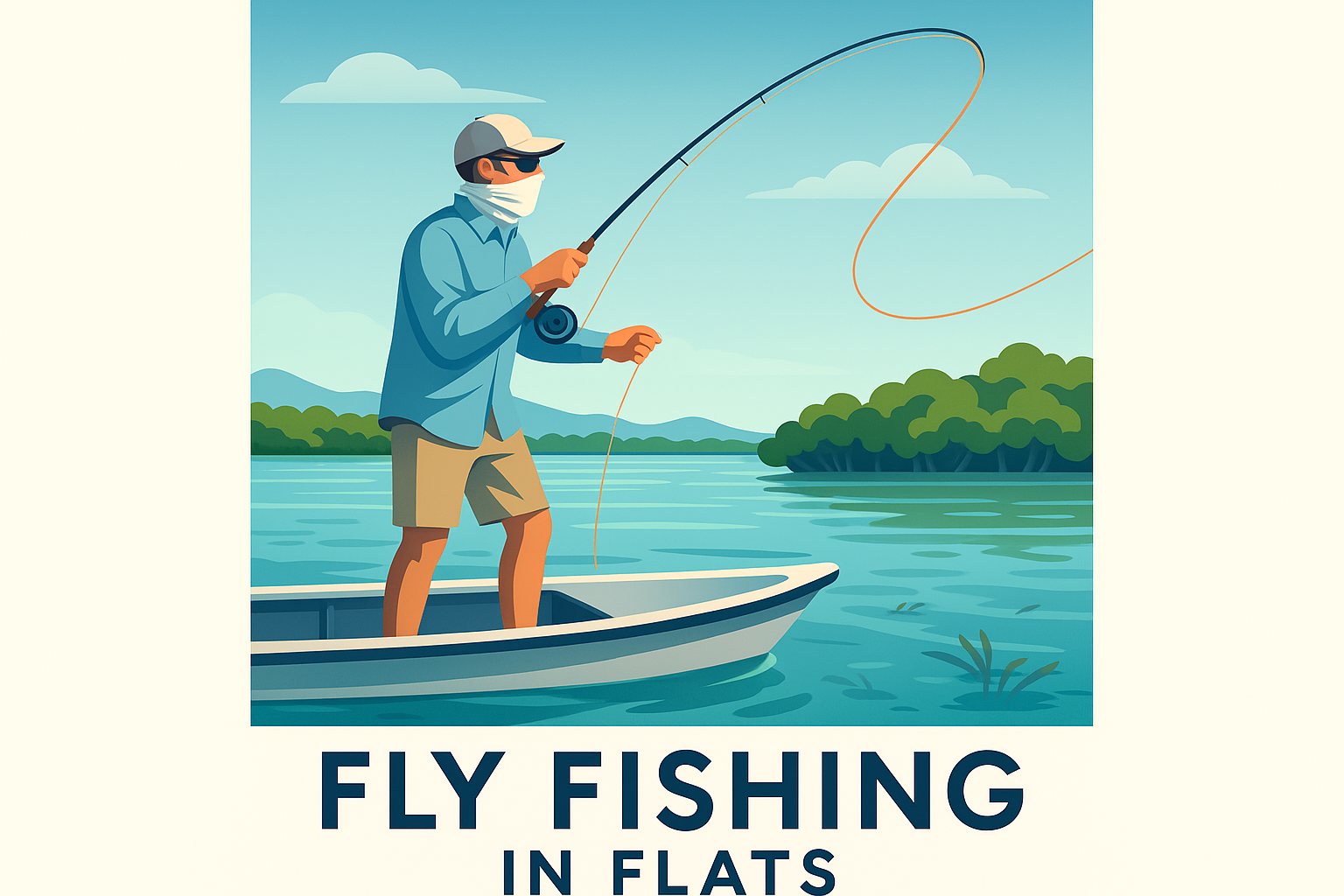
Fly fishing in flats is a unique and exhilarating experience that offers anglers the opportunity to explore shallow coastal waters, often in pursuit of some of the most challenging and rewarding fish species. But what exactly are the flats, and why has fly fishing in these areas become increasingly popular among fishing enthusiasts? In this article, we will delve into the world of fly fishing in flats, defining key terms, explaining the importance of this type of fishing, and providing a comprehensive guide on what you need to know to get started.
To begin, let’s define what we mean by “flats.” In the context of fly fishing, flats refer to expansive, shallow areas of water, typically in coastal regions, where the water depth ranges from only a few inches to a few feet. These are usually characterized by sandy or muddy bottoms and are often found in areas such as estuaries, bays, and lagoons, where the tidal movement plays a significant role in the ecosystem.
The appeal of fly fishing in flats lies in the unique challenges and rewards it offers. Unlike deeper waters, the shallow nature of flats allows for more visibility and often requires a greater degree of stealth and skill from the angler. Additionally, flats are home to a variety of sought-after species, including bonefish, permit, and tarpon, which are known for their elusive nature and fighting prowess.
Understanding the importance of fly fishing in flats requires recognizing the rich biodiversity and delicate ecosystems that these shallow waters support. Anglers often find themselves immersed in a vibrant environment teeming with life, where fish can be sighted tailing in the shallows or cruising in schools. The challenge of spotting, casting to, and landing fish in such conditions is part of what makes fly fishing in flats so thrilling.
Essential Gear for Fly Fishing in Flats
When gearing up for a day of fly fishing in flats, it’s crucial to have the right equipment to maximize your chances of success. The most essential piece of gear is undoubtedly the fly rod, which should be tailored to the specific conditions and species you are targeting. In general, a saltwater fly rod ranging from 7 to 10 weight is appropriate for most flats fishing scenarios, providing the strength and durability needed to handle powerful fish.
Equally important is a high-quality fly reel with a smooth, reliable drag system. Flats fishing often involves long casts and battling strong fish, so a reel that can withstand these demands is essential. A reel with a sealed drag system is particularly advantageous, as it will perform well in the harsh saline environment of the flats.
Fly selection is another critical consideration for flats fishing. The type of flies you choose will depend largely on the species you are targeting and the specific conditions of the flats. Popular fly patterns include shrimp and crab imitations, as well as baitfish patterns for targeting species like bonefish, permit, and tarpon. It’s always wise to carry a variety of flies in different sizes and colors to adapt to varying conditions.
A practical example of gear selection can be seen in a typical day of fishing in the Florida Keys. An angler might start with an 8-weight rod and a floating line to work the flats for bonefish, switching to a 10-weight rod when moving to deeper channels in search of tarpon. This adaptability is key to success in the flats.
Techniques for Casting in Shallow Waters
Perfecting your casting technique is an essential aspect of fly fishing in flats, where long and accurate casts are often necessary to reach feeding fish without spooking them. The most effective casting techniques for flats fishing involve mastering the double haul cast and emphasizing accurate and gentle presentations.
The double haul cast is particularly valuable in flats fishing, as it enables anglers to load the fly rod more effectively and generate greater line speed. This is essential for achieving long-distance casts, battling wind conditions, and presenting flies delicately to wary fish. Practice is key, and honing this technique can make a significant difference in your flats fishing success.
In shallow waters, stealth is paramount. Fish in flats environments are often hyper-aware of their surroundings and can be easily spooked by an errant cast or heavy splash. As such, it is vital to focus on accuracy and control when casting, ensuring that your fly lands softly on the water. Practicing casting techniques on grassy areas or at casting ponds can greatly improve your skills before hitting the flats.
Consider an angler trying to catch bonefish on the Bahamas’ famous Andros Island flats. By using a precise, low-trajectory cast with minimal false casting, the angler can place the fly just ahead of a cruising bonefish, eliciting a bite without risking spooking the fish. Success in flats fishing is often achieved through such careful attention to detail.
Understanding Tides and Their Impact
The movement of tides plays a pivotal role in the success of fly fishing in flats. Tides influence the behavior and movement of fish, as well as the accessibility of specific fishing areas. Understanding and predicting tidal changes can increase your chances of encountering actively feeding fish.
Tidal movement affects the depth and current patterns of flats, which in turn dictates where fish will be at any given time. As the tide rises, fish may move into the intertidal zone to exploit newly accessible feeding grounds, while a falling tide might push them back to deeper channels. Timing your fishing efforts around these tidal shifts can greatly enhance your opportunities for success.
For example, an early morning rising tide might lead to excellent fishing conditions, as predatory fish enter flats to search for food. Conversely, an outgoing tide at the end of the day may concentrate fish in deeper troughs or channels, creating prime fishing locations. Understanding these patterns is a crucial skill in mastering fly fishing in flats.
| Aspect | Impact on Flats Fishing |
|---|---|
| Rising Tide | Increases access to feeding grounds; fish move to shallows. |
| Falling Tide | Fish retreat to deeper channels; increased concentration. |
| Wind Patterns | Can affect casting accuracy and fish behavior. |
Conservation and Ethical Fishing Practices
Responsible fishing practices and conservation efforts are essential aspects of fly fishing in flats. These shallow ecosystems are fragile and support a wide range of marine life, necessitating mindful stewardship from anglers. By adhering to ethical fishing principles, we can help preserve these habitats for future generations.
Catch and release is a fundamental practice in flats fishing. By minimizing the impact of our fishing activities, we ensure that fish populations remain healthy and sustainable. Handling fish with care, using barbless hooks, and minimizing air exposure during release are essential practices in promoting fish survival.
Furthermore, respecting local regulations and laws is crucial in maintaining the delicate balance of flats ecosystems. Many areas have specific guidelines regarding fishing seasons, catch limits, and protected species. Staying informed and compliant with these rules ensures the continued viability of these unique environments.
Consider the example of Biscayne Bay in Florida, where efforts to promote catch and release fishing for bonefish and tarpon have helped maintain vibrant populations of these species. By participating in such conservation initiatives, anglers can contribute positively to the sustainability of flats environments.
Building Local Knowledge
One of the most valuable assets for successful fly fishing in flats is local knowledge. Each flat is unique, with its own set of conditions, species, and behavioral patterns. Building a network of local contacts or hiring experienced guides can provide invaluable insights into the peculiarities of a specific area.
Guides often possess intimate knowledge of the flats they operate on, allowing them to provide advice on the best fishing locations, gear recommendations, and effective techniques. Additionally, many guides are well-versed in the local ecosystem and can offer tips on preserving the natural beauty and health of the area.
An angler venturing to Australia’s Great Barrier Reef flats, for example, can benefit greatly from the expertise of a local guide who understands the unpredictability of tides, the specific fish behavior, and the best fly patterns for the region. This insider knowledge can significantly enhance the overall fishing experience and increase the likelihood of success.
Conclusion: The Thrill and Responsibility of Fly Fishing in Flats
Fly fishing in flats is a thrilling and rewarding pursuit that offers both challenge and fulfillment to anglers around the world. By understanding the unique aspects of flats environments, selecting appropriate gear, honing casting techniques, and respecting local ecosystems, anglers can enjoy a successful and responsible fishing experience.
The key takeaways from this guide highlight the importance of preparation, adaptability, and conservation in the sport of fly fishing in flats. Whether it is mastering the art of stealthy casting or understanding the intricate dance of tides, being mindful of these details will significantly enhance your flats fishing adventure.
As you look to embark on your own journey of fly fishing in flats, consider taking the time to learn from local experts, invest in quality gear, and practice ethical fishing practices. By doing so, you will not only increase your chances of success but also contribute to the preservation of these precious ecosystems. So grab your gear, plan your trip to the nearest flats, and experience the unique thrill that waits in the shallows.
Frequently Asked Questions
1. What are the flats, and why are they important for fly fishing?
The flats refer to large, shallow areas often found in coastal and estuarine environments. These regions are characterized by their expansive, open waters, typically measuring between just a few inches to a few feet deep. The unique nature of the flats makes them vital ecosystems, teeming with life and perfect for fly fishing. The flats serve as a prolific habitat for fish species such as bonefish, permit, and tarpon, which are attracted to these nutrient-rich areas due to their abundant food sources. For fly fishers, the flats offer a thrilling challenge as anglers can often spot their quarry in the shallows, providing an opportunity to engage in a visually driven fishing experience. The flats also present excellent conditions for fly casting due to the absence of obstructive vegetation and the often-clear water that allows anglers to see their target fish. The environment’s beauty only adds to the experience, making the flats a bucket-list destination for many fly fishing enthusiasts.
2. What equipment do I need for fly fishing in flats?
Fly fishing in the flats requires specific gear designed to handle the unique challenges of this environment. To start, you’ll need a saltwater fly rod, typically between 8 to 10 weight, depending on the specific type of fish you’re targeting. A 9-foot rod is usually a good all-round choice for this style of fishing. You’ll also need a matching reel with a smooth, powerful drag system capable of handling the strong runs of flat species like bonefish or permit. Make sure your reel is corrosion-resistant, as saltwater can quickly damage equipment. Fly lines suited for the flats include floating lines with a tropical core to withstand the warm conditions, and these are often weight-forward to help cast into the wind. When it comes to flies, make sure your collection mimics the local prey – think shrimp or crab patterns, as well as flashy minnow imitations. Lastly, consider appropriate attire: lightweight, breathable clothing, a sturdy hat, polarized sunglasses to reduce glare and improve visibility, and shoes or boots suitable for wading.
3. What techniques are effective for fly fishing in flats?
Mastering the art of fly fishing in the flats involves a combination of patience, stealth, and skill. First, familiarize yourself with sight fishing, a critical technique in these crystal-clear waters. This involves scanning the flats for any signs of fish movement or shadows to softly cast your fly just ahead of the target species. A stealthy approach is also vital—walk softly and keep movements smooth to avoid spooking the fish. Accurate casting is key in fly fishing the flats. Practice making precise, long casts, often into the wind, and learn to double haul to generate the necessary line speed. Consider the tidal movements—the changing tides significantly influence how fish behave and travel, which can maximize your catch rate. Additionally, always be attentive to water temperature and clarity, as these can suddenly alter the fishing conditions. Constantly adapt your fly size, color, and retrieve speed based on the observed fish behavior and environmental cues.
4. What are some safety considerations when fly fishing in flats?
Safety is paramount when fly fishing in flats, due to the diverse and rugged environment. Always start by checking tide charts before heading out as the flats can become inaccessible during high tides. Stay aware of your surroundings as submerged hazards like coral or uneven sandy patches are common and can pose a tripping risk. Wear protective footwear to avoid stepping on venomous marine life such as stingrays or jellyfish, and consider shuffle-walking through the water to give them time to move away. Protect your skin against the harsh sun with high-SPF sunscreen, long-sleeve clothing, and a good hat. Also, consider the weather; sudden storms can appear quickly, requiring immediate escape back to safety. Furthermore, always let someone know your itinerary and expected return time when fishing alone, and carry a reliable means of communication in case of emergencies—avoid venturing into unknown areas without proper navigation equipment such as a GPS.
5. Why is fly fishing in flats becoming increasingly popular?
Fly fishing in flats has surged in popularity due to the unparalleled adventure it offers. Anglers are increasingly drawn to the challenge presented by the flat’s unique ecosystem, providing endless opportunities to hone their fishing skills with direct engagement. The ability to observe the fish in their natural habitat before casting adds a visual thrill and transforms fishing from a purely tactile pursuit into an art form. Moreover, flats fly fishing often aggregates an array of majestic target species which are considered trophy catches for many fishing enthusiasts. The natural beauty of flats environments enhances the experience, offering anglers an immersive backdrop of serene coastal landscapes. Moreover, the communal and social aspect cannot be overlooked; fishing the flats often involves guided expeditions led by seasoned locals, offering both novices and experienced anglers an opportunity to learn and connect with others who share their passion. Together with the advancement of lightweight, travel-friendly gear, more adventurers are embarking on journeys into these captivating, untouched waters.