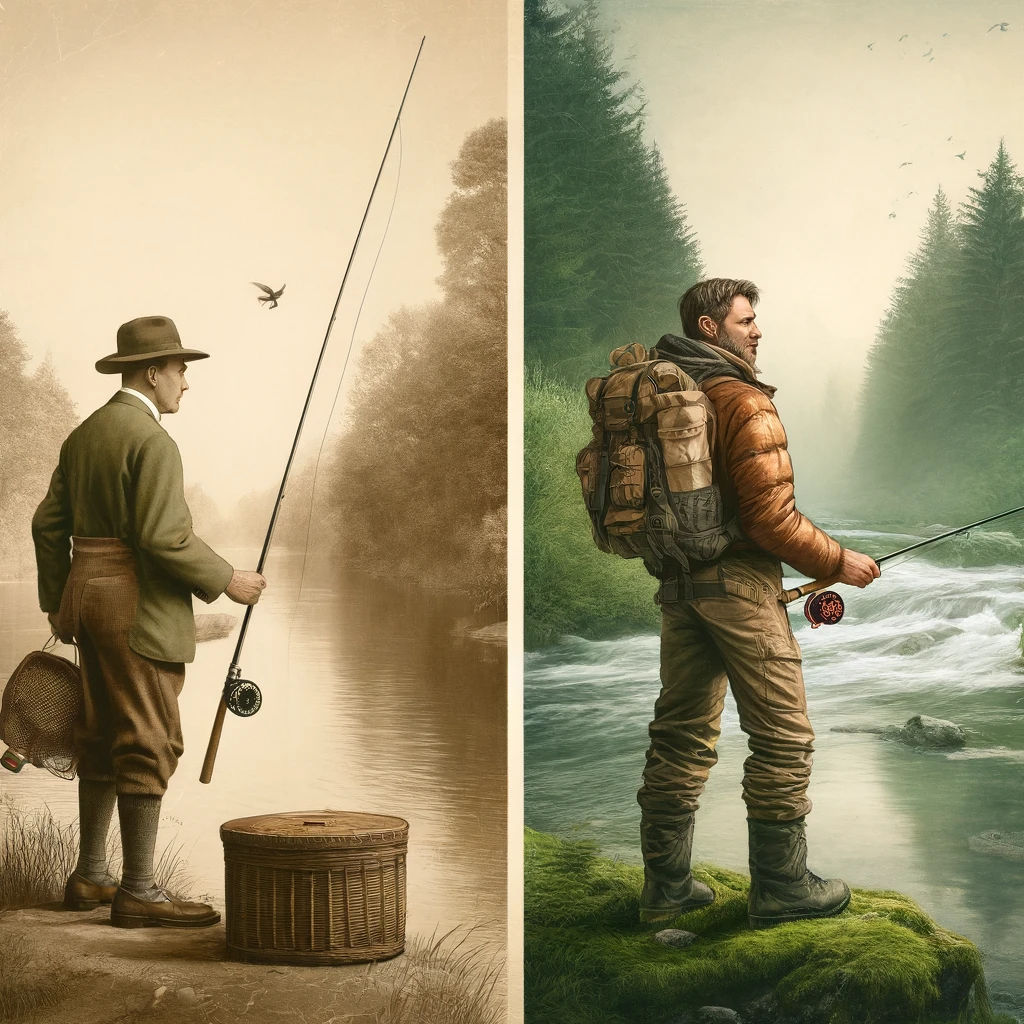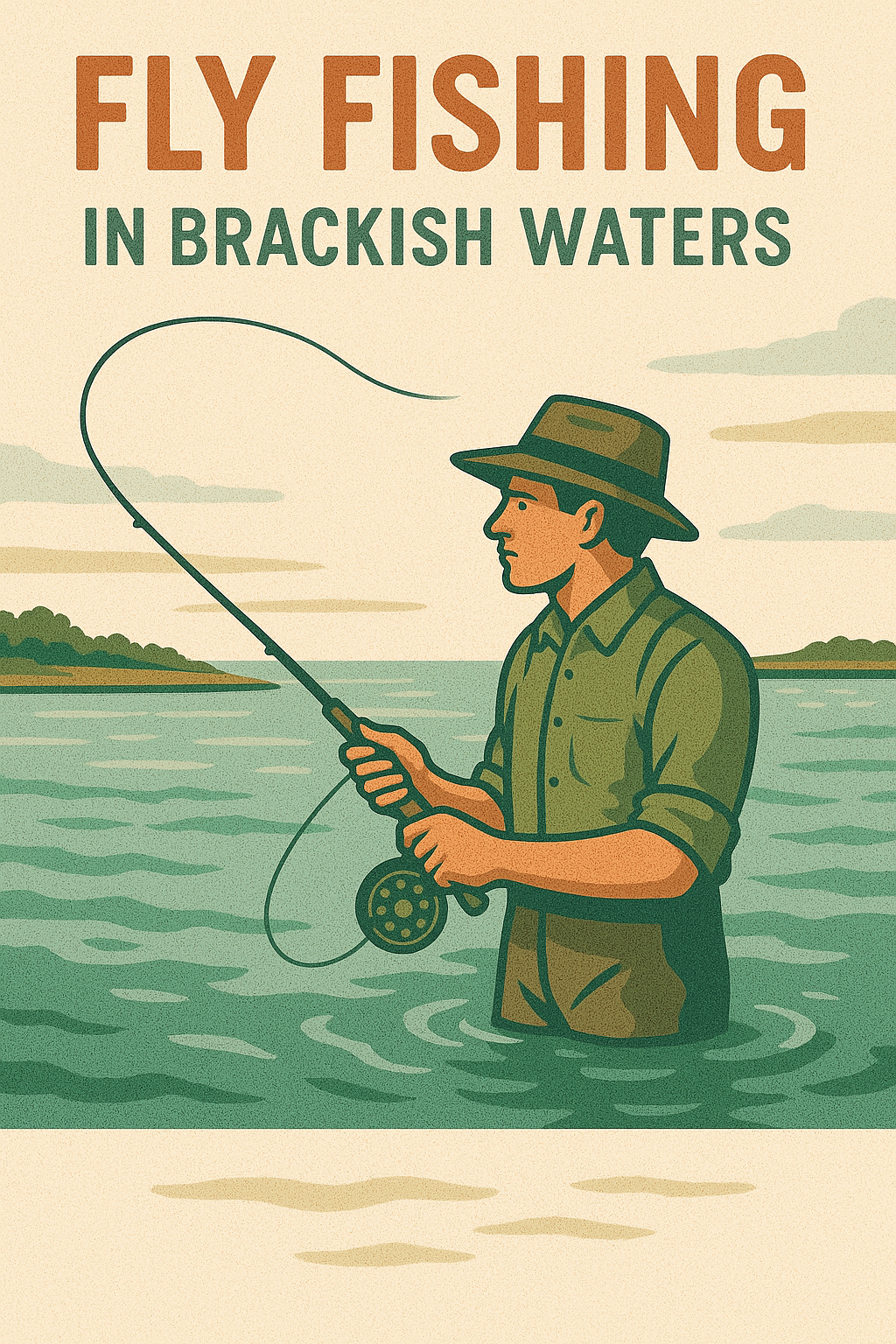
Fly fishing, a method traditionally associated with the pursuit of freshwater fish in clear mountain streams, has gained traction on a new frontier: brackish waters. Brackish waters, where freshwater and saltwater converge, present unique challenges and rewards for anglers drawn to this hybrid environment. These in-between ecosystems, often found in estuaries, salt marshes, and tidal rivers, harbor a wide array of fish species, offering an exciting opportunity to hone fishing skills in an unconventional setting.
Understanding the ins and outs of fly fishing in brackish waters is critical for both novice and seasoned anglers aiming to expand their repertoire. The success of fly fishing in these environments stems from an understanding of the environmental conditions, fish behaviors, and specialized techniques tailored to brackish settings. As these ecosystems are rich with diverse aquatic life, they offer a rewarding experience to those willing to master the art of fly fishing under such unique circumstances. In this comprehensive guide, we will delve into effective strategies, tools, and techniques to help you make the most of your fly fishing endeavors in brackish habitats.
Understanding Brackish Environments and Target Species
Brackish waters form intriguing habitats characterized by varying salinity levels, depending largely on their proximity to freshwater inflows and oceanic tides. This environment leads to distinct ecosystems that foster a mix of marine and freshwater species. As an angler, identifying the fish species present in these waters is a crucial first step. Common targets include striped bass, redfish, tarpon, and cobia, among others.
For example, in the brackish estuaries of the South Carolina coast, redfish, also known as red drum, are a prevalent species. These powerful fighters are known for their aggressive feeding habits and can often be found near oyster beds and grass flats. Understanding their seasonal behaviors, such as spawning in late summer and early fall, can significantly increase your chances of a successful catch. By adapting to the region’s specific species and their habits, anglers can strategically plan their fishing trips to coincide with peak activity periods.
Choosing the Right Equipment
When fly fishing in brackish waters, the equipment choices play a pivotal role in the overall success of the fishing expedition. Since brackish water species can vary significantly in size and strength, selecting a versatile fly rod is essential. Typically, a 9-foot rod with a 7 to 9 weight range is considered ideal for handling the diverse species found in these waters.
Reels also need to accommodate the corrosive nature of mixed-salinity environments. Saltwater-tolerant reels with robust drag systems can handle the sudden and powerful runs typical of brackish water fish. Additionally, choosing the right type of fly lines, such as intermediate sinking lines, can make a significant difference. These lines offer the flexibility needed to target fish at various depths in constantly shifting tides and currents.
| Equipment | Recommendation |
|---|---|
| Rod Length | 9 feet |
| Rod Weight | 7-9 wt |
| Reel | Saltwater-tolerant with strong drag |
| Fly Line Type | Intermediate sinking |
Mastering Fly Selection and Presentation
Appropriately selecting and presenting flies in brackish waters requires an understanding of the local food sources and the behaviors of the fish species. Mimicking the appearance and movement of local prey such as shrimp, baitfish, and crabs increases the likelihood of enticing a strike. Using Clouser minnows, deceivers, and crab patterns helps cover the diverse diet of resident species.
Presentation techniques are equally important. With the variable clarity and depth of brackish waters, casting accuracy is vital to place the fly within a fish’s strike zone. Practicing casting techniques that minimize water disturbance and improve precision, such as a roll cast or a side-arm cast, can also be beneficial. Moreover, understanding the tide cycles and how they impact fish feeding behaviors allows anglers to present flies more effectively during active periods of fish movement.
Adapting to Tidal Influences and Weather Conditions
The influence of tides in brackish environments presents both challenges and opportunities for fly fishing enthusiasts. Tidal movements can greatly affect fish positioning, water clarity, and the accessibility of certain fishing areas. For instance, rising tides may push fish into shallow flats, making them vulnerable to well-placed casts, while outgoing tides can create channels where fish await prey washed out by the current.
An example of this can be seen in the Chesapeake Bay, where tides can change the fishing landscape dramatically throughout the day. Fly anglers can exploit these shifts by strategically planning fishing sessions around tide charts and fluctuations. Additionally, keeping an eye on weather conditions that accompany tidal movements, such as wind or rain, is essential. These factors can impact water visibility and fish behavior, necessitating adjustments in techniques and gear for optimal performance.
Environmental Considerations and Conservation Efforts
Fly fishing in brackish waters emphasizes the importance of respecting and preserving these delicate ecosystems. As anglers, being mindful of the environmental impact we have is crucial to ensure these habitats thrive for future generations. Practices like catch-and-release fishing help maintain healthy fish populations and contribute to the ecosystem’s overall health.
Conservation efforts often focus on reducing pollution, restoring natural vegetation, and protecting critical spawning areas. In regions like the Everglades, where freshwater flow is vital to the health of the brackish zones, collaborative conservation projects aim to enhance water quality and habitat restoration. By actively participating or supporting local conservation initiatives, fly anglers can contribute significantly to the sustainability of these rich fishing grounds.
Engaging with Local Communities and Building Knowledge
Engaging with local fishing communities and tapping into the wealth of regional knowledge can enhance your brackish water fly fishing experience by leaps and bounds. Local guides and seasoned anglers provide invaluable insights into the nuances of specific fishing spots, effective techniques, and peak times for targeting certain species. Participation in local fishing groups or online forums opens the door to a network of knowledge-sharing opportunities.
For example, in areas like the Louisiana delta, local clubs and outfits often host workshops and events to share tips and tricks among fly fishing enthusiasts. Networking with these groups can provide access not only to insider information but also to community-led conservation projects, thereby deepening your connection to the waters you fish in. Whether through online platforms or in-person interactions, building relationships with fellow anglers enriches your understanding and enhances your overall fishing experience.
Conclusion: Embracing the Brackish Water Challenge
Brackish water fly fishing offers an invigorating challenge for those looking to diversify their angling pursuits. The fusion of freshwater and saltwater habitats creates a dynamic environment that rewards curiosity and adaptability. With proper preparation, understanding of the environment, and respect for conservation efforts, anglers can enjoy a rich and rewarding experience pursuing the variety of fish that inhabit these waters.
The key takeaways for success in brackish fly fishing are knowing your target species, using appropriate equipment, and adjusting techniques to adapt to environmental fluctuations like tides and weather. By embracing these practices, you cement your ability to thrive in this unique setting. As you set your sights on brackish waters, remember that every cast and catch contributes not only to your fishing journey but also to the preservation and appreciation of these exceptional ecosystems.
For those ready to tackle the brackish frontier, start by researching local brackish areas and the species they support. Engage with communities, invest in the right gear, and most importantly, practice responsible fishing to ensure that these environments remain vibrant and accessible for generations to come. Your adventure into brackish water fly fishing awaits!
Frequently Asked Questions
1. What makes fly fishing in brackish waters different from fishing in freshwater?
Fly fishing in brackish waters introduces a blend of challenges and rewards that are quite distinct from those in a freshwater environment. The primary difference lies in the nature of the water itself — brackish water is a mix of freshwater and saltwater, creating unique conditions that affect both the behavior of the fish and the techniques used for fishing. For instance, the presence of tides and varying salinity levels can influence fish movement and feeding patterns, making it essential for anglers to adapt their strategies.
Moreover, brackish water ecosystems such as estuaries, salt marshes, and tidal rivers are home to a diverse array of fish species that anglers might not encounter in typical freshwater settings. Species like redfish, sea trout, tarpon, and even some migratory fish like striped bass can be found here. Therefore, the eclectic mix of species available opens up opportunities to experiment with different flies, casting techniques, and retrieval speeds.
It’s also important to consider the aquatic vegetation and bottom composition, which often differ from what is found in freshwater. This requires anglers to be nimble with their fly presentation techniques, ensuring that the flies are visible and appealing to the fish despite environmental obstructions. In essence, brackish water fly fishing demands a flexible approach and keen observation skills to make the most of the opportunities it provides.
2. What are the best kinds of flies to use when fly fishing in brackish waters?
When selecting flies for brackish waters, it is crucial to consider the target species and the local prey they naturally feed on. In brackish environments, a wide variety of prey from both freshwater and saltwater influences the fish’s diet. Common flies that often prove successful include shrimp and crab imitations, which are popular choices due to their prevalence in these environments.
Flies that mimic small baitfish are also highly effective. Patterns like Clouser Minnows, Deceivers, and EP Minnows imitate the movement and appearance of baitfish, drawing the attention of predatory fish. These flies can be retrieved in an array of techniques — from slow crawls to brisk dashes — to mimic different stages of live prey, thus enticing various fish species.
Don’t overlook topwater patterns like poppers or gurglers, especially during low light conditions at dawn or dusk. These flies create ample surface disturbance, attracting fish that are hunting through sight and vibration. The key is to understand not only what the fish are eating but also how their feeding behavior changes with the time of day, tide, and weather conditions.
3. How do tides influence fly fishing in brackish waters?
Tides play a critical role in shaping the fishing environment in brackish waters, influencing both fish behavior and accessibility to different fishing spots. Essentially, tides control the ebb and flow of water levels, which can drastically alter fish habitat and activity. On a rising tide, fish may venture into shallower areas, following the influx of water and prey like shrimp and small fish that are swept in with the tide. This period can be particularly productive for anglers targeting these zones with appropriate fly presentations.
Conversely, during a falling tide, fish tend to retreat to deeper channels and holes where the water remains. Understanding these patterns enables anglers to position themselves advantageously, casting their lines in areas where fish are more likely to be congregating. Shifts in tide can also change the clarity of the water; for instance, outgoing tides can stir up sediment, affecting visibility and requiring adjustments to fly color and presentation.
Timing your fly fishing trip according to the tidal movements can significantly enhance the chances of a successful catch. It’s crucial for anglers to pay attention to tidal charts and plan their sessions to coincide with these natural cycles, enjoying the full breadth of fly fishing challenges and excitement brackish waters offer.
4. What gear and equipment adjustments should I make when fly fishing in brackish waters?
Fly fishing in brackish waters requires some specific adjustments to your gear and equipment to handle the unique environment effectively and efficiently. First and foremost, it is crucial to select a fly rod and reel that can withstand the corrosive properties of saltwater. Consider gear made with saltwater-resistant materials, as brackish waters contain higher salinity levels that can easily damage traditional freshwater equipment.
Your fly line should also be chosen carefully; an intermediate or saltwater taper fly line is usually best for these conditions as it can handle both the casting needs and water density found in mixed environments. Leaders and tippets should be of strong, abrasion-resistant material to tackle both the potential aggressive fight fish may present and their teeth—this is especially important when fishing for more robust species such as tarpon or redfish.
Additionally, make sure to have a reliable pair of polarized sunglasses. These will cut through the surface glare, helping you spot fish beneath the water and navigate tricky underwater obstacles like submerged roots or rocks found frequently in tidal zones. Don’t forget versatile clothing too—brackish water areas can have unpredictable weather and temperatures, so being prepared with layered, moisture-wicking apparel can ensure comfort throughout your fishing expedition.
5. What are some common safety considerations when fly fishing in brackish waters?
Safety should always be a priority when fly fishing in brackish waters due to the dynamic and potentially unpredictable nature of these environments. Firstly, be keenly aware of tidal changes. Rapid shifts from high to low tide can transform the landscape quickly and may leave you stranded or caught in fast-moving water. Knowing the local tide schedule and how to interpret it is essential for planning your fishing trips effectively.
Moreover, since brackish waters can be home to both freshwater and saltwater creatures, watch out for wildlife that might pose a risk to your safety. This includes not just fish but also animals like crocodiles or potentially dangerous reptiles that inhabit certain regions. It’s always a good idea to study wildlife behavior and local guidelines wherever you’re fishing.
Footing can be precarious due to wet, muddy banks or slippery rocks commonly found in these areas. Ensure that your footwear provides adequate grip and support. In case you’re using any watercraft like kayaks or canoes to access fishing spots, wearing a lifejacket and ensuring all necessary safety gear is on board should be non-negotiable.
Lastly, always inform someone of your planned location and estimated return time when venturing into less populated areas. This ensures someone is aware of your whereabouts in case of an emergency. Being prepared, informed, and cautious allows you to enjoy the brackish water fly fishing experience fully while minimizing risks.