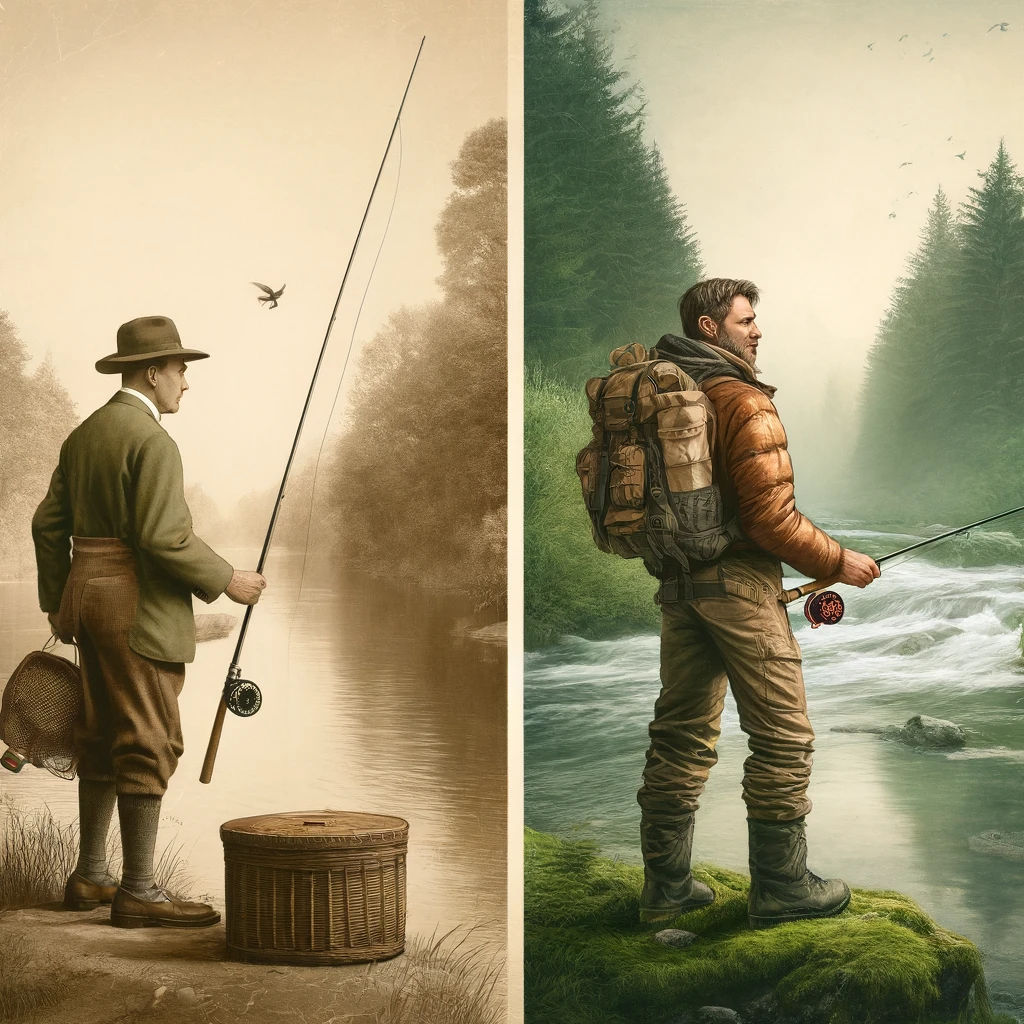
Fly fishing is a timeless and popular angling technique that involves using lightweight lures called flies to attract and catch fish. While many anglers typically associate fly fishing with serene rivers and bustling streams, there’s an often overlooked yet equally rewarding location: canals. These man-made waterways can offer unique challenges and opportunities for fly fishing enthusiasts.
Canals are artificial channels designed for water conveyance, irrigation, and sometimes navigation. Many of these channels teem with aquatic life, providing varied and rich habitats for a range of fish species. Fly fishing in canals is not just an alternative to traditional fishing locales; it is an avenue that offers an entirely distinct experience. It requires a blend of adapted techniques, keen observation, and a thorough understanding of this unique environment.
Why does this matter? With the right strategies and tips, you can turn canal fly fishing into a rewarding pastime. Not only can it be more accessible for urban dwellers, but it also offers an opportunity to fine-tune your fly fishing skills with new challenges. In this guide, we will delve into the specifics of preparation, technique, and strategic thinking required for successful canal fly fishing.
Understanding the Environment
The first step to mastering fly fishing in canals is thoroughly understanding their unique environment. Unlike naturally flowing rivers, canals have distinct characteristics like controlled water levels, limited flow, and often clearer waters. This means the fish in canals are likely to have different behaviors compared to their riverine counterparts.
For example, in a canal system, you may encounter calm sections with slow-moving waters where fish tend to congregate. These spots can be overlooked by anglers accustomed to more turbulent water bodies. Take the Grand Union Canal in England, which features both heavily trafficked areas and quiet, almost stagnant sections. In its quieter stretches, fly fishers can find bream, roach, and even carp leisurely gliding through the water.
Understanding the canal’s hydrology is essential. Water levels can be manipulated, resulting in varying conditions that affect where fish will be and how active they become. Therefore, successful anglers invest time in observing these patterns and identifying optimal fishing spots.
Selecting the Right Gear
Having the right gear is essential for fly fishing in canals. One of the primary concerns is choosing the correct fly rod and line. You should opt for a lightweight fly rod, typically ranging from 2 to 5 weight. This variation will allow you more finesse in casting and less disturbance of the water, which can be critical in the quieter conditions of canals.
For instance, anglers fishing the clear waters of Amsterdam’s canal system often choose a 3-weight rod because it provides enough sensitivity to detect subtle bites without spooking the fish. Additionally, this lighter setup can handle the smaller flies typical for canal fishing.
Aside from rods, fly selection plays a crucial role. Smaller flies like nymphs and dry flies tend to work best in the controlled ecosystem of canals. Be prepared to switch flies often, as fish can be more discerning in these environments. Regularly checking local fishing reports, or speaking with other fly fishers can provide insights into which flies are currently effective.
Mastering Casting Techniques
Unlike open rivers, canals are often lined with vegetation, buildings, or other structures that limit casting space. Therefore, mastering precise casting techniques is a priority in canal fly fishing. The roll cast and bow and arrow cast are particularly useful in these limited spaces.
- Roll Cast: This technique is designed for situations where there is no room for a back cast. It involves using the tension of the line on the water to load the rod and propel the fly forward.
- Bow and Arrow Cast: As the name suggests, this technique involves holding the fly and bending the rod like a bow; releasing it sends the fly shooting forward. This is an effective method when obstacles surround your fishing spot.
In canals like those found in Venice, where narrow waterways and continuous boat traffic create challenges, these casting techniques are indispensable. Anglers who adjust their approach to encompass subtle, precise casting will likely find more success in such restricted environments.
Locating Fish in Canal Systems
Finding fish within canal systems often requires a different approach than river fishing. Fish in canals may congregate around structures such as canal locks, bridges, or any submerged obstacles where they can find food and shelter.
| Canal Feature | Fish Behavior |
|---|---|
| Locks and Gates | Fish gather near these structures for food carried by the moving water during the lock operation. |
| Bridges | Shade from bridges offers protection from predators, and fish often use these as shelter spots. |
| Submerged Obstacles | Rocks, logs, and other debris create hiding spots and breeding grounds for many fish species. |
Consider the canals of Bruges, Belgium, where structures like arching bridges are prevalent. Anglers in this region know to focus on these shaded, structure-rich spots for targeting species like perch and pike, which seek cover or await prey in these vicinities.
Timing Your Fishing Trip
Timing can significantly influence your success when fly fishing in canals. Seasonal, daily, and even weather-related variations can all impact fish behavior.
Early mornings and late afternoons often provide the best opportunities, as fish tend to be more active in cooler water temperatures and lower light conditions. During the summer months, mid-day fishing can be less productive due to heightened water temperatures driving fish to deeper waters.
Moreover, some fish spawn in specific seasons, which might make them more active or aggressive. For instance, perch in the canals of London are particularly active during their spring spawning period, making this an optimal time for angling.
Practicing Patience and Persistence
Fly fishing in canals requires a level of patience and willingness to adapt to changing conditions. The clarity of the water, unlike cloudy river flows, can mean fish are more observant and discerning. Approaching your fishing spot quietly and minimizing shadows cast over the water can prevent spooking the fish.
It’s also worth noting that some days will be more challenging than others in canal environments, especially when they are influenced by urban factors such as passing boats or water level management. Approaching these sessions with patience and seeing them as opportunities to improve technique will enhance your canal fishing experience.
Consider Paris’s Saint-Martin Canal, where urban noise and traffic can be persistent distractions. Anglers here often find success by capitalizing on quieter moments and focusing on stealthy presentation and sharp observation over time.
Conclusion: Embrace the Canal Fishing Challenge
Fly fishing in canals presents a distinct set of challenges and opportunities that can refine and enrich your fishing skill set. By understanding the unique environments of canals, selecting the proper gear, mastering casting techniques suited for limited space, and recognizing strategic fishing spots amidst man-made structures, you put yourself in a position for fly-fishing success. Timing your fishing trips and cultivating patience are additional keys to unlocking fruitful canal fishing experiences.
Whether you’re navigating the historic canals of Amsterdam, the serene waterways in the English countryside, or the vibrant city canals like those in Venice, embracing the nuances of canal fly fishing can offer rewarding experiences and memorable catches. As the next step, consider exploring the canals near you equipped with these strategies, or set your sights on planning a trip to fish some of the world’s famous canal systems. Each outing is an opportunity to learn, adapt, and enjoy the serenity that a canal can offer.
So grab your fly rod, scout out a canal near you, and cast into the unexpected yet delightful world of canal fly fishing.
Frequently Asked Questions
1. Why is fly fishing in canals a good idea, and what makes canals unique compared to other bodies of water?
Fly fishing in canals is a fantastic idea due to the unique environments they present, which are quite different from typical river or stream settings. Canals are man-made waterways that have been historically used for irrigation and navigation. Because they are often less turbulent than natural rivers, they can offer a more controlled and predictable environment for fishing. Thanks to the diverse aquatic life that can thrive in these channels, avid anglers may find a variety of fish species that are often less pressured than those in more common fly fishing destinations.
One of the unique aspects of fishing in canals is the predictable structure of the water. Since these are engineered waterways, they tend to have straight edges and are consistently deep, which allows fish to hold at specific spots. Canals may also have limited public access, meaning fewer anglers to compete with, which can enhance the leisurely aspect of your fly fishing experience.
2. How do I choose the right equipment for fly fishing in canals?
Choosing the right equipment for fly fishing in canals depends largely on the type of fish you’re targeting and the specific conditions of the canal. Generally, you’ll want to start with a medium-weight fly rod around 5 to 7 weight, which provides versatility for casting and presenting flies to medium-sized canal fish. Make sure your fly line matches the weight of your rod for optimal casting performance.
Flies are another crucial element; you should select ones that mimic the natural prey found in canals. These can include nymphs, wet flies, and small dry flies, as they can effectively imitate aquatic insects, larvae, or small fish that reside in these waterways. The leader and tippet should be adequately strong to handle any large or particularly feisty fish, yet subtle enough to not alert wary fish. Remember, just like any other location, match the hatch for the canal’s specific conditions.
Always carry polarized sunglasses to reduce glare and help you spot fish below the water surface better. A landing net is also advisable, particularly in deeper or faster sections of the canal.
3. How should I approach fly fishing in canals to increase my chances of a successful catch?
Approaching fly fishing in canals involves both careful planning and observational skills. First, it’s important to study the specific canal where you’ll be fishing to understand its layout, fish species present, and any regulations such as catch-and-release zones. Knowing what species inhabit the canal guides the selection of your flies, tactics, and fishing spots.
Be stealthy in your approach; canals can sometimes have crystal clear water, which means fish can see you if you’re not careful. Move slowly and make casts from a distance whenever possible. Casting accuracy can make a significant difference since you’ll want to present your fly naturally to nearby fish without spooking them.
Another crucial aspect is understanding and taking advantage of any structure within the canal. Structures like bridges, locks, or vegetation can provide excellent cover for fish, where they wait to ambush prey. Casting your fly near these structures can increase your catch rates significantly. Adjust your strategy according to the time of day, as fish in canals may be more active during early morning or late afternoon when the sun is lower.
4. What time of year is best for fly fishing in canals, and how does seasonal variation affect fishing?
The best time of year for fly fishing in canals typically ranges from spring through fall, but it greatly depends on your geographical location. During spring, fish are more active coming off a cold winter, looking to feed heavily as waters warm. This can lead to high activity levels and increased chances for a catch.
Summer can be abundant with food sources as insects and other aquatic life thrive, which leads to productive fishing, though anglers need to account for potential weed growth and water turnover from increased temperatures. Fishing early in the morning or later in the evening can dodge midday heat. In the fall, fish again increase their feeding activity in preparation for winter, which can offer excellent opportunities, particularly for larger fish as they stock up.
Winter months might be more challenging, though still productive in milder climates where waterways do not freeze. Fish’s metabolic rates slow down, reducing their movement, so slow presentations of flies near their holding areas can still attract strikes. With each season, adjusting your fly patterns to match the evolving diet of canal fish is crucial for success.
5. Are there any specific safety tips I should keep in mind while fly fishing in canals?
Yes, safety should always be a priority while fly fishing in canals, especially given their potential for deep and fast-flowing water, steep banks, and sometimes unexpected water releases. First and foremost, always check the weather forecast before heading out. Sudden rain can affect water levels, creating unexpected and dangerous currents.
Wear appropriate footwear with good traction, as canal banks can be slippery. When fishing near any coastal or potentially flooded areas, consider wearing a personal flotation device, particularly if you’re wading into deeper waters. Pay attention to the potential for rising water levels, especially near locks or other water control structures, which may activate without notice and affect water flow.
Be conscious of your surroundings and inform someone about your trip details. With the unique setting of canals, it’s essential to adhere to any posted regulations or signs, especially those relating to navigation or maintenance operations which might interact with your fishing location.