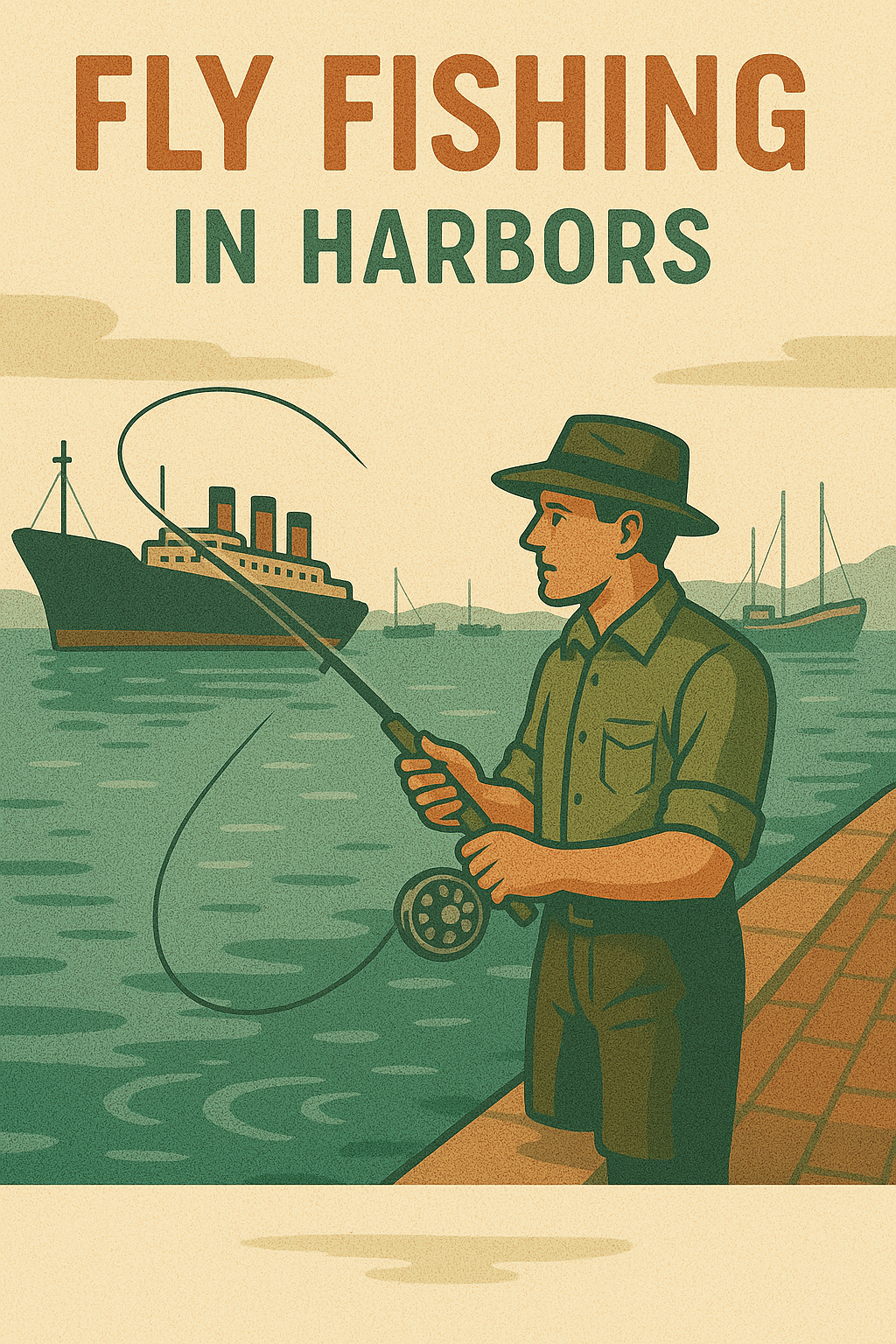
Fly fishing, traditionally associated with pristine rivers and tranquil lakes, is evolving. This evolution has seen saltwater environments, especially harbors, emerge as popular new venues for avid anglers. The shift to fly fishing in harbors is driven by the diversity of species available in these areas, the challenge it presents, and the unique experience it offers. This article delves into the techniques and gear essential for anyone interested in exploring fly fishing in harbors. We’ll discuss why this niche form of fly fishing is capturing interest, outline key techniques, and recommend gear that enhances the experience.
Harbor fly fishing matters because it opens new horizons for anglers confined to freshwater environments or open sea fishing. Harbors offer a hybrid environment with their combination of fresh and saltwater, tidal patterns, and rich marine biodiversity. In understanding fly fishing, one must know that it is a method that requires casting light-weight lures imitating fish prey like flies, to attract catches. The intricate technique and the attention to stealth and precision that fly fishing demands are exciting not only for seasoned fishers but also for beginners.
The Essentials of Fly Fishing in Harbors
When fly fishing in harbors, the appropriate gear is essential. The unique setting of harbors, with currents, boat traffic, and infrastructure like docks and piers, demands specialized equipment. Your choice of rods, reels, lines, and flies will significantly impact your harbor fly fishing success.
Firstly, choose a rod that balances between strength and finesse. Typically, harbor fly fishing rods are in the range of 7 to 9 feet and have a weight range of 6 to 8. This size and weight cater to the more common harbor species like striped bass, bluefish, and redfish. For example, an 8-weight rod provides the versatility necessary to handle varying conditions without being cumbersome.
Reels should correspond with the rod’s weight, but with saltwater resistance features since harbor waters are brackish. A reel with a solid drag system is crucial to handle the fight of a strong fish. In New York’s Jamaica Bay, a sturdy reel equipped with a superior drag system proves indispensable when handling its large striped bass.
The line selection should include a floating line with a good taper for ease of casting in confined spaces. An intermediate line can also be useful if fishing deeper areas next to docks. Flies need to imitate the local baitfish; Clouser Minnows and Deceivers are excellent choices.
Understanding Harbor Ecosystems for Fly Fishing
A deep understanding of the harbor ecosystem enhances the chances of successful fly fishing. Harbors are bustling with marine life because they often serve as nurseries for various species amid the protected environment.
Observing the tidal patterns is fundamental. Fish tend to feed actively during incoming and outgoing tides. Hence, timing your fishing sessions around these periods can increase your chances of success. For instance, in San Francisco Bay’s Fisherman’s Wharf, anglers have recorded higher success rates during incoming tides, attracting throngs of baitfish and predatory entities like salmon and flatfish.
Water conditions and weather patterns also play a significant role. A cloudy sky can improve fishing conditions since fish feel more secure, reducing shyness towards artificial flies. Moreover, harbor structure, such as pylons and rocky areas, provides shelter for fish, which can lead to productive spots for casting.
Fly Casting Techniques Adapted for Harbors
Traditional fly casting techniques might need modifications to suit harbor conditions. Space restriction is a common challenge due to infrastructure and heavy traffic, which may require short, precise casts. Hence, mastering the side-arm cast and roll cast is beneficial.
Roll casting is highly efficient in harbors given its minimal backcast requirement. It is particularly effective when fishing near dock areas with limited casting room. For example, fly fishing near piers in Seattle’s Elliott Bay necessitates concise roll casting to avoid entanglement with weeds or docks.
Another essential skill is the double haul, which helps increase line speed and distance. With practice, this technique helps punch the line into the wind, which is a frequent opponent in open harbors.
Here’s a simple breakdown of casting adaptations in a harbor:
- Roll Casting: Best for tight spaces and minimizing backcast.
- Side-Arm Casting: Helps avoid obstacles and get under low obstructions.
- Double Haul: Increases line speed, crucial for windy conditions.
Spotting Fish in Busy Waterways
Identifying fish in bustling harbor areas can be tricky but rewarding. Observing the water for disturbances such as ripples or jumps is vital for locating active fish. In Portland Harbor, Maine, fishermen often rely on bird activity as indicators of a feeding frenzy below the surface. Seagulls and other avian species circle over areas rich with baitfish that attract predators.
Using polarized sunglasses helps reduce glare on the water’s surface, providing a clearer vision below the waterline. This clarity can mean spotting fish shadows, movement, or even color flashes indicative of a hungry fish.
Moreover, understanding the fish behavior concerning harbor backdrops, involving elements like light reflections and shadows, is integral. For instance, looking down into the water with sun in front can obscur vision, while standing with sun behind may reveal subsurface action.
Conservation and Ethical Considerations
Fly fishing, regardless of location, promotes conservation and ethical practices. Catch and release is a common practice that supports sustainability, ensuring fish populations remain robust and healthy for future generations. When fly fishing in harbors, understanding local regulations is paramount. Most jurisdictions have catch limits and seasons that must be adhered to, like the strict guidelines in the Chesapeake Bay area. Such measures help maintain the ecological balance and fish species’ survival.
Moreover, using barbless flies not only makes for a quick and gentle release but also emphasizes skill over tools. Education and awareness about the species targeted, their role in the ecosystem, and their vulnerability to overfishing is crucial for ethical fly fishing.
Conclusion and Next Steps in Harbor Fly Fishing
In conclusion, fly fishing in harbors is both a challenging and rewarding pursuit that demands a balance of proper gear, refined techniques, and a profound understanding of the local marine environment. The diversity of fish and dynamic conditions within harbors create an exciting fishing arena differing from traditional freshwater settings.
For anglers considering harbor fly fishing, starting with research about local conditions and species is recommended. Investing in gear that can withstand the salty environment and practicing modified casting techniques will enhance the overall experience. Also, engaging with local fishing communities can provide valuable insights and camaraderie.
The benefit of fly fishing in harbors is the wide array of conditions and species it offers, challenging the angler’s skills and providing an enriched fishing experience. Now that you are equipped with foundational knowledge in this unique form of fly fishing, gear up and embrace the adventure that harbor fly fishing promises.
Find a local harbor, study its ecosystem, prepare your gear, and embark on a journey filled with excitement, challenges, and fulfillment that only harbor fly fishing can offer. Happy fishing!
Frequently Asked Questions
1. What makes fly fishing in harbors different from traditional fly fishing in rivers or lakes?
Fly fishing in harbors offers a distinct experience compared to traditional settings like rivers or lakes. One of the biggest differences is the variety of fish species found in harbors. Unlike rivers and lakes, where anglers often pursue species like trout or bass, harbors typically host a broader range of saltwater species such as striped bass, redfish, sea trout, and even some exotic species depending on the location.
The environment itself presents unique challenges and rewards. Harbors tend to have varying water conditions, from fast currents to calm, sheltered areas. Angling in such conditions must account for tides, which can dramatically alter water levels throughout the day. Adjusting to these conditions requires adaptability and a good understanding of tidal movements.
Another key difference is the structure found in harbors. From docks and piers to boat moorings and rocky shorelines, these elements offer both opportunities and challenges for anglers. Such structures can harbor fish, providing excellent angling spots, but can also pose risks, such as line snags.
Ultimately, fly fishing in harbors demands a flexible approach, an understanding of marine environments, and a willingness to explore and adapt to diverse habitat conditions.
2. What type of gear is recommended for fly fishing in harbors?
The gear for harbor fly fishing is somewhat specialized to accommodate the saltwater environment and the types of fish you’re likely to encounter. The recommended setup often starts with a good quality fly rod. A 9-foot rod with a weight range of 7 to 9 is commonly used because this provides the strength needed to handle stronger and larger saltwater species.
In complement to the rod, a durable fly reel is essential – one that’s designed with a reliable drag system and constructed to withstand saltwater corrosion. Saltwater-rated reels often have seals and treatments that protect internal components from harsh conditions.
Fly lines for harbor fishing are typically floating lines or intermediate sinking lines, depending on conditions and target species. In this environment, lines often need to be robust and capable of casting heavier, larger flies into the wind, which is a frequent challenge in open harbor settings.
Importantly, the choice of leader and tippet must suit the fish species targeted. A fluorocarbon leader is a favorite due to its abrasion resistance and low visibility underwater. Flies should mimic the natural prey of harbor species – these can range from baitfish patterns to imitations of shrimp and crabs.
Lastly, always ensure you rinse your gear in fresh water after a day in the harbor, as this prevents salt build-up, which can damage your equipment over time.
3. What are the best techniques for fly fishing in harbors?
Fly fishing in harbors involves various techniques adapted for the environment and the species being targeted. One effective method is sight fishing; this involves visually identifying feeding fish and casting your fly to them. Harbors often have clear water segments, especially at slack tide, making sight fishing a viable option. It requires patience and keen observation skills.
Additionally, understanding the feeding patterns of harbor species is crucial. This involves recognizing the times and places fish are most likely to be active— usually around structures, near tidal rips, or at drop-offs. Cast ahead of the fish’s path, allowing the fly to drift naturally, imitating prey.
When fishing from a stationary position, such as on a dock or boat, using the ‘strip-strike’ technique can be highly effective. In this method, when a fish takes the fly, anglers maintain motion by stripping the line to set the hook instead of raising the rod, which is typical in freshwater fly fishing.
An additional strategy involves using the tides to your advantage. Plan to fish on the incoming or outgoing tides, when variety in tidal movement brings in baitfish, crustaceans, and consequently, predator fish to feed.
Each technique requires some experimentation and adaptation based on conditions. Harbor fly fishing is an art of environment and fish behavior literacy, coupled with skill and timing.
4. Are there specific safety considerations to keep in mind for fly fishing in harbors?
Absolutely, safety is paramount when fly fishing in harbors due to several factors that are different from more secluded fishing environments. Harbors are typically bustling areas with boats, docks, and sometimes complex navigation channels. The first rule of safety is always being aware of your surroundings, including oncoming boats or changes in tide that could affect your position.
Wearing a life jacket is an essential safety measure, especially when fishing off the dock or while wading. A sudden tidal surge or slip could lead to an unplanned dip, and a life jacket adds an essential layer of security.
Harbors also present unique physical hazards like slippery rocks, marine growth on docks, or sharp barnacles. Appropriate footwear with non-slip soles is advised to ensure grip and stability, reducing the risk of falls or injuries.
Moreover, given that weather conditions can change rapidly, it’s prudent to check the local weather forecast before heading out. Strong winds, common in coastal areas, can make casting difficult and can arise quickly without much notice.
An additional consideration is marine regulations and local laws. Many harbors have specific fishing regulations that must be adhered to, such as areas where fishing is prohibited, licenses required, or conservation rules that might limit catches. Always be informed and comply with these rules to ensure a safe and respectful fishing experience.
5. How do you manage the influence of tides when fly fishing in harbors?
Understanding and managing tides are crucial when fly fishing in harbors, as tides profoundly influence fish behavior and water conditions. The rise and fall of the tide affect where fish are located, their feeding patterns, and how accessible certain fishing spots are.
Monitoring tides can help determine the best times to fish. Generally, many anglers prefer the changing tides—either when it’s coming in or going out, known as the flood or ebb tide. During these times, currents are stronger and often bring food sources into the harbors, attracting fish.
Utilizing tidal charts helps you anticipate the timing and strength of the tides. These charts, available through numerous online platforms, provide data on high and low tides, which helps in strategically planning outings. Furthermore, mobile apps can provide real-time tide information to make impromptu decisions while on the water.
Fishing at different tidal stages can also affect the way you cast and present your fly. For instance, during high tides, fish may move closer to shore or docks, whereas low tides might push them to deeper channels; adapting your approach and technique based on these shifts is key.
By respecting the tides and learning how they influence your fishing location, you not only improve your chances of a successful catch but also ensure a safer, more enjoyable experience in the dynamic environment of a harbor.