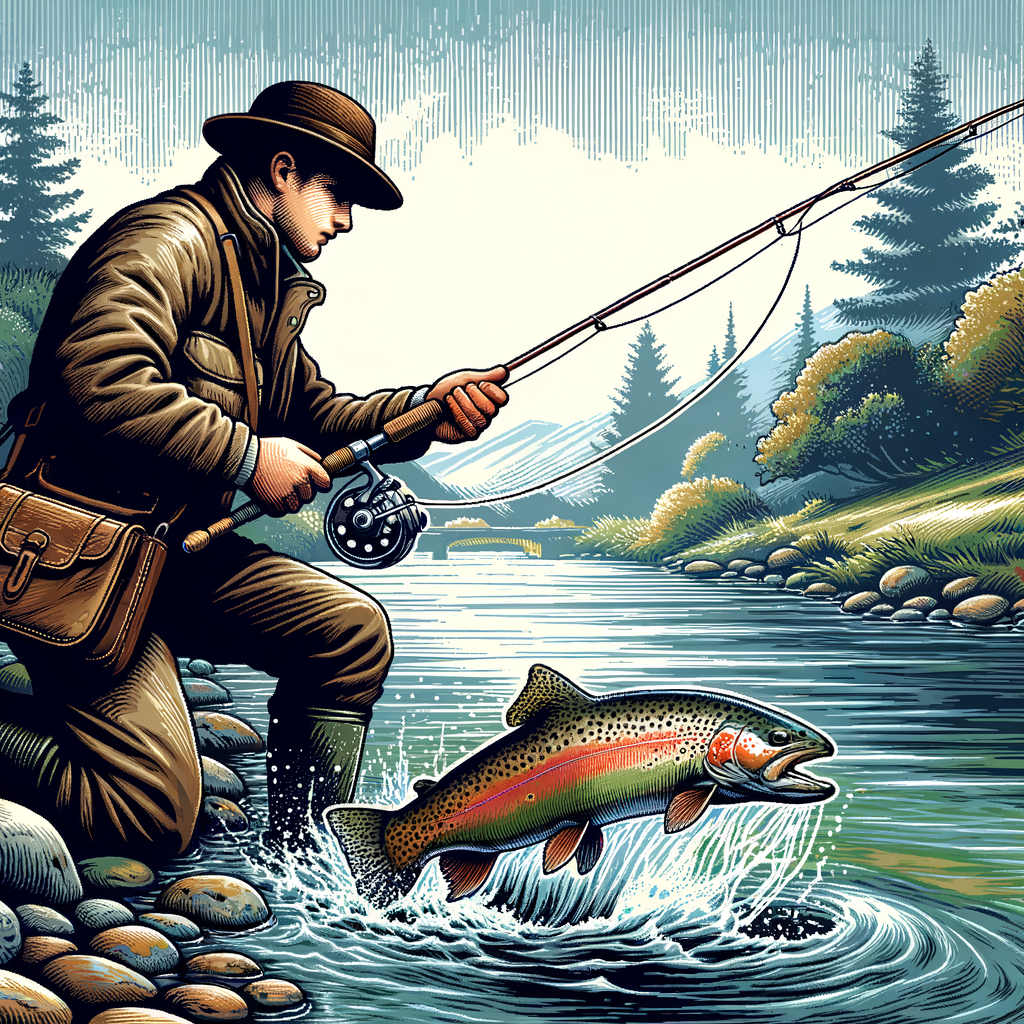
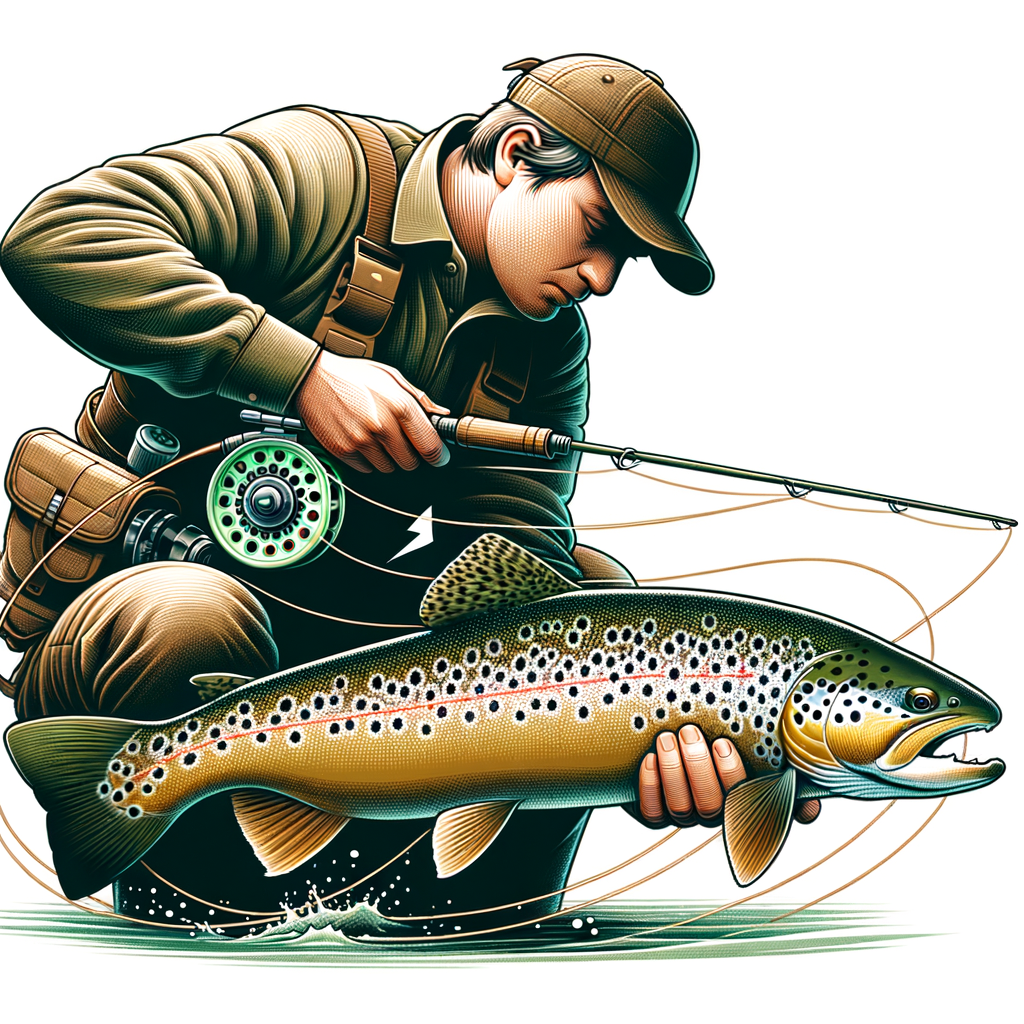
Fly fishing is a technique known for its elegance and skill. It’s not only about catching fish but also about connecting with nature and experiencing the thrill of the chase. Fly fishing in the surf takes this classic method to a whole new level, providing anglers with the chance to explore nearshore environments traditionally dominated by conventional surfcasting methods.
Fly fishing in the surf refers to the practice of using fly rods and artificially tied flies to catch fish along the ocean’s edge. This method enables anglers to reach the feeding grounds of various fish species that frequent coastal waters. The allure of fly fishing in the surf lies in the unique challenges presented by the swift-moving waters, the varying wave actions, and the incredibly diverse range of fish species available. Successfully engaging in this pursuit requires not only a solid understanding of fly fishing basics but also specialized techniques tailored to the surf environment.
This topic is important as it offers fly anglers an exciting and versatile approach to fishing that allows them to exploit a largely untapped resource. The briny surf environments are rich with life, making them a popular hunting ground for species such as striped bass, bluefish, and even some types of drum. Fly fishing in the surf provides both recreational and sporting benefits, which appeal to a broad spectrum of anglers eager to try something different.
Understanding the Basics of Fly Fishing in the Surf
Getting started with fly fishing in the surf requires a foundation in fundamental fly fishing principles mixed with an understanding of the coastal ecosystem. For instance, selecting the right gear is pivotal. Unlike freshwater fly fishing, surf fishing demands equipment that can withstand the corrosive saltwater environment. This involves choosing rods and reels specifically designed for saltwater use.
- Rods: Most surf fly anglers prefer 8 to 10 weight rods as these are powerful enough to handle large fish and offer greater casting distance in windy conditions.
- Reels: Saltwater fly reels must have a robust drag system and should be corrosion-resistant to deal with the harsh conditions.
- Lines: A weight forward floating line is often the choice for surf conditions, with intermediate sinking lines also being useful under certain situations.
An experienced surf fly fisherman shares his insight: “I’ve found that understanding the nuances of your gear is as crucial as any technique. I personally rely on my 10-weight setup, which allows me to cast further and handle those hard-fighting summer stripers with confidence.”
Reading the Surf for Productive Fishing Locations
Surf fly fishing is largely about positioning. Identifying productive fishing spots can significantly influence an angler’s success. This involves reading the beach, waves, tides, and currents—elements that dictate fish behavior.
Waves breaking close to the shore often create troughs or deeper channels where predatory fish patrol for baitfish. These conduits are hotspots for surf fishing with a fly. Similarly, points, jetties, and sandbars act as natural gathering places for bait and their predators.
A seasoned fly angler might explain: “It’s like figuring out the freeway for fish. On one of my trips to the Jersey Shore, spotting a sandbar off to one side of the beach led me to some of the best fly fishing of my life. By waiting for the tide to flood over the bar, I was quickly into bluefish practically every second cast.”
Mastering the Cast in the Surf Environment
The constant motion of the ocean can make casting in the surf a challenging task. Developing a proficient casting technique to extend your reach and precision is pivotal. Being able to manage your line in strong winds and waves is essential for maintaining control.
In surf conditions, the roll cast and double haul are two techniques surf fly fishermen often employ. These casts allow the angler to achieve distance and accuracy while compensating for the surf’s movement.
One angler, who fishes regularly on the East Coast, said: “The wind can be a killer when you’re trying to pin down those precise casts. It’s only once I became proficient at the double haul that I noticed my catch rate climbed significantly. Every time a swell rolled by, I’d use it to re-evaluate and refine my strategy.”
Best Fly Patterns for Surf Fishing
Fly fishing for surf species requires choosing fly patterns that mimic the baitfish prevalent in coastal environments. The effectiveness of a fly is dependent on its ability to replicate natural prey in appearance, size, and movement, which varies depending on the species targeted and season.
The following are popular fly patterns used in the surf:
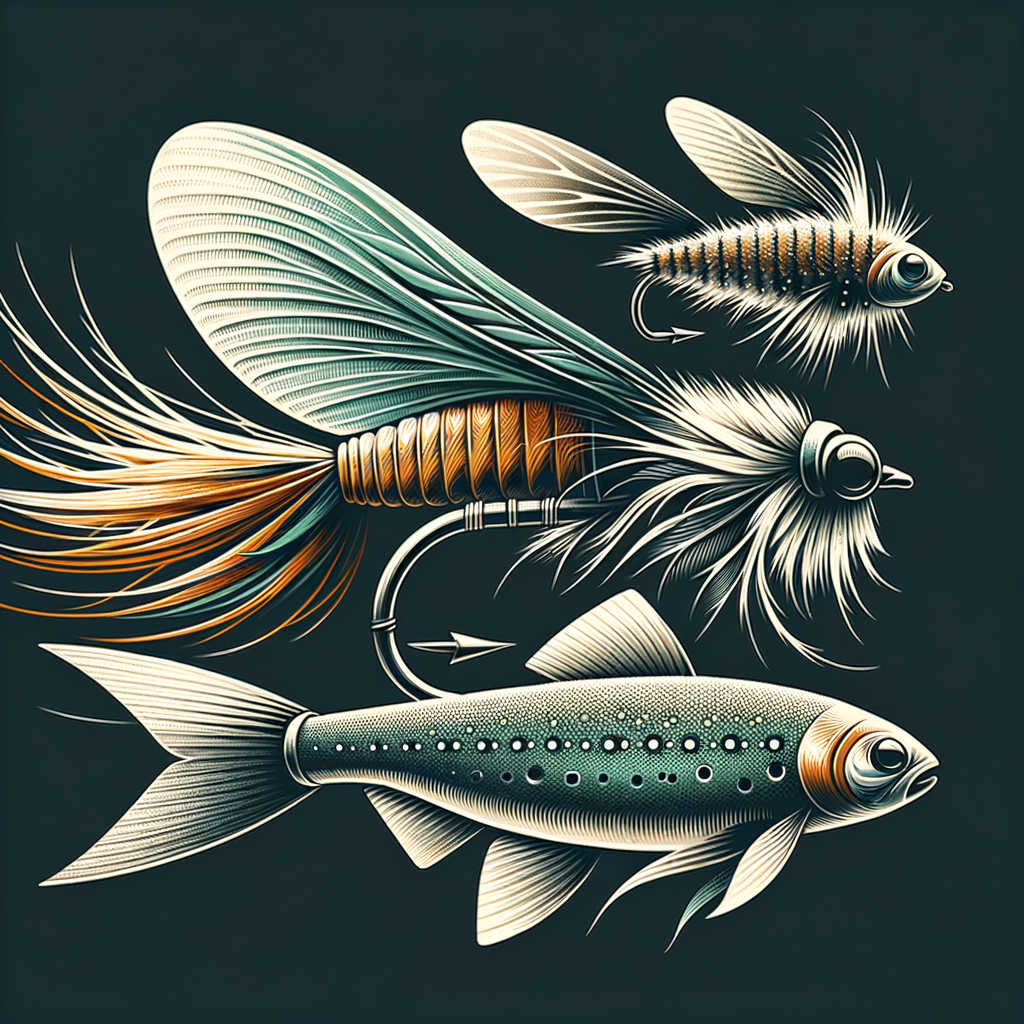
- Clouser Minnow: This is an all-time classic, great for replicating small baitfish and effective in various saltwater scenarios.
- Deceiver: Ideal for larger predatory species, it can be tied in multiple colors to match different baitfish.
- Surf Candy: Known for its durability, it’s designed to imitate small anchovies or glass minnows that are common prey for many surf species.
For instance, during a late autumn session in California, switching to a surf candy fly broke a long streak of no catches, as it perfectly matched the small fish the local striped bass were targeting.
Seasonal Considerations in Surf Fly Fishing
Fish behavior in coastal waters is highly influenced by seasonal changes. Knowledge of these patterns allows fly anglers to predict when and where specific fish are likely to be present. Many predatory fish in coastal environments are migratory, following baitfish schools, spawning routes, or temperature changes.
| Season | Target Species | Tactics |
|---|---|---|
| Spring | Striped Bass | Focus on estuaries as fish move in to spawn. |
| Summer | Bluefish | Use flashy retrievable flies near surface feeding frenzies. |
| Autumn | Red Drum | Target deep troughs near shorelines. |
| Winter | Sea Trout | Fish during warmer parts of the day. |
An avid angler narrates: “During the spring, I focus my efforts on marshes and small inlets where striped bass move to spawn. Adapting my strategy to the seasons has been pivotal in ensuring I’m at the right place at the right time.”
Adaptability and Patience: Essential Attributes in Surf Fly Fishing
No matter how skilled or prepared an angler might be, surf fly fishing demands flexibility and patience. Changing conditions, such as tides and weather, can quickly alter how and where fish are congregating. Developing a mindset geared towards adaptation often separates successful days from unproductive ones.
Experimentation with different fly patterns, casting techniques, and fishing locations is encouraged. For many fly anglers, the unpredictability of the surf is part of the appeal.
“Initially, surf fishing with a fly rod overwhelmed me,” recounted a veteran fly fisherman. “But I learned to embrace these factors, turning every mishap into a lesson. Now, I enjoy the challenge, approaching each outing as an opportunity to learn and grow.”
Key Takeaways and Embracing the Challenge
Fly fishing in the surf offers an innovative and dynamic approach to angling, inviting fishermen to merge traditional fly techniques with the complexities of coastal environments. Key aspects involve selecting appropriate gear, reading the surf for viable fish locations, honing the casting technique, and adjusting fly selections to match natural bait.
The seasonal changes require astute observation, ensuring anticipation of fish movement patterns. Moreover, adaptability remains an essential attribute, with the successful fly fisher continually experimenting and refining their strategies. Those who embrace the challenge find that surf fly fishing offers a rewarding blend of skill, patience, and adaptability.
For those keen on embarking on this rewarding journey, the time is now. Equip yourself with the proper gear, practice your cast, and head to the beach where the partnership with nature awaits. Engage with local fly fishing communities to refine your techniques and share the joy with other enthusiasts who revel in the rhythm of the surf and the freedom of the open water.
Frequently Asked Questions
1. What is fly fishing in the surf, and how does it differ from traditional fly fishing?
Fly fishing in the surf is a unique approach where anglers use fly rods and custom-tied flies to catch fish along the ocean’s surf zone, where waves break onto the shore. Unlike traditional fly fishing often found on tranquil rivers and streams, this method takes place in more dynamic, saltwater environments. The key difference lies in the setting and the type of fish targeted. The surf zone holds a diverse range of species, requiring anglers to adapt their techniques and tackle to suit the demanding conditions. Fly fishing in the surf involves casting into rolling waves, managing the tides, and coordinating with the wind, all of which add layers of complexity to the angling process. It combines the finesse of fly fishing with the power needed to handle the ocean’s surging energy, providing a distinct challenge and an opportunity to catch larger, more powerful fish than those typically found in freshwater.
2. What equipment do I need for fly fishing in the surf?
When it comes to surf fly fishing, the right gear is essential to effectively tackle the unique challenges presented by this environment. First and foremost, you’ll need a sturdy fly rod, generally in the 8 to 10 weight range, which is robust enough to handle strong surf conditions and potentially large fish. A saltwater-proof reel with a powerful drag system is crucial, as the salt and sand can quickly corrode less durable equipment. The fly line, preferably a weight-forward floating or intermediate sinking line, should be chosen based on the specific conditions and the species you’re targeting. Flies designed for the surf, such as Clouser Minnows and Deceivers, are a must due to their ability to mimic baitfish and withstand turbulent water. Additionally, wearing waders will keep you comfortable and dry, allowing you to wade directly into the surf for better casting opportunities. Consider packing a stripping basket to manage your line and a waterproof gear pack to store essentials like leaders, tippets, and other fishing tools.
3. What are the best techniques for casting in the surf?
Casting in the surf can be challenging due to the continuous movement of waves and varying wind conditions. It is crucial to adapt traditional casting techniques to achieve success. First, timing your cast with the rhythm of the waves is vital; you’ll want to cast when the water is receding to gain distance and prevent your fly from being swept back toward the shore. This requires patience and keen observation. The double-haul cast is particularly useful in the surf, as it generates the line speed needed to cut through coastal winds. Practicing this technique allows for greater distance and precision. Furthermore, employing a roll cast can be beneficial when backcasting space is limited, a frequent situation when fishing from beaches crowded with obstacles. Lastly, overhead casting helps keep the fly line above wave crests, ensuring your fly lands in the intended strike zone. By mastering these techniques, you can offer an enticing presentation to surf-dwelling fish.
4. What are some common fish species encountered while fly fishing in the surf?
Fly fishing in the surf opens the door to a wide variety of fish species, each providing its own unique challenge and thrill. Popular targets include striped bass, known for their strong runs and elusive nature, and bluefish, which are celebrated for their aggressive strikes and spirited fights. In southern regions, redfish and speckled trout become prime targets, offering exciting opportunities to test your skills. Other potential catches include surfperch, flounder, and jack crevalle. Depending on the time of year and location, anglers might also encounter migratory species such as false albacore, Spanish mackerel, or even the occasional tarpon. Each species not only demands different strategies for hooking and landing but also provides an insight into the diversity of life thriving along coastal environments. By researching the local fish populations and planning your outings accordingly, you increase your chances of a rewarding fly fishing experience.
5. How can I stay safe while fly fishing in the surf?
Ensuring safety is paramount when fly fishing in the surf. The dynamic nature of the ocean environment requires careful attention and preparation. Always monitor weather and tide conditions before heading out; unexpected changes can lead to dangerous situations such as rip currents or waves that are higher than anticipated. Wearing a personal flotation device (PFD) is strongly encouraged, as it provides buoyancy if you’re knocked off your feet. Familiarize yourself with the local hazards by speaking to knowledgeable anglers or local fishing shops, especially in unfamiliar territory. Proper footwear, such as wader boots with non-slip soles, will help maintain traction on slippery surfaces like rocks or wet sand. Additionally, always fish with a buddy or, at the very least, inform someone of your plans and expected return time. Staying alert and respecting the ocean’s power is essential for a safe and successful fly fishing adventure.