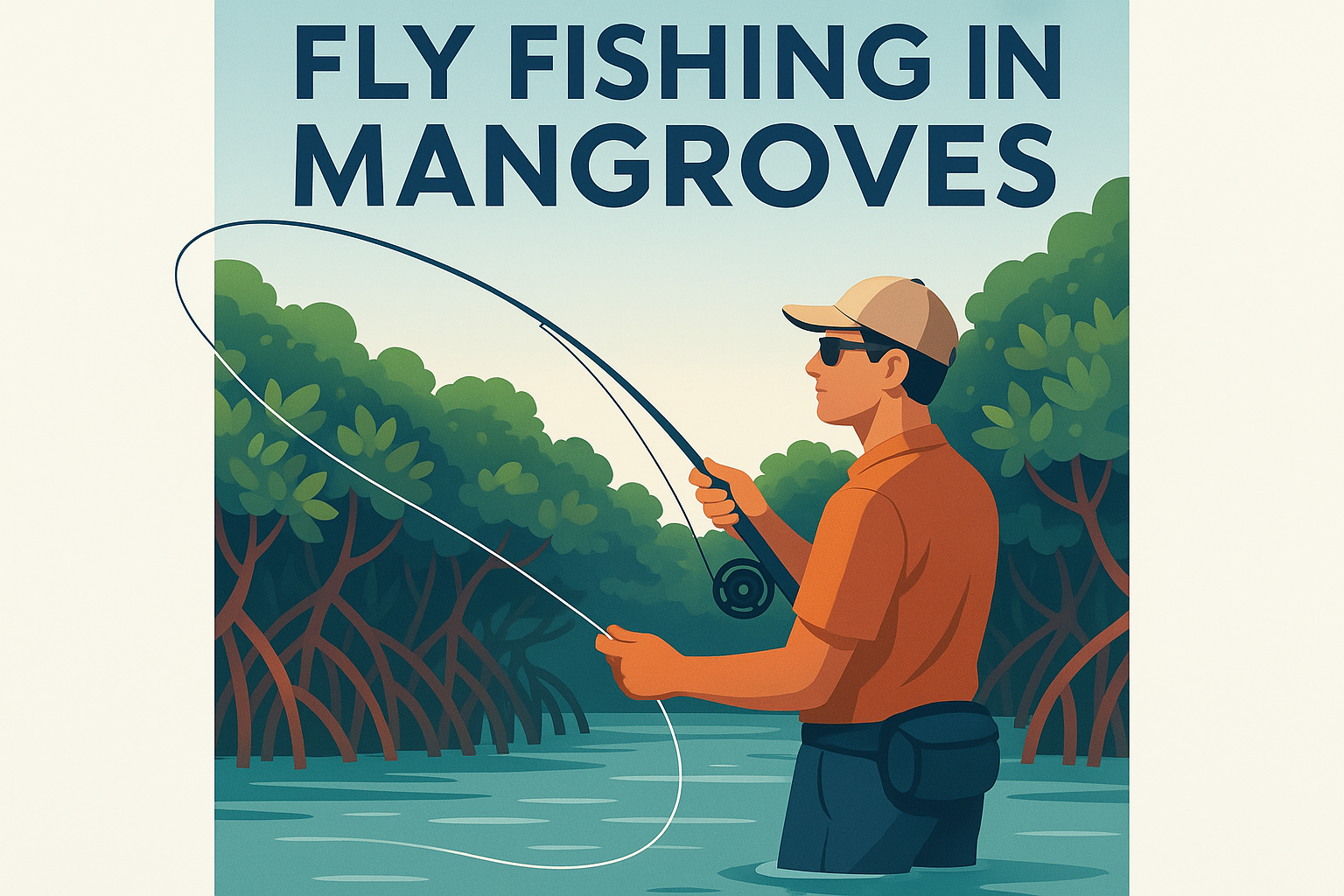
Introduction to Fly Fishing in Mangroves
Fly fishing in mangroves is a unique and exhilarating experience that combines the art of angling with the thrill of navigating through lush, tropical ecosystems. Mangroves, which are coastal woodlands found in tropical and subtropical regions, provide an ideal habitat for a diverse range of fish species. This makes them a favored spot for fly fishing enthusiasts. Key species that anglers often target include tarpon, snook, and bonefish. Fly fishing is a type of fishing that uses a lightweight lure or ‘fly’ that resembles an insect to catch fish. This style of fishing is all about precision, technique, and patience, challenging anglers to read the water and understand fish behavior in a complex and dynamic environment.
Understanding the importance of fly fishing in mangroves requires acknowledging both the ecological significance of mangrove habitats and the skill it takes to successfully fish them. Mangroves act as nurseries for many fish species and are crucial to the health of coastal ecosystems. As such, fly fishing here demands a balance of environmental stewardship and angling finesse. For anglers, the dense root systems and murky waters present both a challenge and an opportunity to test their skills and catch memorable fish. Delving into this unique intersection of nature and sport not only broadens one’s fishing repertoire but also fosters a deeper appreciation for the delicate ecosystems that support these adventures.
Essential Gear for Mangrove Fly Fishing
When preparing for a fly fishing trip in the mangroves, selecting the right gear is essential to ensuring success. To start with, choosing the correct fly rod and reel is crucial. Typically, a rod length of around 8 to 9 feet with a fast action is recommended, as it provides solid casting capabilities and is strong enough to handle larger fish. Reels should be corrosion-resistant due to the saline environment, and they should offer a smooth drag system for battling strong, fast fish.
Another critical piece of gear is the fly line. Anglers should opt for a weight-forward floating line. This type of line is designed to help with longer casts, especially when trying to reach fish that are lurking under mangrove roots or on the edges of channels. Adding to this, flies should be selected based on the predominant bait in the area. Patterns resembling baitfish, shrimp, and small crabs are often effective. Having a selection of flies in varying sizes and weights will allow an angler to adapt to changing conditions and fish preferences.
George, a seasoned fly angler from Florida, illustrates how the right gear makes a difference. On a trip to the Indian River Lagoon, George chose to use a 9-weight rod equipped with a saltwater-specific reel. After a long day of chasing redfish through the winding mangrove tunnels, his choice of gear paid off when he landed a hefty snook, underscoring the importance of being well-prepared with the right gear for the specific setting.
Understanding Mangrove Ecosystems
In order to become adept at fly fishing in mangroves, it’s important to comprehend the intricate ecosystems these unique environments represent. Mangroves are characterized by a series of complex root systems that provide both protection and a breeding ground for various marine species. These roots help to trap sediment, maintain coastlines, and offer a haven for juvenile fish seeking refuge from predators.
Different species are attracted to mangroves during different tidal conditions. An understanding of these tidal movements is crucial, as it influences fish activity. Fly anglers must be keen observers of these diurnal changes, as poor timing can turn a potentially fruitful fishing venture into a fruitless endeavor. By maintaining awareness and adapting fishing strategies according to tidal shifts, anglers can significantly enhance their chances of success.
Particularly during high tide, fish venture deeper into the mangrove roots. By contrast, lower tides often draw fish into open waters just at the edge of the mangroves. This distinction is vital for tailoring fishing approaches effectively. Emma, an experienced angler from the Bahamas, exemplifies this principle well. Through careful study over several years, she noted that during incoming tides at dawn, bonefish inevitably moved into clearings between prop roots to feed, resulting in impressive catches.
| Time of Day | Tide | Target Species | Best Fly Patterns |
|---|---|---|---|
| Early Morning | Low to High Tide | Snook, Redfish | Shrimp Patterns, Clouser Minnow |
| Midday | Stable High Tide | Tarpon, Bonefish | Crab Patterns, Spoon Fly |
| Evening | High to Low Tide | Jack Crevalle, Snapper | Popper Patterns, Baitfish Imitations |
Tactics for Successful Mangrove Fly Fishing
Implementing effective tactics is as crucial as having the right gear when it comes to mastering fly fishing in mangroves. One such tactic is developing stealthy approaches. Due to the limited visibility in mangrove waters, fish are often more reliant on their sensitive senses of hearing and vibration detection. Anglers should aim to minimize water disturbance and avoid loud noises that could spook potential catches. When wading, employ slow, careful movements and gentle foot placement. If fishing from a boat, cut the engine at a distance and use push poling or a silent trolling motor to get closer.
Positioning is another crucial tactical factor. Generally, casting parallel to the mangrove line is more productive than perpendicular casts, as fish tend to patrol the borders for food. Moreover, certain areas like creek mouths and underwater channels act as fish highways, making them prime locations for targeting species during tidal movements.
Samantha’s example of fishing near Key West offers further insight into effective tactics. Her strategy of positioning amidst small channels leading into deeper water has often resulted in productive catches of barracuda and mangrove snapper. Her secret weapon includes analyzing boot patterns for intuitive knowledge of fish that favor particular pathways.
The Role of Conservation in Mangrove Fly Fishing
Conservation plays an important role in ensuring the long-term sustainability of mangrove fly fishing. Anglers have a profound impact on their environment and must act in ways that promote ecological health. This can be achieved through adhering strictly to catch-and-release practices and using barbless hooks to minimize fish injury. Always handle fish with wet hands or a wet cloth to prevent damage to their protective slime coating.
Also important is the avoidance of trampling delicate mangrove roots, as they are vital for coastal protection and marine breeding. Boats should be navigated with care, keeping a safe distance from vulnerable roots. Participating in local conservation projects, such as mangrove planting, cleanup initiatives, or tagging programs, enable anglers to contribute directly to the preservation of these valuable ecosystems.
A powerful example of successful angler-led conservation effort can be seen in the community around the Florida Keys. Local anglers collaborated with environmental organizations to impose stricter guidelines on boat access and implemented educational programs highlighting the benefits of mangrove conservation. These efforts led to a measurable reduction in root damage and boosted fish populations, proving the efficacy of responsible angling combined with advocacy.
Conclusion and Call to Action
Fly fishing in mangroves is a rewarding pursuit that offers anglers the rare opportunity to test their skills amidst awe-inspiring ecosystems. As highlighted, success depends not only on having the appropriate gear but also understanding how mangrove environments function and adapting fishing tactics to suit these conditions. With targeted gear choices, strategic fishing techniques, and a strong awareness of conservation priorities, anglers can enjoy thrilling experiences while ensuring that the delicate balance of these vital coastal habitats is preserved.
For those ready to embrace the challenge, it’s time to prepare for your next adventure. Make sure to gear up responsibly, refine your skills, and engage with conservation efforts to safeguard the pristine mangroves you explore. By doing so, you will enjoy the profound rewards of mangrove fly fishing, knowing that you are contributing to its sustainable future.
Frequently Asked Questions
1. What essential gear do I need for fly fishing in mangroves?
When it comes to fly fishing in mangroves, having the right gear is crucial for a successful and enjoyable experience. Firstly, you’ll want a fly rod that is ideally in the 8 to 10 weight range. This is because you’re often dealing with larger and stronger fish, such as tarpon and snook, which require a bit more power and strength in your rod. The reel should have a solid drag system to handle the powerful runs of these fish and should be corrosion-resistant since you’ll be in a saltwater environment.
Fly lines play a significant role as well. A weight-forward floating line is typically recommended for better casting performance, especially since you might be casting larger flies. Don’t forget your leader and tippet! A tapered leader that can handle up to 20-30 pounds is advisable because these fish can be quite strong.
When it comes to flies, patterns that resemble baitfish or shrimp are usually successful. Clouser minnows, deceivers, and shrimp patterns in natural colors often work well in mangroves. It is also imperative to bring along polarizing sunglasses to reduce surface glare and help you spot fish more easily in the intricate mangrove root systems.
Add waterproof boots for wading, lightweight, breathable fishing apparel, and sun protection gear such as a wide-brim hat and sunscreen to your list. A good pair of pliers, a net, and a box or bag to keep all your gear organized will wrap up your essential list of gear.
2. What are the best techniques for casting in the mangroves?
Casting in mangroves can be quite challenging due to the limited space and obstacles presented by the intricate root systems and overhanging branches. First and foremost, practice a short, accurate cast. Unlike open waters, you’re fishing in close quarters. A good grip on sidearm casting will be beneficial. The sidearm technique allows you to cast under the branches and reach spots that are inaccessible with a traditional overhead cast.
It’s also important to develop a tight loop to make your casts more precise and to be able to steer your fly through the maze of roots without getting snagged. Pay attention to the wind as well, as mangrove flats can be breezy. Casting into the wind may require a powerful double haul technique to maintain the accuracy and distance of your cast.
Keep a low profile; approaching fish quietly and slowly is key. Learning to spot the movement, fins, or shadows of fish in the water before casting is a valuable skill that can significantly increase your chances of getting a bite.
3. When is the best time to fly fish in mangroves?
The best time to fly fish in mangroves can vary based on a few factors, including the specific fish you are targeting and the region you’re in. Generally, early morning and late afternoon are productive times because water temperatures are cooler, and fish are more active during these hours. Additionally, during tides—both rising and falling—fish often move into the mangroves to hunt or rest, presenting excellent opportunities to catch them as they transition in and out.
If you’re targeting tarpon, many anglers find that the months between April and July tend to be prime as this corresponds with the warmer waters and the tarpon migration in many regions. For snook and redfish, they are often more responsive during periods of less sunlight or slightly overcast weather, making them more likely to feed near the surface.
Pay close attention to weather patterns and tidal reports, as these can significantly affect fish behavior and the success of your endeavors. Lastly, avoid fly fishing in mangroves immediately following storms, as water levels can dramatically rise, pushing fish deeper into cover.
4. How do I navigate mangroves without damaging the environment?
Protecting the mangrove ecosystem is crucial while enjoying your fly fishing adventure. One of the first things you can do is familiarize yourself with the area. Study maps or use navigation tools beforehand to plan your route and understand sensitive areas you should avoid. Always use established water channels and paths to minimize damage to the mangrove roots and vegetation.
If you’re wading, step lightly and deliberately to avoid stirring the sediment too much, as this can cloud the water and disturb aquatic life. When motoring through mangroves, keep your speeds low—use pole or paddle propulsion close to the mangroves to avoid disturbing wildlife and reduce the risk of causing damage with your motor.
Carry out what you bring in. Dispose of your trash correctly and pick up any litter you come across, even if it’s not yours. By adopting a “leave no trace” ethos and being highly respectful of both flora and fauna, you can contribute significantly to the preservation of these vital ecosystems.
5. What challenges might I face when fly fishing in mangroves, and how can I overcome them?
Fly fishing in mangroves can be both rewarding and challenging. One significant challenge is the potential for fly line tangling and snagging on branches. To prevent this, use short, precise casting techniques and maintain a tight loop. Regularly check and adjust your leader and tippet length to minimize snags.
You may also encounter challenging weather conditions, from high winds to intense heat. To mitigate these impacts, watch the local weather forecasts and plan your trips accordingly. It’s wise to have multiple fly patterns ready, allowing you to adjust to fish activity changes driven by weather conditions. Stay hydrated and wear appropriate sun protection if you’re out during hot and sunny conditions.
Lastly, navigating these waters can be daunting. It’s essential to familiarize yourself with the tides and channels. Having a GPS device or a good topographical map will assist in avoiding getting lost. Formulating a planned route before heading out and informing someone of your itinerary can ensure both safety and focus on the fishing experience without unnecessary stress.