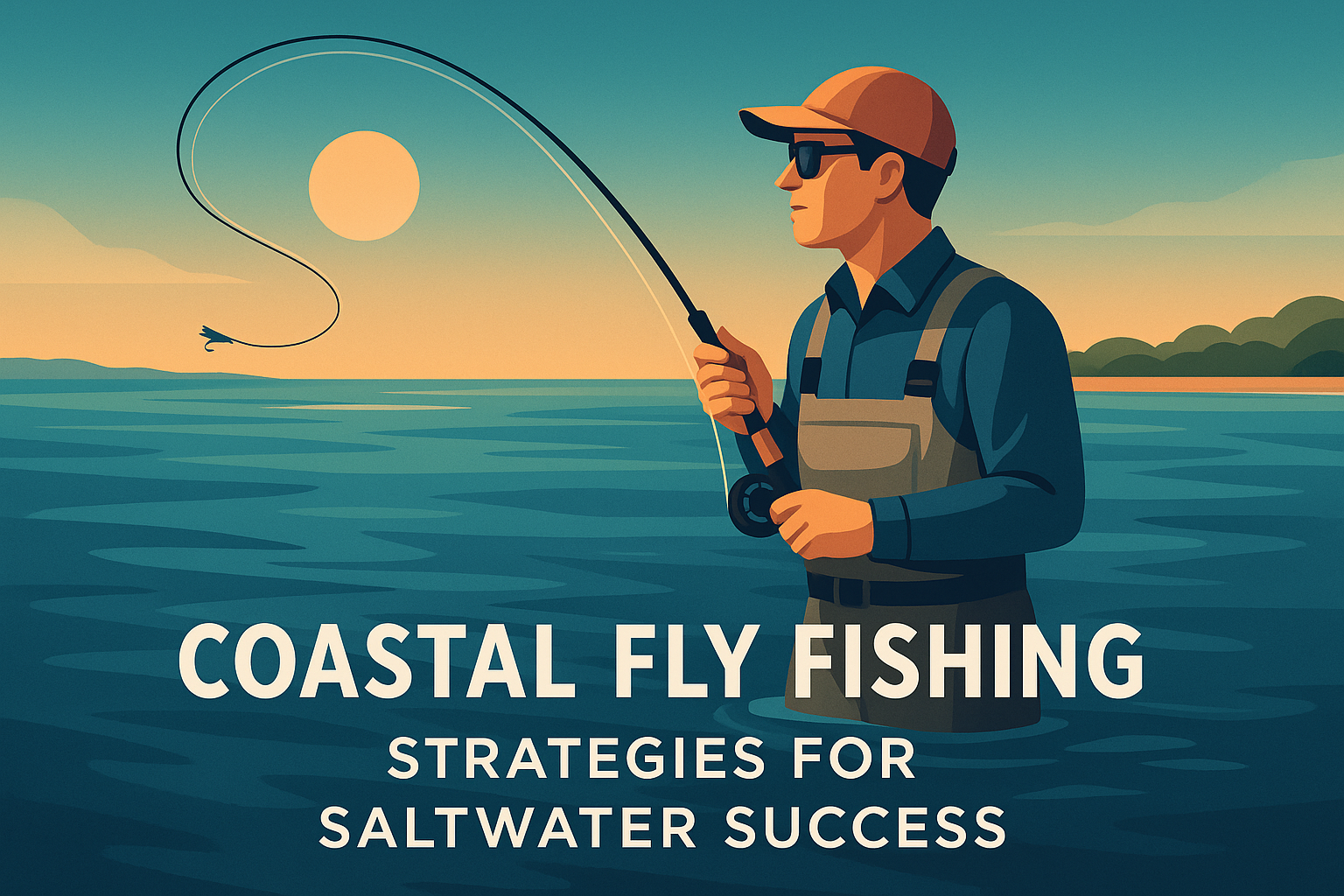
Fly fishing in coastal environments offers a unique and rewarding experience for anglers looking to test their skills against some of the most exciting fish species the ocean has to offer. Unlike freshwater fly fishing, coastal fly fishing presents different challenges as it requires specialized techniques, equipment, and knowledge of the marine environment. For those unfamiliar, fly fishing involves using a lightweight lure known as a fly to catch fish. In saltwater, anglers often aim for species such as bonefish, redfish, tarpon, and striped bass, among others. This activity matters because it not only provides an opportunity for recreation and relaxation but also helps foster an appreciation for marine ecosystems and conservation. The techniques used can enhance your fishing success and increase your enjoyment on the water.
Understanding Coastal Ecosystems and Tidal Patterns
Coastal ecosystems are dynamic environments influenced heavily by tidal movements. Understanding these patterns is one of the key components of successful saltwater fly fishing. The rise and fall of tides can dramatically affect fish behavior and feeding patterns. For instance, certain species tend to feed more actively during incoming tides because the water movement stirs up the bottom, dislodging foods like crabs and shrimp.
A real-world example can be seen along the Gulf Coast, where redfish frequently appear in shallow flats during high tide, making them more accessible to anglers. Catching these fish often requires knowledge of when high tides will occur and the areas they frequent. To maximize your success, always consult tide charts to plan your fishing trips in advance, and observe local aquatic life to identify active feeding times.
Choosing the Right Tackle and Equipment
The gear used in coastal fly fishing needs to withstand the harsh conditions of saltwater environments. Saltwater-resistant reels with smooth drag systems, saltwater grade lines, and corrosion-resistant rods are essential. For many species, a fast-action rod that can cast long distances is particularly beneficial. For example, targeting tarpon might require a 10-weight rod due to the size and strength of the fish.
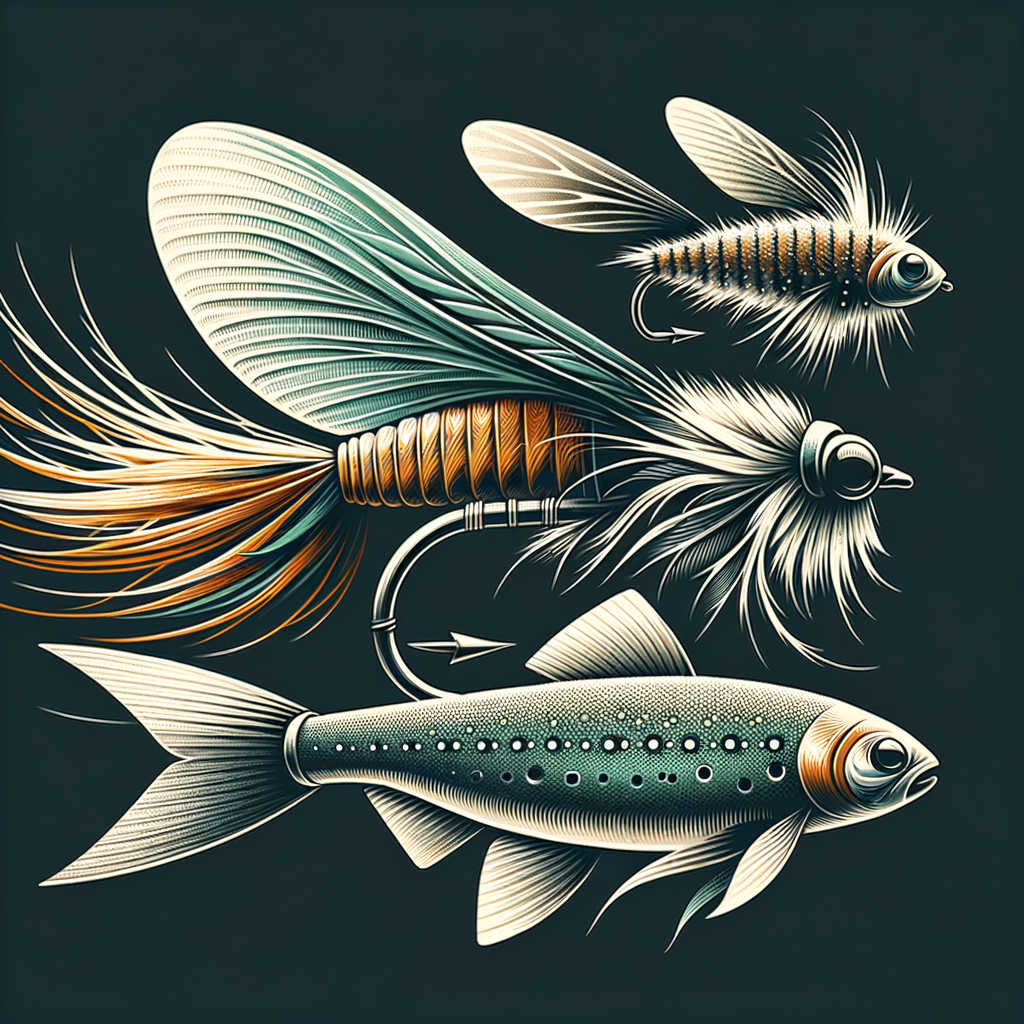
Packing your gear should also include a well-considered selection of flies. Coastal target species often feed on crustaceans and baitfish, so including flies like the Clouser Minnow, Crazy Charlie, and Gotcha can be effective. Adaptability is key; you may encounter various species all feeding on different prey, demanding a versatile fly selection.
- Clouser Minnow – excellent for deep-water casting
- Crazy Charlie – ideal for bonefish due to its shrimp-like appearance
- Gotcha – another popular choice for bonefish, particularly effective on flats
Perfecting Casting Techniques
Effective casting is crucial in coastal fly fishing and involves different techniques than those used in freshwater fly fishing. The expansiveness of saltwater environments means casting distance and accuracy are often more critical, especially when fishing for species like striped bass or redfish that patrol vast areas. Learning to double haul can significantly improve casting distance and precision in the seaside breezes commonly encountered during coastal fly fishing.
A practical example can be observed with bonefish, which are easily spooked and require a delicate yet long cast. Anglers must practice delivering unweighted flies accurately and quietly. As always, practice is crucial, and mastering these techniques in diverse wind conditions will greatly aid your performance on the water.
Recognizing and Targeting Fish Habitat
In coastal fly fishing, understanding and identifying fish habitats is critical for targeting the right species effectively. Fish habitats can range from estuaries and flats to mangroves and reefs, each offering a unique ecological niche and requiring different techniques for success. Flats, for example, are shallow areas that attract species such as bonefish and permit looking for food.
An example of this would be the mangroves found in tropical regions, which serve as vital nursery habitats for various fish species. If you can locate the dense roots where the water is murky, it’s often richer in nutrients, attracting juvenile fish and their predators. Anglers who can recognize and adapt to these different environments will find greater success.
| Habitat | Target Species | Suggested Flies |
|---|---|---|
| Flats | Bonefish, Permit | Gotcha, Crazy Charlie |
| Mangroves | Snook, Juvenile Tarpon | Clouser Minnow, Shrimp Patterns |
| Reefs | Snapper, Grouper | Streamers, Crustacean Flies |
The Impact of Weather Conditions
Weather is an influential factor in the success of coastal fly fishing trips. Changes in weather patterns can aid or disrupt fishing activity greatly. Strong winds, for instance, might challenge your casting ability, while cloudy skies can prompt fish to become more active as they feel less exposed to predators.
One real-world scenario is fishing during a cold front. It often prompts fish to feed aggressively before the arrival of cooler weather. Consequently, savvy anglers who monitor weather forecasts can target those periods to capitalize on increased fish activity. Having a flexible schedule and awareness of meteorological conditions can significantly enhance your coastal fishing ventures.
Best Practices for Conservation and Ethics
Practicing conservation and ethical fishing methods is vital for preserving coastal ecosystems and ensuring the sustainability of fish populations. This includes catch and release practices, minimizing environmental impact, and advocating for conservation measures. Catching and releasing fish properly involves using barbless hooks, handling fish with wet hands, and ensuring rapid release.
An example would be the practice adopted by many anglers targeting permit and tarpon, where catch and release is not only encouraged but, in some areas, mandatory to preserve population numbers. Participating in local conservation efforts and educating fellow anglers about responsible fishing can ensure future generations enjoy coastal fly fishing as a sustainable hobby.
Conclusion
Coastal fly fishing requires a diverse skill set, deep knowledge of marine environments, and an understanding of the techniques necessary for saltwater success. By grasping the dynamics of coastal ecosystems, selecting the appropriate gear, mastering casting techniques, recognizing prime fish habitats, monitoring weather conditions, and adhering to conservation practices, anglers can greatly improve their chances of success. Overall, coastal fly fishing provides an exhilarating and fulfilling outdoor activity that invites anglers to engage closely with marine life and environments.
To make the most of your coastal fly fishing experiences, it is advised to start small, practice regularly, and consistently seek to learn more about the environmental factors that influence fish behavior. Embark on your fly fishing journeys with this knowledge and take action towards becoming a more successful and responsible coastal angler.
Frequently Asked Questions
1. What are the key differences between coastal fly fishing and freshwater fly fishing?
Coastal fly fishing and freshwater fly fishing may share the same foundational technique of using a fly to catch fish, but they differ significantly due to their environments and target species. In coastal fly fishing, you’re generally dealing with saltwater fish species that can be much larger and stronger than their freshwater counterparts. The saltwater environment itself adds another layer of complexity with factors like tides, currents, and salinity, which greatly impact fish behavior and movement.
Another major difference is the equipment. Saltwater fly rods are typically longer and heavier to manage larger fish and handle the often windy conditions found along coastlines. Reels need to be corrosion-resistant to handle the harsh saltwater conditions. The flies used are larger and made of durable materials to withstand the aggressive takes of ocean-dwelling fish. Furthermore, the casting technique can also differ because you might need to cast over longer distances or into strong winds. Additionally, you’re often casting from a boat, which requires balance and the ability to manage your lines effectively while moving.
2. What kind of fish can I expect to catch while coastal fly fishing?
Coastal fly fishing targets a wide array of exciting saltwater species. Some of the most popular include bonefish, redfish, striped bass, tarpon, bluefish, snook, and permit. Each of these species presents its own unique challenges and requires a strategic approach to successfully land them.
Bonefish are known for their speed and are often found in shallow, sandy flats. Redfish, or red drum, are another shallow water species and tend to be found in estuaries and coastal marshes. Striped bass are versatile and can be found in both surf zones and estuaries. Tarpon, with their acrobatic leaps and brute strength, can be found in mangrove-lined shorelines and open waters. Each species requires specialized knowledge about not only their preferred habitats but also when they are most active and likely to bite. Understanding these behaviors can greatly increase your success rate in coastal fly fishing.
3. How do tidal movements affect coastal fly fishing?
Tides play a pivotal role in coastal fly fishing and can greatly influence the behavior and location of your target fish. The tides dictate the flow of water, which in turn affects water levels and the availability of feeding grounds for fish. For instance, during incoming tides, fish might move closer to shore as the water floods into estuaries and flats, bringing with it baitfish and other food items. On the other hand, as the tide recedes, fish may retreat to deeper channels or offshore.
Learning to read and predict tides is a crucial skill for coastal fly anglers. Knowing how to leverage tidal movements can help you position yourself in areas where fish are more likely to be feeding and thus increase your chances of a successful catch. It’s essential to incorporate tidal patterns into your fishing strategy to optimize your time on the water.
4. What are some effective strategies for targeting specific saltwater fish species?
To successfully target specific saltwater fish species, one needs to employ species-specific strategies. For example, when seeking bonefish, it’s important to consider the visibility and approach stealthily because they are highly sensitive to movement and noise. Typically, lighter flies are used, and presentations need to be precise to avoid spooking them.
If you’re targeting tarpon, preparation for their powerful runs is essential. Heavy rods, strong tippet materials, and durable flies are required to withstand their strength. It’s also important to use strategies that keep the tarpon from wrapping lines around underwater structures, which they might do to escape.
When angling for striped bass, consider using baitfish patterns and be aware of the seasonal migrations that affect their location and behavior. Knowledge of the local ecosystem, such as knowing when baitfish are most abundant, can significantly impact your ability to catch specific species. Experience and observation are key to mastering the intricacies of targeting each type of fish.
5. What equipment do I need for successful coastal fly fishing?
The foundation of coastal fly fishing equipment starts with a saltwater-specific fly rod and reel. A 9-weight fly rod is a good starting point, providing the strength to handle heavy flies and the wind, as well as the robust fish likely encountered. The reel should have a reliable drag system and be made from corrosion-resistant materials to withstand saltwater environments.
A floating fly line combined with an appropriate leader is typically used, but having different line types can be advantageous depending on fishing conditions. For flies, have a versatile selection representative of local bait patterns. This includes crab, shrimp, and baitfish imitations. Moreover, polarized sunglasses are essential for spotting fish under the water, and protective clothing for sun exposure cannot be underestimated.
Other useful items include pliers for hook removal, a stripping basket to manage loose lines, and waterproof storage for gear. Consistently maintaining your equipment is important, as the salty and abrasive environment can quickly degrade it if not attended to regularly.