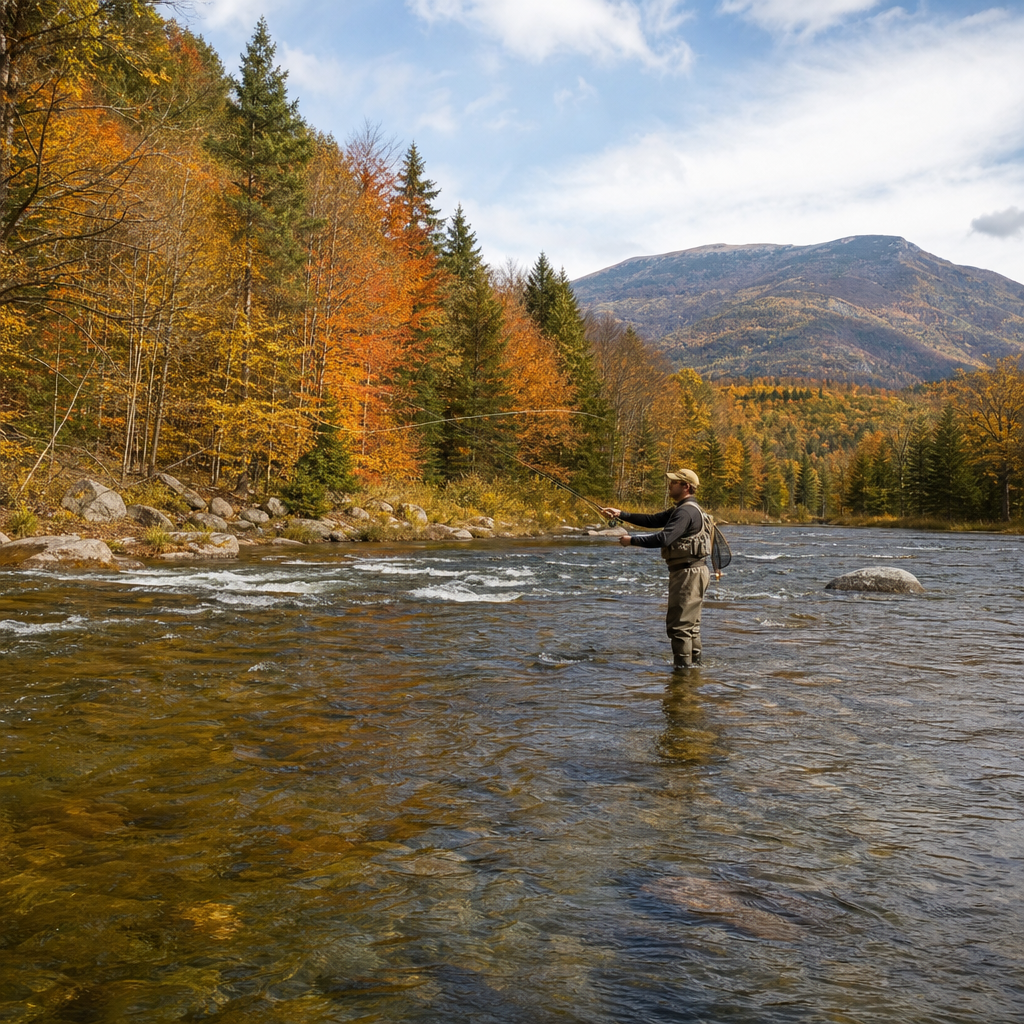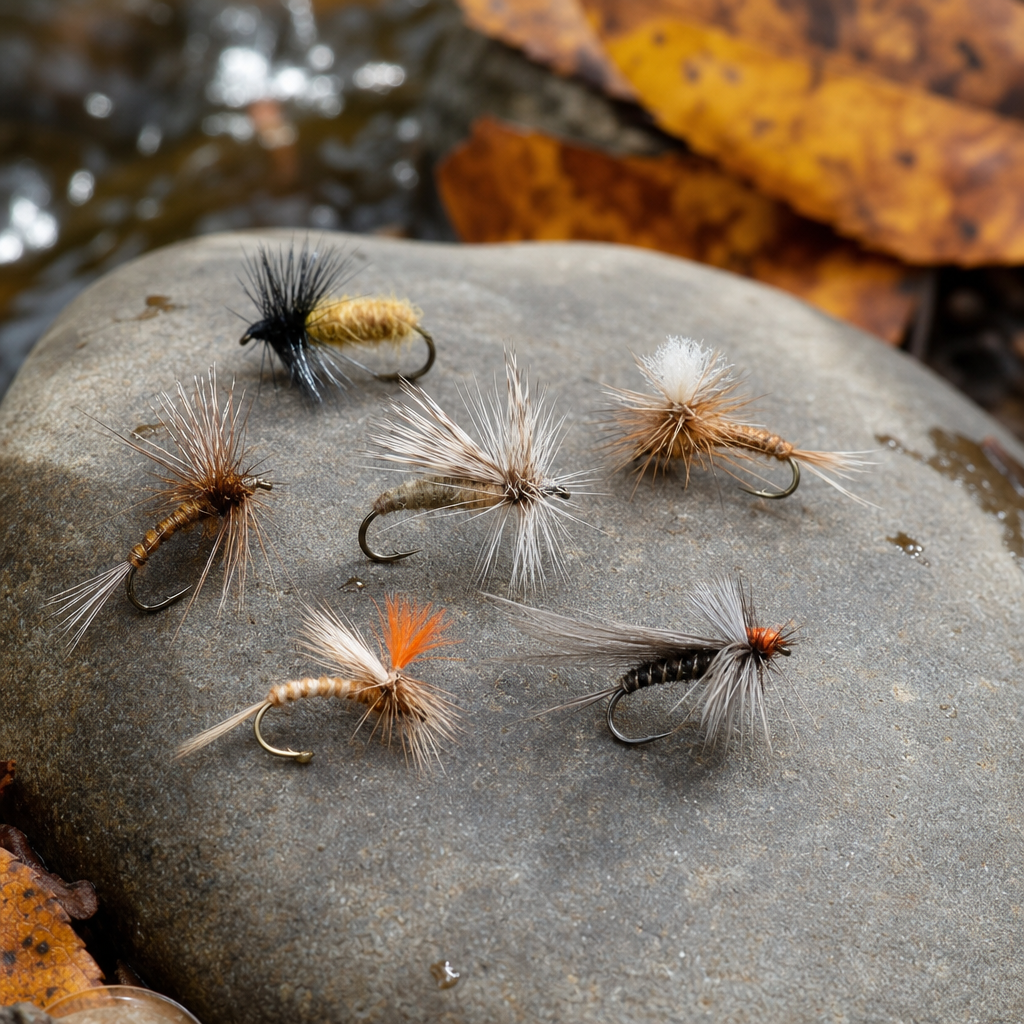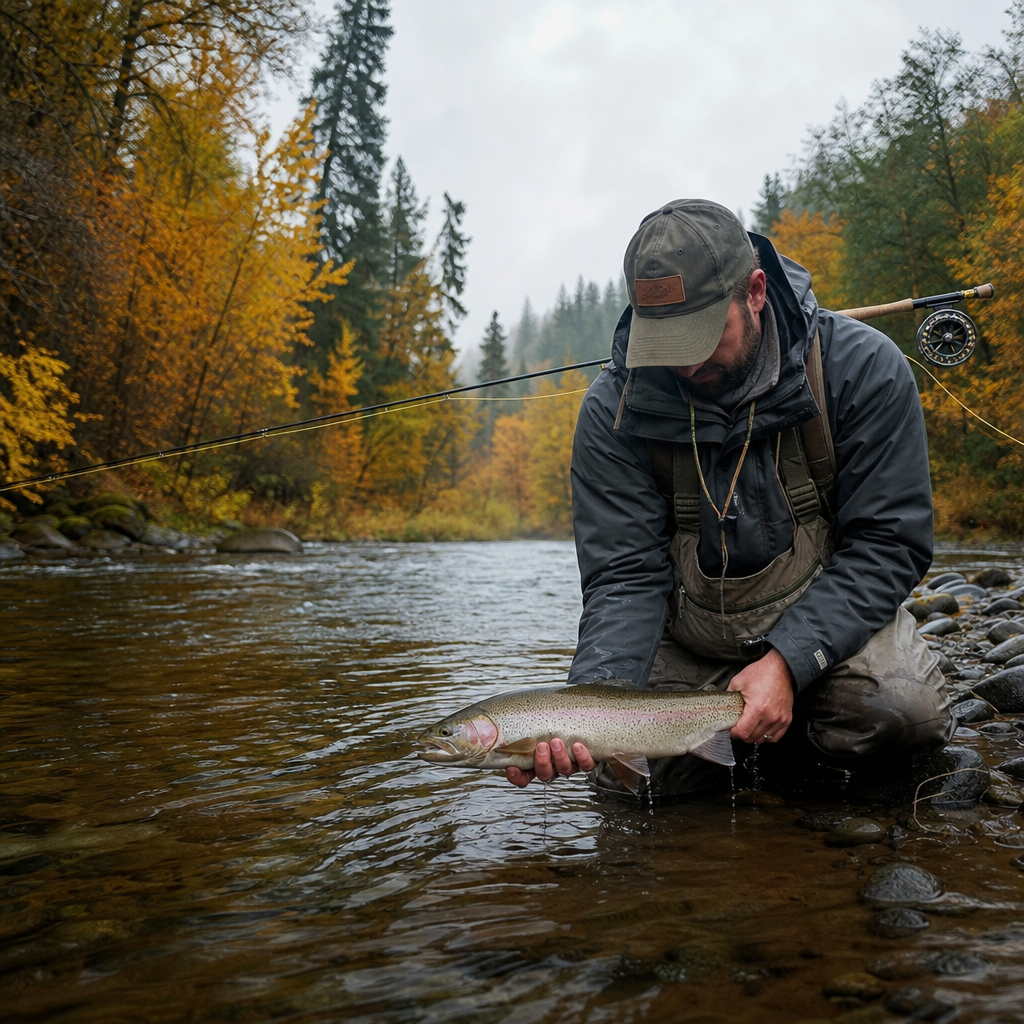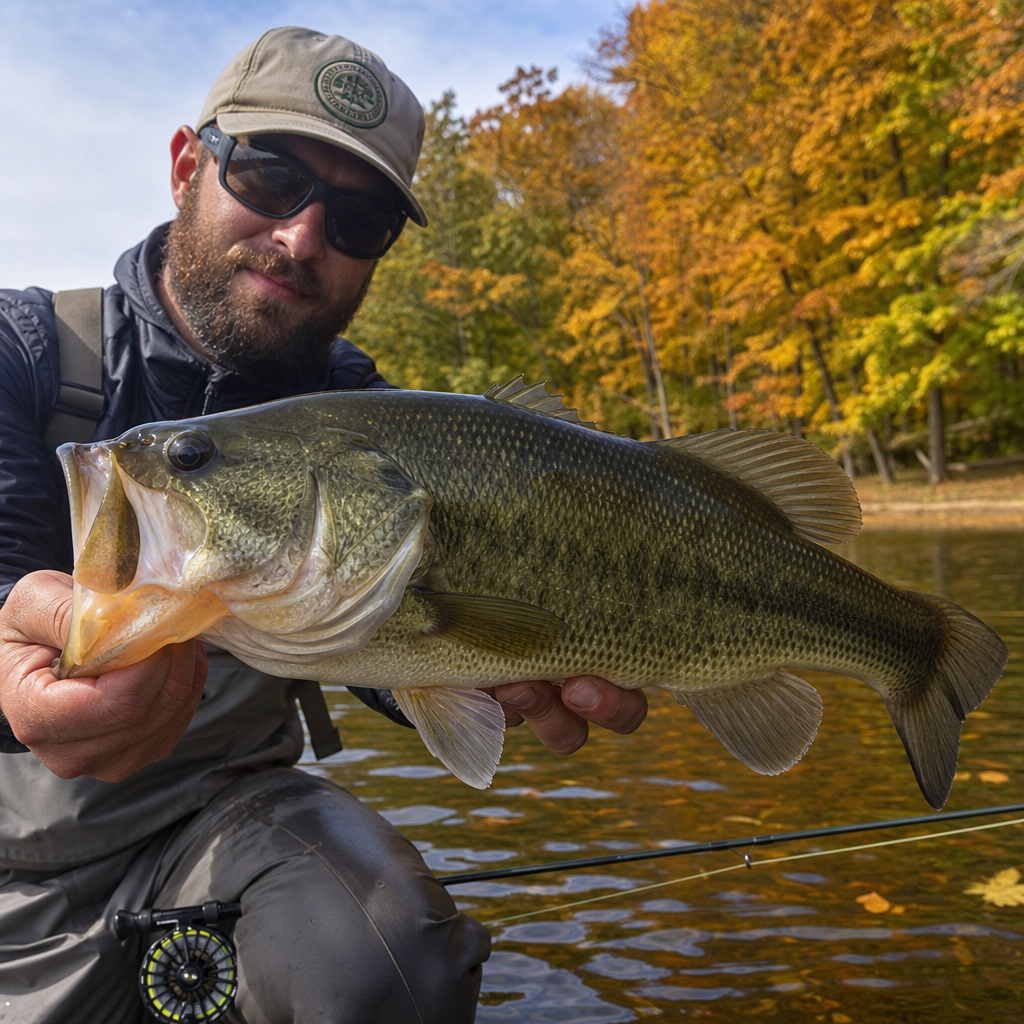
Fly fishing in clear water demands precision, restraint, and a sharper understanding of weather conditions than almost any other freshwater scenario. Clear water means high visibility for both angler and fish, so every mistake in approach, fly selection, presentation, and timing becomes easier for trout, bass, grayling, or panfish to detect. In practical terms, clear water usually refers to streams, rivers, lakes, or spring creeks with low turbidity, strong light penetration, and enough visibility that fish can inspect a drifting artificial at close range. Weather conditions shape how those fish feed because light intensity, cloud cover, barometric pressure, wind, temperature swings, and precipitation all change the way fish position themselves and evaluate risk. I have spent many days on spring creeks and tailwaters where a pattern that worked at 8 a.m. became useless by noon simply because the sun rose above the canyon wall and exposed my leader. If you want more consistent results, you need a weather-based system for reading clear water, not just a box of delicate flies.
This article is the hub for weather conditions within the broader seasons and conditions category because weather is the day-to-day filter through which every seasonal pattern passes. Summer hatches, autumn streamer windows, winter midge fishing, and spring runoff edges all behave differently under bright sun, overcast skies, falling pressure, or gusting wind. The central idea is simple: in clear water, fish are more selective when they can see better and less selective when weather reduces visibility or increases food movement. That matters because it affects where you stand, how long your leader should be, whether you should fish dries, nymphs, or streamers, and when you should leave one section of river for another. The best anglers do not merely react to weather; they use it to predict fish behavior. By understanding the specific influence of sunlight, clouds, wind, rain, and temperature, you can make better decisions before the first cast and adjust quickly as conditions change across the day.
Why clear water changes the game
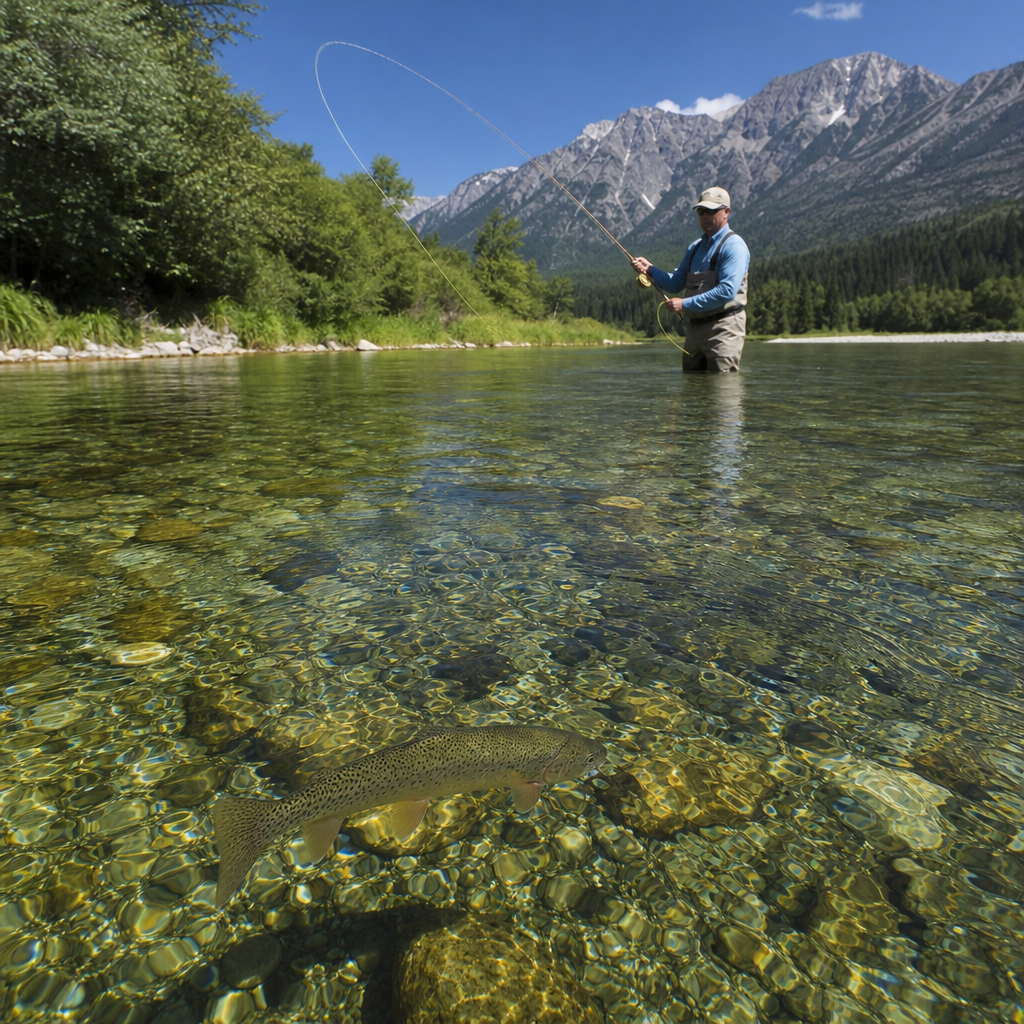
Clear water magnifies the relationship between visibility and vulnerability. Fish in clear systems often hold in feeding lanes where they can inspect insects drifting naturally while also watching for predators overhead. That means your shadow, wading pressure, false casts, bright fly line, and splashy mends all carry more consequence than they would in stained water. In a chalk stream, tailwater, or spring creek, fish may slide just inches to intercept a mayfly nymph, but refuse the same insect if the tippet kicks or the drift accelerates unnaturally. This is why weather conditions matter so much: they either increase or reduce the level of visual scrutiny. Bright, calm, cloudless days produce the highest level of inspection. Broken cloud cover, ripple from wind, or a touch of color after light rain can lower that inspection and open feeding windows.
From an equipment standpoint, clear-water fly fishing usually rewards longer leaders, finer tippet diameters, and more disciplined line control. For trout, that often means a 9- to 12-foot leader tapered to 5X, 6X, or even 7X in low, flat conditions, especially with technical dry fly fishing. On larger rivers with nymphs, fluorocarbon tippet can help with sink rate and abrasion resistance, though nylon still offers better dry fly turnover and floatation. Polarized glasses are essential because they allow you to spot holding fish, weed edges, current seams, and changing bottom color that reveals depth. If you can see fish before they see you, your odds improve dramatically. In my own fishing, the most common clear-water error I see is anglers treating visibility as only a fish-spotting advantage. It is equally a fish-warning system, and weather determines how sensitive that system becomes.
How sunlight and cloud cover affect feeding
Sunlight is the most important weather variable in clear water because it directly changes fish confidence, available cover, and the angler’s concealment. On bright bluebird days, fish often shift deeper, tighter to undercut banks, behind structure, under weed mats, or into the darker side of current seams. Midday sun also shortens your margin for error because your rod flash, body silhouette, and leader all stand out. In contrast, overcast conditions diffuse light, reduce shadows, and make fish more willing to slide into shallower feeding lies. This is one reason many anglers report better dry fly fishing under cloud cover: insects can hatch more steadily, and fish feel less exposed near the surface.
Cloud cover is not uniformly good or bad. High bright overcast can maintain enough light for fish to feed visually while still muting angler visibility. Thick low cloud before a storm may improve streamer fishing and subsurface activity, but it can also suppress certain sight-oriented feeding behaviors if insect movement slows. The most productive pattern I have observed in clear rivers is variable cloud cover with intermittent sun. That mix creates on-off feeding windows as fish alternate between caution and opportunity. If you see trout rising sporadically during passing clouds, do not leave too early. Those windows can repeat every few minutes and become highly predictable. Position yourself downstream, lengthen the leader, and wait for the cloud edge to soften the light before making the cast.
| Weather condition | Typical fish behavior in clear water | Best fly fishing adjustment |
|---|---|---|
| Bright sun, calm surface | Fish hold deeper or near cover and inspect flies closely | Use longer leaders, finer tippet, lower profile approach, natural drifts |
| Broken clouds | Feeding windows open during reduced light | Stay in position, target active lanes, switch quickly to dries when rises begin |
| Full overcast | Fish move shallower and roam more confidently | Cover more water with dries, nymphs, or small streamers |
| Light wind ripple | Surface distortion hides angler and reduces leader visibility | Fish closer, use slightly heavier tippet, present terrestrials or emergers |
| Rain approaching with falling pressure | Short bursts of aggressive feeding are common | Try streamers, weighted nymphs, or larger attractor patterns |
| Cold front after storm | Fish can become sluggish and selective | Downsize flies, slow the drift, focus on deeper stable water |
Wind, surface chop, and the advantage of broken visibility
Many anglers dislike wind because it complicates casting, but moderate wind can be one of the best clear-water allies. A light chop disrupts the mirror effect of flat water, making leaders harder for fish to detect and giving you more freedom in your approach. On lakes and spring-fed stillwaters, a wind lane can concentrate terrestrials, midges, callibaetis duns, and spent insects, effectively creating a feeding conveyor. On rivers, a breeze that dimples the surface often improves close-range dry fly fishing because fish cannot scrutinize the imitation as long. This is especially useful when targeting selective trout sipping tiny olives or midges in slow glides.
The tradeoff is accuracy. As wind increases, turnover becomes less predictable, slack-line presentations become harder, and drag develops faster. The solution is not simply a heavier rod. It is choosing compact casting strokes, casting from lower angles when safe, and repositioning to use quartering wind rather than throwing directly into it. For dry flies, slightly bushier patterns or parachutes can stay visible in chop. For nymphing, wind often favors contact methods such as tight-line approaches on shorter drifts, especially in pocketwater and seams close to your bank. I have also found that windy afternoons are prime times to fish beetles, ants, and hoppers along grassy banks because blown-in terrestrials become a realistic food source and fish expect imperfect landings.
Rain, barometric pressure, and when clear water stops being too clear
Light rain can transform difficult clear water into excellent fishing water without making it muddy. The first benefit is visual: raindrop rings break up the surface and reduce the fish’s ability to inspect leader and tippet. The second is biological: rain dislodges insects, washes ants and beetles from streamside vegetation, and often increases nymph drift. Before a front, falling barometric pressure frequently coincides with more active feeding, though pressure alone does not cause fish to eat. The more reliable explanation is that associated cloud cover, wind, and changing oxygen or temperature conditions create opportunity. In clear rivers, those pre-storm periods often reward anglers willing to fish larger nymphs or streamers than the water color would normally suggest.
Heavy rain is a different situation. In freestone streams, hard rainfall can raise flows, cool water, and add sediment quickly, pushing fish to softer edges, inside seams, tailouts, and bankside cover. In tailwaters and spring creeks, the effect may be modest unless tributaries color the main stem. The key question is not simply whether it is raining, but whether the water remains fishably clear and where new current refuges appear. Watch for six to twelve inches of extra color rather than a complete visibility collapse. That slight tint often creates a short-lived sweet spot where fish feel secure but can still track food. When that happens, streamers in olive, black, or natural baitfish tones become far more effective, and weighted nymphs along soft seams can produce fish that ignored perfect drifts earlier in the day.
Temperature shifts, seasonal timing, and matching the daily window
Water temperature governs metabolism, insect development, and dissolved oxygen, so weather conditions should always be interpreted through a seasonal lens. In summer clear water, bright afternoons can push trout in small streams toward thermal stress, especially once water temperatures rise above about 68 degrees Fahrenheit. In those conditions, early morning and last light are the most ethical and productive windows, and many anglers should stop targeting trout entirely if temperatures continue climbing. In spring and fall, by contrast, warming midday sun can activate insect hatches and improve feeding in otherwise cold clear water. Winter often brings the narrowest window of all, with fish feeding most steadily during the warmest part of the afternoon when water temperatures inch upward.
Clear-water anglers should use a stream thermometer, not guesswork. I carry one because a two- or three-degree change can explain why fish suddenly slide from deep slots into riffle tails or begin rising to emergers. Seasonal timing also affects fly choice under similar weather. A cloudy April day may call for Blue Winged Olive nymphs and emergers, while a windy August afternoon may favor hoppers, ants, and small beetles. This is why weather hub planning matters across a seasons and conditions topic cluster: the same overcast sky means different food and fish behavior depending on month, watershed type, and water temperature. Good decisions come from combining immediate weather with the season’s dominant insects, current flow regime, and the water’s thermal stability.
Practical tactics for clear-water success in changing weather
Approach from downstream whenever possible, stay low, and use bankside vegetation, rocks, and glare angles as cover. In bright weather, lengthen leaders, reduce false casts, and cast only when the fish’s lane and timing are clear. In overcast or wind-rippled conditions, cover more water because fish are often less locked to one exact lie. Adjust your fly selection by visibility: natural, sparse patterns in high sun; slightly larger silhouettes or more animated presentations in broken light; and streamers or attractors when pressure falls and fish become opportunistic. If fish refuse repeatedly, first change angle and drift before changing fly. In clear water, presentation errors outnumber pattern errors by a wide margin.
As a practical system, start each day by evaluating four things: water clarity, light level, wind effect on the surface, and temperature trend. Then decide whether the day favors inspection fishing or opportunity fishing. Inspection fishing means technical dries, fine tippet, long drifts, and stealth. Opportunity fishing means cloud cover, ripple, rain, or color are reducing scrutiny, allowing bolder flies and broader coverage. Keep notes after each trip. Record air temperature, water temperature, cloud cover, wind, pressure trend from a weather app, and what happened during each hour. Over time, patterns become obvious on your home water. That logbook is often more valuable than buying another dozen flies. If you want to improve at fly fishing in clear water, build your plan around weather conditions every time you fish, and let the river confirm the forecast.
Frequently Asked Questions
Why is fly fishing in clear water usually more challenging than fishing stained or slightly off-color water?
Clear water increases visibility in every direction, and that affects both the angler and the fish. Trout, bass, grayling, and panfish can inspect a fly more carefully, detect unnatural drift more quickly, and notice movement on the bank, in the boat, or even overhead. In stained water, fish often rely more on vibration, silhouette, or general opportunity. In clear water, they have time to evaluate what they are seeing, which means poor presentations, heavy tippet, sloppy wading, flash from fly line, and abrupt casting errors are much more likely to be rejected. This is why clear water often feels unforgiving: the margin for error is small.
Another reason clear water is demanding is that environmental conditions matter more. Bright sun, low flows, flat water, and calm weather can make fish especially cautious because they feel exposed to predators and can see exceptionally well. In contrast, cloud cover, broken surface chop, early or late light, and slightly deeper holding water can make fish more comfortable and less selective. Success in clear water therefore depends on reading not just the fish, but also light angle, current seams, depth transitions, and the fish’s level of security. Anglers who slow down, stay low, cast less, and observe more usually do far better than those who approach clear water aggressively.
What is the best way to approach fish in clear water without spooking them?
The best approach is cautious, deliberate, and often slower than most anglers first expect. In clear water, fish may see you long before you see them, especially if you are standing upright on an exposed bank, wading directly into a run, or casting a shadow across the holding lie. Start by observing from a distance. Polarized glasses are essential because they help you spot fish, depth changes, weed lines, cruising routes, and feeding lanes before you make a single cast. Once you identify likely holding water, plan an approach that keeps you out of the fish’s primary line of sight. That often means staying low, using streamside cover, approaching from downstream for trout in current, and making your first cast from farther away than normal.
Wading discipline is equally important. Enter the water well below the fish if possible, move slowly, and avoid pushing a wake or sending pressure waves through shallow flats and tailouts. Every step should be intentional. In still water, this matters even more because fish can detect disturbances from surprising distances. In rivers and spring creeks, avoid stepping into the very run you intend to fish if you can reach it from the bank or from a lower position. The first good presentation is often the best chance you will get, so it pays to spend more time setting up than casting. Anglers who treat clear water like a stalking exercise rather than a power-fishing situation consistently hook more fish.
How should I choose flies, tippet, and leader setups for clear water conditions?
In clear water, subtlety usually outfishes excess. Fish can inspect size, shape, color, and behavior much more carefully, so fly selection should lean toward realistic patterns that match local insects, baitfish, or forage without unnecessary bulk or flash. For trout, that often means correctly sized mayfly nymphs, midges, caddis pupae, emergers, and sparse dry flies rather than oversized attractors. For bass and panfish in clear lakes or rivers, natural baitfish profiles, small streamers, damsel nymphs, and lightly dressed topwater patterns often produce better than loud, heavily dressed flies unless light levels are low or wind creates broken surface conditions. In clear water, exact imitation is not always required, but proportion and believable movement matter a great deal.
Leader and tippet become more important as visibility improves. Longer leaders often help keep the fly line farther from the fish, and finer tippet can improve both stealth and drift. For trout, many anglers lengthen leaders to 10, 12, or even more feet in low, clear flows, adjusting tippet diameter to the fly size and fish behavior. The goal is to use the lightest setup that still allows clean turnover and confident fighting pressure. Going too light can lead to poor control, while going too heavy can reduce takes. Fluorocarbon is often favored subsurface because of its abrasion resistance and lower visibility, while nylon remains a strong choice for dry flies because it tends to float better and can present delicately. The most effective setup is the one that balances stealth, turnover, natural drift, and landing strength for the species and conditions you are facing.
What presentation techniques work best when fish are selective in clear water?
Natural presentation is the foundation of success in clear water. Fish that can see well are quick to refuse drag, micro-drag, unnatural speed, or a fly that lands too heavily. For dry flies and nymphs, a drag-free drift is usually the top priority, which means accurate casting, good angle selection, and line control matter more than repeated blind casts. Reach casts, curve casts, slack-line presentations, and aerial mends can all help create a more believable drift before the line touches the water. In pocket water or mixed currents, managing only the leader and the first few feet of fly line may be enough. In smooth glides, spring creeks, or flat pools, presentation has to be much more exact, often requiring longer casts, finer tippet, and minimal false casting.
Depth control is just as important as drift. A perfect imitation fished six inches too high or too low may be ignored. With nymphs, adjust split shot, fly weight, indicator size, or tight-line angle until the fly travels naturally in the feeding zone. With streamers in clear water, many anglers do better with smaller patterns, slower strips, and more pauses, especially when fish are following but not committing. For stillwater situations, figure out whether fish are cruising shallow edges, suspended over drop-offs, or feeding just under the film, then match retrieve speed and fly level accordingly. In all cases, less can be more. A restrained presentation often looks more convincing than an aggressive one when fish have time to study the offering.
How do weather, sunlight, and time of day affect fly fishing in clear water?
Weather and light conditions can dramatically change how willing fish are to feed in clear water. Bright, overhead sun typically increases visibility and can make fish more cautious, especially in shallow water with little cover. Under those conditions, fish often slide into deeper slots, tuck near structure, hold under cutbanks, or feed in short windows rather than openly cruising. That does not mean fishing is impossible, but it usually means stealth, precision, and smaller or more natural flies become even more important. By contrast, cloud cover, light rain, wind ripple, or intermittent shade can reduce the fish’s sense of exposure and break up the angler’s outline, often improving feeding activity and making fish easier to approach.
Time of day is often a major advantage in clear water. Early morning and late evening usually provide lower light angles, cooler temperatures in warm months, and more confident fish behavior. These periods can be excellent for dry-fly action, streamer movement, and shoreline feeding in both rivers and lakes. Midday can still be productive, especially during hatches, in deeper water, or in cold seasons when temperatures rise enough to stimulate insect activity, but fish often become more selective under intense light. Seasonal weather patterns matter too. Stable flows, moderate temperatures, and insect-rich windows can make clear water highly rewarding, while post-front bluebird conditions may require a very technical approach. The key is to treat weather and light as part of the presentation equation, not just background conditions. In clear water, the angler who times the outing around favorable light, wind, and fish comfort levels often has a significant edge.