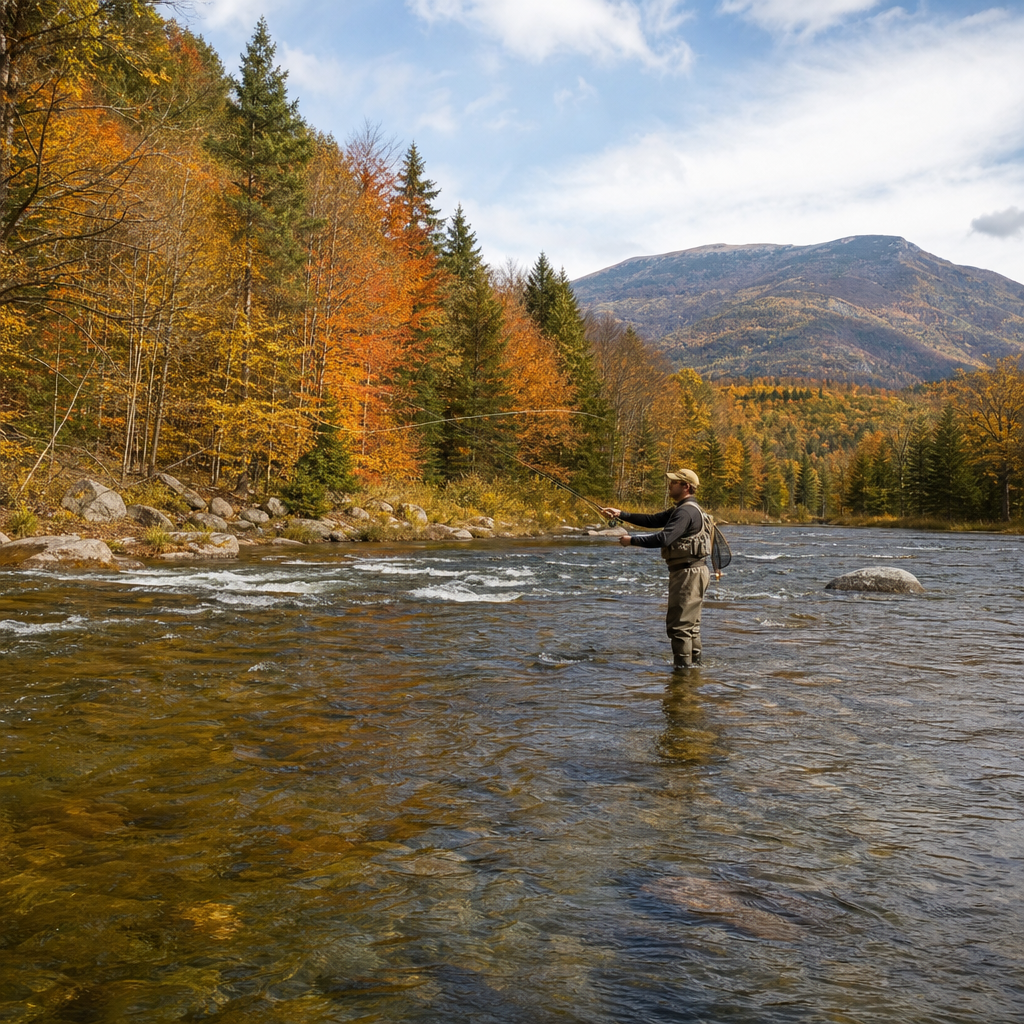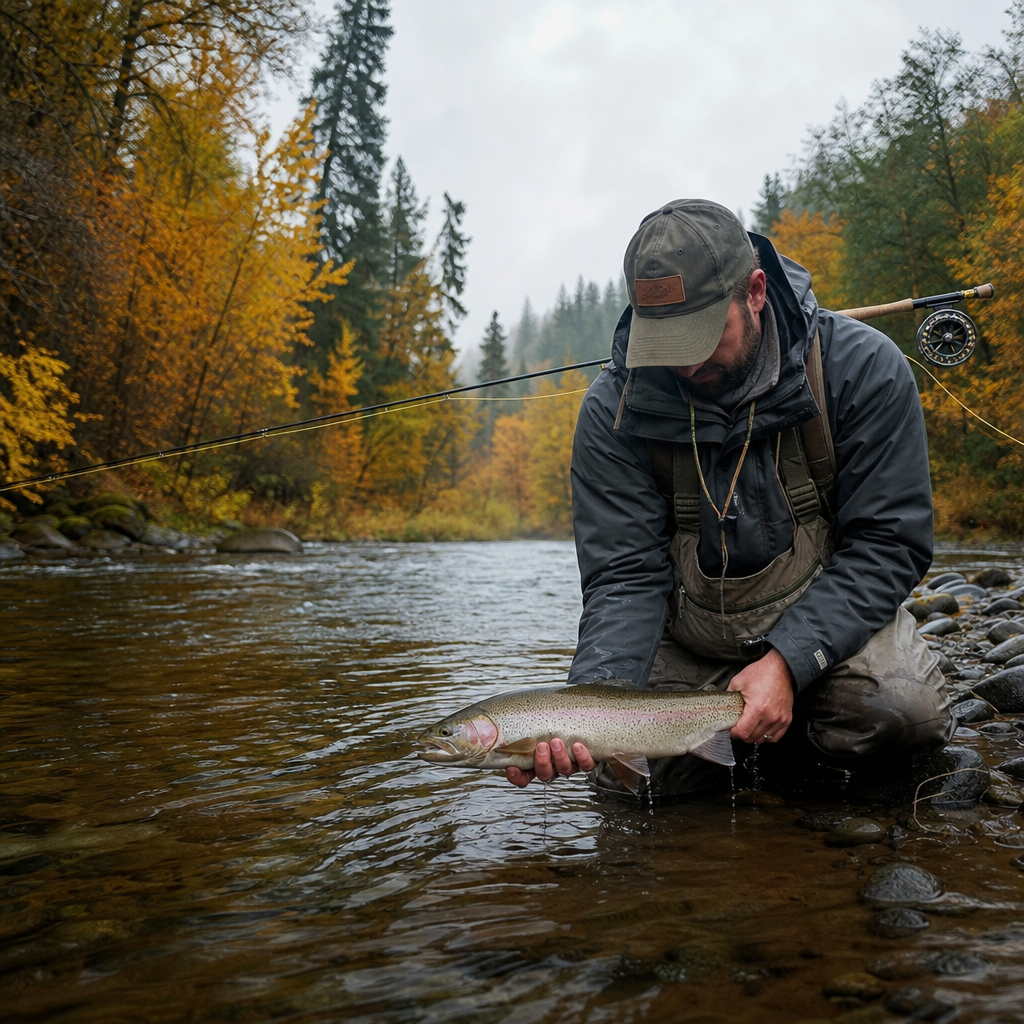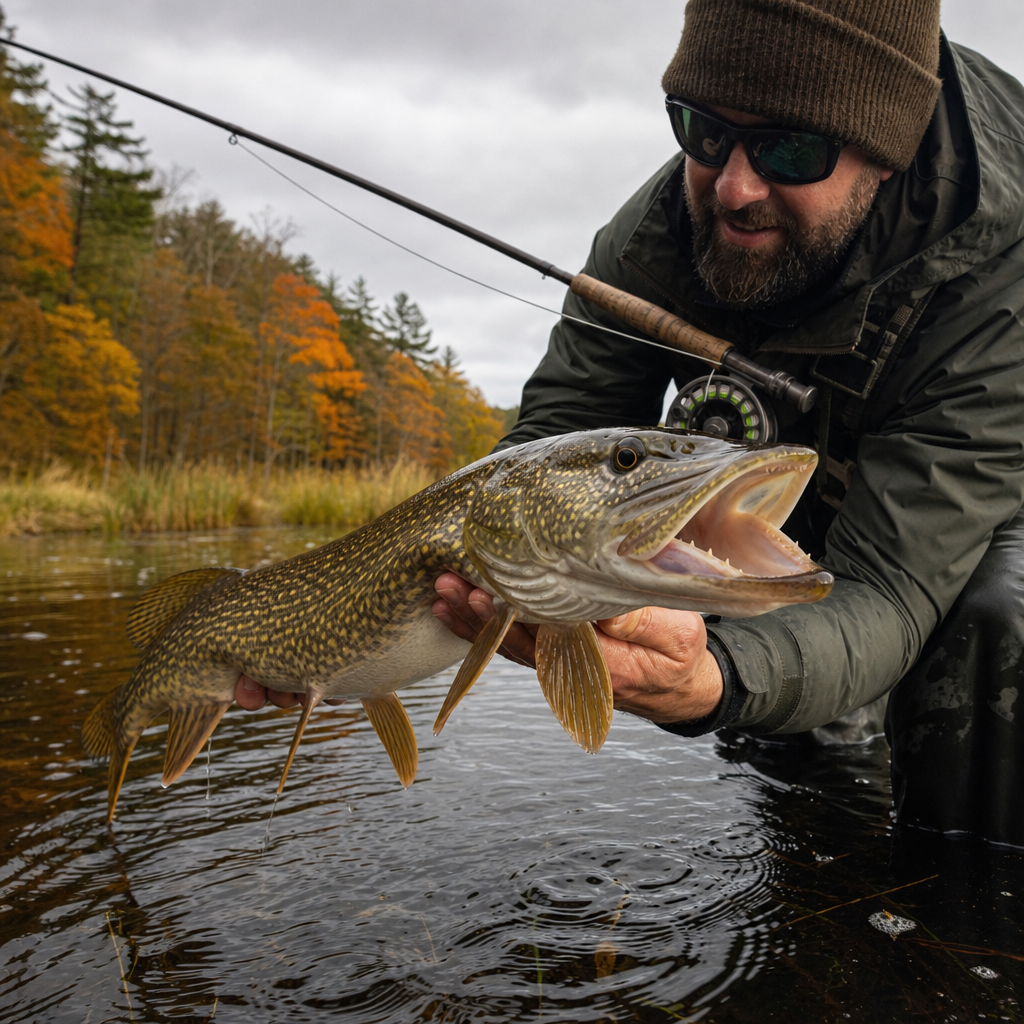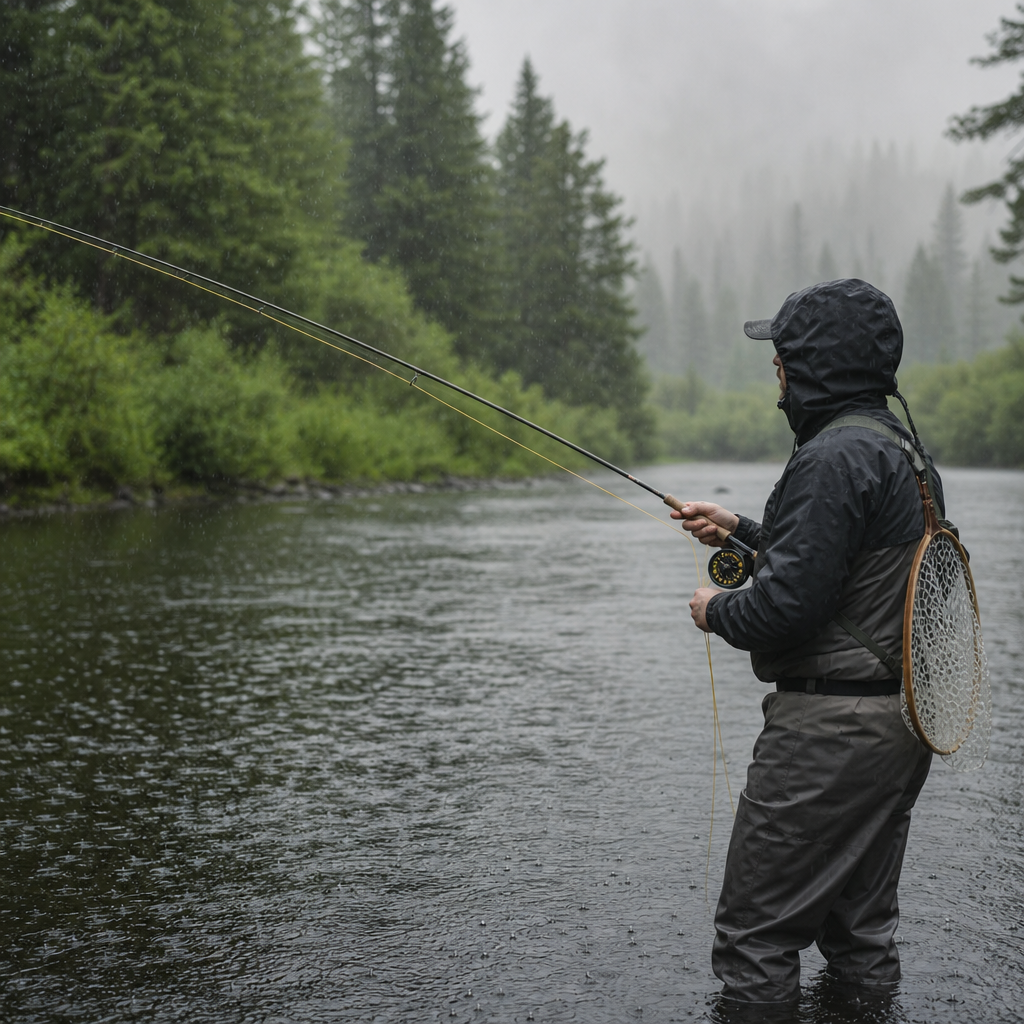
Fly fishing in rain can be excellent, frustrating, or unsafe, often within the same afternoon, and anglers who understand how weather conditions change fish behavior usually catch more trout, bass, and panfish than those who wait for bluebird skies. In practical terms, rain affects three things at once: water conditions, insect activity, and angler mobility. Light rain may lower light levels and make fish feed with confidence. A hard downpour can raise flows, stain the river, and push fish tight to banks or into slow seams. Wind-driven storms also change casting, line control, and wading risk. Because this page serves as a hub for weather conditions, it covers the core decisions that matter before, during, and after rain: whether to go, how to rig, where fish hold, which flies make sense, how safety thresholds change, and when rain transitions from opportunity to liability. Over years of guiding and scouting in wet weather, I have found that success rarely comes from a single trick. It comes from reading intensity, duration, temperature, water color, and watershed response as one connected system.
Rain matters because fish do not experience it as a simple surface event. They experience the downstream result. A ten-minute shower on a tailwater with stable dam releases may barely alter clarity. The same shower on a steep freestone creek after saturated soils can produce a sudden pulse of cold, dirty water carrying leaves, worms, and dislodged nymphs. That pulse changes feeding lanes. It also changes oxygen levels, current speed, and visibility. For the angler, key terms are straightforward. Light rain means drizzle or a steady, fishable shower with limited runoff impact. Moderate rain often changes light and surface texture and may begin to tint small streams. Heavy rain usually means enough precipitation to raise water quickly, reduce visibility, and increase hazard. Weather conditions also include barometric pressure, water temperature, and wind, because rain rarely arrives alone. Learning to separate “good rain” from “blown out river” is one of the fastest ways to improve consistency across seasons.
The reason fly fishing in rain deserves a dedicated guide is simple: many anglers leave during the exact windows when fish become easiest to approach. Surface chop hides leader flash, dark skies reduce a trout’s caution, and runoff can concentrate food along edges. At the same time, rain magnifies mistakes. Poor rain gear chills the body and shortens focus. The wrong fly line treatment kills mends. Ignoring stream gauges can turn a productive outing into a dangerous one. This article gives you the framework to make sound calls in common weather conditions, then points you toward the broader seasonal topics this hub supports: temperature swings, wind, thunderstorms, runoff timing, low clear water, and cold-front versus warm-front fishing. If you fish enough days each year, rain is not an exception to plan around. It is a normal condition to master, and anglers who master it gain far more fishable days, better judgment, and a stronger understanding of how rivers actually behave.
How Rain Changes Fish Behavior and Feeding Windows
Fish respond to rain through visibility, current, food availability, and security. In light rain, the biggest advantage is often reduced light penetration. Trout that refused a fly in bright sun may slide from undercut banks or deeper slots into softer feeding lanes. On stillwaters, rain dimples the surface and breaks up the sharp silhouette of an angler or a floating line. Bass frequently use that lower visibility to patrol shallower cover. Insects also respond. Blue-winged olives, midges, and caddis can hatch well during cool, wet periods, especially when cloud cover is stable. I have watched technical spring-creek trout stop refusing tiny emergers once a fine rain began because the broken surface let them feed higher in the film with less risk.
As rainfall increases, the equation changes from light-level advantage to food-displacement opportunity. Rising water dislodges mayfly nymphs, cased caddis, cranefly larvae, worms, scuds, and small baitfish. Fish often shift from mid-current lies to inside seams, soft edges, tailouts with walking-speed current, and structure that blocks the main force of the flow. On small streams, the best fish may sit within a rod length of the bank during a push of stained water. On larger rivers, they often stack where a softer cushion meets the faster push. The feeding window can be strongest on the front end of rising water, when color increases slightly but visibility remains enough for fish to track food. Once water turns chocolate and debris starts sweeping through every seam, fly selection matters less than the fact that fish simply cannot feed efficiently.
Pressure changes get discussed constantly, but in my experience anglers overrate barometer swings and underrate immediate water response. A falling barometer before a storm can coincide with active feeding, especially among warmwater species, yet the practical trigger is usually cloud cover, wind, and incoming food. The most reliable pattern is this: fish feed well when rain improves security and delivers manageable current changes, and they shut down or relocate when flows become unstable or visibility collapses. That is why two rainy days can fish completely differently. One is a soft all-day drizzle over a tailwater with olive hatches. The other is a convective storm on a freestone that rises a foot in an hour. The best anglers read the watershed, not just the sky above their truck.
When to Fish, When to Wait, and What to Monitor
The smartest decision in rainy weather usually happens before you string the rod. Start with radar, hourly precipitation forecasts, stream gauges, and water release schedules. In the United States, USGS gauges are the baseline tool for tracking river height and discharge, while many state agencies and dam operators post release data for tailwaters. If a river typically gets difficult at 1,200 cubic feet per second and dangerous at 1,600, that local threshold matters more than a generic rule about rain. Soil saturation matters too. After several wet days, even modest additional rain can create sharp runoff. In dry summer conditions, the same amount may have little effect. On small watersheds, rise time can be measured in minutes. On large rivers, the best fishing may begin hours after rain starts on tributaries upstream.
Watch for three practical signals: water color, floating debris, and edge speed. Slight green or tea-color stain is often ideal because fish feel secure while still seeing the fly. A few leaves and bits of grass are manageable. Constant sticks, foam lines full of debris, and rapidly flooding banks are warnings to leave. Edge speed tells you whether fishable soft water remains. If every near-bank lane is ripping, fish lose stable holding positions and wading options shrink fast. Water temperature also deserves attention. Cold rain in spring can slow insect activity on small streams, while warm summer rain may lower heat stress and improve oxygen on warmwater ponds. Tailwaters tend to buffer temperature shifts better than freestones, which is one reason they can fish so well in unsettled weather.
| Condition | What Fish Usually Do | Best Tactic | Warning Sign |
|---|---|---|---|
| Light drizzle | Feed more confidently in open lanes | Dry flies, emergers, longer drifts | Cold wind killing hatches |
| Steady moderate rain | Shift toward seams and banks | Nymphs, soft hackles, streamers | Clarity dropping too fast |
| First rise with slight stain | Exploit dislodged food | Heavier nymphs, worm patterns, streamers | Debris increasing every cast |
| Heavy runoff | Hug slack water or stop feeding | Fish only sheltered margins if safe | Rapidly rising water, poor footing |
Waiting can be the best tactic. Some rivers fish best as they drop and clear rather than during peak rainfall. After a spike, clarity often improves first along edges, side channels, and below tributary confluences where cleaner water enters. Lakes and ponds can improve quickly after a storm once wind settles, especially around inlets that wash in food. If thunderstorms are active, waiting is mandatory, not strategic. No fish is worth a graphite rod under lightning. As a hub for weather conditions, this is the core principle to carry into every related topic: monitor the water, not just the forecast, and match your timing to the actual response of the system you are fishing.
Gear, Rigging, and Fly Selection for Rainy Conditions
Good rain gear is fishing equipment, not comfort equipment. A waterproof-breathable shell with a reliable hood, sealed cuffs, and a cap underneath keeps water off your neck and preserves concentration. Wet, cold hands ruin knot strength and line control, so carry a small towel in a zip bag and at least one spare leader wallet. I prefer fewer boxes in the rain and one easily reached chest pack because rummaging in soaked gear wastes time. For rods, your normal trout outfit still works, but many anglers benefit from slightly shorter leaders in rain and wind. A 9-foot leader tapered to 4X or 5X often turns over more reliably than a longer technical setup when flies are weighted or casting angles are compromised.
Nymphing is usually the most stable method in rain because it covers subsurface food that current is actively moving. Split shot, tungsten beads, and a yarn or air-lock indicator help maintain contact when surface texture hides subtle takes. In stained water, increase profile before dramatically increasing size. A size 14 pheasant tail with a hot spot may outfish a giant attractor if fish can still inspect it at close range. As color deepens, San Juan worms, pats rubber legs, caddis larvae, eggs, and darker stonefly nymphs become higher-percentage choices because runoff often dislodges exactly that kind of food. In warmwater rivers, rain can make baitfish and crawfish patterns especially effective around current breaks.
Streamers shine when rain raises confidence and reduces clarity. Fish them across and slightly down through softer edges, behind boulders, along cutbanks, and near flooded grass. Black, olive, and white all produce; black creates a strong silhouette in low visibility, olive suggests sculpins and small baitfish, and white can stand out in green-stained water. Use enough weight or sink-tip density to reach the strike zone, but do not confuse depth with speed. In rain-swollen water, fish often want a slower, broader presentation through protected lanes, not a fast strip across heavy current. Dry-fly opportunities still happen, particularly during drizzles and hatches of blue-winged olives, caddis, and terrestrials knocked in by weather, but keep floatant fresh and expect to switch quickly when the rise forms disappear.
Presentation, Positioning, and Safety on Rivers and Lakes
Presentation in rain starts with reducing drag and putting the fly where fish can hold without burning energy. On rivers, that usually means fishing closer than you would in clear low water. Shorter casts improve line control in wind and let you dissect near-bank seams, eddies, and transition lanes thoroughly. High-stick nymphing excels in this setting because it limits conflicting currents and keeps most of the line off turbulent water. If streamer fishing, quarter your casts to follow the natural path of displaced food rather than forcing broadside swings through impossible current. In lakes, focus on windward banks when rain is light and oxygen and food are being pushed in, then shift to sheltered coves if waves become too strong for effective retrieves.
Positioning matters as much as fly choice. Trout in rain often hold where fast water meets safety: inside bends, the soft side of midstream rocks, submerged timber edges, and the downstream cushion of gravel bars. During runoff, side channels and flooded margins can become feeding highways because worms and insects wash in there first. Bass use similar logic around laydowns, reed edges, culverts, and inflow mouths. Approach from downstream or from the side whenever possible because reduced visibility helps you, but it does not make fish blind. Keep your profile low on exposed banks, especially when the sky brightens between showers and fish regain contrast against the horizon.
Safety is the nonnegotiable part of fly fishing in rain. Wading staffs, studded boots where legal, and conservative crossings are standard, but they are not permission to fish rising water recklessly. If the river is visibly climbing against rocks you noted an hour earlier, exit. If tributaries are entering brown, expect the main stem to worsen. Avoid canyons and narrow valleys during heavy rain because water can surge from upstream long before local conditions look severe. On stillwaters, leave immediately at the first sign of thunder or visible lightning. A float tube, kayak, or aluminum boat on open water in a storm is a high-risk scenario. The best rainy-day anglers are not brave; they are disciplined, and that discipline keeps them fishing for decades.
Building a Weather Conditions Strategy Across Seasons
Rain is never identical from spring to winter, so a weather conditions strategy has to be seasonal. In spring, rain often combines with snowmelt, making freestones volatile but bringing excellent nymphing on stable tailwaters. In summer, afternoon storms can briefly cool tributaries, stain smallmouth rivers just enough for streamer fishing, or blow out tiny creeks in minutes. In fall, steady rain can trigger prolonged overcast feeding windows, larger brown trout movements, and strong streamer days, while leaf fall adds line-fouling debris. In winter, rain on marginally frozen ground can create sharp, cold runoff pulses that kill a bite on small streams but leave spring creeks and tailwaters relatively consistent.
That seasonal view is what makes this page a hub rather than a narrow tactic article. Every weather topic connects back to a simple process: identify the water type, evaluate how quickly it responds, estimate how rain changes temperature and clarity, then choose methods that fit the new feeding lane. If you build notes after each trip, patterns emerge quickly. Record rainfall intensity, gauge movement, water color, flies used, and the exact kind of water where fish ate. Over time you will know, for example, that your local freestone fishes best at eight inches above summer base flow with two feet of visibility, or that your favorite pond turns on after a warm rain but not after a cold northeast blow. Start treating rainy days as data-rich opportunities. Fish them thoughtfully, connect this knowledge to your broader seasons and conditions planning, and you will gain many more productive days on the water.
Frequently Asked Questions
Is fly fishing in rain actually better than fishing in clear weather?
It can be, and in many situations light to moderate rain improves fishing rather than hurting it. Rain lowers light levels, breaks up the surface, and makes fish feel less exposed, which often encourages trout, bass, and panfish to move out from cover and feed more confidently. On rivers and streams, a gentle rain can trigger increased activity from aquatic insects and terrestrials, especially if the weather has been stable leading into the storm. Fish that were cautious under bright sun may suddenly begin taking dries, emergers, or nymphs with much less hesitation. On lakes and ponds, rain can also stimulate shoreline feeding, particularly when wind and drizzle push food into the shallows.
That said, rain is not automatically a magic switch. The intensity and duration of the storm matter. A brief shower may improve conditions, while a sustained downpour can muddy the water, raise flows, and make fish reposition to softer edges, seams, undercut banks, or slower holding water. In other words, rain often helps fishing until it changes the water so much that fish become harder to locate or conditions become unsafe. The best approach is to think of rain as a condition that changes fish behavior, not as a simple good-or-bad forecast. Anglers who adjust quickly usually do far better than those who fish the same way they would on a sunny afternoon.
How does rain change fish behavior in rivers, streams, and stillwater?
Rain affects fish through three major pathways: visibility, current, and food availability. In moving water, light rain can reduce surface glare and overhead brightness, allowing fish to hold in feeding lanes with greater confidence. Trout often slide into shallower riffles, softer seams, and current transitions where drifting nymphs and emergers are easier to intercept. If rain continues and water begins to color up, fish may shift closer to the bank, behind current breaks, near structure, or into softer water where they can feed without spending too much energy. In stained conditions, they usually rely more on silhouette, vibration, and proximity, which is why larger or darker flies often become more effective.
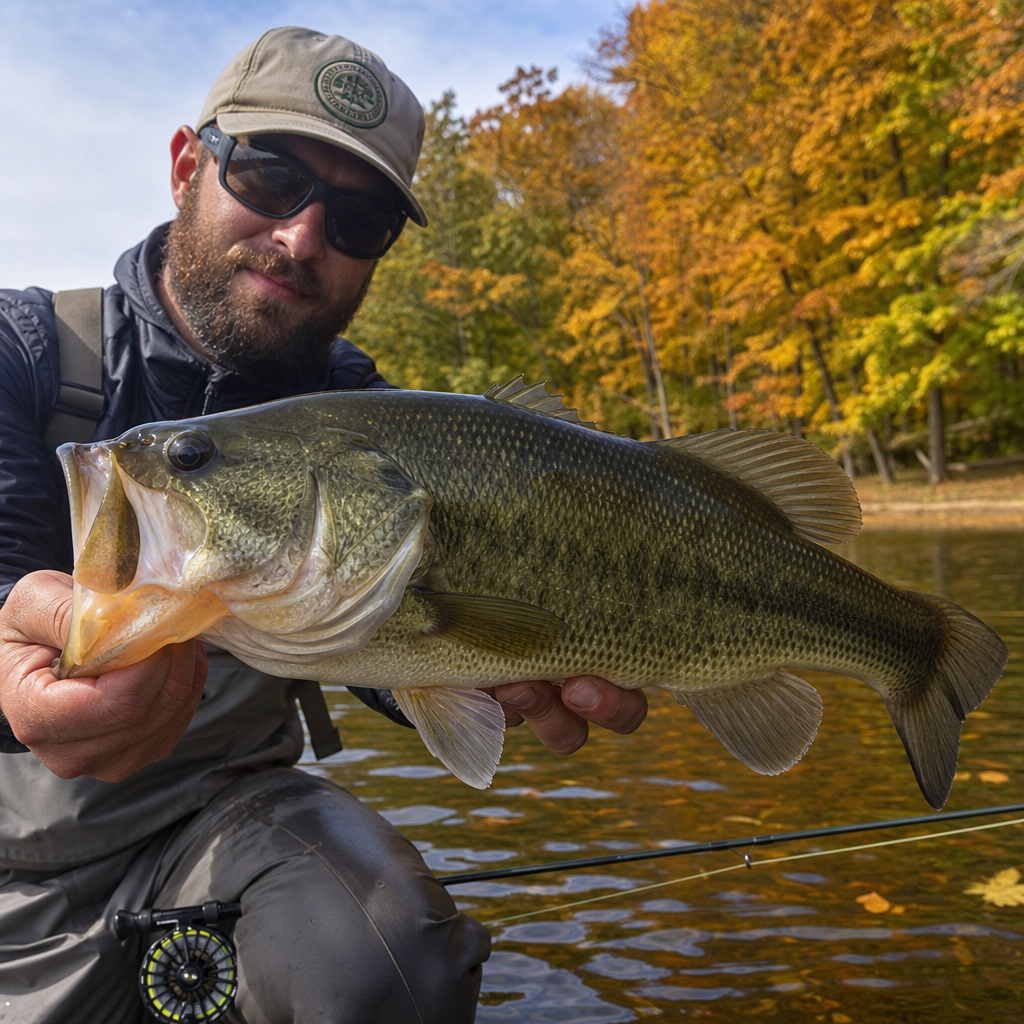
In stillwater, rain can have a subtler but still important effect. Surface disturbance reduces the fish’s ability to inspect a fly closely, which can make them less selective. It can also increase oxygen and redistribute food, especially along windblown banks. Bass and panfish often cruise shallow cover more actively during rainy periods, while trout in lakes may rise more confidently under drizzle than under direct sun. The key is recognizing that fish usually do not stop feeding because of rain; they simply feed differently and often from different positions. Successful anglers track those shifts and adjust depth, fly size, presentation angle, and retrieve speed accordingly.
What are the best fly patterns and presentations to use when it is raining?
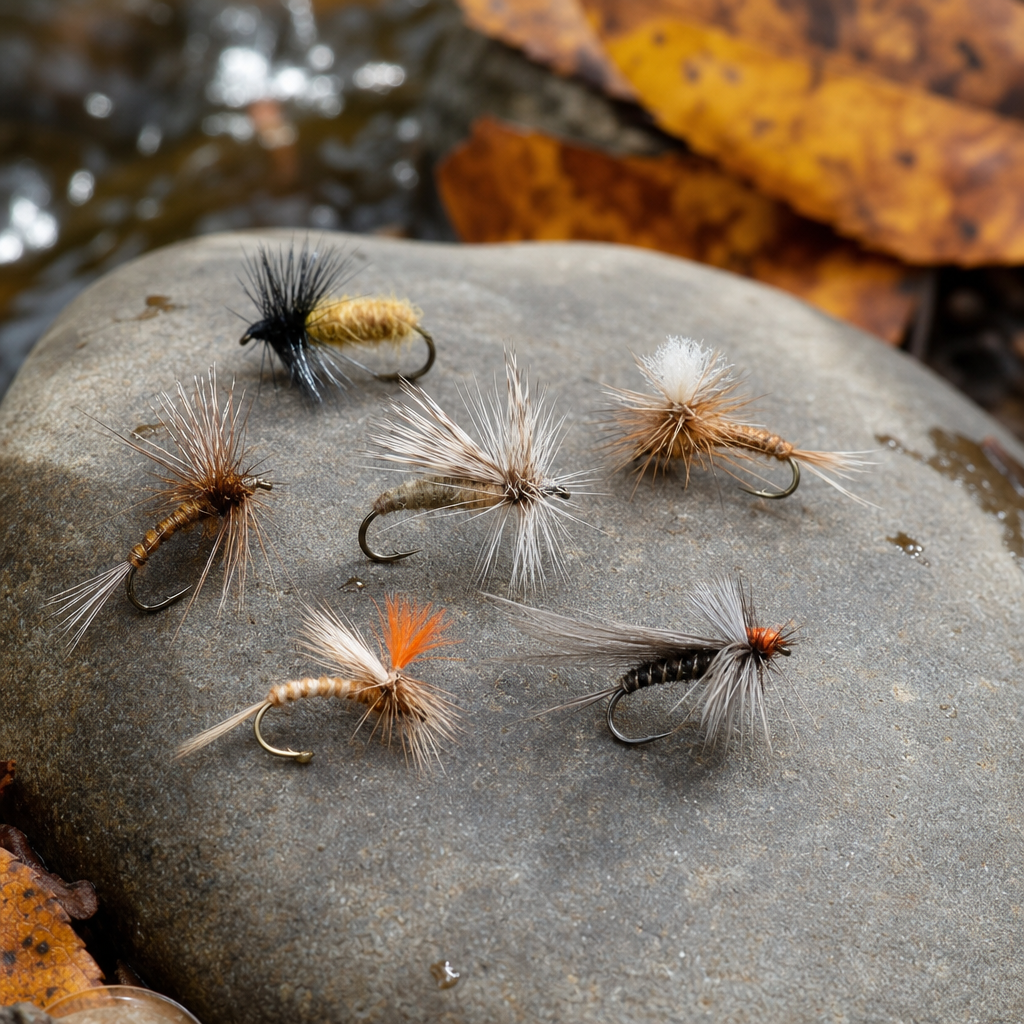
The best flies depend on how rain is affecting the water at that moment. In light rain with normal clarity, many standard patterns still work extremely well. Dry flies, emergers, soft hackles, and nymphs can all be productive because reduced light often increases surface and near-surface feeding. Parachute-style dries, caddis patterns, small attractors, and visible hopper or beetle patterns are excellent choices when fish are looking up. If you suspect fish are feeding just below the film, emergers and unweighted soft hackles are especially effective because they imitate vulnerable insects caught in the surface tension during unsettled weather.
As rain intensifies and water becomes stained, it generally pays to become more deliberate and more visible. Larger nymphs, darker streamers, flashy attractors, and flies with stronger profiles tend to outperform tiny, subtle patterns. In moving water, add weight as needed to maintain contact and get flies down in the softer lies fish move into during higher flows. Shorter drifts, tighter line control, and presentations close to structure often matter more than long elegant casts. For bass and panfish, rainy conditions can make stripped streamers, poppers, or baitfish imitations very effective near weed lines, wood, and shoreline cover. The overall rule is simple: match your presentation to visibility and current speed. As rain reduces clarity or increases flow, make the fly easier for fish to find and put it closer to where they can feed efficiently.
How should I adjust my tactics when rain starts raising water levels or staining the river?
When water rises or loses clarity, the first adjustment should be location rather than fly choice. Fish often stop holding in their normal lies once current speed increases, and many move to places where they can avoid heavy flow while still intercepting food. Look to inside bends, bank edges, eddies, seam lines, side channels, soft pockets behind rocks, and slower water near structure. Trout especially may push surprisingly tight to shore during a rise, sometimes holding within a rod length of dry ground. Anglers who keep wading into the middle of the river often walk right past the fish they should be targeting.
Once you relocate the fish, adjust your rig to fit the new conditions. Use more weight if needed to get nymphs down, choose flies with stronger silhouettes, and shorten your drifts so you stay in control. In dirty water, exact imitation becomes less important than visibility, depth, and presentation. Streamers can be outstanding because they displace water and give fish something substantial to track. At the same time, be realistic about how much the river has changed. If visibility drops drastically, flows rise fast, or debris begins moving through the current, fishing quality usually declines and safety concerns increase. The smartest move is often to fish the edges briefly, evaluate conditions honestly, and leave before marginal water becomes dangerous water.
What safety precautions should you take when fly fishing in rain?
Safety should be the deciding factor every time, because rain can turn fishable water into hazardous water very quickly. The biggest threats are lightning, rapidly rising flows, slippery footing, cold exposure, and reduced visibility while traveling or wading. If you hear thunder or see lightning, stop fishing immediately and get off the water. A fly rod is not something you want in your hand during an electrical storm, and open banks, bridges, and exposed shorelines are all poor places to wait it out. Beyond lightning, pay close attention to how fast the water is changing. A stream that rises only a few inches can become far stronger and less wadable than it appears, especially if the bottom is slick or uneven.
Good rain fishing preparation starts before the first cast. Wear quality rain gear, layer for temperature drops, and keep essential items dry in waterproof packs or bags. Use boots with solid traction, wade conservatively, and avoid crossing water that is rising, discolored, or carrying debris. Let someone know where you are going, especially if fishing remote water. It also helps to have a simple exit plan: know where your vehicle is, which banks are easiest to leave from, and when you will call it a day if conditions worsen. Rain can create excellent fishing windows, but no hatch, bite, or streamer run is worth gambling on unstable weather or dangerous water. Skilled anglers are not just the ones who catch fish in rain; they are the ones who recognize when to keep fishing and when to leave.