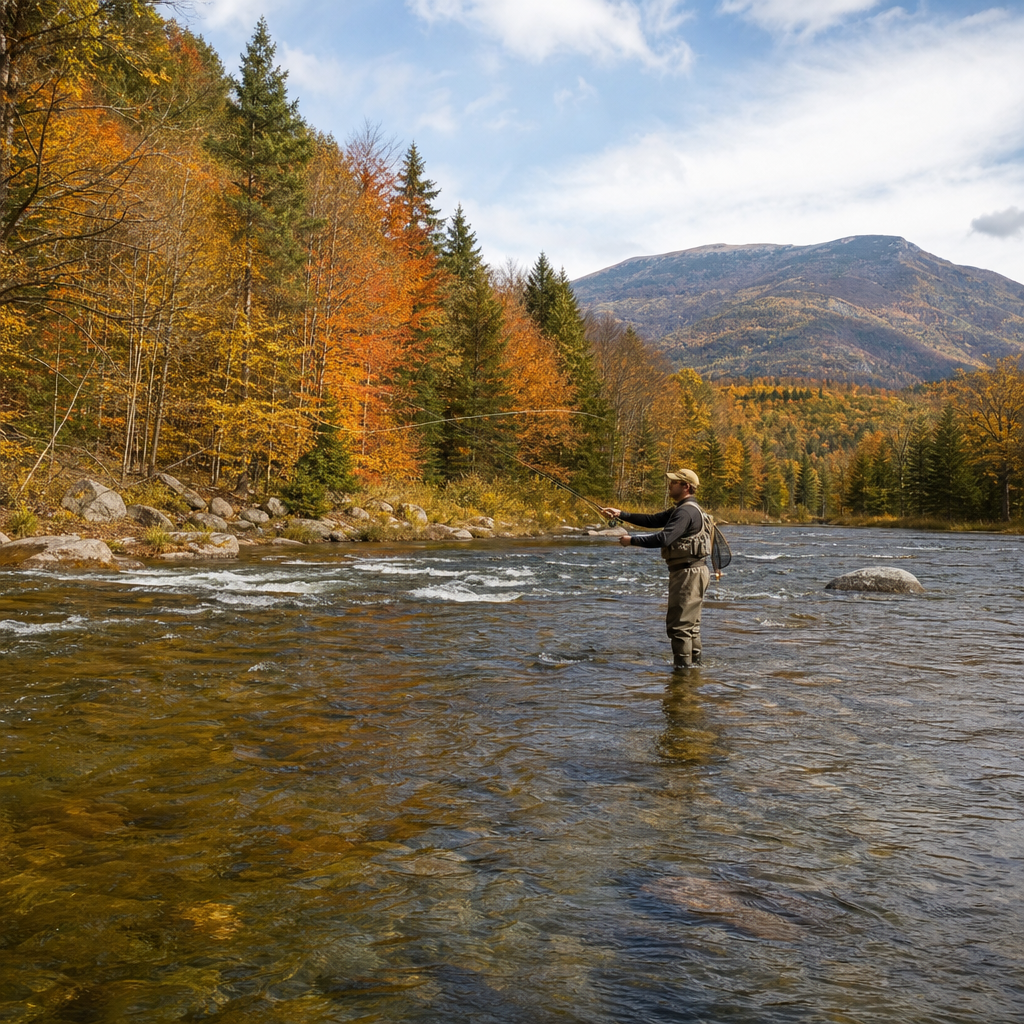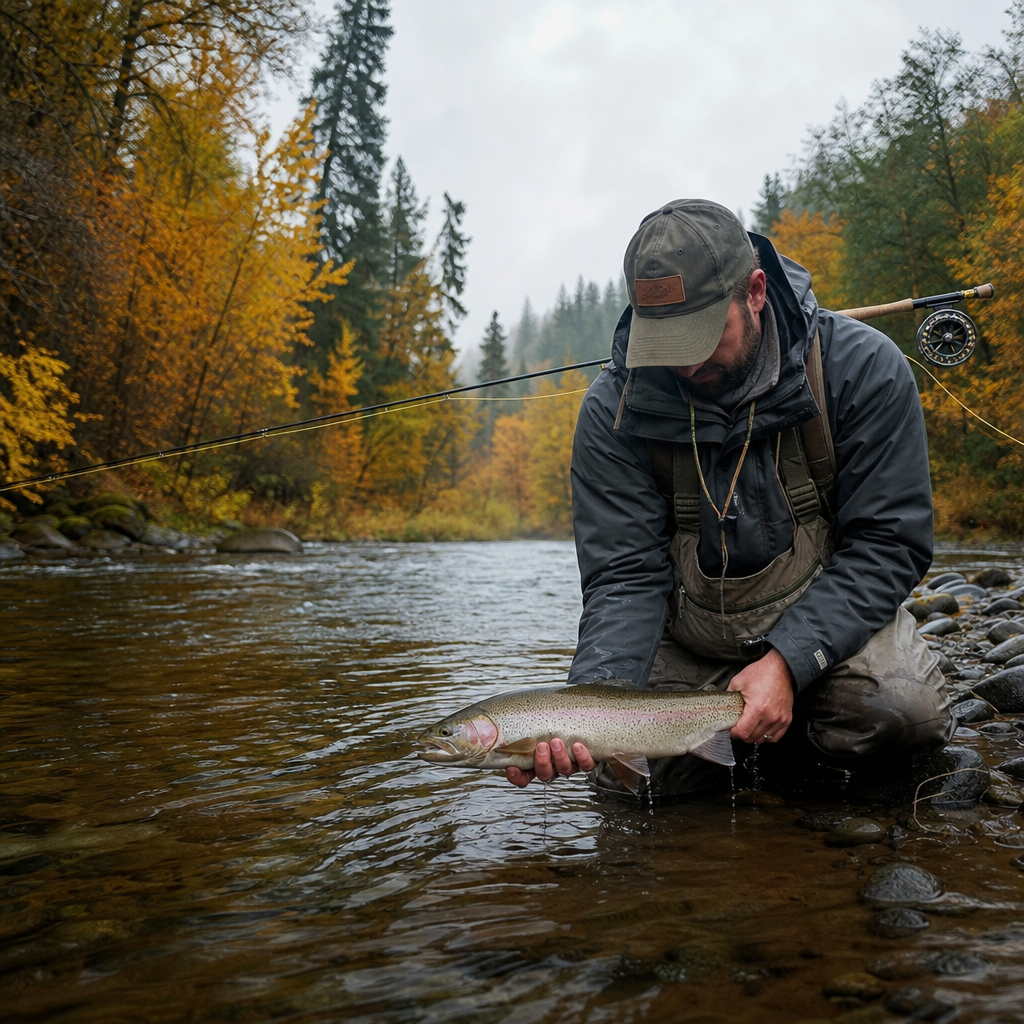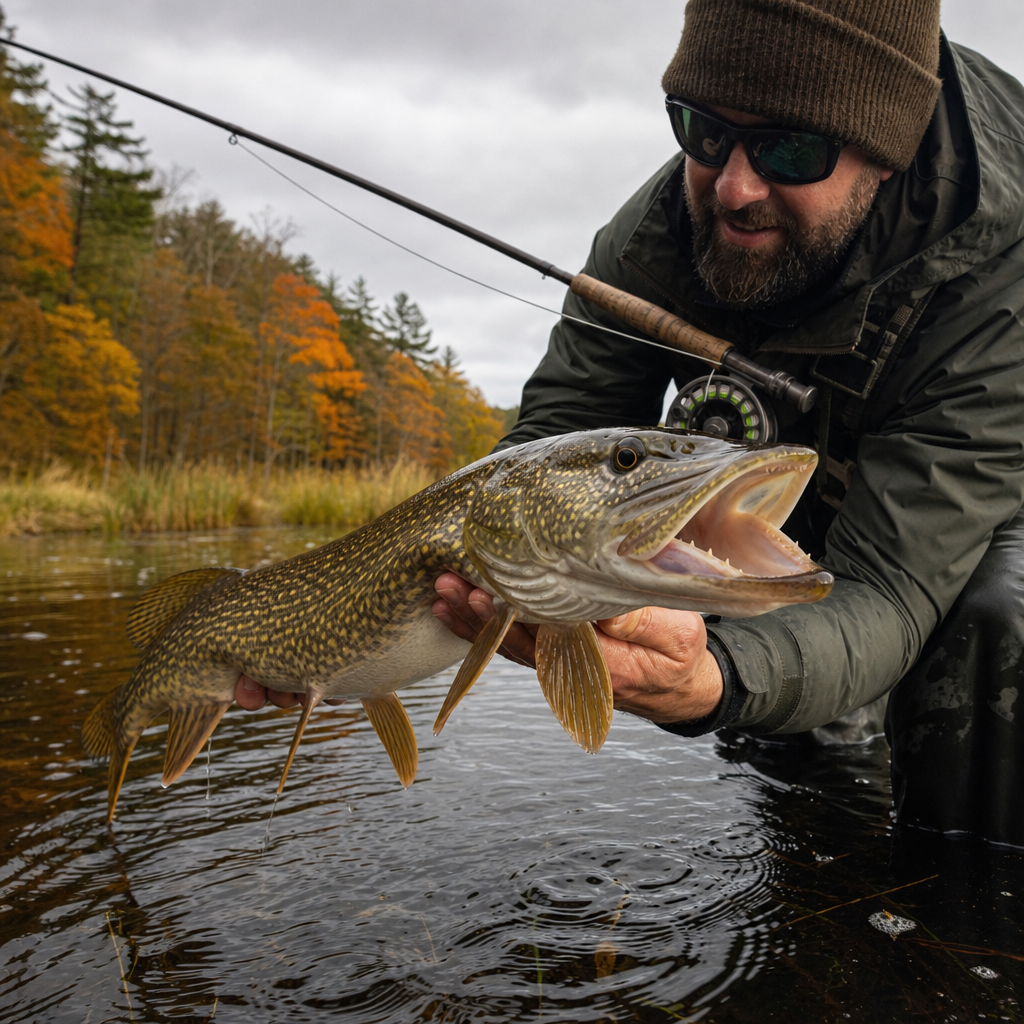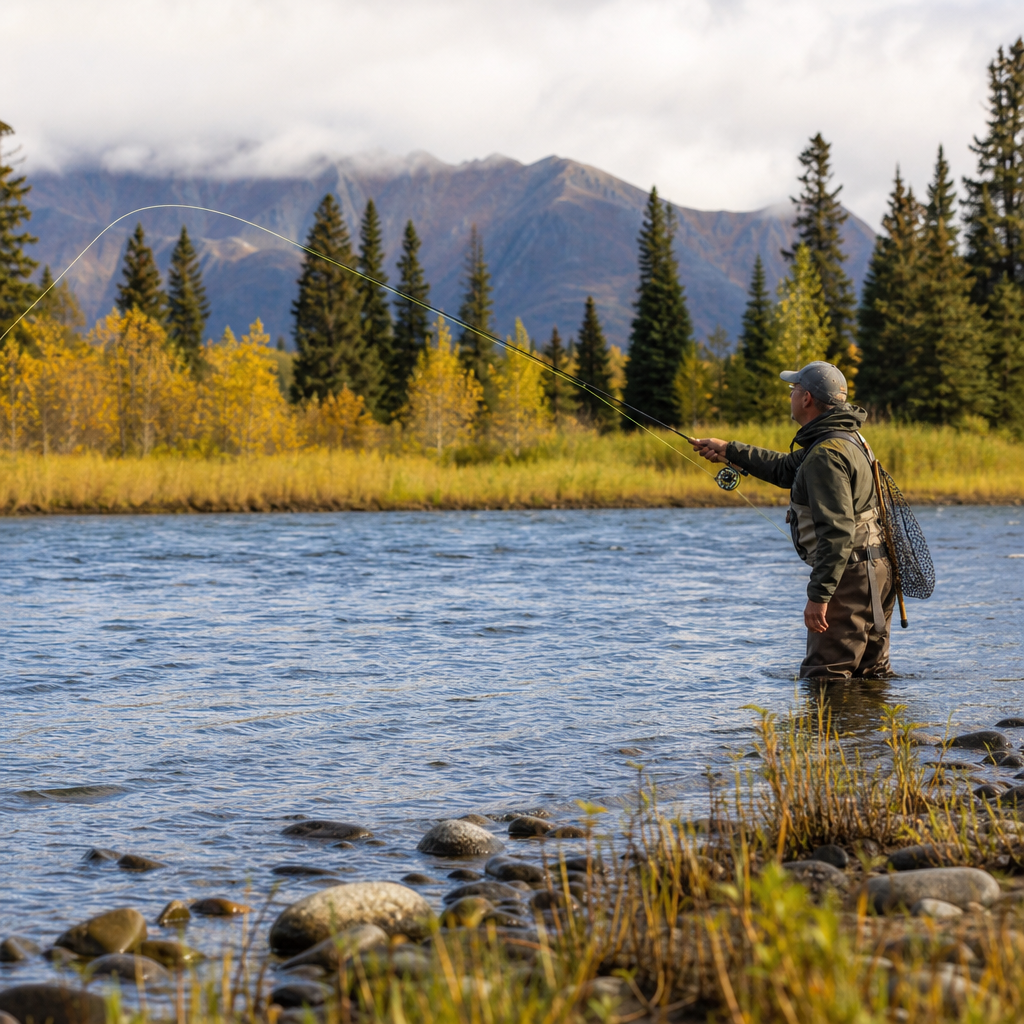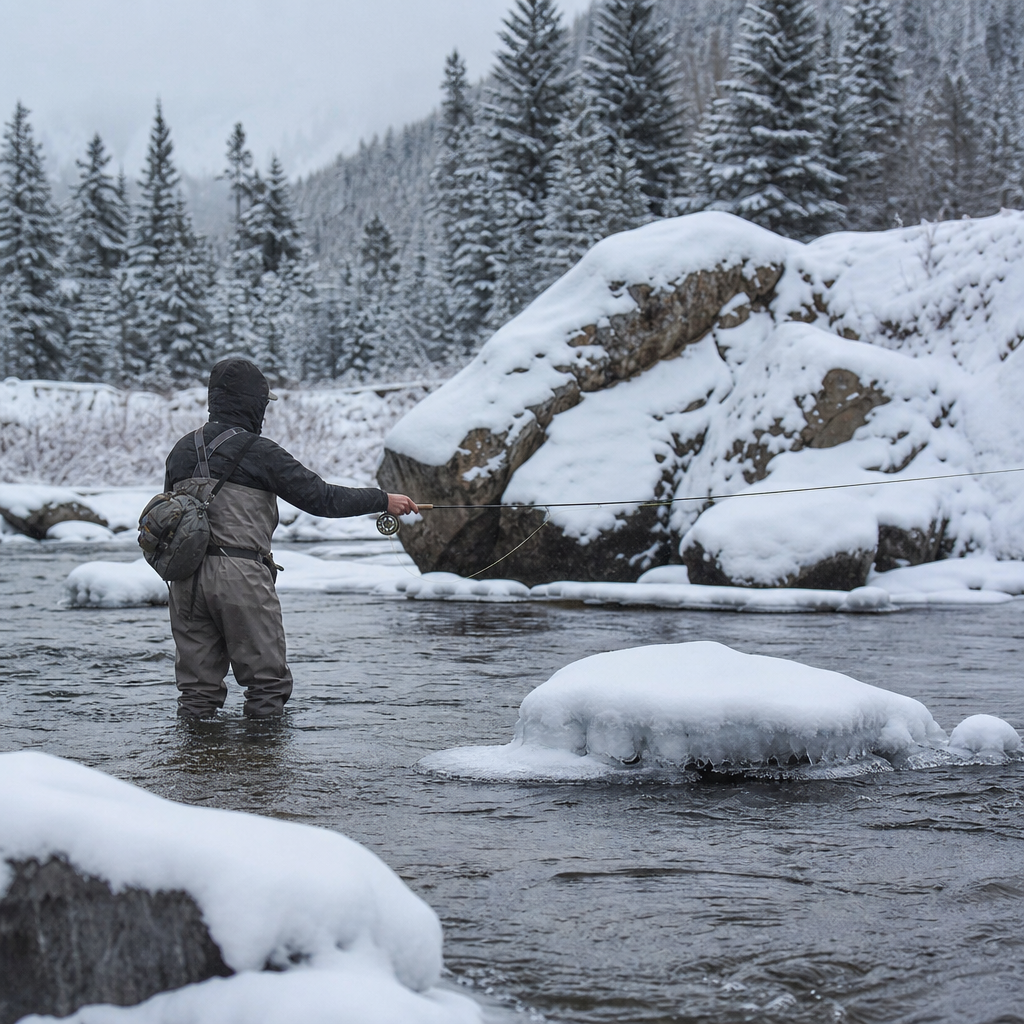
Fly fishing in snow demands a different mindset than fair-weather angling, but it can produce some of the most consistent cold-season trout action of the year. In practical terms, snow changes light, water temperature, access, insect activity, and fish positioning, so success comes from understanding weather conditions rather than simply enduring them. Anglers often use “fly fishing in snow” to describe everything from light flurries during a winter midge hatch to fishing during active storms or immediately after accumulation, and each scenario affects fish and rivers differently. This matters because trout still feed in winter, yet they conserve energy, shift holding water, and respond sharply to small changes in current speed, depth, and food availability. I have spent many snowy days on tailwaters, spring creeks, and freestones, and the common thread is simple: the angler who reads conditions carefully usually outperforms the angler who just changes flies. A strong snow strategy starts with safety, then moves to water selection, presentation, and realistic expectations about pace. As a hub for weather conditions, this guide explains how snowfall, air temperature, barometric swings, runoff timing, visibility, and wind interact on the water, so you can make informed decisions before you leave home and while you fish.
How snow changes trout behavior and feeding windows
Snow affects trout indirectly more than directly. Fish are insulated by water, so a snowstorm does not shock them the way it shocks anglers stepping out of a truck. What matters is the resulting water temperature, available food, current speed, dissolved oxygen, and light penetration. On many rivers, especially tailwaters and spring creeks, water temperatures remain stable enough for fish to feed throughout snowy periods. On freestone streams, however, prolonged cold can push temperatures close to the lower threshold where trout metabolism slows dramatically, often around the mid-30s Fahrenheit. At that point, trout still eat, but feeding windows tighten and they prefer meals delivered close to their lane.
Light snow can improve fishing because cloud cover reduces glare and makes fish less wary in clear water. I have seen technical tailwater trout slide half a rod length farther from cover during steady flurries, especially when midges or winter baetis were active. Heavy snowfall can reduce visibility above water for the angler, but in the river it may have little immediate effect unless it is accompanied by slush, shelf ice, or colored inflow. The best winter fish often hold in moderate-depth seams near slow water, where they can intercept nymphs without spending much energy. During snow, expect trout to favor the soft side of riffles, deeper buckets at pool heads, inside bends, tailouts with walking-speed current, and shelves adjacent to the main flow.
Feeding windows commonly improve between late morning and midafternoon as air temperatures rise slightly and insect activity increases. Midges are the most reliable cold-weather food source, with sizes often ranging from 18 to 24, while blue-winged olives can appear when conditions are overcast and relatively mild. Streamers can work well in snow, especially if pressure is low and trout are opportunistic, but smaller, slower presentations usually beat aggressive strips. The big lesson is that trout in snowy conditions are not impossible; they are simply economical. Put food at eye level, reduce drag, and fish the slowest productive water thoroughly.
Best weather conditions for fly fishing in snow
Not all snow is equal. The most productive conditions are usually stable cold, light to moderate snowfall, and water temperatures holding in a narrow range. On tailwaters below dams, that often means excellent consistency because releases buffer the river from overnight temperature crashes. Spring creeks behave similarly, with groundwater moderating extremes. Freestones are more volatile; one bright but bitter morning after a hard freeze may fish poorly until solar warming begins, while a gray afternoon during gentle snowfall can fish surprisingly well.
Wind is often more important than snowfall intensity. A calm 28-degree day with light flakes is fishable and even pleasant with proper layers. A 20-mile-per-hour wind at the same temperature is harder on casting, line control, and angler safety. Barometric pressure changes matter too, though less than many anglers assume. I pay more attention to trends than absolute numbers. Ahead of a front, fish may feed actively for a short period. During a stable snow event, they often settle into predictable lies. Immediately after a sharp cold front with bright sun and plunging nighttime lows, they may hug the bottom and feed only sporadically.
Visibility determines fly choice and presentation. If snowfall is dry and the river stays clear, use standard winter patterns and fine tippet. If slush, bank collapse, or tributary input adds color, shift toward slightly larger nymphs, darker silhouettes, or streamers with a measured retrieve. Water level matters as much as clarity. A river that rises only a few inches can push trout from exposed feeding shelves into softer edge water. Check stream gauges from the USGS, local dam release schedules, and weather forecasts for hourly temperature, wind, and snowfall timing. Those tools consistently make the difference between guessing and planning.
| Condition | Typical trout response | Best tactic |
|---|---|---|
| Light snow, stable flows | Steady nymph feeding in soft seams | Small midge or baetis rigs under a tight indicator |
| Overcast, 35 to 40 degree water | Possible winter baetis activity | Watch for rises and carry emergers plus dries |
| Post-front bluebird cold | Fish hug bottom and conserve energy | Add weight, shorten drifts, target deepest slow lanes |
| Slightly stained water after snowmelt | Fish use edges and softer current | Increase fly size modestly and cover transition zones |
Choosing the right water in snowy weather
River type should guide every winter decision. Tailwaters are usually the top option for fly fishing in snow because dam-regulated flows and temperatures create dependable conditions. Fish remain active, insect life persists, and access points are often clearer than remote freestone roads. Spring creeks are another strong choice because groundwater maintains stable temperatures and supports consistent midge and baetis activity. Freestone streams can still be rewarding, especially during midday warmups, but they demand stricter timing and more selective water reading.
Within a given river, winter trout usually avoid fast, expensive current. Look for walking-speed water with nearby depth and shelter. Productive lies include deep runs with a defined seam, the inside edge of riffles, tailouts with enough depth to protect fish from overhead exposure, and troughs along cutbanks. On snowy days I often start shallower than many anglers expect, especially on tailwaters, because fish may slide onto gentle shelves to feed when cloud cover lowers their sense of risk. If nothing happens, I systematically probe deeper slots and bucket water.
Ice changes access and presentation. Shelf ice can block the exact soft edge where trout want to hold, and anchor ice can alter the current in ways that make standard drifts ineffective. Avoid wading through slush-choked margins if there is any risk of breaking through deeper edge ice. Fish from the bank when necessary. In many winter sessions, the best approach is to cover fewer runs and fish each one thoroughly. Good snowy-weather anglers do not chase miles of water. They identify the small percentage of river that offers warmth, food, depth, and manageable current, then they stay patient long enough to unlock it.
Fly selection and presentation for snow conditions
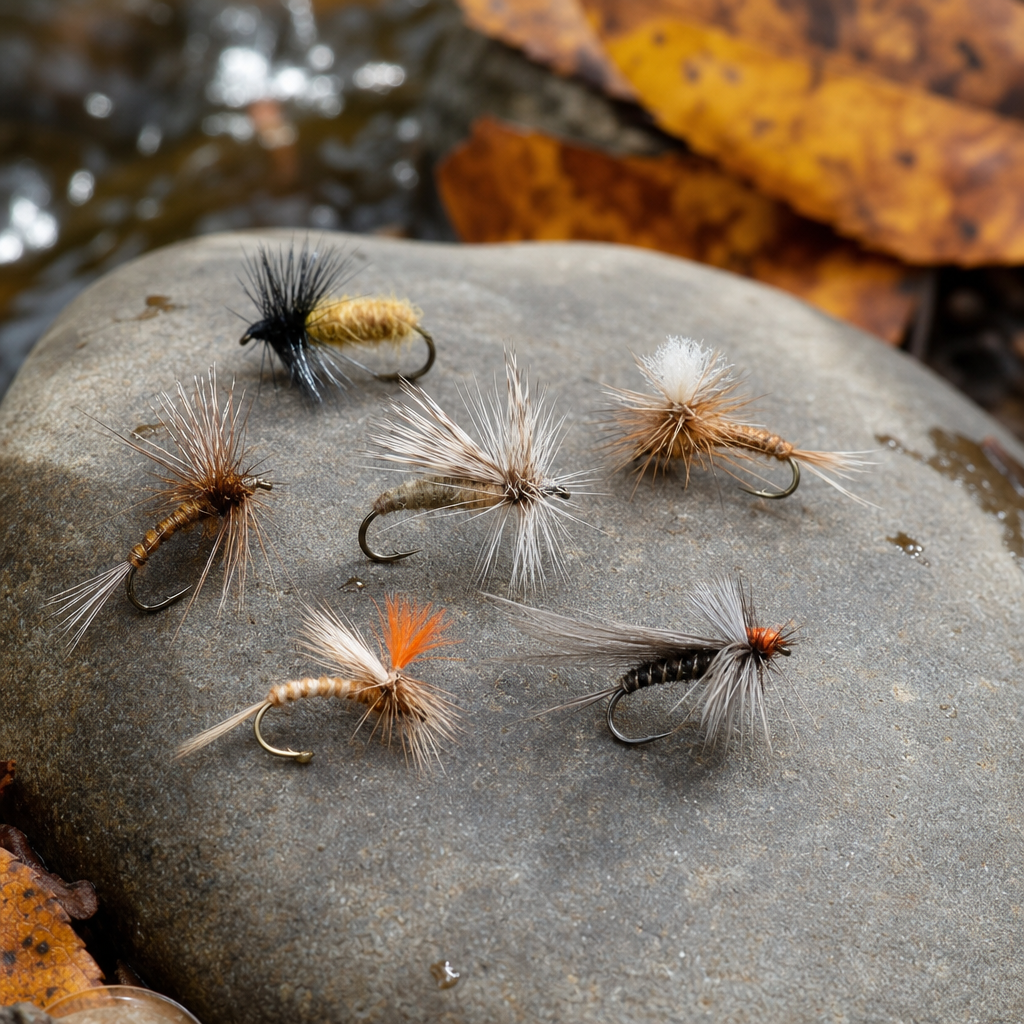
The best flies for snow are usually the same flies that work throughout winter, but how you present them matters more than the pattern name. Midges lead the list: zebra midges, thread midges, mercury midges, and midge larvae in black, red, olive, cream, and wine. Small mayfly imitations matter when winter baetis are present, including pheasant tail variants, RS2-style emergers, and sparse parachute or comparadun dries in sizes 18 to 22. Egg patterns are important on many trout rivers, especially below spawning activity from fall species or in systems where fish are conditioned to eggs as a protein source. For streamers, think balanced leeches, small woolly buggers, sculpin patterns, and slim baitfish flies rather than oversized articulated patterns stripped at summer speed.
Depth control is the central winter skill. In snow, most trout feed within inches of the riverbed or suspend just above it in softer current. Use split shot deliberately, not automatically. Too little weight keeps flies above the fish; too much weight destroys drift quality and snags constantly. I prefer adjusting one variable at a time: first indicator depth, then shot placement, then fly size. Tight-line methods can be deadly on shorter drifts because they maintain contact in complex current, but strike indicators still excel in deep, slow slots where drag-free suspension is easier to manage. Long leaders help in clear water, though extreme length can be counterproductive in wind and freezing guides.
Dry-fly opportunities exist, but they are usually hatch-specific and brief. When midges cluster in back eddies or baetis duns trickle off during overcast afternoons, trout may rise steadily for ten minutes or for two hours. Carry desiccant, floatant suited to small flies, and enough patience to target one feeding lane rather than casting at random rings. For streamers, slow down until the fly almost hovers. Short strips, pauses, and subtle swings near structure often outperform flashy movement. In snowy weather, efficient presentation beats dramatic action.
Gear, clothing, and safety in winter weather
Comfort is not a luxury in snow; it is a performance tool. If your hands are numb and your feet are cold, line management and decision-making deteriorate quickly. Start with a moisture-wicking base layer, add insulating midlayers such as fleece or active insulation, and finish with a waterproof shell that blocks wind. Avoid cotton. Breathable chest waders with layered socks usually work better than overstuffing boots, which restricts circulation and makes feet colder. Studded boots improve traction on icy banks, and a wading staff adds real safety when submerged rocks are coated with shelf ice or frazil.
For tackle, keep things simple and reliable. A 9-foot 4- or 5-weight handles most winter trout work, while a 10-foot rod can improve line control on nymph rigs. Use line dressing sparingly in freezing temperatures and carry a small towel to clear slush from guides. Products made for ice prevention can help, but they are only partial solutions when temperatures are deep below freezing. I rotate rods less in winter because every retie with cold fingers costs time and dexterity. Organize flies in one compact box with your core winter patterns, spare indicators, split shot, hemostats, and tippet from 4X to 6X.
Safety decisions should be conservative. Watch for hypothermia warning signs, carry dry gloves, and tell someone where you are fishing. Snow can conceal steep banks, undercut edges, and thin ice near bridges or slow backwaters. If road access is questionable, turn around early rather than late. The fish are never worth a slide into a ditch or a cold-water fall. On remote rivers, a thermos, traction devices, a charged phone, and a basic emergency kit are not overkill; they are standard winter equipment.
Planning a full snowy-day strategy
The most productive fly fishing in snow begins the night before. Check air temperature swings, wind direction, snowfall timing, and streamflow trends, then choose water type accordingly. If a freestone is likely to start at 33 degrees and reach 37 by early afternoon, plan a later start and fish the warmest window. If a tailwater is holding steady temperatures and flows, start earlier and focus on midge water until the day develops. Build a small decision tree: if you see no bugs, commit to subsurface rigs; if midge shucks collect in eddies, watch for rises; if snowmelt colors tributary mouths, probe transition water with larger nymphs or a small streamer.
On the water, fish slowly and evaluate honestly. Give a high-confidence run enough time to test several depths and angles before moving. Count useful data, not just fish landed: water temperature, visible insect life, drift quality, follows, refusals, and where fish came from in the current. Many winter days turn on one subtle clue, such as trout holding six inches shallower than expected or preferring the smaller dropper. Keep notes. Over time, those observations become your best local weather guide for snowy conditions.
As the weather-conditions hub under seasons and conditions, this page should anchor your approach to winter river decisions. Snow changes access, comfort, presentation, and fish location, but it does not eliminate opportunity. The core principles are dependable: choose stable water when possible, fish during the warmest and most biologically active window, target slow current near depth, and present small natural food precisely at trout level. Dress for function, manage risk carefully, and let real conditions dictate tactics instead of habit. If you want better cold-weather results, start by tracking snow, temperature, flows, and insect signals on every trip, then use those patterns to plan your next day on the water with purpose.
Frequently Asked Questions
Is fly fishing in snow actually productive, or is it mostly a comfort challenge?
Fly fishing in snow can be surprisingly productive, and in many cases it is far more than a test of endurance. Snow often coincides with stable cold-water conditions that keep trout concentrated in predictable holding water. Instead of roaming widely, fish typically settle into slower seams, deeper buckets, soft edges, tailouts, and wintering pools where they can conserve energy while still intercepting food. That concentration can make fish easier to locate than during more variable shoulder-season conditions.
Snow also changes light penetration in a way that frequently benefits anglers. Overcast skies and falling snow reduce glare and create softer light, which can make trout less wary and more willing to feed during the middle of the day. On many rivers, that low-light window lines up well with winter midge activity or small mayfly hatches. Even when no obvious hatch is happening, subsurface nymph fishing can remain highly effective because trout continue feeding opportunistically in cold weather, just at a slower pace.
The key is to adjust expectations and tactics. You are not usually covering miles of river and catching fish everywhere. Instead, success comes from reading winter water carefully, fishing methodically, and focusing on short, high-percentage drifts. If you approach snowy conditions as a technical seasonal pattern rather than a miserable version of summer fishing, it can become one of the most consistent times of year to catch trout.
Where do trout usually hold when fly fishing in snowy, winter conditions?
In snowy conditions, trout generally shift toward water that offers the best balance of protection, oxygen, and easy feeding. Because cold water slows a trout’s metabolism, fish usually avoid fast current that forces them to burn unnecessary energy. That means prime winter lies are often slower than what many anglers target in spring or summer. Look for moderate-depth pools, inside seams, gentle riffle tails, soft current along drop-offs, eddies with a clear feeding lane, and the transition zones where faster water spills into slower holding water.
Depth matters, but speed matters just as much. Many anglers think only in terms of “go deep in winter,” but trout are often positioned in softer current adjacent to depth rather than pinned to the bottom of the deepest hole in the river. Productive lies commonly include the walking-speed water at the head or middle of a pool, soft shelves near the bank, and current breaks behind rocks where fish can hold without expending much energy. In tailwaters and spring creeks, trout may also remain spread out if water temperatures are more stable, but they still prefer efficient feeding stations.
Snowfall itself can influence positioning indirectly by changing light and angler access. During active flurries or heavy cloud cover, trout may slide slightly shallower or feed more confidently in transitional water because they feel less exposed. After a storm, if slush, shelf ice, or runoff affect certain sections, fish may shift into cleaner channels and more stable flow lanes. The best strategy is to slow down, fish likely holding water thoroughly, and pay close attention to where your first few strikes occur. In winter, one good lie often means several more nearby with similar depth and current speed.
What flies work best for fly fishing in snow, and do trout still respond to hatches?
Yes, trout absolutely still respond to hatches in snowy weather, but the menu is usually smaller and more subtle than in warmer seasons. Midges are often the top winter food source, and they can hatch even during light snow or under heavy cloud cover. Small mayflies, especially blue-winged olive types on some rivers, may also appear during milder winter windows. Because these insects are tiny, anglers typically do best with simple, sparse, natural-looking patterns rather than oversized attractors.
For subsurface fishing, dependable winter flies include midge larvae, midge pupae, zebra midges, thread midges, small pheasant tails, tiny perdigons, RS2-style patterns, and other slim nymphs in sizes commonly associated with winter bug life. Egg patterns can also be effective in systems where trout are keyed on spawn-related food, and small worm patterns may produce after weather changes or slight color in the water. The most important qualities are profile, sink rate, and presentation. In cold water, trout usually inspect a fly closely, so a clean drift and properly chosen depth often matter more than constant fly changes.
Dry-fly opportunities do happen, especially during calmer periods in the warmest part of the day, but they are often brief and technical. If you see subtle dimples rather than splashy rises, think midges first. Carry a few adult midge clusters, Griffith’s Gnat-style patterns, small parachutes, and emerger patterns that sit low in the film. If fish refuse dries, switching immediately to a pupa or emerger just under the surface can be the right move. In snowy conditions, matching the stage of the insect is often more important than matching an exact shade or brand-name pattern.
How should I adjust my presentation and rigging when fly fishing in snow?
Your presentation should become slower, cleaner, and more deliberate. In cold water, trout rarely move far to eat, so your fly needs to enter the strike zone naturally and stay there as long as possible. That usually means fishing shorter drifts through well-defined holding water instead of making long casts to cover lots of water. Whether you are euro nymphing, indicator nymphing, or tight-line fishing, depth control is critical. If you are not occasionally ticking bottom in likely winter lies, you may not be fishing deep enough.
A productive snowy-weather nymph rig often includes a small, fast-sinking point fly paired with a lighter dropper, or two small bugs under an indicator with enough weight to reach the slower current near the bottom. Because winter trout can be selective, many anglers downsize tippet slightly and trim away unnecessary bulk in the rig. Strike detection also matters more than usual because cold-water takes are frequently soft. Watch for the slightest hesitation, dip, or sideways movement of your indicator or leader and set on anything unusual.
If fish are feeding in the film or on top, lengthen your leader, reduce drag, and avoid heavy splashy casts. Snow and overcast can help hide the angler, but trout in clear winter water still detect poor presentations quickly. Mend early, keep as much conflicting current off the fly as possible, and fish likely lanes more than once from different angles. In many winter scenarios, the difference between a slow day and a very good day is not fly selection alone. It is being at the correct depth, with a drag-free drift, in the softest part of the feeding lane for a few extra seconds.
What safety, gear, and weather considerations matter most when fly fishing in snow?
Safety and preparation are every bit as important as fly choice when fishing in snow. Cold exposure, slick banks, shelf ice, numb hands, and changing road conditions create real risks that should shape your plans before you ever step into the river. Start by evaluating access and weather trends, not just whether fish might bite. A light snowfall on a familiar tailwater is very different from a storm that covers trails, freezes boat ramps, and makes river exits difficult to find. If travel or wading access feels questionable, simplify the plan or stay home.
From a gear standpoint, traction is essential. Studded boots or quality cleats dramatically improve footing on icy banks and submerged rocks. Layering matters too: moisture-wicking base layers, insulating mid-layers, a windproof shell, and reliable gloves allow you to fish effectively without losing dexterity. Many winter anglers carry multiple pairs of gloves so one pair can dry while another is in use. Hand warmers, a warm hat, a thermos, and a pack system that keeps spare layers dry can make the day both safer and more productive.
On the water, manage freezing equipment proactively. Ice buildup in guides is common, especially during repeated false casts or long drifts in below-freezing air. Keeping line in motion only when necessary, minimizing water on the rod, and checking guides often will help. Wading should be conservative and purposeful. In winter, there is rarely a good reason to make a risky crossing when fish are usually concentrated in specific holding water close to current breaks and softer edges. Good snowy-day anglers are not just tough; they are disciplined. They watch water temperature, monitor changing weather, respect access limitations, and end the day before cold and fatigue start making decisions for them.