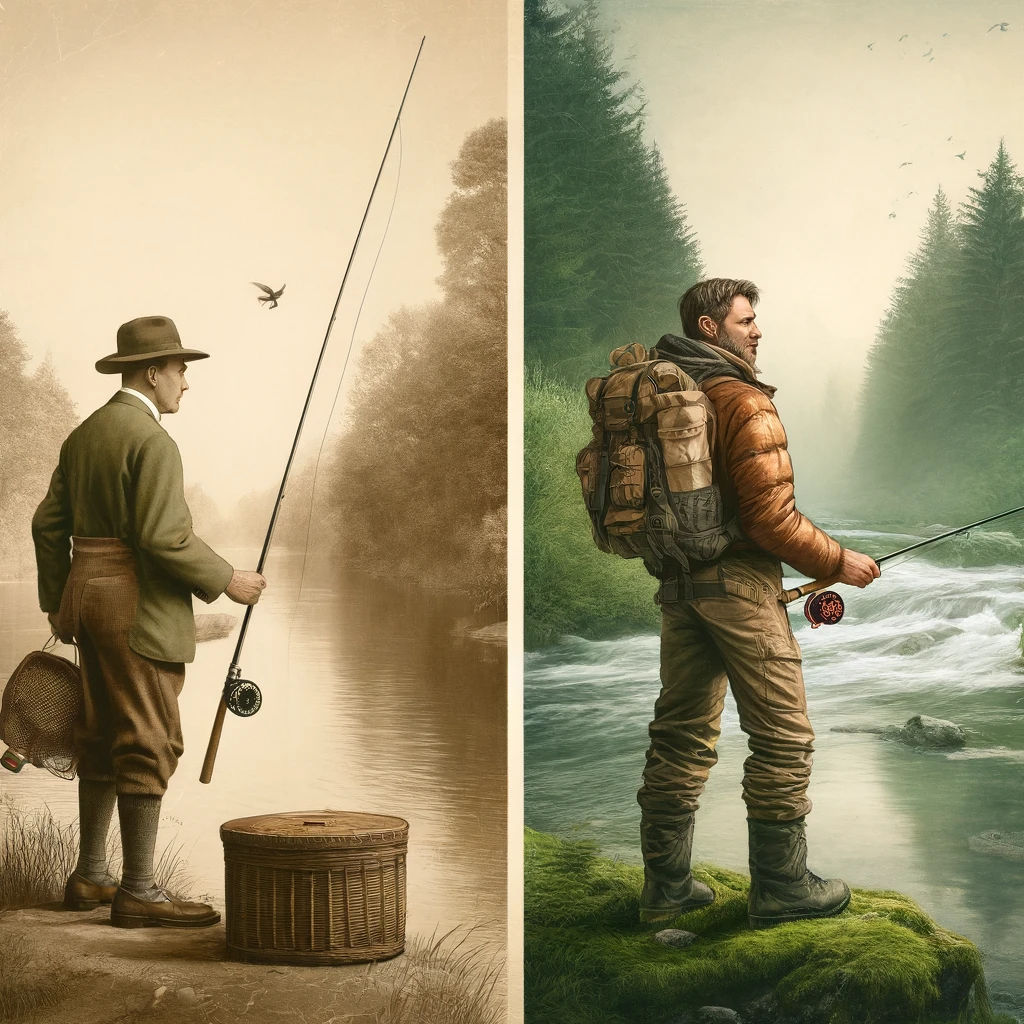
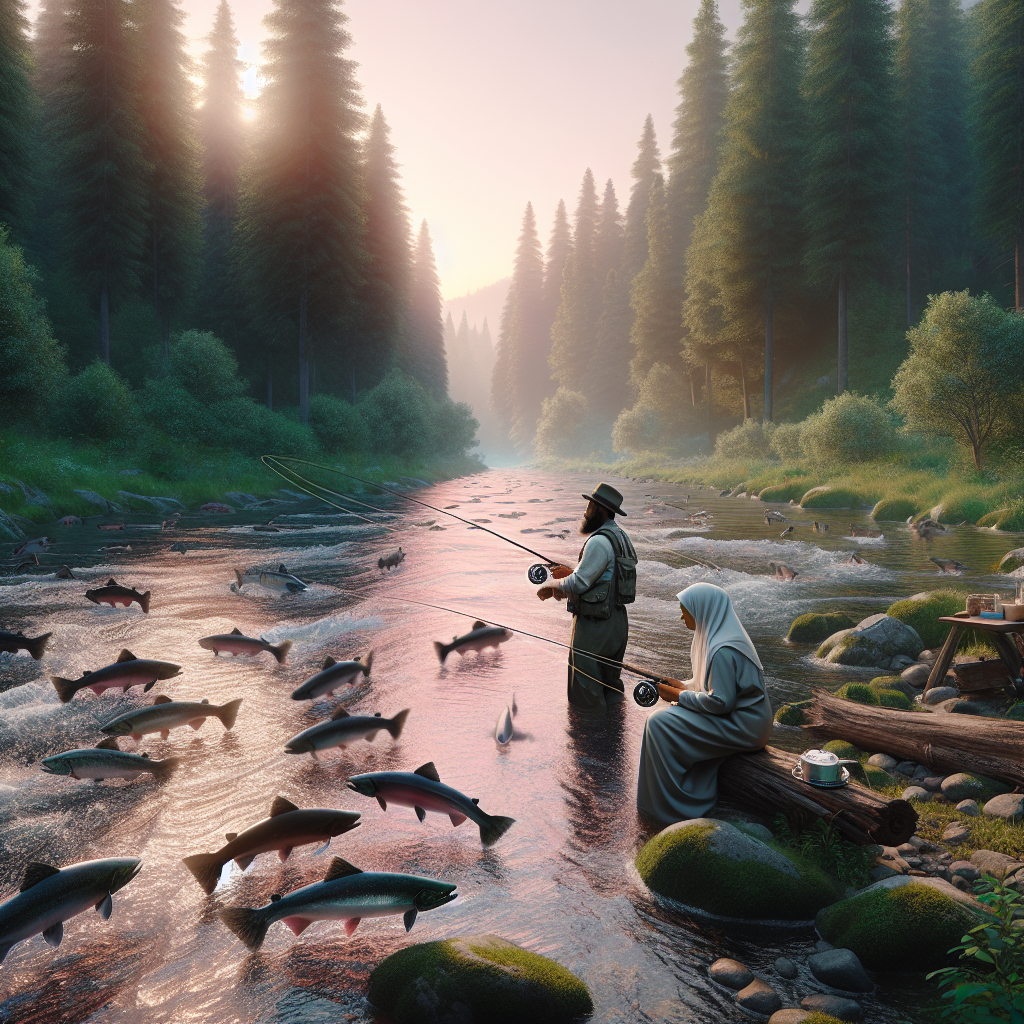
Fly fishing is a timeless and rewarding sport that connects enthusiasts with nature and sharpens both patience and skill. Introducing your children to fly fishing not only provides them with a new hobby but also an avenue to understand and appreciate the environment. As a parent or guardian, getting your kids involved in fly fishing can initially seem daunting, but with the right approach, it can become an incredibly enjoyable family activity.
In essence, fly fishing isn’t just about catching fish—it’s about experiencing the outdoors, learning important life skills, and building lasting memories together. The calm of the water, the joy of the catch, and the serenity of nature provide a sublime backdrop to teaching children about patience, respect for nature, and the art of fishing.
So, if you’ve been wondering how to kick-start your kids’ journey in fly fishing, you’ve come to the right place. This comprehensive guide aims to simplify the process, offering practical tips and advice that emphasize fun and learning.
Getting Started with the Basics
Before diving straight into the water, it’s crucial to ensure your child understands the basic concepts of fly fishing. Start with the equipment: the rod, reel, line, flies, and other essential gear. Make it an engaging activity by comparing the different types of rods and reels, explaining how each component plays its part in the fishing process.
Next, focus on demonstrating the basic casting technique. Grasp the rod, apply the right wrist action, and let the line fly smoothly. Kids often learn best through imitation, so let them watch you cast several times before they try it themselves. Use lightweight rods and reels that are suited to their smaller physiques. It’s important for their gear to fit their size to avoid frustration.
Additionally, introduce them to fly tying, a fascinating aspect of fly fishing that involves making artificial flies. Many kids find this process interesting and it can significantly enhance their interest in the sport.
Choosing the Right Location
Location is vital when taking kids fly fishing for the first time. Select waters that are stocked with plenty of fish to increase their chances of success. Lakes and ponds with calm waters are ideal starting points since fast-moving rivers can be risky for beginners.
Look for family-friendly locations with amenities such as restrooms, picnic areas, and easy bank access. These locations provide a conducive environment for kids to fish safely and comfortably. Additionally, select locations close to home to avoid long travel times which can make kids restless before the fishing even begins.
Remember, the goal is to make their first experience enjoyable and to give them a taste of success to hook their interest. A place where they can see and catch fish easily will make their adventure all the more thrilling and memorable.

Safety First
Children’s safety should always be the top priority. Teach them about water safety, including the importance of wearing life vests and recognizing potential hazards like slippery rocks or fast currents. Educate them about the harmful effects of the sun and the importance of using sunscreen, wearing hats, and keeping hydrated.
Instruct your children on the proper way to handle fishing gear to avoid accidents. Hooks, in particular, can be dangerous if mishandled. Always supervise them closely, especially when they are casting their lines or wading in the water.
Moreover, ensure your kids understand the rules and regulations of the area you’re fishing in, such as catch limits and protected species. Teaching them to follow these guidelines fosters a sense of responsibility and respect for the environment.
Making it Fun and Educational
Fly fishing can be a great avenue for learning and fun. Incorporate games and challenges, like who can catch the first fish or identify the most aquatic insects. This keeps the activity engaging and competitive in a healthy manner.
Use the time spent outdoors to teach your kids about various aquatic life and ecosystem dynamics. Explain how fish fit into the food chain, the different types of insects they eat, and the importance of conservation. This not only piques their curiosity but also builds a deeper appreciation for nature.
Another great way to make it fun is to plan a picnic or a campout around the fishing trip. Bringing along a camera or journal to document their catches can also make the experience more memorable. Praise their efforts regardless of their catch to build their confidence and enthusiasm for future trips.
Building Skills Over Time
Fly fishing is a skill that develops over time. Encourage your children to be patient and persistent. Celebrate their progress, whether it’s mastering a new casting technique, successfully tying a fly, or understanding different fish species and their behaviors.
Practice makes perfect, so make regular trips to the water a part of your schedule. Each outing presents new learning opportunities and enhances their skills. You might also consider enrolling them in a junior fly fishing club or summer camp where they can learn from experienced anglers and meet other young enthusiasts.
As they become more confident, gradually introduce them to more complex aspects of fly fishing, such as reading water conditions, selecting the right flies for different scenarios, and understanding fish behavior patterns.
Conclusion
Introducing your children to fly fishing can be a rewarding journey full of learning, adventure, and precious bonding moments. By starting with the basics, choosing the right locations, emphasizing safety, making the experience fun and educational, and gradually building their skills, you can foster a lifelong passion for the sport.
With patience, encouragement, and a sense of adventure, your kids will not only learn how to catch fish but also develop an enduring love for nature. The memories created through these shared experiences will be cherished for years to come.
Fly fishing is more than just a pastime; it’s a gateway to discovering the beauty of the outdoors, understanding the delicate balance of ecosystems, and teaching values such as patience, respect, and perseverance. So grab your gear, head out to the water, and enjoy the magic of fly fishing with your kids.