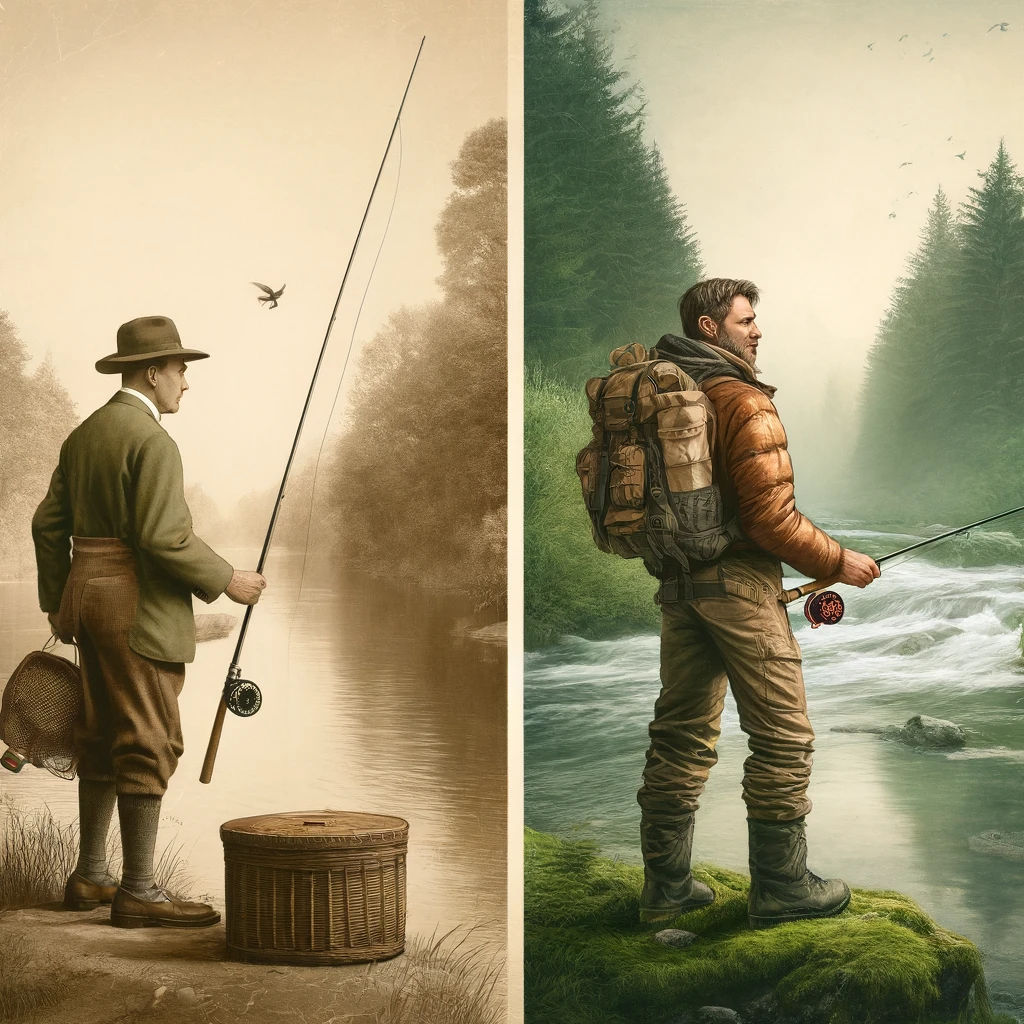
Fly fishing is a unique and fascinating sport, often hailed for its grace, technique, and the sheer beauty of its surroundings. If you’re looking to get started, you’ve come to the right place. This comprehensive guide will walk you through the essentials of fly fishing, demystifying what can initially seem like a complex and daunting activity. By the end of this guide, you should have a solid understanding of the basics, enough to confidently venture out to your first fishing spot.
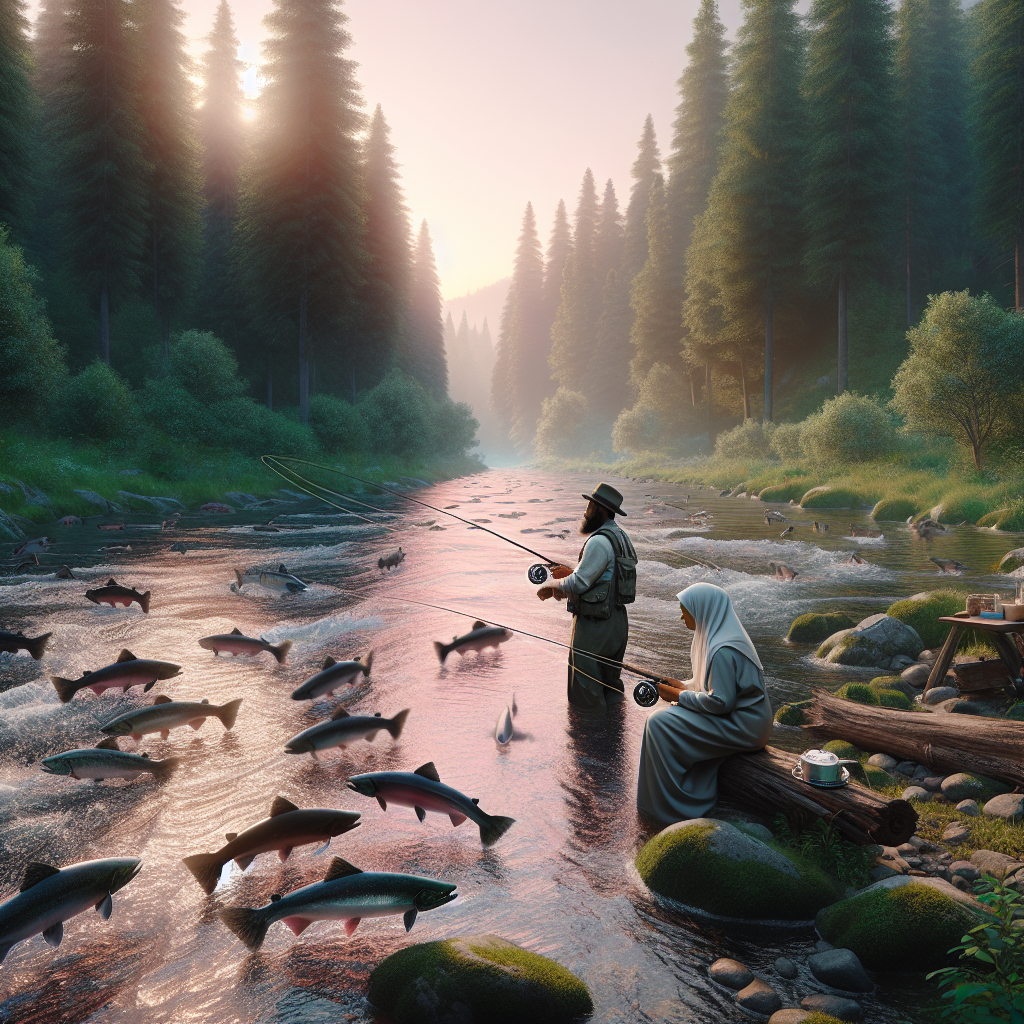
Imagine standing knee-deep in a crystal-clear stream, the sound of water rushing past, surrounded by the serenity of nature. The sun glints off the water’s surface as you skillfully cast your line, waiting for that exhilarating moment when a fish strikes. Fly fishing isn’t just a hobby; it’s an immersive experience that connects you with the natural world in a way few other activities can.
Getting started with fly fishing involves understanding the equipment, learning how to cast, and knowing where to fish. While it may seem overwhelming at first, break it down into manageable sections, and you’ll soon find yourself achieving small victories that lead to a lifetime of enjoyment. The beauty of fly fishing is that it combines artistry, skill, and a deep appreciation for nature.
Whether you’re planning to fish in rivers, lakes, or saltwater environments, this guide will equip you with the knowledge to make informed decisions, build your skills, and ultimately, enjoy the rich rewards of fly fishing. So, let’s dive in and explore the wonderful world of fly fishing!
Understanding Fly Fishing Equipment
The first step to becoming proficient in fly fishing is understanding the equipment you’ll be using. Unlike traditional fishing, fly fishing relies heavily on specialized gear, each piece with a specific purpose. Let’s break down the essential components:
- Fly Rod: The fly rod is your main tool in fly fishing. Ranging from 6 to 10 feet, it is designed to cast the lightweight fly line essential for delivering your fly.
- Fly Reel: Attached to the fly rod, the reel stores your fly line and provides a mechanism for fighting and landing fish. Choose a reel that balances well with your chosen rod.
- Fly Line: Fly lines are much thicker and heavier than traditional fishing lines because they need to carry the fly and allow for accurate casting. They come in different weights and types, designed for various fishing conditions.
- Leader and Tippet: The leader is a tapered, nearly invisible line that connects your fly line to your fly. The tippet is the final section of the leader and varies in thickness depending on the fish and the type of fly being used.
- Flies: Flies are artificial representations of insects or other prey. They come in various types, including dry flies, wet flies, streamers, and nymphs, each suited to different fishing situations.
- Other Equipment: Other essential gear includes waders and boots for fishing in water, a vest or pack to carry your equipment, and tools like nippers, forceps, and a fly box to organize and retrieve your flies.
Investing in quality equipment can enhance your fly fishing experience. While it may be tempting to buy the most expensive gear, starting with mid-range, well-reviewed equipment can provide excellent performance without breaking the bank.

Learning to Cast
Casting is a fundamental skill in fly fishing and often serves as a critical factor in your success. Unlike traditional fishing methods, where the cast is powered by the weight of the lure, fly fishing relies on the weight of the fly line to propel the fly. Mastering a few basic casting techniques can dramatically improve your chances of catching fish.
The Basic Overhead Cast
The overhead cast is the primary casting technique you’ll use in fly fishing. Here’s a step-by-step guide:
- Grip the Rod: Hold the rod with a comfortable grip, thumb on top, and your hand positioned so that you have control over the rod’s movement.
- Back Cast: Start with the line in front of you, then lift the rod tip smoothly in an upward motion, stopping at about the 2 o’clock position. This will create a loop of line behind you.
- Forward Cast: Once the line is fully extended behind you, begin the forward cast by accelerating the rod forward and stopping abruptly at about the 10 o’clock position. This will unload the rod, transferring energy to the line and sending it forward.
- Presentation: Aim to lay the line down gently on the water, presenting the fly naturally to the fish.
Practice Makes Perfect
Like any skill, practice is essential. Spend time on dry land, focusing on the mechanics of the cast without the distraction of water and fish. As you gain confidence, move to water and practice your casting in real-world conditions. Remember, patience and consistency are key. Each successful cast builds muscle memory and reinforces good technique.
Choosing the Right Fly
One of the most captivating aspects of fly fishing is the variety and beauty of flies. The key to choosing the right fly lies in matching it to the conditions and the type of fish you’re targeting. Flies can be broken down into several categories, each mimicking different stages of aquatic life.
Dry Flies
Dry flies resemble adult insects that float on the water’s surface. They are effective when fish are feeding on the surface. Observe the water and match your dry fly to the insects you see.
Wet Flies and Nymphs
Wet flies and nymphs imitate aquatic insects below the surface. They are crucial during times when fish are feeding underwater. Nymphs usually represent the larval stage of insects and are deadly effective in many fishing scenarios.
Streamers
Streamers mimic larger prey like minnows or leeches. They usually require an active retrieval technique and are effective for larger fish species. Streamers can be used in both moving and still waters.
Matching the Hatch
“Matching the hatch” is a term used to describe the process of selecting a fly that imitates the insects currently hatching in the fishing environment. Research local hatches and pay attention to what’s happening on the water. Understanding the local ecosystem can greatly increase your success rate.
Finding the Perfect Fishing Spot
Knowing where to fish is as important as knowing how to fish. The location you choose can significantly impact your fly fishing experience. Different bodies of water require different approaches and knowing how to read the water will guide you to productive fishing spots.
Rivers and Streams
Look for areas where fish are likely to be feeding, such as riffles, pools, and undercut banks. Fish often congregate in spots where currents slow down, providing a break from the flow and a chance to ambush prey.
Lakes and Ponds
In still waters, fish are often found near structures like weed beds, drop-offs, and submerged logs. Early morning and late evening are prime times as fish move into shallower waters to feed.
Saltwater Flats
Fly fishing on saltwater flats involves sight fishing for species like bonefish and tarpon. These fish are usually found in shallow, clear waters where you can spot them and plan your cast accordingly.
Private Waters and Lodges
Consider investing in trips to private waters or fishing lodges, especially when starting. These locations often provide well-managed environments with healthy fish populations and can offer guided experiences to accelerate your learning curve.
Basic Techniques and Strategies
To become a more effective fly angler, incorporate these basic techniques and strategies into your practice:
Reading the Water
Understanding how to read the water is essential. Look for changes in current speed, depth, and structure that indicate where fish might be holding and feeding.
Presentation Techniques
The way you present your fly to the fish can be just as important as the fly itself. Aim for a natural drift with minimal drag on the line. Practice mending your line—adjusting it on the water—to achieve a drag-free drift.
Retrieval Methods
Experiment with different retrieval methods, ranging from slow and steady pulls to quick strips. The right retrieval method can trigger feeding responses from fish, especially when using streamers.
Stealth and Patience
Fish are acutely aware of their surroundings. Approach the water quietly and minimize disturbances. Patience is crucial. Take your time to observe and adapt to changing conditions.
Conservation and Ethical Practices
As a fly angler, it’s important to practice conservation and ethical fishing to preserve the sport for future generations. Here are some key principles to follow:
Catch and Release
Practice catch and release to maintain fish populations. Use barbless hooks and handle fish carefully to minimize stress and injury. Keep fish in the water as much as possible and avoid squeezing or dropping them.
Respect the Environment
Leave no trace. Carry out all trash, including biodegradable items. Respect local regulations and fishing limits. Protecting habitats ensures a healthy ecosystem for the fish and other wildlife.
Advocate for Conservation
Support conservation efforts by organizations dedicated to protecting our water resources and fish populations. Educate yourself and others about the importance of sustaining these environments.
Continual Learning
Stay curious and committed to learning. The more you understand about the ecology of the waters you fish, the more effective and respectful you can be as an angler.
Conclusion
Getting started in fly fishing is an exciting journey that offers endless opportunities for growth, relaxation, and adventure. While the initial learning curve can seem steep, breaking down the basics—understanding your equipment, mastering casting techniques, choosing the right fly, finding good fishing spots, and adopting ethical practices—sets you on a path to success.
Fly fishing provides a unique way to engage with nature, offering moments of introspection and exhilarating catches. It’s a sport that rewards patience, observation, and mindfulness, making every fishing trip worthwhile. Whether you’re standing in a mountain stream, casting on a quiet lake, or exploring saltwater flats, each environment presents a new set of challenges and rewards.
Embrace the learning process and celebrate your progress, no matter how small. Each step forward enhances your skills and deepens your appreciation for this timeless sport. By connecting with fellow anglers, participating in workshops, and continually refining your techniques, you’ll find that fly fishing is not just a hobby but a lifelong passion.
Remember, the joy of fly fishing lies not just in catching fish but in the entire experience—from the preparation and casting to the quiet moments spent in nature. So grab your gear, head to the nearest water, and immerse yourself in the wonderful world of fly fishing. Tight lines!