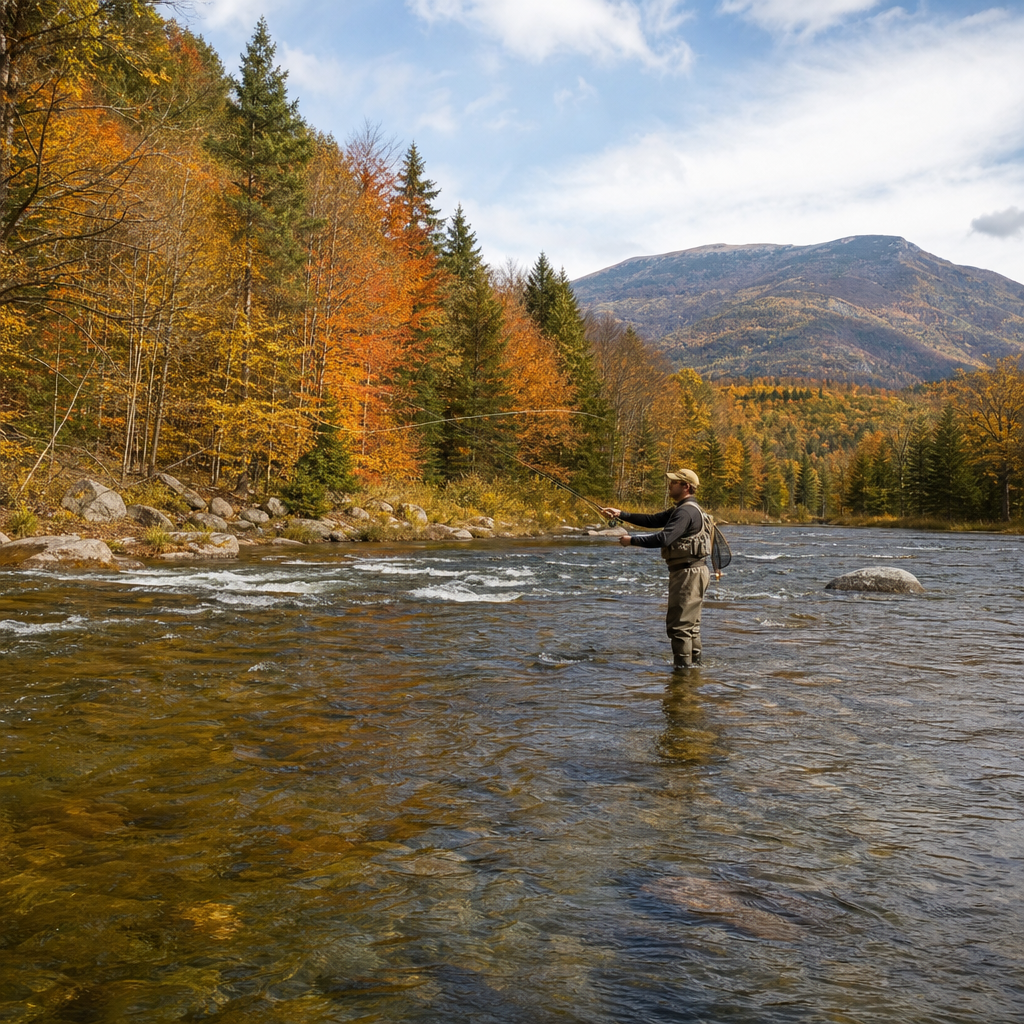
Fly fishing during drought conditions demands a different mindset than fishing in normal flows because water, temperature, oxygen, and fish behavior all change at once. A drought is not just a stretch without rain. In practical angling terms, it means reduced streamflow, warmer water, concentrated fish, stressed aquatic insects, and less room for error from the angler. When I fish dry summers and prolonged low-water years, I stop thinking first about fly patterns and start thinking about hydrology, thermal stress, and fish welfare. That shift matters because success in drought conditions depends less on covering miles of river and more on reading the few places where trout and other game fish can safely hold.
This topic matters for every angler because drought is no longer an occasional inconvenience in many regions. Snowpack variability, hotter summers, groundwater pressure, and higher demand on reservoirs have made low flows more common across western tailwaters, Appalachian freestones, and spring creeks alike. Fisheries agencies from Montana Fish, Wildlife and Parks to Colorado Parks and Wildlife regularly issue afternoon closures or temperature advisories when rivers approach harmful thresholds. Those measures are not political abstractions. They reflect a simple biological fact: as water warms, it holds less dissolved oxygen, while fish metabolism increases and requires more oxygen. That mismatch raises stress, reduces feeding windows, and can turn careless catch-and-release into delayed mortality.
As the weather conditions hub within seasons and conditions, this guide explains what drought changes, how to identify fishable water, when to stop fishing, and how tactics differ across stream types. It also connects the larger weather picture to day-to-day decisions on the river. If you understand drought conditions clearly, every related weather article makes more sense: heat waves, low water, reservoir releases, cold fronts after dry periods, summer thunderstorms, and smoke-season light changes all influence how fish position and feed. Start with the core principle I rely on every season: in drought, the best angler is usually the one who locates the coldest, most oxygenated water, fishes the shortest effective session, and leaves fish in better condition than they were found.
How Drought Changes Rivers, Trout, and Feeding Windows
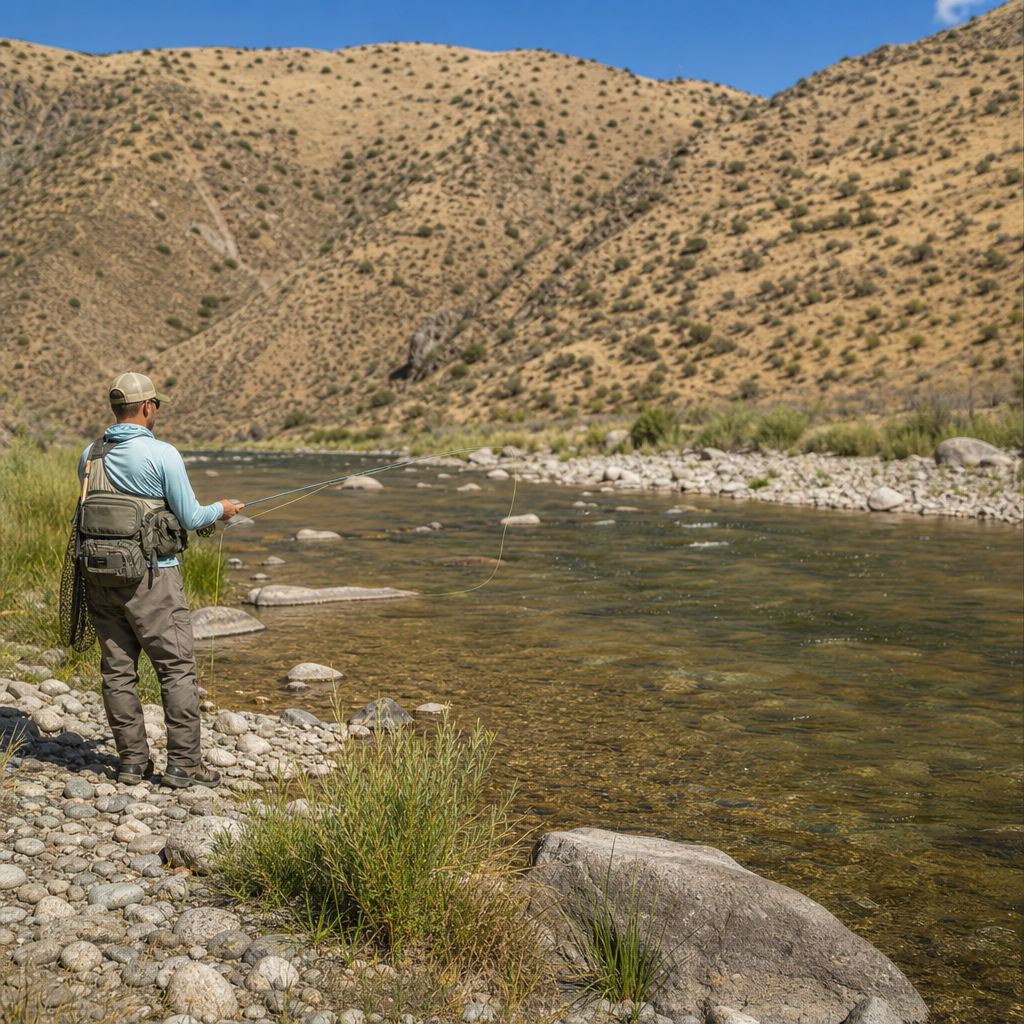
Drought affects rivers through three linked mechanisms: lower discharge, higher temperature, and habitat compression. Lower discharge exposes gravel bars, narrows channels, slows pocket water, and removes the soft edge currents fish use for efficient feeding. Higher temperature reduces dissolved oxygen and speeds fish metabolism. Habitat compression packs more fish into fewer viable lies, especially around tributary mouths, deep bends, undercut banks, springs, and shaded runs. On many streams I have watched a mile of average water become nearly empty while a hundred-yard section near colder inflow holds most of the catchable fish in the drainage. That concentration can create the illusion of excellent fishing even while the fishery is under significant stress.
Feeding windows also shrink and shift. During normal summer conditions, trout may feed steadily from morning through late afternoon on many rivers. During drought, the most reliable activity often compresses into the first two or three hours after sunrise, plus a brief evening period if water temperatures recover. Midday can become functionally dead water, not because fish disappear, but because they move into shelter and minimize energy use. Aquatic insects respond as well. Pale Morning Duns, caddis, terrestrials, and Tricos can still produce, yet hatches are often more localized and timing becomes more exact. Even on rivers known for dependable surface action, fish may refuse long drifts in bright, skinny water and only commit during low-angle light.
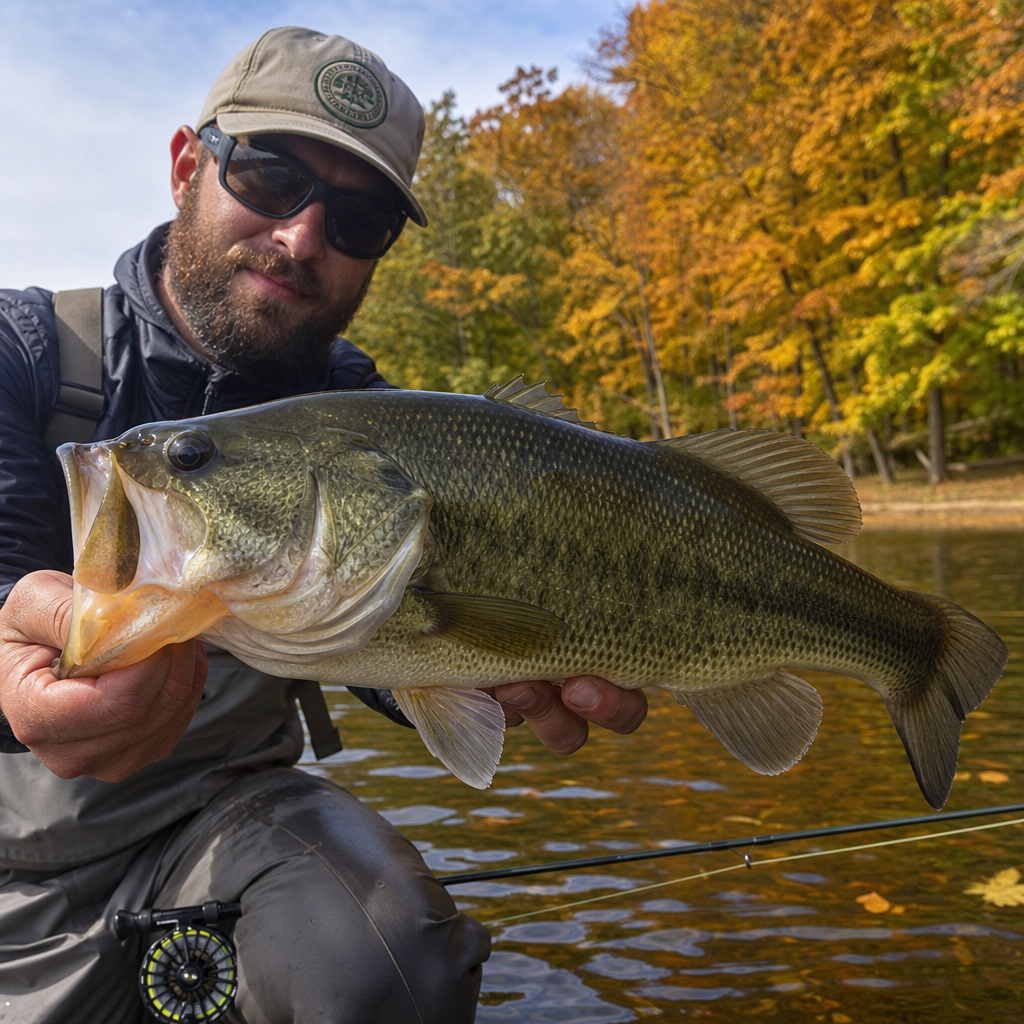
Different species handle drought differently. Wild brown trout often tolerate slightly warmer water than rainbow trout and usually exploit undercut banks and nocturnal feeding more effectively. Brook trout prefer colder headwater refuges and can vanish from exposed reaches quickly. Smallmouth bass and carp may continue feeding aggressively in heat where trout should be left alone. That is why species substitution is one of the smartest drought strategies available. If the trout river is at 69 degrees by late morning, it may be more responsible to move to a bass river, a warmwater pond, or a saltwater flat than to force a trout day that harms fish for marginal returns.
Reading Weather Conditions Within a Drought Pattern
Drought is the broad condition, but daily weather still controls fishable moments. Air temperature matters, yet river temperature lags and depends on overnight cooling, groundwater influence, and release schedules. A forecast high of 95 degrees after a warm night is very different from the same high after a 48-degree night with strong radiational cooling. Wind can help or hurt: a breeze may reduce angler visibility and improve terrestrial fishing, but persistent hot wind raises evaporation and can warm shallow margins. Cloud cover often extends the bite in low water because fish feel less exposed. Smoke haze, common during dry fire seasons, can act like high thin clouds and soften light, although it also creates safety and access issues.
Thunderstorms deserve careful interpretation. A brief mountain storm can cool air and trigger hopper or ant activity, but it rarely fixes a prolonged drought. In fact, the first storm after a long dry spell often creates flash runoff, ash input in burned watersheds, or muddy tributary plumes that displace fish without materially improving base flow. I have seen anglers assume any rain means better conditions, then arrive to find one inch of visibility and water still too warm by noon. Meaningful improvement usually comes from sustained regional precipitation, reservoir management changes, or multi-day cool spells, not a single dramatic afternoon cell.
Weather conditions hub pages should answer the practical question: what should I check before leaving home? During drought, I check USGS stream gauges for discharge trends, state fish and wildlife alerts for closures, water temperature if available, forecast overnight lows, forecast cloud cover, and sunrise timing. For tailwaters, I also check dam release schedules from the Bureau of Reclamation, TVA, or local utility authority. On spring creeks, I pay special attention to weed growth, because low water plus heavy vegetation can alter drift lanes and trap heat in shallow flats. Those weather-linked checks determine not just where to fish, but whether to fish at all.
Finding Fishable Water: Stream Types, Refuges, and Access Choices
Not all rivers respond to drought the same way. Freestone streams usually show the clearest symptoms first: reduced pocket water, exposed structure, and rapidly warming afternoons. Tailwaters can remain fishable longer if deep cold releases continue, but low reservoir storage or reduced release volumes may still produce warm, technical conditions. Spring creeks are often the most temperature stable because groundwater moderates extremes, though they become exceptionally clear and demanding. Small high-elevation tributaries can offer cold water when larger rivers fail, but they are also fragile and easily overpressured once word spreads. The best drought strategy is to understand which water type you are standing on and adjust expectations immediately.
Refuge water is the central concept. Fish survive drought by using microhabitats with cooler temperatures, faster oxygen exchange, cover, and low energy cost. Common refuges include plunge pools below cascades, deep slots under shade, spring seeps, side channels with groundwater input, confluences with cold tributaries, and reaches below bottom-release dams. These zones are productive, but they also deserve restraint. Repeatedly pounding the exact thermal refuge where stressed trout are stacked can produce high catch numbers at a biological cost. I limit pressure on obvious sanctuary water, keep fish in the net and in current, and rotate elsewhere instead of celebrating concentration as easy sport.
| Water Type | Typical Drought Effect | Best Opportunity | Main Risk |
|---|---|---|---|
| Freestone river | Rapid flow loss and afternoon warming | Dawn in shaded riffles and deeper runs | Temperatures rise fast after midmorning |
| Tailwater | Stable flows if releases continue, but technical low water | Morning nymphing and midge or caddis windows | Reduced releases can expose fish and crowd anglers |
| Spring creek | Stable temperature, extreme clarity | Fine tippet dry fly or small nymph presentations | Spooky fish and heavy localized pressure |
| High-elevation tributary | Cold enough to fish even in hot weather | Short sessions with small attractors or terrestrials | Small populations can be overfished quickly |
Access choices matter more during drought because crowds compress just like fish do. Public pullouts near bridges, campgrounds, and popular boat ramps can become unproductive after the first hour of light. Walking farther often helps, but only if the water remains cold enough to justify the effort. I prefer reaches with overhead shade, canyon walls, or north-facing timber that preserve lower morning temperatures. On heavily managed trout rivers, I also look for sections with clear rules on hoot-owl restrictions and private-land boundaries, because drought amplifies conflict between anglers, floaters, and landowners. Good access in low water means legal, safe, and minimally disruptive.
Tactics, Gear, and Fish Handling That Work in Low Water
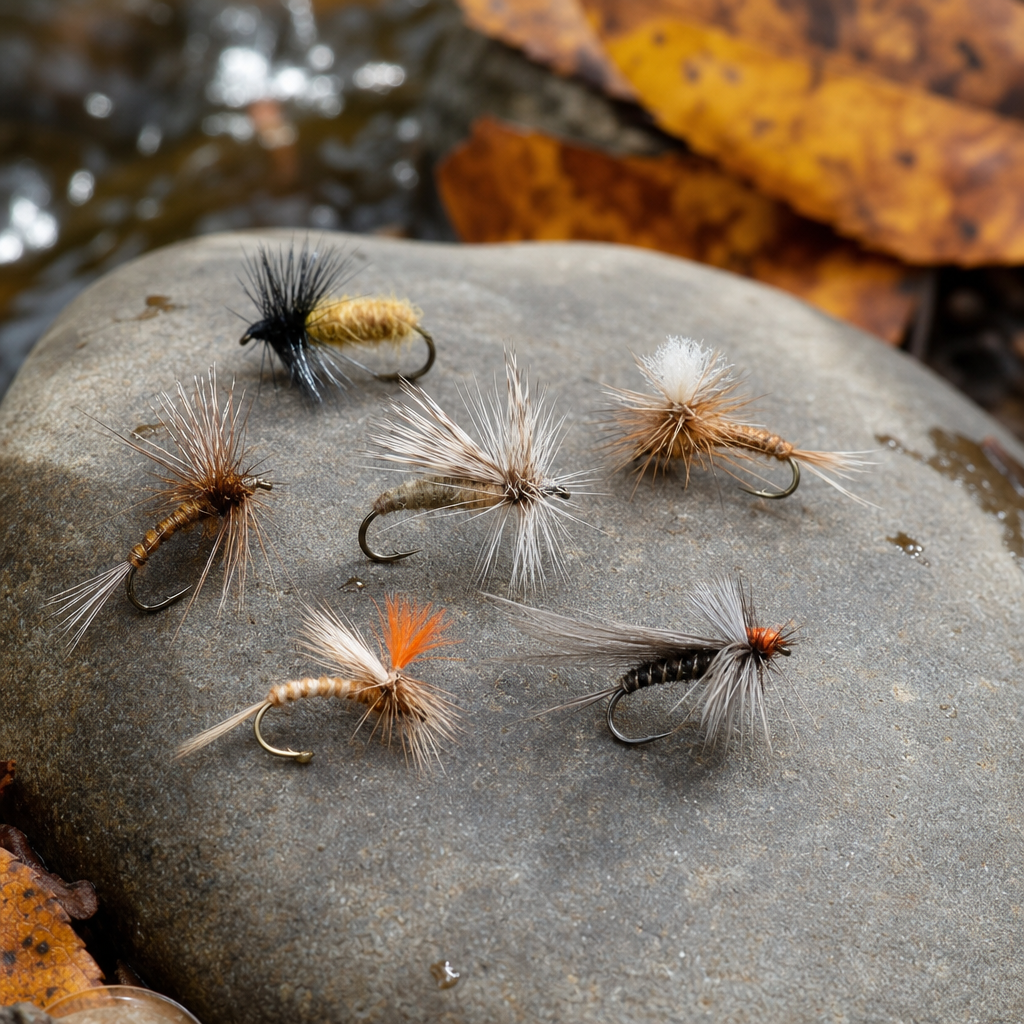
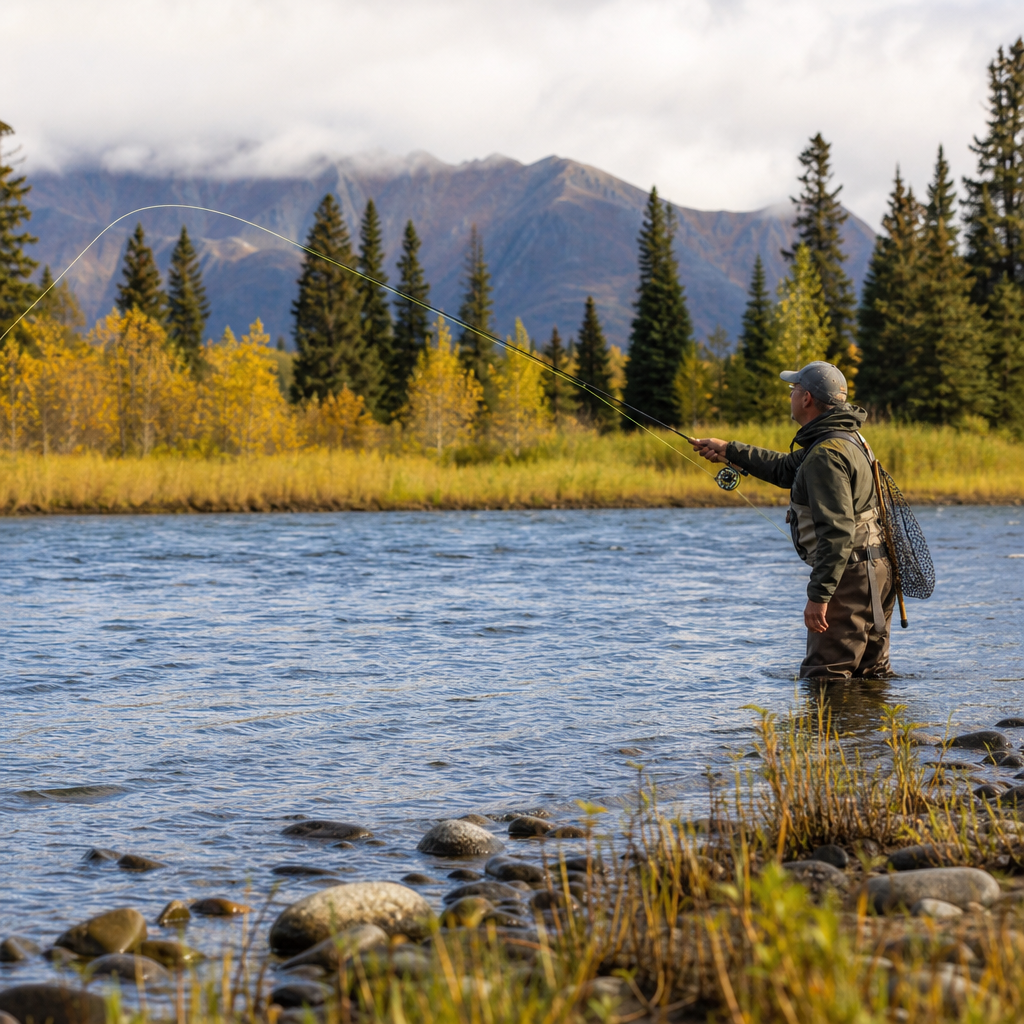
Presentation becomes everything when flows are low and fish are exposed. Long leaders, finer tippet, controlled drifts, and careful wading beat aggressive blind casting almost every time. On clear drought rivers I regularly fish 12- to 15-foot leaders for dries and lighten fluorocarbon tippet for nymphs when fish inspect but refuse. Fly choice should match the reduced profile of the food base: sparse PMD emergers, tiny midges, ant and beetle patterns, micro caddis, and slender perdigons often outperform bulky attractors. Terrestrials remain critical because drought pushes many insects to bankside vegetation, and a well-placed hopper, ant, or cicada can draw fish that ignore subsurface flies all afternoon.
Nymphing still works, but it changes. Heavy split shot and large indicators can spook fish in thin water, so I use smaller indicators, tighter rigs, and targeted casts to single seams rather than broad prospecting. Euro-nymphing excels in some drought scenarios because direct contact improves strike detection in short slots and minimizes drag, though anglers must avoid standing too close in transparent water. Streamers are situational. At first and last light, small unweighted baitfish patterns or soft hackles can move larger browns from cover. In bright midday conditions, stripping heavy streamers through warm, shallow lies is often inefficient and can overtax fish that should not be chased hard.
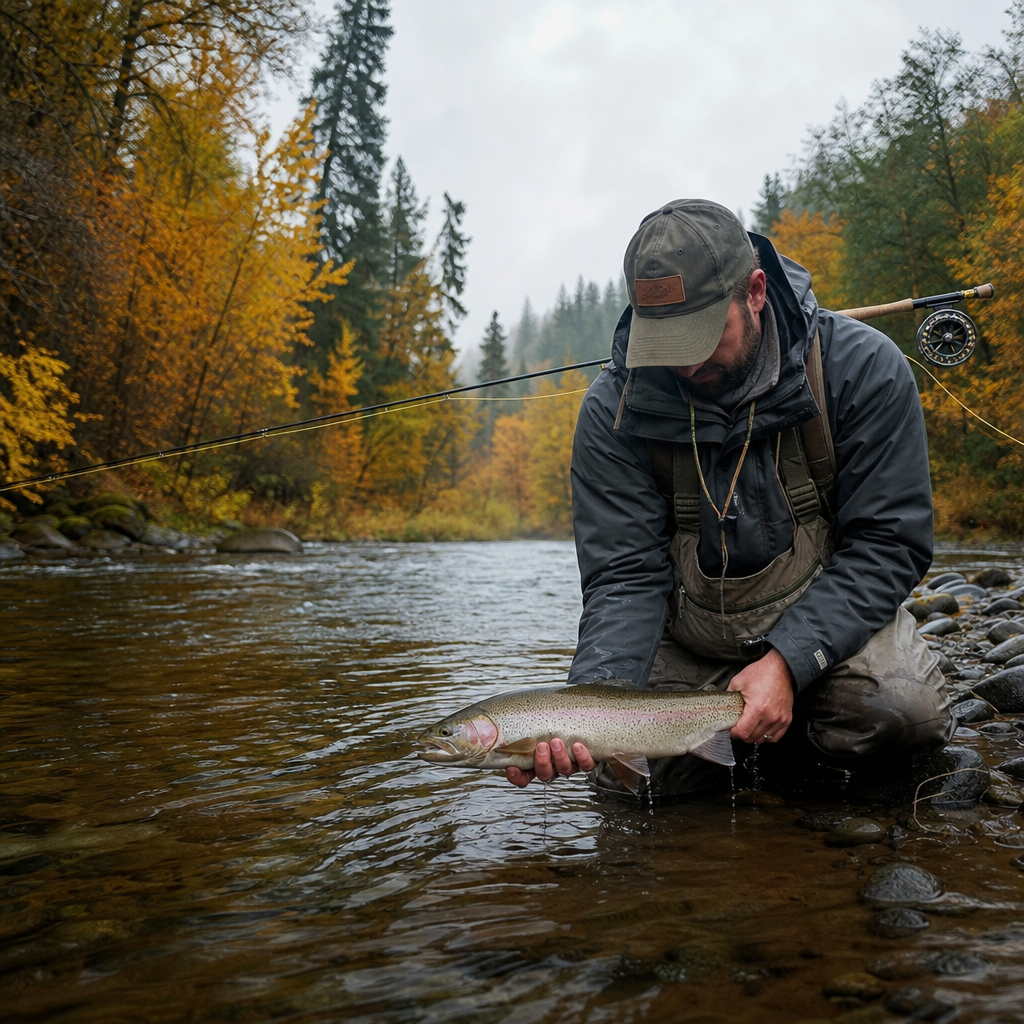
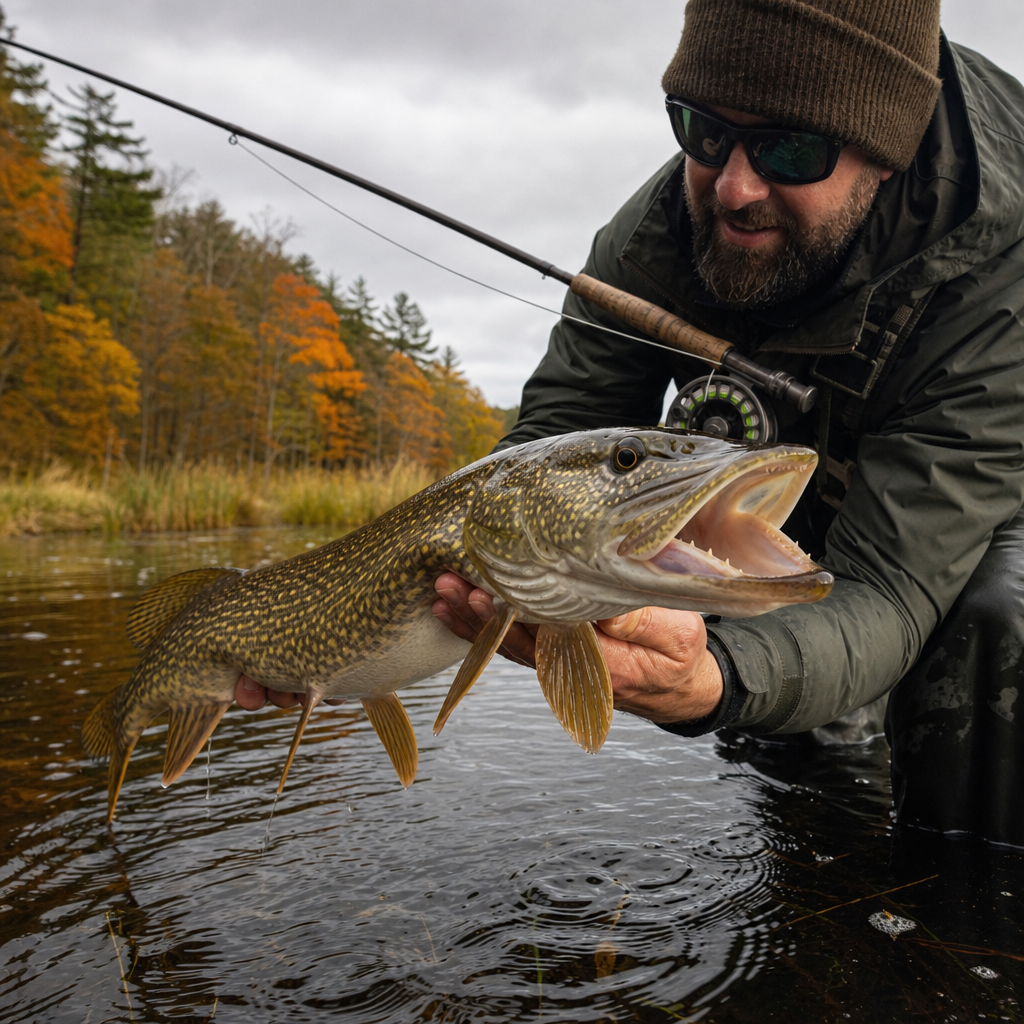
Fish handling is where responsible fly fishing during drought conditions becomes real rather than rhetorical. If water temperatures approach 67 to 68 degrees for trout, I shorten sessions and monitor constantly. At 70 degrees and above, I stop targeting trout. Use a rubber net, fight fish hard and quickly on appropriately strong tippet, keep them submerged, and skip hero shots. If a fish rolls over in the net, hold it facing current only as long as needed for it to kick away; prolonged manual revival can do more harm than good. Barbless hooks, single flies, and a clear release plan reduce air exposure and handling time. In drought, ethical technique is not optional tackle etiquette. It is fishery maintenance performed one decision at a time.
Building a Season Plan Around Drought, Not Against It
The smartest anglers treat drought as a season structure, not a bad surprise. Build a rotation that includes higher elevation creeks, tailwaters with dependable cold releases, warmwater backups, and stillwaters that fish best early. Keep a simple log with gauge height, water temperature, hatch timing, and stop-fishing thresholds. After one dry season, patterns become obvious. You will know which river loses its morning window by 9:30, which spring creek stays viable through August, and which storm tracks only add mud. That record is more useful than general advice because drought effects are intensely local. The same air temperature can produce fishable dawn conditions on one river and unacceptable stress on another.
Drought also changes maintenance and safety planning. Carry a thermometer, extra water, and footwear suited to algae-slick cobble exposed by low flows. Expect more visible fish, more snakes, more wildfire restrictions, and less forgiveness if you hike deep into canyons during heat. Respect closures immediately; they exist because repeated stress kills fish after release, not because wardens want empty rivers. Finally, broaden your angling calendar. Some of my most satisfying drought summers have come from shifting trout effort to dawn, then spending afternoons learning smallmouth popper fishing, carp sight-fishing, or stillwater chironomid tactics. The benefit is twofold: you protect trout during dangerous weather conditions and become a more adaptable fly angler overall.
Fly fishing during drought conditions is ultimately an exercise in judgment. The key takeaways are straightforward: low flow compresses habitat, warm water reduces oxygen, feeding windows move earlier, and the best-looking refuge water often holds the most vulnerable fish. Check gauges, temperatures, and agency advisories before every trip. Choose rivers by water source, not habit. Fish early, move carefully, present lightly, and stop when temperatures cross responsible limits. If trout conditions are poor, switch species rather than forcing the issue. That approach preserves fisheries and usually improves results. Use this weather conditions hub as your starting point, then apply the same disciplined reading to heat, storms, flow changes, and seasonal transitions on every future trip.
Frequently Asked Questions
How does drought change fly fishing conditions compared to normal water years?
Drought changes nearly every variable that matters in a river or stream. Lower flows shrink the amount of usable habitat, reduce current speed in many runs, expose structure that is normally submerged, and make fish far easier to see while also making anglers easier for fish to detect. Water temperatures usually rise faster in shallow, low-volume systems, and that directly affects dissolved oxygen levels. As oxygen drops and water warms, trout and other coldwater species become less willing to move for food and more likely to hold in very specific places where current, shade, depth, and oxygen are still favorable.
In practical terms, this means fish often stack into fewer refuges: deeper slots, spring-fed sections, shaded undercut banks, plunge pools, tailouts with enough depth, and tributary mouths where cooler water enters. Aquatic insect activity can also shift. Some hatches may be reduced, delayed, or concentrated into narrower time windows, while terrestrial food sources become more important because low water often puts fish in positions where they can feed selectively on ants, beetles, and hoppers. Presentation becomes far more important than simply choosing a popular fly pattern. In drought conditions, a poor angle, a heavy footstep, a sloppy cast, or a long fight can do more damage to success than using the wrong imitation. The biggest mindset shift is realizing that hydrology, temperature, oxygen, and fish stress should drive your decisions before fly selection ever does.
Where should you look for fish when streams are low, warm, and clear?
Start by looking for refuge water rather than just “good-looking” water. During drought, the fishable river often becomes a map of survival zones. Fish tend to concentrate anywhere they can find a better balance of cover, depth, current, temperature, and oxygen. That often means the heads of pools where current brings oxygen, the deepest part of a pool where temperatures are slightly more stable, undercut banks with shade, boulder gardens with broken surface texture, spring seeps, and the confluence areas where cooler tributaries enter the main flow. In freestone systems, pockets that seem small in normal years can become high-value holding water if they offer depth and aeration. In tailwaters, fish may group around specific current seams or temperature bands created by release schedules.
You should also pay attention to what fish are avoiding. Wide, shallow flats may look inviting, but in drought they often become too warm, too exposed, and too easy for predators to patrol. Long dead-water edges can hold fish early and late, but often become poor midday habitat. If you are targeting trout, prioritize sections with overhead shade, canyon walls, riparian cover, or groundwater influence. If you are fishing warmwater species, the pattern can be different, but the principle is the same: reduced water concentrates fish around the best remaining combination of food and security. Approach all of these areas carefully. In clear, skinny water, the fish are not just concentrated; they are alert. Often the first cast from a low profile and a smart angle is your best chance.
What are the best tactics and fly choices for fly fishing during drought conditions?
The best tactic is usually the least disruptive one. In low, clear water, fish often refuse anything that lands hard, drags unnaturally, or forces them to move too far. Longer leaders, finer tippet, and accurate casts matter more than they do during higher flows. A light-footed approach from downstream or from a low side angle is often better than standing high on the bank and firing long casts over the whole run. You want to cover less water more carefully. Instead of racing from one run to the next, identify a likely holding lie and make a short series of precise presentations. In many cases, the first natural drift is worth more than ten average ones.
As for flies, think small, clean, and seasonally logical. During drought, fish commonly see less turbulent drift and more time to inspect a fly, so downsizing often helps. Small mayfly and midge patterns, sparse caddis imitations, and lightly weighted nymphs can be very effective. Terrestrials are often a major player in summer droughts because bankside insects become a dependable food source when aquatic productivity is stressed or inconsistent. Ants, beetles, and hoppers can be excellent search patterns, especially along grassy edges, under trees, and beside cut banks. If fish are feeding but refusing, the issue is often drag, tippet diameter, or fly size before it is fly category. Streamers can still work, particularly in deeper oxygenated pockets at low light, but they should usually be smaller and fished with restraint. In drought conditions, success often comes from matching the river’s reduced energy with a more subtle, controlled style of fishing.
Is it ethical to fly fish during drought, and when should you stop?
Yes, it can be ethical to fish during drought, but only if you put fish welfare ahead of your desire to be on the water. Drought does not automatically mean a river should never be fished, but it does mean conditions can move into harmful territory quickly. The key questions are water temperature, fish stress, species sensitivity, local regulations, and your ability to land and release fish efficiently. Coldwater species such as trout are especially vulnerable when water gets too warm and oxygen levels fall. Even if fish are still feeding, they may not recover well after a prolonged fight in marginal temperatures. That is why many responsible anglers carry a thermometer and set personal limits, not just legal ones.
A good general rule is to fish early, stop when temperatures climb, and avoid targeting trout once water temperatures move into stressful ranges for that fishery. Exact thresholds vary by species and region, but if water is consistently warm and fish are showing signs of stress, the right move is to quit or switch to a more resilient warmwater fishery. You should also stop if fish are packed tightly into obvious thermal refuges such as cold tributary mouths or spring inflows. Catching fish that are concentrated in those sanctuaries may be easy, but it can put disproportionate pressure on the very places helping them survive. Ethical drought fishing means shortening fights, keeping fish in the water, minimizing handling, crushing barbs if appropriate, and being willing to walk away when conditions no longer support safe catch-and-release.
What mistakes do anglers make most often when fly fishing in drought conditions?
The most common mistake is treating a drought river like a normal river with slightly less water. That usually leads to covering water too quickly, wading too aggressively, and assuming fish are spread evenly through the system. In reality, low-water fish are often concentrated and highly cautious. Heavy boots on dry banks, careless shadows over the pool, false casting above fish, and wading through the tailout before fishing the head can ruin a stretch before the first proper drift. Another frequent error is focusing too much on fly pattern changes while ignoring approach, water temperature, timing, and presentation. During drought, stealth and fish location typically matter more than carrying a larger fly box.
Anglers also make mistakes after the hookup. In warm, thin water, a long fight can be far more damaging than many people realize. Using tackle that is too light for the fishery, playing fish for photos, or lifting fish repeatedly out of the water all add stress. Another problem is fishing at the wrong time of day. Midafternoon may be convenient for the angler, but it is often the worst window for coldwater fish during hot, dry periods. Lastly, many anglers fail to think beyond the single fish they are trying to catch. Drought fishing is a systems problem. If you understand where cooler water enters, how oxygen changes from riffle to pool, how insect activity narrows, and how fish use cover when habitat shrinks, your decisions become smarter and more responsible. In drought conditions, the anglers who do best are usually not the ones changing flies every five minutes; they are the ones reading the entire river with more discipline and more restraint.